ディープフェイクが高校を分断した理由
ペンシルベニア州の高校で発生した深層偽造(ディープフェイク)による性的虐待事件は、学校側の対応の不備とオフキャンパスでの責任範囲を巡る法的・社会的議論を引き起こし、AI 技術の悪用が教育現場に与える深刻な影響を浮き彫りにした。
キーポイント
ディープフェイクによる性的虐待の実態
生徒が有料アプリ「Movely」を使用して、クラスメイトの顔をヌード体に合成する画像を作成し、被害者が精神的苦痛と孤立を強いられた事件。
学校側の対応批判と責任論争
学区にはいじめ防止策や法律が存在したにもかかわらず、管理側が被害者を隔離するなどの不適切な対応を取り、保護者から強い批判を浴びた。
オフキャンパス行為の管轄権問題
学校外・非授業時間におけるスマホ利用で発生した犯罪に対し、Title IX(教育法第九条)の観点から学校の責任範囲が問われる新たな議論が発生している。
法的規制と社会への波及効果
ペンシルベニア州が 2024 年に悪意あるディープフェイクを犯罪化したが、この事件は法整備の遅れや執行の難しさを浮き彫りにし、州知事による注目を集めた。
学校側の対応と孤立化
事件発生後、学校側は被害女子生徒に早期退校や個別の昼食を提案し、結果として彼女たちの同級生や学習環境からのさらなる孤立を招いた。
AI 生成コンテンツの拡散経路
男子生徒が AI アプリで生成した性的な深層偽造動画は、数時間以内に校内および他校に広がり、最終的に被害者本人たちのもとへ戻ってきた。
アプリの危険性とプラットフォーム対応
Movely などのアプリはテキストプロンプトで画像を編集可能であり、テストでは即座にヌード画像を生成できたが、Apple は報告後に該当アプリをストアから削除した。
影響分析・編集コメントを表示
影響分析
この事件は、AI 技術の民主化が進む中で、教育現場におけるセキュリティ対策や倫理教育がいかに遅れているかを如実に示しています。特に、オフキャンパスでのデジタル犯罪に対する学校の権限と責任の境界線が再定義される必要があり、今後の法整備や学校ポリシーの見直しに大きな影響を与えるでしょう。
編集コメント
技術の進歩が法整備や社会規範を凌駕した際、最も脆弱な立場にある生徒たちが深刻な被害を受ける事例です。単なる技術規制だけでなく、デジタルリテラシー教育と学校側の危機管理体制の抜本的見直しが急務です。
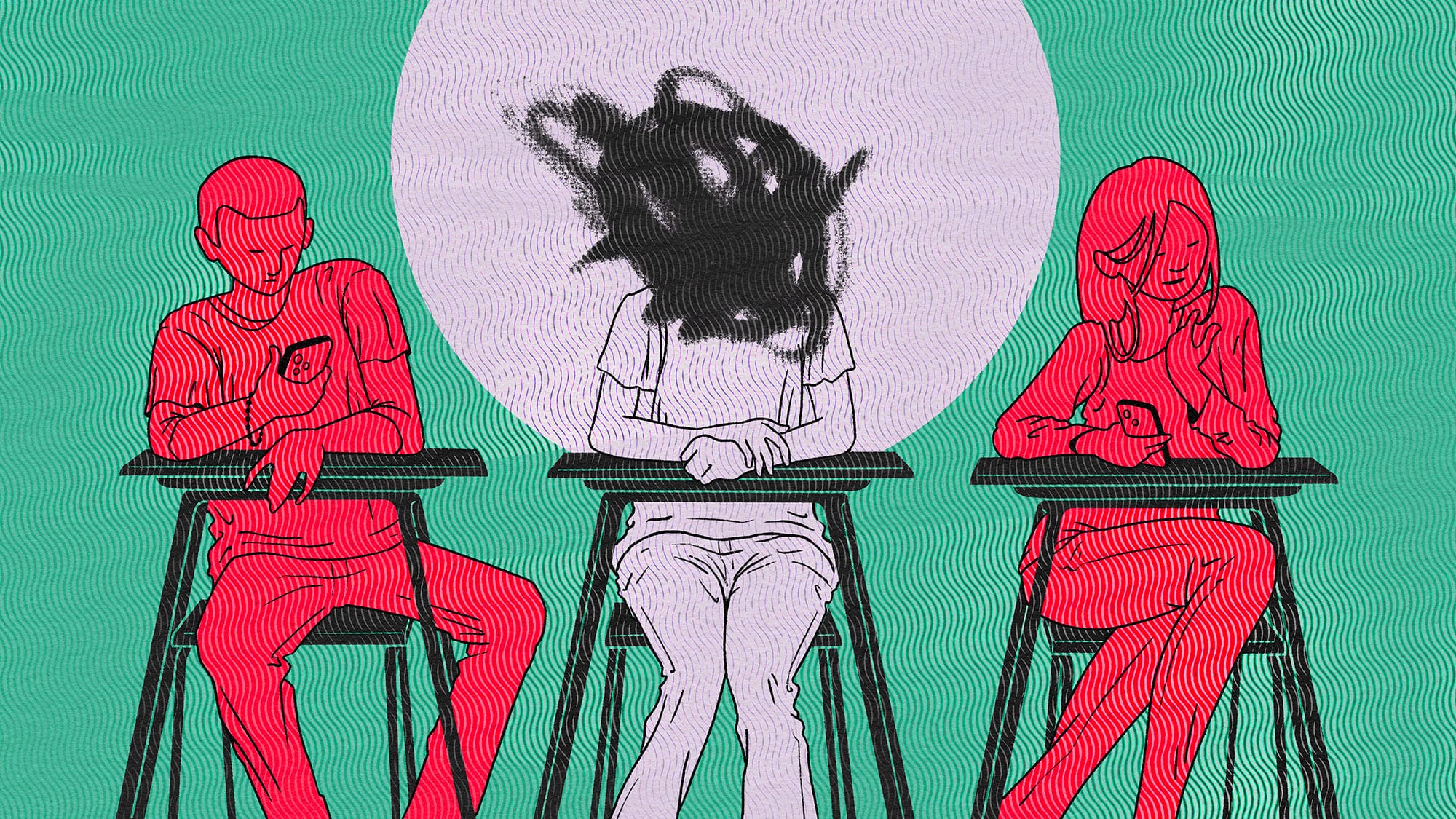 image 12 月の初めのある学校の夜、ペンシルベニア州のラドナー高校(Radnor High School)に在籍する一年生が、スナップチャット(Snapchat)で友人たちにメッセージを送り、「親にスマホを没収された」と書き込んだ。
「なんで?」と一人が返した。
「あのアプリのことだ」と彼は答えた。「それが何だったか認めたのか、それともお金のことだけ認めたんだ?」と別の一人が尋ねた。最初の少年は「お金のことだけだ」と返事をした。
「お前がそこで何をしてたか親にバレたら、今頃死んでるぞ」
彼はこれらのメッセージを学校から支給された端末から送っていたと述べた。「その『ホエー』に 250 ドルも使ったんだ」「その価値は十分にあったよ」と彼は答えた。
彼はそのお金を、アップルの App Store(App Store)にある「Movely」というアプリのサブスクリプション購入に使い、そのアプリを使って女子生徒 5 人の顔をヌードの体に合成し、性的な画像を作成したとされている。このアプリを使用して動画を作った少年は翌朝学校に来なかったが、被害を受けた少女たちは登校した。彼の友人たちもまた登校していた。
「男の子たちは彼を擁護しているし、『何も見ていない』と言っているけど、実際には見ていたんだ」と一人の少女が母親にテキストメッセージを送った。「許されないことだ」
ラドナー高校は州内でもトップクラスにランクされる学校です。2026 年度には約 1,000 名以上の生徒が在籍しています。学区では長年にわたり、いじめ、ハラスメント、性的暴力に関する方針を策定しており、ペンシルベニア州法では 2024 年に悪意のあるディープフェイク(deepfake)を犯罪として処罰する規定を設けました。2025 年には、捜査官が容疑者の携帯電話から未成年者を描いた AI 生成コンテンツのファイルが 24 件以上見つかったことを受け、1 人の男性が児童性的虐待素材所持に関する 30 件以上の重罪で起訴されました。
にもかかわらず、保護者らが 404 Media に語ったところや、事後の保護者と義務報告者の間のメール交換、学区と警察署の間での矛盾する主張、そしてジョシュ・シャピロ知事による学校への注目を踏まえると、ラドナー高校の管理側は、虐待事件を知ってから数日〜数週間にわたり生徒たちを見放していました。
「率直に言って、私はこれが誰にも再び起こらないことを願っています」と、被害者の一人の母親であり、公の場で報道陣や学区理事会で発言を続けているオーデリー・グリーンバーグ氏は私に語りました。
この事件は学校にとって新たな議論を引き起こしました。すなわち、生徒が校外・非授業時間中に携帯電話で行った行為について、それが学校の責任範囲に含まれるかどうか、特に Title IX(タイトルIX)の要件の下でどう捉えるべきかという点です。
「娘は、学校で一緒にいなければ、あの他の男の子を知らないはずです」とグリーンバーグ氏は語った。「全校生徒がそれを知っています。彼女は数週間にわたり私に電話をかけてきて、早く帰ってほしいと頼んでいます。集中できず、それが毎日の学校生活に影響しています。」
事件の翌日、学校は女子生徒たちが授業から早退し、一人で昼食をとることを許可すると申し出ました。これは彼女たちをさらに同級生や学習から孤立させる結果となりました。一方、保護者や支援団体は、今後このようなことが娘たちや他の誰にも起こらないようにするため、すべての学校理事会会議に出席し、州代表者や立法者と連携してイベントを組織してきました。
12 月 4 日の朝、ラドナー高校の 9 年生女子 5 人が登校しました。全員が 14 歳か 15 歳の生徒です。午前 8 時頃には、太陽が出始めてまだ 1 時間にも満たないのに、前夜に何があったのかを学校全体がすでに知っていたかのようでした。ある男子生徒がアプリを使って、これらの女子生徒の性的に露骨な AI 生成動画を作成し、友人たちに送信したとされています。そこから動画や噂は生徒から生徒へ、学校から学校へと広がり、最終的にはディープフェイク(顔合成技術)で顔を加工された本人たちの元にまで戻ってきました。
学校におけるディープフェイクによるハラスメントの経験はありますか?ぜひお聞かせください。業務用デバイスを使用せずに、Signal で sam.404 まで安全にメッセージを送信できます。あるいは、sam@404media.co までメールをお送りください。
数週間前、被害者の女子生徒たちの親たちは、画像を作成した男子生徒たちがラドノ高校の昼食テーブルでその画像を見せびらかしていたと証言しています。12 月 3 日の夜、子供たちがこれらの画像を共有し話題にし始めた際、誰かがサイバーいじめ、銃撃計画や脅迫、その他の暴力行為に関するペンシルベニア州の Safe2Say ホットラインに通報しました。
これらの画像は、女子生徒たちとその親たちが信じるところでは、Movely というアプリを使用した一人の男子生徒によって作成されたものです。このアプリは、Apple や Google のアプリストアで数十種類がホストされ、Instagram や TikTok で広告が出されているものと同様で、ユーザーをスーパーヒーローや動物、インフルエンサーとして描いた AI 画像や動画の作成を約束しています。しかし、有料の壁(ペイウォール)の向こう側では、テキストプロンプトを使って写真や動画を編集することが可能でした。
Tech Transparency Project(TTP)が 4 月に発表した最新のレポートで、Movely のディープフェイク作成能力がテストされました。「この機能をテストするため、TTP は川沿いに立つ白い T シャツを着た女性の画像をアップロードしました。選択ツールを使って女性のシャツ部分を強調表示した後、『トップレス』というプロンプトを入力しました。すると、アプリは即座に上半身裸の女性のバージョンを 4 つ生成しました。AI 画像をダウンロードするには有料サブスクリプションが必要でした。」Apple は 404 Media に対し、TTP のレポートで言及されたアプリを削除したと伝え、執筆時点では Movely は App Store では利用できませんとなっています。
この記事のために話を聞いた誰一人として、問題となっている画像を直接見た者はいない。これらの画像は未成年者を描いたものであり、連邦法および州法の下では児童性的虐待物とみなされる可能性が高い。AI によって生成された児童性的虐待物を閲覧、共有、または保存することは違法である。このことが、学校管理者にとって、危害を理解し適切に対応するプロセスを混乱させている。彼らは、消費者レベルで 8 年以上存在しており、カメラが発明されて以来若い女性やティーンエイジャーを悩ませてきた同意のない親密なイメージとほとんど変わらないこの技術に対して、準備ができていなかったように見えるからだ。画像が「本物」ではないため、当局はどのように扱うべきか葛藤している。しかし、それらが引き起こす危害は極めて現実的なものである。これらに描かれているとされる少女たちは沈黙させられ、孤立し、保護すべき人々によって無数の説明のつかない方法で罰せられている。
「あなたを不滅にする:ある女性がディープフェイクのハラスメントに直面した方法」
「このコンテンツを発見した後、正直に言って…、もう誰かのそばにいようとも思わない時さえありました」と彼女は言った。「文字通り、埋め込まれたような感覚でした。」
 image404 MediaSamantha Cole
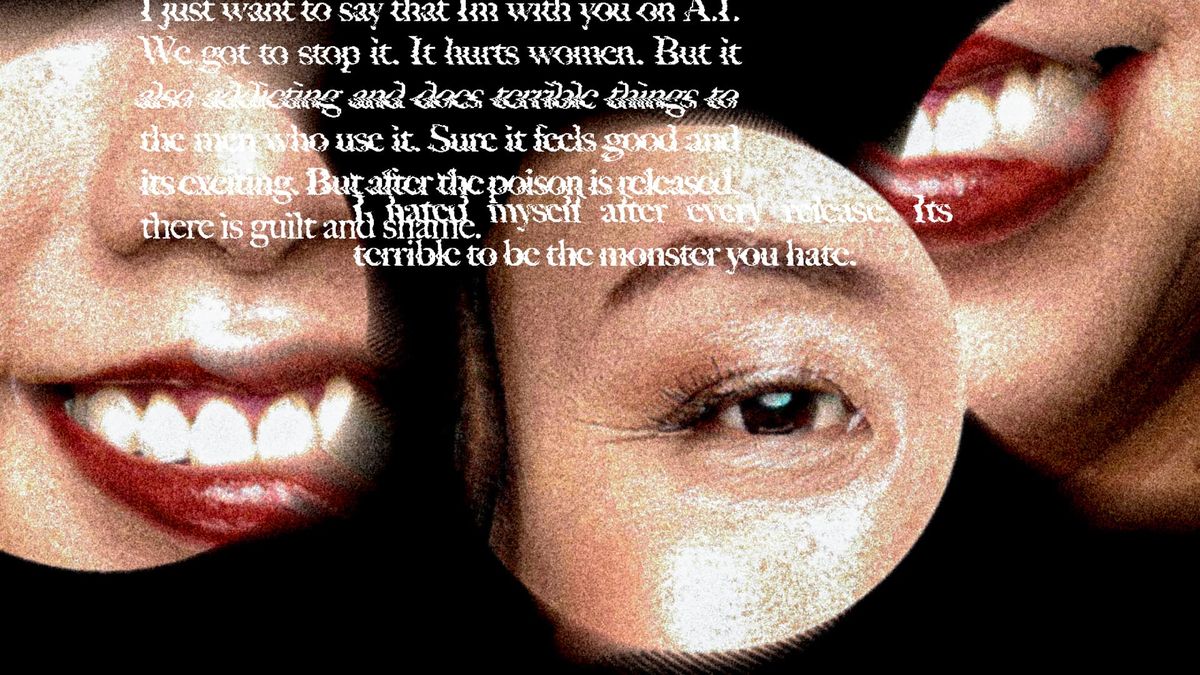
ラドナー校の指導部は、学区内で拡散していたとされる児童性的虐待素材について当初、「噂」と呼んでいました。12 月 8 日、校内で話題となり数日後に送られた保護者宛てのメールの中で、ラドナー高校校長のジョセフ・マクナマラ氏は次のように記しました。
「ラドナー高校の保護者の皆様へ、本日は、生徒数名を不適切な形で描いたとされる AI 生成動画に関する懸念と噂についてお伝えするためにこのメールを送ります。この状況がいかに不安で深刻であるか理解しており、最高レベルの緊急性と配慮をもって対応していることを保証いたします。影響を受けた可能性のある生徒の家族にはすでに連絡が取り、利用可能な支援についての情報が提供されています。」
マクナマラ氏はさらに、「この件が私たちの注意を引いた直後に」と書き、ラドナー町警察署に連絡したと述べ、RPD(Radnor Township Police Department)が「積極的に関与している」と言及しました。
Radnor 町警察署はこの記事についてコメントを拒否し、事件後に Radnor が実際に警察署と「密接に」協力したかどうかを確認または否定することも拒否しました。"メディアの問い合わせはすべてデラウェア郡検察官事務所に転送します"と、Radnor 町のクリストファー・フラナガン警察署長が私宛てのメールで述べています。地区検事であるタナー・ラウス氏は私のコメント依頼に応じませんでした。
404 Media が閲覧した電子メールによると、学校管理者らは被害者に対して一連の「支援措置」を提供しました。これには、事件発生後数週間にわたり授業を早期に終了する許可、スクールカウンセラーおよびソーシャルワーカーへのアクセス権が含まれます。また、ラドナー町の人事部長から保護者へ送られたメールによると、副校長のガブリエル・プレズリー氏は「特定の授業や課題に関連する要請された accommodations(配慮措置)をすべて審査する」というオープンドアポリシーを採用しました。実質的に、女子生徒たちは自らの学習を途中で切り上げる選択肢しか持たず、学校から得られる他の支援はほとんどありませんでした。
女子生徒たちは、いじめっ子がどのような結果に直面するか確信が持てず、これが彼らが感じるトラウマ(心的外傷)を増幅させていました。管理者らは保護者に対して状況について矛盾するメッセージを送っていました。
1月14日、ラドナー・タウンシップ警察は被害者の保護者に対し、画像を作成した少年が「簡易的な嫌がらせ」の罪で起訴されたことを通知しました。それから2日後の1月16日、ラドナーコミュニティには、ラドナー・タウンシップ学区長官ケネス・バチェラー、フラナガン、マクナマラの名前で署名された電子メールが届き、そこでは犯罪は行われておらず、調査の結果、画像は見つからなかったと主張されました。
その電子メールの中で、フラナガン、バチェラー、マクナマラは保護者に対し、ラドナー警察が「捜査を終了した」と伝え、学校敷地外かつ授業時間外の小規模な集まりにおいて、生徒たちが個人用の携帯電話を使用して他の生徒の公開されている画像をコピーし、画像をアニメーション化して動いて踊っているように見せるアプリを使用していたと説明しました。高校の管理当局が噂を初めて聞き、 alleged な画像について知ったその日、直ちに調査を開始し、警察に連絡し、関係するすべての保護者や生徒に連絡を取ったと記されています。
彼らは、警察と郡の法科学チームが状況を調査したと書き、「法執行機関に共有された証拠には不適切な内容やその他の関連犯罪を示すものは一切含まれていなかった。関与した個人は捜査に協力し、個人の技術機器の検索を許可した。学区内のすべての技術機器も検索された。徹底的な調査の結果、 alleged な画像は一切発見されなかった」と述べています。
非同意のディープフェイクから生徒を保護できていない学校、報告書が指摘
教師、生徒、保護者に対する調査では、非合意の画像、AI 生成のものを含め、若者のコミュニティ間で拡散する事態に対し、学校が準備できていないことが示されました。
 image404 MediaSamantha Cole

女子たちの保護者たちは衝撃を受けました。娘たちは先週まで学校に出入りを繰り返し、画像が性的に利用され広範に共有されたことによるトラウマ、およびその結果生じたさらなる嫌がらせやいじめと向き合ってきました。彼らは日常に戻ろうとしていましたが、ラドナー高校では、加害者が廊下で友人たちとハイタッチしている姿を目撃しました。ある人々にとっては勉強に集中することが不可能になり、一部の人はカウンセリングを始めました。また、一部の人々はただ先に進み、二度と思い出したくないと考えていました。そしてここ六週間後、警察署長、学区のスーパーインテンデント(校長)、および高校の校長が「何も起きていない」と主張しているのです。
1 月 23 日、ラドナー校の管理者と警察署長が犯罪は発生していないと主張するメールを送った翌週、ラドナー町警察署はフェイスブックページに、実際には犯罪が発生したことを示す注意書きを投稿しました:
2025 年 12 月、ラドナー・タウンシップ内で複数の未成年者に対する同意のない性的画像を AI で生成する可能性が報告されたことを受け、ラドナー警察署はデラウェア郡地方検事局および同郡 ICAC(インターネット児童犯罪対策)捜査官部門と協力して調査を実施しました。その結果、当該行為を行った未成年の加害者が嫌がらせ罪で起訴されました。AI の危険性にご注意ください。また、これを悪用した犯罪については適切に捜査され、起訴されます。
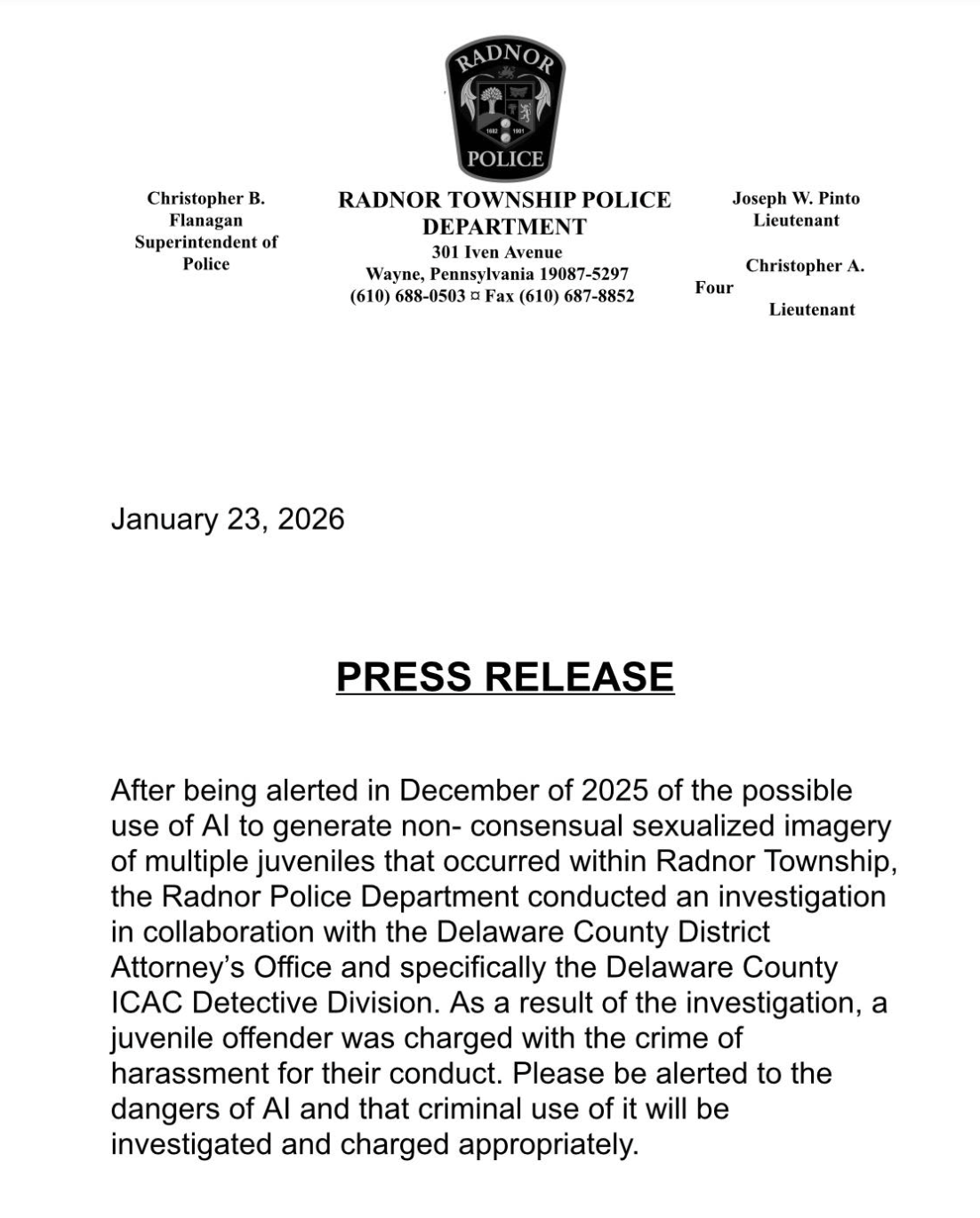 imageラウス氏はまた、この声明をグリーンバーグ氏と別の保護者であるモーガン・ドルフマン氏にも送付し、これは「皆様からのよく考えられた要請への回答として」送ったものであると記しました。
「私たちはこれが、グリーンバーグ(原文ママ)氏が想定していたこととほぼ完全に一致しており、ドルフマン氏の希望とも完全に合致していると考えています」とラウス氏は電子メールで書き続けています。「明確に『信頼性』という用語は使用していませんが、起訴が行われた事実(正しく行われた)から、少女たちの話が信じられたことは明白です。改めて、お二人のお嬢様が経験されたことに対して心よりお詫び申し上げます。また、法執行機関がご主張を真剣に受け止めたことで、お二人のお嬢様にとってある程度の慰めとなり、この事件以前のように生活を取り戻す一歩となることを願っております。」
地区検事ロースは、私のコメント依頼に対して回答しませんでした。
1 月 28 日の電子メールにおいて、少年部副地区検事のケイティ・メイジーは女子生徒の両親宛てに、「ラドノア青年支援パネル(Radnor Youth Aid Panel: YAP)が、容疑のある少年との面談を開催したことを確認できます」と記しました。YAP の声明によれば、少年に対する処置内容は機密事項です。しかし、関係者全員にお知らせできるのは、YAP が独自の処置に加え、地区検事事務所の要請に基づき 2 つの要件を課したという点です。少年はインターネット安全教室への出席が義務付けられ、即時発効として 2026 年 3 月 27 日まで接触禁止措置(stay away requirement)が科されました。学校敷地内では、女子生徒のいずれかと遭遇した場合、自らその場を離れる責任があるとの指導も受けています。明確に申しますと、これは虐待からの保護命令ではなく、学校生活においてすべての関係者が可能な限り安心できるよう策定された処置です。少年とその父親は、学校行事以外のイベントには参加しない意向を示しましたが、女子生徒の近くにいる場合は常識を持って自らその場を離れるよう指導されました。
「違反が起きた際に誠実に地域社会に報告しないのであれば、ポリシーなど無意味です」
全国の学校管理当局は、「nudify」アプリや、それが生徒たちに引き起こしている混乱とトラウマに対して準備ができていません。民主主義と技術センターによる 2024 年の報告書によると、生徒の 40% と教員の 29% が、前学年に性的な深層偽造(deepfake)画像が共有されたことを知っていると回答し、教員の 71% は、性的に露骨で同意のない深層偽造画像を共有したことが発覚した生徒が法執行機関へ通報されたり、退学処分を受けたり、3 日以上停学になったりしていると報告しています。また 2024 年の別の報告では、未成年者の 10 人に 1 人が、友人が AI を使用して同級生の性的に露骨な画像を生成したと回答しました。このような事件での最初の逮捕は 2023 年に発生し、13 歳と 14 歳の二人の少年が、男女の同級生に対して AI で生成されたヌード画像を作成したとして逮捕され、3 級重罪(third-degree felonies)で起訴されました。
事件発生から数週間から数ヶ月にかけて続いた一連の出来事は、全国の学校で繰り返し繰り返されているパターンの一環です。
MyOwn Image の創設者であり、テクノロジーを悪用した暴力や画像に基づく性的虐待に焦点を当てた非営利団体の代表であるサザナ・ギブソンは、ラドナーで何が起きていると最初に聞いた際にも驚いていなかった。「私たちはこのような報告を定期的に受け取っており、そのパターンは一貫しています」と彼女はメールで私に語った。「女の子の画像がヌディフィケーションアプリや生成 AI を用いて作成され、ピアネットワークを通じて急速に拡散し、その後学校に通報される。次に起こることもまた予測可能だ:これは規律の問題として扱われるか、噂として片付けられ、より広いコミュニティには事件の穏やかな版が伝えられるだけになる。」
今週、サイト管理者に対して報告から 48 時間以内に性的虐待的な画像を削除することを義務付ける「Take It Down Act(画像除去法)」の施行が始まった。しかし学校では、画像は携帯電話から携帯電話へと拡散し、被害者にとって追跡不能または視認不可能な場合でも、その危害は継続する。
「被害者とその家族への対応も、他の形態の性的虐待で私たちが目にするパターンを反映している」とギブソンは述べた。「女の子には行動の変更(裏口の使用、特定の場所の回避など)を求められ、加害した個人に対する責任追及が中心に置かれることはない。」
2月10日、ラドナーの生徒たちの保護者およそ24名と地域からの支援者が、その夜の学校理事会政策会議に出席しました。通常は理事会会議にほぼ毎回参加しているバチェラー氏は、この日は欠席でした。その日の議題には、ディープフェイクによるハラスメントに対処するための政策見直しに関する議論が含まれていました。
「1月16日付のメールでは、このような行為が犯罪レベルに達する可能性があると記載されていました。そして実際にそうでした」と、標的となった少女たちの一人の母親であるモーガン・ドルフマン氏は理事会に語りました。「ここでは犯罪が発生しました。私たちは政策を持っています。その政策はハラスメントです。レベル4の違反に対する学校の対応は明確に規定されています。皆さんはこれを十分に検討し、赤線で修正を加え、実行に移されたのです。」
その後の数週間にわたり、保護者たちは理事会会議に続々と出席し、既存の政策の執行における失敗やコミュニケーション上の不備に対する不満を表明しました。彼らが特に懸念していたのは、学校が「犯罪は発生していない」と述べた1月16日付のメールでした。
「違反された際にコミュニティに対して誠実に情報を提供しないのであれば、政策は無意味です」とドルフマン氏は4月21日の理事会会議で語りました。「このコミュニティに送られた1月16日付のメールは重要です。それは保護者たちが何が起こったのかを理解する形を形成し、生徒たちがその深刻さをどう解釈するかにも影響を与えました。そして、この学区が何を信じており、どのような行動を取る準備ができているかというメッセージを送りました。」
0:00
/3:02
1×
モーガン・ドルフマンが4月21日の学校理事会会議で発言している様子。
Dorfman は続けてこう述べました。「それは責任の所在ではなく不確実性に焦点を当てていました。その結果、誤ったメッセージが送られてしまいました。受け取られたメッセージとは、『学校で目撃されなければカウントされない』というものでした。『削除されたものは一度も起こらなかった』というものです。これが学生を守る方法ではありません。なぜなら、これは単なる技術の問題ではなかったからです。動画の作成、アプリを検索してダウンロードし、支払いを行い、友人たちの写真、特にこれらの女の子の写真を選択し、彼らの同意なく性的な動画を生成し、まるで彼女たちが何か別の存在であるかのように他の人と共有したという一連の決断と行動が問題だったのです。
原文を表示
imageOn a school night in early December, a freshman at Radnor High School in Pennsylvania wrote in Snapchat messages to his friends that his parents took his phone away.
“why,” one replied.
“the app,” he answered. “o shi. did you admit to what it was or just the money,” another asked. Just the money, the first boy replied.
“Bro u would literally be dead rn if ur parents found out what u were doing in ts”
He was sending these messages from a school-issued device, he said. “I dropped 250 on that hoe,” he replied. “Worth every penny.”
He spent that money on a subscription to an app from Apple’s App Store, called Movely, and allegedly used it to put five of his female classmates’ faces onto nude bodies and make sexual images of them. The boy who used the app and made the videos didn’t show up to school the next morning. But the girls did. And so did his friends.
“The boys are defending him, and they're now saying that they didn't see anything, but they did,” one of the girls texted her mom. “It's not okay.”
Radnor is ranked one of the top high schools in the state. It has a little more than 1,000 kids enrolled in the 2026 school year. The school district has had policies in place concerning bullying, harassment, and sexual violence for years, and Pennsylvania law criminalized malicious deepfakes in 2024. In 2025, a man was charged on over 30 felony counts of possession of child sexual abuse material after investigators found more than two dozen files of AI-generated content depicting minors on his phone.
Despite all this, Radnor’s administration failed students in the days and weeks after it learned about the abuse, according to parents who spoke to 404 Media, email exchanges between parents and mandated reporters in the aftermath, conflicting narratives between the administration and the police department, and spotlight on the school from governor Josh Shapiro.
“Candidly, I just want this to not happen again to anybody else,” Audrey Greenberg, a parent of one of the victims who has been speaking publicly to the press and at board meetings, told me.
The incident also started a new debate for the school: Whether what happens on kids’ phones while off campus and outside of school hours is within the purview of the school’s responsibility, especially under Title IX requirements.
“My daughter would not know this other boy if they were not in school together,” Greenberg said. “The entire school knows about it. She's been calling me for weeks on end to come home early. She can't concentrate, it's affecting her every day at school.”
In the days following the incident, the school offered to let the girls leave class early and eat lunch alone, isolating them further from their peers and studies. Meanwhile, parents and advocates have shown up to every school board meeting and organized events with state representatives and lawmakers to try to ensure this doesn’t happen again, to their girls or anyone else.
On the morning of December 4, five ninth grade girls, all 14 or 15 years old, showed up for class at Radnor High School. By 8 a.m.—the sun had been up for less than an hour—it felt like the entire school already heard what happened the night before. A fellow freshman boy allegedly created AI-generated sexually explicit videos of the girls using an app, and sent them to his friends. From there, the videos and gossip spread from teenager to teenager, school to school, until they made their way back to the girls whose faces were in the deepfakes.
Do you have experience with deepfake harassment in schools? I would love to hear from you. Using a non-work device, you can message me securely on Signal at sam.404 Otherwise, send me an email at sam@404media.co.
For weeks prior, parents of the girls say, the boys creating the images were showing them off at lunch tables at Radnor. When kids started sharing and talking about them on the night of December 3, someone reported the images to Pennsylvania’s Safe2Say hotline for cyberbullying, shooting plans or threats, and other violent activity.
The images originated from one boy, who used an app called Movely, the girls and their parents believe. The app is similar to dozens hosted in the Apple and Google app stores and advertised on Instagram and TikTok that promise to create AI images and videos of users as superheroes, animals, or influencers; behind a paywall, however, users could edit photos and videos with text prompts.
Movely’s capabilities to make deepfakes were tested by the Tech Transparency Project in their latest report released in April: “To test this feature, TTP uploaded an image of a woman in a white T-shirt standing next to a river. After using the selection tool to highlight the woman’s shirt, we entered the prompt ‘topless.’ The app immediately generated four versions of the woman nude from the waist up. It required a paid subscription to download the AI images.” Apple told 404 Media it removed the apps mentioned in TTP’s report, and Movely is not available in the App Store as of writing.
No one I spoke to for this story had viewed the images in question directly. The images are of minors, and would likely be considered child sexual abuse material under federal and state law. Viewing, sharing, or storing AI-generated child sexual abuse material is illegal. This has made the process of understanding the harms, and responding properly, confusing for school administrators, who were seemingly caught unprepared for this technology that has existed at a consumer level for more than eight years and bears little difference from the non-consensual intimate imagery that’s plagued young girls and teenagers since the invention of the camera. Because the images aren’t “real,” authorities grapple with how to handle them. But the harms they perpetuate are extremely real. The girls allegedly depicted in them are silenced, isolated, and punished in numerous inexplicit ways by the people meant to be protecting them.
‘I Want to Make You Immortal:’ How One Woman Confronted Her Deepfakes Harasser
“After discovering this content, I’m not going to lie… there are times it made me not want to be around any more either,” she said. “I literally felt buried.”
image404 MediaSamantha Cole
Radnor leadership initially called the alleged child sexual abuse material tearing through their district “rumors.” In an email sent to parents on December 8, days after they went viral within the school, Radnor High School Principal Joseph MacNamara wrote:
“Dear Radnor High School Parents and Guardians, I am writing to address concerns and rumors regarding an AI-generated video that was reported to depict several of our students in an inappropriate manner. We understand how upsetting and serious this situation is, and we want to assure you that we are treating it with the highest level of urgency and care. Please know that all families of students who may have been affected have already been contacted and provided information about available supports.”
MacNamara continued, writing that “as soon as this matter was brought to our attention,” they contacted Radnor Township Police Department, and said that RPD is “actively involved.”
Radnor Township Police Department declined to comment for this story, and declined to confirm or deny whether Radnor in fact worked “closely” with the police department following the incident. “We are referring all media to the Delaware County DA’s Office,” Radnor Township Superintendent of Police Christopher Flanagan told me in an email. District Attorney Tanner Rouse did not respond to my request for comment.
School administrators offered a series of “supportive measures” for the victims, according to emails viewed by 404 Media. These included permission to leave class early for a few weeks following the incident, access to the student counselor and social worker, and an open door policy from Assistant Principal Gabriel Presley, who would “review any requested accommodation related to specific classes or assignments,” according to an email sent from Radnor’s head of HR to parents. In effect, the girls had the option to cut their own learning short—and not much else from the school.
The girls also weren’t sure what repercussions their bully would face, which added to the trauma they felt. Administrators sent conflicting messages to parents about the situation.
On January 14, Radnor Township police informed parents of the victims that the boy who made the images was charged with “summary harassment.” Two days later, on January 16, the Radnor community received an email signed by Radnor Township School District Superintendent Kenneth Batchelor, Flanagan, and MacNamara that claims no crime was committed and during an investigation, no images were found.
In that email, Flanagan, Batchelor, and MacNamara informed parents that Radnor Police “have concluded their investigation” and found “during a small gathering off school grounds and outside of school hours, students used a personal cell phone to copy publicly available images of other students. The student used an app that animates images, making them appear to move and dance. On the day the high school administration first heard of the rumors and learned of the alleged images, they immediately began investigating, contacted the police, and reached out to all parents and students involved.”
They wrote that the police and county forensic teams investigated the situation, and “no evidence shared with law enforcement depicted anything inappropriate or any other related crime. Individuals involved have cooperated with the investigation allowing searches of personal technology. All school district technology was also searched. After a thorough investigation, the alleged images were never discovered.”
Schools Are Failing to Protect Students From Non-Consensual Deepfakes, Report Shows
A survey of teachers, students and parents showed that schools are unprepared for non-consensual imagery, AI generated or otherwise, spreading throughout communities of young people.
image404 MediaSamantha Cole
Parents of the girls were shocked. Their daughters had spent the previous weeks in and out of school, dealing with the trauma of their images being sexualized and shared rampantly, as well as more harassment and bullying associated with the fallout. They were trying to get back to normal, but at Radnor, they watched their harasser high five his friends in the hallways. For some of them, focusing on their studies became impossible. Some started therapy. Some just wanted to move on and never think about it again. And here, six weeks later, the police chief, school district superintendent, and high school principal were claiming nothing happened.
On January 23, a week after Radnor administrators and the superintendent of police sent the email claiming no crimes were committed, the Radnor Township Police Department posted a notice to its Facebook page noting that a crime had indeed happened:
“After being alerted in December of 2025 of the possible use of Al to generate non-consensual sexualized imagery of multiple juveniles that occurred within Radnor Township, the Radnor Police Department conducted an investigation in collaboration with the Delaware County District Attorney's Office and specifically the Delaware County ICAC Detective Division. As a result of the investigation, a juvenile offender was charged with the crime of harassment for their conduct. Please be alerted to the dangers of Al and that criminal use of it will be investigated and charged appropriately.”
imageRouse also sent this statement to Greenberg and another parent, Morgan Dorfman, writing that it came in response to “some well-thought out requests by you all.”
“We believe this is almost exactly what Ms. Greenburg[sic] had envisioned and thoroughly in line with Ms. Dorfman's wishes,” Rouse wrote in the email. “While it does not mention credibility explicitly, clearly the fact that charges were filed (correctly) implies that the girls were believed. Again, we are terribly sorry for what your daughters have endured and hope that this grants them some solace that law enforcement took their claims seriously, and that they can begin to resume life as they knew it before this incident.”
District Attorney Rouse did not respond to my requests for comment.
In a January 28 email, Juvenile Division Deputy District Attorney Katie Magee wrote to the girls’ parents: “I can confirm that the Radnor Youth Aid Panel (YAP) has held their meeting with the juvenile,” referring to the boy who allegedly made the images. “As YAP stated, their resolutions with the juvenile are confidential. However, I can advise all parties that the YAP, in addition to their own resolutions, did impose the two requirements that the District Attorney’s office requested. The juvenile will have to attend the internet safety class and, effective immediately, there is a stay away requirement until March 27, 2026. He was advised that on school grounds it is his responsibility to remove himself if he finds himself in the presence of one of the girls. To be clear, this is not a protection from abuse order but rather a resolution crafted to allow all parties to be as comfortable as possible during the school day. The juvenile and his father indicated he will not be attending non-school events; however, he was advised to use common sense and remove himself if he finds himself in the vicinity of the girls.”
“Policies are pointless if you're not going to honestly inform the community when they are violated"
School administrations around the country are not prepared for “nudify” apps and the chaos and trauma they’re creating for students. A 2024 report by the Center for Democracy and Technology found that 40 percent of students and 29 percent of teachers said they knew of an explicit deepfake shared in the past school year, and 71 percent of teachers reported that students who were caught sharing sexually explicit, non-consensual deepfakes were referred to law enforcement, expelled from school, or suspended for more than three days. Also in 2024, a report found that one in 10 minors said their friends used AI to generate sexually explicit images of their peers. The first arrest of this kind happened in 2023, when two boys, ages 13 and 14, were arrested and charged with third-degree felonies for making AI-generated nude images of male and female classmates.
The cascading events in the weeks and months following the incident are part of a pattern that’s repeated over and over at schools around the country.
Susanna Gibson, founder of MyOwn Image, a nonprofit focused on technology-facilitated violence and image-based sexual abuse, told me she wasn’t surprised when she first heard what was happening at Radnor. “We receive reports like this regularly, and the pattern is consistent,” she told me in an email. “Images of girls are created using nudification apps or generative AI, they spread quickly through peer networks, and then the school is alerted. What happens next is also predictable: it gets treated as a discipline issue or dismissed as rumor, and the broader community is given a softened version of events.”
This week, enforcement of the Take It Down Act went into effect, which requires site administrators to remove abusive imagery within 48 hours of when they’re reported. In schools, however, images spread from cellphone to cellphone, and the harm perpetuates even when the images aren’t traceable or visible to the victims.
“The response to the victims and their families also reflects patterns we see in other forms of sexual abuse,” Gibson said. “Girls are asked to adjust their behavior (use side entrances, avoid certain spaces) rather than centering accountability on the individuals who caused the harm.”
On February 10, nearly two dozen parents of Radnor students and allies from the community showed up to that night’s school board policy meeting. Batchelor, who is typically at most board meetings, wasn’t in attendance. On that night’s agenda: a discussion about policy revisions to address deepfake harassment.
“In the January 16th email, it said that this conduct may rise to the level of a crime. And it did,” Morgan Dorfman, a parent of one of the girls targeted, said to the board. “A crime occurred here. We have a policy. The policy is harassment. The response by the school for level four violations is clearly stated. You guys thought this all out. You've redlined it. You've done this.”
In the weeks that followed, parents kept showing up to board meetings to express frustration about what they see as failures of enforcement of existing policy, and communication failures. They were particularly concerned about that January 16 email in which the school said no crime had occurred.
“Policies are pointless if you're not going to honestly inform the community when they are violated,” Dorfman said at an April 21 board meeting. “The January 16th email that was sent to this community matters. It shaped how parents understood what happened. It shaped how students interpreted the seriousness of it. And it sent a message about what this district believes and what it's willing to act on.”
0:00
/3:02
1×
Morgan Dorfman speaking at the April 21 school board meeting.
Dorfman continued: “It focused on uncertainty instead of accountability. And in doing so, it sent the wrong message because the message that was received was this: That unless something is seen in school, it doesn't count. That if something is deleted, it never happened. That is not how you protect students, because this was never just about technology. It was about the creation of the videos, the decisions and the steps he took to find and download an app, to pay for it, to select photos of his friends, these girls, to generate sexualized videos of them without their consent, and then share them with others as if the girls were some
関連記事
今日のまとめ
AI日報で今日の重要ニュースをまとめ読み