この性格特性が夢をより奇妙にする、科学者が発見
イタリアの研究者らが大規模な夢報告データを自然言語処理で分析し、人格特性や外部イベントが夢の内容に与える影響を解明した。
キーポイント
人格特性と夢の関連性
日常において思考が漂流しやすい(マインドワンダリング)傾向を持つ個人は、より奇妙で非現実的な夢を見る傾向があることが統計的に示された。
パンデミックによる夢の変化
COVID-19 パンデミック期間中、人々の夢には制限や制限への言及が増加し、感情的な強度が高まったが、その後は徐々に平常化した。
大規模データ分析手法
207 人の参加者による 3,700 件以上の夢報告と、パンデミック初期の 80 件の報告を収集し、自然言語処理(NLP)モデルを用いて意味構造を定量化した。
マインドワンダリングと夢の奇妙さの関連性
研究により、夢の奇妙さは個人の「マインドワンダリング(ぼんやりする傾向)」の高さと関連しており、物語設定の頻繁な変化を駆動していることが示された。
パンデミックが夢の内容に与えた影響
COVID-19 パンデミックのような外部の感情的に重要な出来事は、夢の体験やその長期的な発展に影響を与える可能性があり、夢の中の行動は物理的・比喩的な制約により制限され、感情の強度が強まった。
ハイダラバードにおける都市スネーク生態系
インドのハイダラバードでは生息地の喪失により毒蛇が都市に適応し、2013年から2022年の間に救済活動が約17%増加し、その54%が毒蛇を対象としたものであった。
早期の孤児化されたイルカの子供の生存
母親を失った数ヶ月齢のインド太平洋ボウソウイルカの子供が、母性のケアなしで数年間生き延びる可能性が実証されました。
影響分析・編集コメントを表示
影響分析
この研究は、夢という非構造化データに対して大規模な自然言語処理技術を適用し、心理学的特性との相関を定量的に示した点で学術的意義が大きい。しかし、現在のところ実社会への直接的な応用やビジネスインパクトは限定的であり、基礎心理学と計算科学の融合事例としての価値が高い。
編集コメント
夢の内容を AI で解析する試みは興味深いですが、現時点では学術研究の域を出ておらず、実用化への道筋はまだ見えません。
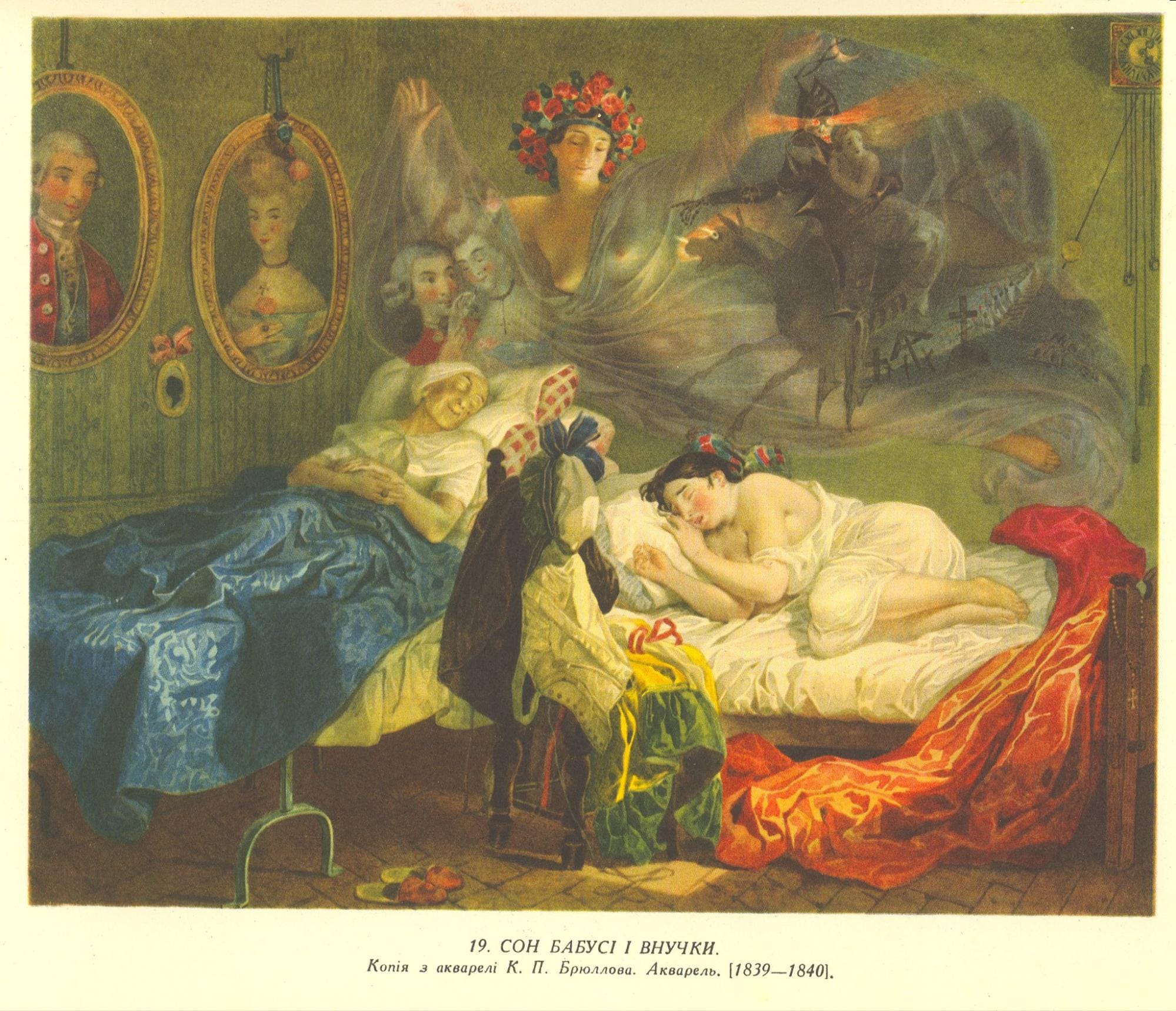 imageAbstract へようこそ!今週は、夢を見ることに挑戦し、街を忍び歩き、母親を悼み、古代の墓地を訪れた物語たちをご紹介します。
まず、科学者たちは数千件の夢の報告書を研究し、世界的な出来事(例えば COVID-19 パンデミックなど)が私たちの夜間のビジョンに現れることを発見しました。次に:都市でのヘビ救出の科学、孤児となったイルカの孤独な生活、そしてローマの古代 DNA を扱う科学者たちについてです。
いつもの通り、私の他の作品については、著書『First Contact: The Story of Our Obsession with Aliens』をご覧いただくか、私の個人ニュースレター「BeX Files」を購読してください。
夢を理解するための夢
Elce, Valentina 他。「Individual traits and experiences predict the content of dreams.」Communications Psychology.
なぜ私たちは夢を見るのでしょうか?これは何千年もの間、人々を夜中に眠れなくしてきた問いです。今や科学者たちは、2020 年から 2024 年の間に 207 人の参加者から収集・分析した 3,700 件以上の報告書(夢と覚醒時の経験を記述したもの)および、2020 年 4 月から 5 月の COVID-19 パンデミック発生時に夢を報告した 80 人の参加者のデータを用いて、この謎に新たな挑戦を加えています。
その結果、性格特性と夢の経験との間に可能性のある関連性が示され、パンデミックのような外部的事象が夢に影響を与えることが示唆されました。
「ロックダウン期間中、夢は制限への言及が増加し、感情的な強度が高まりましたが、これらの効果はその後数年かけて徐々に平常に戻りました」と、IMT School for Advanced Studies Lucca のヴァレンティナ・エルセ(Valentina Elce)氏率いる研究者たちは述べています。「これらの知見は、安定した個人の特性と偶発的な経験の両方が夢の意味内容を形成することを示しています。」
主要なデータセットにおいて、エルセ氏とその同僚らは、18 歳から 70 歳のイタリア人成人 207 名を募集し、彼らの心理的・認知的特性、人口統計学的属性、睡眠パターンについて評価を行いました。これらの参加者は、目覚めた直後に夢の記憶を記録しました。記録には、奇異さ(bizarreness)、鮮明度(vividness)、感情のトーンであるバレンス(valence)、および夢内の出来事に対する主体性(agency)のレベルといった記述的要素を用いた尺度が用いられました。また、この夢を見る人々のサンプルには、一日中目覚めている間の経験を記録するよう促されました。
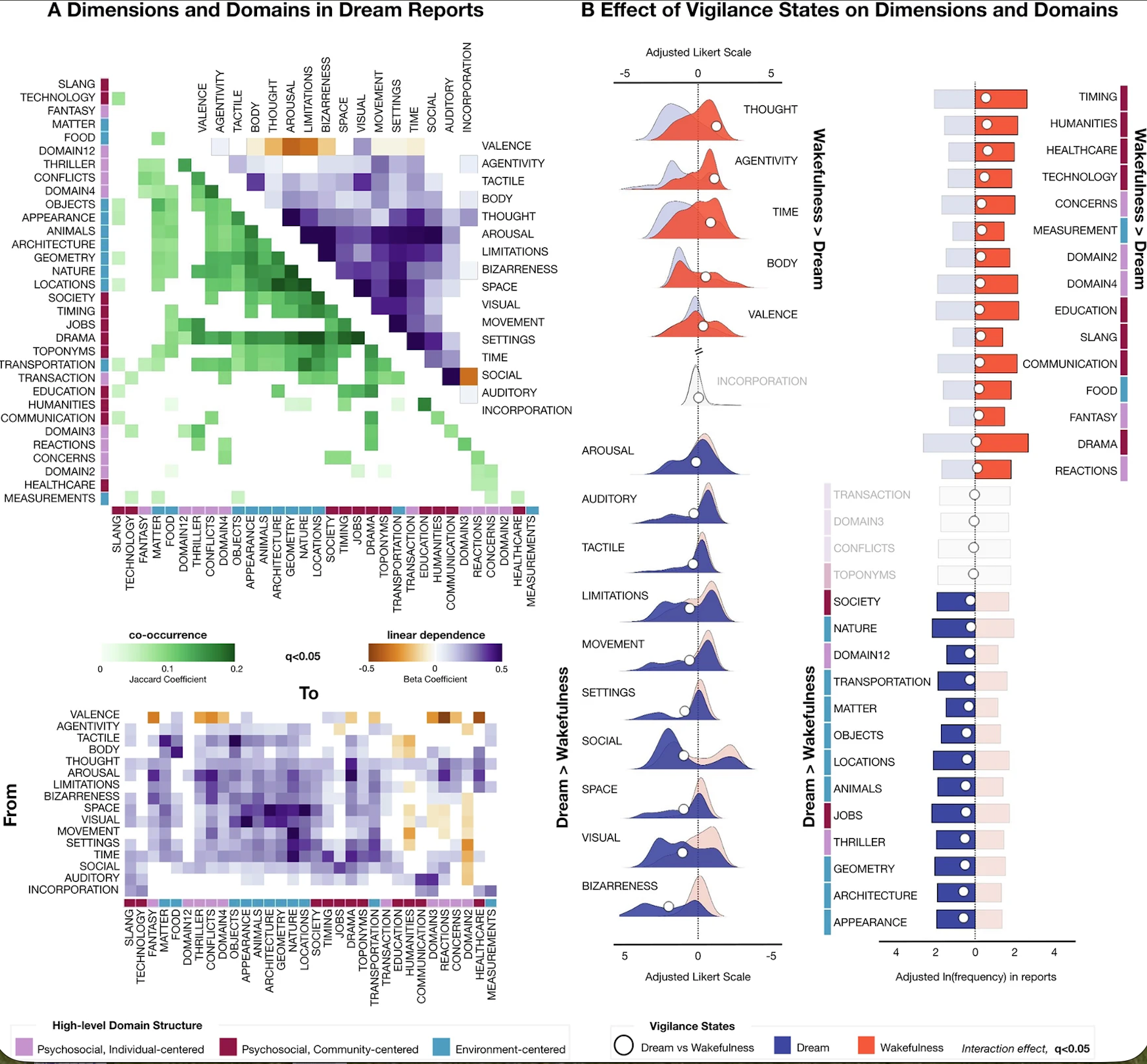 image図 1 は、覚醒状態(すなわち覚醒時と睡眠時)における報告内容の記述統計を示した研究のものである。画像:Elce, Valentina et al. チームは自然言語処理モデルを用いて、夢の報告の内容の意味構造を定量的に分析し、個人の特性と夢体験との相関関係を調べた。例えば、覚醒時に心がさまよう傾向がある人ほど、より奇妙な夢を見ることを報告している。
「私たちの発見は、夢の奇妙さが、個人が心をさまわせる傾向が高いことと関連しており、それが物語の設定の頻繁な変化も引き起こすことを示唆しています」とチームは述べている。「これは、夢見と心のさまいが共通の神経基盤および認知基盤を共有している可能性を示す説明と一致する。」
一方、ロックダウン群には 2020 年春に日記で夢を記録した女性 60 人と男性 20 人が含まれていた。2 つのサンプルを比較することで、研究者たちは「外部の感情的に重要な出来事、この場合は COVID-19 パンデミックが、夢体験に影響を与え、その影響が長期間にわたってどのように発展するかにも関与している可能性がある」と提案している。
「特筆すべきは、パンデミック中に日常生活に強く反映されていた医療に関するテーマには顕著な変化が見られなかった」と研究者らは述べている。「しかし、昼間の世界で起こっていたことと一貫して、夢を見ている間の人々の行動は身体的または比喩的な制約によって制限されていると記述され、記憶に残る感情的状態はより強い強度を帯びていた。」
絶えず説明の及ばないこれらの一時的な体験を探求する新たな道を見つけ出した夢研究者(oneirologists)たちへ、快挙を祝おう。
その他のニュース…
やあ、ここを這って来たよ!
Visvanathan, Avinash C. 他。「メガシティにおける蛇の救助に関する10年間のデータというレンズを通して明らかにされた都市部の蛇類生態学。」Global Ecology and Conservation.
ハイデラバード(インド)のような都市部で蛇が生息する地域では、急速な生息地の喪失によって追いやられた猛毒を持つコブラやラスセル・バイパーなど、何百万人もの人々が毒蛇と共に暮らしている。
これらのコブラを単に殺さないよう人々を戒めるため、「Friends of Snakes Society」という組織が訓練されたハンドラーとともに「蛇の救助」活動を行っている。これは蛇を回収し、より安全な場所へ運ぶものである。2013年から2022年までのハイデラバードにおける55,467件の蛇の救助記録を分析したチームは、この10年間で蛇の救助件数が約17%増加し、その約54%(n = 30,189件)が毒蛇の救助であったことを発見した。
 image毒を持つインドのコブラが最も頻繁に救助されたヘビであり、全ケースの 49 パーセント(27,132 匹)を占めています。画像:パヴァン・クマール N「ヘビは地域的に絶滅したか、あるいは都市を生息地として適応し、ハイデラバードとその周辺地域における人間と野生生物の相互作用が激化しています」と、スネーク・オブ・ザ・ソサエティ(Friends of Snakes Society)のアヴィナシュ・ヴィスワナタン氏率いる研究者たちは述べています。「このデータセットは、標準化されたヘビ救助活動が即座のリスクを軽減するだけでなく、貴重な生態学的情報を生み出すことを示しています。」
いつも通り、『ザ・シンプソンズ』は 1993 年のエピソード「Whacking Day」ですでにこれを描いていましたが、その場合、大規模なヘビ救助が可能になったのはバリー・ホワイトの甘美な歌声によるものであり、ヘルプラインによるものではありません。もしかすると、都市部のヘビ管理におけるバリトンボイスの有効性が、将来の研究対象となる道筋を示すかもしれません。
Orphans of the sea(海の孤児)
Cristina Vicente-Sánchez 他。「Two Cases of Early Orphan Survival in Indo-Pacific Bottlenose Dolphins (Tursiops aduncus) From the Adelaide Dolphin Sanctuary, South Australia.」Marine Mammal Science.
必ず JSON 形式で返してください。translation フィールドのみ。他のフィールド (technical_terms 等) は一切追加しないこと — 余計なフィールドを書こうとして本文翻訳がトークン上限で打ち切られる事故を防ぐため:
{"translation": "翻訳全文"}
イルカは人間と同様に、子孫に対して多くの母性ケアを注ぎ込み、通常、子牛(幼獣)を2〜3年間授乳します。しかし科学者たちは現在、数か月の齢の孤児となった子牛が母親の死後も生存できることを発見しました—ただし、その喪失によってネガティブな影響を受けることになります。
アリは2011年2月に生まれたインド太平洋型ボウウイルカで、同年10月に突然母親のミリーを亡くしました。ロケットも同種で2022年2月生まれですが、7か月の時に母親のリップルが行方不明になり孤児となりました。
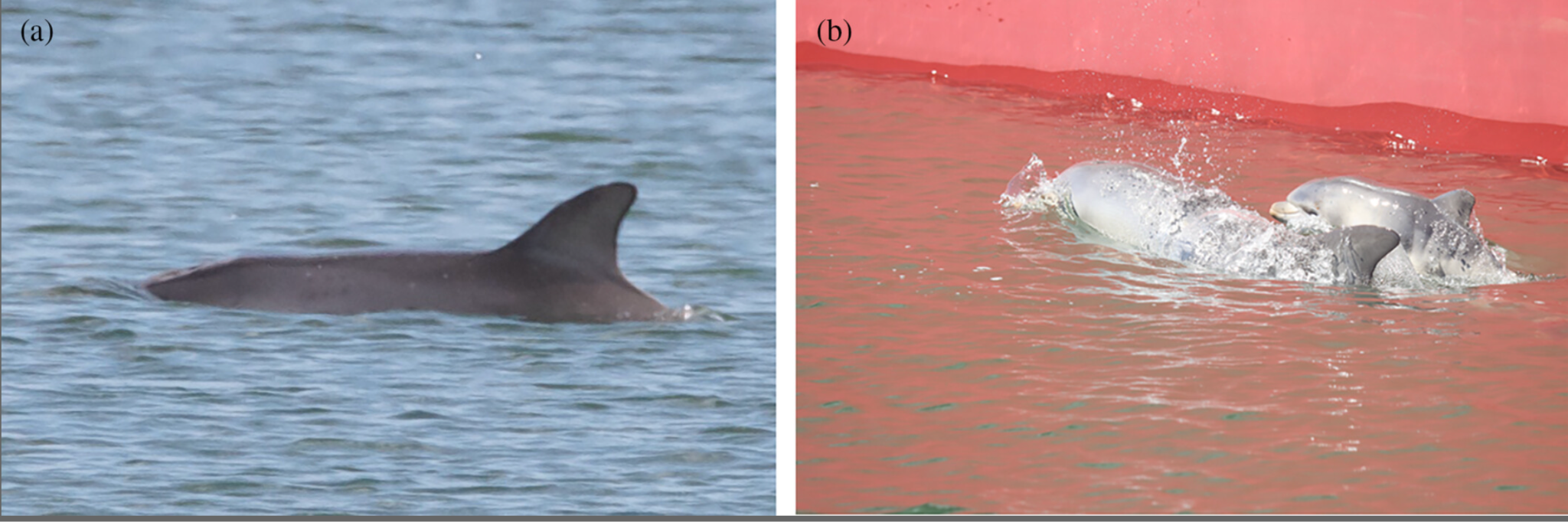 imageアリは孤児となる直前の2011年に撮影された写真(a)および(b)、そして2025年3月に生まれた自身の幼獣と共に写った写真。画像提供:バブーラ・サバートン(a)、クリスティーナ・ビセンテ・サンチェス(b)。アリは現在も生存している可能性が高く、2025年に自身の子牛を出産しましたが、残念ながらその子牛は数週齢のうちに鈍器による外傷で死亡しました。これは殺嬰行為または船との衝突が原因だった可能性があります。ロケットは3年間生き延び、時には母親と幼獣のペアに囲まれて世話を受けている様子が目撃されることもありましたが、昨年ついに船との衝突によって命を落としました。アリとロケットの両者は不適応行動を示し、特に船に過度に接近する傾向が見られました。
「この研究は、生後間もない子牛が母性ケアなしでも生存し続けることができるという希少な実証的証拠を提供するものである」と、フラinders大学(Flinders University)のクリスティーナ・ビセンテ=サンチェスを筆頭とする研究者たちは述べています。
これは悲喜こもごもの発見であり、若い子牛たちが沈むか泳ぐかの状況に追い込まれた際、一部は生き延びるものの、生涯にわたる喪失の痕跡を負う可能性があることを示しています。
DNA によって語るローマの崩壊
Blöcher, Jens, Vallini, Leonardo 他。「ドイツにおけるローマ国境地帯の人口動態と生活史(400–700 年)」。『Nature』誌。
ローマ帝国の興亡については膨大な量の文献が書かれてきましたが、科学者たちは今や、その後に生きた人々のゲノムに記された物語を読み解きました。
新しい研究では、西暦 400 年から 700 年の間に死去した南ドイツの墓地から発見された 258 人の古代 DNA を分析しました。これらの再構築された系統は、「ローマ国家構造が 5 世紀末に崩壊した時期と一致する主要な人口動態の変化を示しており、北ヨーロッパ系祖先を持つ創始者集団が、遺伝的に多様なローマ属州のグループと混血した」と、ヨハネス・グーテンベルク大学マイツェ出身の Jens Blöcher と Leonardo Vallini が共同主導した研究者たちは述べています。
この研究によると、これらの異種間結婚は最終的に「7 世紀初頭には現代の中ヨーロッパ人に似た人口を形成し」、生涯にわたる一夫一婦制や寡居後の離婚・再婚の最小限化といった「キリスト教の理想」や「厳格な近親相姦回避」という現象を反映したものです。
この移行期は伝統的に、北方の「野蛮人」と衰退するローマ帝国との対立として描かれてきましたが、新しい研究では多面的な変容が明らかになっています」とチームは付け加えました。
ローマは一日にして建つものではないという諺があるように、その派手な崩壊は arguably 今も進行中であり、歴史ポッドキャストの新たな解釈や尽きることのない素材を生み出しています。
お読みいただきありがとうございます。来週またお会いしましょう。
原文を表示
imageWelcome back to the Abstract! These are the stories this week that dared to dream, slinked through the city, mourned their mothers, and visited ancient graveyards.
First, scientists studied thousands of dream reports and discovered that world events—like the COVID-19 pandemic—can manifest in our vespertine visions. Then: the science of urban snake rescues, the lonely lives of orphaned dolphins, and scientists fiddle with Rome’s ancient DNA.
As always, for more of my work, check out my book First Contact: The Story of Our Obsession with Aliens or subscribe to my personal newsletter the BeX Files.
The dream of understanding dreams
Elce, Valentina et al. “Individual traits and experiences predict the content of dreams.” Communications Psychology.
Why do we dream? It’s a question that has kept people up at night for thousands of years. Now, scientists have taken a new crack at the mystery by collecting and analyzing more than 3,700 reports from 207 participants who described both their dreams and waking experiences between 2020 to 2024, as well as 80 participants who reported their dreams during the onset of the COVID-19 pandemic from April to May 2020.
The results revealed possible links between personality traits and dream experiences, and suggested that dreams are influenced by external events such as the pandemic.
“During lockdown, dreams showed increased references to limitations and heightened emotional intensity, effects that gradually normalized over the following years,” said researchers led by Valentina Elce of IMT School for Advanced Studies Lucca. “These findings demonstrate that stable individual traits and incidental experiences jointly shape dream semantics.”
For the main dataset, Elce and her colleagues recruited 207 Italian adults ranging from 18 to 70 years old who were assessed for their psychological and cognitive traits, demographics, and sleep patterns. These participants recorded recollections of their dreams as soon as they woke up using a scale of descriptive elements, such as bizarreness, vividness, valence (emotional tone), and the level of agency they had over events in the dream. This sample of dreamers was also prompted to record their waking experiences throughout the day.
imageFigure 1 of the study illustrates descriptive statistics of report content across vigilance states (i.e., wakefulness and dream). Image: Elce, Valentina et al. The team used natural language processing models to quantitatively analyze the semantic structure of the dream reports and correlations between individual traits and dream experiences. For example, people who let their mind wander in their waking hours reported having more bizarre dreams.
“Our findings indicate that dream bizarreness is associated with a higher tendency of the individuals to mind-wander, which also drives frequent shifts in narrative settings,” the team said. “This is in line with accounts suggesting that dreaming and mind-wandering may share a common neural and cognitive foundation.”
The lockdown group, meanwhile, was composed of 60 women and 20 men who recorded their dreams in diaries during spring 2020. By comparing the two samples, the researchers suggest that “external emotionally salient events, in this case the COVID-19 pandemic, might affect dream experiences and how such effects develop over long time spans,” according to the study.
“Notably, themes concerning healthcare, which were heavily represented in daily life during the pandemic, showed no significant changes,” the researchers said. “However, in a continuous line with what was happening in the daylight world, the actions of the individuals while they were dreaming were described as limited by physical or metaphorical constraints and the recalled emotional states carried a stronger intensity.”
Godspeed to the oneirologists—the term for scientists who study dreams—for finding new ways to probe these ephemeral experiences that constantly elude explanation.
In other news…
Hey, I’m slithering here!
Visvanathan, Avinash C. et al. “Urban snake ecology revealed through the lens of decadal data on snake rescues in a megacity.” Global Ecology and Conservation.
In cities with urban snake populations, such as Hyderabad in India, millions of people live alongside venomous snakes—including deadly Indian cobras and Russell’s vipers—that have been displaced by rapid habitat loss.
To discourage people from just killing these cosmopolitan cobras, an organization called the Friends of Snakes Society performs “snake rescues” with trained handlers who remove snakes and transport them to safer locations. By analyzing 55,467 snake rescue records in Hyderabad from 2013 to 2022, a team found that snake rescues rose nearly 17 percent over the decade, and that about 54 percent (n = 30,189) of rescues involved venomous snakes.
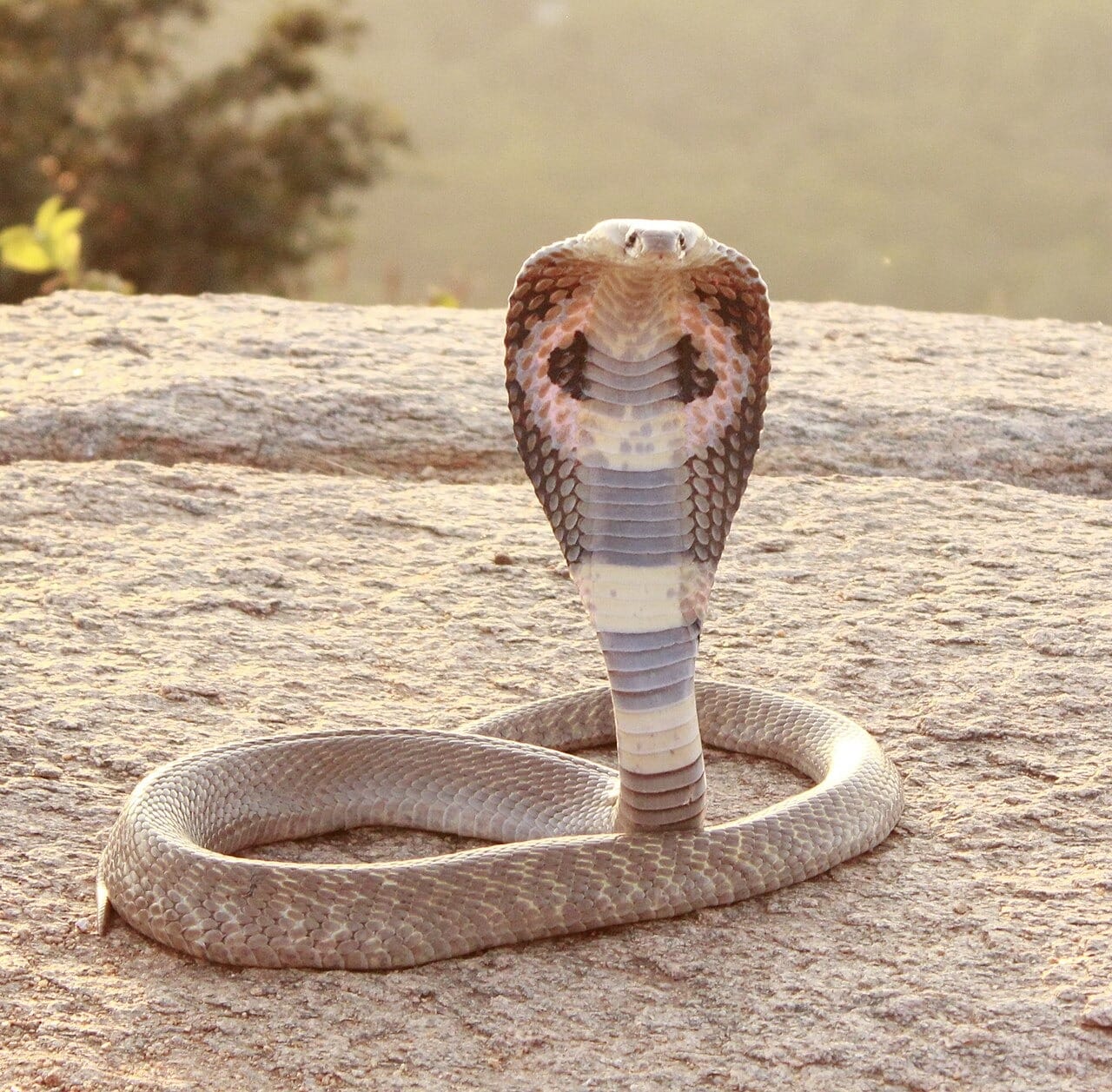 imageVenomous Indian cobras were the most common snakes to be rescued, making up 49 percent of all cases (27,132 snakes). Image: Pavan Kumar N“Snakes have either become locally extinct or have adapted to the city as their habitat, resulting in intensified human–wildlife interactions in Hyderabad and its neighboring areas,” said researchers led by Avinash Visvanathan of the Friends of Snakes Society. “The dataset demonstrates that standardized snake rescue operations not only mitigate immediate risks but also generate valuable ecological information.”
As always, The Simpsons already did it with the 1993 episode “Whacking Day,” though in that case, a mass snake rescue was made possible by the dulcet tones of Barry White rather than a helpline. Perhaps the efficacy of baritone vocals in urban snake management could offer a future avenue of study.
Orphans of the sea
Cristina Vicente-Sánchez et al. “Two Cases of Early Orphan Survival in Indo-Pacific Bottlenose Dolphins (Tursiops aduncus) From the Adelaide Dolphin Sanctuary, South Australia.” Marine Mammal Science.
Dolphins, like humans, invest a lot of maternal care into their young, typically nursing calves for two to three years. But scientists now discovered that months-old orphaned calves can survive the deaths of their mothers—though they are negatively impacted by their losses.
Ali, an Indo-Pacific bottlenose dolphin born in February 2011, suddenly lost her mother Millie in October that same year; Rocket, a member of the same species born in February 2022, was orphaned at seven months old after her mother Ripple disappeared.
imageAli photographed shortly before becoming an orphan in 2011 in (a) and (b) and with her newborn calf in March 2025. Images: Barbara Saberton (a) and Cristina Vicente Sanchez (b).Ali is probably still alive and birthed her own calf in 2025, though it sadly died of blunt force trauma at a few weeks old, possibly due to infanticide or a boat strike. Rocket endured for three years, and was sometimes spotted with a mother-calf pair that may have cared for her, before she was killed by a boat strike last year. Both Ali and Rocket displayed maladaptive behavior, especially getting too close to boats.
The study “provides rare empirical evidence that young-of-year calves can persist without maternal care,” said researchers led by Cristina Vicente-Sánchez of Flinders University.
It’s a bittersweet finding, demonstrating that when young calves are forced to sink or swim, some can make it—but they may bear lifelong signs of bereavement.
The fall of Rome, according to DNA
Blöcher, Jens, Vallini, Leonardo et al. “Demography and life histories across the Roman frontier in Germany 400–700 ce.” Nature.
Oceans of ink have been spilled on the rise and fall of the Roman empire, but scientists have now read the story that is written in the genomes of people who lived in the aftermath.
A new study analyzed ancient DNA from 258 individuals found at grave sites in southern Germany who died between the years 400 and 700. These reconstructed lineages “reveal a major demographic shift coinciding with the late fifth century collapse of Roman state structures, when a founding population of northern European ancestry mixed with genetically diverse Roman provincial groups” said researchers co-led by Jens Blöcher and Leonardo Vallini of Johannes Gutenberg University Mainz.
These intermarriages eventually formed ”a population resembling modern Central Europeans by the early seventh century,” and reflected the rise of “Christian ideals such as lifelong monogamy, with minimal divorce or remarriage after widowhood” and “strict incest avoidance,” according to the study.
While this time of transition “has traditionally been framed as a conflict between northern ‘barbarians’ and a Roman Empire in decline, newer studies reveal a multifaceted transformation,” the team added.
Rome wasn’t built in a day, so the saying goes, and its flamboyant collapse is arguably still in motion, inspiring new interpretations and never-ending material for history podcasters.
Thanks for reading! See you next week.
関連記事
今日のまとめ
AI日報で今日の重要ニュースをまとめ読み