存在しない判例を引用した弁護士を裁判官が厳しく批判する様子を見よ
ニューヨーク州控訴院の裁判官が、生成AIによって作成された架空の判例を引用した弁護士に対して激しく非難し、法曹倫理とAI利用のリスクに関する重要な教訓を示した。
キーポイント
架空の判例の発覚と裁判官の怒り
弁護士の提出書類に存在しない3件の判例と、10件の誤った法解釈が含まれていることが判明し、裁判官はこれを「衝撃的かつ悲しい」として激しく非難した。
生成AIによるハルシネーションの現実
弁護士が口頭弁論の準備に生成AIを使用していた可能性が高く、AIが事実と異なる情報を「自信満々」に捏造するハルシネーション現象が法的実務で深刻な問題となっている。
法曹倫理と制裁のリスク
裁判所はAI利用による誤りを「職業への恥」と断じ、時間浪費や虚偽提出に対する厳しい制裁(罰金、資格停止など)が科される可能性を強調した。
弁護士による虚偽の判例引用と倫理規定違反
サンダース弁護士が存在しない判例を引用したことで、専門行動規則第3.3条A項(事実に基づかない虚偽の陳述や訂正義務)に違反する可能性が指摘された。
AI 生成による誤った情報の使用への懸念
裁判官たちは生成 AI の利用を直接言及していないものの、AI を使用して虚偽の判例を引用する弁護士が増えている現状への強い不信感を示している。
対立側の弁護士による不備の放置
サンダースの誤りを指摘しなかった相手方の弁護士も、存在しない法原則を無視して議論を進めたことについて裁判官から厳しく問責された。
弁護士による虚偽事例の謝罪と再発防止
Friscia弁護士は裁判所に対して謝罪し、今後は一般原則を引用する際も含め全ての事件を確認すると約束した。
重要な引用
"None of these cases, nor the quoted language, appears to exist."
"striking, concerning, disappointing, and saddening."
"How do you respond?"
"Rule 3.3 A of the rules of professional conduct indicates that a lawyer shall not knowingly make a false statement of fact or law to a tribunal, or fail to correct a false statement of material fact or law previously made to the tribunal by the lawyer."
"Just so you know, because I don't want you to dig a bigger hole here, you're citing principles that don't exist."
As an appellate court attorney, you would have to... realize it was your responsibility also to alert the court.
影響分析・編集コメントを表示
影響分析
この事件は、法律業界における生成AIの導入に対する警戒感を決定づける転換点となる出来事であり、単なる技術的ミスを超えて職業倫理違反として扱われることを示した。今後、法曹界ではAIツールの使用基準や、その出力を検証するプロセスが厳格化され、AIを安易に信用して提出書類を作成する弁護士は社会的・法的に破綻するリスクが高まるだろう。
編集コメント
技術の進歩は速いものの、法律という厳格な領域では「事実の正確性」が絶対視されるため、AIの活用には人間による最終確認プロセスが不可欠であることを痛感させる事例です。
 imageここ数年、弁護士が生成 AI を使用し、提出書類に架空の判例引用や引用文、その他の重大な誤りを含めていた事例が次々と報じられています。これは通常、裁判所の記録(ドケット)において、相手方弁護士や裁判官によって発見され、裁判所特有の丁寧な表現で「皆の時間を無駄にした」と非難され、「法曹界への恥辱だ」と糾弾される形で展開されます。場合によっては、厳しい制裁が科されることもあります。しかし、それらを読むのは常に面白いです。
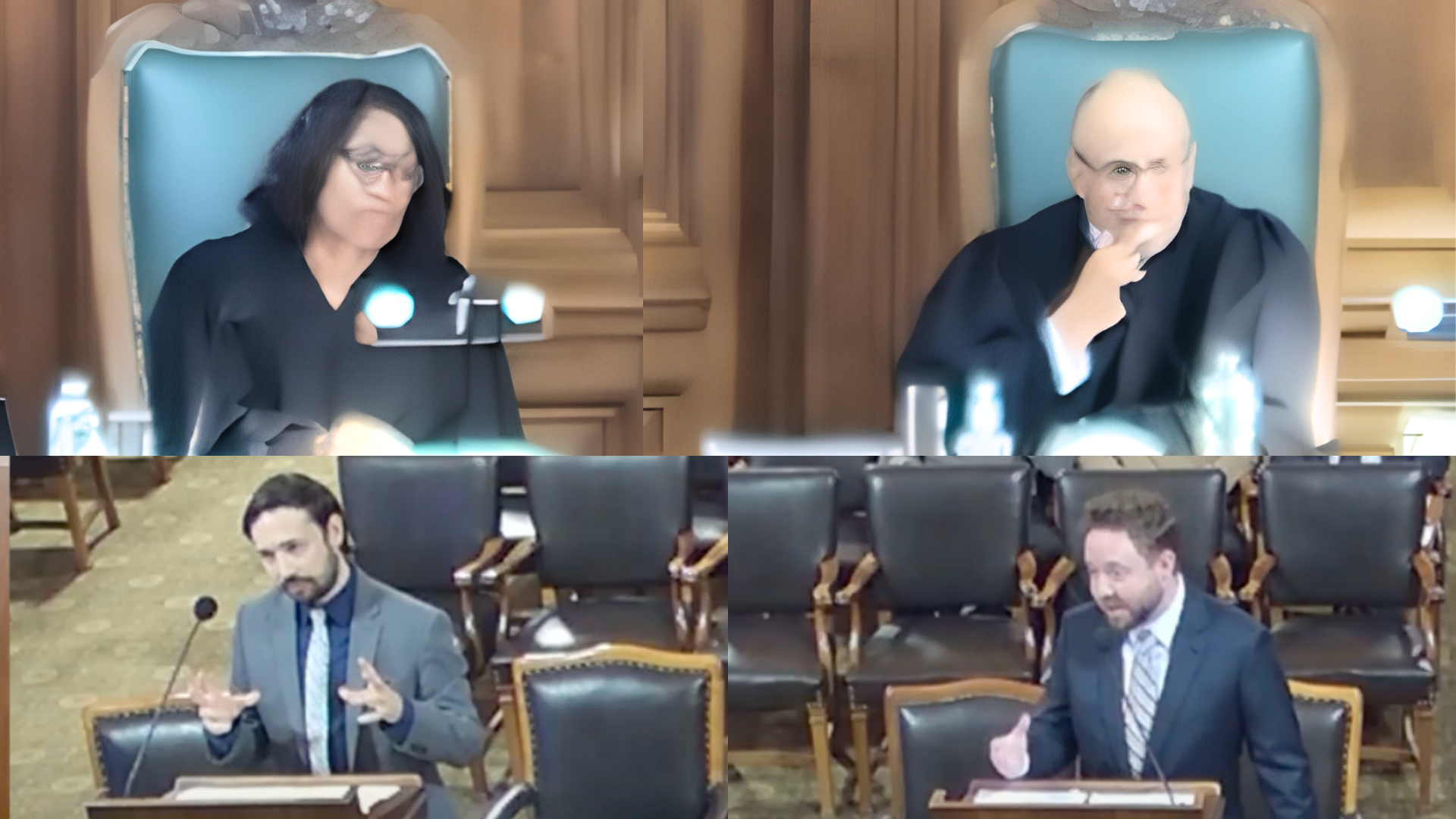
先月の控訴審において、ある裁判所のライブ配信カメラが、この出来事をリアルタイムで捉えました。弁護士がおそらく AI によって捏造された判例引用を使用していたことが発覚したのです。5 月 20 日、ニューヨーク州最高裁判所控訴部(Supreme Court of the State of New York Appellate Division)のバレス・ブラスウェイト・ネルソン判事とヘクター・ラサール判事は、その弁護士および相手方弁護士を 20 分以上にわたり厳しく叱責し、この状況を「驚くべき、懸念すべき、失望させる、そして悲しい」と表現しました。
本件の原告であるジュディス・ランドバーグは、樹木の根によって押し上げられた歩道の傾いた煉瓦につまずいたとして、ニューヨーク市を相手取り訴訟を起こしています。その審理において、彼女の弁護士マイケル・サンダースは歩道の定義について主張しようとしていました。動画全体はこちらで、架空の判例引用に関する部分は 19 分を少し過ぎたあたりから始まります。
「この口頭弁論の準備と控訴人の書面の検討を行う中で、原告側が提出した書面には少なくとも三つの架空と思われる判例が引用されていることが本裁判所の注意を引きました」とネルソン氏は述べた。「これらの判例も、またその引用された文言も存在しないようです。」
さらにネルソン氏は、サンダース氏が存在しない判例を引用しただけでなく、法律を誤って表現していると思われる他の十件の判例をも引用したと指摘した。「どのようにお答えになりますか?」とネルソン氏は尋ねた。
0:00 / 2:48
1×
サンダーズは即座に穴を掘り始め、その特定の引用について話す準備ができていないと述べた。ネルソンはすぐに彼を遮った。「これ以上進む前に」と彼女は言った、「専門行動規則の規則 3.3 A は、弁護士が裁判所に対して事実または法律について故意に虚偽の陈述を行ったり、弁護士が以前に裁判所に行った虚偽の重要な事実または法律を訂正しなかったりすることを禁止していると示しています。」
彼はどもった。「もし誤った引用があるなら、心から謝罪します」と彼は言った。
「それらをどこで得たのですか?」ラサールは尋ねた。
「これらの事件が具体的に何だったかは知りません」とサンダーズは答えた。
ラサールとネルソンは、その引用やその出所についてさらに数分間サンダーズを厳しく追及した。裁判官たちは生成 AI を具体的に言及しなかったが、AI を使用して主張や控訴書を起草する際に偽の引用を含む弁護士が増加しているという拡大する流行を考慮すると、彼らが暗示しているのはほぼ間違いなくそれである。他の事件で AI の使用が発覚した弁護士たちは、風邪から急いでいたこと、さらにはパラリーガルまであらゆることを非難してきた。裁判官たちは全般的にこれにうんざりしているようだ。
「ただ、ここで穴を大きくしたくないので言っておきますが、あなたは存在しない原則を引用しています」とラサールは言った。「何かお伝えしましょう。先週も同じような光景を見ました。今日は準備としてこれを読んで、『 Oops, 間違えましたね、裁判官』と言うだろうと期待していたんです。時々あることですよね?そうなることを望んでいたのです。しかし、それは起きませんでした。今、これらの判例を検索する時間を差し上げましょうか?」
サンダースは、15 分では足りないかもしれないと返答した。ラサールとネルソンが交代で、これが非常に重大な問題だとサンダースに理解させようとするやり取りが続いた。
歩道に面する物件の所有者を代表する弁護士、ロス・フリシアが次に裁判官たちの前に立って発言しようとした。しかし、ラサールはまだ言い放ちを終えていなかった。「彼は存在しない控訴審の基準を提起している」とラサールはフリシアを遮って言った。「彼はそれを主張の一部として使用しており、その点を私たちに指摘すべきだと思わなかったのか?」
「彼が引用していた法律原則が誤っていることに特に気づきませんでした」とフリシアは答えた。
「申し訳ありません、あなたの主張をする機会をすべて与えます」とラサールは言った。「しかし私は困惑しています。正直に言って、本当に困惑しています。もちろん、弁護士が間違いを犯すことはあります。この職業は簡単ではありません。ここで弁護士たちを叩きつけるつもりはありませんが、私たちが行う仕事において法曹界への依存度は非常に高いのです。そこで私が最初にやったことですが、同僚たちの気持ちを代弁するつもりはありませんが、彼が書いたものを見てからあなたの書類を確認した際、私は [...] を参照する何かが載っていることを期待していました。 counsel(弁護士)、それは一つの事件ではなく、複数の事件でしたし、あなたもそれを私たちに注意を促す価値があるとは考えなかったようです。私には非常に驚くべきことです。」
法曹界への恐怖を抱いたフリシアは、深く謝罪した。「裁判長、私は裁判所に謝罪いたします。今後はさらに綿密な調査を行う所存です。」
「そう願っています」とラサールは言った。「あなたに謝るべきなのは私ではなく、あなたのクライアントです。」
「はい、その点についても謝罪します」とフリシアは答えた。「そして今後、法解釈の寛容さによって救済目的を達成するというような一般的な法律原則であっても、すべての事件を一つずつ確認し、それを裁判所に注意喚起する所存です。」
これに対しネルソンは割り込み、「ここでの虚偽表示の程度は、単なる意見の違いを超えたもの」と述べた。「控訴裁判所の弁護士として、もしあなたが仕事を行い、弁論書を読み、それに対する反論書を作成する立場であれば、主たる上告人の弁論書の文言に誤りがあること、あるいは多くの箇所に誤りがあることに気づくはずだ。これは懸念すべき点である。なぜなら私たちはみな法廷の役人であり、これらの虚偽表示や架空の事件、架空の引用、控訴裁判所の判決内容を曲解する事案について法廷に報告し、対応する責任があるからだ。私はこれ以上続けられるが、弁論書を読み、事件を確認すれば、あなたにも法廷を警告する責任があったことに気づいただろう。」
フリシアは、特定の争点に対応するために弁論書を調整したと述べたが、長々と自己弁護をするわけにはいかず、再度謝罪し、次回はより慎重に臨むと繰り返し、市が傾いたレンガの責任を負うべきだと主張して着席した。
購読する
ニュースレターに登録して最新情報を入手してください。
成功しました
素晴らしい!受信トレイを確認し、リンクをクリックしてください。
エラー
有効なメールアドレスを入力してください。
次は、ニューヨーク市を代表する弁護士であるエリザベス・フリードマンでした。ネルソン氏から同じような質問攻めに遭いました。「では、控訴人の弁護人が提出した簡易書に明白な捏造や虚偽が含まれていることをこの裁判所に報告しなかった理由をどう説明しますか?」
フリードマン氏は説明を試みました。「確かに簡易書は読みました」と彼女は言いました。「確かにここで提出されたすべての簡易書を読みましたが、それは私たちの争点ではなかったので、それに焦点を当てていませんでした。その点を見落としたことについては裁判所に謝罪いたしますが、私はむしろ事前の書面通知の問題に重点を置いていたのです。
フリードマンの発言が終わると、すべての弁護士が立ち上がり、素早く退席しようとした。「まだどこにも行かないでください」とラサールは言った。「座ってください。皆に伝えたいことがあります。これは非常に苦しい状況です。私はこれが例外だと知っています。私と同僚たちは幸運なことに、州内で最も優れた裁判所の一つ、そして州内の弁護士会と働く特権を有しています。私にとって、ニューヨーク市とその周辺郊外の控訴弁護士会は素晴らしい仕事を見せてくれます。個人的には、このような卓越した裁判官や弁護士と協力する機会を得たことは、私のキャリアのハイライトでした」と彼は述べた。「この職業の一部、大きな要素として、信頼という要素があり、過ちが犯されることもあります。私たち裁判官も過ちを犯しますし、実際に犯してきました。同僚たちの代弁はしたくありませんが、敢えて言うなら、実務家としても私たちは皆過ちを犯しており、過ちがあった際には非常に努力して、私たちの前で活動する弁護士たちに疑いの利益を与えるよう努めています。それぞれの仕事の難しさを私たちは知っています。そしてこの件をレビューするにあたり、私と同僚たちは、私たち前にいる弁護士たちに対して可能な限り疑いの利益を与えようと努めてきました。
彼はさらに、存在しない偽の事例や法的根拠のない引用を引用することは「弁護士会から期待される基準を著しく下回る」と述べた。また、「なぜか弁護士が裁判所に存在しない事例を送りつけ、その向こう側の弁護士が何らかの理由でそれを読まず、確認もしなかったと思うと、驚くべきこと、懸念すべきこと、失望させること、そして悲しいことだ」と語った。
サンダースは立ち上がり、去る前に再び謝罪を試みた。「別の形で謝罪する機会があるだろう」とラサールは言った。「なぜそう happened したのか、その調査をして見つけるのはどうだろうか?」
サンダースとその法律事務所は、制裁を受けるべきではない理由を示すよう命じられた。水曜日にはランドバーグの事件は却下された。
原文を表示
imageIn the last few years, we’ve heard case after case where attorneys used generative AI and were caught including fake citations, quotes, and other major errors in their filings. This generally plays out in dockets, where their opponents or judges spot them and, in the polite language of the courts, scold them for wasting everyone’s time and being a disgrace to the legal profession. Sometimes, this results in serious sanctions. But it's always entertaining to read.
In an appeal hearing last month, a court’s live stream captured this happening on camera in real time, with an attorney caught for likely using AI-fabricated citations. On May 20, in the Supreme Court of the State of New York Appellate Division, Justices Valerie Brathwaite Nelson and Hector LaSalle reamed out that lawyer and his opposing counsel for more than 20 minutes, calling the situation “striking, concerning, disappointing, and saddening.”
The plaintiff in the case, Judith Landberg, is suing the city of New York after she tripped on some askew bricks on the sidewalk that were pushed up by tree roots. In that hearing, her lawyer, Michael Sanders, was attempting to argue the definition of a sidewalk. The full video is here, and the portion about fake citations begins a little after the 19 minute mark.
“In preparing for this oral argument and reviewing the brief of appellant, it came to the attention of the court that the brief submitted by plaintiffs cites at least three cases that appeared to be fictitious,” Nelson said. “None of these cases, nor the quoted language, appears to exist.”
Not only did Sanders cite cases that don’t exist, Nelson said, he cited 10 other cases that appear to misrepresent the law. “How do you respond?” Nelson asked.
0:00
/2:48
1×
Sanders instantly started digging a hole, saying that he wasn’t prepared to speak on those specific citations. Nelson promptly cut him off. “Before you go any further,” she said, “let me point out to you that Rule 3.3 A of the rules of professional conduct indicates that a lawyer shall not knowingly make a false statement of fact or law to a tribunal, or fail to correct a false statement of material fact or law previously made to the tribunal by the lawyer.”
He stammered. “If there's any citations that are incorrect, my deepest apologies,” he said.
“Where did you get them from?” LaSalle asked.
“I don't know what these cases were specifically,” Sanders said.
LaSalle and Nelson grilled Sanders for several more minutes about the citations and where he got them. The judges didn’t bring up generative AI specifically, but considering the growing epidemic of lawyers including fake citations while using AI to draft arguments and appeals, it’s almost certainly what they’re alluding to. Attorneys caught using AI in other cases have blamed everything from head colds to being in a rush, to paralegals. Judges, in general, seem sick of it.
“Just so you know, because I don't want you to dig a bigger hole here, you're citing principles that don't exist,” LaSalle said. “Let me tell you something. We saw this last week. I was hopeful that, in preparation for today, that you were going to read this and say, 'Oops, we made a mistake, Judge.’ It happens sometimes, right? That's what I was hoping for. We didn't get that. Should we give you some time right now to go look these cases up?”
Sanders replied that it would probably take longer than 15 minutes. They went back and forth, with LaSalle and Nelson taking turns trying to impress upon Sanders that this is very, very bad.
Ross Friscia, the attorney representing the owner of the property that faces the sidewalk, stood up before the judges next. He started to speak, but LaSalle wasn’t finished with the dressing-down. “He’s raising a court of appeal standard that doesn’t exist,” LaSalle said, interrupting Friscia. “He was using it as a component of his argument, and you didn't think you should bring it to our attention?”
“I didn't notice in particular that the principle of law that he was citing was incorrect,” Friscia said.
“I'm sorry, I'm going to give you every opportunity to make your argument,” LaSalle said. “But I'm befuddled. I honestly am. I'm absolutely—and I'm not here to—lawyers make mistakes. It's not an easy profession. I don’t want to sit here beating up on lawyers, but we rely on the bar so much in what we do. So the first thing that I did, I don't want to speak for my colleagues, but after seeing what he wrote, when I went to your papers, I expected to see something referencing [...] It wasn't one case, counsel, it was several cases, and you didn't see fit to bring it to our attention either. It's just striking to me.”
Friscia, now with the fear of the bar in him, apologized profusely. “Your honor, I apologize to the court. I will do further due diligence going forward from this point on.”
“I hope so,” LaSalle said. “You should apologize to your client, not to me.”
“Yes, I apologize for that,” Friscia said. “And I will, going forward, check every single case, even if it stands for, you know, general principles of law, like the construed liberally to effectuate remedial purpose, and things like that. I will bring them to the court’s attention.”
At this, Nelson jumped in: “The misrepresentations here are of such a degree that they could not merely reflect a difference of opinion,” she said. “As an appellate court attorney, you would have to, if you were doing the work and reading the briefs and responding to the briefs, you would have to notice that something in the wording of the main brief for the appellant was wrong, if not many things being wrong. It's concerning because we are all officers of the court, and there is a responsibility that you also have to notify the court to do the work, notify the court when these types of misrepresentations and fictitious cases and fictitious citations and misrepresenting the holding of a court of appeals case. I could go on and on, but if you read the brief and looked at the cases, you would have realized it was your responsibility also to alert the court.”
Friscia said he tailors briefs to respond to specific issues but didn’t keep explaining himself for long; he apologized again, repeated that he’d be more thorough next time, made his point about the city being responsible for the askew bricks, and sat down.
Subscribe
Join the newsletter to get the latest updates.
Success
Great! Check your inbox and click the link.
Error
Please enter a valid email address.
Next up was Elizabeth Freedman, an attorney representing the City of New York. She got the same questioning from Nelson: “So, how do you explain your failure to bring to the attention of this court that a brief was filed with this court by appellant's counsel with apparent fabrications and misrepresentations?”
Freedman tried to explain. “I certainly read the briefs,” she said. “I certainly read all of the briefs here, but I certainly didn't focus on it, because it was not our issue. And I do apologize to the court for not catching that, but I tended to focus more on the issue of prior written notice.”
When Freedman finished, all of the attorneys stood up and attempted to leave quickly. “Don’t go anywhere yet,” LaSalle said. “Have a seat. I just want to say this to you all. This is a very distressing situation. I know this is an outlier. We're very fortunate, my colleagues and I, we have the privilege of working with what I think is one of the best benches in the state, the bars in the state. For me the appellate bar here in the city of New York and its surrounding suburbs, we see excellent work. For me personally, it's been a highlight of my career to have the opportunity to work with such outstanding judges, and to have the opportunity to work with such outstanding lawyers,” he said. “A part of this profession, a big component of it, is that there's an element of trust, and mistakes are made. We make mistakes as judges, we've made mistakes. I don't want to speak for my colleagues, but I dare say that we've all made mistakes as practitioners, and we work very hard when there are mistakes to try to give the benefit of doubt to those lawyers who practice before us. We know how difficult your respective jobs are. And in reviewing this, I know my colleagues and I have tried to give every benefit of the doubt to the lawyers before us.”
He went on to say that the citing of false cases that don't exist and quotes that have no support in the law is “well below the standard we expect from the bar.” He said it’s “striking, concerning, disappointing, and saddening to think that members of the bar would forward cases to a court that don't exist, and to think that the lawyers on the other side of that didn’t read it for whatever reason, didn’t check it.”
Sanders got up and tried to apologize again before leaving. “You’ll have an opportunity to apologize in a different way,” LaSalle said. “Why don’t you do your research and find out how that happened, though?”
Sanders and his law firm were ordered to show cause as to why they shouldn’t be sanctioned. On Wednesday, Landberg’s case was dismissed.
関連記事
今日のまとめ
AI日報で今日の重要ニュースをまとめ読み