なぜ私たちはLLM記事に嫌悪感を抱くのか
著者はLLM生成記事への嫌悪感を、著名なマーケティング思想家セス・ゴディンが実質的に他人(架空のフリーランサー)に代筆させた書籍を販売する行為に例え、コンテンツの「著者性」や「信頼性」が技術的完成度よりも重要であるという消費者心理を指摘している。
キーポイント
LLM記事への心理的拒絶反応
読者は技術的に優れたLLM生成記事に対しても、それが人間の思考プロセスを経たものではないという理由で不信感や嫌悪感を抱く傾向がある。
セス・ゴディンによる代筆の例え
著名な著者が実質的に他人に代筆させた書籍を、自分の名前で販売することは「欺瞞」であり、読者は内容の価値よりも「誰が書いたか」という著者の実在性を重視することを示唆している。
LLM活用による構造改善の成功例
著者は自身のブログ記事において、DeepSeekなどのLLMを活用して構成やリズムを改善することに成功したが、その背景には「人間が主導し、LLMが補助する」という姿勢が必要であることを示している。
LLM記事の統一された「モ・サミュエル」的な声
複数のLLM(ChatGPT、Claudeなど)が使用する文章パターンやクイップが画一的であり、著者個人の声ではなく「ウェブ上の英語の平均」を模倣したような独特の声(Mo Samuels)が生じている。
筆者の対応とブログの理念
著者はLLM支援記事を再構成し、自分の声を取り戻すために時間をかけた。その背景には、「書こうとしないなら、読者が読む理由もない」という理念があり、読者に対して筆者自身が書いたことを明確に示すことを重視している。
影響分析・編集コメントを表示
影響分析
この記事は、LLM技術の進歩自体よりも、ユーザーが生成コンテンツに対して持つ「信頼と誠実性」への意識を浮き彫りにしています。企業やクリエイターがLLMを活用する際、単なる効率化だけでなく、透明性の確保や人間の関与の明示がブランド信頼維持に不可欠であることを示唆しています。
編集コメント
技術的な優位性だけでなく、コンテンツの「人間味」や「出所」が消費者心理に与える影響を考察した示唆に富む記事です。LLM活用における倫理的・ブランド的リスク管理の観点からも注目すべきトピックです。
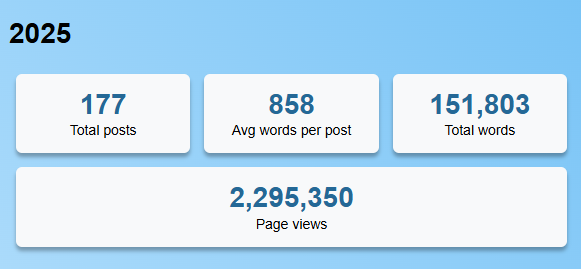
昨年、私は1年間、隔日で執筆して公開するという無理な目標を自分に課しました。長年かけて多くのテーマを蓄積しており、ブログを再開する準備はできていました。十数本の記事を書いた後、続けることができなくなりました。私は何を考えていたのでしょう?1年で180本の記事は明らかに多すぎます。2024年にはわずか4本しか書けませんでした。しかし、人々が話題にし続ける新たな技術が登場していました。それを使って目標達成の助けにできないだろうか?
 image
image
モー・サミュエルズという人物をご存知ですか?おそらく知らないでしょう。しかし、セス・ゴーディンなら聞いたことがありますよね?セス・ゴーディンは数多くのベストセラー作家です。マーケティング界のアイコンであり、かつて私が古い仕事を辞めるきっかけを十分に与えてくれた人物です。
私は彼を深く尊敬しており、期待を込めて彼の著書『All Marketers are Liars』を購入しました。数章読み進めたところで、彼はこんなことを言い出しました:
この本は私が書いたものではありません。
彼はどういう意味なのでしょう?表紙には彼の名前が載っています。これは彼のセミナーでよく耳にする、馴染みのある言葉です。彼は何を言おうとしているのでしょうか?
つまり、セス・ゴーディンはこの本を書いていないということです。モー・サミュエルズというフリーランスのライターが書きました。ゴーディンはわずか3ページのアウトラインに基づいて、私に執筆を依頼したのです。
何?モー・サミュエルズ?モー・サミュエルズって誰?もしあの名前が表紙にあったなら、私は最初からこの本を買わなかったでしょう。
がっかりしますか?この本のアイデアに対する印象は変わりましたか?セスが私に1万ドルを支払い、残りの前払い金をすべて取ったという事実で、本の価値は下がりますか?
そう、がっかりします。本のアイデアそのものが変わるわけではありません。しかし、それは欺瞞的です。私は特に彼の言葉を読みたくて購入したのです。他の誰かの言葉ではありません。
誰が本を書いたかが、なぜ重要なのでしょう?結局のところ、言葉は変わらないのですから。それでも私は、表紙の人物ではなくモーという名の人物がこの本を書いたことを、あなたがとても気にしていると確信しています。実際、おそらくかなり怒っているでしょう。
その通りです。
さて、ここまで読み進めたなら、モー・サミュエルズなど存在せず、実際には私があなたをからかっていたことに気づいたでしょう。私(セス・ゴーディン)がこの本のすべての言葉を書きました。
もし彼が最後の一行を追加していなかったら、と想像してみてください。私は購入した本を返品したことはありませんが、これが初めてだったでしょう。私たちは無作為に本を買うわけではありません。名前には価値があるのです。私はこの著者からの洞察を求めて、特にこの本を購入しました。それに満たないものは、裏切りに等しい。
さて、これが人々がLLM(大規模言語モデル)生成記事を読むときに感じることなのです。もし私自身がこのブログで記事を書くためにLLMを使っていなかったら、この感覚には気づかなかったかもしれません。
最初の時、私は伝えたい要素をすべて盛り込んだ下書きを書きました。問題は、構造が完全には理にかなっていなかったことです。ストーリーの流れがうまく収束せず、展開のペースも悪かった。ちょうどDeepSeekが話題になり、オープンウェイトとオープンソースコードを公開していた時期でした。私は記事の構成を手助けしてもらうために使ってみることにしました。結果は印象的でした。
ペース配分を修正しただけでなく、記事をはるかに分かりやすい形に再構成してくれたのです。私が詰め込みすぎた情報の塊を、DeepSeekは読みやすい箇条書きに変えてくれました。私は結果に満足し、すぐに公開しました。私が気づかなかった、あるいはその出来に魅了されて気づけなかったのは、文章の構造そのものも書き換えられていたことです。
私は書くたびにLLMを使ったわけではありませんが、1年を通して少なくとも十数本はAIによって強化された記事がありました。公開時には、それらは十分に自然に聞こえていました。
問題が始まったのは、そうした記事の1つを新しい投稿で参照したいと思ったときです。AIによって強化された投稿を読み返すと、違和感を覚えました。かすかに記憶していて引用したいと思った段落が、私の記憶とは違う調子で響いたのです。記事は私が決して使わないような言葉で膨らんでいました。当時は気の利いたように思えた軽妙な表現も、まったく私らしくなかった。結局、引用する前にそれらの投稿の該当部分を書き直すことになりました。
二つ目の問題は、他の誰かのブログにたどり着いたときに必ず現れました。私は同じパターンに気づいたのです。同じ口調。同じ軽妙な表現。「Xだけでなく、Yでもある」「ここが私の気にかかる部分だ」「その皮肉は見逃せない」「それは厳しい警告だ」。これらをはじめとする数多くの文章の決まり文句が、私のLLM支援記事と、ウェブ上の無数の他の記事に均一に散りばめられていました。
まるでモー・サミュエルズが私たち全員のブログのゲストライターになったかのようでした。
 image
image
そして肝心な点はこれです(これもまた有名な決まり文句ですが):ここでDeepSeekだけを槍玉に挙げているわけではありません。ChatGPT、Claude、Gemini、どれも同じ「モー・サミュエルズ式文章術」マスタークラスを受講したかのようです。どんな個性をプロンプトで与えようとも、この口調は、ウェブ上のすべての英語の平均値のように感じられるのです。
このブログの読者が、私の独特の口調や文章スタイルを求めて来ているとは言いません。私は有名なわけでも何でもありません。しかし、読者が遠くからでも「モー」の存在を見抜けることは分かっています。私の目標は読者を騙すことではありません。ここで共有するストーリーや仕事の経験が私自身のものであることを望み、読者にも同じ確信を持ってもらいたいのです。
そこで私が取った行動は以下の通りです。今年の目標はより現実的になったので、そうした手を抜いた記事のいくつかを書き直しました。より多くの時間を執筆に費やし、ブロガーの間で広まりつつあるこの考えを心に留めようとしています:
「もしあなたが書く手間を惜しんだなら、なぜ誰かが読む手間をかけるべきですか?」
たとえ誰も読まなくても、私は自分の考えを共有したい。自分の書いたものを後から読み返したとき、そこに自分の声を聞き取りたいのです。しかし、もしあなたがこのブログを読んでいるなら、たとえそれがつまらなくても、同意できなくても、意見があっても、それが私によって書かれたものだと知っておくべきです。モー・サミュエルズによってではありません。
原文を表示
Last year, I pushed myself to write and publish every other day for the whole year. I had accumulated a large number of subjects over the years, and I was ready to start blogging again. After writing a dozen or so articles, I couldn't keep up. What was I thinking? 180 articles in a year is too much. I barely wrote 4 articles in 2024. But there was this new emerging technology that people wouldn't stop talking about. What if I used it to help me achieve my goal?
image
Have you ever heard of Mo Samuels? You probably haven't. But you must have heard of Seth Godin, right? Seth Godin is the author of several bestsellers. He is an icon in the world of marketing, and at one point he nudged me just enough to quit an old job.
This is someone I deeply respected, and I bought his book All Marketers are Liars with great anticipation. I was several chapters in when he dropped this statement:
I didn't write this book.
What does he mean by that? His name is on the cover. These are the familiar words I often heard in his seminars. What is he trying to say?
What I mean is that Seth Godin didn't write this book. It was written by a freelancer for hire named Mo Samuels. Godin hired me to write it based on a skimpy three-page outline.
What? Mo Samuels? Who is Mo Samuels? If that name were on the cover, I wouldn't have bought the book in the first place.
Does that bum you out? Does it change the way you feel about the ideas in this book? Does the fact that Seth paid me $10,000 and kept the rest of the advance money make the book less valuable?
Well, yeah. It doesn't change the ideas in the book. But it is deceptive. I bought it specifically to read his words. Not someone else's.
Why should it matter who wrote a book? The words don't change, after all. Yet I'm betting that you care a lot that someone named Mo wrote this book instead of the guy on the dust jacket. In fact, you're probably pretty angry.
Very.
Well, if you've made it this far, you realize that there is no Mo Samuels, and in fact, I was pulling your leg. I (Seth Godin) wrote every word of this book.
Imagine he hadn't added that last line. I never return a book after purchase, but this would have been a first. We don't just buy random books, a name carries value. I bought this book specifically because I wanted insight from this author. Anything less would have been a betrayal.
Well, that's how people feel when they read an LLM-generated article. I wouldn't have noticed if I hadn't used LLMs to write articles on this very blog.
The first time, I wrote a draft that had all the elements I wanted to present. The problem was the structure didn't entirely make sense. The story arc didn't really pay off, and the pacing was off. DeepSeek was just making the rounds, releasing open weights and open source code. I decided to use it to help me structure the article. The result was impressive.
Not only had it fixed the pacing, it restructured the article in a way that made much more sense. Where I had dense blocks of information, DeepSeek turned them into convenient bullet points that were much easier to read. I was satisfied with the result and immediately published it. What I failed to notice, or maybe was too mesmerized to notice, was that the sentence structure had also been rewritten.
I didn't use LLMs every time I wrote, but throughout the year I had at least a dozen AI-enhanced articles. When publishing, they sounded just fine.
The problem started when I wanted to reference one of those articles in a new post. Reading through the AI-enhanced post felt strange. A paragraph I vaguely remembered and wanted to quote didn't sound like what I remembered. The articles were bloated with words I would never use. They had quips that seemed clever at the time but didn't sound like me at all. I ended up rewriting sections of those posts before quoting them.
The second problem appeared whenever I landed on someone else's blog. I noticed the same patterns. The same voice. The same quips. "It's not just X, but Y." "Here's the part I find disturbing." "The irony is not lost on me." "It is a stark reminder." These and many more writing tropes were uniformly distributed across my LLM-assisted articles and countless others across the web.
It felt like Mo Samuels was a guest writer on all of our blogs.
image
And here's the kicker: (another famous thrope) I'm not singling out DeepSeek here. ChatGPT, Claude, Gemini, they all seem to have taken the same "Writing with Mo Samuels" Master class. It feels like this voice, no matter what personality you try to prompt it with, is the average of all the English language on the web.
I wouldn't say readers of this blog are here for my distinct voice or writing style. I'm not famous or anything. But I know they can spot Mo from a mile away. My goal is not to trick readers. I want the stories and work experiences I share here to come from me, and I want to give readers that same assurance.
So here is what I did. Since my goals are more modest this year, I've rewritten several of those lazy articles. I spend more time writing, and I try to hold onto this idea that's gaining traction among bloggers:
"If you didn't bother writing, why should anyone bother reading?"
I want to share my thoughts, even if no one reads them. When I come back to rediscover my own writing, I want to recognize my own voice in it. But if you do read this blog, if it sucks, if you disagree, if you have an opinion to share, you should know that I wrote it. Not Mo Samuels.
関連記事
今日のまとめ
AI日報で今日の重要ニュースをまとめ読み