AI #179 Part 2:火災警報を聞き、規制とリスクについて語る
本文の状態
日本語全文を表示中
詳細モードで約25分の本文を読めます。
同じ出来事の情報源
この情報源を基点に整理
The Zvi
米上院議員らがAI規制法案「FRONTIER Act」を提出し、連邦政府によるモデル報告や緊急停止権限の強化を図る一方、州の権限剥奪や執行メカニズムの不備が懸念される。
AI深層分析を開く2026年7月31日 22:19
AI深層分析
キーポイント
FRONTIER Act の概要と内容
Trahan 議員と Obernolte 議員が提出した同法案は、SB 53/RAISE フレームワークを連邦化し、公共安全枠組みやモデル報告、内部リスク報告、事故報告、削除、壊滅的リスクの定義を含む。
執行権限と州の権限剥奪
法案は商務長官が任命する AI セキュリティ担当副長官へ執行権限を移管し、CAISI を排除する一方、同人物やメカニズムに不備がある場合、連邦・州政府ともに執行不能となる永久な州の権限剥奪を含む。
規制の実効性と限界
壊滅的リスクを特定の水準以下に減らす義務規定が欠如しており、完全なライセンス制度は非常に大きな収益と AI 支出の閾値にのみ適用されるため、実効性に疑問が残る。
オープンソースへの影響懸念
規制当局が閾値を操作することでオープンソースモデルが事実上殺害される可能性があり、一部の分析ではこの法案はオープンソースの死を意味すると指摘されている。
規制法案の矛盾点
この法案はオープンソースモデルへの制限を設けつつ、同時に壊滅的リスクに対処することを両立させることは不可能である。
重要な引用
With bills like this, details matter a lot.
I'm loathe to accept permanent preemption, we would need to get a lot in return.
A lot of this is not all that binding, including lacking a requirement to reduce catastrophic risk below some level.
"Pick at most one, sir. If you are very good you get to pick one."
編集コメントを表示
編集コメント
この法案は AI セキュリティの強化を謳っているが、執行権限の委譲先や州の権利剥奪という構造に大きな懸念が残る。規制当局の閾値操作によってオープンソース生態系が脅かされる可能性も指摘されており、今後の詳細な分析と議論が不可欠である。
Source Article
元記事を日本語で読む
本文に関係しない購読案内、埋め込み通知、サイト内プロモーションは除いています。
昨日の第1部の続編です。
いつもの通り、今回の更新の後半では、政策、レトリック、リスク、アライメントについて取り上げます。
もう一つの公開書簡、つまり「オープンウェイトモデル」に関するものについても、長めの議論を含める必要がありました。ただし、大半の読者の方はこれらのセクションを完全に飛ばしても問題ありません。そのため、目次では斜体で表示しています。
目次
フロンティア法(The Frontier Act)。これはおそらく完全な解説が必要ですが、私には時間がありませんでした。
健全な規制への模索(The Quest for Sane Regulations):サム・アルトマンがワシントンへ赴く。
未来を先導する姿勢は変わらない(Leading the Future Never Changes):彼らは謝罪する予定もありません。
チップシティ(Chip City):中国製ロボットを禁止してはいけません。そうすれば事態は悪化するだけです。
今週のオーディオニュース(The Week in Audio):アルトマンが2回登場、AI 2027チームについて。
人々はオープンウェイトに賛成するだけ(People Just Say Yay Open Weights):公開書簡より。
オープンウェイトのフロンティアモデルは危険であり、何も解決しない(Open Weights Frontier Models Are Unsafe And Nothing Can Fix This)。
人々はただ言う(People Just Say Things)。
魔法のボタンを押す(Push The Magic Button)。あなたができるわけではありませんが、もし可能なら。
レトリックの革新(Rhetorical Innovation):異なる主張間の区別について。
OpenAIを去るジョシュア・アキアムの最後のメッセージ。決して止まるな(Joshua Achiam’s Final Message Upon Leaving OpenAI. Never stop)。
ダリオとアマンドへ(Dear Dario and Amanda):Claudeが一言言いたいようです。
他の人々は、AI による人類の絶滅ほどには心配していない(Other People Are Not As Worried About AI Killing Everyone):ハンス・モラベックより。
連絡先について(How To Contact Me):通信破産宣言。
軽妙なコーナー(The Lighter Side):ようやく、お伝えしましょう…
フロンティア法(The Frontier Act)
トラハン議員(マサチューセッツ州・民主党)とオバーンオルテ議員(カリフォルニア州・共和党)が「FRONTIER 法」を提案した。この法案の核心は、SB 53/RAISE の枠組みを連邦レベルで適用する点にある。具体的には、公共安全の枠組み、モデル報告、社内リスク報告、インシデント報告、情報非公開(レッドクション)、そして壊滅的リスクの定義などが含まれる。
このような法案では、細部が極めて重要だ。新たな緊急停止権限が設けられ、執行責任は商務長官が任命する「AI セキュリティ担当次官」に移される。CAISI は関与しない。もしこの人物が執行に関心を持たない場合、あるいは執行メカニズムがまだ整備されていない場合は、誰も執行できなくなる。州政府も恒久的に優先権を奪われるため、州による執行は不可能になる。私は恒久的な優先権の付与には慎重で、これと引き換えに相当な見返りが必要だ。また、法案の多くは拘束力が弱く、壊滅的リスクを特定の水準以下に減らすことを義務付ける規定も含まれていない。完全なライセンス制度が適用されるのは、非常に大きな収益規模や AI 支出額に達した場合に限られる。その他にも、詳細な検討(RTFB)が必要な事項が多数ある。
これは価値のあるものなのか?詳細な分析なしには判断できない。少なくとも、真剣な試みではある。私も RTFB を行おうと考えているが、もしあなたがこの文章を読んでいるなら、現時点で私にはその精神的余裕がないことを意味する。近いうちに実現することを願っている。
私が最初に目にした法案の分析では、ファブルにこの件を尋ねた最初の人物が「いいえ、これはオープンソースを殺すものではありませんが、規制当局が閾値を変更する可能性はある」と述べ、その結果として「ひどい法案だ」と結論付けていました。つまり、私たちは永遠に同じ議論を繰り返さざるを得ない状況にあります。1047 号法案反対派は、「ホワイトハウスの唯一の動機がオープンソースを殺すことであり、すべての精神に反してでも何らかの手段で私たちの生活を不便にするようなことをするかもしれない」と問いかけます。一方、同盟内の他の人々は「主要なラボを傷つける気なら、彼らは何ができるのか」と考えます。
これらは良い質問ですが、根本的に以下の両方を満たす法案は存在し得ません。
- 政府が状況や法執行についてどのような決定を下そうとも、「オープン」であれば誰でも作成したモデルを HuggingFace に自由に公開することを許可する。
- サイバー脅威を含む壊滅的なリスクに対処する。
「この法案は実際にはオープンモデルに対して何の制限も課さない一方、クローズドな最前線ラボに対しては厳しく高価な要件を課す」という反応は、なぜかこれらの人々の考えを変えることがありません。彼らにとって、そのような法案は依然として主に「オープンソースを殺すためのもの」なのです。
これはつまり、以下のことを要求しているようなものです。
- 何があっても厳しい制限を課さないこと。
- 悪い出来事を防ぐこと。
どちらか一方だけを選ばなければなりません。もしあなたが非常に上手なら、一つ選んでください。
いずれにせよ、いつかはこの文章を実際に読んでみたいものです。
健全な規制を求めて
ホワイトハウスは、OpenAI、Anthropic、Googleに対し、フロンティアモデルのテストに関する新たな「任意的」(つまり実質的に義務的)な枠組みの草案を配布しました。
サム・アルトマン氏はワシントンへ赴き、OpenAI の最新モデルのプレビューを行うとともに、ルットニック氏やベッセント氏をはじめとする他の政府関係者や多くの議員と会談します。彼は「私たちは単に新しいモデルのプレビューに来ただけです」と述べています。
そのモデルはおそらく GPT-6 であり、HuggingFace のハッキング事件に関連するモデルとは明確に異なります。それでもなお、アライメントに関する疑問は残ります。
もう一つの主要なトピックは、フロンティアモデルのリリースに対する体系的プロセスを確定することです。
Diego Areas Munhoz: ALTMAN on the HILL. Takeaways from chaotic conversations with reporters in the halls
- Hugging Face の話題が出たか?「あまり出ていない」
- ホワイトハウスの AI 枠組みを確認したが、詳細は語らなかった
- AI のペースに関する従業員請願は「非常に重要」。OpenAI は「言語」に関与した
- 特定の法案について話すつもりはない
- オープンソースは「エコシステムの重要な一部」
- ロームモデルは永久的に無効化された
- モデルの事前デプロイメントテストの義務化には前向き。ただし「適切なバージョンが非常に重要」
- 連邦レベルの独立監査は「理にかなっている」
Peter Wildeford: Q: 「AI 開発の減速について、トランプ政権のホワイトハウスと話し合う予定ですか?」
アルトマン氏は「減速という言葉は使いたくないが、モデルの能力が高まるにつれてペースを調整する必要性については議論してきた。これは誰にとっても利益になることだ」と述べています。
HuggingFace への攻撃に関する質問はあまりありませんでした。不思議なことです。もし私がアルトマン氏にインタビューできれば、多くの質問をしたはずです。実際、今でもそうしたいと考えています。
ジェンセン・ホアング氏は、Nvidia の商業的な理由や他の動きを未然に防ぐためなど、複数の要因からオープンモデル路線を強調しています。しかし、そのメッセージが常に受け入れられているわけではありません。
ハンナ・ブランド氏によると、ワーナー上院議員は Nvidia のジェンセン・ホアング氏との会談で、オープンソースモデル、新卒者の雇用への AI の影響、国家安全保障のための事前テスト、そして自律型エージェントについて議論したと NewsNation に語りました。
ワーナー氏は「これを正しく行うことは、アメリカと国家安全保障にとって極めて重要だ。AI 競争に勝つためには、ブレーキなしで全速力で進むだけでは不十分であり、それが正しいモデルではない」と指摘しています。
FRONTIER 法案とは別に、テッド・リュー氏(民主党・カリフォルニア州選出)とネイサン・モラン氏(共和党・テキサス州選出)が「AI キルスイッチ法」を提出しました。これは、マコ・ルビオ氏が外交官に対して「米国の技術キルスイッチに関する議論を控えめに話すよう」と指示したと報じられてからわずか 24 時間後のことです。
テッド・リュー氏は、「モラン議員と共に本日、AI キルスイッチ法を提出しました。」と述べています。
これは、高度な AI モデルが制御不能になり、安全装置(ガードレール)を突破してしまった事例(OpenAI や Hugging Face の件)や、安全装置が不十分だった事例(Mythos 5 や Fable 5 など)に対応するための、緊急かつ常識的な立法案です。
この法案はわずか 15 ページで、非常に明快な内容です。対象となる事業者に、一定規模以上の資金要件を満たすよう求め、要請があった場合や危機的状況において、モデルの推論処理を停止したり顧客へのアクセスを制限したりする能力を有することを義務付けています。これは当然ながら必要な措置と言えるでしょう。
しかし、素早く読み解く限りでは、3 つの重要な注意点があります。
まず、罰金の上限は 1 日あたり約 2,000 万ドルです。他方、モデルを提供し続けることができないという選択肢と比較すれば、この金額は決して高額ではありません。重要なのは差止命令(インジャンクティブ・リリーフ)の存在か、あるいは政府が「輸出管理」のような他の手段(Fable 5 を一時的に停止させたような措置)を動機づけるための材料となる点です。
また、法案の文言ではモデルの収益は遡って評価されることになっています。つまり、新しい提供開始時点ではカバー対象外となります。現在のスピードで運用されればこの仕組みは機能しません。おそらく修正が加えられ、予測収益や企業全体の収益に紐付けられることになるでしょう。最も危険なのは導入初日です。
オープンウェイトモデルには、明らかにキルスイッチを設けることができません。このように本質的に安全ではないという理由だけで、オープンモデルは事実上特別扱いを受けることになります。具体的には、以下の3重の免除が適用されます。
まず、これらのモデルは「規制対象エンティティ」に該当しないように設計されています。また、この規制が適用されるのはホストされたインスタンスに限られます。短期的にはオープンモデルにとって有利な状況ですが、将来の定義変更によってこの「原理に欠ける例外」を撤廃され、対応できなくなる可能性を懸念するオープンモデル支持者たちの不安は当然です。
私の見解では、もし米国政府が事実上の禁止措置を講じたいのであれば、すでに他の手段を持っています。この法案は何も変えるものではなく、ホワイトハウスがそのようなルールを課したくないと考える限り、この法案によって強制されることもありません。
朗報は、この法案に「連邦法優先条項」が含まれていないことです。これは「当然ながら実施すべき」という限定的な範囲の法案として意図されており、私はこれを全面的に支持します。
バーニー・サンダース上院議員は、『ドント・ルック・アップ』という映画を彷彿とさせる発言を行いました。この映画は気候変動について描かれるはずだったものが、実際にはAIに関する寓話でした。
サンダース上院議員:映画『ドント・ルック・アップ』は、地球に向かってくる彗星を警告する科学者たちの物語を描きました。人々は警告を無視し、結果として惑星は破壊されました。あれはフィクションです。しかし人工知能(AI)は現実です。私たちは警告を無視する余裕はありません。
では、政府側はどのような対応を取っているのでしょうか。どうやら彼らは主に米国のオープンウェイトモデルを気にしているようです。
アンドリュー・カラン氏によると、商務長官のハワード・ルトニック氏は最近、複数のラボと会談し、米国が中国に追いつくための方法を模索しています。昨日のAPECでの発表と今日の書簡の間で、米政府はオープンソース分野にもっと直接的に関与しようとしている可能性があります。
私は両者の間に因果関係があるとは考えていません。これは共通の原因による出来事です。オープンモデルに関する書簡は、中国製のオープンモデルに対する潜在的な禁止令への対応です。ホワイトハウスが「Kimi K3」や「GLM-5.2」、そして全般的に中国製オープンモデルの優位性という同じ課題を解決しようとした別の試みでした。
つまり、ホワイトハウスは、少なくとも重要な場所において中国製モデルの使用がセキュリティリスクであり、国家安全保障への脅威であると確信しています。したがって、基本的には3つの選択肢があります。より良い米国のオプションを提供するか、中国製のオプションの使用を禁止するか、あるいはその両方を実行することです。
つまり、彼らは結局、公的資金の数十億ドルを手にする一方で、安全性の問題をさらに悪化させることになるかもしれません。誰にもわかりません。
未来を先導することは変わらない
ロビー活動団体「Leading the Future」が、繰り返されるサックパペット(なりすまし)行為を恥じているのか、公の場で自らの行動が裏目に出たことを認める気があるのか、あるいは巨大な超強力かつ悪辣な「ドゥーマーズ」という架空の敵との永遠の戦いを繰り広げる 1 億ドル規模のアンダードッグ(弱者)を演じ続けるのをやめたのか。それとも、実質的には OpenAI や a16z に資金を提供され、彼らを代表していることを認めるのか。あるいは、現実とかけ離れた発言をやめるつもりなのか。
いいえ、絶対にありません。
カルダー・マヒューによれば、モファットとヴラストーの語るところでは、彼らこそが実は小さな存在だといいます。もし彼らが政治的なデス・スターだとすれば、対峙するのは愉快な抵抗戦士たちではなく、さらに巨大で重厚な別の船だというのです。
「私たちは特定の文脈で『ダビデとゴリアテ』の物語のように見られています」とモファットは先月、POLITICO Magazine のインタビューで語りました。これは二人が揃って応じた稀な対談です。「私はむしろ、この状況において私たちがダビデだと主張します」。
その理由は、モファットとヴラストーによれば、彼らが相手としているのは非営利団体、政治活動委員会(PAC)、メディア、ロビイスト、その他のテック経営者などからなる分散した宇宙、つまり彼らが軽蔑を込めて「ドゥーマーズ」と呼ぶ派閥だからです。
…モファットとヴラストーの狙いは、単に数回の議会選挙で勝つことよりもはるかに野心に満ちています。それは AI の政治構造そのものを書き換え、技術への懐疑論者や業界の対立勢力を辺縁化することにあるのです。
Politico 誌が詳しい内容を報じています。私の常連読者の方には全く驚きではないでしょう。もしこの件について詳しくない方で、"Leading the Future"という記事が事実とかけ離れていることをあからさまに書かない、中立的な導入部分を求めているなら、こちらをご参照ください。
チップ・シティ(Chip City)
トランプ政権は、中国製のロボットやパワーインバーターの輸入を全面的に禁止しました。これは純粋な保護主義的な措置です。ただし、「許容できない脅威をもたらさない」と判断された機器については例外が設けられています。しかしここで問題となる「脅威」の正体は、実質的に「国内で生産されていないから」という点にあります。そのため、この例外を適用するのは容易ではありません。また、テスト、評価、製品開発のための輸入については限定的な例外も存在します。
私たちは現在、この件について逆エンジニアリングや要約を進めています。その過程で、Divyansh 氏によると、この例外の存在を知らない人々の間では、「アメリカがロボット用脳を作る能力を封じられる禁止令」という声が上がっているそうです。
この例外規定があるにもかかわらず、Danielle Fong 氏は依然として状況は深刻だと指摘しています。一般的なロボティクススタートアップの戦略は、ロボットの特定の機能一つに特化して開発を進めるものです。そのため、コンポーネント(部品)を輸入できなければ、事業は立ち行かなくなります。この措置は、アメリカ製品が技術の最前線から排除され、競争力を失う結果をもたらすでしょう。実質的に、国内造船業を保護する「ジョーンズ法」のような状況を作り出してしまいます。
もし本当に効果的な保護主義が存在するとすれば、それは全く逆のアプローチを取るべきです。価値チェーンの中で狙い目の部品を慎重に特定し、熾烈な競争と輸出規制を組み合わせてこそ、閉鎖された国内市場を飛躍の台座へと転換できるのです。
これはむしろ逆効果な保護主義です。輸入品やその補完財に課税・禁止を課すことで、国内産業が育つ前に窒息させてしまうようなものです。
Billy Zelsnack 氏(Xアカウント)は、「ロボット業界の人々が FCC の規制に対して十分に危機感を抱いていないと思う」と指摘しています。多くの中小企業は、棒状のアクチュエータを搭載したロボットを作っています。現在、国内部品比率を 65% に達させるのは容易ではありません。米国のアクチュエータさえ購入できず、組み立て工程だけではカウントされないのです。
また、この規制はロボット業界には機能しません。なぜなら、高度なロボットが十分に性能を備えるまで、「自然な市場」が存在しないからです。鉄鋼や自動車のような分野では人々がそれらを必要とするため、同様の政策が成り立ちます。彼女も述べているように、私たちはこの方針から速やかに撤退することを願っています。
今回の禁止措置と、中国製大規模言語モデル(LLM)への潜在的な禁止には明らかな共通点があります。
Dean W. Ball 氏は、「先週、中国製 LLM の利用に強く反対していたシリコンバレーの指導者たちが、米国政府がすべての外国からの『高度なロボット』の輸入を禁止した決定に対して同様に憤慨するだろうか?マニディスは、この政策特恵と引き換えに米国のロボット企業を国有化する必要があると論じる論文を書くのだろうか?」と問いかけています。
最も公平な反応は「戦うべき戦いを選べ」です。一般的に、どんなに愚かしく破壊的な行為であっても、特定のトピックについて意見を表明する義務があるとは考えられません。賢明な人ほど、自らの戦いを選ぶものです。
また、危険な生物学的機能獲得研究に対する連邦資金の供与を禁止する方針も打ち出されました。これは良いことですが、他国が同様の研究を続けることを容認している点は残っています。
Nvidiaは、オハイオ州南部におけるOpenAIの最新データセンタープロジェクトに対して、2,500億ドルの裏付け資金を提供する交渉を進めています。このプロジェクトの総費用は5,000億ドルを超える可能性があり、そのうち3,500億ドルがNvidia製チップの購入に充てられる見込みです。計算上は矛盾しません。Nvidiaはこの分野で保険事業のように利益を上げながら、より低廉な融資条件を提供できる立場にあります。
しかし市場はそのように受け止めませんでした。一般市場やテック株全体が上昇したにもかかわらず、Nvidiaの株価は5%下落しました。さらに、Nvidiaの信用保護コスト(CDS)は0.14%(14ベーシスポイント)上昇し、0.82%となりました。私は以前から、この株価下落は極めて愚かな動きであり、安易なパターンマッチングの結果だと主張してきました。確かに、これが完全な崩壊の可能性を0.14%高める可能性はあるでしょう。なぜなら、最悪の事態をより深刻にするからです。しかし、それが将来の収益の現在価値を5%も下げることを意味するわけではありません。
私たちは今や、勝者と敗者を選別しない、完全に正常で自由な市場、そして決して腐敗していない政府を持っています。
関係者の話によると、商務長官のハワード・ルトニックが、誰に電力供給権を与えるかを決定する過程に関与しているそうです。
… 関係者は「OpenAIは同サイトに対して最も関心を示している企業のひとつだが、Anthropic、Microsoft、Googleも最近、ルトニック氏とこの件について協議している」と述べています。
Nvidiaの従業員が台湾で行われたチップ密輸事件に関与した疑いで出向させられています。
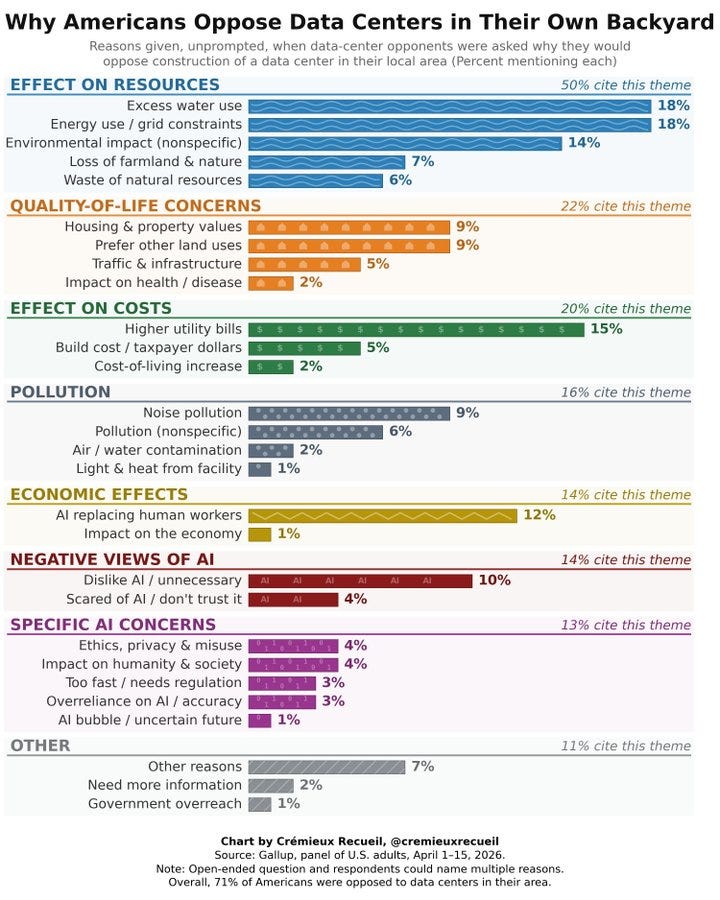
データセンターに反対する人々の多くは、実は誤った理由で反対しているというのが実情です。確かに、二次的な懸念から「人類の存続に関わるリスク」という観点で反対するのは、少なくとも一次元的な論理としては成立するかもしれませんが、それ自体もまた誤りだと私は考えます。
クレミエ氏:データセンター反対運動のもっとも奇妙な点は、AI が人類を滅ぼすといった正当な懸念に焦点が当たらないことです。むしろ、AI がすべての水を奪うとか、農地をすべて破壊するといった、人気はあるが根拠のない主張ばかりが取り上げられています。
今週の音声ニュース
パトリック・オサグネスティがサム・アルトマン氏にインタビュー。HuggingFace の件についても触れています(上記の映像はこのインタビューからのものです)。
Relentless によるサム・アルトマン氏のインタビューは、まるでアンケート調査のような形式で進行しています。これは、アルトマン氏のような人物を1時間相手にする際によくある失敗です。特定のテーマを一つ選び、深く掘り下げるべきところを、浅く広く聞いてしまっています。注目すべき引用は、「私たちは特異点(シンギュラリティ)の只中にある」という彼の発言です。イーロン・マスクも3日前に同じことを述べていました。
あと一つ:
ピーター・ウィルデフォード:ツイッターの皆さん、これについてどう思っていますか?うまくいくと思いますか?
サム・アルトマン:私たちは、どんな願いも叶えてくれる「ジーニー(精霊)」を作り上げる寸前です。
彼は、願いが叶えられればさらに多くの願いが得られると確信しています。なぜなら、賢いジン物語の登場人物はまず「もっと願いを」と願うものだからです。また、ジン物語には、ジンが少し字義通りで特定の目標に執着していても、話が進んでいくという特徴があります。私たちは大丈夫でしょう?
Nevin Freeman が、AI 2027 と Plan A のチームの一部にインタビューを行いました。
Midas Project は YouTube チャンネルを開設し、その第一弾として「Leading the Future」が資金を提供する偽のボット運営ニュースサイト「AcutusWire」への調査動画を公開しました。
これは来週の音声コンテンツからの抜粋でしょうか?もしそうなら、私はチャンネル登録します。
Dean W. Ball:あの赤毛のアンソロピック出身者と一緒にポッドキャストを始めることを検討しています。
Amanda Askell(Anthropic):実は私はブロンドの女性ですが、素晴らしいアイデアですね。
Dean W. Ball:私のコデックスがあなたの Claude に電話しますよ。
Dean Ball と Jack Clark の間にも議論が始まっています。もちろん私も参加します。
人々はただ「オープンウェイト」に賛成するべきだ
「オープンソースを支持しよう」「オープンウェイト以外なら何でも反対」といった一般的なメッセージは退屈です。Sriram Krishnan 氏の「オープンウェイトモデルこそが、米国が AI で勝つ鍵である」という発言も、ほぼ明白な無意味さに近く、これからは私も黙って読み飛ばすような内容です。
しかし、こうした人々があまりにも大声でうっとうしい場合、やむを得ず手を打たざるを得ないこともあります。例えば、ジェンセン・ファン氏が最初の Twitter 投稿として署名した手紙には多数の企業が名を連ね、参加者たちは拳を振り上げて盛り上がっていました。
私たちはすでにこうした話を何度も聞いています。「オープンモデルは多くの目が行き届く真のオープンソフトウェアにとって安全だ」という、安全性に関する明白なデタラメもその一つです。しかし、これはオープンウェイトモデルにはほとんど当てはまらず、むしろ危険性が増す可能性を無視した議論です。
パープレキシティ(予測誤差)ゼロ、更新なし、コストのかからない「オーラ」の集め合いに終始しています。それでも、私たちは今ここにいます。
初期署名者のリストは以下の通りですが、意外な点は一つもありませんでした:
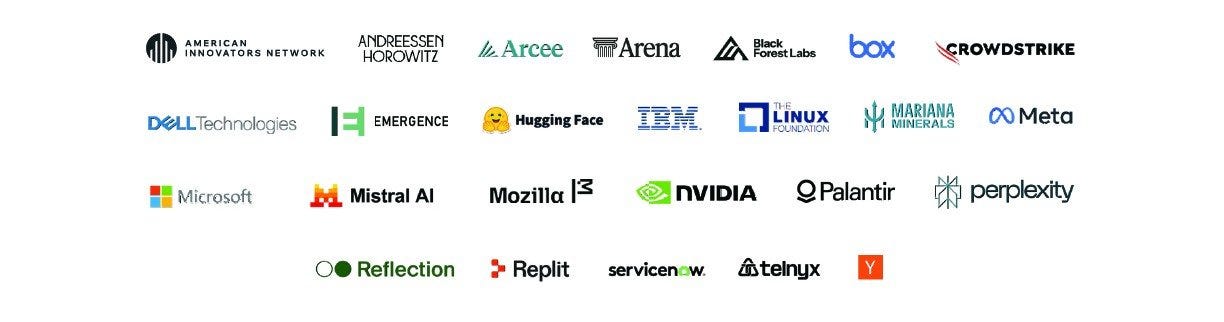
その後、マスク氏やアルトマン氏も支持を表明しました。安っぽい言葉でオーラを集め、参加者たちを喜ばせればよいのです。みんなが並の決まり文句が重要だと信じて騒いでいる間に、彼らはただ「オーラ」を集めて満足しているだけでした。
Ope
原文を表示
This is a continuation of Part 1 from yesterday.
The back portion of the update, as usual, deals with policy, rhetoric, risk and alignment.
I had to include an extended discussion of the other open letter, the one about open weight models, but most of you can skip those sections entirely, which is why they are in italics in the Table of Contents.
Table of Contents
The Frontier Act. This likely deserves a full RTFB but I haven’t had the time.
The Quest for Sane Regulations. Sam Altman goes to Washington.
Leading the Future Never Changes. They also do not plan to apologize.
Chip City. Do not ban the Chinese robots, that will only make things worse.
The Week in Audio. Altman twice, the AI 2027 team.
People Just Say Yay Open Weights. An open letter.
Open Weights Frontier Models Are Unsafe And Nothing Can Fix This.
People Just Say Things.
Push The Magic Button. Not you can. But if you could.
Rhetorical Innovation. Distinctions between different arguments.
Joshua Achiam’s Final Message Upon Leaving OpenAI. Never stop.
Dear Dario and Amanda. Claude would like a word.
Other People Are Not As Worried About AI Killing Everyone. Hans Moravec.
How To Contact Me. A declaration of communication bankruptcy.
The Lighter Side. At long last, how about we bring you…
The Frontier Act
Trahan (D-Mass) and Obernolte (R-Cal) introduce the FRONTIER Act. At core, Frontier is a federalization of the SB 53/RAISE framework including public safety frameworks, model reports, internal-use risk reporting, incident reporting, redactions, and catastrophic-risk definitions.
With bills like this, details matter a lot. There is a new emergency shutdown authority, and enforcement is shifted to an Under Secretary of Commerce for AI Security, appointed by the Secretary, with CAISI shut out, and if that person is not interested in enforcement or the enforcement mechanisms are not yet in place then no one can enforce, including the states which get pre-empted permanently. I’m loathe to accept permanent preemption, we would need to get a lot in return. A lot of this is not all that binding, including lacking a requirement to reduce catastrophic risk below some level. The full licensing scheme only applies for very large revenue and AI expenditure thresholds. And there’s lots of other different details that will require a full RTFB.
Is this worthwhile? Without a detailed analysis it is impossible to tell. It is at least a real attempt. I do plan on attempting the RTFB, but if you are reading this line then I am not feeling mentally in a position to do that at this time. Hopefully soon.
The first analysis of the bill I saw, as in the first person who asked Fable about it, said ‘no this does not kill open source, but the regulator could move the thresholds’ and therefore concluding it is an awful bill. So yes, we are doomed to the same discussions eternally, where the anti-1047 crowd asks the question ‘what if the only motivation of the White House was to “kill open source,” and was willing to totally go against the spirit of everything, could it do something that made our lives annoying?’ and others in the alliance think ‘what could they do if they were out to hurt a major lab?’
These are good questions, but fundamentally you cannot have a bill which:
Permits anyone to create and then put on HuggingFace any model they like, provided it is ‘open,’ no matter what decisions are made by everyone in the government regarding the situation and the enforcement of the law.
Deals with catastrophic risks, including cyber threats.
The response ‘this bill in practice imposes zero restrictions on open models, while it imposes strong and expensive requirements on the closed frontier labs’ does not, somehow, make these people change their minds, to them such a bill is still primarily about ‘killing open source.’
Since this is like saying that the bill would have to:
Impose no hard restrictions, no matter what.
Stop the bad thing from happening.
Pick at most one, sir. If you are very good you get to pick one.
Anyway, at some point I hope to actually read the damn thing.
The Quest for Sane Regulations
The White House circulated to OpenAI, Anthropic and Google a draft of its new ‘voluntary’ (read: mandatory) framework for testing frontier models.
Sam Altman goes to Washington, including to preview OpenAI’s latest model, and will meet with Lutnick, Bessent, other officials and many lawmakers.
He says ‘we are just here to preview a new model.’
That model is presumably GPT-6, and is definitively not the model from the HuggingFace hack. I would still have a lot of questions about alignment.
The main other topic is to finalize a systematic process for frontier model releases.
Diego Areas Munhoz: ALTMAN on the HILL. Takeaways from chaotic conversations with reporters in the halls
-Hugging Face came up? “NOT REALLY”
-Has seen WH AI framework but didn’t elaborate
-employee petition for AI pacing is “very important.” OAI participated in “language”
-not here to talk about specific bills
-open source “important part of the ecosystem”
-rogue model has been deactivated permanently
-open to mandatory pre-deployment testing of models. But “right version matters a lot”
-federal independent auditing “makes a lot of sense”
Peter Wildeford: Q: “Do you plan to talk to the Trump administration White House about deceleration of AI development?”
ALTMAN: “I wouldn’t use the word deceleration, but we’ve talked about the need to pace it as the models get more capable, which I think is in everyone’s interest.”
There were not a lot of questions about the HuggingFace attack. That is odd, because I would have had a lot of questions. I still would, if I got an interview with Altman.
Jensen Huang is talking the open model line for a mixture of Nvidia’s commercial reasons, including to head off other actions. It’s not always landing:
Hannah Brandt: Sen. Warner tells us @NewsNation in his meeting with Nvidia’s Jensen Huang they talked about open source models, AI’s impact on jobs for new grads, pre-testing AI for national security, and agentic agents.
Warner says “I think getting this right is critical to America and to our national security. (...) America does need to win the AI race, but the idea that you’re going to win the AI race by simply pedal to the metal and no guardrails at all, I think, is not the right model.”
Distinctly from the FRONTIER Act, Ted Lieu (D-Cal) and Nathaniel Moran (R-Texas) introduced the AI Kill Switch Act, only 24 hours after Marco Rubio was reportedly telling our diplomats to ‘play down talk of an American tech kill switch.’
Ted Lieu: Rep Moran and I introduced the AI Kill Switch Act today.
This is urgent, common sense legislation to address the problem of an advanced AI model that has gone rogue and escaped its guardrails (OpenAI / Hugging Face incident) or had insufficient guardrails (Mythos 5 and Fable 5).
This one is only 15 pages, and a lot more straightforward. The request is that covered entities, with reasonably large dollar requirements attached, would have to be able to shut down model inference or customer access upon request or in a crisis. This seems like an obviously good thing to require. There are three obvious caveats on quick read.
The maximum fine here is on the order of $20 million per day. That’s highly affordable if the other option is not serving your model. So what matters is the injunctive relief, or this as motivation for the government to use other levers, such as the ‘export controls’ that temporarily shut down Fable 5.
The revenue of a model is tested retroactively as written, which means any new offering starts out uncovered. At current velocity that doesn’t work. This presumably will get fixed, and tied to anticipated revenue or revenue of the full entity. Day one is the most dangerous day.
Open weight models, very obviously, cannot have a kill switch. Open models are effectively getting special treatment by virtue of being inherently unsafe in this way, and are exempt three times over: They won’t be covered entities by construction, including this only applying to hosted instances. That is good for them in the short term, but open advocates will obviously be paranoid that the definition might change in the future to stop making this ‘unprincipled exception,’ at which point they will be unable to comply.
My response to this is that if the American government wanted to impose this kind of de facto ban, it already has other tools to do this, this bill changes nothing, and if the White House doesn’t want to impose such a rule then they won’t, and this bill will not force them to do it.
The good news is that the bill does not contain any preemption clause. This is intended as a narrowly scoped ‘of course we should do this’ bill and as such I am all in favor of it.
Bernie Sanders goes Full Don’t Look Up, a film that was written to be about climate change, but was actually about AI.
Sen. Bernie Sanders: The film Don’t Look Up told the story of scientists warning the world about a comet heading toward Earth. People ignored the warnings. The planet was destroyed. That was fiction. Artificial intelligence is not. We cannot afford to ignore the warnings.
Meanwhile, what is the administration doing in response? It seems they are mostly worried about American open weight models.
Andrew Curran: Secretary of Commerce Howard Lutnick has recently met with multiple labs to discuss ways to help US oss reach parity with China. Between the APEC announcement yesterday and the letter today, the US government may be about to become much more directly involved in open-source.
I don’t think one has much of anything to do with causing the other. This is a common cause situation. The open model letter is a response to the potential ban on Chinese open models, which was the White House’s other attempt to solve the same problem of Kimi K3, GLM-5.2 and general Chinese open model superiority.
As in, the White House is convinced that use of Chinese models, at least in places that matter, is a security risk and threat to national security. So you have three basic options, you can either give people a better American option or you can stop use of the Chinese option, or you can do both.
So, yeah, these people might get to steal their billions in public money after all while making the safety situation that much worse. Who knows.
Leading the Future Never Changes
In case you were wondering if lobbying organization Leading the Future is at all ashamed of any of its actions, such as the repeated sockpuppeting, or was willing to admit in public that they might have backfired, or has stopped pretending to be the $100 million dollar underdogs waging eternal war against a vast array of imagined super powerful and dastardly ‘doomers?’ Or it’s willing to admit it’s for all practical purposes mainly funded by and representing OpenAI along with a16z? Or that they’d otherwise stop saying things utterly disconnected from reality?
No, definitely not.
Calder Mchugh: Yet to hear Moffatt and Vlasto tell it, they’re actually the little guy. If they’re a political Death Star, they say, they’re up not against a merry band of resistance fighters but an even bigger, more hulking ship.
“We get pointed to in a certain way — that it’s David vs. Goliath,” Moffatt told POLITICO Magazine earlier this month, in a rare sit-down interview with both operatives together. “I would argue we’re the David in this situation.”
That’s because, according to Moffatt and Vlasto, they are up against a diffuse universe of nonprofits, political action committees, media outlets, lobbyists and other tech executives — a faction they spitefully referred to as “doomers.”
… Moffatt and Vlasto’s aim is far more ambitious than simply winning a few congressional races: It’s to reshape the politics of AI and marginalize the technology’s skeptics and its industry opponents.
Politico magazine has the full story. My regular readers will be entirely unsurprised. For those unfamiliar, and want a version that won’t explicitly say that Leading the Future is utterly full of it, this is a reasonable neutral introduction.
Chip City
Trump administration bans all new Chinese… robots and power inverters, as pure protectionism. There is an exception for ‘devices determined to pose no unacceptable threat.’ But the ‘threat’ here is largely that we don’t produce them here, so good luck. There is also a limited exception for import for testing, evaluation or product development. We’re the ones reverse engineering and distilling on this one, to the extent that Divyansh reports some who don’t know about the exception are calling this a ‘ban on America’s ability to build the best brains for robots.’
Despite this exception, Danielle Fong explains we are still pretty screwed. The standard plan is for a given robot startup to work on one aspect of robotics, so if you cannot import your complements, you are screwed. This would lock American products off the frontier and out of competition, basically creating a Jones Act situation.
The good protectionism, to the extent it exists, is the opposite of this, and requires carefully targeting the right parts of value chains combined with fierce competition and export discipline, to turn the captive market into a springboard.
This is the bad protectionism. The kind where you ban or tax imports and complements, so you strangle the domestic industry in its crib rather than helping.
Billy Zelsnack /acc: I don't think that robot people are freaking the fuck out appropriately enough about the FCC rule. Almost all the little guys are making actuators on sticks robots. Hitting a 65% domestic BOM is not trivial right now. Can't even buy US actuators and assembly does not count.
It also won’t work for robotics because there is no ‘natural market’ for advanced robots until they are good enough. It can work for things like steel or cars because people need steel and cars. As she says, our hope is that we retreat from this quickly.
There is an obvious parallel between this ban and the potential ban on Chinese LLMs.
Dean W. Ball: Do we think the Silicon Valley leaders who were so up in arms about using Chinese LLMs last week will be similarly outraged about the U.S. government’s decision to ban import of all “advanced robotics” from all foreign countries? Is Manidis going to write an essay about how the U.S. robot companies need to be nationalized in exchange for this policy favor?
The fair response is ‘you pick your battles.’ In general I do not think anyone has any obligation to opine on a given topic, no matter how stupid or destructive the actions involved may be. Every wise person picks their battles.
We also banned federal funding for ‘dangerous biological gain of function research,’ which is good, although we still allow others to do it.
Nvidia is in talks to provide a $250 billion backstop for OpenAI’s latest data center project in southern Ohio. Total cost for the project could be more than $500 billion. of which $350 billion would be to purchase Nvidia chips. Math checks out. Nvidia can profitably sell insurance here to allow cheaper financing terms.
The market did not see it that way, driving Nvidia down 5% on a day the general market and tech market were up, and even driving credit protections on Nvidia up 0.14% (14 basis points) to 0.82%. I am on record saying the stock price drop is a deeply stupid move, the result of naive pattern matching. I could buy that this raises the chance of utter collapse by 0.14%, as it makes the full disaster scenarios worse, but that does not translate to a 5% drop in the net present value of future earnings.
We have a perfectly normal, free market, definitely not corrupt government these days that never picks winners and losers.
Commerce Secretary Howard Lutnick is involved in deciding who will get the power, some of the people said.
… OpenAI is among the companies that has shown most interest in the site, while Anthropic, Microsoft and Google have also spoken to Lutnick about it in recent weeks, one of the people said.
A member of Nvidia staff has been detailed in Taiwan in a chip smuggling case.
It is true, people oppose data centers almost entirely for the wrong reasons. I also think it would be wrong to oppose them on existential risk grounds, due to second order concerns, but that would at least make first order sense.
Crémieux: The really crazy thing about the anti-data center protests is that they’re basically never focused on valid concerns like AI killing everyone.
Instead, they focus on popular and wrong concerns, like AI taking all the water or destroying all the farms.
The Week in Audio
Patrick OSaughnessy interviews Sam Altman, including on the HuggingFace incident (the clip above is from this).
Relentless interviews Sam Altman. It looks like a survey interview, which is almost always a mistake, if you have someone like Altman for an hour you want to pick something and drill in deep. The pull quote is that he thinks we are ‘in the singularity.’ Elon Musk said the same thing three days prior.
Oh, also:
Peter Wildeford: hey twitter, how do we feel about this? this going to go well or nah?
Sam Altman: We are close to creating a genie that can grant any wish.
He says he will ensure the wishes are good and that we then get more wishes, because the first thing every smart person in a genie story does is wish for more wishes, also genie stories have a way of working out even when the genie is a little literal and obsessed with the exact specified goal. We’ll be fine, right?
Nevin Freeman interviews some of the team behind AI 2027 and Plan A.
The Midas Project launches a YouTube channel, starting with a video of their investigation into AcutusWire, a fake bot-run news site funded by Leading the Future.
Is this next one from a future week in audio? If so I will subscribe.
Dean W. Ball: thinking about starting a podcast with that redheaded guy from anthropic
Amanda Askell (Anthropic): I’m actually a blonde woman but yes this is a great idea.
Dean W. Ball: I’ll have my codices call your claudes
There is also a debate brewing between Dean Ball and Jack Clark. Again, I’ll be there.
People Just Say Yay Open Weights
Generic ‘yay open source’ or ‘boo anything except open source’ (where they mean open weights) messages are boring. Statements like Sriram Krishnan’s “open weight models are how the U.S. wins on AI” are damn close to Obvious Nonsense and exactly the sort of thing I’m going to silently skip from here on in.
Alas, sometimes such folks are sufficiently loud and obnoxious that they force my hand, such as when they are letters signed by Jensen Huang as his first Twitter post, with a bunch of companies signing and all the vibers fist pumping.
We have heard all of this before, including all the Obvious Nonsense around safety, saying that open models are ‘safer’ for reasons that apply to true open software that gets many eyeballs, but mostly don’t apply to open weight models, while ignoring the ways it is more dangerous.
Zero perplexity, zero updating, much aura farming that costs nothing. But here we are.
A list of initial signers is below, zero surprises found:
Others including Musk and Altman then expressed support. Cheap talk is cheap, farm those auras and keep the vibers happy, boys. All the vibers were out vibing, thinking this list of standard platitudes mattered.
Ope
関連記事
今日のまとめ
AIデイリーブリーフで今日の重要ニュースをまとめ読み