科学者がアヤワスカ、マジックマッシュルーム、ヒキガエル由来の幻覚剤を同時に生成する植物を作成
科学者がタバコ植物を遺伝子操作し、マジックマッシュルーム、アヤワスカ、ヒキガエルなど多様な自然源に由来する5種類の幻覚性化合物を同時に生成することに成功した。
Source Article
元記事を日本語で読む
本文に関係しない購読案内、埋め込み通知、サイト内プロモーションは除いています。
タイトル: 科学者、アヤワスカ、マジックマッシュルーム、ヒキガエルのサイケデリック化合物を同時に生成するタバコ植物を作成
404 Mediaに登録して、今週の最もエキサイティングで驚くべき科学ニュースや研究についてのニュースレター「The Abstract」を受け取りましょう。
水曜日に『Science Advances』で発表された研究によると、科学者たちはタバコ植物を遺伝子操作し、マジックマッシュルーム(シロシビンキノコ)、アヤワスカ、ヒキガエルなど、多様な自然由来の物質に通常含まれる5つのサイケデリック化合物を生成できるようにした。
この画期的な成果により、モデル植物を用いて一般的なサイケデリック「トリプタミン」を生合成することで、これらの化合物のより持続可能で拡張可能な生産が実現する可能性がある。例えば、幻覚性キノコに含まれるシロシビン、植物由来のN,N-ジメチルトリプタミン(DMT)、ソノラ砂漠ヒキガエルが分泌する向精神性化合物などが挙げられる。
最終的には、この研究が、例えば各果実にサイケデリックカクテルのマイクロドーズを含むトマト植物の開発への道を開く可能性がある。しかし、研究の著者らは、これらの改変植物は臨床現場での医療用途に限定されるべきであり、娯楽目的で消費者が入手できるべきではないと強調した。
「私たちがこれに関心を持っているのは、娯楽効果のためではなく、医療的潜在能力のためです」と、研究を共同で主導したワイツマン科学研究所のポスドク研究員、ポーラ・バーマンは404 Mediaとの通話で述べた。
「この5つのサイケデリック化合物の組み合わせは、おそらく誰も試したことがないと思います」と、同じ通話で、ワイツマン科学研究所の主任研究員で植物環境科学部門長を務める上席著者のアサフ・アハロニが付け加えた。
トリプタミンは代謝物(生物の代謝過程で生成される化合物)のサブクラスであり、うつ病、不安、気分障害、心的外傷後ストレス障害(PTSD) などの状態に対する治療法として幅広い可能性を秘めている。
多くの地域の先住民文化では、儀式、精神的、治療的目的のために何千年も前からトリプタミンを利用してきた。これらの化合物は現在、娯楽薬と医療治療の両方として高い需要があるが、その使用を規制する法律は世界中で大きく異なる。
人気が高まっているため、これらの化合物を生成する多くの源生物は野生で重大な生態学的ストレスに直面している。例えば、ソノラ砂漠ヒキガエルの個体数は密猟や過剰採取により急速に減少している。科学者たちは一部のトリプタミンの合成バージョンを作成しているが、それらの方法には複雑な処理工程や化学廃棄物を生成する危険な反応物が関与することが多い。
これらの問題を軽減するために、バーマン、アハロニ、および彼らの同僚は、5つのトリプタミンの生合成経路を特定した。幻覚性キノコに含まれるシロシンとシロシビン、アヤワスカの向精神性成分であるDMT、そしてソノラ砂漠ヒキガエルが分泌するサイケデリック化合物であるブフォテニンと5-メトキシ-DMTである。
チームはその後、これらの経路の活性遺伝子をタバコ植物の葉に挿入し、5つのサイケデリック化合物すべてを生成する植物プラットフォームを作成した。設計上、改変植物はこれらの遺伝子を将来の世代に伝えることができない。この研究は「概念実証」を提供することを意図しているとバーマンは述べた。
「1枚の葉の中で、3つの異なる界(生物分類)から5つの異なるサイケデリック化合物を得ています」とアハロニは言う。「しかし、遺伝しないので、葉の中に留まり、種子、開花、受粉、そして次の世代には移行しません。」
「私たちがそうした理由の一つは、誰もが私たちから種子を取って、5つの異なる化合物を含む植物を育てられるような植物を作りたいかどうか、まだ確信が持てていないからです」と彼は付け加えた。「それは致死的な可能性さえあるものです。私たちはそれが研究の中に留まることを確実にしなければなりません。」
その注意点を踏まえて、チームは彼らの研究が、これらの化合物に対する世界的な需要を満たすのに役立つトリプタミン生合成の方法につながることを期待している。合成バージョンの欠点を回避することに加えて、この技術は野生個体群へのストレス要因を取り除くこともできる。目標は、野生のトリプタミン源が伝統的な先住民の慣習での使用のために確保されることを保証することである。
研究者たちはまた、自然にそれらを生成する生物にとってのサイケデリック化合物の進化的目的を明らかにすることにも関心を持っている。これは多くの場合、謎のままである。
「私たちは、植物、菌類、ソノラ砂漠ヒキガエル、そして論文で議論するすべての種の重要性を理解しています」とバーマンは言う。「私たちの動機の一つは、これらの種が何をするのかを本当によく理解し、彼らがすることを模倣できるようにすることでした。」
「過剰採取は、先住民や先住民族グループにとってのこれらの種の自然な利用可能性を危険にさらします」と彼女は結論付けた。「彼らが私たちに提供する知識に対して非常に敬意を払っており、私たちはこの知識に加え、より持続可能な方法でこれらを生産できるようになりたいだけです。」
404 Mediaに登録して、今週の最もエキサイティングで驚くべき科学ニュースや研究についてのニュースレター「The Abstract」を受け取りましょう。
原文を表示
Subscribe to 404 Media to get The Abstract, our newsletter about the most exciting and mind-boggling science news and studies of the week.
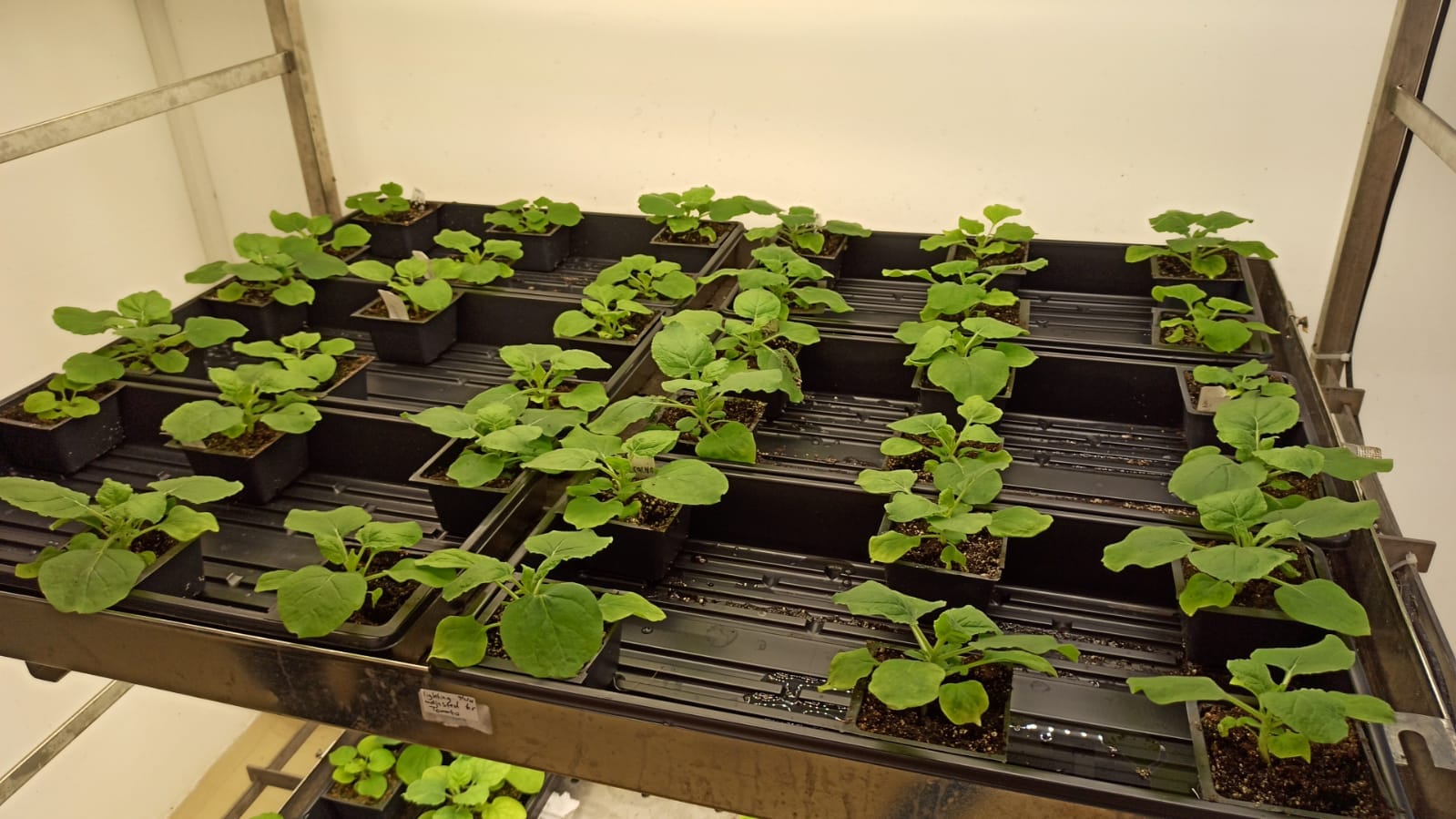 imageScientists have engineered tobacco plants to produce five psychedelic compounds that are normally found in a wide range of natural sources, including psilocybin mushrooms, ayahuasca, and toads, according to a study published on Wednesday in Science Advances.
The breakthrough could lead to more sustainable and scalable production of these compounds by using model plants to biosynthesize common psychedelic “tryptamines,” such as psilocybin from hallucinogenic mushrooms, N,N-Dimethyltryptamine (DMT) from plants, and psychoactive compounds secreted by the Sonoran Desert toad.
Eventually, this research could pave the way toward—as one example—tomato plants that contain microdoses of psychedelic cocktails in each fruit. However, the study’s authors emphasized that these modified plants would need to be limited to medical use in clinical settings, and should not be accessible to consumers for recreation.
“We are interested in this, not because of the recreational effects, but because of the medicinal potential,” said Paula Berman, a postdoctoral researcher at the Weizmann Institute of Science who co-led the study, in a call with 404 Media.
“This combination of five psychedelics—I don't think anyone has ever tried something like it,” added senior author Asaph Aharoni, principal investigator and head of the department of plant and environmental sciences at the Weizmann Institute of Science, in the same call.
Tryptamines are a subclass of metabolites—compounds produced by metabolic processes in organisms—which have wide-ranging potential as treatments for conditions such as depression, anxiety, mood disorders, and post-traumatic stress disorder.
Indigenous cultures in many regions have cultivated tryptamines for thousands of years for ritual, spiritual, and therapeutic purposes. These compounds are now in high demand as both recreational drugs and medicinal treatments, though legal regulations governing their use vary widely around the world.
Due to their growing popularity, many of the source organisms that produce these compounds are facing significant ecological stresses in the wild; for example, the Sonoran Desert toad population is rapidly declining due to poaching and over-harvesting. Scientists have produced synthetic versions of some tryptamines, but those methods often involve complicated processing steps and hazardous reactants that generate chemical waste.
To help alleviate these problems, Berman, Aharoni, and their colleagues identified the biosynthetic pathways in five tryptamines: Psilocin and psilocybin, both found in hallucinogenic mushrooms; DMT, which is the psychoactive part of ayahuasca; and the psychedelic compounds bufotenin and 5-methoxy-DMT secreted by the Sonoran Desert toad.
The team then inserted the active genes of these pathways into the leaves of a tobacco plant, creating a botanical platform to produce all five psychedelics. By design, the modified plants are not able to pass these genes onto future generations, as this study is intended to offer a “proof of concept,” Berman said.
“In one leaf, we get five different psychedelics from three different kingdoms,” said Aharoni. “But since it is not inherited, it will stay in the leaves and will not go through to seeds, flowering, pollination, and to the next generation.”
“One reason that we did that is we are still not sure if we want to make plants where everybody can grab seeds from us and grow a plant with five different compounds” that might be deadly, he added. “We have to make sure that it stays in research.”
With that caveat, the team hopes that their work could lead to a method of tryptamine biosynthesis that could help meet the global demand for these compounds. In addition to sidestepping the disadvantages of synthetic versions, this technique could also remove stressors on wild populations. The goal is to ensure that wild tryptamine sources can be reserved for use in traditional Indigenous practices.
The researchers are also interested in clarifying the evolutionary purpose of psychedelic compounds for the plants that naturally produce them, which remains mysterious in many cases.
“We understand the importance of the plants, the fungi, and the Sonoran Desert toad, and every species that we discuss in the paper,” Berman said. “One of our motivations was to really understand better what these species do, so that we can mimic what they do.”
“Over-harvesting endangers the natural availability of these species for native peoples and Indigenous groups,” she concluded. “We have so much respect for the knowledge that they provide us, and we just want to add to this knowledge and to be able to produce these in a more sustainable way.”
Subscribe to 404 Media to get The Abstract, our newsletter about the most exciting and mind-boggling science news and studies of the week.
関連記事
今日のまとめ
AIデイリーブリーフで今日の重要ニュースをまとめ読み