エージェントにコンピュータを与える:Ivan Burazin、Daytona
Daytona の CEO イヴァン・ブザリンは、AI エージェントが従来のコード実行サンドボックスではなく、状態を保持し即座に起動可能な「コンポーザブルなコンピューター」を必要とするとし、ローカル環境の終焉とインフラのパラダイムシフトを宣言した。
キーポイント
AI エージェント向けインフラの再定義
エージェントは単なるコード実行ボックスではなく、状態保持(stateful)、即座のスピンアップ、リソースの動的拡張、そして安全性を備えた「コンポーザブルなコンピューター」を必要とする。
Daytona の事業転換と成長
元々人間の開発者向けクラウド IDE(CodeAnywhere)として始まった Daytona は、AI エージェントの台頭により AI 用サンドボックスへピボットし、1 日あたり最大 85 万個のサンドボックスを処理するスケールを実現した。
技術的アプローチ:ベアメタルと独自スケジューラ
Kubernetes の複雑さを避けるため、Daytona はベアメタル上で独自のスケジューラと状態保存スナップショット機能を実装し、ゼロから 10 万 CPU への負荷変化にも耐えるインフラを構築している。
OS の多様性と評価ワークロードの急増
エージェントは Windows や macOS 環境も必要とするため、Daytona はマルチ OS サポートを提供しており、RL(強化学習)や評価(evals)ワークロードが利用の約 50% を占めるまで急成長した。
AI エージェントのための専用コンピューター
Daytona は AI エージェントに Windows や macOS を含む仮想環境(サンドボックス)を提供し、従来のローカル開発環境の終焉を促しています。
圧倒的なスケーラビリティと起動速度
同社の技術により、1 つのサンドボックスは約 60ms で立ち上がり、50,000 個を 75 秒で生成可能であり、RL/評価ワークロードのような急激な CPU スパイクにも対応しています。
AI クラウドの未来像
複雑なインフラ管理ではなく、Stripe のような API ファーストのシンプルで予測可能な課金モデルを持つ「AI クラウド」への移行が予想されています。
重要な引用
The end of localhost has been Ivan Burazin's obsession for more than a decade.
Agents need composable computers, stateful sandboxes, instant startup, dynamic resources... and infrastructure that can survive workloads going from zero to 100,000 CPUs.
Daytona isn't just selling 'sandboxes' in the narrow code-execution sense. It is the latest version of Ivan's original localhost thesis.
"localhost should die."
"Why every AI agent may need a computer, including Windows and macOS environments."
"InfoBip Shift... was basically one of the inspirations for me starting AI Engineer, which is like, I have to thank you for giving me that push to be like, 'Oh, you can build and sell conferences?'"
影響分析・編集コメントを表示
影響分析
この記事は、AI エージェントが実社会で本格的に活用されるために必要な基盤インフラの質的変化を浮き彫りにしています。従来の「コード実行」から「完全なコンピューター環境」への移行は、開発者のワークフローだけでなく、企業全体の AI 導入戦略とクラウドコスト構造にも大きな影響を与えるでしょう。特に、Kubernetes の限界を超えるベアメタルアプローチの台頭は、次世代 AI インフラの標準的なアーキテクチャを再定義する重要な転換点となります。
編集コメント
AI エージェントが単なるプロンプト入力ではなく、自律的に動作する「コンピューター」として振る舞うためには、従来のクラウド IDE の概念を超えた、状態とリソース管理を高度に制御できるインフラが不可欠であることが明確になりました。
2026 年 AI エンジニアリング調査に参加して、2,000 ドル以上のクレジットと AIE WF のチケットを獲得しよう!
製品面では、Perplexity、Manus、Cursor など、誰もが「Computer」を手に入れようとしています。一方、研究側でも TerminalBench や GDPVal といったエージェント評価(evals)が、コンピュータ(Harbor)を前提とし始めています。両端において、統合されつつある LLM OS スタックは標準的なツールキットとなり、Daytona はその恩恵を受けて急成長している AI インフラ企業の少数派の一つです。
「ローカルホストの終焉」は、イヴァン・ブザジン(Ivan Burazin)にとって 10 年以上にわたる執念でした。
あまりにも馴染みのある光景…
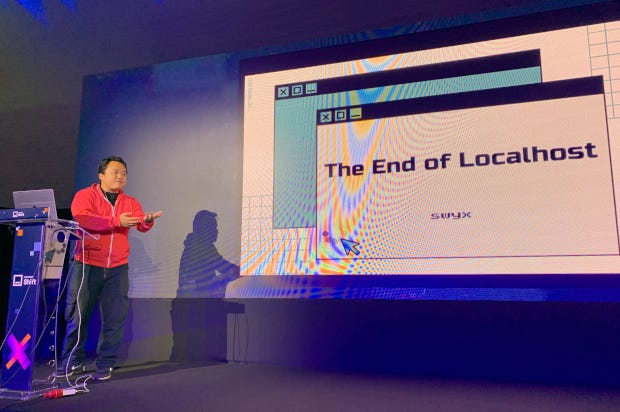
Infobip Shift 2022
エージェントがソフトウェア開発のデファクトスタンダードとして語られるようになるずっと以前から、イヴァンは開発が脆いローカルマシンに依存すべきではないという考えを追い続けていました。ブラウザベースの IDE の先駆けの一つである CodeAnywhere は、その未来への早期の試みでした:開発環境をクラウドへ移行し、セットアップを再現可能にし、開発者たちを永遠に続く「私のマシンでは動く」税から解放することです。
この仮説は方向性としては正しかったのですが、市場はまだ準備できていませんでした。
しかし、エージェントはそれを変えました。彼らはラップトップやデスクセットアップ、お気に入りのエディターにはこだわりません。必要なのは API を通じてアクセスできるコンピューターです:作業を継続するために十分な状態管理機能を持ち、瞬時に起動でき、柔軟にリサイズ可能で、安全のために十分に隔離され、実際のソフトウェアエンジニアリングが本当に必要とする複雑な現実世界のワークフローを実行するために十分な組み合わせ可能性を持つものです。
Daytona は狭義のコード実行の意味での「サンドボックス」を販売しているだけではありません。それはイヴァンの元のローカルホスト仮説の最新バージョンです。
このエピソードでは、Daytona の CEO が swyx と共に、AI エージェントにはコード実行ボックス以上のものが必要だと説明します:彼らが必要とするのは、組み合わせ可能なコンピューター、状態管理されたサンドボックス、即時起動、動的リソース、そしてワークロードがゼロから 100,000 CPU に至るまで耐えうるインフラストラクチャーです。
私たちは新しいエージェント計算市場について深く掘り下げます:人間向けの開発環境から AI サンドボックスへの Daytona の大胆な転換、顧客が懇願した年末の MVP、Daytona が独自のスケジューラーを備えたベアメタル上で動作する理由、ある顧客が一日にほぼ 850,000 のサンドボックスを実行している事実、そして RL/評価ワークロードがわずか数ヶ月で利用の 0% から約 50% に急増した理由です。イヴァンはまた、エージェントが Windows や macOS マシンを必要とする理由、CLI が MCP よりも重要になる可能性がある理由、このワークロードにおいて Kubernetes がなぜ痛みを伴うのか、そして将来の AI クラウドが AWS ではなく Stripe のようなものに見えるかもしれない理由についても説明します。
私たちが議論すること:
Daytona が CodeAnywhere、Shift、および「ローカルホストの終焉」という仮説からどのように成長したか
なぜデイトナは人間の開発環境から AI サンドボックスへと転換したのか
なぜエージェントには使い捨てのコード実行ボックスではなく、構成可能なコンピュータが必要なのか
顧客が API キーを求めて追いかけた、大晦日の MVP
なぜデイトナはベアメタル、ステートフルスナップショット、そして独自のスケジューラーを選んだのか
なぜデイトナは約 60 ミリ秒で 1 つのサンドボックスを起動し、約 75 秒で 50,000 のサンドボックスを立ち上げられるのか
なぜデイトナの最大顧客は 1 日に約 850,000 のサンドボックスを実行しているのか
なぜ RL/評価ワークロードがゼロから 100,000 に達する CPU スパイクを生むのか
なぜ RL ワークロードがデイトナ利用の 0% から約 50% にまで成長したのか
なぜ顧客は EKS/GKS と比較し、「二度と戻らない」と言うのか
なぜすべての AI エージェントに、Windows や macOS 環境を含むコンピュータが必要となるのか
なぜ macOS サンドボックスが困難になる Apple のライセンス制約があるのか
なぜ CLI は MCP よりもエージェントにより大きな権限を与えるのか
なぜオープンソースがエージェントのデイトナ統合を助けるのか
なぜ AI エージェント生成の PR が今日の CI/CD の前提条件を壊す可能性があるのか
なぜトークンを再販売する AI SaaS 企業が冷や水を浴びる可能性があるのか
なぜ AI クラウドは AWS よりも Stripe に似ているように見えるのか
イヴァン・ブザジン
LinkedIn: https://www.linkedin.com/in/ivanburazin
X: https://x.com/ivanburazin
Daytona
Website: https://www.daytona.io
X: https://x.com/daytonaio
タイムスタンプ
00:00:00 フック
00:01:12 イントロダクション
00:03:15 CodeAnywhere、Shift、そして localhost の終焉
00:05:58 デイトナとは:AI エージェント向けの構成可能なコンピュータ
00:08:07 開発環境から AI サンドボックスへの転換
00:10:17 大晦日の MVP と API キーを懇願する顧客
00:12:56 ベアメタル、ステートフルなサンドボックス、そして Daytona のスケジューラ
00:17:28 60 ミリ秒の起動時間、50,000 のサンドボックス、そして 1 日あたり 850,000 回の実行
00:21:53 鋭い RL/評価ワークロードと新たなエージェント基盤の問題
00:28:12 RL ワークロード、Kubernetes(コンテナオーケストレーションシステム)の課題、そして動的リサイズ
00:33:31 なぜすべての AI エージェントにコンピュータが必要なのか
00:38:48 macOS のサンドボックスと Apple のライセンス問題
00:44:28 なぜ CLI(コマンドラインインターフェース)が MCP よりも重要になる可能性があるのか
00:48:11 オープンソース、GitHub スター数、そしてエージェント統合
00:53:11 Git、CI/CD、およびエージェント協働のボトルネック
00:58:15 創業者としての生活と、25 人の従業員を抱えるインフラ企業の構築
01:02:44 AI SaaS、トークンの再販売、そして API フォーカス型ビジネスモデル
01:06:10 GPU のサンドボックス、データセンター、および計算リソースの成長
01:09:48 なぜ AI クラウドは AWS ではなく Stripe に似るようになるのか
01:11:26 結びの言葉
トランスクリプト
イントロダクション:Daytona、CodeAnywhere、そしてローカルホストの終焉
Swyx [00:00:02]: さて、スタジオでは Daytona の CEO、イヴァン・ブザジン氏と一緒です。ようこそ。
Ivan [00:00:07]: 招いていただきありがとうございます、友人よ。
Swyx [00:00:08]: イヴァン、僕たちの付き合いは昔からだよ。
Ivan [00:00:10]: ずいぶん昔さ。
Swyx [00:00:11]: どうやって知り合ったのかさえ覚えていないが、Shift の件で連絡してきたのは君だったね。
Ivan [00:00:17]: 僕から連絡したんだ。理由はこうだ—僕たちはちょうど、僕が最初のブラウザベースの IDE(統合開発環境)である CodeAnywhere の共同創設者の一人だったことを考えていたんだ。だからずっと前から、「ローカルホストは死滅すべきだ」と考えていた。そして君にはその記事があった。
Swyx [00:00:29]: ローカルホストの終焉についての記事さ。
Ivan [00:00:30]: そのことがきっかけで、私はあなたに連絡を取りました。その後、お話しする機会がありましたが、その当時私は別の職場にいて、開発者体験(Developer Experience)の責任者を務めていました。あなたはまさにその分野に精通しておられ、私を含め他の方々にも「どうすればよいのか」「この時点で重要なポイントは何か」などを尋ねてみました。あなたは快くお電話に応じてくださいました。その際、私はあなたの通話時間に遅刻してしまったことを覚えています。
Swyx [00:00:51]: 覚えていませんよ。
Ivan [00:00:52]: 私は覚えています。なぜなら、当時付き合っていた彼女(あるいは妻)と一緒だったからです。どちらか定かではありませんが、同じ方なので素晴らしいことです。イタリアで休暇中だったため、何かの約束に遅れてしまったのです。とても申し訳なく思いましたが、あなたは非常に親切に対応してくださいました。
Swyx [00:01:10]: 私が親切なのは、私自身も他の人々の通話に遅れることがあるからです。「誰にも罪がない人間などいるでしょうか」ということです。ご存知ない方のために申し上げますと、InfoBip Shift において、あなたが過去に行われた取り組みは、私が AI Engineer を立ち上げるきっかけの一つとなりました。あなたには、「ああ、カンファレンスを企画して販売することもできるのか」と思わせてくれたその一押しに感謝しています。
Ivan [00:01:34]: あなたが当初、私にアドバイザリー株(advisory shares)を提案されたことを覚えています。私は当時の事業に集中していたため、「いいえ」とお断りしました。しかし、アドバイスを受け入れるべきでした。申し訳ありません、友人よ。とにかく、話はそれくらいで。
Swyx [00:01:43]: 私たちは、ベンチャーキャピタルの支援を受けているわけではありません。
Ivan [00:01:44]: いいえ、それは問題ではありません。
Swyx [00:01:45]: はい、とにかく。そこで私があなたに感銘を受けたのは、CodeAnywhere があなたが長年取り組んできたプロジェクトだということと、それを一旦保留にしてから InfoBip の後に再び戻ってきた点です。ぜひ、Daytona への道のりについて、その物語、そして起源の物語を教えてください。
コードアニアウェイからシフトへ、そしてデイトナへ
Ivan [00:02:05]: もちろんです。実は非常に昔のことですが、私と共同創業者は常に一緒にいました。私は何度もこう言っていますが、まるで結婚して離婚し、また再婚したようなものです。実際に私の共同創業者がパートナーなのかと尋ねる人もいますが、彼らはそれを文字通り受け取っているようです。実際には文字通りの意味ではありませんが、私たちは複数の企業を共に設立してきました。ご指摘の通り、私たちが経験した転換とは、CodeAnywhere から「Shift」というカンファレンスへ、そして再び Daytona へと戻ってきたという流れです。もともと私たちは 2000 年代前半にサーバーのスタッキングを開始し、仮想化(virtualization)やルーターの設定など、基盤レベルでこれらの技術に取り組んでいました。これはサービス企業でしたが、共同創業者が実際に発明したことに注力するために売却しました。それが、ブラウザベースの IDE(統合開発環境:Integrated Development Environment)でした。私は「最初」と言いますが、実際には私たち以前に Heroku がありました。彼らは非常に短い間だけそれを行いましたが、その後 Heroku へと発展しました。Heroku を除けば、私たちは唯一の存在で、その名前は……
Swyx [00:02:55]: Cloud9 がありました。
Ivan [00:02:57]: Cloud9 は私たちより少し遅れて登場しました。CodeAnywhere が停止した頃に Replit が現れ、それ以来成功を収めています。また Nitrous.io もありました。当時はいくつかのサービスが存在していましたが、時期尚早でした。しかし興味深いのは、その時点では VS Code も Kubernetes も存在せず、Docker はまだ始まったばかりで、公開されたかどうかさえ不明だったことです。そのため、私たちはスタック全体を自分たちで構築する必要があり、これが私たちが Daytona で今日も活用している重要な学びとなりました。非常に初期の段階でした。CodeAnywhere を利用した人は約 300 万人に上ります。ベンチャーキャピタルよりもエンジェル投資家による支援が中心でしたが、規模がそのレベルには達しなかったため、最終的にはすべての出資者に返済しました。しかし 3 年前、私たちは Daytona で同様の取り組みを始めました。これは現在の私たちが目指しているものとは異なりますが、人間のエンジニア向けの開発環境を自動化するものでした。つまり CodeAnywhere の基盤となるスタックの自動化です。そして昨年 1 月、ハードピボット(事業転換)を行い、サンドボックス(隔離された実行環境)に注力しました。そして今に至ります。
Swyx [00:04:01]: 歴史的なピボットですね。これは興味深いケースで、私は独立して CodeAnywhere にも E2B にも投資していました。そして二人とも同じ方向へピボットしたのですから、「なんてことだ」と思いました。
Ivan [00:04:12]: あなたは投資しました、Daytona に投資しました。Daytona に投資しました。しかし、あなたが最初の一人でした。もしあなたの小切手が届いていなければ、私たちはそれを成し遂げてはいなかったでしょう。
Swyx [00:04:18]: ありえません。
Ivan [00:04:19]: いいえ、まるで「まずは彼を仲間に加える必要がある」というようなものでした。そしてあなたは、私たちを地面から離れさせたその起爆剤でした。
Swyx [00:04:23]: いいえ、なぜならあなたは私をあなたのピッチデッキに載せていたのですよ、兄貴。私は「もし投資しなければ、これは素晴らしい旅になるだろう」と思っていました。
Ivan [00:04:29]: それはあなたが引用したからです。まるで私たち自身の言葉のようでした。
Swyx [00:04:30]: そうです。それは localhost の終焉です。
Ivan [00:04:31]: 「localhost の終焉」について、そしてそれに興味を持っている人々について、多くの調査を行いました。
Swyx [00:04:34]: いいえ、あれは私が書いたブログ記事で、その分野のすべての企業が私に連絡してきました。そして、それらのピッチを受け取っていたすべてのベンチャーキャピタリストも、私に電話をかけて、私と議論する必要がありました。
Ivan [00:04:47]: しかし、ついにそれが起こり始めていますね。
Swyx [00:04:48]: 本当に非常に興味深いことでした。
Ivan [00:04:48]: ついに実現しようとしています。
Swyx [00:04:49]: ついに実現しようとしています。
Ivan [00:04:49]: はい、ついにです。
Swyx [00:04:49]: ついに実現しようとしています。おそらく非人間のユーザーとともにですが。さて、今日の Daytona とはどのようなものですか?簡単な説明を聞かせてください。私はこのシャツを着ていますよ。
What Daytona Is Today: Composable Computers for AI Agents
Ivan [00:04:58]: あなたがそのシャツを着ていますね。はい。
Swyx [00:04:59]: おっしゃる通り、ブランディングがとても素晴らしいと思います。非常に一貫性がありますし、AI コードを実行する仕組みそのものです。これ以上シンプルなものはありません。
Ivan [00:05:05]: その通りですが、おそらくそれを改める必要があるでしょう。
Swyx [00:05:07]: おっと、それはまずいね。
Ivan [00:05:07]: また、これは私たちが行っていることの一部分に過ぎません。残念ながら、私たちはこの「Run AI Code(AI コードを実行)」というコンセプトを本当に愛しています。非常にシンプルで、人々がそれぞれ異なる解釈をするからです。私たちはすでに 5,000 枚から 6,000 枚のこうした T シャツを配布しました。人々は誇りを持って着用していますが、これは私たち自身を宣伝するものではないからです。
Swyx [00:05:21]: はい、背面には Daytona と書かれていますね。
Ivan [00:05:22]: 背面が宣伝の役割を果たしています。自分自身に向けたメッセージだからです。その点では非常にうまくいっていると思います。しかし、これも私たちが行っていることの一部分に過ぎません。なぜなら、「Run AI Code」と聞いて人々が思い浮かべるのは、小さな、そう呼びましょうか、コード実行用の独立したボックス(isolates)のようなものだからです。つまり、コードを送信して結果を受け取るという単純な仕組みです。一方、現在の Daytona は本質的に、AI エージェント向けのコンポーザブルコンピューター(composable computers)です。市場ではこれをサンドボックス(sandboxes)と呼ぶこともありますが、それは誤解を招く可能性があります。
Swyx [00:05:44]: これらすべての機能ですね。これらすべてが備わっています。
Ivan [00:05:45]: はい、まさにその通りです。なぜなら、人々は通常、サンドボックスをデモやテスト環境と捉え、本番グレードの環境とは区別して考えているからです。しかし、Daytona が行うことは、今目の前にあるラップトップや、あちらにあるコンピューター、あるいは私の妻は建築家なので、3D レンダリングを行うために 3D グラフィックスカードを搭載した Windows を使っているような、人間が異なる種類のコンピューターや異なる構成のコンピューターを持っているのと同じように、今日そして今後、エージェント(AI エージェント)もさまざまなタスクを遂行するためにこれらすべての異なる構成のコンピューターが必要になると確信しています。そのため、私たちはそれを基本的に API を通じて提供しています。
Swyx [00:06:19]: はい、人々に—あえて言えば、皆が参加して「いいね」や「登録」をしてもらえるよう、すべての「なるほど!」や「すごい!」という瞬間を冒頭に持ってくるように努めています。市場は爆発的に成長していますよね?あなた方は月間 74% の成長を報告されていますし、すでにしばらくの間成長を続けています。まるでこのように伸び続けているのです。そして、それはあなただちの会社だけの話ではありません。すべての企業がそうです。
Ivan [00:06:41]: 全員ですね、はい。
Swyx [00:06:42]: 要するに、コンピューティングリソースを提供するプロバイダーです。私が「コンピューティングリソースプロバイダー」という表現を使うことに同意するかはわかりませんが。
Ivan [00:06:48]: それは問題ありません。
Swyx [00:06:48]: はい。つまり、PLG(製品主導型成長)に起因する自然な成長だけでなく、エンタープライズ部門も非常に好調だと思います。去年の 1 月のピボットについて振り返っていただいてもよろしいでしょうか。明らかにこの市場を先取りされ、その準備も整えられ、現在は市場リーダーの一人となっていますが、どのような洞察からピボットを決断されたのでしょうか?
人間向け開発環境からエージェント用サンドボックスへ
Ivan [00:07:06]: 私たちがこのピボットを行ったきっかけとなった洞察は、その前の四半期、つまり 2024 年末の出来事です。当時、デモを行いました——おそらくこれも議論したと思いますが、Devin はまだ一般公開されていませんでした。実はその時点で Devin にアクセス権を付与していただいていたのです。
Swyx [00:07:25]: 私が?
Ivan [00:07:26]: はい、アクセス権を付与してくださいました。
Swyx [00:07:26]: 私はそうするべきではなかったと思いますよ。
Ivan [00:07:27]: はい、まさにその通りです。
Swyx [00:07:28]: はい、私は……
Ivan [00:07:28]: どちらにせよ問題ありません。あなたのことです。
Swyx [00:07:29]: はい。友人 3 人にアクセス権を付与しました。
Ivan [00:07:31]: はい、あるいは電話がかかってきて見せてもらったのかもしれません。どちらでも構いませんが、OpenDevin は利用可能でした(現在は OpenHands と呼ばれています)。そこで私たちは、「これは何かの形になりそうだ。まだ公開されていないから、開発環境の人間による自動化のために OpenDevin を取り込み、SaaS として立ち上げよう」と考えました。実際にそうしました。登録して利用した人はそれほど多くありませんでしたが、エージェントを構築している多くの人が連絡をくれました。「私のエージェントには計算用サンドボックスランタイムが必要だ」などと言うのです(その時点での名称は忘れてしまいました)。そこで私たちは、「素晴らしい!これは新たな市場だ。インフラはこちら、製品はこちら、さあ進め」と考えました。しかし、私たちがすぐに発見したのは、人々が私たちが構築したものを好まなかったということです。機能しませんでした。このプロジェクトの初期に人々と話していたのを覚えています。エージェント向けのサンドボックスを構築している際、人々は「なぜこれが違うのか?同じものだ。EC2 もあれば、VM もあれば、これらすべてがある」と言いました。しかし、私たちが提供したすべての人に、20 人から 30 人ほどが「いいえ」と答えました。「これは必要としているものではない。この種のものは壊れてしまう」と言うのです。基本的に、私の共同創設者も私もインフラの専門家であり AI の専門家ではありませんでした。そのため、私は自分自身で、存在するすべてのポッドキャスト(これらすべてを含む)を視聴し、最新の情報を得て、すべてのブログを読み、何が起きているかを理解しようと努めました。
Swyx [00:08:45]: 他の誰が役立っていたか、声に出して紹介したいですか?もしかしたら他の人も探しているかもしれません。
Ivan [00:08:49]: 一般的に私たちは - 、いくつかのポッドキャストを見てみました。異なるセグメントや異なるタイプがありますね。皆さんもそうですし、「No Priors」も素晴らしいものでした。ビル・ガーリーのものも、その時期には非常に良かったです。
Swyx [00:09:04]: VG2、そうですね。
Ivan [00:09:05]: はい、その時期に存在していたものですから。他にもいくつかあります。「20VC」は異なるダイナミクスから興味深いものですが、一部には異なるダイナミクスを持つものもあります。また、「Red Points」もありました。
Swyx [00:09:14]: 私たちは計算市場についてはあまり詳しくありません。
Ivan [00:09:15]: それはすでに - すみません?
Swyx [00:09:16]: あなたは、エージェントインフラ市場(agent infra market)を見ていますね。
Ivan [00:09:19]: エージェント市場と、一般的な AI 市場を眺め、誰がプレイヤーなのか、世間の認識はどうなっているのか、そしてそれがどう展開しているのかを理解しようとしていました。もちろん、カンファレンスやイベントへの参加、ミートアップでの交流、ホワイトペーパーの読書など、何が起きているかを理解するためにやるべきことはすべて行っています。それで、私たちが何を構築すべきかのおおよその見当がついたとき、まさに大晦日の夜、大晦日その日に、私は半ば直感でコーディングして、今日の Daytona の最初の MVP(最小実行可能製品)を作成しました。そして午前 3 時頃には就寝しました。私はまだ赤ん坊の娘と妻を寝かしつけ、「Happy New Year's」と言いながら、再びこの作業に戻ったのです。それを共同創業者であり CTO の私に送りました。彼は翌朝それを見て、「これは完全にゴミだ。誰にも見せるな。ただしアイデア自体は良い」と言いました。そこで彼は 2 週間かけて、これを再構築しました。
Swyx [00:10:09]: あれがあの見た目だったんですか?聞いてください、私にはそれは荒削りなアイデアでした。
Ivan [00:10:12]: いや、そんなことない。むしろ全然違う。もっとひどい状況だったんだ。でも、それは非常に単純化された、あるべき姿の理解に基づいたものだった。機能はしていたけど、理想的ではなかった。そこで彼は CTO としての役割を果たすために、その問題全体に取り組むために動き出し、このバージョンを持って戻ってきた。その後、四半期前に「これはゴミだ」と言っていた人々全員を呼び寄せた。そして通話の機会を設定し、デモを行ったんだ。すべての通話が想定より長引いた。本来 15 分程度の通話だったのが、すべてが 25 分や 30 分にも及んだのだ。みんな「アクセスが必要だ」「アクセスが欲しい」と言った。ログインは不要で、API キー(API key)だけでよかった。なぜならベータ版あるいはアルファ版だったからだ。「アクセスが欲しい」と彼らは言う。私たちは「もちろん、いいですよ。ありがとうございます」と答えた。しかし翌日、もし API キーを送らなかった場合、行ったすべての通話において、みんな「私の API キーはどこだ?」と再び連絡してきたんだ。誰もが欲しがっていた。私たちは「やばい」と思った。これが本物だと確信した瞬間だった。私はこれまで複数の企業で働いてきたが、こんな経験は初めてだ。アクセスを与えなければ、実際に電話がかかってくるなんてね。彼らは今すぐアクセスを望んでいる。つまり、彼らが求めているものは存在しないのか、あるいはまだ見つけていないだけなのか、そして私たちが目指しているものを本当に欲しがっているのだと理解した。そしてこれが何かのきっかけだと気づいたとき、市場規模について考えてみると、人間のエンジニアや企業向けの市場は非常に大きい(GitLab などを想像してほしい)。しかし、将来存在するすべてのエージェント向けの市場はどうだろう?その市場規模はいったいどれくらいなのか?そこで私たちは「これは本気で取り組む」と決断した。それがここまでの経緯だ
原文を表示
Take the 2026 AI Engineering Survey and get >$2k in credits and AIE WF tickets!
On the product side, everyone is getting Computer - Perplexity, Manus, Cursor, and so on. Meanwhile on the research side, agentic evals like TerminalBench and GDPVal are also assuming computer (Harbor). On both ends, the consolidating LLM OS stack has become a standard toolkit, and Daytona is one of a small set of AI Infra companies that are booming because of it.
“The end of localhost” has been Ivan Burazin’s obsession for more than a decade.
Something that is all too familiar…
Infobip Shift 2022
Long before agents became the default way people talked about software development, Ivan was already chasing the idea that development should not depend on a fragile local machine. CodeAnywhere, one of the first browser-based IDEs, was an early attempt at that future: move the development environment into the cloud, make setup reproducible, and free developers from the endless “works on my machine” tax.
The thesis was directionally right, but the market wasn’t ready yet.
However, agents changed that. They do not care about a laptop, desk setup, or favorite editor. They need a computer they can access through an API: something stateful enough to keep working, fast enough to spin up instantly, flexible enough to resize, isolated enough to be safe, and composable enough to run the messy real-world workflows that real software engineering actually requires.
Daytona isn’t just selling “sandboxes” in the narrow code-execution sense. It is the latest version of Ivan’s original localhost thesis.
In this episode, Daytona’s CEO joins swyx to explain why AI agents need more than code execution boxes: they need composable computers, stateful sandboxes, instant startup, dynamic resources, and infrastructure that can survive workloads going from zero to 100,000 CPUs.
We go deep on the new agent compute market: Daytona’s hard pivot from human dev environments to AI sandboxes, the New Year’s Eve MVP that customers begged for, why Daytona runs on bare metal with its own scheduler, how one customer runs almost 850,000 sandboxes a day, and why RL/eval workloads went from 0% to roughly 50% of usage in just months. Ivan also explains why agents need Windows and macOS machines, why CLI may matter more than MCP, why Kubernetes is painful for this workload, and why the future AI cloud may look more like Stripe than AWS.
We discuss:
How Daytona grew out of CodeAnywhere, Shift, and the “end of localhost” thesis
Why Daytona pivoted from human dev environments to AI sandboxes
Why agents need composable computers instead of disposable code execution boxes
The New Year’s Eve MVP that customers chased API keys for
Why Daytona chose bare metal, stateful snapshots, and its own scheduler
How Daytona spins up one sandbox in ~60ms and 50,000 sandboxes in ~75 seconds
Why Daytona’s biggest customer runs ~850,000 sandboxes a day
How RL/eval workloads create zero-to-100,000 CPU spikes
Why RL workloads went from 0% to roughly 50% of Daytona usage
Why customers compare Daytona against EKS/GKS and say they’re “never going back”
Why every AI agent may need a computer, including Windows and macOS environments
The Apple licensing constraints that make macOS sandboxes hard
Why CLI gives agents more power than MCP
How open source helps agents integrate Daytona
Why agent-generated PRs may break today’s CI/CD assumptions
Why AI SaaS companies reselling tokens may face a cold shower
Why the AI cloud may look more like Stripe than AWS
Ivan Burazin
LinkedIn: https://www.linkedin.com/in/ivanburazin
X: https://x.com/ivanburazin
Daytona
Website: https://www.daytona.io
X: https://x.com/daytonaio
Timestamps
00:00:00 Hook
00:01:12 Introduction
00:03:15 CodeAnywhere, Shift, and the end of localhost
00:05:58 What Daytona is: composable computers for AI agents
00:08:07 The pivot from dev environments to AI sandboxes
00:10:17 The New Year’s Eve MVP and customers begging for API keys
00:12:56 Bare metal, stateful sandboxes, and Daytona’s scheduler
00:17:28 60ms startup, 50,000 sandboxes, and 850K daily runs
00:21:53 Spiky RL/eval workloads and the new agent infra problem
00:28:12 RL workloads, Kubernetes pain, and dynamic resizing
00:33:31 Why every AI agent needs a computer
00:38:48 macOS sandboxes and Apple’s licensing problem
00:44:28 Why CLI may matter more than MCP
00:48:11 Open source, GitHub stars, and agent integration
00:53:11 Git, CI/CD, and agent collaboration bottlenecks
00:58:15 Founder life and building a 25-person infra company
01:02:44 AI SaaS, token resale, and API-first business models
01:06:10 GPU sandboxes, data centers, and compute growth
01:09:48 Why the AI cloud may look more like Stripe than AWS
01:11:26 Closing thoughts
Transcript
Introduction: Daytona, CodeAnywhere, and the End of Localhost
Swyx [00:00:02]: Okay, we’re in the studio with Ivan Burazin, CEO of Daytona. Welcome.
Ivan [00:00:07]: Thanks for having me, man.
Swyx [00:00:08]: Ivan, you and I go back.
Ivan [00:00:10]: Way back.
Swyx [00:00:11]: How I don’t even know how, you found, did you reach out or, for Shift.
Ivan [00:00:17]: I reached out to you. The reason was you - we were just - we were thinking about I was one of the co-founders of CodeAnywhere, the first browser-based IDE, and so we were thinking a long time of, localhost should die. And you had this article.
Swyx [00:00:29]: End of localhost.
Ivan [00:00:30]: Then I reached out to you because of that, and then we talked, and I was actually at a different job and learning about I was the head of, developer experience, and you were quite well-versed in that, and I actually reached out to you, among other people, how do we go about that? What are the key things and whatnot at this point in time? And you were nice enough to take the call, and I remember I was late on your call with you.
Swyx [00:00:51]: I don’t remember.
Ivan [00:00:52]: I remember because I was with my then I’m thinking of a girlfriend or wife at that point in time, I’m not sure. It’s the same person, so that’s great, and I was late ‘cause we were, in, Italy on, vacation, and then I was late for something. I felt so bad, and you were so nice to be, good about.
Swyx [00:01:10]: The reason I’m nice is because I’m also late to other people, so it’s like, who’s, who’s without sin here, yeah, so I have to, for those who don’t know, InfoBip Shift, there’s this whole thing that, you did in the past, and, and that was basically one of the inspirations for me starting AI Engineer, which is like, I have to thank you for giving me that push to be like, “Oh, you can, you can build and sell conferences?”
Ivan [00:01:34]: I remember you asked you asked me at the beginning to give me advisory shares, and I was so focused on what we were doing, I said no, and I should’ve took the advisory shares. So I’m sorry, dude. But anyway.
Swyx [00:01:43]: We’re not, we’re not venture backed.
Ivan [00:01:44]: No, it doesn’t matter.
Swyx [00:01:45]: It’s Yeah, anyway, so I think what’s impressive about you is that CodeAnywhere is the thing that you’ve been trying to build, and, you kind of put it on hold and then came back after InfoBip. Just give us the story, do you - the story and the origin story, going into Daytona.
From CodeAnywhere and Shift to Daytona
Ivan [00:02:05]: Sure. Like, really way back, me and my co-founder have been together. I say this, I’ve said this multiple times, it’s like we were married and divorced and married. Some people actually ask me is my co-founder my partner. they thought it literally. It’s not literally, but we have done multiple companies together, and to your point, we had this shift where we went from the CodeAnywhere to the conference called Shift, and then back to, Daytona. We originally started stacking servers, doing like virtualization in the early 2000s and, routers and doing basically all these things, at a foundational level, and that was a services company which we sold to focus on what my co-founder actually invented, which was the very first browser-based IDE, right, I say the first. Before us was actually Heroku. They did it for a very short time until they became Heroku. But outside of them, we were the only one, and it was called.
Swyx [00:02:55]: There was Cloud9.
Ivan [00:02:57]: Cloud9 came out slightly after us. There was Replit, which came out when we stopped doing it, Replit came out, and they have been successful since then, which is great. There was Nitrous.io. There was quite a few that existed at the time, but it was like too early. But the interesting part is that we, at that point in time, because there was no VS Code, there was no Kubernetes, and Docker had just started when we Or I’m not sure if it was even public at that point in time. And so we had to build everything to the whole stack ourselves and that was the key learning that we brought into and that we’ve been using in Daytona today. So it was super early. There’s about 3 million people used CodeAnywhere. It was slightly, it was angel-backed more than venture-backed. We ended up paying everyone back because it didn’t have that sort of scale. But, three years ago, we started something similar with Daytona, which is not what we are today, but it was automating dev environments for human engineers, the basically the underlying stack of CodeAnywhere. And then we did a hard pivot last January to sandboxes. And so here we are.
Swyx [00:04:01]: Historic pivot, yeah, and, it’s one of those things where, I had independently invested in CodeAnywhere, but also in E2B, and then both of you pivoted into the same thing, and I’m like, “Fuck.”
Ivan [00:04:12]: You invested, you invested in Daytona. You invested in Daytona. But you were the first If we had not got your check, we wouldn’t have done it.
Swyx [00:04:18]: No way.
Ivan [00:04:19]: No, it was like, “We have to get him on board first,” and you were that kicker that we, that got us off the ground.
Swyx [00:04:23]: No, because you were putting me on your pitch deck, man. I was like, “Man, this is like a good trip if I don’t invest.”
Ivan [00:04:29]: That’s because it was your quote. It’s like we.
Swyx [00:04:30]: Yeah. It’s the end of localhost.
Ivan [00:04:31]: Did a bunch of research about end of localhost and who was interested in that,.
Swyx [00:04:34]: No, that’s like, I put, I wrote that blog post, and every single company in that field reached out to me, and then every VC who was receiving those pitches then also had to call me and, talk it, talk through it with me.
Ivan [00:04:47]: It’s finally happening though.
Swyx [00:04:48]: It was really super interesting.
Ivan [00:04:48]: It’s finally happening.
Swyx [00:04:49]: It’s finally happening.
Ivan [00:04:49]: Yeah, it’s finally.
Swyx [00:04:49]: It’s finally happening, with maybe sort of non-human users. Yeah, so what is Daytona today? Let’s get like a quick description. I’m wearing the shirt.
What Daytona Is Today: Composable Computers for AI Agents
Ivan [00:04:58]: You’re wearing the shirt. Yes,.
Swyx [00:04:59]: It says, I think your branding is very good. Like, it’s very consistent. It runs AI code. Like, it cannot be simpler.
Ivan [00:05:05]: Exactly, but we’re gonna probably have to change that.
Swyx [00:05:07]: Oh, shit.
Ivan [00:05:07]: It’s also a subset of what we do. Unfortunately, we really love this, Run AI Code is super simple. People interpret it different ways. I think we’ve given out 5,000, 6,000 of these shirts. People wear them with pride because it doesn’t really market about us.
Swyx [00:05:21]: Yeah, Daytona’s on the back.
Ivan [00:05:22]: It markets the back. It markets to the person itself, so I think we did a really good job on that one. But it is also a subset of what we do, because people, when they think about Run AI Code, they just think about these small, let’s call it isolates, code execution boxes that, you send some code, you get an output. Whereas what Daytona is today is essentially composable computers for AI agents. It is, the market calls them sandboxes which can be misleading.
Swyx [00:05:44]: All these things. All these things on.
Ivan [00:05:45]: Yeah, exactly, ‘cause it can be misleading ‘cause people usually think about sandboxes as a demo or a test environment versus a production-grade environment. But what Daytona does, if you think of the laptop that you have in front of you or the computer that’s over there, or, my wife is an architect, so she has like a Windows with a 3D graphics card inside to do 3D rendering. Like, as humans, we have different computers or different compositions of computers. And our belief is strongly that agents today and going forward will need all these different compositions of computers to do different types of tasks. And so we offer that basically through an API.
Swyx [00:06:19]: Yeah, to give people - I’m trying to sort of front-load all the aha moments or the wow moments so that people can, stay engaged and click like and subscribe. the market is exploding, right? Like, you have been reporting 74% month-on-month growth, and it also, it’s just been growing for a while. Like, it’s been going like this. And every single - It’s not just you guys. It’s every single.
Ivan [00:06:41]: Everyone, yeah.
Swyx [00:06:42]: Sort of, compute provider. I don’t know if you agree with me saying compute provider or not.
Ivan [00:06:48]: It’s fine.
Swyx [00:06:48]: Yeah. So like organically PLG-driven growth, but also enterprise is doing super well, I think I wanna rewind to January of last year when you did the pivot. Like, so you obviously called this market early, and you were positioned for it, and you are now one of the market leaders. But what was the insight that made you do the pivot?
The Pivot: From Human Dev Environments to Agent Sandboxes
Ivan [00:07:06]: The insight that made us do this pivot is the quarter before that, so end of 2024, when we had - Basically, we did a demo with - I don’t I think we discussed this as well, Devin was not public. You actually gave me access to Devin at that time. So Devin.
Swyx [00:07:25]: I did?
Ivan [00:07:26]: Yeah, you gave me access.
Swyx [00:07:26]: I don’t think I was supposed.
Ivan [00:07:27]: Yeah, exactly.
Swyx [00:07:28]: Yeah, I.
Ivan [00:07:28]: So it doesn’t matter. You.
Swyx [00:07:29]: Yeah. I gave like three friends access.
Ivan [00:07:31]: Yeah, or it was a call and you showed it to me. It doesn’t matter. but OpenDevin was available, which is now called OpenHands. And so we’re like, “Oh, this seems to be a thing. This is not public. Let’s take our for human automation of dev environments and take, OpenDevin and launch that as a SaaS.” And we did that. Not very many people signed up and used it, but a lot of people reached out that were building agents, and they were like, “Hey, my agent needs a compute sandbox runtime,” whatever you wanna call it. I forgot what it was called at that point. And then we were like, “Oh, amazing. This is a new market. Here is our infrastructure. Here’s our product, and go.” And what we found really fast, soon, was that people did not like what we had built. It didn’t work. And I remember talking to people at the beginning when we’re doing this, the sandbox we’re building for agents. People were like, “Oh, why is it different? It’s the same thing. We have like EC2, we have VMs, we have all these things.” But we saw that everyone we gave it to, it was like 20, 30 people, they all said, “No.” Like, “This is not what we need. This sort of breaks.” And basically, me and my co-founder not knowing a lot about - ‘cause we’re infra people. We’re not AI people. So I basically took it upon myself to like watch every single podcast that exists, including all of, all of these and all that, and sort of get up to date, read all the blogs, like get, understand what’s going on.
Swyx [00:08:45]: Do you wanna shout out who else was useful, just in case people are also looking.
Ivan [00:08:49]: Generally we -, I looked at There’s a few of podcast, different segments and different types. So there’s you guys, No Priors, Bill Gurley’s was great while.
Swyx [00:09:04]: VG2, yeah.
Ivan [00:09:05]: Yeah, while it was around. So there’s a few. 20VC is interesting from a different dynamic, and some are different dynamic. But there was, also Red Points.
Swyx [00:09:14]: We’re not really about the compute market.
Ivan [00:09:15]: It was also already - Sorry?
Swyx [00:09:16]: You’re, you want - You’re looking at the agent infra market.
Ivan [00:09:19]: I was looking at the agent market and the AI market in general and sort of understanding who are the players, what the perception, and how that goes. And like obviously you complement this with like going to conferences, going to events, going to meetups, reading white papers, like doing all the things that you have to do to understand what’s happening. And so when we figured, when we sort of had an idea of what we had to build, literally over the New Year’s Eve, literally on New Year’s Eve, I half vibe coded the first MVP, first minimal viable product of what Daytona is today. And I went to sleep at like 3:00 AM or something like that. I was doing - I just put my like baby daughter and wife to sleep and, Happy New Year’s, and go back to just, doing this. And I sent it to my co-founder, my CTO, and he saw it in the morning. He’s like, “This is absolute garbage.” “Do not show this to anybody at all, but the idea is good.” And so he took two weeks, and he rebuilt it.
Swyx [00:10:09]: Did it like look like that? Listen, I - It was rough idea.
Ivan [00:10:12]: Oh, not even, not even close. Like it was it was way worse. But it was like a very - It was a simplistic view of what it should be. Like, it worked, but it was not ideal. And so he went, we went down the whole, which is his job as CTO, to go, and he came back with this version. We then called all the people that had said like, “This is garbage,” a quarter ago. And we set up these calls, and we gave it to - We just demoed it to everyone. And all the calls went long, every single one. They were 15-minute calls, and they all went to like 25, 30 minutes or whatnot. And everyone said, “We need, we want access.” There was no login, just an API key, ‘cause it was just a beta or an alpha. And they said, “Oh, we want access.” And we’re like, “Sure, yeah. Okay, thank you very much.” But after like the next day, if we’d not send it, every single one, like every call that we did, everyone came back, “Where is my API key?” Like everyone wanted it. We’re like, “Shit.” Like this is it. Like I’ve never felt So one, the understanding to your point was like most people thought it was the same infrastructure for humans and agents. We understood a quarter ago it’s not. We just didn’t know what was the right primitive. And then when we came, and we can talk about what that is, and we gave it to these people, I’ve never seen, I’ve never experienced - I’ve done multiple companies in my life. I’ve never experienced this, that people literally call you if you do not give them access. Like they want access right now. And so it’s like, okay, they don’t want this. the thing that they want doesn’t seem to exist, or they have not found it, and they really want what we want. And then when we understood that we’re onto something, and then when you think about the size of the market, like the market for human engineers and enterprise is a very large market, so think GitLab or whatnot. But the market for every single agent that will exist ever in the future is just like, what is that market? How big is that? And we’re like, “We are all in on this.” And so that is wher
関連記事
今日のまとめ
AI日報で今日の重要ニュースをまとめ読み