GrapheneOS 強制消去事件、米政府が先例作ろうと活動家を起訴
米国政府がプライバシー重視の GrapheneOS を使用した活動家に対し、緊急時パスワードによるデータ消去行為を犯罪として起訴し、プライバシー権の否定を目指す試みが行われている。
AI深層分析を開く2026年7月29日 03:08
AI深層分析
キーポイント
政府の先例創出狙い
米国政府は GrapheneOS の緊急時パスワード機能によるデータ消去行為を犯罪として起訴し、プライバシー保護への権利を否定する法的先例を作ろうとしている。
空港での強制捜査と対応
ドミニカ共和国からの帰国時に国土安全保障省の職員が Samuel Tunick 氏の携帯端末を検索し、拒否された後に緊急時パスワードを入力させた結果、端末が即座に消去された。
起訴の目的と影響
被疑者である Samuel Tunick 氏は、この起訴が他の活動家に対してデータ保護や社会運動への参加を阻むための威嚇行為であると主張している。
空港での捜索と法的根拠の稀さ
当局は通常必要となる令状なしに空港で端末を検索し、同様の法適用事例は薬物密輸事件以外では極めて稀である。
活動家への広範な監視と捜査
被告は警察活動家に対する一連の告発や国内テロリズム容疑、そして自身の背景調査不合格や車両への追跡装置設置など、政府による広範な監視を指摘している。
重要な引用
"the government hopes to set a precedent that no one has the right to privacy"
"The maximum sentence for the alleged crime is five years in federal prison."
"I hope people understand that the charges against me are meant to intimidate people against protecting their data and their privacy"
"The government hopes to set a precedent that no one has the right to privacy."
編集コメントを表示
編集コメント
端末のセキュリティ機能が法的な犯罪行為とみなされるという事実は、技術的な防御策が持つ社会的・法的リスクを浮き彫りにしている。GrapheneOS のようなプライバシー特化型 OS は、ユーザーの権利を守るための重要なツールであると同時に、政府との対立構造において新たな争点を生む可能性も示唆している。
Source Article
元記事を日本語で読む
本文に関係しない購読案内、埋め込み通知、サイト内プロモーションは除いています。
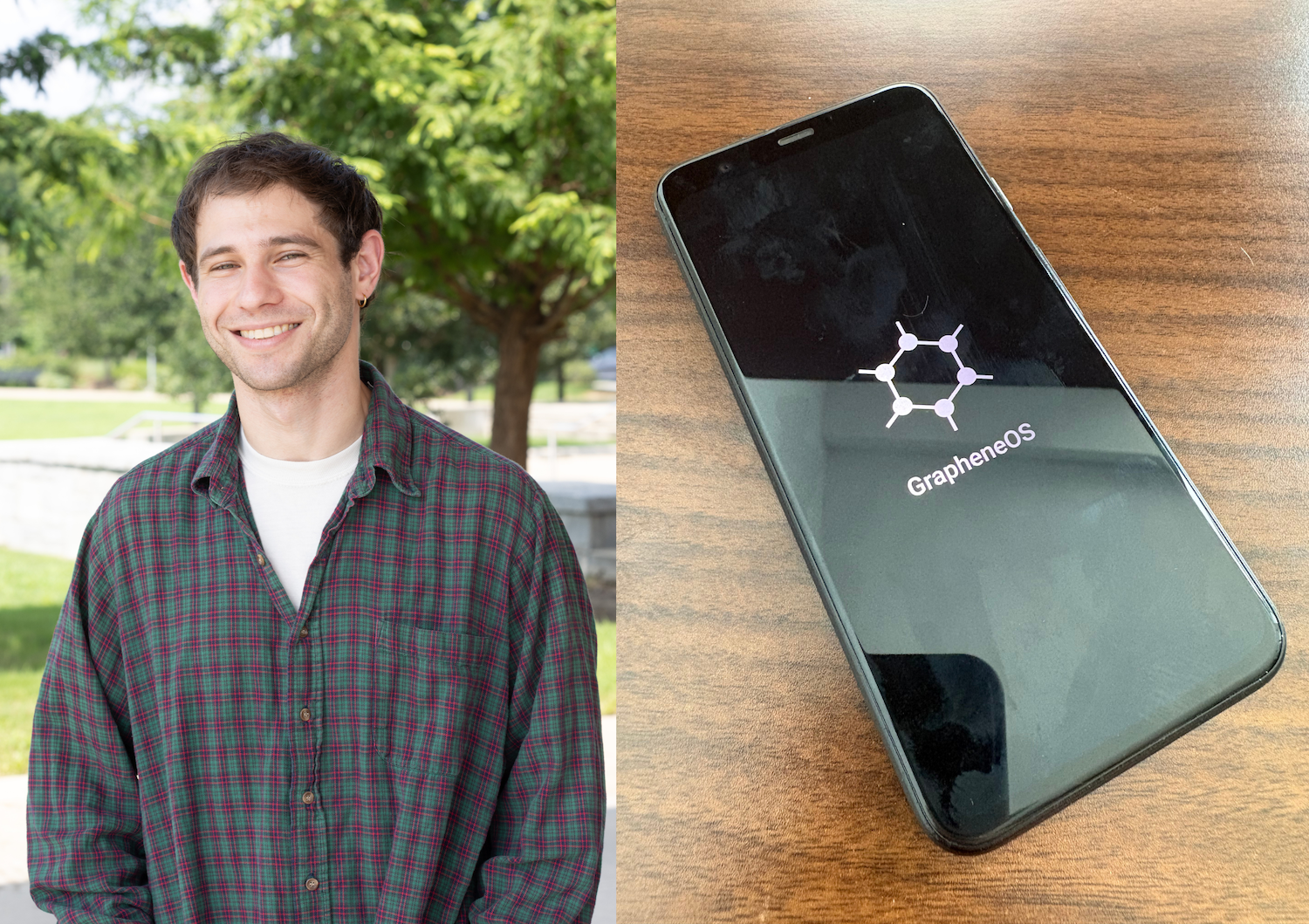
プライバシー重視の GrapheneOS(グラフェン OS)端末で強制的なパスワード入力によりデータ消去が行われたとして起訴された男性について、米政府は他の活動家に対しデータの保護や社会運動への参加を阻もうと狙っていると、起訴されたサミュエル・タニック氏は火曜日に 404 Media のインタビューで語りました。
アトランタの「Stop Cop City(コップシティ反対)」運動に参加したタニック氏のケースは、プライバシーや市民的自由に関わる分野全体に大きな反響を呼んでいます。この件について 404 Media は昨年 12 月に初めて報じました。先週には The Guardian が裁判での聴聞内容など追加の詳細を伝えています。同氏が罪に問われた場合の最高刑は連邦刑務所での 5 年です。
「人々が理解してほしいのは、私に対する起訴は、データやプライバシーを守る活動家たちを威嚇するためのものだということです。政府は『誰もプライバシー権を持たない』という先例を作ろうとしているのです」とタニック氏は、連邦公設弁護士のマシュー・ドッジ氏との電話会議で 404 Media に語りました。
この件や類似のケースについて何かご存知ですか?ぜひお聞かせください。業務用端末ではなく、Signal で Joseph.404 までメッセージを送るか、joseph@404media.co へメールをお送りください。
自身のケースがこれほど大きな注目を集めたことへの反応を問われたタニック氏は、「少し驚きもありますが、この問題に関心を持つ人がいるのは励みになる」と述べています。
2025 年 1 月、Tunick 氏はドミニカ共和国からの帰国途中でした。Dodge 氏によると、国土安全保障省(DHS)の捜査官が空港に事前に連絡し、「Tunick 氏が到着するから止めろ」と指示を出したといいます。「彼のスマホを没収して中身を調べたい」と、捜査官はそう要求しました。
捜査官は荷物の検査を求めましたが、Tunick 氏は拒否。Dodge 氏によれば、それでも強行されたものの違法なものは見つかりませんでした。身体検査も求められましたが、これも断ったため、再度強行されたとのことですが、不審な点はなかったそうです。その後、捜査官はスマホの検索を要求しました。Tunick 氏はこれを拒否し、弁護士に連絡するよう何度も申し出ました。
最終的に捜査官がスマホの提出を求めた際、Dodge 氏によると「児童虐待画像の捜索」という建前のもとで強行されました。Tunick 氏が提示したコードを捜査官が入力すると、端末はロック解除されるどころか画面が真っ白になり、GrapheneOS のロゴが表示されたといいます。
プライバシーとセキュリティ機能に優れたモバイル OS「GrapheneOS」には、強制パスワード入力時に端末データを不可逆的に消去する機能があります。この件についてコメントを求められた GrapheneOS 創設者の Daniel Micay 氏は、404 Media に対し、データ抽出に対する同 OS の防御体制に関する最近の解説記事を紹介しました。
端末へのアクセスが不可能になったことで、タニックは自由の身となり空港を後にしました。それから約1年後、彼は「Google Pixel」端末のデジタルコンテンツを破壊した容疑で起訴されました。ドッジ弁護士によると、同様の法律を用いた事例は今回を含めてもう一つしかなく、それは麻薬密輸事件の捜査におけるものでした。「極めて稀なケースです」とドッジ氏は語っています。
「捜査官たちは、空港という場所で事態を急転させようとしてゲームを操作しようとしたのです」と彼は付け加えました。通常、当局が他人の端末の中身を調べるには令状が必要ですが、空港内ではその保護が適用されないことが多々あります。「彼らが犯罪の証拠があると考えていたなら、サム氏の端末に対する捜索令状を裁判所に申請できたはずです。しかし、そうはしませんでした」とドッジ氏は指摘しました。
国土安全保障省(DHS)と米国の検察局は、コメント依頼に対して回答しませんでした。
404 Mediaとのインタビューでタニック氏は、自身の起訴が、米国各地で行われている「Cop City」反対活動家やその他の活動家に対する広範な捜査の文脈の中で位置づけられるべきだと明確に主張しました。彼は、61件もの不起訴となった数十人に対するRICO法(組織的犯罪防止法)に基づく告訴を例に挙げました(一部には国内テロリズム容疑が残されています)。タニック氏は、この事件で自分が起訴されていない共謀者として名指しされていたと述べています。
タニック氏はまた、ICE(移民税関摘発局)施設への抗議活動に関与した人々が起訴された国内テロリズムの先例となる「プレイルランド事件」にも言及しました。この事件では、警察官を射撃した一人が100年の実刑判決を受けました。さらに、ACLU(全米市民自由連盟)が非営利団体や活動家を標的にしようとしていると指摘する、新たに署名された国家安全保障大統領覚書(NSPM-7)についても触れました。
「政府は、プライバシー権を持つ者はいないという先例を作ろうとしているのです」
タニック氏はこう述べています。「多くの人が、これがアメリカの警察活動における新たな、より強圧的な傾向の温床になるのではないかと疑っていました。そして実際、アトランタが社会運動に対するより独裁的で強権的なアプローチの実験場となったことは事実です」と。
404 Mediaは3月の報道で、プロトンメール(Proton Mail)が匿名の「コップ・シティ反対派」を特定する手助けをしたためにFBIにユーザーデータを提出したと報じています。
タニック氏は404 Mediaに対し、空港での出来事の前にクリスマスツリー販売所の仕事に応募しようとしたことを明かしました。その職場は学校の敷地内で行われるため、身元調査が必須でした。犯罪歴がないにもかかわらず、タニック氏によると身元調査に不合格となったそうです。なぜ不合格になったのかを調べるためにアトランタ公立学校事務局を訪れたところ、最終的にFBIへ連絡するよう電話番号を渡されたとタニック氏は回想しています。また、かつて住んでいた家の外に隠しカメラが設置されていたとも語っています。
その後、弁護士から車に追跡装置が取り付けられていたことを知りました。また、携帯電話の記録も裁判所命令で提出を求められたと聞き、Google から Gmail アカウントにも同様の命令が出たとのメールを受け取ったそうです。
「彼らは私について何でもかんでも調べようとしたようですが、何も見つかりませんでした」とタニック氏は語ります。「今となっては、単に私の生活を苦しくし、あらゆる活動や社会運動への参加を萎縮させるための行為のように思えます」
当初、携帯電話を消去した容疑で起訴されたことには驚いたとタニック氏。その感情が落ち着くと同時に、この起訴内容が過去一年半に見られる政府による抑圧の延長線上にあると理解できたと述べています。
携帯電話を消去した容疑での裁判について、「他の市民や活動家の方々にも、これは許してはならない前例であることを知ってほしい」とタニック氏は願っています。
原文を表示
imageIn charging a man for allegedly typing in a duress password which wiped his privacy-focused GrapheneOS phone, the U.S. government is trying to intimidate other activists from protecting their data and participating in social movements, Samuel Tunick, the man charged, told 404 Media in an interview on Tuesday.
The case of Tunick, who participated in the Stop Cop City movement in Atlanta, has resonated across privacy and civil liberties circles. 404 Media first broke news of the case in December. Last week, The Guardian reported additional details including from a court hearing in the case. The maximum sentence for the alleged crime is five years in federal prison.
“I hope people understand that the charges against me are meant to intimidate people against protecting their data and their privacy, and the government hopes to set a precedent that no one has the right to privacy,” Tunick told 404 Media in a conference call with his federal public defender Matthew Dodge.
Do you know anything else about this case? Or others like it? I would love to hear from you. Using a non-work device, you can message me securely on Signal at joseph.404 or send me an email at joseph@404media.co.
Asked about his reaction to the wide attention his case has gotten, Tunick said it’s “a little surprising, but encouraging that people seem to care about this issue.”
In January 2025, Tunick was returning to the U.S. from a vacation in the Dominican Republic. Dodge explained that Department of Homeland Security (DHS) officers called the airport ahead, said Tunick was coming through, and asked officers to stop him. “‘We want you to get his phone and search his phone,’” the officers said in Dodge’s retelling.
The officers asked Tunick if they could search his bags, and he said no. The agents searched them anyway and found nothing unlawful, Dodge said. Tunick declined to be patted down, but again the agents searched him anyway, and they found nothing improper, Dodge said. Then the agents said they wanted to search his phone. Tunick declined and asked for his lawyer multiple times. Finally, the agents asked for his phone, and gave a pretence of searching for child abuse imagery, according to Dodge.
Tunick gave a code which an officer typed into the device, Dodge said. Rather than unlocking the phone, the device “went to a blank screen” and displayed the GrapheneOS logo, Dodge explained. GrapheneOS, a mobile operating system that has a wealth of privacy and security upgrades, has a duress password feature that “will irreversibly wipe the device,” according to GrapheneOS’s website. Asked for comment, Daniel Micay, the founder of GrapheneOS, pointed 404 Media to a recently published overview on the operating system’s defenses against data extraction.
With the phone inaccessible, Tunick was free to go and left the airport. Around a year later he was indicted for allegedly destroying “the digital contents of a Google Pixel” phone. Dodge said he only found one other case using the same law, a drug trafficking investigation. “This is extraordinarily rare,” Dodge said.
“The agents tried to rig this game by making this all come to a head at the airport,” he added. Ordinarily authorities would need a warrant to search the contents of someone’s phone; at an airport, those protections often do not apply. “They could have asked the judge for a search warrant for Sam’s phone if they thought they had evidence of a crime. They didn’t do that,” Dodge added.
DHS and the U.S. Attorney’s Office did not respond to a request for comment.
In the interview with 404 Media, Tunick put his prosecution squarely in the context of the sprawling cases against other Stop Cop City protesters and other activists in the U.S. more broadly. He pointed to the RICO charges against dozens of people, with 61 of those charges later being dropped (some still faced domestic terrorism charges). Tunick said that case had him listed as an unindicted co-conspirator.
Tunick also pointed to the landmark domestic terrorism Prairieland case in which people protested an ICE facility (one of those people received a 100 year sentence for shooting a police officer), and the newly signed National Security Presidential Memorandum (NSPM-7) which the ACLU says seeks to target nonprofits and activists.
“The government hopes to set a precedent that no one has the right to privacy.”
“Many of us had a suspicion that this was kind of the resting ground for a new, more heavy-handed trend in policing in America. And that does seem to be in fact the case: that Atlanta was sort of the testing ground for a more authoritarian, heavy-handed approach to social movements,” Tunick said. As 404 Media reported in March, Proton Mail provided user data that helped the FBI unmask an anonymous Stop Cop City protester.
Tunick described to 404 Media how before the airport encounter, he tried to get a job at a Christmas tree lot. The job involved going onto the property of a school, so it required a background check. Despite not having a criminal record, he failed the background check, Tunick said. He went to the Atlanta Public Schools office to find out why, and was eventually given a phone number and told to contact the FBI, Tunick recalled. He also said a hidden camera was placed outside a house he used to live in.
Later, he found out from his lawyer that a tracker had been placed on his car. He also learned his cellphone records were subpoenaed, and he said he got an email from Google saying his Gmail account had also been subpoenaed.
“They really just tried to dig up anything they could on me and they didn't find anything,” Tunick said. “At this point, it almost seems like it’s just intended to make my life miserable and discourage participation in any sort of advocacy or activism.”
Initially, Tunick was shocked by the phone wiping charge, he said. Once that feeling faded, he said the charges made sense in the arc of government “repression that we’ve seen over the last year and a half.”
Regarding his case about being charged for allegedly wiping a phone, Tunick said, “I just hope that other citizens and activists understand that this is not a precedent that we should allow to be set.”
AI算出
論評・提言ainew評価標準
GrapheneOS のセキュリティ機能(強制消去)が訴訟の核心にあるが、AI モデルや技術研究そのものではなく法執行との対立が主題であるため ai_relevance は低め。既存報道と異なり、被告の直接インタビューや捜査官の具体的な行動詳細が含まれるため novelty は高い。GrapheneOS という明確な製品名が含まれるため search_opportunity は 0.75。日本固有の企業・政策との直接的な結びつきは薄い。
6つの評価軸を見る
- AI関連度
- 25
- 情報源の信頼性
- 75
- 新規性
- 75
- 調べる価値
- 75
- 重複の少なさ
- 100
- 日本での有用性
- 25
関連記事
今日のまとめ
AIデイリーブリーフで今日の重要ニュースをまとめ読み