海底で発見された謎の金色の球体、正体が判明
ニュージーランドのウィローバンク野生生物保護区で、クチバシの一部を欠損したkea(キア)のオスが「くちばしジョーティング」という独自の行動革新により、健全な個体よりも高い支配権を維持している生態学的発見。
キーポイント
Bruceの欠損と支配的地位
12年前に上部クチバシを失ったkeaオス「Bruce」が、保護区内で他の個体との優位性争いに敗北することなく、群れのアルファ(頂点)として君臨している。
行動革新:くちばしジョーティング
Bruceは健全な個体とは異なる「くちばしジョーティング」という新たな行動パターンを開発し、首の伸展やジャンプを用いて攻撃することで、欠損を武器に変えた。
特権と社会的報酬
支配者としての地位により、餌場での優先アクセス権を得るだけでなく、他のオス個体から「相互羽毛磨き(allopreening)」というケアを受ける特権を享受している。
白亜紀の巨大イカ「ナニモテウティス」は頂点捕食者だった
顎の摩耗パターンから、硬い殻を持つ獲物を破壊する強力な咬合力を持ち、サメやモササウルスなどの巨大海洋爬虫類を捕食していたことが判明した。
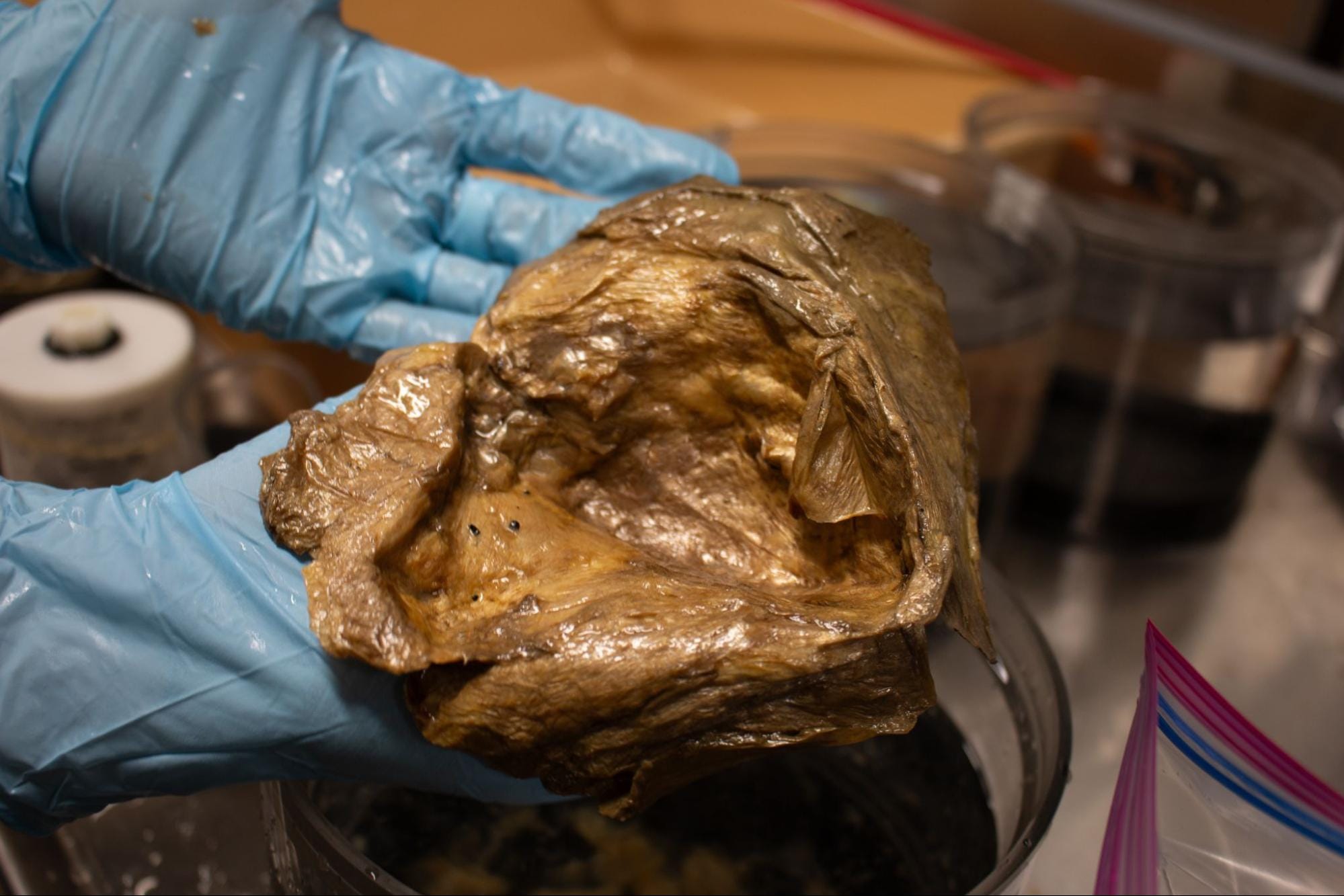
「ゴールデンオーブ」は深海アシダカヒトエグサの死細胞塊
アラスカ沖で発見された謎の金色の球体は、深海アシダカヒトエグサ(Relicanthus daphneae)の死んだ細胞の集まりであり、実質的に「金色の爪先」のようなものであると結論づけられた。
正体はRelicanthus daphneaeの有機残留物
吸引サンプリャーで採取された標本を分析した結果、謎の金色の球体は「Relicanthus daphneae」という生物の有機的な遺骸であることが特定された。
画像だけでは正体不明の謎であった
研究者によると、深海生物は即座に認識できないことが珍しくないが、このケースでは画像情報だけでは疑問が残る完全な謎であった。
影響分析・編集コメントを表示
影響分析
このニュースはAIやテクノロジー業界に直接的な影響を与えるものではありません。生物学的・生態学的な知見であり、動物の適応行動や社会構造に関する研究事例として価値はありますが、技術革新やビジネスインパクトの観点からは評価が低くなります。
編集コメント
本記事はAIやテクノロジー分野とは無関係な動物生態学のニュースです。技術アナリストとして評価する際、業界への直接的な影響は皆無であるため、重要度は最低ランクとなります。
 imageAbstractへようこそ!今週はライバルと戦い、サメを飲み込み、謎を解き、空に指紋を残した物語をお届けします。
まず科学者たちが、歴史上類を見ないジョッキング(馬上槍試合)のチャンピオンの勝利を記録しています。さらに、クラーケンが実在することが判明し、ゴールデンオーブの謎が解け、北風が変化していることが明らかになりました。
いつものように、私の他の作品をご覧になりたい方は、著書『ファーストコンタクト:人類のエイリアンへの執着の物語』をチェックするか、私の個人ニュースレター「BeXファイル」を購読してください。
ピークビーク:ブルースの物語
Grabham, Alexander A. 他。「欠損したkea(キア)オウムが、そのサーカスのアルファオスである。」『Current Biology』
12年前にくちばしの上半分を失ったkea(キア:ニュージーランド固有のオウム)のブルースをご紹介します。この怪我にもかかわらず、ブルースは「サーカス」(keaの群れを指す用語)における疑う余地のないアルファオス(頂点個体)です。彼はライバルとの優位性争いにおいて無敗であり、ニュージーランドのウィローバンク野生生物保護区での長年の生活において贅沢な暮らしを送っています。
今、ブルースは学術論文で問われた最も魅力的な疑問の一つに答えました。「上部くちばしを欠いたkeaが、なぜすべての闘いに勝ち、ストレスを感じないのか?」
その答えは、ブルースが発明した「ビークジョッキング(くちばしによる槍試合)」という一連の動きにあります。この動きは「健全な」ライバルたちの羽を逆立て、彼が順位付けの頂点(ピーキングオーダー)に上り詰めることを可能にしました。
この投稿を Instagram で見る
キャンターベリー大学 (@ucnz) によって共有された投稿
「ブルースは、露出した下のくちばしを、近距離では首を伸ばして、遠距離では走ったりジャンプしたりして、運動の力によって前方にバランスを崩しながら、突撃のような攻撃に使った」と、キャンターベリー大学のアレクサンダー・グラブハムをリーダーとする研究者たちは述べている。
「したがって、ブルースは行動の革新を通じて彼の障害を武器化した:ジョウティング(くちばしでの突撃戦)は、他のキーアで見られない行動であり、異なる運動パターンを持ち、より広範囲の身体部位を対象とする」とチームは語った。
このようにして、ブルースはサーカスのリーダーとしての地位を維持しており、その地位には目覚ましい利益が伴う。他の鳥たちは、保護区内のすべての給餌場で彼に優先権を与え、彼は邪魔されることなく食事をする。さらに、彼は他のオスによって grooming(グルーミング:毛繕い)される唯一の雄であり、メスのパートナーではなくオス同士で行われる。彼は、タズ、メガトロン、ジョーカー、ネオという名前の良い男性の部下たちからこれらの「相互グルーミング」サービスを楽しんでいることが観察されている。
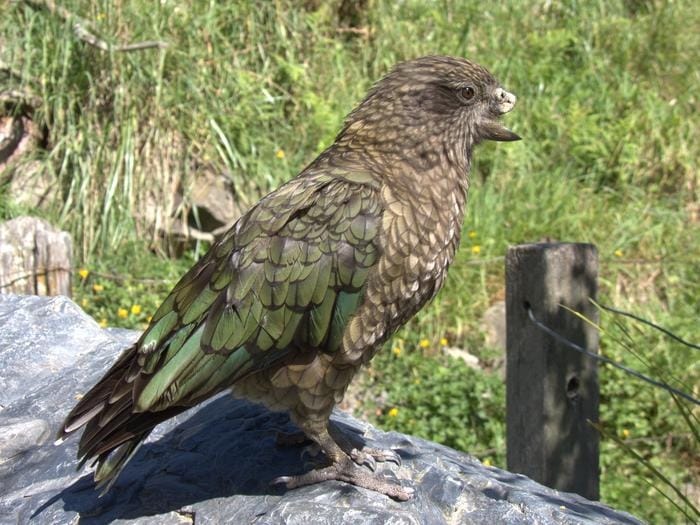 imageブルースは相変わらずのブルース。画像:アレックス・グラブハム「これは上位階層での他者による羽毛の手入れ(アロプリーニング)の証拠を提供しています。これはアルファ個体に対して排他的に行われ、一般的には優位性の逆比例して頻度が増加し、最も低い地位のオスによって行われるアロプリーニングの頻度が最高でした」とチームは述べています(Tazが最下位であることはご存知のとおりです)。「これは、ブルースが最も低いストレスレベルを示す理由の主要因である可能性が高く、アロプリーニングはグルココルチコイド(副腎皮質ホルモン)の減少と関連しています」。
他の種におけるアルファオスは通常、下位個体よりも高いストレスレベルを持っていますが、ブルースはリラックスして寛ぐ方法を見出しました。実際、彼が科学者の関心の的となったのはこれが初めてではありません;2021年の研究では、ブルースが小石をセルフケアの道具として使用していることが報告されました。彼がこのような大きな行動的柔軟性と回復力(レジリエンス)を示している事実は、「身体的に障害のある動物に対する善意の義肢支援が、常にポジティブな動物福祉を向上させるわけではないかどうかという疑問を提起する」と同研究は結論付けています。
「上顎のくちばしを欠いたこの鳥は、行動的に複雑な種にとって『障害』とは何かを書き換えました」とチームは結論付けました。
その他のニュース…
亜熱帯域にこれらすべての指紋を残したのは誰か?
ブラックポート、ラッセル、シグモンド、マイケル。「北半球冬季の亜熱帯平均循環における人間の指紋の出現」。『地球物理研究レターズ』。
世界中の人々が世界を変えたいと願っています。そして、皆さん、私たちはそれを実現しました。新しい研究によると、科学者たちは冬季の北半球の大気循環の中に「人間の指紋」を発見しました。
つまり、人間が引き起こす気候変動の影響は、時間とともに北半球のジェットストリームの構造を変化させており、この傾向は複数の異なるデータセットで観測可能であり、現在の気候モデルにおける見落とし(ブラインドスポット)である可能性があります。
「我々が発見したのは、温室効果ガスの増加によってモデルで予測される風の変化のパターン(『指紋』)が、観測された変化と一致しており、ランダムな変動ではこの変化を説明できないということです」と、カナダ気候モデル・分析センターのラッセル・ブラックポート氏とマイケル・シグモンド氏は述べています。
「もしモデルが人間に起因する応答を過小評価している場合、循環の傾向はモデルが予測するよりも速い速度で継続すると予想されます」とチームは付け加えています。「これらの不一致の原因を理解することは、地域気候変動の正確な予測を得るために不可欠です。」
これは典型的な生体認証データではありませんが、私たちは依然として空に比喩的な足跡を残しています。幸いなのは、少なくとも現時点ではこれらの変化を監視する専門家や機器が存在することです。
白亜紀のクラーケン(巨大イカ)を解き放て
池上伸、羽場康弘ら。「白亜紀の海で巨大なトッププレイヤーだった初期タコ類」。Science。
4月はタコにとって非常に「タコ的」な月でした。タコの生殖行動やタコによる擬態に関する新たな発見が相次ぎました。そんな中で、実在の「クラーケン」とも呼べる驚くべき物語でこの月を締めくくるのは非常にふさわしいでしょう。全長60フィート(約18メートル)を超える可能性もあった巨大なタコが、白亜紀の海を支配する頂点捕食者として闊歩していたという話です。
北海道大学の池上伸氏と羽場康弘氏が共同で率いる研究チームは、「計算された全長は約7〜19メートルであり、これらのタコはこれまでに記述された無脊椎動物の中で最大級のものであり、同時代の巨大な海洋爬虫類と肩を並べる存在であった可能性があります」と述べています。「しかし、これらの巨大生物の胃内容物のような直接的な証拠がこれまで見つかっていないため、它们在食物链中的地位仍然完全未知。」
白亜紀のタコ類「ナナイオテウティス・ハガールティ」の概念図。画像提供:北海道大学地球惑星科学部門の宇津木洋平氏
これらの絶滅した巨大生物の顎の化石に残った摩耗痕を調べることで、チームは彼らの食性についての手がかりを探した。その結果、「強力な噛みつき」と「硬い骨格の動的な粉砕」を示す十分な証拠が明らかになった。つまり、これらの巨大イカは、サメや巨大なモササウルスといった当時の象徴的な海洋捕食者と競合しただけでなく、それらを餌としていた可能性もある。
チームは結論として、「これらの古代の巨人は、長い腕と顎を使って大型の獲物を消費し、白亜紀の海洋生態系における頂点捕食者の役割を果たしていたと考えられる」と述べている。
もし誰かが何かしらの伝説を創作したいのであれば、新しいクリプトド(未確認動物)のアイデアが一つ浮かんだ。
解決!「黄金の球」事件
Auscavitc, Steven 他。「黄金の球の奇妙なケース — 深海のアナガミ「レリクト・レリカンサス・ダフネアエ(Cnidaria, Anthozoa, Hexacorallia)」の遺存種」。bioRxiv。
巨大なオオグチカワグモが海を闊歩する時代はもう過ぎ去った(少なくとも私たちが知る限りでは)ものの、現代の海には依然として数多くの奇妙な生物が生息しています。その好例が「ゴールデンオーブ」です。この正体不明の奇妙な物体は、2023年にアラスカ沖の水深2マイル以上を航行するNOAA(米国海洋大気庁)の調査船「オーケアノス・エクスプローラー」に搭載された無人探査機によって初めて目撃されました。
このオーブは科学界を完全に混乱させました。それは卵塊だったのでしょうか?それとも死んだスポンジや生物膜だったのでしょうか?数多くの説が飛び交いました。しかし、現在、科学者たちは、査読前の段階にある新しいプレプリント研究によると、徹底的な実験室分析の結果、ついにこの謎を解明したと考えています。
結論として、このオーブは深海に生息するイソギンチャク「レリカンサス・ダフネアエ」の死んだ細胞のかたまりであることが判明しました。別の言い方をすれば、これらは基本的に金色に輝く爪先のようなものです。
スミソニアン博物館国立自然史研究所のステイブン・アスカヴィッチを筆頭とする研究者たちは、「オーケアノス・エクスプローラーの探査中、遭遇した生物が直ちに認識できないことは珍しくありません」と述べています。「しかし、時には真の謎が存在し、画像だけでは疑問が生じるだけです。それがゴールデンオーブの場合です。」
チームは結論として、「幸いにも、この標本は吸引サンプリング装置を使用して採取されました。そして、ゴールデンオーブがレリカンサス・ダフネアエの有機的な残骸であることを突き止めました。」
昔の諺にあるように、ある生物のごみは、別の場所では宝となるものです。
お読みいただきありがとうございます。また来週お会いしましょう。
原文を表示
imageWelcome back to the Abstract! Here are the stories this week that battled rivals, devoured sharks, solved riddles, and left fingerprints in the sky.
First, scientists chronicle the victories of a jousting champion unlike any other in all of history. Then: it turns out that krakens are real, the mystery of the Golden Orb is solved, and the Northern winds are changing.
As always, for more of my work, check out my book First Contact: The Story of Our Obsession with Aliens or subscribe to my personal newsletter the BeX Files.
Peak Beak: The Bruce Story
Grabham, Alexander A. et al. “A disabled kea parrot is the alpha male of his circus.” Current Biology.
Meet Bruce, a kea parrot that lost the top half of his beak about 12 years ago. Despite his injury, Bruce is the undisputed alpha male of his “circus,” the term for a group of kea. He remains undefeated in dominance battles with rivals, allowing him to live a life of luxury in his long-time home at Willowbank Wildlife Reserve in New Zealand.
Now, Bruce has inspired one of the most delightful questions ever asked in an academic paper: “How does the kea missing his upper beak win every fight and not get stressed?”
The answer is Bruce’s invention of “beak jousting,” a set of moves that has ruffled feathers among his “intact” rivals, allowing him to ascend to the top of the pecking order.
View this post on Instagram
A post shared by University of Canterbury (@ucnz)
“Bruce deployed his exposed lower beak in jousting thrusts, both at close range, with an extension of his neck, and from afar, with a run or jump that left him overbalanced forward with the force of motion,” said researchers led by Alexander Grabham of the University of Canterbury.
“Bruce has therefore weaponised his disability through behavioural innovation: jousting is a behaviour not observed in other kea, with different motor patterns, that targets a wider range of body parts,” the team said.
In this way, Bruce has maintained his position as the ringleader of the circus, a position that comes with appreciable benefits. The other birds give him dibs at all feeders in the preserve where he eats undisturbed, plus, he is the only male that is groomed by other males as opposed to female mates. He has been observed enjoying these “allopreening” services from his excellently-named male subordinates Taz, Megatron, Joker, and Neo.
imageBruce being Bruce. Image: Alex Grabham“This provides evidence of up-hierarchy allopreening: it was exclusive to the alpha and generally increased in frequency inversely to dominance, with the highest frequency of allopreening done by the lowest-ranking male,” the team said (Taz is bottom of the heap, in case you’re curious). “This is likely a key factor in why Bruce exhibits the lowest stress: allopreening is associated with reduced glucocorticoids.”
Alpha males in other species normally have higher stress levels than their subordinates, but Bruce has found a way to kick back and chill out. Indeed, this isn’t the first time he’s been the subject of scientific fascination; a 2021 study reported Bruce’s use of pebbles as tools of self-care. The fact that he displays such immense behavioral flexibility and resilience “brings into question whether well-intentioned prosthetic assistance for physically impaired animals will always improve positive animal welfare,” according to the study.
“The bird missing his upper beak has rewritten what disability means for behaviourally complex species,” the team concluded.
In other news…
Who left all these fingerprints in the extratropical zone?
Blackport, Russell, and Sigmond, Michael. The Emergence of a Human Fingerprint in the Boreal Winter Extratropical Zonal Mean Circulation.” Geophysical Research Letters.
Everyone wants to change the world, and well, we did it folks. Scientists have discovered “a human fingerprint” in the atmospheric circulation of the Northern hemisphere during winter, according to a new study.
In other words, the impact of human-driven climate change is measurably causing the structure of Northern jet streams to shift over time, a trend that can be observed across multiple different datasets, and which may be a blind spot in our current climate models.
“We find that the pattern or ‘fingerprint’ of wind changes caused by increased greenhouse gases predicted by the models matches with observed changes and that random variability cannot explain the changes,” said authors Russell Blackport and Michael Sigmond of the Canadian Centre for Climate Modelling and Analysis.
“If the models are underestimating the human-caused response, we expect the circulation trends to continue at a faster rate than models predict,” the team added. “Understanding the cause of these discrepancies will be crucial for obtaining accurate projections of regional climate change.”
While this is not your typical biometric data, we are still leaving figurative prints in the skies. The good news is that at least there are experts and instruments monitoring these shifts—for now.
Release the Cretaceous krakens
Ikegami, Shin and Iba, Yasuhiro et al. “Earliest octopuses were giant top predators in Cretaceous oceans.” Science.
April has been a very octopusian month, featuring new discoveries about octopus sex and octopus imposters. How fitting to round it out with an amazing tale of real-life “krakens”—octopuses that may have exceeded 60-feet in length (!)—that once prowled the Cretaceous seas as apex predators.
“With a calculated total length of ~7 to 19 meters, these octopuses may represent the largest invertebrates thus described, rivaling contemporaneous giant marine reptiles,” said researchers co-led by Shin Ikegami and Yasuhiro Iba of Hokkaido University. “Their position in the food chain, however, has remained completely unknown since direct evidence such as the stomach contents of these giants has not been found to date.”
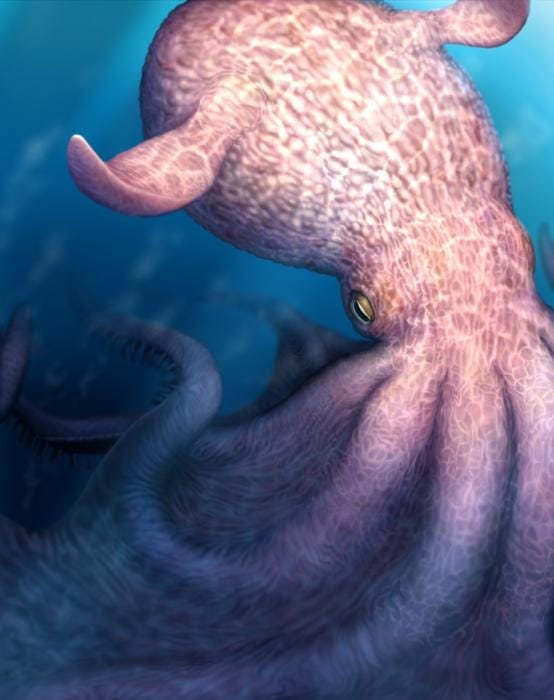 imageConcept art of Cretaceous kraken Nanaimoteuthis haggarti. Image: Yohei Utsuki: Department of Earth and Planetary Sciences, Hokkaido UniversityIn the absence of any preserved octopus guts, the team looked at wear-and-tear on jaw fossils of these extinct giants for insights about their diet. The results revealed ample evidence of “a powerful bite” and “dynamic crushing of hard skeletons.” In other words, these krakens may not have only rivaled iconic ocean predators of this age—such as sharks or giant mosasaurs—they may have devoured them as well.
These ancient giants “probably consumed large prey with their long arms and jaws, playing the role of top predators in Cretaceous marine ecosystems,” the team concluded.
I think I have a new idea for a cryptid, in case anyone wants to spin up some lore.
Solved! The case of the Golden Orb
Auscavitc, Steven et al. “The Curious Case of the Golden Orb — Relict of Relicanthus daphneae (Cnidaria, Anthozoa, Hexacorallia), a deep sea anemone.” bioRxiv.
While there are no longer giant krakens prowling the seas (that we know of), the modern ocean is still home to plenty of bizarre creatures. Case in point: The Golden Orb, a strange object of indeterminate origin first glimpsed in 2023 by a robotic submersible more than two miles under Alaskan waters as part of a NOAA expedition with the ship Okeanos Explorer.
This orb completely baffled the scientific community. Was it an egg mass? A dead sponge? A biofilm? Theories abounded. But now, scientists think they have finally solved the riddle after a thorough lab analysis, according to a new preprint study that has not yet been peer-reviewed.
The verdict is that the orb is a clump of dead cells from the deep-sea anemone Relicanthus daphneae—put another way, these are basically gilded toe-nails.
“During the course of Okeanos Explorer expeditions, it is not uncommon that encountered organisms are not immediately recognized,” said researchers led by Steven Auscavitch of Smithsonian Institution's National Museum of Natural History. ”However, sometimes real mysteries exist and imagery alone only raises questions. Such is the case of the Golden Orb.”
“Fortunately, the specimen was collected using a suction sampler…and we have determined that the Golden Orb is the organic remnant of Relicanthus daphneae,” the team concluded.
Like the old saying goes, one anemone’s trash is a laboratory’s treasure.
Thanks for reading! See you next week.
関連記事
科学者、奇妙な新生物に満ちた古代の巨大「ネクロポリス(墓地)」を発見
科学者が海中で発見した古代のクジラの墓場「ネクロポリス」には、多数の古代の死体が存在し、同時に多くの未知の新種が生息していることが判明しました。
地球のための10年間のリアルタイムインテリジェンス
AI2は過去10年間、野生動物や海洋保護のためのオープンなリアルタイムツールを開発し、世界中の生態系保全を支援してきた。
科学者たちが地球外に存在するはずのない巨大な「空洞」を発見
科学者たちが、宇宙空間に存在するはずのない巨大な空洞を発見した。この発見は、宇宙物理学の理解に新たな知見をもたらす可能性がある。
今日のまとめ
AI日報で今日の重要ニュースをまとめ読み