科学者、奇妙な新生物に満ちた古代の巨大「ネクロポリス(墓地)」を発見
インド洋の深海で発見された530万年前のクジラ墓地は、新たな生物種を含む生態系を形成しており、深海探査技術の成果を示しているが、AI業界への直接的な影響は限定的である。
キーポイント
世界最深かつ最大規模のクジラ墓地の発見
インド洋のダイアマンタゾーンで水深6,700メートルを超える地点に、530万年前から現在までの約476体のクジラの遺骸が散在する巨大な「ネクロポリス」が発見された。
未知の生物種を含む生態系の存在
この深海環境には、骨を食べるワームや二枚貝などが高密度で生息しており、多くの新種が確認され、深海の「クジラフォール」生態系の深さの限界を2,500メートル以上更新した。
中国の深海探査技術による成果
中国の「奮闘者(Fendouzhe)」潜水艇を用いた調査で、7マイル(約11.3km)級の深さへの到達が可能となり、広大な化石記録と生きた生態系を同時に確認した。
クジラ墓地形成のメカニズム
深海での餌場への誘引や潜水病、疲労による誤って深い潜行が原因でクジラが死亡し、その遺体が海底生態系に栄養を供給する「ボーナスボディ」として機能している。
深海クジラの死の場所と生態系
ダイアマンタ地帯のV字型地形により、餌を求めて潜ったフンボルトクジラなどの遺体が集積し、海底生物に栄養供給源となっている。
70万年前のネズミ糞から古代DNAを発見
カナダ・ユコン州の永久凍土から発見された地面リスの化石糞(coprolites)から、マンモスやサーベルタイガーなどの絶滅動物や植物の遺伝情報が得られた。
低密度環境に存在する青いベリーと緑豆銀河
「ブルーベリー」および「グリーンピース」と名付けられた2つの銀河が、宇宙空間における低密度領域に位置していることが天文学的研究で明らかになった。
影響分析・編集コメントを表示
影響分析
このニュースは海洋生物学および古生物学において画期的な発見であり、深海探査技術の飛躍的な進歩を示しています。しかし、AIやテクノロジー業界に対して直接的な応用や技術的転換をもたらす内容ではないため、専門アナリストとしての評価では重要性は低めとなります。
編集コメント
AI業界への直接的なインパクトは薄いものの、中国の極限環境探査技術の躍進を示す重要な事例であり、将来的に深海データ収集や自律型ロボット開発への示唆となる可能性があります。
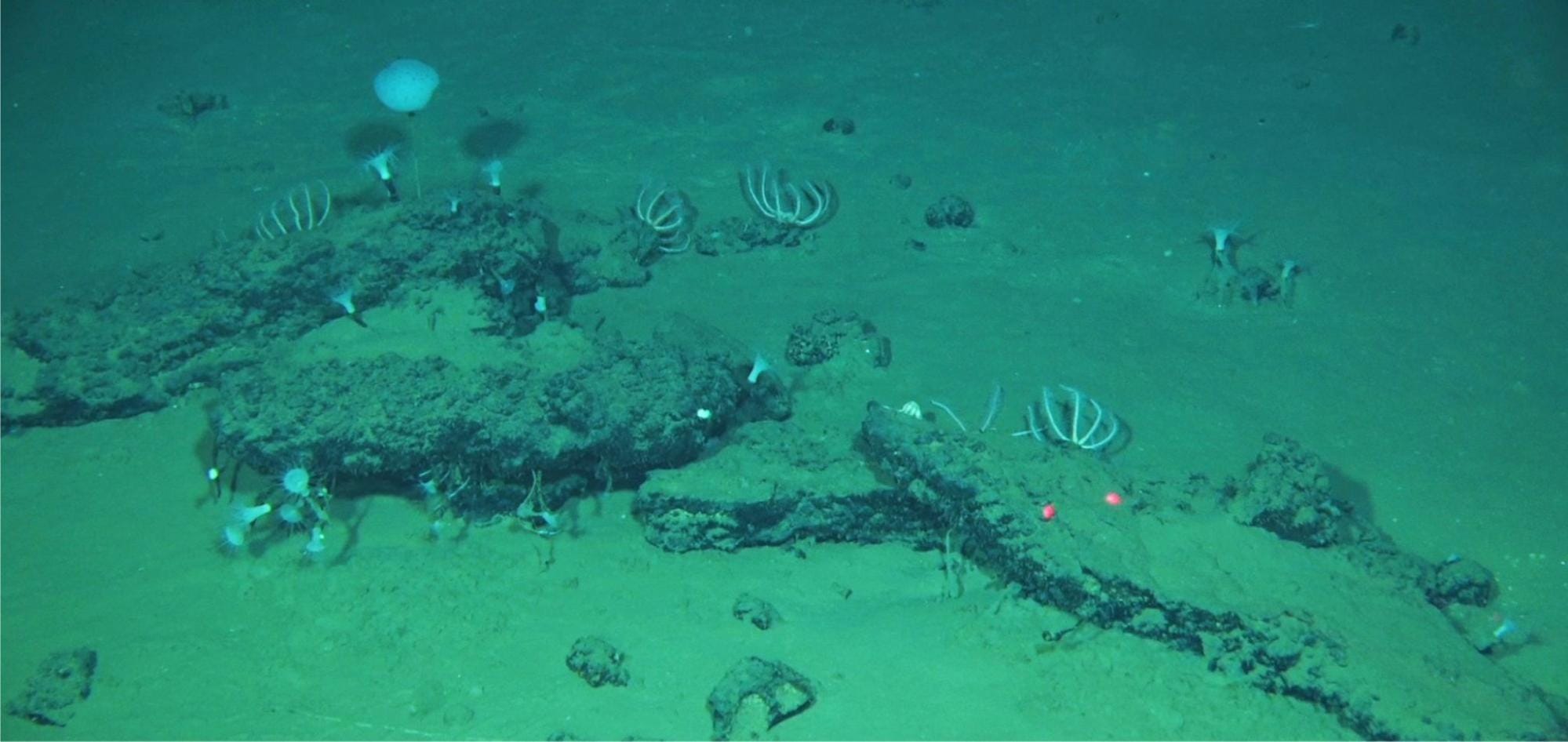 image Abstract へようこそ!今週の注目研究は、深淵で眠るものたちです。自然の呼び声に応え、銀河系サラダを混ぜ合わせ、そして星間観測者となった物語をご紹介します。
まず、海底に広がるクジラの墓地(ネクロポリス)があります。そこには古代の死体が詰め込まれ、新たな生物種が群れをなしています。次は、糞の中に保存された過去の世界、宇宙が生み出した果実、そして遠方の惑星を捉えるズームレンズの話です。
いつものように、私の他の作品については『ファースト・コンタクト:人類のエイリアンへの執着の物語』をお読みいただくか、私の個人ニュースレター「BeX Files」に購読してください。
クジラの墓地を訪ねて
Peng, Xiaotong; Zhou, Peng; Song, Xikun; Bianucci, Giovanni; Du. Mengran 他。「Diamantina ゾーンにおける 530 万年前の深海クジラ墓地」。『ネイチャー』誌。
科学者たちは、過去 500 万年間に死亡した数百頭のクジラの遺骸を含む、前例のない水中「ネクロポリス(墓地)」を発見しました。その遺骸は 745 マイルにわたって散在しています。
深海潜水艇による潜航調査中、研究者たちはインド洋の Diamantina ゾーンにおいて、水深 4 マイル以上 beneath に沈んだクジラの骨を spotting しました。これにより、この場所は地理的に最も広大で、最深部かつ最古のクジラ墓地として記録されました。また、新しい研究によると、この墓場には「科学界にとって未確認」の種が群れをなし、これらの幸運にも恵まれた「クジラの落下(ホエール・フォール)」に依存して生息している可能性もあります。
「直径 6,700 メートルを超える深さのディアマンティナ・ゾーンにおけるクジラの死骸群集の発見は、海洋において既知の最深部のクジラ・フォール生態系の1つを確立し、そのような生息域の既知の深度範囲を2,500 メートル以上も拡大するものである」と、中国深海科学工学研究所の彭小通氏ら共同主導の研究チームは述べている。
「この地域には、5 つの現代の自然なクジラ・フォール群集と記録された476 頭の化石鯨類からなる、深くて広範な堆積物が存在している」と、チームは述べた。
彭氏とその同僚たちは、2023 年初頭に「奮闘者(Fendouzhe)」潜水艇を用いた潜航中にこのネクロポリス(死者の都)を初めて目撃した。この潜水艇は、乗組員をほぼ7 マイル(約11.3 キロメートル)の深さまで運ぶ能力を有している。チームはすぐに、絶滅した動物(主に深海に潜行するクジラ類が中心)の膨大な化石アーカイブと、甲殻類、軟体動物、蠕虫、微生物によって繁栄する生態系をまだ支えている最近のクジラの死骸群集を含む、科学的な母鉱脈に到達したことを理解した。
「骨を食べるワーム(worms)、巻貝(gastropods)、ベシコマイダ科二枚貝(vesicomyid bivalves)、そしてヒトデ類が、メガファウナ(数センチメートル以上の大きさの生物)を支配しており、局所的な密度は1 平方メートルあたり最大2,840 個体に達する」とチームは述べた。「回収された分類群の多くは、科学界にとって新種である可能性がある。」
この広大な墓地がなぜ形成されたのかについて、嘴クジラ類はイカや魚などの餌資源の豊富さからこれらの深層水域に引き寄せられている可能性があります。中には誤ってあまりにも深く潜りすぎて減圧症や致命的な疲労を起こし、海底生態系にとって追加の遺体となる個体もいるでしょう。沈んだ死体は V 字型の地形を持つディマンティナゾーンへと流れ込み、科学者にとっては比喩的な盛宴(そして海洋生物にとっては文字通りの食料)を提供することになります。
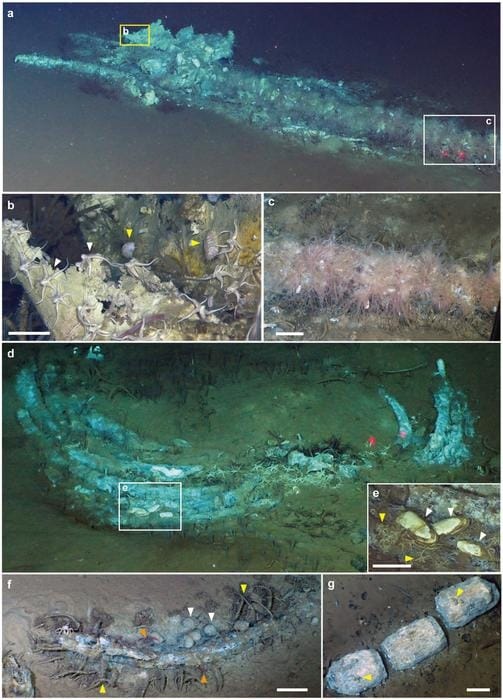 image墓地内の様々な遺骸。画像:IDSSE「嘴クジラ類は主に稀な座礁事例から知られており、その個体数、分布、生態系については全体的にほとんど理解されていない」と彭氏と彼の同僚たちは結論付けています。「我々の発見した骨格遺体の蓄積は…、この大部分が謎めいた鯨類に関する比類なき情報源を提供するものです」。
航海者たちは古くから、溺れた水兵たちの伝説的な安息地であるデイヴィー・ジョーンズのロッカー(海底の墓場)にたどり着くことを恐れてきました。しかし実際には、クジラたちにも深海に広大なロッカーがあり、そこでは無数の巨大生物の遺体が一時的な生命のホットスポットへと花開いているのです。
その他のニュース…
過去の浴室からの爆発
マーチー、タイラー・J. 他。「地ネズミの糞化石が70万年にわたる複雑な古代環境DNAの記録を保存している」。『Nature Communications』。
カナダのユーコン準州にあるクラオンダイ地域は、19世紀の金脈発見ラッシュで有名です。このラッシュにより、多くの希望に満ちた探鉱者が富を求め、破滅し、早世しました。しかし今、科学者たちはクラオンダイの土壌から非常に異なる種類の貴重な「塊」を発見しました。それは70万年前まで遡る古代リスが作った、古代リスのお尻からの便です。
科学者たちは、これらの永久凍土に保存された糞から古代環境DNA(aeDNA)を解読し、過去へと通じる「便のポータル」を開きました。化石化した糞はコプロライトとして知られており、マンモス、サーベルタイガー、馬、バイソンなどの遺伝的痕跡を含んでいました。これはこれらの氷河時代の小啮歯類が、はるかに大型の巨大動物の死体をかじっていた可能性を示唆しています。また、このコプロライトには数百種の植物、いくつかの昆虫、そして多数の微生物や菌類の菌株からのDNAも保存されていました。
「ここで提示する永久凍土に保存された ground squirrel(地リス)のコプロライトから回収された aeDNA の多様性と豊富さは、第四紀生態系の貯蔵庫としての北極の小啮歯類の糞堆積物の極めて大きな価値を強調しています」と、ハカイ研究所とママスター大学のタイラー・J・マーチー率いる研究者たちは述べています。「コプロライトが持つ生態学的および進化的な力は、骨や沈殿物よりも優れているように思われます。」
おまけとして、チームは各コプロライトの背後にいる小啮歯類を「排泄者(defecator)」と呼んでいます。これは、不快なスーパーヒーローのコンセプトにインスピレーションを得ようとする人々のために用意されたものです。
銀河の緑豆を食べる
Gupta, Maitrayee 他。「ブルーベリーおよびグリーンピース銀河は低密度環境に存在する。」『天文学と天体物理学』。
地球では夏の庭の果実が熟し始めていますが、宇宙におけるピーの畑やベリー灌木はどうでしょうか。新しい研究において、天文学者たちはいわゆる「グリーンピース」および「ブルーベリー」銀河のサンプリングを検討しました。これらは非常に高い星形成率(スターバースト)を持つ小型でコンパクトなシステムです。
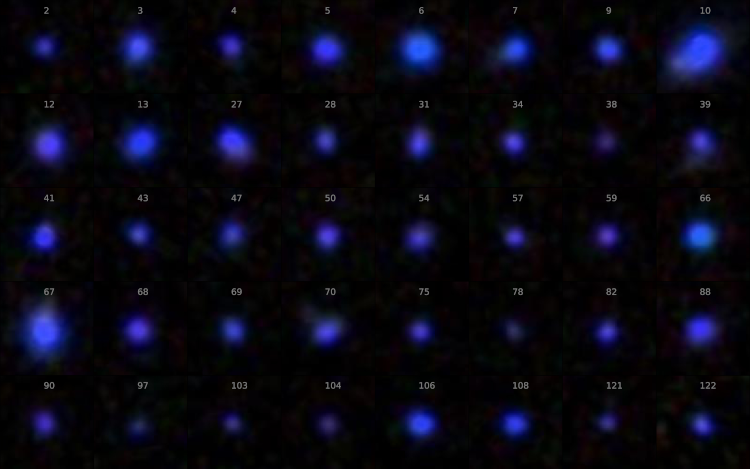 imageブルーベリー銀河の画像。画像提供:SDSS および Yang 他。
緑色および青色の色合いにちなんで名付けられたこれらの星々を有する天体は、一部の科学者によって、130 億年以上前に再電離期(リイオニゼーション)において宇宙を照らし始めた最初の銀河と類似していると考えられており、原始銀河進化の有用なアナログとして機能します。
「多様な銀河集団の織物の中で、グリーンピースおよびブルーベリー銀河は特に興味深いクラスを表しています」と、チェコ科学アカデミー天文学研究所のマイトレイー・グプタ率いる研究者たちは述べています。チームはさらに、「これらは宇宙再電離(コスミック・リイオニゼーション)を駆動するプロセスに関する『ユニークな視点』を得る機会を提供します」と付け加えました。
そのために、グプタ氏とその同僚たちはこれらの銀河の一部を観察し、「これらは主に孤立した低密度環境に存在する」ことを発見しました。これは、彼らの激しい星形成活動が、合併などの銀河間の相互作用によって駆動されているわけではないことを意味します。代わりに、チームはこれらの最近の星形成活動が内部プロセスによって駆動されていると結論付け、「これらが初期宇宙における若い低質量銀河の近傍のアナログとしての役割を強化している」としています。
エンドウ豆やブルーベリーよりも本格的な銀河の食事をお望みなら、フライドエッグ銀河やハンバーガー銀河をお勧めします。デザートにはミルキーウェイで締めくくりましょう。
宇宙の魔法の望遠鏡への旅
Palos, Mario F. 他。「曲がった空間望遠鏡:太陽重力レンズ焦点領域への電子帆概念。」『Advances in Space Research』。
太陽系の外側の荒れ地には、地球と太陽の距離の約650倍の地点に「sweet spot(最適なポイント)」が存在し、理論的にはそこを介して銀河系空間を越えて観測し、系外惑星の表面特徴——大陸や海洋、あるいは生命の兆候さえも——を捉えることが可能になります。
この現象は太陽重力レンズと呼ばれ、太陽の重力が遠方の源からの光を歪ませることで生じます。本質的には恒星用の拡大鏡のようなものです。これは驚くべき観測ツールとなり得ますが、その焦点領域である太陽系の外縁部まで往復するのは巨大な課題であり、これにより数多くの未来的な宇宙飛行概念が生まれました。
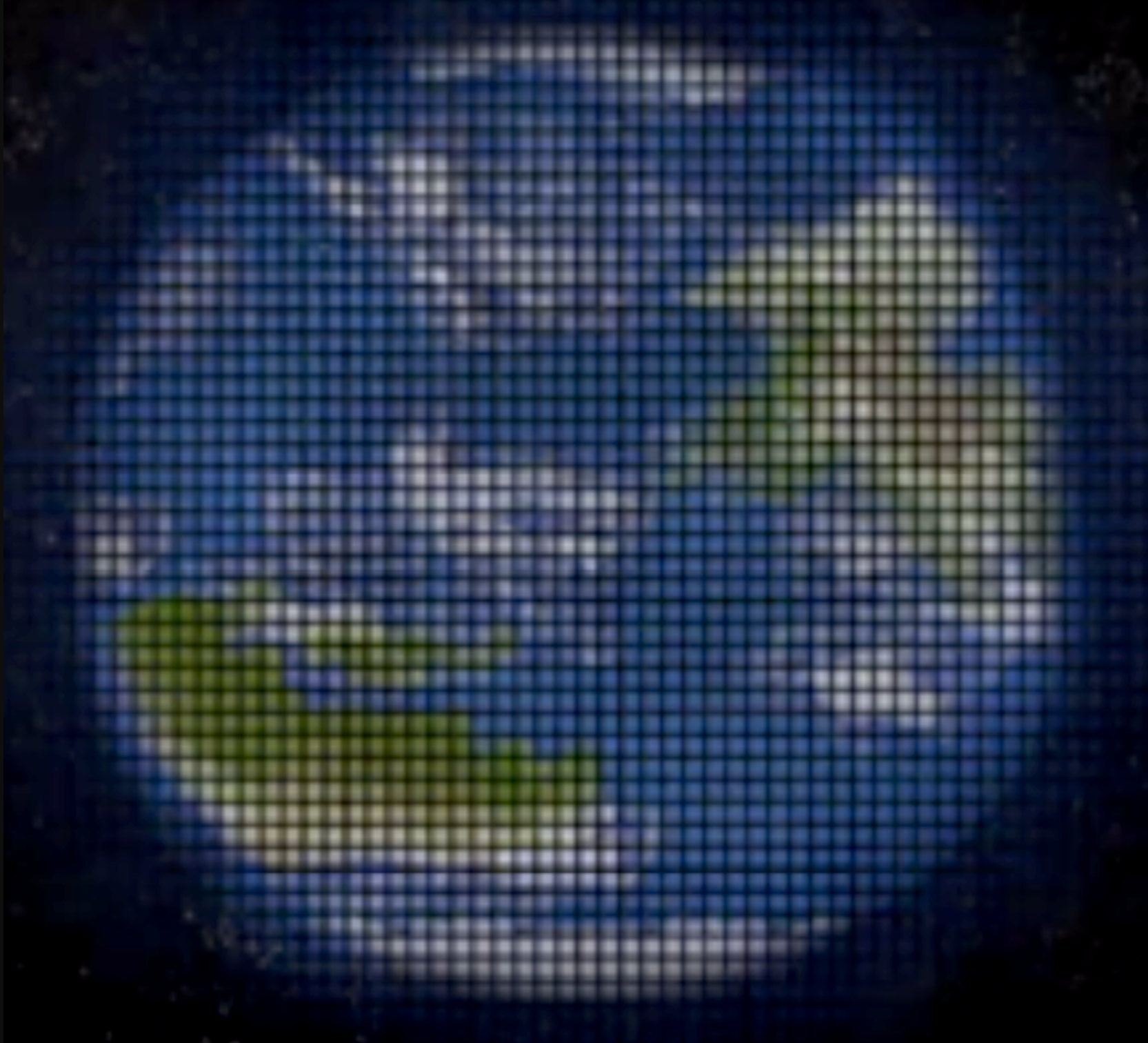 image太陽重力レンズを介して観測された系外惑星のコンセプトアート。画像:Slava Turyshev/NASA
現在、科学者たちは、太陽風(太陽から放出される荷電粒子の流れ)によって推進される「E-sail 推進宇宙船」と呼ばれる曲率空間望遠鏡(Curved Space Telescope: CST)を送る案を提案しています。この探査機は、金属製のテザーを展開して太陽風に接続し、その粒子との反発効果から推力を得て太陽系内を巡航するでしょう。
「CST のようなミッションにおける最も興味深い科学的目標の一つは、地球外生命の存在証明を探すことです」と、エストニア・タルトゥ大学の Mario F. Palos を率いる研究者たちは述べています。チームはさらに、このミッションでは以前の同様の提案とは異なり、太陽に近づくスイングバイなどの危険な操縦は不要であると付け加えています。
E-sail はまだ宇宙で試験されたことがなく、いつかこの興味深い最前線へのミッションを送ることができるようになるかどうかは誰にもわかりません。それでも、星々のレンズを介して遠く離れた系外惑星上の異星人のクローズアップ写真を撮影できるかもしれないと考えるのは驚くべきことです。
お読みいただきありがとうございます!来週またお会いしましょう。
原文を表示
imageWelcome back to the Abstract! Here are the studies this week that died in the deep, let nature call, tossed a galactic salad, and became interstellar voyeurs.
First, there’s a whale necropolis under the sea that is packed with ancient carcasses and teeming with new species. Then: a bygone world preserved in poop, the fruits of the universe’s labor, and a zoom lens for distant planets.
As always, for more of my work, check out my book First Contact: The Story of Our Obsession with Aliens, or subscribe to my personal newsletter the BeX Files.
A visit to the cetacean cemetery
Peng, Xiaotong; Zhou, Peng; Song, Xikun; Bianucci, Giovanni; Du. Mengran et al. “A 5.3-million-year-old deep-sea whale necropolis in the Diamantina Zone.” Nature.
Scientists have discovered an unprecedented underwater “necropolis” that contains the remains of hundreds of whales that died over the past five million years, scattered across 745 miles.
During dives in a deep sea submersible, researchers spotted whale bones submerged under more than four miles of the Diamantina Zone in the Indian Ocean, making this site the geographically largest, deepest, and oldest whale necropolis ever found. The graveyard is also teeming with species that may be “new to science” and subsist on these fortuitous “whale falls,” according to a new study.
“The discovery of whale-fall communities in the Diamantina Zone at depths exceeding 6,700 meters establishes one of the deepest known whale-fall ecosystems in the ocean, extending the known depth range of such habitats by more than 2,500 meters,” said researchers co-led by Xiaotong Peng of China’s Institute of Deep-sea Science and Engineering.
“This area has a deep and extensive accumulation comprising five modern natural whale-fall communities and 476 fossil cetaceans recorded,” the team said.
Peng and his colleagues first spotted the necropolis during dives in early 2023 using the Fendouzhe submersible, which is capable of bringing crews to depths of nearly seven miles. The team quickly realized they had tapped into a scientific motherlode, complete with an immense fossil archive of extinct animals—mostly deep-diving beaked whales—along with recent whale falls that still support thriving ecosystems of crustaceans, molluscs, worms, and microbes.
“Bone-eating worms, gastropods, vesicomyid bivalves and brittle stars dominate the megafauna (more than several centimetres in size), reaching local densities up to 2,840 individuals per square metre,” the team said. “Most recovered taxa may be new to science.”
As for why this vast necropolis formed, beaked whales may be attracted to these deep waters due to the abundance of prey sources, such as squid and fish. Some might accidentally dive so deep that they experience decompression sickness or fatal exhaustion, becoming bonus bodies for seafloor ecosystems. The sinking carcasses are then funnelled into the Diamantina Zone because of its V-shaped topography, serving up a figurative feast for scientists (and a literal one for marine biota).
imageVarious remains in the necropolis. Image: IDSSE“As beaked whales are known primarily from rare strandings, their abundance, distribution and ecology remain poorly understood overall,” Peng and his colleagues concluded. “Our discovery of an accumulation of skeletal remains…provides an unparalleled source of information on these largely enigmatic cetaceans.”
Mariners have long dreaded ending up in Davy Jones’ locker, the proverbial resting ground of drowned sailors. It turns out that whales have a whole locker room down in the deep, where the bodies of countless leviathans blossom into fleeting hotspots of life.
In other news…
Bathroom blast from the past
Murchie, Tyler J. et al. “Ground squirrel coprolites preserve complex archives of ancient environmental DNA over 700,000 years.” Nature Communications.
The Klondike region of Canada’s Yukon territory is famous for the 19th-century gold rush that led hopeful prospectors to riches, ruin, and early graves. But now, scientists have found a very different type of valuable nugget in Klondike soil—ancient squirrel poops made by ancient squirrel bums as early as 700,000 years ago.
Scientists sequenced ancient environmental DNA (aeDNA) from these permafrosted scats, thereby opening up a poopy portal into the past. The fossilized feces, known as coprolites, contained genetic traces of mammoth, saber-tooth cat, horse, and bison, suggesting that these Ice Age rodents may have gnawed on the corpses of much larger megafauna. The coprolites also preserved DNA from hundreds of plant species, several insects, and a bevy of microbial and fungal strains.
“The diversity and abundance of aeDNA recovered from the permafrost preserved, ground squirrel coprolites presented here underscores the immense value of Arctic rodent middens as repositories of Quaternary ecosystems,” said researchers led by Tyler J. Murchie of the Hakai Institute and McMaster University. “The ecological and evolutionary power of coprolites would appear to exceed that of both bone and sediment.”
As a bonus, the team refers to the rodent behind each coprolite as the “defecator,” in case anyone is seeking inspiration for a disgusting superhero concept.
Eat your galactic green peas
Gupta, Maitrayee et al. “Blueberry and Green Pea galaxies live in low-density environments.” Astronomy & Astrophysics.
The fruits of summer gardens are beginning to ripen here on Earth, but what about the pea patches and berry bushes of outer space? In a new study, astronomers examine a sampling of so-called “Green Pea” and “Blueberry” galaxies, which are small and compact systems that have extremely high star formation (“starburst”) rates.
imageImages of blueberry galaxies. Image: SDSS and Yang et al.Named for their green and blue hues, these starry objects are thought by some scientists to be similar to the first galaxies that lit up the universe during the epoch of reionization more than 13 billion years ago, making them useful analogues of primordial galactic evolution.
“Within the diverse tapestry of galaxy populations, Green Pea and Blueberry galaxies represent particularly intriguing classes,” said researchers led by Maitrayee Gupta of the Astronomical Institute of the Czech Academy of Sciences. The galaxies “present an opportunity to gain a unique perspective” on the processes “driving cosmic reionisation,” the team added.
To that end, Gupta and her colleagues observed a selection of these galaxies and found that they “predominantly reside in isolated, low-density environments” which means that their intense starbursts are not driven by interactions with galactic neighbors, such as mergers. Instead, the team concluded that these recent starbursts are driven by internal processes, “reinforcing their role as nearby analogues of young, low-mass galaxies in the early Universe.”
If you’d like a more substantive galactic meal than peas and blueberries, may I recommend the Fried Egg Galaxy or the Hamburger Galaxy? Cap it off with a Milky Way for dessert.
Journey to the magic spyglass in space
Palos, Mario F. et al. “Curved Space Telescope: E-sail concept to the solar gravitational lens focal region.” Advances in Space Research.
There is a sweet spot in the outer wilds of the solar system, about 650 times the distance between Earth and the Sun, where it is theoretically possible to peer across interstellar space and spot surface features of exoplanets—including continents, oceans, or perhaps signs of life.
This phenomenon, known as the solar gravitational lens, is caused by the Sun’s gravity warping light from distant sources, essentially making it a stellar magnifying glass. It could be an incredible observational tool, but schlepping all the way out into the solar sticks is a huge challenge that has inspired a host of futuristic spaceflight concepts.
imageConcept art of an exoplanet observed through the solar gravitational lens. Image: Slava Turyshev/NASANow, scientists have proposed sending “an E-sail propelled spacecraft” called the Curved Space Telescope (CST) powered by the solar wind, a stream of charged particles emitted by the Sun. The probe would cruise through the solar system by deploying metallic tethers that tap into the solar wind and generate thrust from repulsion effects with its particles.
“One of the most interesting scientific objectives for a mission like CST would be the search for proof of extraterrestrial life,” said researchers led by Mario F. Palos of the University of Tartu. The team added that risky maneuvers, like slingshotting close to the Sun, would not be necessary for this mission, unlike previous proposals along these lines.
E-sails have never been tested in space and it’s anyone’s guess whether we’ll ever be able to send a mission to this interesting frontier. Still, it’s amazing to think about capturing close-ups of aliens on faraway exoplanets through a starry lens.
Thanks for reading! See you next week.
関連記事
150 年続いた進化論を覆す新たな化石発見
404 Media は、3 億年以上前に陸上を歩いた初期動物が現代の両生類のような変態を経験しなかったとする新発見を発表し、これにより陸上脊椎動物の進化史が書き換えられたと伝えている。
動物の性行為に関する最古の証拠が発見され、その内容は驚くべきもの
カナダ北西部の遺跡で発見された567年前の化石が、動物の性行為と移動の最古の証拠であることを示し、科学者らはこの発見により動物の性の起源を500万〜1000万年遡らせたと結論付けた。
海底で発見された謎の金色の球体、正体が判明
科学者らが深海で発見された謎の金色球体の正体を特定した。この成果は、歴史的なジョスティング選手や実在が確認されたクラーケン、そして北風の変化に関する他の発見と併せて報告されている。
今日のまとめ
AI日報で今日の重要ニュースをまとめ読み