FAA、ICE車両付近でのドローン飛行に対する民事・刑事罰則を廃止
連邦航空局(FAA)が、国土安全保障省施設・移動資産から3000フィート以内の飛行禁止区域を定めた一時飛行制限を撤回し、民事・刑事罰則の脅威を放棄したが、司法省を追加した。
Source Article
元記事を日本語で読む
本文に関係しない購読案内、埋め込み通知、サイト内プロモーションは除いています。
タイトル: FAA、ICE車両付近でのドローン飛行に対する民事・刑事罰則を撤廃
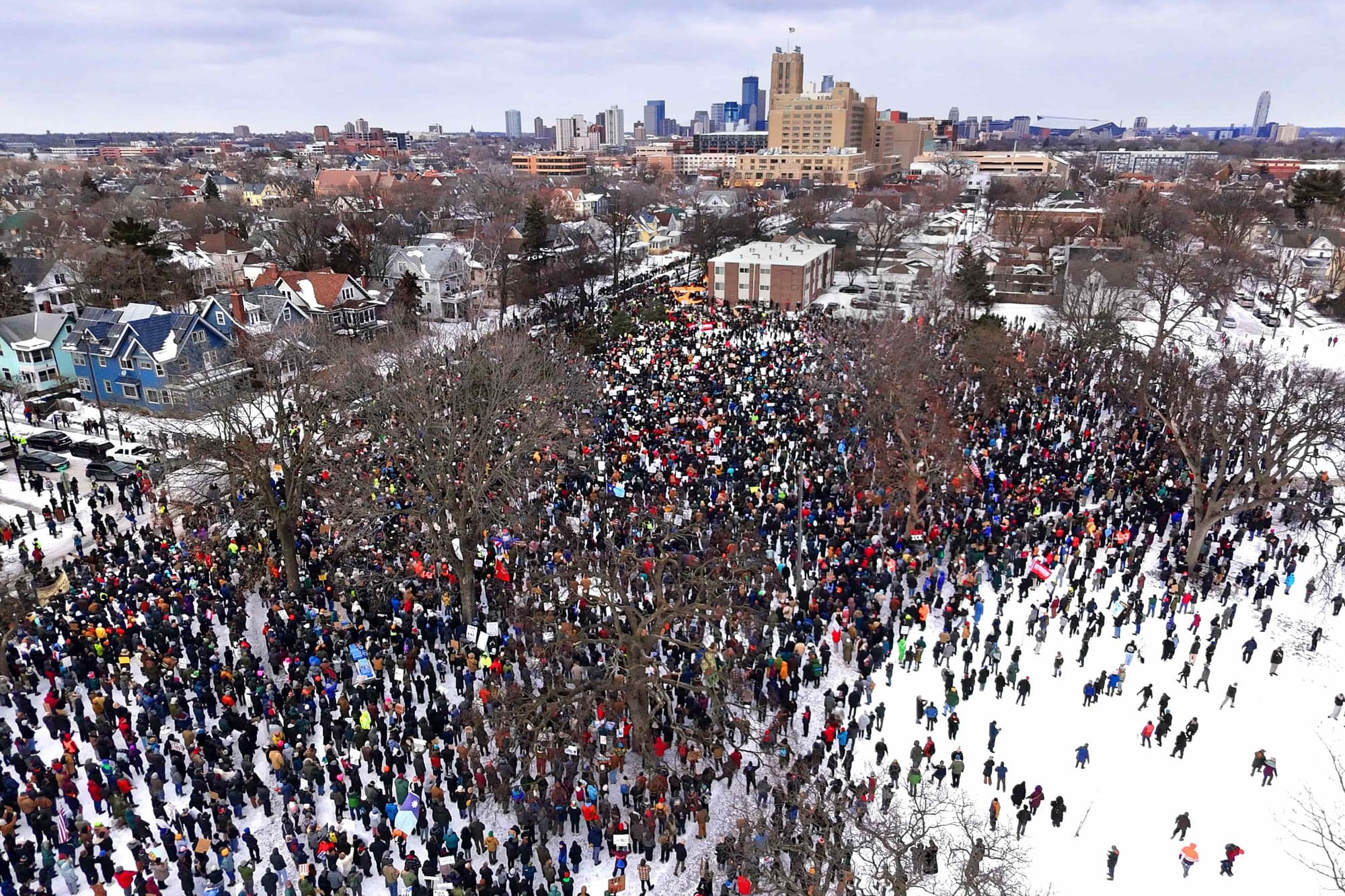 image水曜日、連邦航空局(FAA)は、「国土安全保障省の施設および移動資産」から3,000フィート(約914メートル)以内を飛行禁止区域とする一時飛行制限(TFR)を撤回しました。新たな制限は当初の文言を緩和し、民事または刑事罰則の適用を示す脅威の文言を削除しましたが、保護対象機関のリストに司法省を追加しました。
今月初め、ミネアポリスのジャーナリスト、ロブ・レヴィーンはこのTFRをめぐりFAAを提訴しました。今週初めに提出された申立書で、レヴィーンの弁護団は、FAAが彼の権利を侵害しており、制限を撤回すべきだと主張しました。彼らの主張の核心は、裁判記録によれば、無標識車両が「無数の、目に見えない移動する泡(禁止空域)」を生み出しているという点でした。「いかなる基準においても、このTFRがもたらす萎縮的効果は、請願者のフォトジャーナリズムにおけるドローン使用に適用される限り、憲法修正第1条に違反します。」
レヴィーンの弁護団が申立書を提出した後、FAAは今週、このTFRを改訂しました。新たな勧告は、3,000フィートの規定や刑事罰則の文言を削除するなど制限を緩和しましたが、保護対象となる資産の範囲は拡大しました。
新たなTFRは、「無人航空機システム(UAS)の操縦者は、戦争省、エネルギー省、司法省、国土安全保障省の指定移動資産への接近飛行を避けるよう勧告されます」と述べています。「この空域内を飛行するUAS操縦者は…戦争省、エネルギー省、司法省、または国土安全保障省が、指定移動資産に対する信頼できる安全・安全保障上の脅威と判断した[航空機]に対して、妨害、混乱、押収、損傷、または破壊をもたらす行動を取る可能性があることを警告されます。」
ジャーナリストのドローンを撃墜する可能性を示す脅威にもかかわらず、レヴィーンと彼の弁護団はこの新しいTFRを勝利と見なしています。「これは大きな勝利です。私のコミュニティにとって非常に重要な時期にドローン飛行を禁じられたのは胸が張り裂ける思いでしたが、できるだけ早く再び空に舞い上がり、ジャーナリズムの仕事に戻れることを楽しみにしています」と、レヴィーンは404 Mediaに提供された声明で述べました。
レヴィーンの事件を引き受けた報道の自由委員会の弁護士、グレイソン・クレアリーは、まだ課題が残ると述べました。「FAAが当初の命令を撤回したことを歓迎します。それは全国の記者に深刻な影響を与えた甚だしい権限の越権行為でした。しかし、FAAによるこの種の恣意的な方針転換こそが問題の本質です。我々はワシントンD.C.巡回区控訴裁判所に対し、このような制限はそもそも最初から実施されるべきではなかったことを明確に示すつもりです」と彼は述べました。
原文を表示
imageOn Wednesday the Federal Aviation Administration rescinded a temporary flight restriction (TFR) that created a no-fly zone within 3,000 feet of “Department of Homeland Security facilities and mobile assets.” The new restriction softened the language of the original and abandoned the threat of civil or criminal penalties but added the Department of Justice to the list of protected agencies.
A 2025 TFR restricted the presence of drones around Department of Energy and Pentagon assets. The FAA added ICE and CBP to the list of restricted agencies in January as ICE began operations in Minneapolis. The no-fly zone covered 3,000 feet around any ICE vehicle. Anyone who was caught violating it could be fined or jailed. Because ICE agents often drive through the city in unmarked vehicles it was impossible for drone operators to know if they were violating the order and local journalists who use drones to take pictures and monitor law enforcement activities were grounded.
Earlier this month, Minnesota journalist Rob Levine sued the FAA over the TFR. In a motion filed earlier this week, Levine’s lawyers argued that the FAA had violated his rights and should rescind the restrictions. Core to their argument was the unmarked vehicles which they said created a “flotilla of invisible, moving bubbles,” according to court documents. “Under any standard, the TFR’s chilling sweep violates the First Amendment as applied to the Petitioner’s use of drones in photojournalism.”
The FAA replaced the TFR this week after Levine’s lawyers filed the motion. The new advisory lessened restrictions, including dropping the language around 3,000 feet and criminal penalties, but expanded the amount of protected assets.
“UAS operators are advised to avoid flying in proximity to: Department of War, Department of Energy, Department of Justice, and Department of Homeland Security covered mobile assets,” the new TFR said. “UAS operators who fly within this airspace are warned that…DOW, DOE, DOJ, or DHS may take action that results in the interference, disruption, seizure, damaging, or destruction of unamended [aircraft] deemed to pose a credible safety or security threat to covered mobile assets.”
Despite the threat to shoot journalist’s drones out of the sky, Levine and his lawyers see the new TFR as a victory. “This is a big win. It was heartbreaking to have my drones grounded at a time of such importance to my community, but I'm looking forward to getting back up there and getting back to my journalism as soon as possible,” Levine said in a statement provided to 404 Media.
Grayson Clary, a lawyer with Reporters Committee for Freedom of the Press who took on Levine’s case, said there is still work to do. “We're glad to see the FAA rescind its original order, which was an egregious overreach that had serious consequences for reporters nationwide. But this kind of arbitrary back-and-forth from the FAA is exactly the problem, and we intend to make clear to the D.C. Circuit that this restriction never should have been implemented in the first place,” he said.
関連記事
今日のまとめ
AIデイリーブリーフで今日の重要ニュースをまとめ読み