ウィキペディア、AI生成コンテンツを禁止
Wikipediaのボランティア編集者が、LLMによる記事生成・改訂を原則禁止し、限定的な校正支援のみを認める新方針を圧倒的多数で採択した。
キーポイント
LLM生成・改訂の原則禁止
大規模言語モデルによる記事作成や既存内容の書き換えを禁止し、引用ソースと一致しない変更を防ぐ方針を明文化した。
限定的な校正支援の許可
編集者が自身の文章をLLMで推敲する用途は認めるが、生成結果は人間の検証を経て反映する必要があり、完全な新規作成は除外される。
翻訳・自動化ツールの個別ガイドライン
他言語版からのLLM翻訳は既存のガイドラインに従う必要があり、他の自動化ツールやWikimedia Foundationの立場は包括的禁止を避けている。
AI生成コンテンツへの慎重な姿勢と自動化ツールの継続利用
WikipediaはAI生成コンテンツを禁止する一方、既存の自動化ツールの使用は認めており、コミュニティ全体としてAI生成コンテンツの恩恵に懐疑的な立場を明確にした。
Wikipediaを超えた波及効果と他プラットフォームへの影響
Lebleu氏は、この方針がソーシャルメディアやオープンソースプロジェクトなどへ波及し「ドミノ効果」をもたらすことで、他のプラットフォームが自らの基準でAIの受け入れを決定する権限を得ると予測している。
影響分析・編集コメントを表示
影響分析
この方針は、大規模知識プラットフォームにおけるAIコンテンツの境界線を明確にし、開発者やコンテンツ作成者にLLM利用の倫理・運用基準を示す先例となる。今後、類似のオープンコミュニティや百科事典サイトでも同様の規制導入が相次ぐ可能性が高く、AI生成コンテンツの商用・公共利用におけるコンプライアンス要件がさらに強化される見込みである。
編集コメント
ボランティアコミュニティによる自律的なAI利用規制の成功事例であり、生成AIの「活用」から「管理・境界設定」への転換期を示す重要な指標です。
タイトル: Wikipedia、AI生成コンテンツの記事作成を禁止
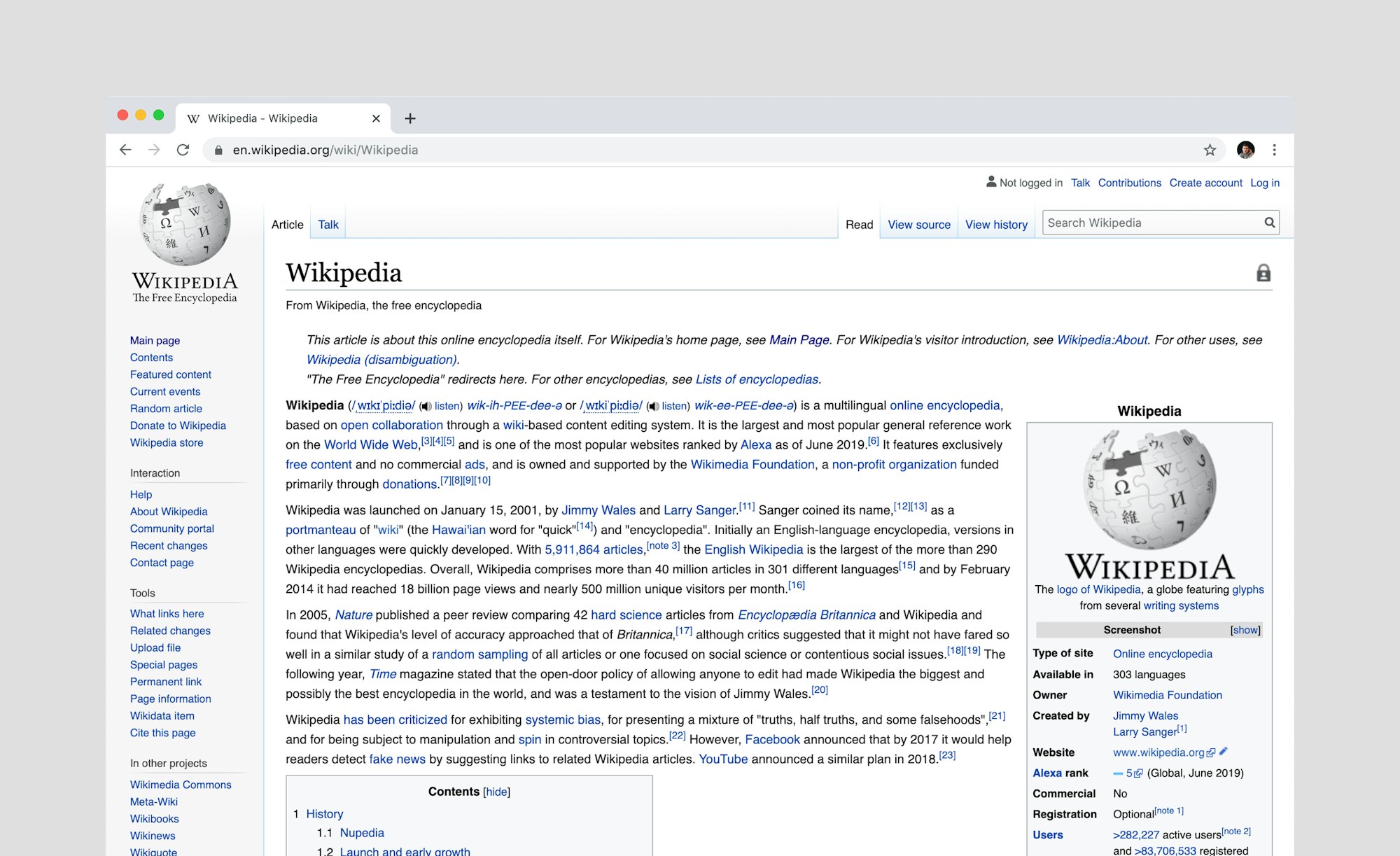
「大規模言語モデル(LLM)によって生成されたテキストは、ウィキペディアの中核的なコンテンツ方針のいくつかに違反することが多い」と、ウィキペディアの新方針は述べています。「このため、以下に示す例外を除き、記事コンテンツを生成または書き換える目的でのLLMの使用は禁止されています。」
編集者による圧倒的な40対2の投票で採択されたこの新方針は、編集者が自身の執筆に対して基本的な校正を提案するためにLLMを使用することを認めています。ただし、これはLLMが独自に全く新しいコンテンツを生成しない場合に限り、人間による査読を経て記事に組み込んだり、書き直したりすることができます。
「注意が必要です。LLMは依頼内容を超えて動作し、引用された情報源で裏付けられない形でテキストの意味を変えてしまう可能性があるからです」と、この方針は述べています。「他の言語版ウィキペディアから英語版ウィキペディアへ記事を翻訳するためにLLMを使用する場合は、Wikipedia:LLM-assisted translationに示された指針に従わなければなりません。」
私は以前、編集者がLLMを使用してウィキペディアの記事を翻訳し、その過程で記事に誤りを導入している実態について報告しました。
ウィキペディアの編集者で、Chaotic Enbyとして活動し、このガイドラインを提案したイリヤス・ルブルーは、以前この問題について編集者コミュニティが分裂していたため、この方針が長続きするとは考えにくいと述べました。しかしルブルーは、「慎重な楽観を抱いていた人々が真の懸念へと変わり、雰囲気は変化していました」と付け加えました。
「数ヶ月前、はるかに簡素なガイドラインが可決され、LLMを使った完全に新しい記事の作成のみを禁止していました」と、ルブルーはメールで語りました。「それをより実質的な内容に言い換えるフォローアップ提案は可決されませんでしたが、『この草案の方向性および/または精神に沿った、より良いガイドラインについての合意がある』と記されました。ここ数ヶ月、LLM関連の問題に焦点を当てた管理報告がますます増え、編集者たちは対応に追われていました。」
この方針は、サイト上でAI生成の誤りを発見・除去することに専念する編集者グループ「WikiProject AI Cleanup」の協力を得て作成されました。編集者たちは最近、AI生成の記事や編集が増加していることに対処しており、その結果、AI生成記事を削除するプロセスを合理化するなど、ガイドラインに小幅な調整を加えてきました。編集者たち、そしてウィキメディア財団の立場は、ウィキペディアが既にいくつかの自動化を利用していること、またAIツールが将来編集者を支援する可能性があることから、AIを一律に禁止する包括的な規則は設けないというものでした。
この新方針は、既に使用されている他の自動化ツールや将来の実装の使用を禁止するものではありません。しかし、ウィキペディアコミュニティがAI生成コンテンツの利点について楽観的ではなく、それに対して明確な姿勢を示していることを表しています。
「文脈上、これはウィキペディアをはるかに超えた影響を持ちます」と、ルブルーは述べました。「同じAI生成コンテンツの氾濫は、ソーシャルメディアからオープンソースプロジェクトに至るまで見られており、エージェントが人間のレビュアーが対応できる速度をはるかに超えてプルリクエストを提出しています。StackOverflowとドイツ語版ウィキペディアはここ数ヶ月、同様の方針で先鞭をつけました。AIバブルへの不安が高まる中、私はドミノ効果を予見しており、他のプラットフォームのコミュニティも、自らの条件に基づいてAIを歓迎すべきかどうかを決断する力を得ることになるでしょう。」
原文を表示
“Text generated by large language models (LLMs) often violates several of Wikipedia's core content policies,” Wikipedia’s new policy states. “For this reason, the use of LLMs to generate or rewrite article content is prohibited, save for the exceptions given below.”
The new policy, which was accepted in an overwhelming 40 to 2 vote among editors, allows editors to use LLMs to suggest basic copyedits to their own writing, which can be incorporated into the article or rewritten after human review if the LLM doesn’t generate entirely new content on its own.
“Caution is required, because LLMs can go beyond what you ask of them and change the meaning of the text such that it is not supported by the sources cited,” the policy states. “The use of LLMs to translate articles from another language's Wikipedia into the English Wikipedia must follow the guidance laid out at Wikipedia:LLM-assisted translation.”
I previously reported about editors using LLMs to translate Wikipedia articles and introducing errors to those articles in the process.
Wikipedia editor, Ilyas Lebleu, who goes by Chaotic Enby on Wikipedia and who proposed the guideline said that it seemed unlikely the policy will last because previously the editor community has been divided on the issue. However, Lebleu said “The mood was shifting, with holdouts of cautious optimism turning to genuine worry.”
“A few months ago, a much more bare-bones guideline had passed, only banning the creation of brand new articles with LLMs,” Lebleu told me in an email. “A follow-up proposal to reword it into something more substantial failed to pass, but was noted to have ‘consensus for better guidelines along the lines of and/or in the spirit of this draft.’ In recent months, more and more administrative reports centered on LLM-related issues, and editors were being overwhelmed.”
The policy was written with the help of WikiProject AI Cleanup, a group of Wikipedia editors dedicated to finding and removing AI-generated errors on the site. Editors have been dealing with an increasing number of AI-generated articles or edits lately, and have made some minor adjustments to its guidelines as a result, like streamlining the process for removing AI-generated articles. Editors’ position, as well as the position of the Wikimedia Foundation, has been to not make blanket rules against AI because Wikipedia already uses some forms of automation, and because AI tools could assist editors in the future.
The new policy doesn’t ban the use of other automated tools that are already in use or future implementations, but it does show the Wikipedia community is less optimistic about the benefit of AI-generated content, and taking a stand against it.
“In context, this has implications far beyond Wikipedia,” Lebleu said. “The same flood of AI-generated content has been seen from social media to open-source projects, where agents submit pull requests much faster than human reviewers can keep up with. StackOverflow and the German Wikipedia paved the way in recent months with similar policies, and, as anxiety over the AI bubble grows, I foresee a domino effect, empowering communities on other platforms to decide whether AI should be welcome. On their own terms.”
関連記事
今日のまとめ
AI日報で今日の重要ニュースをまとめ読み