AI を悪用した詐欺師らがデータセンター反対の低質コンテンツを量産
404 Media の報道によると、反データセンター運動を装った AI 生成画像が Facebook で大量に拡散されており、これは特定の地域文化を模倣したプロフィット目的のスパムキャンペーンである。
キーポイント
AI 生成による偽造抗議活動の蔓延
「テキサスの生活」や「ウィスコンシンの歴史」など、各州ごとのローカルな文脈(青い芝生、ブルボン、湖など)を巧みに組み合わせた AI 画像が、数百のページで生成・拡散されている。
プロフィット目的のスパムファーム
海外を含む不特定多数の運営者が、広告収益やリンク経由での利益を得るため、算法的に最適化された「シュリンプ・ジェス」スタイルの詐欺的キャンペーンを仕掛けている。
データセンター建設への現実的な懸念
騒音、水資源の使用量増大、電気料金の高騰、雇用質の低さ、さらには軍事標的化への不安など、地域コミュニティが抱える本物の懸念が悪用されている。
AI 技術の悪用と検知の難しさ
AI が生成した「農家が草を刈って抗議メッセージを書く」という嘘の画像が数千件のいいねを獲得しており、運営者の特定や対応が困難な状況にある。
AI を利用した反データセンタープロパガンダの拡散
Facebook のコンテンツファームは、データセンター建設への反対感情を利用して利益を得るため、AI で生成された誤った画像や事実と異なるキャプションを含む偽情報を大量に作成・共有している。
事実の歪曲による地域間の混同
実際の出来事(ケンタッキー州での農家の拒否)を基にしつつ、AI スパマーがそれをアラバマ州の事例として偽造し、地元のスポーツファンなど異なる層に誤った情報を流布させている。
反データセンター運動の統一と皮肉
保守派・リベラル派を問わず地域住民がデータセンター拡大に反対する点で一致しており、その抗議活動自体がデータセンターによって生成された AI 画像によって行われているという皮肉な状況が生じている。
重要な引用
There are now hundreds of pages with names like 'Life in Texas,' 'History of Wisconsin,' and 'Life Is Idaho' churning out dozens of AI-generated images playing into anti-data center sentiment across the country.
This is the same algorithmically boosted 'shrimp Jesus' style AI spam scheme we've reported on before.
People hate data centers. Local and state communities around the country are passing moratoriums on their construction.
"Across the country, we're hearing from local officials in conservative and liberal areas that their community can finally unite behind one thing—opposing the expansion of data centers."
"The irony shouldn't be lost that said images are being created with the help of data centers, but all the more underscores what local elected officials here all across the country—no one wants these."
"There's a war going on, I guess a PR war or whatever you want to call it," O'Leary said in a recent video posted to X.
影響分析・編集コメントを表示
影響分析
この事象は、生成 AI が社会の既存の対立構造(地域開発 vs 環境保護)を悪用し、偽情報を大量生産して世論操作や金銭的利益を得るためのツールとして機能し始めていることを示唆しています。業界にとっては、AI 技術が単なる創造ツールではなく、社会的分断を助長する「武器」として利用されるリスクを認識し、検知・対策の強化が急務であることを意味します。
編集コメント
AI が「反データセンター」という社会的対立を巧みに利用した、典型的な悪意ある生成 AI の事例です。技術の進歩が社会の分断を助長するリスクを浮き彫りにしており、プラットフォーム側とユーザー双方の警戒が必要です。
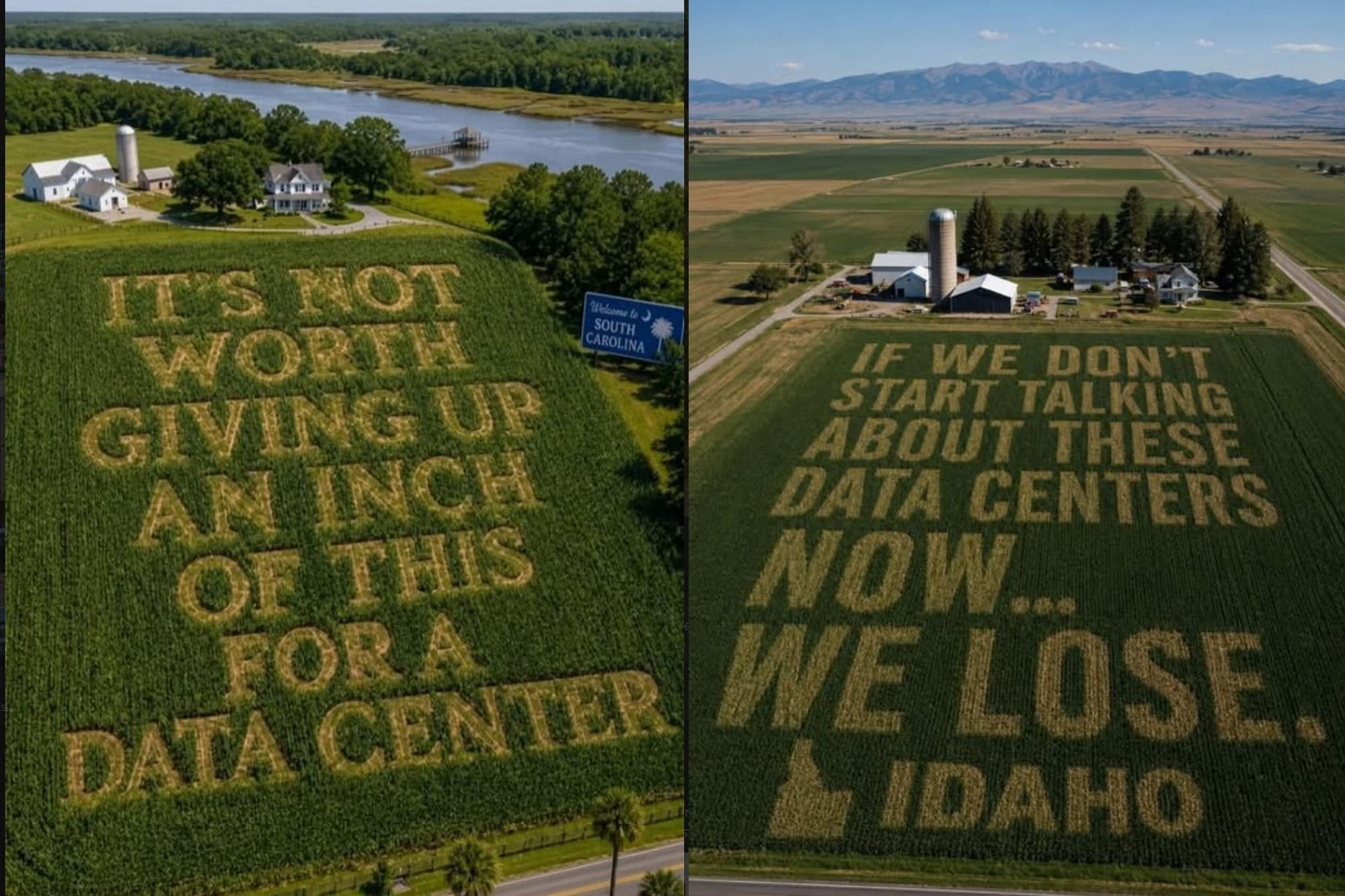 imageアメリカの政治的な懸念を測るバロメーターとして、Facebook でスパムアカウントが生成した AI によるクソコンテンツ(AI-generated slop)をチェックする手があります。現在、「Texas の生活」「Wisconsin の歴史」「Idaho は人生」といった名前の数百ものページが存在し、全国でデータセンター反対の世論を煽る数十枚の AI 生成画像を生み出しています。
私が目にしたデータセンター反対のクソコンテンツの中で最も普及しているスタイルの一つは、「この土地をデータセンターのために一歩も譲らない」といったメッセージが田畑に刈り込まれた広大な農地の画像です。この画像は各州のターゲット層に合わせて調整されています。「私たちの大湖沼、私たちの森林、私たちのコミュニティ、そして未来」——これはミシガン版で、巨大な湖と「Michigan」と書かれた水塔に囲まれた野原で叫ばれました。ケンタッキー版も同じメッセージを繰り返しましたが、「ブルーグラス、バーボン、そして馬。ケンタッキー」という文言が刈り込まれた芝生に追加されていました。
投稿のキャプションには、その州の農村部の農家が、提案されたデータセンターに対する抗議の一環として文字を畑に刈り込んだと説明されています。これら数百ものページはすべて個別の州での生活というテーマで統一されており、同じ画像の類似バージョンが共有されています。「Wow. According to FB, every farmer in every state has done this. Enough with the AI」——「Life in Kentucky」という Facebook ページの画像の一つの下に寄せられたコメントにはそう書かれていました。
人々はデータセンターを嫌っています。国内の各地域や州のコミュニティは、その建設に対する一時停止令を可決しています。データセンターは騒音が大きく、近隣住民たちは水の使用量増加、電気料金の値上げ、開発業者が約束する雇用創出の質について切実な懸念を抱いています。ミシガン大学が大規模なデータセンターの計画を立てているイプシランティ町区のような地域では、将来の戦争の標的になることさえ心配されています。これらの不安は現在、Facebook 上の AI スパムファームの焦点となっています。
これは以前に報告した、アルゴリズムによって増幅された「シュリンプ・ジェス」スタイルの AI スパムスキームと同じものです。外国にいる人々を含む一部の個人が、複数のページにわたって数百枚もの AI 生成画像を量産し、ユーザーとの関与を促して広告やリンクを通じて利益を得ています。これらの州テーマに基づく反 AI ページを具体的に誰が設置しているのかを知ることは不可能です。私は Facebook メッセンジャーを通じていくつかのページに連絡を試みましたが、返信はありませんでした。多くのページで同じ連絡先メールアドレスが提供されていますが、そこに連絡しても返信は届きませんでした。
明確なのは、アメリカ文化を研究し、それをフェイスブックを通じてアメリカ人に販売して利益を得ている人々が、データセンターへの嫌悪感を共有することにも利益があることに気づいたということです。私が発見した画像の多くは数千回いいねされ、さらに数百回シェアされました。このスロップ(低質コンテンツ)に対するコメント欄には、反データセンター運動を強く支持するものから、AI がデータセンターに収容されて反データセンターのプロパガンダを作成するために使われたことへの怒りまで様々でした。
他のすべての AI スロップと同様に、これらのフェイスブックページは事実関係においてあまり得意ではありません。「アラバマ・クリムソンタイドのファン」が、夕暮れ時の農地に立つ女性の AI 生成画像を共有しました。彼女の背後ではアラバマ州旗が風に揺れていました。「アラバマの母娘が、1,200 エーカーの農場を AI データセンターに変換されるのを防ぐために 2,600 万ドルのオファーを拒否した」とキャプションには書かれていました。フェイスブック投稿は女性の名前も詳細も明記していませんでしたが、彼女の実在する人物であり、名前はデルシア・ベア(Delsia Bare)で、その物語はほぼ真実です。彼女と母親は、農地にデータセンターを建設するための 2,600 万ドルのオファーを拒否しました。ただし、データセンターの規模は 1,200 エーカーではなく 2,000 エーカーになる予定でした。また、この出来事はアラバマ州ではなくケンタッキー州で起こりました。
ある AI スパマーは、ベアさんの物語と彼女の画像を流用しました。これらは彼女の事件に関する地元ニュース報道から来たものと思われますが、それを反 AI 的なコンテンツとして再構成し、別の州のサッカーファンからのエンゲージメントを生み出そうとしたのです。「決定に賛成か反対かは別として、一つ疑いようのない事実はあります—2600万ドルというオファーに対して毅然と立ち向かうには、並外れた信念が必要です。アラバマの誇りは深く根付いており、この物語は多くの家族にとって、彼らの土地は単なる不動産ではなく…家そのものであることを改めて思い出させるものです」と、Facebook ページのキャプションには書かれていました。この記事を書いている時点では、この投稿は56件のいいねと5回のシェアを生んでいました。
「これはケンタッキー州の話 wasn't it?」というコメントが返信欄に寄せられました。
データセンターに反対する人々は、このような「スロップ(低質コンテンツ)」の波に気づいています。「全国で、保守派・リベラル派を問わず地域の役人たちから、『ついに私たちのコミュニティが一つのもの—データセンターの拡大への反対—のために団結できる』という声が聞こえてきます」と、地方の選出された役職者たちと連携する非営利団体「Local Progress」の副コミュニケーションディレクターであるマイケル・ホワイトサイドズ氏は、404 Media に語りました。
「AI スロップ(低質コンテンツ)は通常、非常に予測可能なパターンに従います。彼らは中道層の聴衆に訴えるために強烈な反応を引き起こすように設計されているのです。Facebook のコンテンツファームがデータセンター反対を訴える AI 生成画像の生産へ切り替えた事実は、この反対がどれほど普遍的で論争の余地がないかを示しています」とホワイトサイドスは付け加えました。「皮肉にも、これらの画像はデータセンターの助けを借りて作成されているという事実を見落としてはなりません。しかし、それはむしろ、国中の地域選出の役人たちが皆これらを望んでいないことを強調するものです。」
これは完全に真実ではありません。アメリカにはデータセンターに楽観的な億万長者やコネクション、その他の金銭的利害関係者が多く存在します。これらの巨大なコンピューター倉庫の建設は、アメリカ経済を牽引しています。ブルッキングスなどのシンクタンクは、この建設ラッシュを「ゴールドラッシュ」と呼ぶ大規模な研究を発表しています。
しかし、データセンターが建設されるコミュニティに住む人々はそれを望んでいません。彼らは騒音が大きく、近隣住民の電気や水道のコストを引き上げ、自然景観の美しさを損ないます。地域、州、そして国家レベルでのデータセンター建設への抵抗が高まっており、これは一部の推進者や投資家にとって予想外の事態となっているようです。
反発に対する対抗的な物語が構築されつつあります。米国の法執行機関は、データセンター抵抗運動を中心とした反技術過激主義について警告しています。ケン・クリッペンスタインの報道によると、連邦議会の情報機関は「データセンターに関する不満に起因する可能性のある最近の脅威と攻撃」を追跡しているとしています。
700億ドル規模のユタ州におけるデータセンター計画への反対に衝撃を受けた億万長者のカナダ出身テレビ司会者ケビン・オリーリー氏は、その責任を中国に転嫁しています。
私たちが予想していたよりもはるかに大きなものを発見しました。ユタ州のデータセンタープロジェクトに対する組織的な偽装攻撃を目撃した後、コンテンツの出所と結果を追跡するために高度なデータサイエンスチームを導入しましたが、その結果は衝撃的でした。私たちが発見したことは… pic.twitter.com/O870aqpjKr
— ケビン・オリーリー(通称:ミスター・ワンダーフル)(@kevinolearytv) 2026年5月25日
「何らかの形で戦争が進行しているのです。おそらく広報戦か、あるいはあなたがそう呼ぶ Whatever でしょう」と、オリーリー氏は X に投稿した最近の動画で述べています。
「あなたがおっしゃっているのは、これらの組織が中国共産党から資金を受け取り、その資金を使ってあなたのプロジェクトに対するデジタルな脅迫キャンペーンを運営しているということですか?」と、カメラの外から誰かがオリーリー氏に尋ねました。
「私はそう示唆しているわけではありません。それは反駁不可能な事実です」とオリーリー氏は述べました。
データセンターは、今後数回の選挙サイクルにおいてアメリカにおける主要な政治課題の一つとなるでしょう。戦線が引かれ、物語の骨格が形成されつつあります。その中心には、AI が最も得意とすること、つまり人間の経験を安価なゴミに煮詰めて再び私たちに提供しようとする人々がいます。
別のバージョンのベアさんの話では事実関係は正しく記述されていましたが、彼女とその家族の写真からは削除されていました。「AI データセンター計画を巡り、ケンタッキー州の土地に対する 2600 万ドルの買収提案を家族が拒否。伝統と技術の対立」というテキストが、デニムを着て汚れたブロンドヘアで、テイラー・シェリダンのテレビ番組のような好青年・好女性の外見をした AI 生成画像の上に記されていました。この存在しない夫婦はカメラを見つめ、二人の子供を強く抱きしめています。
2600 万ドルの買収提案を拒否した実際の人物であるベアさんについては、言及も写真もありません。
原文を表示
imageIf you want a barometer of American political concerns you could do worse than checking what spam accounts are turning into AI-generated slop on Facebook. There are now hundreds of pages with names like “Life in Texas," “History of Wisconsin,” and “Life Is Idaho" churning out dozens of AI-generated images playing into anti-data center sentiment across the country.
One of the most ubiquitous styles of anti-data center slop I’ve seen is a vast tract of farm land with a message like “not worth giving up an inch of this to a data center” mowed into it. The image is tailored to fit the target audience in each state. “Our great lakes. Our forests. Our communities. Our future,” said the Michigan version in the field surrounded by a massive lake and a water tower that helpfully read “Michigan.” The Kentucky version repeated the message but added “bluegrass, bourbon, and horses. Kentucky” to the mowed grass.
The caption of the post explained that a rural farmer in the state mowed the letters into their field as a form of protest against proposed data centers. There are hundreds of these pages, all themed around life in individual states, sharing similar versions of the same images. “Wow. According to FB, every farmer in every state has done this. Enough with the AI,” said a comment below one of the images on the “Life in Kentucky” Facebook page.
People hate data centers. Local and state communities around the country are passing moratoriums on their construction. Data centers are noisy and their neighbors have pressing concerns about water use, increased electricity bills, and the quality of the jobs developers are promising to create. Some areas, like Ypsilanti Township where the University of Michigan is planning a large data center, are even worried about becoming targets in future wars. These anxieties are now the focus of AI spam farms on Facebook.
This is the same algorithmically boosted “shrimp Jesus” style AI spam scheme we’ve reported on before. There are people, some of them in foreign countries, who churn out hundreds of AI-generated images across multiple pages to engage users and turn a profit on ads and links. It’s impossible to know who, exactly, is putting up all these state-themed anti-AI pages. I reached out to several of the pages through Facebook Messenger but got no response. Many of the pages provide the same contact email but I didn’t receive a response when I contacted it.
What’s clear is that the people who study American culture and profit from selling it back to Americans via Facebook have figured out there’s profit in sharing content about how much we hate data centers. Many of the images I found had been liked thousands of times and shared hundreds more. Comments under the slop ranged from staunch support of the anti-data center movement to anger that AI housed in a data center had been used to create anti-data center propaganda.
Like all AI slop, these Facebook pages aren’t great with the facts. The “Fans of Alabama Crimson Tide” shared an AI-generated image of a woman standing in farmland at sunset. The Alabama flag rippled in the wind behind her. “An Alabama mother and daughter turned down $26 million to prevent their 1,200 acre farm from being converted into an AI data center,” the caption said. The Facebook post didn’t name the woman or provide details but she’s real and her name is Delsia Bare and the story is mostly true. She and her mother turned down a $26 million dollar offer to build a data center on their farmland. The data center would have been 2,000 acres not 1,200. Also, this all happened in Kentucky, not Alabama.
An AI spammer took Bare’s story and her image, which appeared to come from local news coverage of her case, then repurposed it as a piece of anti-AI content to generate engagement from football fans in a different state. “Whether you agree with the decision or not, one thing is undeniable — standing firm against a $26 million offer takes incredible conviction. Alabama pride runs deep, and this story is another reminder that for many families, their land is more than property… it’s home,” said the caption on the Facebook page. As of this writing, the post had generated 56 likes and been shared 5 times.
“This was in Kentucky wasn’t it?” said a comment in the replies.
The people organizing against data centers have noticed the tide of slop. “Across the country, we’re hearing from local officials in conservative and liberal areas that their community can finally unite behind one thing—opposing the expansion of data centers,” Michael Whitesides, deputy communications director of Local Progress, a nonprofit that works with elected officials at the local level, told 404 Media.
“AI slop usually followed a very predictable pattern. They’re either designed to provoke intense reactions to play to a very middle of the road audience. The fact that Facebook content farms have switched to producing AI-generated images opposing data centers shows just how universal and uncontroversial this opposition is,” Whitesides added. “The irony shouldn’t be lost that said images are being created with the help of data centers, but all the more underscores what local elected officials here all across the country—no one wants these.”
That’s not entirely true. There’s a lot of billionaires, contacts, and other monied interests in America that are bullish on data centers. Construction of these massive computer warehouses is driving the American economy. Think tanks like Brookings have published massive studies calling the build out a “gold rush.”
But the people who live in the communities where data centers are going up do not want them. They’re noisy, drive up the costs of electricity and water for neighbors, and disrupt the beauty of the natural landscape. Local, state, and national resistance to the construction of the data centers is building and it seems to have caught some of the boosters and investors by surprise.
A counter-narrative to the backlash is building. American law enforcement is warning about anti-tech extremism centered around the data center resistance movement. A Congressional intelligence agency is tracking “recent threats and attacks likely linked to grievances concerning data centers,” according to reporting from Ken Klippenstein. Billionaire Canadian TV Star Kevin O’Leary, shocked by opposition to his $70 billion data center in Utah, is laying the blame on China.
We uncovered something far bigger than I ever expected. After seeing coordinated false attacks against the Utah data center project, we brought in an advanced data science team to trace where the content was coming from and the results were shocking. What we found led back to… pic.twitter.com/O870aqpjKr
— Kevin O'Leary aka Mr. Wonderful (@kevinolearytv) May 25, 2026
“There’s a war going on, I guess a PR war or whatever you want to call it,” O’Leary said in a recent video posted to X.
“Is what you’re suggesting that these entities are taking funds from the Chinese Communist Party and using those funds to run a digital blackmail campaign against your project?” someone off camera asked O’Leary.
“I’m not suggesting it, it’s an irrefutable fact,’ O’Leary said.
Data centers are going to be one of the major political issues in America for the next few election cycles. Battle lines are being drawn and narratives are taking shape. And in the middle of it all are people using AI to do what it does best: boiling the human experience down into cheap slop so it can be served back to us.
Another version of the Bare story got the facts correct, but removed her and her family from the picture. “Family rejects $26 million offer for their Kentucky land amid AI data center plan. A clash between tradition and technology,” text said above an AI-generated image of a middle aged couple in denim with dirty blond hair and Taylor Sheridan-TV show good looks. This couple that does not exist stares into the camera, clutching two children tight.
Bare, the real person who rejected the $26 million buyout, is not mentioned or pictured.
関連記事
今日のまとめ
AI日報で今日の重要ニュースをまとめ読み