農家がついにジョン・ディアの修理権限拡大合意に到達、不当な制限から解放される
FTCとの独占禁止法和解により、John Deereは農家に対する修理権を大幅に拡大し、過去の不十分な合意と比較して実効性のある措置が講じられた。
キーポイント
FTC との包括的和解合意
John Deere は連邦取引委員会(FTC)との独占禁止法訴訟において、農家がトラクターや農業機械をより広範囲に修理できる権利を認める和解案を受諾した。
過去の Illinois 合意との決定的差
2024 年の Illinois クラスアクション訴訟での合意(農家への補償金約 3.95 ドル/エーカー、法的拘束力の弱い「公平かつ合理的」な条項)とは異なり、今回の合意には重大な抜け穴がない。
修理権の強化と実効性
過去の合意が農家の訴訟権利を制限し、部品価格に上限を設けていなかったのに対し、今回の合意は John Deere の修理独占体制を根本から崩す内容となっている。
市場と消費者の圧力
不要な技術への依存に対する農家からの強い不満が背景にあり、「新しいノーテックで修理可能なトラクター」への需要が高まっていることが示されている。
FTC 合意による修理権の強化
FTC の合意では、部品やツールの価格に基づいた「公正かつ合理的な条件」が定義され、自作修理を行う農家に対する差別や報復が禁止される。
将来のリソース提供とコンプライアンス報告
ジョン・ディア社は今後作成する修理ツール、ガイド、ソフトウェア、部品へのアクセスを農家に提供し、FTC に対して定期的なコンプライアンス報告を行う義務を負う。
個人の訴訟権の維持
FTC の合意は農家の個人的な苦情や損害賠償請求権に影響を与えないため、修理慣行により被害を受けた農家が依然としてジョン・ディア社を訴えることができる。
重要な引用
The settlement is the latest and by far the most important development in several recent lawsuits against John Deere, and is finally an agreement that isn't full of half measures and doesn't have massive, obvious loopholes.
Bottom line is that farmers are getting $0.79 per acre for the eight years of Deere abuse.
The settlement is insufficient … the money is a small fraction of what the class could recover at trial, the claims process depends on labor-hour data only Deere holds, and the repair 'fixes' are riddled with loopholes that leave Deere's monopoly intact.
Extinguishment of farmers' rights under the law.
The FTC settlement also includes access to farmers for 'future repair resources,' meaning repair tools, guides, software, and parts that Deere creates in the future.
"Deere has now agreed to make available all materials needed to conduct repairs, including some which it has previously withheld."
影響分析・編集コメントを表示
影響分析
このニュースは、農業機器メーカーによるソフトウェアロックや部品供給制限という長年の課題に対する法的解決の転換点となる可能性が高い。農家にとって、高額な修理費やサービス待ちを回避し、自らの設備を維持管理する権利が実質的に保障されることで、農業経営の持続性とコスト構造に大きな影響を与える。
編集コメント
農家の権利保護という観点からは歴史的な転換点ですが、補償金の少なさから「実質的な勝利」と「金銭的救済の不足」が併存する複雑な状況です。技術ロックインに対する規制の潮流は確実に強まっています。
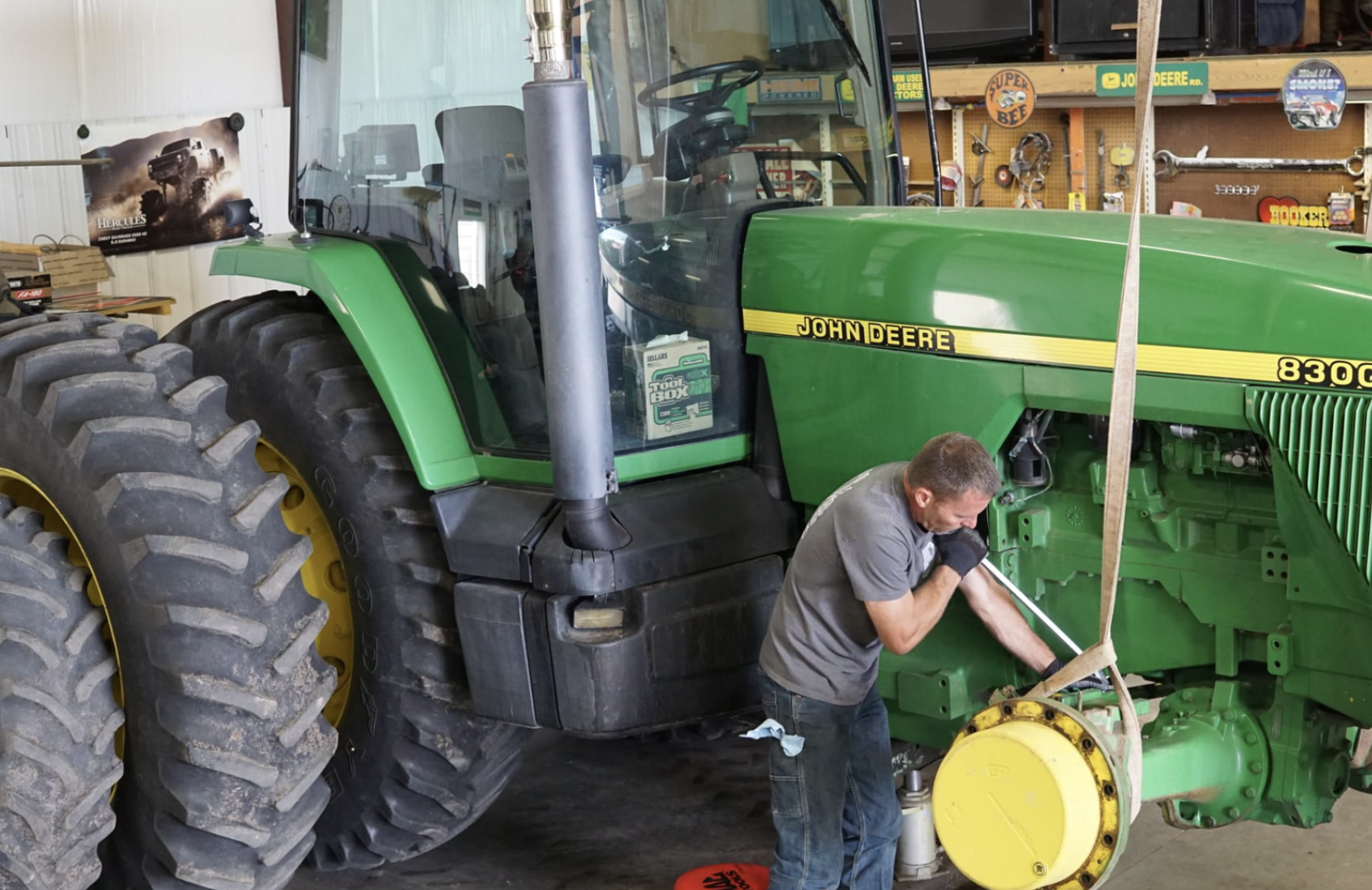 image水曜日、John Deere は連邦取引委員会(FTC)との独占禁止法に基づく和解協定に基づき、農家がトラクターや農業機械を修理するためのより広範なアクセス権を得ることに合意しました。これは長年にわたる「修理する権利」闘争における最大の成果の一つです。この和解は、John Deere に対する最近の複数の訴訟の中で最新かつこれまでで最も重要な進展であり、ついに中途半端な措置に満ちたものでもなく、明白な抜け穴が巨大なものでもない合意となりました。
FTC の和解案は、イリノイ州の農家によって提起された Deere に対する別の集団訴訟における最近の非常に物議を醸した和解よりもはるかに優れており、その違いを詳しく解説する価値があります。2 年前、「John Deere のトラクター修理独占に壁が迫っている」と題した記事を書きましたが、それはイリノイ州の事件を追ったものであり、そこで複数の農家が Deere に対して複雑な集団訴訟型の独占禁止法訴訟を起こしました。その裁判所のジョンソン判事(Iain Johnson)は、Deere の修理を阻む慣行について辛辣な意見を複数回述べており、同社に厳しい罰則を下す意向を示しているように見えました。
しかし、何年にもわたる訴訟の末、原告側は今年4月にデール社との和解に合意し、過去10年間に修理費用を支払った農家に対して9,900万ドルの支払いを実現しました。これには法的な実効性が乏しいいくつかの「修理権」保護措置も含まれていますが、その効果は限定的です。
この9,900万ドルという支払額は、弁護士費用などを差し引いた約7,900万ドルを20万人を超える農家に分配するものであり、1人あたりの受け取り額は約395ドルに相当します。これは、長年の修理権推進活動家であるウィリー・ケード氏の分析によると、「典型的な500エーカー規模の農場における正規ディーラーによるサービス訪問1回にかかる費用よりも少ない額」です。
「結論として、農家はデール社の8年間にわたる不当行為に対して1エーカーあたりわずか0.79ドルしか受け取れないのです」とケード氏は私に語りました。「これは不十分な和解案です。この金額は裁判で回収できた可能性のある総額のほんの一部に過ぎず、請求手続きはデール社だけが保有する労働時間データに依存しており、修理に関する『修正』には抜け道が多数含まれており、デール社の独占体制を維持したままになっています。」
新しい「非技術的」で修理可能なトラクターへの需要が急増している
「日常的な作業に必要のない技術から撤退するよう、消費者からの圧力が高まっています。」
イリノイ州の和解案は、対象となる農家がジョン・ディアに対して将来の修理関連訴訟を提起することを禁止し、ディアには「公平かつ合理的」というあいまいな定義の下で部品と修理ガイドを提供する義務のみを負わせるものであり、これは他のメーカーが自社の部品や工具が常に在庫切れである、あるいは破格の高額であると主張するために利用してきた抜け穴です。
"『公平かつ合理的な条件』という基準は、ディーラーとの価格平等を意味するものでもなく、保証された価格上限でもない」とケイドは分析の中で記述しています。「ディアの価格がこの基準を満たすかどうかなどをめぐる争いは裁判所の監督下にありますが、個々の農家が明らかに線を超えていると認められない価格に対して異議を唱える実質的な能力には限界がある可能性があります」。
イリノイ州事件における和解案はあまりに悪質であり、原告の一人であるウィルソン・ファームは先週、ディアの独占によって被害を受けた「訴訟未解決かつ補償されていない」事例が多数存在すると主張し、53 ページにわたる正式な異議申し立てを行いました。この和解案の下では、農家は"クラスメンバーの世代にわたるディアの修理アフターマーケットにおける独占化への集団的挑戦能力を停止させること"によって、ディアに対して訴訟を起こすことができなくなります。
「クラスに何らかの有意義な利益をもたらすのではなく、提案された和解の最も重要な効果は、農家が自らの機器を修理するのを数十年にわたって阻止しようとするジョン・ディア社の努力において、同社がこれまでで最も強力な手段を手に入れることにあるように思われる」と異議申し立て書には記されている。「法律に基づく農家の権利の消滅。」
他の農家たちはイリノイ州での和解を「不誠実」かつ「不公平」と呼んだ。
好報は、ジョン・ディア社が非常に不利な状況にあったと見られたイリノイ州事件における農家の権利の驚くべきほどに失望すべきかつ明らかに不要な売り渡し(selling out)が、今週の連邦取引委員会(FTC)との和解によって大幅に緩和されたことである。この FTC 訴訟はバイデン政権下でリーナ・カーンによって提起されたものであり、その功績として、トランプ政権も訴訟を継続することを決定した。
FTC の和解には農家に対する金銭的損害賠償はないが、今後ジョン・ディア社の顧客にとって、修理権(right to repair)の保護ははるかに優れている。FTC による合意では、「公平かつ合理的な条件」がより明確に定義され、ジョン・ディアの販売店が実際に修理部品や工具に対して支払う価格に基づいている。また、農家が自らの機器を修理した場合に対しても、ジョン・ディア社とその販売店は「差別したり報復したりすること」は禁止されている(製造業者の中には、消費者が自ら修理したデバイスを機能不全にする事例も知られている)。FTC の和解にはさらに、「将来の修理リソース」へのアクセスも含まれており、これは今後ジョン・ディア社が作成する修理ツール、ガイド、ソフトウェア、部品を指す。
「農家の権利を放棄させるような和解案は、単に同社の最も強力な武器を与えるだけだ」と異議申し立て書は指摘している。「法律に基づく農家の権利の消滅。」
他の農家たちはイリノイ州での和解を「不誠実」かつ「不公平」と呼んだ。
好報は、ジョン・ディア社が非常に不利な状況にあったと見られたイリノイ州事件における農家の権利の驚くべきほどに失望すべきかつ明らかに不要な売り渡し(selling out)が、今週の連邦取引委員会(FTC)との和解によって大幅に緩和されたことである。この FTC 訴訟はバイデン政権下でリーナ・カーンによって提起されたものであり、その功績として、トランプ政権も訴訟を継続することを決定した。
FTC の和解には農家に対する金銭的損害賠償はないが、今後ジョン・ディア社の顧客にとって、修理権(right to repair)の保護ははるかに優れている。FTC による合意では、「公平かつ合理的な条件」がより明確に定義され、ジョン・ディアの販売店が実際に修理部品や工具に対して支払う価格に基づいている。また、農家が自らの機器を修理した場合に対しても、ジョン・ディア社とその販売店は「差別したり報復したりすること」は禁止されている(製造業者の中には、消費者が自ら修理したデバイスを機能不全にする事例も知られている)。FTC の和解にはさらに、「将来の修理リソース」へのアクセスも含まれており、これは今後ジョン・ディア社が作成する修理ツール、ガイド、ソフトウェア、部品を指す。
デール社はまた、FTC に「コンプライアンス報告書」を提出する必要があり、FTC がそのコンプライアンスの監督を行います。極めて重要なのは、この FTC による和解が農民たちのデール社に対する私的な苦情に影響を与えない点です。つまり、同社の修理慣行が農民たちに影響を与えた場合、農民たちがデール社を訴えることは依然として可能です。
FTC の和解は、理論上少なくともデール社が遵守しなければならない実効性のある法的拘束力と執行メカニズムを備えています。過去の合意や農民たちにとっての「権利修復」における勝利は、しばしば中途半端な措置でした(ただし、何年にもわたる農民や支援者たちの闘争の後、コロラド州が 2023 年に優れた農業分野の「権利修復法」を可決したことは言及する価値があります)。デール社と各種の農民団体・公益団体は以前、「覚書(memorandum of understanding)」に合意し、デール社は修理部品や工具を農民たちに利用可能にするよう約束しました。しかし実際には、これらの工具や部品はしばしば入手できず、ディーラーや認定サービスプロバイダーがアクセスできるものよりも品質が劣っていたり、不合理なほど高価であったりすることが多々ありました。また、これらの覚書にも、執行メカニズムはほとんど、あるいは全く存在しませんでした。
ケイド氏は 404 Media のメール取材に対し、「この和解命令は農民たちに本当の希望をもたらす」と語りました。
消費者権利団体 U.S. PIRG のシニア・キャンペーンディレクターであるネイサン・プロクター氏は声明で、FTC の和解は「[イリノイ州] 集団訴訟で得られた合意よりもはるかに優れている」と述べました。
「ディア社は現在、修理に必要なすべての資料を提供することに合意しました。これには以前は提供を控えていたものも含まれています」とプロクター氏は述べました。「FTC のこの案件における取り組みに感謝したいです。私たちのキャンペーンの開始当初からの目標は、農家と独立した整備士が機器を修理するために必要なすべてを手に入れることを保証することでした。私たちは状況を監視し続け、その目標が現実となるよう提言活動を行っていきます。」
つまり、農家はついに、以前の部分的な成果や道徳的な勝利をはるかに超える、修理権闘争における実際の大きな勝利を手にしたのです。
原文を表示
imageWednesday, John Deere agreed to give farmers broader access to repair their tractors and farm equipment under an antitrust settlement agreement with the Federal Trade Commission, one of the biggest wins in the long right to repair battle. The settlement is the latest and by far the most important development in several recent lawsuits against John Deere, and is finally an agreement that isn’t full of half measures and doesn’t have massive, obvious loopholes.
The FTC settlement is far better than a recent, highly controversial settlement in a separate class action lawsuit against Deere brought by farmers in Illinois, and it’s worth breaking down the differences. Two years ago, I wrote an article called “The Walls Are Closing in on John Deere’s Tractor Repair Monopoly,” which followed that Illinois case, in which several farmers brought a complex, class action antitrust lawsuit against Deere. The judge in that case, Iain Johnson, wrote several scathing opinions about Deere’s anti-repair practices that indicated that he was seemingly inclined to hit Deere with stiff penalties.
But after years of litigation, the plaintiffs in that case decided to settle with Deere in April, earning a $99 million payout for farmers who paid for repairs over the last decade, and several right-to-repair protections that did not have much in the way of legal teeth.
This $99 million payout was roughly $79 million after legal fees and to be divided among more than 200,000 farmers; this means each farmer will receive roughly $395, or “less than the cost of a single authorized dealer service call for a typical 500-acre farm,” according to an analysis by Willie Cade, a longtime farm right to repair advocate.
“Bottom line is that farmers are getting $0.79 per acre for the eight years of Deere abuse,” Cade told me. “Bad settlement. The settlement is insufficient … the money is a small fraction of what the class could recover at trial, the claims process depends on labor-hour data only Deere holds, and the repair "fixes" are riddled with loopholes that leave Deere's monopoly intact.”
Demand Is Booming for New No Tech, Repairable Tractor
“There is consumer pressure to back away from technology that is unnecessary to perform everyday tasks.”
The Illinois settlement would prohibit farmers covered by it from filing any future repair-related litigation against Deere, and only required Deere to provide parts and repair guides to farmers under poorly defined “fair and reasonable” terms, a loophole that other manufacturers have used to claim that their parts and tools are constantly out of stock or cost astronomic prices.
“The ‘fair and reasonable terms’ standard is not price equality with dealers, nor is it a guaranteed price ceiling,” Cade wrote in his analysis. “Disputes about whether Deere’s pricing meets this standard are subject to Court oversight, but individual farmers may have limited practical ability to challenge pricing that does not obviously cross the line.”
The settlement in the Illinois case was so bad that one of the plaintiffs in the case, Wilson Farms, filed a 53 page formal objection to it two weeks ago, in part because it claims that there are many “unlitigated and uncompensated” cases in which farmers suffered under Deere’s monopoly. Under the settlement, farmers would no longer be able to sue Deere by “terminat[ing] Class members’ ability to collectively challenge Deere’s repair aftermarket monopolization for a generation.”
“Rather than provide any meaningful benefit to the Class, it appears that the proposed Settlement’s most important effect will be to give Deere its most powerful tool yet in its decades-long effort to block farmers from repairing their own equipment,” the objection says. “Extinguishment of farmers’ rights under the law.”
Other farmers called the Illinois settlement “disingenuous” and “unfair.”
The good news is that the wildly disappointing and seemingly unnecessary selling out of farmers’ rights in the Illinois case that Deere appeared to be losing very badly is greatly mitigated by the FTC’s settlement from this week. The FTC case was brought by Lina Khan under the Biden administration; to its credit, the Trump administration decided to continue litigating.
The FTC settlement does not have monetary damages for farmers, but it has far better right to repair protections for John Deere customers moving forward. In the FTC deal, the “fair and reasonable terms” are better defined and are based on the price that John Deere dealers actually pay for repair parts and tools. Deere and its dealers are not allowed to “discriminate or retaliate” against farmers who repair their own equipment (manufacturers have been known to brick devices that consumers fix themselves). The FTC settlement also includes access to farmers for “future repair resources,” meaning repair tools, guides, software, and parts that Deere creates in the future.
Deere must also file “compliance reports” with the FTC, and the FTC will have oversight of the compliance. Crucially, the FTC settlement also does not affect farmers’ private grievances against Deere, meaning it is possible for farmers to sue Deere if the company’s repair practices have affected them.
The FTC settlement is one that has actual legal teeth and enforcement mechanisms that Deere should at least theoretically have to comply with. Earlier agreements and right to repair “wins” for farmers were often half measures (though it’s worth mentioning that Colorado passed a good agriculture right to repair law in 2023 after years of struggle from farmers and advocates). Deere and various farmers’ public interest groups had previously agreed to right to repair “memorandums of understanding” in which Deere promised to make repair parts and tools available to farmers. In practice, however, these tools and parts were often not available, were not as good as what dealers and authorized service providers had access to, or were unreasonably expensive. These memorandums of understanding also had few or no enforcement mechanisms.
Cade told 404 Media in an email that this settlement order “gives farmers real hope.”
Nathan Proctor, senior right to repair campaign director for consumer rights group U.S. PIRG, said in a statement that the FTC settlement “is much better than the deal secured in [the Illinois] class action lawsuit.”
“Deere has now agreed to make available all materials needed to conduct repairs, including some which it has previously withheld,” Proctor said. “I want to thank the FTC for its work on this case. Our goal from the start of our campaign was to ensure that farmers and independent mechanics get everything they need to fix equipment. We will continue to monitor the situation and advocate to ensure that goal is a reality.”
In other words, farmers finally have an actual, major win in the right to repair fight that goes far beyond earlier piecemeal and moral victories.
関連記事
今日のまとめ
AI日報で今日の重要ニュースをまとめ読み