データセンター建設は容易だが、電力供給は複雑で高コスト
AI データセンターの急増により電力インフラの整備が追いつかず、送電線の建設に10年以上を要する現状が、エネルギーコストの高騰や地域住民との対立を引き起こしている。
AI深層分析を開く2026年7月29日 23:30
AI深層分析
キーポイント
電力インフラの構築遅延とコスト増大
データセンター自体は1年未満で建設可能だが、それを支える発電所や送電線の整備には7〜10年以上を要し、莫大な追加費用がかかる。
地域社会との対立と規制の強化
騒音や景観への懸念から各地でデータセンター建設に反対する住民運動が活発化しており、これを防ぐための立法措置も進んでいる。
電力網への負荷増大と停電リスク
AI 需要の急拡大に伴う電力消費量の増加は既存の送電網に過剰な負荷をかけ、ワシントンDCからシカゴにかけて広範囲で停電を引き起こした事例がある。
自家発電への依存と現実的な課題
電力網からの独立を図るため自家発電を計画する事業者が増えているが、送電網の物理的・経済的制約により完全な解決には至っていない。
電力インフラの供給遅延とコスト増
大規模変圧器や電柱の納期が長期化しており、関税の影響で建設費も高騰している。
重要な引用
"Building power plants and transmission lines to power those warehouses will take years and cost billions more than the data centers."
"Planning a new greenfield line is likely to take 7-8 years from the date it is approved, but it can take 10 years or longer."
"Every transmission line will have some unique aspects about it, from the geography, the voltage level..."
"Large power transformers can take 1-2 years from order, but have hit longer times and major logistical challenges with delivery."
編集コメントを表示
編集コメント
AI の計算能力向上が著しい中、それを支える物理的なエネルギー供給の遅れが新たなボトルネックとなっている。業界はハードウェアの性能競争だけでなく、持続可能な電力確保という根本課題への対応を迫られている。
Source Article
元記事を日本語で読む
本文に関係しない購読案内、埋め込み通知、サイト内プロモーションは除いています。
水曜日の午後、ワシントンD.C.からシカゴにかけての地域で停電が発生しました。原因は、データセンターがPJM(ノースカロライナ州、バージニア州、ニュージャージー州、ミシガン州など13州を結ぶ大規模な電力グリッド)からの接続を切断したことです。このグリッドは6700万人の顧客をカバーしています。今回の事象は、AIブームを支えるデータセンターにおけるより大きな問題を浮き彫りにしました。物理的・経済的に、AIデータセンターの需要を満たすために十分な速さで電力インフラを整備することは不可能です。問題が起きた際、その代償は誰しもが支払うことになります。
AIをスケールさせるには膨大な数のコンピューターハードウェアが必要です。これらの機器はデータセンターに収容されていますが、データセンターは驚くほど大量の電力を消費します。データセンターが増えればグリッドへの負荷も増大し、結果としてすべての人のエネルギーコストが上昇します。これが、人々がデータセンターを嫌悪し、建設に反対する理由の一つです。
グリッド需要の問題を回避するため、多くのデータセンター建設業者が自前で電力供給を行うと約束しています。しかしこの計画には重大な問題があります。GPU を大量に収容した倉庫を建てるのは簡単ですが、その倉庫に電力を送る発電所や送電線を建設するには数年かかり、データセンター自体の建設費よりもはるかに多額の費用がかかるのです。
熟練した効率的な建設業者なら、データセンターの建設を1年未満で完了させることができます。一方、そのデータセンターの電力需要を満たすための新規エネルギー発電設備を整えるには、10年もの時間が必要になるかもしれません。
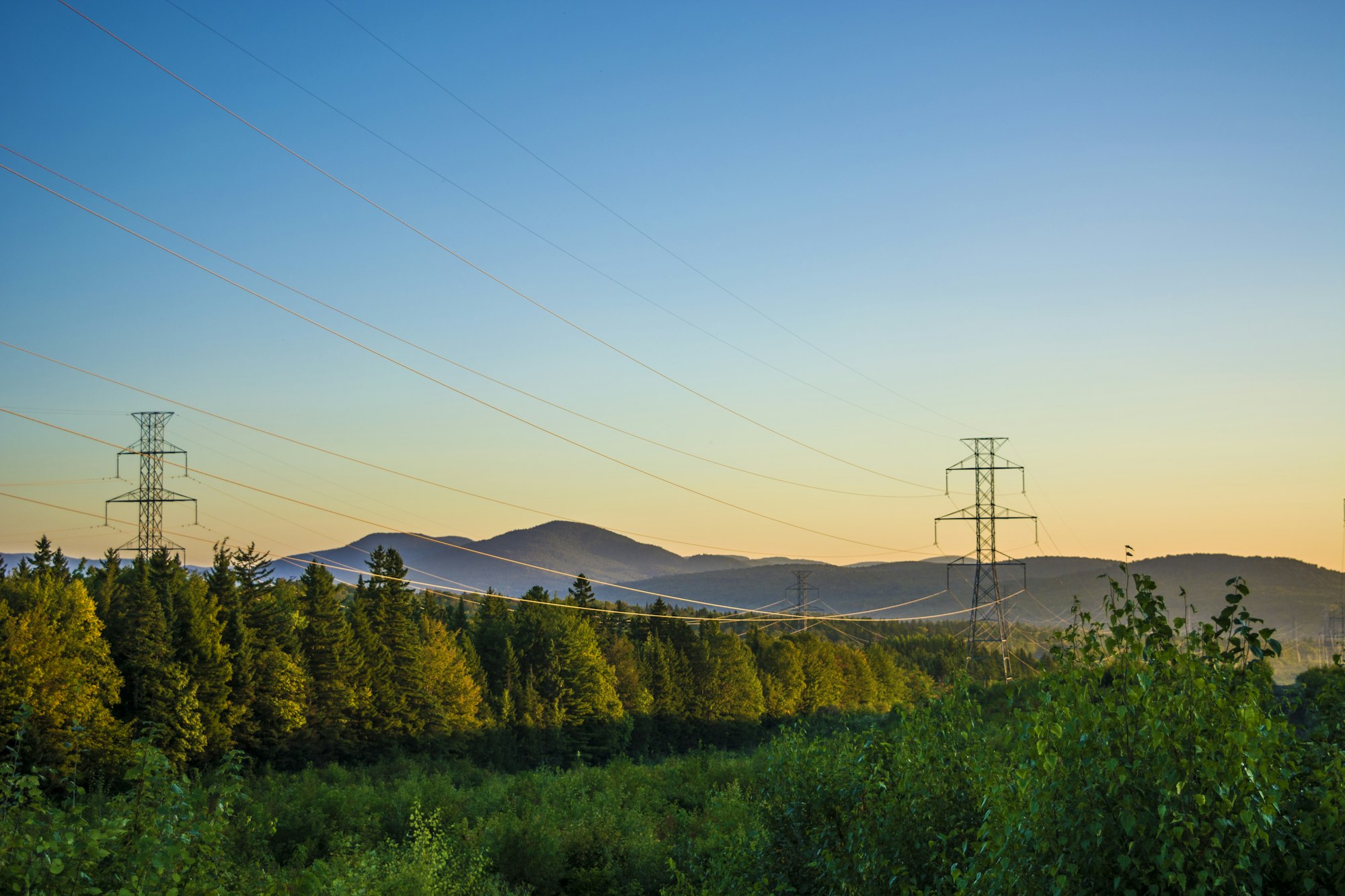
送電線という一見地味なインフラも、電力網において最も基本的な構成要素の一つです。これはエネルギーをある場所から別の場所に運ぶ役割を果たします。「新しい送電線を計画し、立地を選定し、設計し、建設するには多くのプロセスが必要です」と、データセンターが電力網に与える影響に関するジョンズ・ホプキンス大学の報告書の共著者であり、エネルギーコンサルタントのスザンナ・グラッツ氏は404 Mediaに語っています。「既存の送電線の再建でさえ課題に直面し、遅延を引き起こす可能性があります。これらの理由から、新規のグリーンフィールド型送電線(一般的な送電線の一種)を計画する場合、承認日から7〜8年かかるのが一般的ですが、10年以上かかるケースも珍しくありません。」
その理由は様々です。グラッツ氏は「送電線一つひとつには、地理的条件、電圧レベル、長さ、影響を受ける地域(景観を含む)、環境への影響、既存の送電線や変電所との接続点、建設が必要とされる理由、そして代替案など、それぞれ固有の側面があります」と説明しています。
データセンターに反対する法案の不完全なリスト
誰も騒がしいコンピューター倉庫の隣に住みたくありません。全国で地域コミュニティがこうした施設に反対し、成功を収めています。
送電網の他の重要な部分にも問題があります。需要を満たすために電力を供給するには、発電所からエネルギーを受け取り、一般家庭へ分配する変圧器と呼ばれる装置の新設が必要です。データセンターブーム以前から、業界は十分な数の変圧器を建設して需要に応えるのに苦労していました。しかし、データセンターの増加による需要拡大と関税によるコスト上昇により、状況はさらに悪化しています。「大型変圧器は発注から納品まで通常1〜2年かかりますが、現在はそれ以上の期間がかかり、配送における大きな物流上の課題に直面しています。電柱や鉄塔も長納期品の部材ですが、大型変圧器ほど深刻ではありません」とグラッツ氏は指摘します。「これらはすべて、関税などの他の問題によってさらに複雑化している可能性があります。」
手軽でスケーラブルな電力ソリューションが不足している今、状況は奇妙になりつつあります。FTAI という企業は、中古のジェットエンジンを転用してデータセンターを稼働させる計画を持っています。同社はすでに商用ジェット機の破損したエンジンの修復を手掛けており、データセンター向けの電力供給も成長市場と捉えています。「AI の超巨大化(ハイパースケール)による需要が加速する中、即座に使える電力ソリューションへの切実な必要性が生じています。AI 経済には比類なき量の電気が必要であり、それをより迅速かつ柔軟な形式で供給できることが不可欠です」と、FTAI の最高執行責任者であるデビッド・モレノ氏は Construct Connect News に語っています。
データセンターに電力を供給するための短期の解決策の一つとして、送電網を迂回して現場でエネルギーを生産する方法があります。シャークタンクの投資家ケビン・オライリー氏がユタ州ボックスキャニオンで行おうとしているのがこれです。しかし、この方法にも多くの問題が伴います。これらの自給型データセンターはガスタービンを頼りにしていますが、これもすぐに使えるわけではありません。「PJM 地域での議論では、新設のガスタービンの納期は最大で 5 年かかるという指摘もあります」とグラッツ氏は述べています。
ガスタービンが稼働し始めると、今度は別の重大な問題が発生します。イーロン・マスク率いる xAI はテネシー州に巨大な Colossus 2 データセンターを運営しており、そこでは 59 基の天然ガスタービンを稼働させています。これによりデータセンターは地域の送電網への負荷をかけずに運転できていますが、その代償として驚くべき規模で大気中に汚染物質を排出しているのです。
これらのタービンの多くはミシシッピ州の州境を越えて設置されており、公的な許可なく稼働し、近隣住民の空気質を悪化させています。一部のガスタービンについては開示すら行われていません。南部環境法センターの弁護士はロイターに対し、これらのタービンは大気浄化法の違反であると指摘しました。しかし、それが問題になるかどうかは別問題です。7 月 27 日、トランプ政権下の環境保護庁(EPA)は、データセンターを常時稼働させるためにのみ使用される発電所については、大気浄化法が適用されないとの発表を行いました。
オリーリーのデータセンターでは、9 ギガワットの電力を消費する計画です。これは現在のユタ州の電力消費量の 2 倍以上に相当します。現行の計画では、近くのルビー・パイプラインから天然ガスを引き込み、発電所を稼働させる方針ですが、これにより同州の二酸化炭素排出量は最大で 64% も増加する恐れがあります。ユタ州知事は、データセンターが天然ガスに完全に依存することは決してあってはならず、最終的には原子力、太陽光、風力がエネルギー負荷を支えるべきだと述べています。
データセンター業界のロビー活動が「修理権」法を後から無効化しようとする恐怖政治
シスコや IBM といった大手企業および主要なロビー団体は、「重要インフラ」として指定されたデータセンターについて、既存のコロラド州の「修理権」法からの免除を求めて動いています。
太陽光や風力発電も、従来の火力発電と同様に、変圧器や送電線の課題に直面しています。テック企業は原子力発電に巨額の投資をしていますが、そこでも時間は味方していません。Meta、Amazon、Google はいずれもエネルギー不足を解決するための原子力活用を検討中です。マイクロソフトはスリーマイル島原発の再稼働を目指していますが、スケジュールは次々と延期されています。多くの企業が「より安全で、迅速かつ大規模化可能な原子力技術」へのブレイクスルーを期待していますが、まだ実現していません。小型モジュール炉(SMR)などの新技術を扱うスタートアップも、「5 年後には突破が訪れる」と言い続けてきたのが過去 10 年間の事実です。原子力発電は極めて難しく、失敗すれば壊滅的な結果を招きます。テック企業の中には AI を活用して新規原発の建設を加速させようとする動きもありますが、それが安全かつ効果的かどうかはまだ不明です。
エネルギーインフラの暫定措置が整わない中でも、テック企業や投機筋はデータセンターの建設を続けています。新しいコンピューティング倉庫が増えるほど電力需要は高まり、近隣住民の電気料金が急騰する事態も起きています。バージニア州ヘンリコ郡には 37 のデータセンターが立地しており、当局者は政府職員に対し、「公共施設や学校の電気代が 25% 上昇する」と通告しました。その上で公務員や教員らにコスト抑制への協力を要請しています。
グラーツ氏は事態が悪化する可能性を指摘した。「今後数年間で、PJM(ペンシルベニア・ニュージャージー・メリーランド地域送電網)では供給不足が生じ、顧客への停電につながる恐れがある」と述べた。その解決策として同氏が提唱しているのは、「新規発電設備の整備を行わずに接続するデータセンターは、他の顧客よりも優先的に電力使用を制限(カットオフ)される対象となる」というものだ。
「つまり、そのような事態になれば、データセンターは非効率な非常用発電機に頼って稼働せざるを得なくなる可能性が高い。いずれにせよ、負荷成長の予測と供給コミットメントに基づけば、予備供給の余裕は次第に削られており、今後数年間で十分な発電量が確保できないリスクが高まっている。特に需要が最も高まる極端な日においては、そのリスクが最大となる」とグラーツ氏は警告する。
米国だけでなく世界中で、こうした極端な日はますます頻繁かつ危険なものになりつつある。
原文を表示
AI requires massive amounts of computer hardware to scale. That hardware is housed in data centers, and data centers demand shocking amounts of electricity. More data centers mean more demand on the grid which raises the costs of energy for everyone. This is one of the reasons people hate data centers and have begun to fight their construction.
To bypass the issue of grid demand, many data center builders have promised to power the buildings themselves. The problem with that plan is that it’s easy to build a warehouse full of GPUs. Building power plants and transmission lines to power those warehouses will take years and cost billions more than the data centers. A skilled and efficient builder can complete a data center construction in under a year. Building new energy generation to meet that data center's power needs could take a decade.
Take the humble transmission line — the long conductive cable is one of the most fundamental parts of the power grid. It moves energy from one place to another. “There is a lot that goes into planning, siting, designing and building a new transmission line,” Suzanne Glatz, an energy consultant and co-author of a John Hopkins report on the effect of data centers on the power grid, told 404 Media. “Even rebuilding a line can run into issues and cause delays. For all the reasons, planning a new greenfield line [a common type of transmission line] is likely to take 7-8 years from the date it is approved, but it can take 10 years or longer.”
There are a lot of reasons for this. “Every transmission line will have some unique aspects about it, from the geography, the voltage level, the length, the communities it touches (including the viewshed), environmental impacts, the points it interconnects to existing lines and substations, the reason it is needed as well as what are the alternatives,” Glatz said.
An Incomplete List of Successful Anti-Data Center Legislation
No one wants to live next to a noisy computer warehouse and communities across the country are successfully fighting them.
There are problems with other key pieces of the grid as well. Building out electricity to meet demand requires the construction of new transformers — a device that takes energy from power plants and helps distribute it to people’s homes. The power industry was struggling to build enough transformers to meet demand before the data center boom. It’s gotten worse as data centers have increased demand and tariffs have made them more expensive to build. “Large power transformers can take 1-2 years from order, but have hit longer times and major logistical challenges with delivery. Poles/towers also can long lead items, though not on par with large power transformers,” Glatz said. “All of this is likely compounded by other issues like tariffs.”
In the absence of easy, scalable, electricity solutions, things are getting weird. A company called FTAI wants to use repurposed jet engines to power data centers. The company is already in the business of refurbishing busted engines for commercial jets, but sees powering data centers as a growth market. “The accelerating demand from AI hyperscalers has created an urgent need for immediate power solutions. We believe FTAI Power will be a critical partner for the AI economy, which requires unparalleled amounts of electricity faster and in a more flexible format,” FTAI chief operating officer David Moreno told Construct Connect News.
One of the fast short-term solutions for powering data centers is to bypass the power grid altogether and generate energy on site. That’s what Shark Tank investor Kevin O’Leary wants to do in Box Canyon, Utah. But there are a lot of problems with this too. These self-powered data centers are relying on gas turbines. But those aren’t fast either. “The lead time for new gas turbines have been cited as up to five years in discussions in the PJM area,” Glatz said.
When gas turbines do come online, there are major problems. Elon Musk’s xAI operates an enormous Colossus 2 data center in Tennessee that runs on 59 natural gas turbines. This has allowed the data center to run without taxing the local grid but comes at the cost of pumping pollutants into the air at an astonishing scale.
Most of these turbines are across state lines in Mississippi, are operating without public permits and are destroying the air quality of people who live near them. Some of the gas turbines weren’t disclosed. A lawyer for the Southern Environmental Law Center told Reuters the turbines are a violation of the Clean Air Act. It may not matter. On July 27, Trump’s Environmental Protection Agency announced that power plants that exclusively keep data centers online won’t be subject to the Clean Air Act.
O’Leary’s data center would consume nine gigawatts of power, more than double Utah’s current rate of power consumption. The current plan is to pull gas from the nearby Ruby Pipeline to keep the lights on which could raise carbon emissions in the state by 64%. Utah’s governor said that the data center should never fully run on natural gas and that nuclear, solar, and wind must eventually carry the energy load.
Data Center Tech Lobbyists Fearmonger in Attempt to Retroactively Roll Back Right to Repair Law
Cisco, IBM, and major lobbying groups are trying to exempt “critical infrastructure” from an existing Colorado law.
Solar and wind face the same transformer and transmission line problems as more traditional forms of power generation. Tech companies are betting big on nuclear power, but time is against them there too. Meta, Amazon, and Google are all working on nuclear-powered solutions to their energy problem. Microsoft wants to bring Three Mile Island back online but the timeline keeps getting pushed back. Many of these tech companies are betting on some kind of technological breakthrough that will make nuclear power safer, faster, and more scalable. It hasn’t happened yet and startups working on solutions like small modular reactors have been saying they’re five years away from a breakthrough for the past decade. Nuclear power is hard and the cost of a mistake is catastrophic. Tech companies are even attempting to use AI to speed up the construction of new nuclear power plants but it remains to be seen if that’s safe or effective.
The energy infrastructure stopgap hasn’t stopped tech companies and speculators from building data centers. Every new computing warehouse drives up the demand for electricity, which spikes costs for people that live nearby. Officials in Henrico County, Virginia, which has 37 data centers, recently told government employees that the electricity bill for government and school facilities will increase by 25% and asked public servants and teachers to help them keep costs down.
Glatz said things could get worse. “In the coming years, PJM is showing a shortfall that could lead to outages for customers. One solution that we have advocated for is that data centers that connect but do not arrange for new generation, will be subject to curtailment first before other customers,” she said. “That likely means that data centers will power their operations with less efficient emergency backup generation, if that is the case. Either way, based on the load growth projections and the supply commitments, there is a thinning margin of reserve supply which will increase the risk of not enough generation in coming years, the risk being highest on the more extreme days when demand is highest.” In the U.S. and around the world, those extreme days are becoming more frequent and dangerous.
AI算出
市場分析ainew評価標準
記事は AI データセンターの急成長が電力インフラに与える影響を具体的な事例(停電、建設期間の格差)と専門家のインタビューを通じて分析しており、AI テクノロジーそのものの新機能発表ではないが、AI エコシステムの重要なボトルネックを扱っている。
6つの評価軸を見る
- AI関連度
- 75
- 情報源の信頼性
- 75
- 新規性
- 50
- 調べる価値
- 25
- 重複の少なさ
- 100
- 日本での有用性
- 25
関連記事
今日のまとめ
AIデイリーブリーフで今日の重要ニュースをまとめ読み