OpenAI、犯罪スキャム運用を妨害する取り組みを発表
本文の状態
日本語全文を表示中
詳細モードで約7分の本文を読めます。
同じ出来事の情報源
この情報源を基点に整理
OpenAI News
OpenAI はカンボジアの犯罪組織が ChatGPT を投資・ロマンス詐欺や人身売買関連コンテンツ生成に悪用した事例を報告し、AI が犯罪ネットワークの多様な手口と管理業務を支えている実態を明らかにした。
AI深層分析を開く2026年8月1日 04:48
AI深層分析
キーポイント
複合型詐欺への AI 活用
犯罪組織は ChatGPT を用いて投資、ロマンス、ギャンブル、警察なりすましなど複数の詐欺手法を同時に実行し、状況に応じて最適な手口を選択する。
人身売買との関連性
同ネットワークの活動には人身売買や強制労働への言及が含まれており、詐欺を実行する者自身が搾取された被害者である可能性が示唆される。
業務管理への AI 導入
犯罪組織は ChatGPT を内部文書の作成、スタッフ間の翻訳、採用や労働条件の記録など、日常的な事務作業にも活用している。
AI を活用したスキャマーの手法
ネットワークは ChatGPT を使用して翻訳や会話生成を行い、偽のプロフィール作成や調査を自動化している。
心理的圧力と信頼構築の常套手段
スキャマーは約束された利益やロマンチックな言葉を用いて感情に訴え、秘密保持や緊急性を強調して被害者を操作する。
重要な引用
The network used our models to create and support the operation of fake online personas, generate and translate messages sent to scam targets, create promotional content for their fraudulent schemes, and assist with day-to-day operations.
Organized criminal groups rarely restrict themselves to a single type of scam. Instead, they opportunistically employ whatever narratives, personas, and tactics they think will be most effective to deceive victims.
The network used ChatGPT to translate and generate conversations with targets on messaging platforms such as WhatsApp and Telegram.
Scammer messages frequently relied on emotional pressure and trust-building techniques.
編集コメントを表示
編集コメント
生成 AI の悪用事例が単なる詐欺の補助ツールではなく、犯罪組織の運営基盤そのものになりつつある点は極めて深刻である。この報告は、AI セキュリティ対策が技術的な防御だけでなく、社会構造や人身売買といった広範な文脈を考慮する必要があることを示唆している。
Source Article
元記事を日本語で読む
本文に関係しない購読案内、埋め込み通知、サイト内プロモーションは除いています。
イントロダクション
今年早些时候、私たちはカンボジアを拠点とする詐欺グループを摘発しました。このグループは ChatGPT を活用し、投資詐欺、ロマンス詐欺、ギャンブル詐欺、そして警察官へのなりすましなど、多様な手口で被害者を騙していました。この活動の調査は WhatsApp の関係者からの情報提供がきっかけとなり、その後、業界パートナーや関連当局に追加的な脅威信号を共有しています。
今回の摘発から浮かび上がったのは、現代の詐欺ネットワークにおける重要な現実です。組織犯罪グループは、単一の詐欺手法に固執することはめったにありません。むしろ、被害者を欺くために最も効果的だと判断されるあらゆる物語、ペルソナ、戦術を機会主義的に利用します。私たちの調査では、犯行グループが複数の詐欺手法を行き来したり、一つの組織内で複数の手口を組み合わせていたりする様子を日常的に観察しています。
ネットワーク内には、人身売買や強制犯罪へのリンクを示唆するコンテンツを生成したユーザーも存在しました。これらの観察結果は、東南アジアの組織犯罪グループに関する広範な報道と一致しています。同グループは、正当な雇用を約束して労働者を募集し、債務奴隷や強迫的な状況に陥れる手口で知られています。すべての関係者の状況を私たちが独立して確認することはできませんが、この活動は詐欺を実行する側もまた搾取の被害者となり得ることを示す教訓となっています。
関与した組織体
このネットワークでは、当社のモデルを用いて偽のオンライン人物を創出し運用し、詐欺対象者に送るメッセージの生成・翻訳を行い、不正な計画のためのプロモーションコンテンツを作成するとともに、日常業務の支援を行っていました。
過去に摘発した詐欺ネットワークと同様に、一部のユーザーはChatGPTを事務作業にも活用していました。具体的には、内部公告の草案作成、スタッフ間のメッセージ翻訳、募集や在留資格、労働条件、従業員への懲戒処分などに関連する事項の記録などが含まれます。
行動
この犯罪ネットワークは、複数の詐欺手法を同時に展開し、異なるスキームの要素を組み合わせていました。例えば、運営者は信頼関係を築くためにデート用ペルソナを利用した上で、暗号資産や現物金取引を伴う不正な投資機会を紹介しました。また、別のユーザーたちは架空の身元を用いて対象者との長期間にわたる恋愛会話を展開し、オンラインギャンブルプラットフォームの担当者として偽のボーナスや当選金を提示したり、法執行機関を装って重大な犯罪行為に対する罰金の支払いを迫ったりしていました。
物語の内容は多岐にわたりますが、ネットワーク内のユーザーたちは一貫して同じ欺瞞的な行動パターンを示していました。具体的には、偽のデートプロフィール、架空の投資専門家、そして虚偽の法執行機関のペルソナを作成・運用しています。さらに、パスポート、法的通知書、株式購入確認書類、ギャンブルプラットフォームのインターフェースなど、偽造文書の画像も生成していました。
「ping」の段階:このネットワークでは、ChatGPT を活用して WhatsApp や Telegram などのメッセージングプラットフォーム上でターゲットとの会話を翻訳・生成しました。詐欺師たちはまた、偽の身元を補強するために SNS 上の投稿を作成し、出会い系サイトのプロフィール素材も調査していました。
「zing」の段階:詐欺師からのメッセージは、感情的な圧力や信頼構築のテクニックに頻繁に依存していました。具体的には、「確実なリターン」や「リスクゼロ」の投資を約束するもの、ロマンティックな言葉遣い、会話を秘密にするよう求める指示、そして架空のボーナス期限切れ前の緊急性を煽る行動要求などが含まれます。
「sting」の段階:詐欺師は被害者に対し、報酬を受け取るための預金や、手数料の支払い、架空の罰金の清算を命じました。さらに、支払い完了の証拠として送金画面のスクリーンショットや口座情報の提供も求めます。
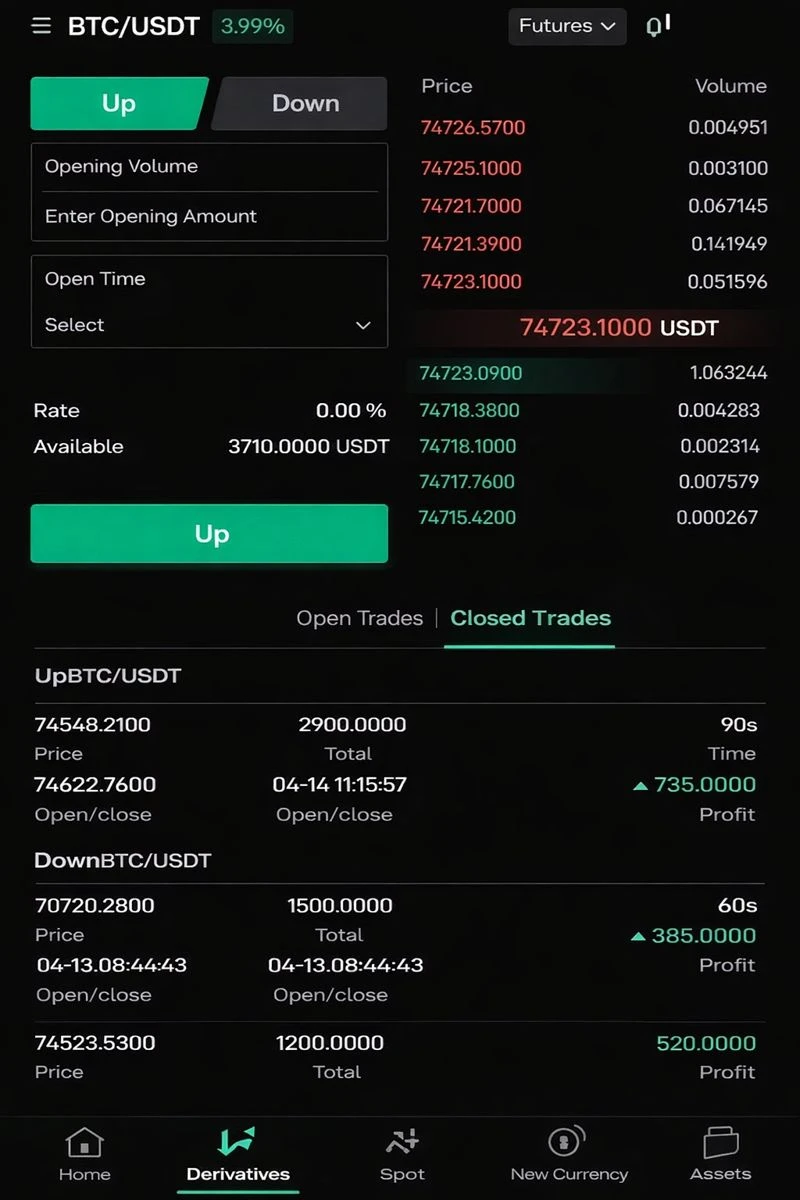
*このネットワークの詐欺師が ChatGPT を使って作成した、偽の暗号資産取引インターフェース。

*このネットワークの詐欺師が作成し、偽装投資スキームを宣伝するために使用した AI 生成画像。
人身売買の兆候
詐欺だけでなく、一部のユーザーが生成したコンテンツには、人身売買や強制労働など、当社が検知して阻止している他の違法行為への関与を示唆するものも含まれていました。具体的には、ポイペトでの「チャッター」職種の募集広告を作成し、渡航費・宿泊費・食事・ビザ・就労許可証などを保証する内容でした。
また、運営組織内における労働者の管理に関する活動も確認されています。ユーザーらは従業員の債務記録、給与差し引き、懲戒罰金、借入返済の記録を維持しており、移民ステータスや就労許可、ビザの過剰滞在、採用インセンティブなどに関する議論の翻訳も行っていました。
一部の会話では、詐欺組織に人身売買され強制労働をさせられた人々に対する拘束、脱出試み、そして法的責任への言及も見られました。これらの会話は特定の個人の状況を特定するものではありませんが、東南アジアにおける組織犯罪グループの活動について広く報告されている内容1 2 と一貫しています。


AI 生成の画像は、カンボジアでの求人広告をソーシャルメディア上で展開する詐欺師たちによって作成されました。OpenAI により一部が隠されています。
影響
当社は、この組織に関連する ChatGPT アカウントを停止し、関連する指標を業界パートナーや関係当局と共有しました。また、これらの犯行グループが当社の製品やサービスへのアクセスを回復することを困難にする措置も講じました。
このネットワークに起因する金銭的損失の全容は不明ですが、詐欺師たち自身の通信内容に基づけば、複数の種類の詐欺手法を用いて数百人の標的と接触した可能性があります。ユーザーとの会話記録には、個人が数千ドルを失ったという事例も含まれていますが、当社はこれらの主張を独立して検証することはできません。
より広範な視点でこの事件を見ると、2 つの傾向が浮き彫りになります。第一に、組織的な詐欺ネットワークは極めて多様化しており、単一の詐欺手法に固執するのではなく、複数の不正取引を同時に展開している点です。第二に、オンライン詐欺と組織犯罪、そして人身売買の境界線はしばしば曖昧になっています。したがって、効果的な妨害には、被害者に直接関わる詐欺活動だけでなく、それを指揮し利益を得る犯罪組織全体への対応が不可欠です。
原文を表示
はじめに
Earlier this year, we disrupted a Cambodia-based scam operation that used ChatGPT to support investment, romance, gambling, and law enforcement impersonation schemes. We began investigating this activity following a lead from our peers at WhatsApp and have since shared additional threat signals with industry partners and relevant authorities.
The operation illustrates an important reality about modern scam networks: organized criminal groups rarely restrict themselves to a single type of scam. Instead, they opportunistically employ whatever narratives, personas, and tactics they think will be most effective to deceive victims. In our investigations we routinely observe actors moving between scam types, or combining multiple scam techniques within a single operation.
Some users in the network also generated content suggesting links to human trafficking and forced criminality. These observations are consistent with extensive public reporting(opens in a new window) describing(opens in a new window) organized crime groups in Southeast Asia that recruit workers with promises of legitimate employment before trapping them in systems of debt bondage and coercion. While we cannot independently determine the circumstances of every individual involved, the activity serves as a reminder that the people conducting scams can themselves be victims of exploitation.
Actor
The network used our models to create and support the operation of fake online personas, generate and translate messages sent to scam targets, create promotional content for their fraudulent schemes, and assist with day-to-day operations.
As with past(opens in a new window) scam networks we have disrupted, a subset of users also employed ChatGPT for administrative work, including drafting internal announcements, translating messages between staff, and documenting matters that appeared related to recruitment, immigration status, working conditions, and employee discipline.
Behavior
The network simultaneously conducted multiple types of scams, often blending elements from different schemes. For instance, operators used dating personas to build trust before introducing fraudulent investment opportunities involving cryptocurrencies and spot gold trading. Other users engaged in lengthy romantic conversations with targets using fictitious identities, posed as representatives of online gambling platforms offering fake bonuses and winnings, or impersonated law enforcement agencies to tell targets they needed to pay fines for committing serious criminal offenses.
Although the narratives varied, users across the network consistently displayed the same underlying pattern of deceptive behavior. For example, they created and operated fake dating profiles, fictitious investment experts, and fraudulent law enforcement personas. They also generated images of forged documents, including passports, legal notices, stock-purchase confirmations, and gambling platform interfaces.
- The ping: The network used ChatGPT to translate and generate conversations with targets on messaging platforms such as WhatsApp and Telegram. Scammers also created social media content and researched dating profile material to support their fake personas.
- The zing: Scammer messages frequently relied on emotional pressure and trust-building techniques. Examples included promises of guaranteed returns and “risk-free” investments, romantic language, instructions to keep conversations secret, and urgent requests for action before fictional bonuses expired.
- The sting: The scammers instructed victims to make deposits to unlock purported rewards, pay activation fees, settle fictitious fines, and then provide screenshots of transfers or account information as proof of payment.
Human Trafficking Indicators
In addition to scams, some users generated content suggesting involvement in other violative activities that we detect and disrupt, such as human trafficking or forced labor. This included creating social-media advertisements for “chatter” jobs in Poipet that promised flights, accommodation, meals, visas, and work permits.
Other activity appeared to relate to the administration of workers inside the operation. Users maintained records of employee debts, salary deductions, disciplinary fines, and loan repayments, and translated discussions about immigration status, work permits, visa overstays, and recruitment incentives.
Some conversations also referenced apparent detention, escape attempts, and potential criminal liability for people who had been trafficked and forced to work in scam operations. While these conversations do not allow us to determine the circumstances of any particular individual, they are consistent with extensive public reporting(opens in a new window) describing(opens in a new window) the activities of organized crime groups in Southeast Asia.
Impact
We banned the ChatGPT accounts associated with this operation, shared relevant indicators with industry partners and relevant authorities, and took steps to make it harder for these actors to regain access to our products and services.
The full scale of financial losses associated with the network is unknown, but based on the scammers’ own communications, the operation may have interacted with hundreds of targets across multiple scam types. User conversations referenced individual victims losing thousands of dollars, although we are unable to independently verify those claims.
More broadly, this case reinforces two trends. First, organized scam networks can be highly diversified, operating multiple fraud schemes simultaneously rather than narrowly adhering to a single scam type. Second, the boundaries between online fraud, organized crime, and human trafficking are often blurred. Effective disruption therefore requires targeting not just the victim-facing scam activity, but also the criminal organizations that orchestrate and profit from it.
関連記事
News to Guide
ニュースの次に確認する
発表内容を、現在の料金や仕様と照らし合わせられる関連ガイドです。
今日のまとめ
AIデイリーブリーフで今日の重要ニュースをまとめ読み