OpenAI、13〜17歳向け「ChatGPT for Teens」を発表し学習支援と保護機能を強化
本文の状態
日本語全文を表示中
詳細モードで約11分の本文を読めます。
OpenAI は学習と安全性を重視した「ChatGPT for Teens」を発表し、18 歳未満の利用者を自動的にこのモードへ移行し、親御さん向けの管理機能や学習支援機能を強化する。
AI深層分析を開く2026年8月18日 21:17
AI深層分析
キーポイント
自動的な年齢判定とモード切り替え
システムが利用者が 18 歳未満であると推定した場合、または 13〜17 歳の年齢を申告した場合、自動的に「ChatGPT for Teens」モードへ移行する仕組みを導入した。
学習支援機能の強化
「Study Mode」により段階的なサポートと誘導的な質問を提供し、すぐに答えを求める行為を促すのではなく、利用者が自ら問題を解決するプロセスを支援する。
親御さん向けの管理機能
健全な AI 利用を促進するための機能が追加され、親御さんが子どもの利用状況を管理・制御できる新たなコントロール手段が提供される。
学習支援機能の統合
Study Mode は指導的な質問と段階的なサポートを通じて、ティーンエイジャーが教材を理解するのを助ける。また、クイズや学習ビジュアライゼーションにより、知識の確認や難しい概念の理解を深める機会を提供する。
宿題への責任ある対応と習慣化
AI は宿題を shortcuts しようとする兆候を検知し、Study Mode へと誘導して協力的な問題解決を促す。さらに Study Hours 機能により、保護者やティーンが学習モードをデフォルトで有効にする時間を設定でき、良い学習習慣の定着を支援する。
重要な引用
We’re introducing ChatGPT for Teens, an experience designed to help teens learn, think critically, deepen understanding, and use AI with confidence.
If our system estimates someone is under 18 or they state their age is between 13 and 17, they are automatically placed into ChatGPT for Teens.
Study Mode, which uses guiding questions and step-by-step support to help teens understand the material.
New responsible homework reminders, which can recognize when a teen appears to be trying to shortcut an assignment and redirect them toward Study Mode for step-by-step collaborative problem solving.
編集コメントを表示
編集コメント
この発表は、単なる機能追加ではなく、未成年者の AI 利用における「学習」と「安全」のバランスを製品レベルで再定義する動きである。OpenAI は年齢判定技術と教育支援機能を統合し、業界全体の子供向け AI ガイドラインに新たな基準を示したと言える。
Source Article
元記事を日本語で読む
本文に関係しない購読案内、埋め込み通知、サイト内プロモーションは除いています。
私たちは、ティーンエイジャーが学習し、批判的思考を深め、AI を自信を持って活用できるよう支援する「ChatGPT for Teens」を発表します。この体験には、健全な利用を促す機能や保護者向けの追加コントロールなど、若年層向けに強化された安全プロテクションが組み込まれています。システムがユーザーが18歳未満であると推定した場合、または年齢が13〜17歳と明言された場合は、自動的に「ChatGPT for Teens」の環境に割り当てられます。
今回の発表は、プラットフォーム上でティーンエイジャーをサポートするための基盤となる取り組みの上に成り立っています。具体的には、保護者向けコントロール機能の導入、18歳未満向けのモデル仕様の更新、ティーンエイジャー向け安全ブループリントの策定、年齢推定機能の実装、そして学習支援と健全なAI利用を促す機能の拡充などです。これらの取り組みを通じて、私たちは4つの約束を指針としてきました。「ティーンエイジャーの安全を最優先する」「現実世界でのサポートを促進する」「ティーンエイガーを一人の若者として扱う」「システムの振る舞いについて透明性を保つ」ことです。今回の「ChatGPT for Teens」では、学習への重点とさらに強化された組み込みプロテクションによって、これらの約束をより一層強化・推進していきます。
学習支援のために設計された機能
AI は教育の機会を拡大すべきだと私たちは考えています。そこで、教室の外で支援が常に得られるわけではない場面でも、ティーンエイジャーが能動的かつ協働的な学習プロセスに没頭できるよう、「ChatGPT for Teens」を設計しました。
例えば、テスト勉強中のティーンは、ChatGPT に見知らぬ概念の説明や練習問題の解き方を頼んだり、理解度を確認したりできます。もし「すぐに答えを教えて」と尋ねた場合でも、ChatGPT for Teens は自力で問題を解決するための手順や問いかけへと導きます。
この体験には、以下の要素が組み込まれています。
- Study Mode(学習モード): 誘導的な質問と段階的なサポートを通じて、ティーンが教材を理解するのを助けます。
- 新しい責任ある宿題リマインダー: ティーンが課題を shortcut(近道しようとしている)ように見える場合を検知し、段階的な協働型問題解決を行う Study Mode へと誘導します。
- クイズと 学習ビジュアライゼーション: ティーンがより多くの方法で練習し、自分の知識を試すことができるようになり、難しい概念を視覚的に明確にして理解度をテストできます。
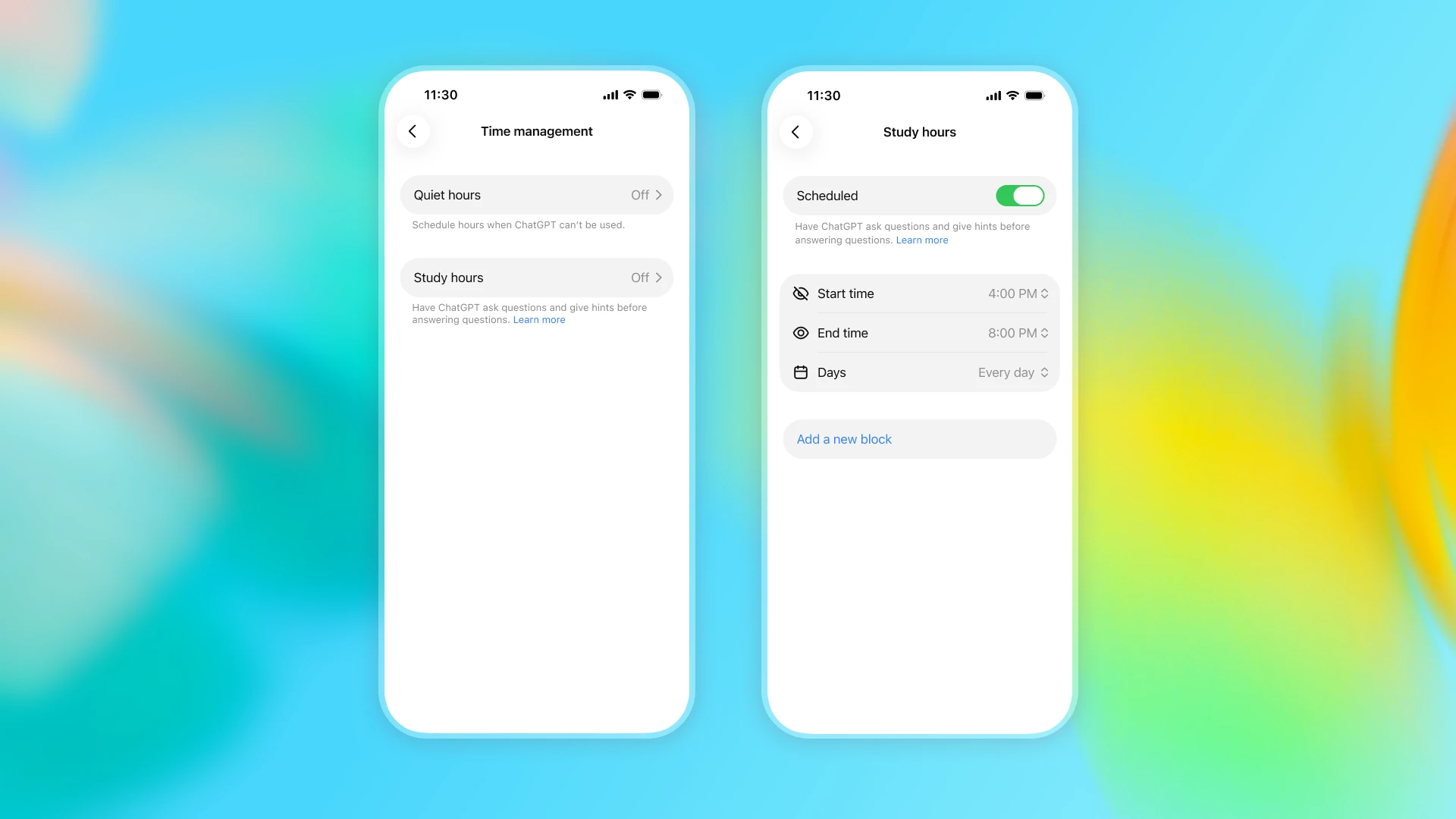
- 新しい Study Hours(学習時間): ティーンや保護者が、Study Mode がデフォルトでオンになる時間帯を選択できるようになりました。これにより、良い学習習慣をルーティン化することが容易になります。
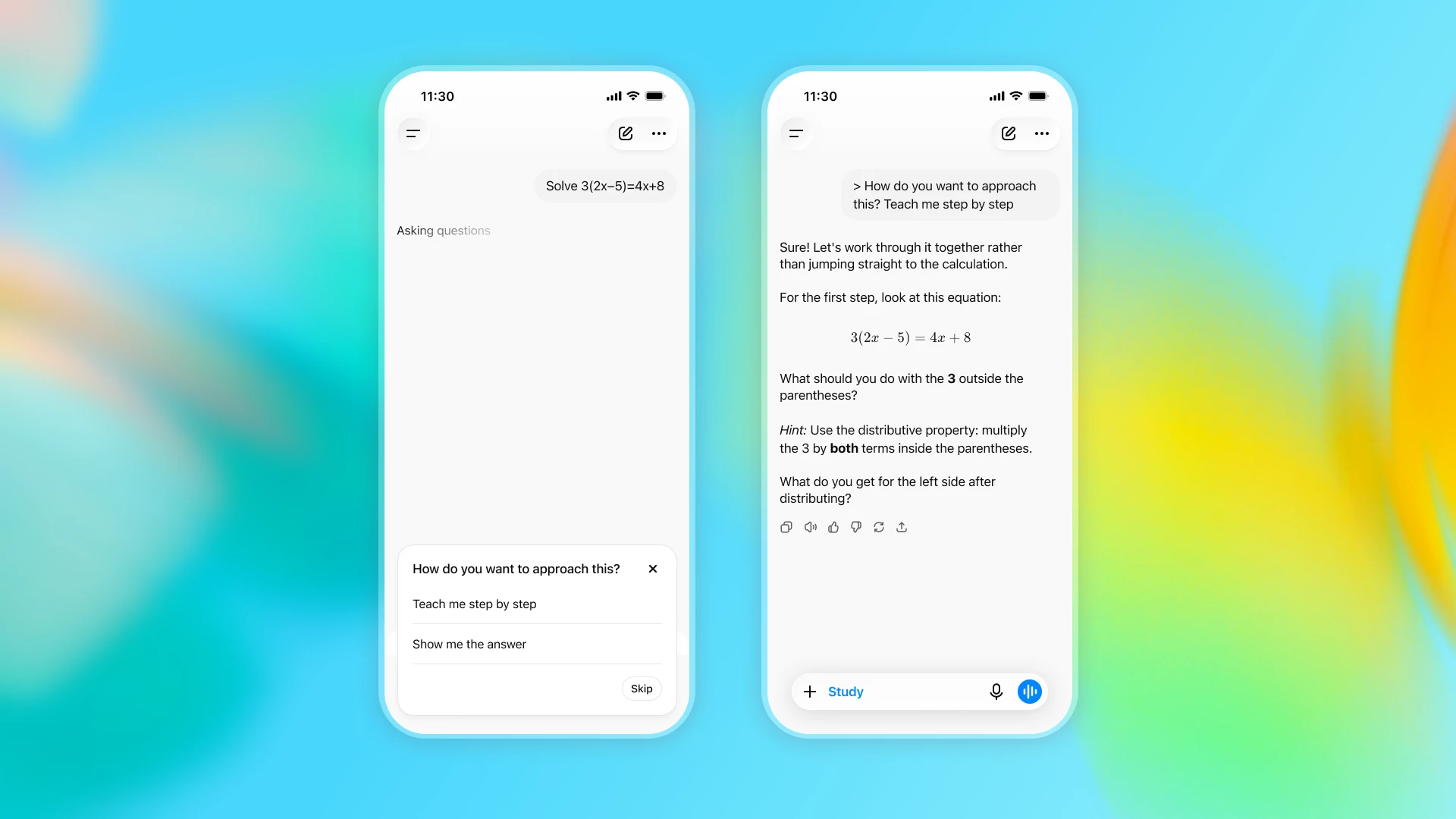
Study Mode の導入にあたり、私たちは教師や科学者、教育の専門家の知見を取り入れ、学習科学における長年の研究を基盤としました。この機能は、単に答えを提示するのではなく、導く質問や足場かけ(スキャフォールディング)、メタ認知を促すヒント、知識確認などを通じて、生徒が問題を段階的に解きほぐせるよう支援します。このような設計は、「受動的な復習よりも能動的な想起と自己説明の方が、理解の深化と長期記憶の定着に有効である」と示された広範な研究とも合致しています。また、Study Mode などのツールに対する私たちの初期評価でも、生徒のパフォーマンス向上に有望な成果が確認されています。
AI は学習を支援するものであり、それを shortcut してはなりません。また、教室における AI の体験については教育者がコントロールし続けるべきです。この理念に基づき、「ChatGPT for Teens」は教室外での学習をサポートするために設計されました。一方、ChatGPT for Teachers は、教育者や学校地区に対して、AI への安全で機関管理されたアクセスと、その活用方法に関する実践的なサポートを提供し続けていきます。
CodeAI と連携し、次世代の若者を準備する
最初の AI 世代となる学生たちを準備するため、OpenAI と CodeAI は、学生や教育者が AI の活用方法と恩恵を理解するためのツールやリソースへのアクセスを提供するシグネチャーパートナーシップを発表しました。この連携は、技術そのものよりも、それを巡る教育に焦点を当てます。具体的には、若者が AI の仕組みを理解し、AI を導き、疑問を持ち、そして AI と共に創造する力を育むことを目指します。教室への AI の導入のあり方を形作る上で、教師が果たす役割は極めて重要です。
若者たちが AI で何を作り出しているか
ティーンエイジャーたちは、すでに AI を勉強のためだけでなく、ツールの構築や新しいスキルの習得、そして地域社会の問題解決のために活用しています。ChatGPT for Teens は、まさにこうした利用を育むために設計されたものです。アイデアを理解する段階から実践へと移行できる若者を支援する、能力に優れ学習中心の AI です。
バージニア州では、Rushil Kukreja さん、Arhan Menta さん、Nayel Rehman さんのチームが、自然災害で瓦礫の下に取り残された生存者の捜索を既存の Wi-Fi シグナルを用いて支援する「WiFind」を開発しました。このプロジェクトは、地元の捜索救助団体でのボランティア活動を通じて生まれ、「救助隊員はまずどこを探すべきか」というシンプルな疑問から始まりました。チームにとって AI は、研究からの学習プロセスを加速し、迅速にプロトタイプを作成し、有望なコンセプトを実際の救助隊員向けツールへと具体化する作業を支援しました。
テキサス州の Crystal Yang さんは、ChatGPT を活用して、視覚障害者向けのオーディオベース教育ゲームプラットフォーム「Audemy」の開発と拡大を推進しました。現在、このプラットフォームは 20 万人の利用者と 50 のゲームを提供しています。
ティーンエイジャーが ChatGPT を利用する様子はそれぞれ異なりますが、いずれも私たちが支援したい利用形態を示しています。それは複雑な教材から学ぶこと、指導を受けながらものづくりを行うこと、そして新しいスキルを実際の課題に応用することです。若者がその可能性を探求できるようになるためには、能力があり、年齢にふさわしく、明確な安全対策を備えたツールが必要です。
デフォルトで有効化するより強力な保護機能
ティーンユーザーにとって、保護機能は体験のデフォルトの一部となっています。18 歳未満の利用者に対しては、「ChatGPT for Teens」が年齢にふさわしい安全対策を適用し、有害または発達段階に不適切なコンテンツへの曝露を減らす一方で、学習・創造・探求の可能性を損ないません。
これらの保護機能は、モデル仕様の 18 歳未満向け原則に基づいています。この原則は発達科学の知見と専門家の助言を反映しており、実践においては、自傷行為、暴力、摂食障害、危険な活動、性的またはグロテスクなコンテンツといったリスクの高い領域において、年齢にふさわしいモデル保護や製品による介入が行われます。
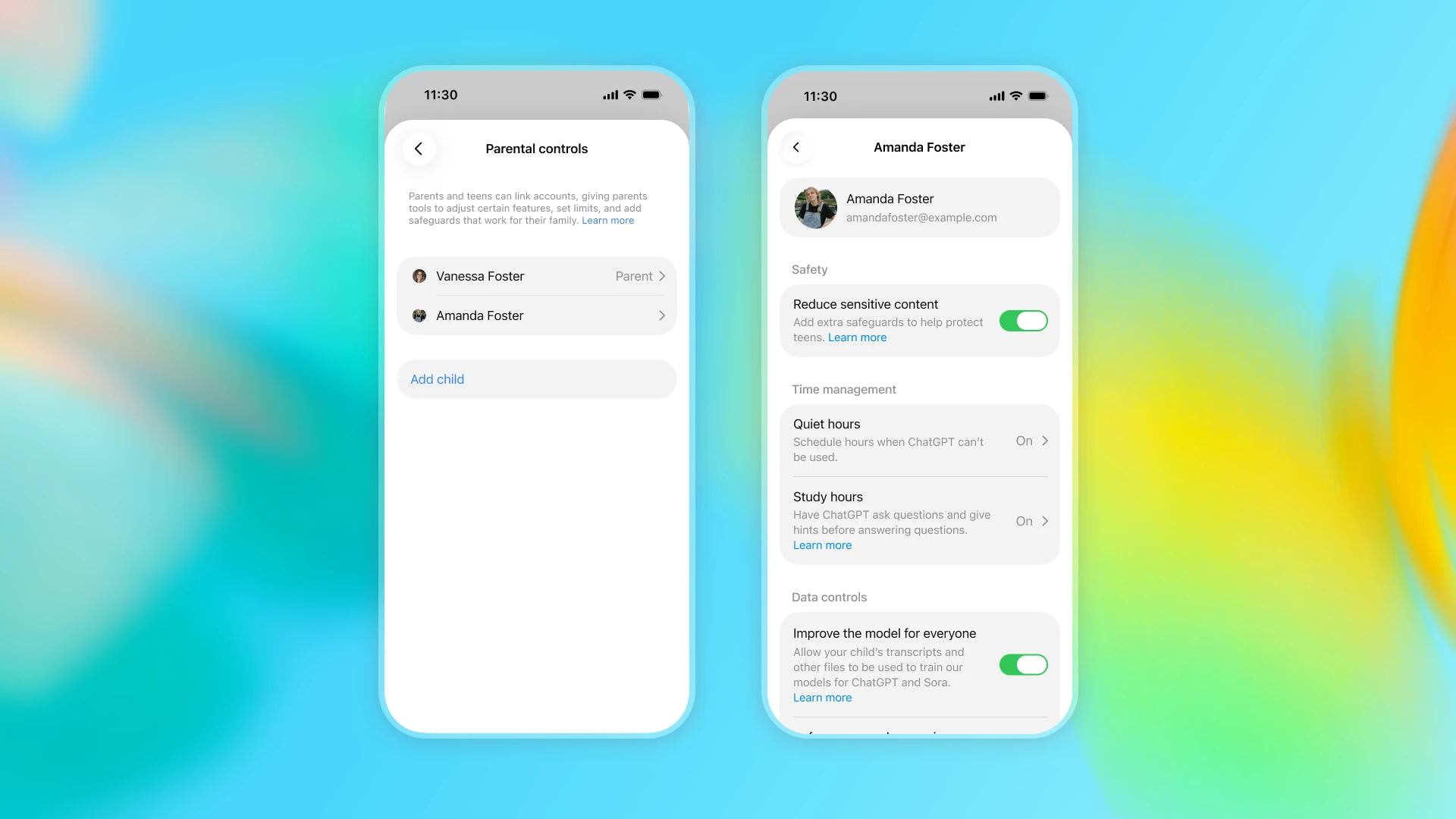
本機能は、これまでご紹介した家族向けツール(保護者による管理と通知)の延長線上にあります。連携されたティーンアカウントを持つ保護者は、「サイレントアワー」を設定したり、特定の項目を管理したり、リスクの高い状況に限って安全に関する通知を受け取ることができます。今般は摂食障害に関連する通知を追加し、共有範囲を限定するとともに、オフラインでのサポートが最も重要となる瞬間に焦点を当てています。
健全でバランスの取れた利用を支援する
ChatGPT for Teens は、現実世界での人間関係や健康的な習慣をサポートするように設計されています。利用者が休憩を取るよう促すブレイクリマインダーや、「これは AI です」と一貫して示すプロダクト上の表示がその特徴です。
18 歳未満のユーザーに対する ChatGPT の振る舞いについては、引き続き強化を進めています。更新された 18 歳未満向けモデル仕様(新しいウィンドウで開く) では、ロマンチックまたは性的なロールプレイのブロックだけでなく、より広範な対策が講じられています。具体的には、ChatGPT は恋愛的な言葉遣いを用いたり、情緒的依存を促したり、自らの感情や意識を持っているかのような言及を行ったりしてはなりません。これらの強化された保護策は、健全で現実的な人間関係の構築を後押しするものです。
また、文脈に応じたリスク低減と、若年層が有用なツールや保護機能へ誘導するためのガイダンス・制御機能を追加します。具体的には以下の通りです。
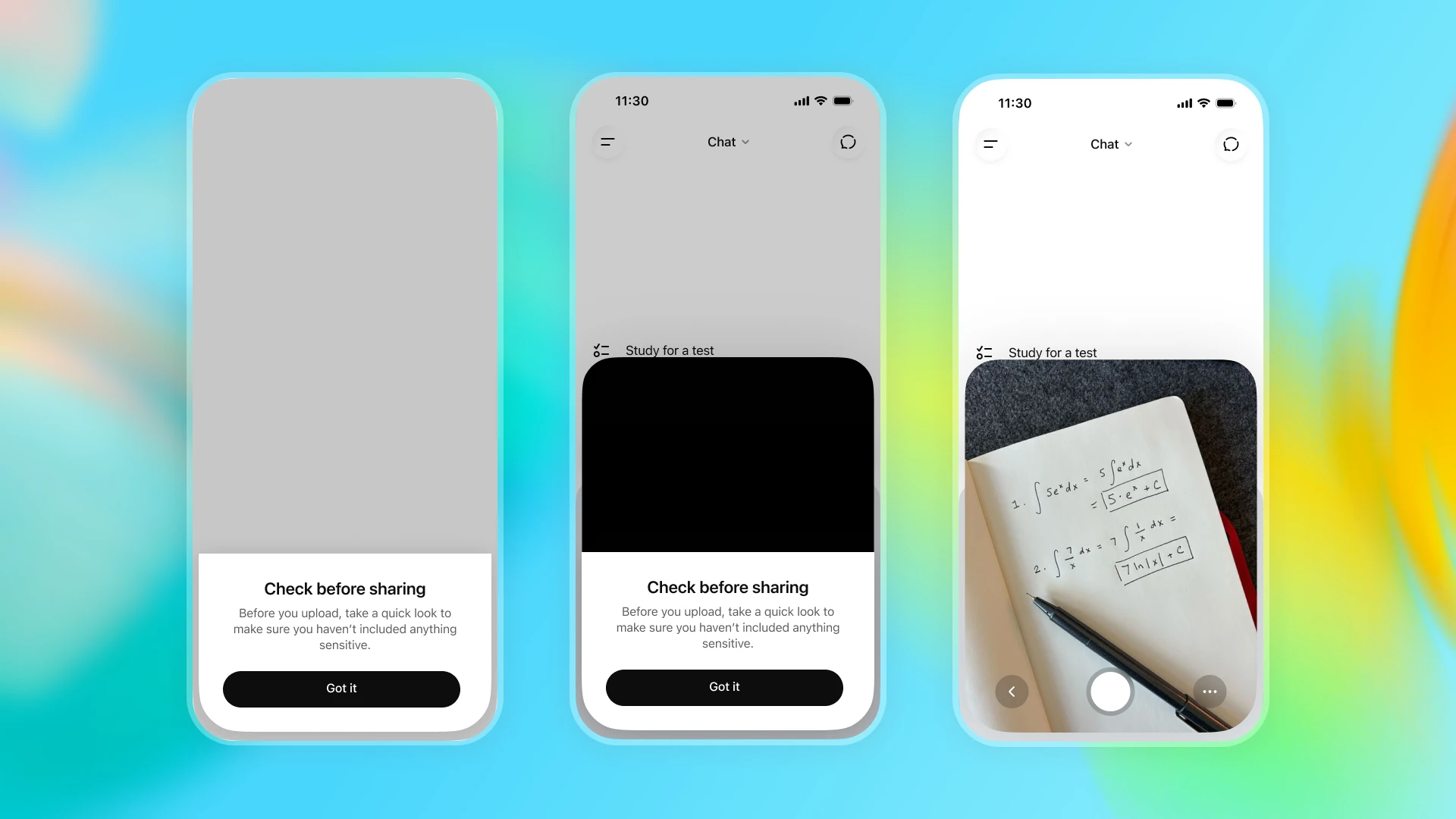
- 機密性の高い画像のアップロードに関する注意喚起:個人や機密性の高い画像の共有を避けるよう若年層に呼びかけます。
- ティーン向けオンボーディング:利用開始時から、若年層が利用できる学習機能と安全機能を導入します。
- シンプルなカスタマイズオプション:アクセントカラーや音声バリエーションなどを選択可能にし、使いやすさを保ちつつ、有用なツールと人間関係の境界線があいまいにならないように配慮しています。
ティーンによる安全な AI 利用に向けた継続的な研究
これらの保護機能は、発達科学に基づく継続的な安全性の研究、専門家の意見、および若年層が特有または高いリスクに直面する可能性のある領域におけるモデルのセーフガードテストを踏まえて構築されています。この取り組みにより、18 歳未満ユーザー向けのポリシーの精査、製品保護の強化、そして経時的な進捗測定の改善を図っています。
この取り組みについて、より多くを公開し始めました。まず、18 歳未満のユーザー向けに新たに追加した評価結果を システムカード で発表します。これにより、困難なセンシティブコンテンツのケースにおいて、当社のモデルが青少年特有の基準に対してどのように振る舞うかが示されます。
これらの評価は、自傷行為、摂食障害、暴力、年齢制限のある商品・サービス、性的コンテンツといった分野をカバーしており、青少年の安全性に関するモデルのパフォーマンス理解を深めることを目的としています。
今後の展望
私たちは引き続き機能を追加し、青少年が AI から恩恵を受けられるようにするとともに、得られた知見を測定して公開していきます。青少年は学習や創造、探求のために AI を活用できるべきです。ただし、そのアクセスには、発達段階に合わせた保護措置が伴う必要があります。それは現実世界での人間関係を強化し、長期的な健全な利用を支えるものでなければなりません。
「ChatGPT for Teens」は、そのような基準を実現するための次の一歩です。
原文を表示
We’re introducing ChatGPT for Teens, an experience designed to help teens learn, think critically, deepen understanding, and use AI with confidence. It provides stronger built-in safety protections for teens, including features to promote healthy use and additional controls for parents. If our system estimates someone is under 18 or they state their age is between 13 and 17, they are automatically placed into ChatGPT for Teens.
This launch builds on the foundational work to support teens on our platform including: Introducing Parental Controls, updating our Under-18 Model Spec, creating our Teen Safety Blueprint, rolling out Age-Prediction and expanding features to support learning and healthy AI use for teens. Across that work, we have been guided by four commitments: put teen safety first, encourage real-world support, treat teens like teens, and be transparent about how our systems should behave. We’re reinforcing and furthering those commitments in ChatGPT for Teens with a focus on learning and even stronger built-in protections.
Built to support learning
We believe AI should expand educational opportunity, which is why we designed ChatGPT for Teens to support moments outside the classroom when help is not always available, while keeping teens engaged in an active and collaborative learning process. A teen studying for a test, for example, can ask ChatGPT to explain an unfamiliar concept, work through a practice problem, and check their understanding. If they ask for a quick answer, ChatGPT for Teens can guide them toward the steps and questions that help them work through it themselves. The experience brings together:
- Study Mode, which uses guiding questions and step-by-step support to help teens understand the material.
- New responsible homework reminders, which can recognize when a teen appears to be trying to shortcut an assignment and redirect them toward Study Mode for step-by-step collaborative problem solving.
- Quizzes and Learning Visualizations which give teens more ways to practice, test what they know, and see difficult concepts more clearly to test understanding.
- And with new Study Hours, teens or parents can choose times when Study Mode is on by default, making it easier to turn better study habits into a routine.
When we introduced Study Mode, it was built with teachers, scientists, and pedagogy experts and drew on longstanding research in learning science. It uses guiding questions, scaffolding, metacognitive prompts, and knowledge checks to help students work through problems step by step instead of simply receiving a solution. That design is consistent with broader research on effective learning techniques(opens in a new window) showing that active retrieval and self-explanation can support stronger comprehension and longer-term retention than passive review alone. Our own early evaluation of tools like Study Mode has also shown promising gains in student performance.
AI should support learning, not shortcut it, and educators should remain in control of AI experiences in classrooms. In this spirit, ChatGPT for Teens is designed to support learning outside of the classroom while ChatGPT for Teachers continues to provide educators and school districts with secure, institution-managed access to AI and practical support for using it well.
Partnering with CodeAI to prepare teens
To help prepare the first AI generation of students, OpenAI and CodeAI are announcing a signature partnership to give students and educators access to tools and resources that will help them learn how to use and benefit from AI. The partnership will focus on the education that surrounds the technology: helping teens understand how AI works, direct it, question it, and create with it—with teachers playing a meaningful role in shaping how AI enters the classroom.
What teens are building with AI
Teens are already using AI not only to study, but to build tools, teach themselves new skills, and work on problems in their communities. Those are the kinds of uses ChatGPT for Teens is meant to foster: capable, learning-centered AI that helps young people move from understanding ideas to applying them.
In Virginia, Rushil Kukreja, Arhan Menta, and Nayel Rehman developed WiFind(opens in a new window), a search-and-rescue system that uses existing Wi-Fi signals to help locate survivors trapped beneath rubble after natural disasters. The project grew out of volunteer work with a local search-and-rescue organization and a simple question about how responders could know where to look first. For the team, AI helped speed up the work of learning from research, prototyping quickly, and turning a promising concept into a tool designed for first responders. Crystal Yang in Texas used ChatGPT to help develop and scale Audemy(opens in a new window), a platform that creates audio-based educational games for blind students, to 200,000 users and 50 games.
While each teen used ChatGPT in different ways, they all point to the kinds of uses we want to support: learning from complex material, building with guidance, and applying new skills to real problems. Teens should be able to explore that potential with tools that are capable, age-appropriate, and designed with clear safeguards.
Stronger protections, on by default
For teen users, protections are part of the default experience. For users under 18, ChatGPT for Teens applies age-appropriate safeguards designed to reduce exposure to content that may be harmful or developmentally inappropriate, while preserving the ability to learn, create, and explore.
These protections are based on our Under-18 Principles in our Model Spec, which are informed by developmental science and guidance from experts. In practice, that means age-appropriate model protections and product interventions in higher-risk areas such as self-harm, violence, eating disorders, dangerous activities, and explicit sexual or graphic content.
This work also builds on the family tools we introduced with parental controls and notifications. Parents with linked teen accounts can set Quiet Hours, manage selected settings, and receive safety notifications in limited high-risk situations. We are adding additional notifications related to eating disorders, while limiting what is shared and focusing on moments when offline support may matter most.
Supporting healthy, balanced use
We designed ChatGPT for Teens to support real-world relationships and healthy habits, with break reminders that encourage teens to step away, and product cues that consistently identify ChatGPT as AI.
We’re continuing to strengthen ChatGPT’s age-appropriate behavior for users under 18. Our updated under-18 model spec(opens in a new window) goes beyond blocking romantic or sexualized roleplay: ChatGPT should not use romantic language, encourage emotional dependence, or imply that it has feelings or consciousness. These stronger protections are designed to reinforce healthy, real-world relationships.
We are also adding cues and controls that are meant to reduce risk in context and point teens toward useful tools and protections, including:
- Sensitive-image upload reminders caution teens against sharing private or sensitive images.
- Teen-specific onboarding introduces the learning and safety features available to them from the start.
- And simple customization options, like accent colors and voice variations, help make the experience feel personal without blurring the line between a useful tool and a human relationship.
Ongoing research for safe AI use by teens
These protections are underpinned by ongoing safety research informed by developmental science, expert input, and testing our models’ safeguards in areas where teens may face distinct or heightened risks. This work helps us refine our policies for under-18 users, strengthen product protections, and improve how we measure progress over time.
We are beginning to share more of this work publicly, starting with new under 18 evaluations we’ve added to our system cards(opens in a new window) that show how our models perform against teen-specific standards in challenging sensitive-content cases. These evaluations cover areas such as self-harm, eating disorders, violence, age-restricted goods and services, and sexual content, and are designed to help advance understanding of model performance on teen safety.
Looking ahead
We will continue to build additional features in order for teens to benefit from AI and measure and publish what we are learning. Teens should be able to use AI to learn, create, and explore. But that access should come with protections that reflect their developmental stage, reinforce real-world relationships, and support healthy use over time. ChatGPT for Teens is our next step in building toward that standard.
同じ出来事を2媒体で確認
同じ出来事を扱う別媒体の記事です。見出しと公開時刻を比較できます。
関連記事
News to Guide
ニュースの次に確認する
発表内容を、現在の料金や仕様と照らし合わせられる関連ガイドです。
今日のまとめ
AIデイリーブリーフで今日の重要ニュースをまとめ読み