Claude Code のソースコード流出、OpenAI の動画生成撤退、Gemini の音楽生成追加、推論時の LLM 学習
本文の状態
日本語全文を表示中
詳細モードで約29分の本文を読めます。
同じ出来事の情報源
この情報源を基点に整理
The Batch
Anthropic の Claude Code でソースコードが漏洩し、OpenAI が動画生成から撤退する一方、Google の Gemini は音楽生成機能を追加。また、大規模言語モデル(LLM)が推論時に学習する技術も発表された。
Continue in AI NEW LAB
このニュースを、実務の判断につなげる
AI NEW LABで、試したことや先に確認したい条件を共有できます。まずはログインなしで読めます。
AI NEW LABで論点を見るSource Article
元記事を日本語で読む
本文に関係しない購読案内、埋め込み通知、サイト内プロモーションは除いています。
親愛なる皆様、
対話可能な音声 AI は急速に進化していますが、依然として多くの人が音声 UI(ユーザーインターフェース)がどれほど普及していくかを理解していないのが実情です。現在、私たちはキーボードとマウスを使ってデスクトップおよび Web アプリケーションのほとんどを操作しています。将来は、これらのアプリケーションの多くに声をかけて操作できるようにもなることを願っています。特に、この実現に向けた開発者ツールを提供する先駆者である CEO の Ashwyn Sharma 氏率いる Vocal Bridge(AI Fund のポートフォリオ企業)の取り組みに大きな期待を抱いています。
画期的な UI の変化は、常に新たなアプリケーションを生み出すだけでなく、既存のアプリケーションをアップグレードする道も開いてきました。マウスが登場したことでポイント&クリックが可能になり、タッチやスワイプジェスチャーによって新しいクラスのモバイルアプリが誕生しました。最近まで音声 UI は誤認識率が高く、あるいは遅延が生じるという課題がありましたが、信頼性が高まるにつれて、多くの新たなアプリケーションの可能性が開かれることになります。
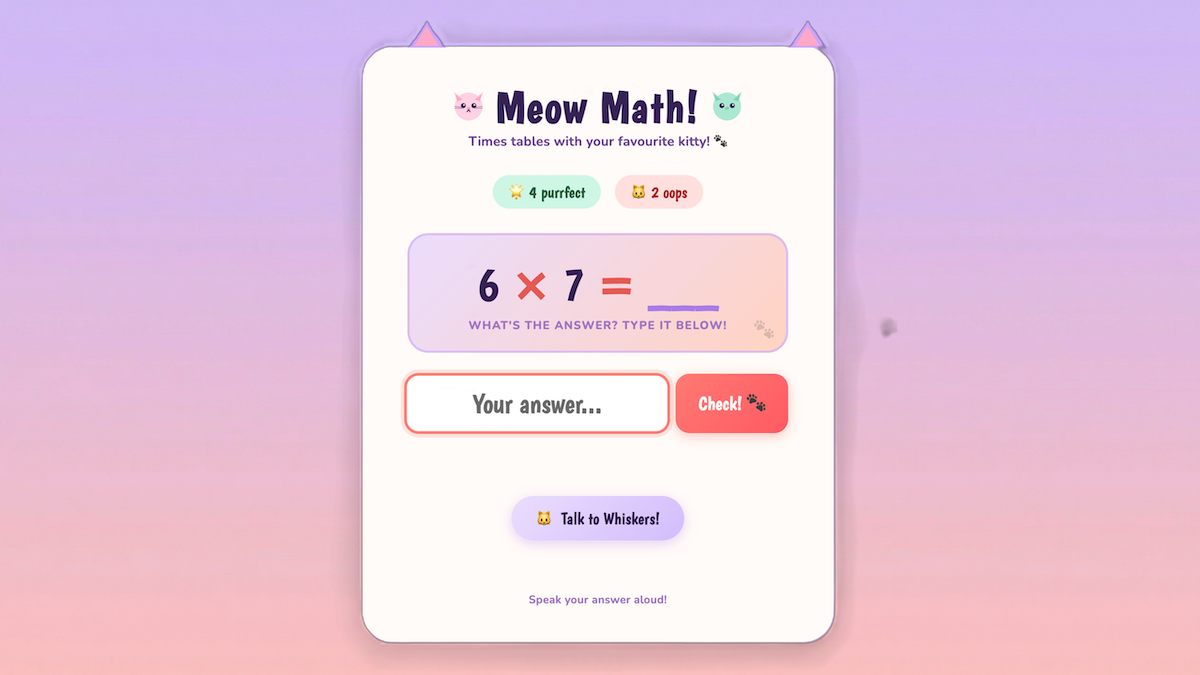
例えば、私は娘のために簡単な数学クイズアプリを作成しました。彼女はキーボードを使ってこのゲームを楽しむのが好きです(正解すると可愛い猫のグラフィックが表示されるのですが、彼女が猫を愛しているからです!🐱)。ここに音声 UI を追加し、友好的な口調で音声による出題を行い、彼女も音声で回答できるようにすれば、摩擦が取り除かれ、体験の質そのものが変化します。
話すことや聞くことは、書くことや読むことに比べて、ほとんどの人がはるかに容易だと感じています。開発者の多くは高いリテラシーを持っており(『The Batch』の読者も同様ですが)、多くの人が書くことにどれほど苦労しているかを忘れがちです。実際、子供たちは大人と過ごす時間を通じて自動的に話すことと聞くことを学びますが、明示的に教えられない限り、読むことや書くことは習得しません。過去数十年間のSF映画、例えば『スタートレック』などは、人々がキーボードを叩くのではなく、コンピュータと会話する姿をよく描いています。これは目指すべき未来のビジョンです!
 image私は、遅延(レイテンシ)と知能性の間のトレードオフについて書いてきました。核心的な問題は、音声入力・音声出力モデルは遅延が低く(これは対話において重要ですが)、制御が難しく、信頼性や知能性が低いという点にあります。一方、音声→テキスト変換 → LLM/エージェント AI → テキスト→音声変換というパイプラインは高い信頼性を提供しますが、過度な遅延を生み出します。Vocal Bridge は、ユーザーとリアルタイムで対話するフォアグラウンド・エージェントを採用することで低遅延を確保し、複雑なエージェント・ワークフローの管理、推論、ガードレールの適用、ツール呼び出しなど、高品質な回答やアクションを生成するために必要なあらゆる処理を行うバックグラウンド・エージェントを採用するという独自アーキテクチャを実装しました。
音声 UI が従来のインターフェースを完全に置き換えると私は考えていません。むしろ、マウスがキーボードを補完するように、音声 UI も既存のインターフェースを補完するものになるでしょう。周囲の人と密接に作業している場合など、特定の文脈では、ユーザーは話すよりもタイピングを選ぶはずです。しかし、音声 UI の可能性は、現在主流となっているコールセンターの自動化や、タイピングの代替手段としての利用ケースをはるかに超えています。
私の数学クイズアプリでは、アプリケーションが話しかけるだけでなく、話された(または入力された)応答に応じて画面に表示される質問やアニメーションも更新します。この多様な視覚と音声の相互作用は、多くの音声 AI 企業が注力してきた音声のみによるインタラクションよりも、はるかに豊かなユーザー体験を生み出します。
これを機能させるための鍵となるのは、UI から双方向に入力を受け取り、同時にツールを呼び出して UI を更新できるバックグラウンドエージェントループです。
音声 UI の構築は、あなたが思っているよりも簡単かもしれません。以前に作成した非音声版の数学クイズアプリから始め、Claude Code を使用して音声機能を追加するまでに、私の場合は 1 時間未満でした。
DeepLearning.AI と AI Fund が主催した最近のハッカソンでは、開発者が Vocal Bridge を活用して音声対応アプリを構築しました。そこには、がん患者向けの臨床試験マッチャーや、対話型のポートフォリオアドバイザー、既存のテキストベースエージェントのためのインタラクティブな音声レイヤーが含まれていました。
この新しい UI が可能にする創造性に私は大いに感動しました。
音声 UI は、AI アプリケーションにとって重要な構成要素となります。世界の開発者のうち、実際に音声アプリを構築したことがあるのはごく一部に過ぎないため、ここは構築のための肥沃な土壌です。アプリケーションに音声を追加してみたい方は、Vocal Bridge をこちらで無料でお試しください here。
引き続き構築を続けてください!
Andrew
DEEPLEARNING.AI からのメッセージ
私たちは AI Dev 26 のアジェンダを公開しました。Google DeepMind、Oracle、AMD などのチームによる講演、ワークショップ、デモが 2 日間にわたって開催されます。アンダーソン・エン(Andrew Ng)がホストを務めます。予定を確認し、スケジュールの作成を開始する
ニュース

Claude Code の内部
人気のあるコーディングエージェントである Claude Code の内部動作の詳細が、誰でも閲覧できるようになりました。
何が変わったか: クロードコードの Node.js パッケージの最近のバージョンに、コマンドラインインターフェース(CLI)の背後にあるコードを明らかにするキーが誤って含まれていました。ブロックチェーンスタートアップであるソレイヤー・ラボス(Solayer Labs)のインターン生、シャオ・チャオファン氏がこのコードを解読し、公開しました。エンジニアたちは急速にその秘密を解明しました。
何が起きたか: 通常、ソフトウェア企業がクローズドソースのコードを公開する際、バンドラーツールがソースファイルをスクランブル(暗号化)します。しかし、Anthropic が 3 月 30 日に Claude Code の npm レジストリにバージョン 2.1.88 を公開した際、これらのファイルを復号するための翻訳キーとして機能するソースマップファイルが含まれていました。
- Shou はソースマップを発見し、ファイルを復号化して X ソーシャルメディアネットワーク上に公開し、1,900 件のファイルにわたる 512,000 行以上のコードを露呈させました。
- Anthropic はすぐに npm レジストリおよび GitHub からパッケージを削除しましたが、すでに 40,000 回以上がフォークされていました。
- Anthropic の広報担当者はこの漏洩を確認し、「人的ミスによるリリースのパッケージ化の問題であり、セキュリティ侵害ではない」と呼び、ユーザーや顧客のデータは露呈していないと述べました。
Claude Code の仕組み: ソースコードを調査したエンジニアたちは 言う には、Claude Code はチャットボットのラッパーというよりは、むしろ小型の専用オペレーティングシステムのように構築されているとのことです。
- ファイルの読み込み、bash コマンドの実行、ウェブからの情報取得などを行う 40 種類以上の異なる各ツールは、それぞれ独自のモジュールと権限ゲートを持ち、言語モデルおよびユーザーのコンピュータから分離されています。バックグラウンドプロセスがメモリを管理し、権限ゲートによって、定義されたリソースを超えた任意コードの実行がエージェントに許可されないよう防止しています。
- Claude Code は、独自のツールセットとリソースを持つサポートエージェントとして機能する多数のサブエージェント群(スウォーム)を起動します。コントローラーエージェントがそれらの権限と下位タスクを委任します。各スウォームチームは、その行動を調整するために共通のメモリを持っています。
- Claude Code のメモリには 3 つの階層があります。(i) MEMORY.MD という名前のメモリインデックスは常に読み込まれていますが、(ii) マークダウン形式のメモリファイルへのポインタのみを含んでおり、これらは必要な場合にのみ呼び出されます。さらに、(iii) JSON 形式のトランスクリプトファイルがファイルの変更をログ記録します。これらはアクティブなコンテキストに読み込まれることはありませんが、関連する行を検索することは可能です。この 3 階層構造により、メモリの肥大化を防ぎ、無関係または不完全な情報をコンテキストウィンドウから排除し、エージェントのメモリと実際のファイル状態との間のすべての競合を解決します。
- Claude Code は、会話をコンテキスト制限内に保ちつつメモリを圧縮するために 3 つの段階からなる戦略を使用しています。(i) 最初の段階では、キャッシュされたツールの出力をローカルで切り捨てます。(ii) 2 番目の段階では、会話の長さがコンテキスト制限に近づいた際に、直近のセッションについて構造化された 20,000 トークンの要約を生成します。(iii) 3 番目の段階では、会話を全体として圧縮した上で、最近アクセスされたファイル(1 ファイルあたり最大 5,000 トークン)、アクティブな計画、および関連するスキルを追加します。
今後の機能について?:ソースマップは、Anthropic の Claude に関するいくつかの計画 も明らかにしています。例えば、公開されたビルドでは「false」にコンパイルされるフラグの背後に、いくつかの未発表機能が存在します。これは現在進行中であり、将来のリリースに含まれる可能性があることを示す兆候です。
- Kairos(ギリシャ語で「適切な時」を意味する)と呼ばれるサブシステムは、常時稼働するバックグラウンドエージェントとして動作します。そのロジックシステムである autoDream は、重複した記憶を統合し、矛盾を排除し、推測を解決し、その他にも記憶を剪定して、保存されたデータを行動に適したものにするものです。
- 他の隠された機能には、音声インターフェース、リソース集約的なタスクをクラウドへ送信するサブエージェントである Ultraplan、そしておそらくエンゲージメントを高めるためにあなたの作業にコメントする「Buddy」というペルソナが含まれています。
- Claude Code には、以前非公開だった「アンダーカバーモード」があり、これによりエージェントは、リポジトリ内で活動した痕跡や署名を残すことなく、ファイルをパブリックな git リポジトリにコミットできます。この機能は、Anthropic が未発表のパートナーと協力して高度なモデルをテストしたり、これらの活動を無意図に開示することなく作業を進めたりすることを可能にするかもしれません。
- 含まれるファイルには、Capybara というコード名を持つ Claude 4.6 のバリアントや、まだリリースされていない Numbat と呼ばれるモデルへの言及が含まれています。Capybara バージョン 8 は、約 30% の確率で誤りまたは誇張された主張を行っており、これは以前のバージョンの 16.7% を大きく上回っています。これは、最新のモデルバージョンが自制心よりも結論を飛び出すように調整されていることを示唆しています。
なぜ重要なのか: このリークは、現在利用可能な最も高度で人気のあるエージェントシステムの内部を垣間見せるものです。Claude Code がどのように動作し、今後どのように機能する可能性があるかを見ることができ、それに応じて独自のシステムを見直したり、異なる選択を行うことで製品を差別化したりできます。
私たちが考えていること: AI コミュニティは、ソフトウェアエージェントが誤ってコードベースを削除したり、プライベートファイルを公開したりする可能性について正当に懸念しています。人間も同様にできます!
 imageOpenAI は、動画市場からの突然の撤退として、その動画生成器 Sora を終了する計画です。
新着情報: OpenAI は、ChatGPT に続く注目度の高い製品として同社が大衆市場での大ヒットを期待していた Sora を廃止し、より収益性の高い投資へリソースを再配分すると発表しました。これは *The Wall Street Journal* が報じた内容です。Web およびアプリ経由でのモデルへのアクセスは 4 月 26 日に終了し、API は 9 月 24 日に閉鎖されます。Sora チームは、ワールドモデルやロボティクスなどの長期的なプロジェクトへ転向します。また、OpenAI はブラウザ、コーディングツールである Codex、および ChatGPT アプリを統合した単一のデスクトップアプリケーションの立ち上げを計画しており、これは *The Wall Street Journal* が別の 報道 で伝えています。
仕組み: Sora は、そのリアリティと視覚的品質が高く評価された最大 25 秒間の高解像度動画を生成します。ただし、各クリップの生成には数分を要し、テキストや画像を生成する場合よりもはるかに多くの処理能力が必要です。OpenAI は 2024 年 2 月にこのモデルをプレビューしました。その後、2025 年 9 月にモデルを更新し、iOS アプリを通じて利用可能にしました。
- ソラの収益の大部分は、OpenAI の有料プランへの加入者から得られています。ソラには3つのティアがあり、アプリユーザーは招待制で1日あたり約5本の10秒間の動画を無料で生成できます。ChatGPT Plus 加入者(月額20ドル)は、Sora 2 を使用して、1280x720ピクセル解像度の限られた数の15秒間クリップを生成可能です。ChatGPT Pro 加入者(月額200ドル)は、より高度な Sora 2 Pro モデルを使用して、1920x1080ピクセル解像度で最大25秒間の動画を生成できます。
- ソラは1日あたり約100万ドルの赤字を計上し続けています。その日次アクティブユーザー数は、モバイルアプリ発売直後に約100万人でピークに達しましたが、すぐにその半分未満まで減少しました。
- X(旧 Twitter)でのサービス終了発表前に、OpenAI はソラの処理リソースを、コードネーム「Spud」の新しい AI モデルの実行に転用したと報じられています。このモデルは、さまざまなコーディングおよびエンタープライズ製品を支えています。
- ソラチームは、ChatGPT 内で動画を生成する新モデルの訓練を提案していました。これはソラアプリの代替手段となる可能性があります。しかし、別の動画モデルを訓練するための高コストに直面し、同社は動画生成そのものを中止することを選択しました。
- 執筆時点において、Sora 2 Pro は Artificial Analysis のテキストから動画へのリーダーボードで19位に位置しており、ByteDance、Kling、xAI、Google による競合モデルに大きく遅れをとっています。
ニュースの背景: 2025年後半、OpenAI はソラを活用して、高名な パートナーシップ をディズニーと締結しました。OpenAI はディズニーのキャラクターをライセンスし、ディズニーの映像 footage でモデルを訓練します。一方、ディズニーは OpenAI に対して最大10億ドルを投資する計画でした。ディズニーはストリーミングサービス「Disney+」でソラ動画を表示し、ソラを活用して事前制作の可視化、マーケティングキャンペーン、特殊効果の作成を支援する予定でした。ソラのまもなく訪れる消滅により、このパートナーシップは事実上終了しています。
なぜ重要なのか: OpenAI は動画生成におけるリーダーシップを放棄し、他の企業(有力な競合他社を含む)が覇権争いを繰り広げる道を開いた。2 年前に Sora を発表した際、OpenAI はもう一つの ChatGPT のような瞬間を想定していた。自社が生み出す動画で大衆市場を沸かせ、最大限の文化的インパクトを得たいと考えていたのだ。しかし、計算が合っていなかった。動画生成はビジネスやコーディング向けのアプリケーションほど多くの有料サブスクライバーを集めず、モデルのトレーニングと実行にかかるコストは耐えられないほど大きかった。
私たちが考えること: いかに印象的な AI デモであってもリーダーシップを確立するのに十分だった時代が終焉を迎えつつある。この分野は急速に成熟しており、持続可能な価値の創出が最優先事項となりつつある。

Gemini の音楽生成機能
Google は Gemini と YouTube に音楽生成機能を追加し、合成楽曲を生成するモデルを数億人のユーザーの前に置いた。
新着情報: Lyria 3 は、テキストの説明または画像を入力として受け取り、楽器、歌唱声、そして複数の言語による歌詞を含む 30 秒間のオーディオクリップを生成します。Google は、モデルの出力が著作権法に違反しないようにするために措置を講じました:トレーニングデータのライセンス取得、著作権作品との類似性に基づく出力のフィルタリング、およびアーティストの音響的類似性の再生回避です。
- 入力/出力:テキストを入力すると、音声(30 秒)とテキスト(歌詞)が出力されます。Gemini アプリは画像や動画を入力として受け付け、それらをテキストに変換して Lyria 3 に渡します。
- アーキテクチャ:潜在拡散モデル
- 機能:ユーザーは楽器編成、スタイル、時代、ボーカルスタイル、テンポ、ダイナミクスを指定できます。歌詞は 8 カ国語(英語、ドイツ語、スペイン語、フランス語、ヒンディー語、日本語、韓国語、ポルトガル語)に対応。カバーアートは Google の画像生成器「Nano Banana」が作成。形式は MP3(音声)および MP4(カバーアート付き動画)。出力には透かしが埋め込まれます。
- パフォーマンス:Google が実施した人間による評価と自動評価の両方で、Lyria 3 は前世代の Lyria 2 を上回り、音声品質とプロンプトへの準拠性の面で優れた結果を示しました。
- 利用状況:Gemini アプリの利用者で 18 歳以上は無料で利用可能。Google AI Plus、Pro、Ultra のサブスクライバーは利用制限が緩和されます。また、YouTube Shorts の動画サウンドトラック生成ツール「Dream Track」を利用するユーザーも無料です。
- 非公開情報:アーキテクチャの詳細、パラメータ数、トレーニングデータおよび手法については非公表です。
仕組みについて: Google は Lyria 3 のアーキテクチャとトレーニングに関する詳細をハイレベルの概要のみ開示しました。純粋なノイズの埋め込み表現からノイズを除去して画像を生成する潜在拡散型画像生成器と同様に、Lyria 3 も特定の時間スライスにおいて音声の表現からノイズを除去します。本稿では以前、Stability.AI が開発した音声拡散プロセスや、Google の以前のテキストから音楽を生成する方法である MusicLM についても言及しました。
- Lyria 3 は、テキストキャプションを詳細度の異なるレベルで注釈付けされた音声データを用いてトレーニングされ、品質、重複、安全性の観点からフィルタリングされています。Google は Lyria 3 のトレーニングデータをライセンス取得しましたが、これは著作権のある録音に許可なく基づいてトレーニングされたと報じられている Lyria 2 に続く大きな変更です。
- このモデルは、事前学習(pretraining)、教師あり微調整(supervised fine-tuning)、人間のフィードバックからの強化学習(reinforcement learning from human feedback)の 3 つのフェーズを経てトレーニングされました。
- Lyria 3 は SynthID という隠し透かしを出力に付与し、合成メディアであることを識別します。ユーザーは Gemini アプリに音声ファイルをアップロードして、それが Google のモデルによって生成されたかどうかを確認できます。
- プロンプトで特定のミュージシャンが言及された場合、モデルはそのアーティストの声や音声を複製することなく、類似したスタイルの音楽を生成します。Google は著作権違反を避けるために既存の楽曲と出力を比較すると述べていますが、このアプローチには欠陥があることを認め、知的財産権を侵害する可能性のある出力についてはユーザーからの報告を呼びかけています。
Behind the news: Lyria 3 の登場は、AI 音楽生成器の開発者に対する著作権違反容疑での激しい訴訟が行われている音楽業界の状況下でなされました。主要な音楽生成器である Suno と Udio はもはやゼロから音楽を生成しなくなっており、Google がその数を減らしつつある開発者の一人となっています。
- 2024 年 6 月、世界最大の音楽企業であるソニー・ミュージック、ユニバーサル・ミュージック・グループ(UMG)、ワーナー・ミュージックは、ウェブベースの音楽生成サービスを提供する Suno と Udio を著作権侵害で提訴しました。2025 年後半、被告側はユニバーサル・ミュージック・グループと和解し、既存のライセンス取得済み録音を変更することに重点を置いたサービスへと変更しました。ソニーによる訴訟は現在も進行中です。
- Google は音楽業界からの圧力に対応するため、プロフェッショナルな音楽制作向けに設計されたモデルの探索を進めました。2025 年春には、生成される音楽に対するより細かな制御を可能にする「Music AI Sandbox」、「MusicFX DJ」、および「Lyria RealTime」を発表しました。Lyria 3 の発表から数日後、Google はかつて Riffusion と呼ばれていたプロフェッショナル制作ツール「ProducerAI」を買収しました。
なぜ重要なのか: 音楽生成は、大規模で強力な既存企業が支配するエンターテインメント業界において自らの地位を確立しつつあります。Lyria 3 は、Gemini ユーザーの 7.5 億人以上(750 million)の前に登場し、現在の Suno のユーザーベース(有料サブスクリプションが約 200 万人 around two million)や Udio のユーザーベース(月間約 330 万人 [around 3.3 million])を圧倒する規模です。Suno や Udio が世界最大のレコード会社から標的にされた方向性であるオリジナル音楽の生成を継続しつつも、著作権保持者を刺激しないよう、ライセンス取得済み音楽でのトレーニングなどのセーフガードを追加しています。
私たちが考えていること: 音楽生成器は印象的で多用途、驚くほど人間らしい出力を生み出しますが、生成された音楽が「ChatGPTの瞬間」を迎えるのをまだ待っている状態です。例えば、YouTube クリップのプロデューサーが事前録音素材ではなく Lyria 3 をますます利用するようになれば、静かにその瞬間が訪れるかもしれません。

推論時の長文コンテキストの学習
大規模言語モデル(LLM)は通常、処理するコンテキストが長くなるほど精度が低下し、速度も遅くなります。しかし研究者たちは、コンテキストが拡大しても精度を安定させ、推論時間を一定に保つ LLM を実現しました。
新しい動き: 非営利団体 Astera Institute の Arnuv Tandon と Karan Dalal、そして同僚たち(Nvidia、スタンフォード大学、カリフォルニア大学バークレー校、カリフォルニア大学サンディエゴ校)が、推論中にトレーニングを行うことでコンテキストをトランスフォーマーの重みに圧縮する手法 Test-Time Training, End-to-End(TTT-E2E)を発表しました。
重要な洞察: トランスフォーマーアーキテクチャに基づく大規模言語モデル(LLM)は、次の出力トークンを生成するために、これまでのすべての入力および出力トークンを含む文脈全体に注意を向けます。その結果、新しい出力トークンを生成するたびに処理量が増加し、推論が高価で遅くなる可能性があります。文脈全体に注意を向けるのではなく、トランスフォーマーは固定サイズの小さなウィンドウへの注意を制限することで、各出力トークンの生成に必要な時間を一定に保ちつつ、重み(weights)を更新して文脈から学習することができます。
仕組み: 著者らは、スライディングウィンドウアテンション を実装した 30 億パラメータのトランスフォーマーを構築しました。これは、アテンション(注意機構)を固定された 8,000 トークンのウィンドウに制限するものです。このモデルは、ウェブからスクレイピングされたテキストをフィルタリングした データセット から抽出された 8,000 トークンのシーケンスで事前学習され、合計 1,640 億トークンに相当します。より長いコンテキストを追跡可能にするため、著者らは The Pile の「Books」サブセットから抽出された最大 128,000 トークンのシーケンスでファインチューニングを行いました。著者らはメタラーニング(学習の学習)と呼ばれる手法を採用しました。具体的には、推論時に提供される入力からどのように学習するかをモデル自身が学ぶというアプローチです。
- トレーニングとファインチューニングは、2 つのループ(一方を内側ループ、他方を外側ループと呼ぶ)で構成される二重構造で行われました。内側ループは推論時に文脈の一部を学習する様子をシミュレーションし、外側ループはその学習後のモデルのパフォーマンスを評価し、それに応じて重みを調整しました。
- 内側ループでは、トレーニングシーケンスを連続した 1,000 トークンのチャンクに分割します。各チャンクについて、モデルはスライディングウィンドウアテンション(sliding-window attention)を用いて、(i) トークンを順次予測し、(ii) 典型的な次のトークン予測損失を計算し、(iii) その損失に基づき、ネットワークの最後の四分の一に位置する全結合層における重みの更新方法を算出します。その結果、1,000 トークンごとに 1 つずつ、一連の重み更新が生成されます。
- 外側ループでは、これらのシミュレーションされた重み更新を用いて、更新後の平均的な次のトークン予測損失を計算します。そして、シミュレーションされた重み更新のシーケンスを通じて逆伝播を行い、モデル全体の重みを更新しました。(このプロセスは勾配の勾配を計算する必要があったため、トレーニング時間を増加させました。)
- 推論時には、モデルは内側ループに従います。入力文脈をチャンクに分割し、各チャンクで次のトークン予測損失を計算して、ネットワークの最後の四分の一にある全結合層のみを更新します。その後、新しいトークンを生成します。(推論では内側ループのみが使用されるため、外側ループのトレーニングプロセスに必要な追加時間は不要であり、文脈長に関わらず処理時間は一定でした。)
結果: 著者らは、TTT-E2E を従来のアテンションを持つトランスフォーマーや、Mamba 2(リカレントニューラルネットワーク様式のモデル)や Gated DeltaNet(カスタム形式の線形アテンションを使用)といった極めて効率的なアーキテクチャと比較しました。その精度は、長い文脈においてトランスフォーマーをわずかに上回りましたが、「Haystack の針」タスク(長い文脈から短いターゲット文字列を復元するタスク)を除きますでした。また、文脈が成長しても、より効率的なアーキテクチャと同様に高速に出力トークンを生成しました。その卓越した推論速度は、より遅く複雑なトレーニングプロセスという代償を伴うものでした。
- TTT-E2E は、次単語予測の損失に基づくと、短いコンテキストから長いコンテキストにかけて、バニラ型トランスフォーマー(vanilla transformer)よりもわずかに高いパフォーマンスを示しました。バニラ型トランスフォーマーは、8,000 トークンから 128,000 トークンの範囲のコンテキスト長全体で、平均して損失が 0.01 高くなりました。Mamba 2 と Gated DeltaNet の損失は、依然として 0.03 高いままでした。TTT-E2E は、短いコンテキストを処理する際には Needle-in-a-Haystack(NIAH)タスクにおいてこれらのモデルと同等の性能を発揮しましたが、8,000 トークンを過ぎるとそのパフォーマンスが劇的に低下しました。例えば、128,000 トークンでは、TTT-E2E は 6 パーセントに留まり、Mamba 2(7 パーセント)や Gated DeltaNet(7 パーセント)を下回り、バニラ型トランスフォーマー(99 パーセント)からははるかに遠い結果となりました。
- TTT-E2E は、長いコンテキストの処理速度においてバニラ型トランスフォーマーよりも速く、Mamba 2 や Gated DeltaNet とほぼ同等でした。H100 GPU で実行した場合、TTT-E2E の最初のトークンを生成するまでの時間は、コンテキストが 8,000 トークンから 128,000 トークンに増加するにつれて、1,000 トークンあたり 25 ミリ秒ずつ線形的に増加しました。一方、バニラ型トランスフォーマーの最初のトークンを生成するまでの時間は、同じコンテキスト範囲で 1,000 トークンあたり 12 ミリ秒から 70 ミリ秒へと増加しました。
- TTT-E2E のトレーニングレイテンシ(モデル更新を処理して実行するのに要する時間)、つまり 1,000 トレーニングトークンあたりの時間は、Mamba 2 や Gated DeltaNet を上回りました。TTT-E2E のトレーニングレイテンシは、8,000 トレーニングトークンの場合約 0.25 秒から、128,000 トレーニングトークンの場合約 0.33 秒へと上昇しました。対照的に、Mamba 2 と Gated DeltaNet は約 0.06 秒でほぼ一定でした。8,000 トレーニングトークンの場合、バニラ型トランスフォーマー(0.08 秒)は 4 倍速くトレーニングを行いました。128,000 トークンではこの関係が逆転し、バニラ型トランスフォーマー(0.39 秒)は約 1.2 倍遅くなりました。
なぜ重要なのか: インファレンスでの学習は、カスタムアテンションメカニズムや再帰的アーキテクチャを設計するよりも単純な、長いコンテキスト処理へのアプローチを提供します。この研究は、トレーニングとインファレンスの間のトレードオフとして問題を捉え直しました:インファレンスでの処理はトークンあたりのコストが低く一貫性がありますが、トレーニングはより遅くなります。
私たちが考えていること: このモデルは、「学び続けよう」という私たちの言葉に心から応えてくれました。
原文を表示
Dear friends,
Voice-based AI that you can talk to is improving rapidly, yet most people still don’t appreciate how pervasive voice UIs (user interfaces) will become. Today, we use a keyboard and mouse to control most desktop and web applications. In the future, I hope we will be able additionally to talk to many of these applications to steer them. I’m particularly excited about the work of Vocal Bridge (an AI Fund portfolio company), where CEO Ashwyn Sharma is leading the way to provide developer tools that enable this.
Every significant UI change has spawned many new applications as well as allowed us to upgrade existing ones. The mouse made point-and-click possible. Touch and swipe gestures enabled new classes of mobile apps. Until recently, voice UIs suffered from high error rates and/or latency, but as they become more reliable, they will open up many new applications.
For instance, I had built a simple math-quiz application for my daughter. She has enjoyed using the keyboard to play this game (which shows a cute cat graphic on right answers because she loves cats! 🐱). Adding a voice UI, so it quizzes her verbally in a friendly way and she can respond verbally, removes friction and changes how the experience feels.
The vast majority of people find speaking and listening much easier than writing and reading. Because most developers are highly literate (and so are readers of *The Batch*), it’s easy to forget how hard many people find writing. Indeed, children who spend time with adults will automatically learn to speak and listen, but unless they are taught explicitly, they will not learn to read or write. Sci-fi movies from the past few decades, like *Star Trek*, frequently imagine people speaking with computers rather than typing at them. This is a vision of the future worth building toward!
I’ve written about the tradeoff between latency and intelligence. The core problem is that while voice-in-voice-out models have low latency (which is important for verbal communications), they are hard to control and suffer from low reliability/intelligence. In comparison, a pipeline for Speech-to-text → LLM/Agentic AI → Text-to-speech gives high reliability but introduces excessive latency. Vocal Bridge implemented a custom architecture that uses a foreground agent to converse with the user in real time — thus ensuring low latency — and a background agent to manage a complex agentic workflow, reason, apply guardrails, call tools, and whatever else is needed to produce high-quality answers and actions — thus ensuring high intelligence.
I don't expect voice UIs to completely replace older interfaces. Instead, they will complement them, just as the mouse complements the keyboard. In some contexts, such as when working in close proximity to others, users will prefer to type rather than speak. But the potential for voice UIs goes well beyond the currently dominant use cases of automating call centers and providing an alternative to typing. In my math-quiz app, the application can speak and also update the questions and animations shown on the screen in response to spoken (or typed) inputs. This multimodal visual+voice interaction creates a much richer user experience than the voice-only interactions that many voice AI companies have focused on. One key to making it work is a background-agent loop that can bidirectionally receive input from the UI as well as call tools to update the UI.
Building voice UIs is probably easier than you think. Starting from an earlier, non-voice version of my math-quiz app, using Claude Code, it took me less than an hour to add voice capabilities. At a recent hackathon hosted by DeepLearning.AI and AI Fund, developers built voice-powered apps with Vocal Bridge including a clinical trial matcher for cancer patients, a conversational portfolio advisor, and interactive voice layers for existing text-based agents. I was delighted at the creativity that this new UI enables.
Voice UIs will be an important building block for AI applications. Only a minuscule fraction of the world's developers have ever created a voice app, so this is fertile ground for building. If you’d like to try adding voice to an application, try out Vocal Bridge for free here.
Keep building!
Andrew
A MESSAGE FROM DEEPLEARNING.AI
We just released the AI Dev 26 agenda! Hear from teams at Google DeepMind, Oracle, AMD, and more across two days of talks, workshops, and demos—hosted by Andrew Ng. See what’s planned and start mapping your schedule
News
Inside Claude Code
The inner workings of the popular coding agent Claude Code are available for all to see.
What’s new: A recent version of Claude Code’s Node.js package accidentally included a key that revealed the code behind its command-line interface. Chaofan Shou, an intern at the blockchain startup Solayer Labs, unlocked the code and published it. Engineers rapidly deciphered its secrets.
What happened: Typically, when a software company publishes closed-source code, a bundler tool scrambles the source files. But when Anthropic published version 2.1.88 to Claude Code’s npm registry on March 30, it included a source map file that serves as a translation key to decode the files.
- Shou discovered the source map, decoded the files, and published them on the X social media network, exposing over 512,000 lines of code across 1,900 files.
- Anthropic promptly removed the package from the npm registry and GitHub. However, it had already been forked more than 40,000 times.
- An Anthropic spokesperson confirmed the leak, calling it “a release packaging issue caused by human error, not a security breach,” and stated that no user or customer data was exposed.
How Claude Code works: Engineers who studied the source code say Claude Code is built less like a chatbot wrapper and more like a small, dedicated operating system.
- Each of more than 40 different tools (that read files, execute bash commands, fetch information from the web, and the like) have their own modules and permission gates, separating them from both the language model and the user’s computer. Background processes manage memory, and the permission gates prevent the agent from running arbitrary code beyond defined resources.
- Claude Code spawns swarms of subagents that act as support agents with their own tool sets and resources. A controller agent delegates their permissions and subtasks. Each swarm team has a common memory to help coordinate its actions.
- Claude Code’s memory has three tiers. (i) A memory index called MEMORY.MD is always loaded but contains only pointers to (ii) Markdown memory files, which are called only when needed. In addition, (iii) JSON transcript files log file changes. These are not loaded into active context, but they can be searched for relevant lines of text. This three-tiered structure prevents memory bloat, keeps irrelevant or incomplete information out of the context window, and resolves all conflicts between the agent’s memory and the actual state of a file.
- Claude Code uses a three-stage strategy to compress memories and keep conversations within the context limit. (i) The first truncates cached tool outputs locally. (ii) The second generates a structured, 20,000-token summary of the most recent session when a conversation approaches the context limit. (iii) The third compresses the entire conversation, then adds recently accessed files (up to 5,000 tokens per file), active plans, and relevant skills.
Future capabilities?: The source map also reveals some of Anthropic’s possible plans for Claude. For instance, several undisclosed features sit behind flags that compile to “false” in the published build, a sign that they are currently in-progress and may be included in a future release.
- A subsystem called Kairos (Greek for timely) would run as an always-on background agent. Its logic system, called autoDream, merges duplicate memories, eliminates contradictions, resolves speculations, and otherwise prunes memory to make stored data more suitable for action.
- Other hidden features include a voice interface, a subagent called Ultraplan that sends resource-intensive tasks to the cloud, and a persona called Buddy comments on your work, presumably to boost engagement.
- Claude Code has a previously undisclosed “undercover mode” that allows the agent to commit files to public git repositories without leaving a signature or other sign that it has been active in a repository. This feature may enable Anthropic to test advanced models and work with partners that have not been announced publicly without inadvertently disclosing such activities.
- The files include references to a Claude 4.6 variant code named Capybara and an unreleased model called Numbat. Capybara version 8 makes false or exaggerated claims around 30 percent of the time, well above an earlier version’s 16.7 percent, suggesting the latest version of the model is tuned to jump to conclusions rather than show restraint.
Why it matters: The leak offers a peek under the hood of one of the most advanced and popular agentic systems available. We can see how Claude Code works and how it may work in the near future, revise our own systems to match, or differentiate our products by making different choices.
We’re thinking: The AI community is rightly concerned that software agents can inadvertently delete codebases or publish private files. Humans can, too!
OpenAI plans to shut down its video generator Sora in a sudden retreat from the video market.
What’s new: OpenAI will discontinue Sora, a high-profile follow-up to ChatGPT that the company had hoped would become another mass-market sensation, to reallocate resources to more profitable investments, *The Wall Street Journal* reported. Access to the model via web and app will end on April 26, and the API will close on September 24. The Sora team will be redirected to longer-term projects such as world models and robotics. In addition, OpenAI will consolidate its browser, the coding tool Codex, and the ChatGPT app into a single desktop application, *The Wall Street Journal* wrote in a separate report.
How it works: Sora produces high-definition videos of up to 25 seconds long that earned acclaim for their realism and visual quality. However, generating each clip takes minutes and requires a much larger amount of processing power than producing text or images. OpenAI previewed the model in February 2024. It updated the model and made it available via an iOS app in September 2025.
- The bulk of Sora’s revenue comes from subscribers to OpenAI’s paid plans. Sora is available in three tiers: Users of the app could generate about five free 10-second videos a day (by invitation only). ChatGPT Plus subscribers ($20 monthly) can use Sora 2 to generate a limited number of 15-second clips in 1280x720-pixel resolution. ChatGPT Pro subscribers ($200 monthly) can use the more-advanced Sora 2 Pro model to generate videos up to 25 seconds long in 1920x1080-pixel resolution.
- Sora has been losing roughly $1 million a day. Its number of daily active users peaked at around 1,000,000 shortly after the mobile app’s launch but soon fell to less than half that amount.
- Before announcing the shutdown on the X social network, OpenAI reportedly diverted Sora’s processing resources to running a new AI model, code named Spud, that powers various coding and enterprise products.
- The Sora team had proposed training a new model that would generate videos within ChatGPT, possibly as an alternative to the Sora app. Faced with the high cost of training another video model, the company chose to cancel video generation altogether.
- As of this writing, Sora 2 Pro places 19th on Artificial Analysis’ text-to-video leaderboard, well behind competing models by ByteDance, Kling, xAI, and Google.
Behind the news: In late 2025, OpenAI took advantage of Sora to form a high-profile partnership with Disney. OpenAI would license Disney characters and train its models on Disney footage, and Disney would invest up to $1 billion in OpenAI. Disney planned to show Sora videos on its streaming service Disney+ and use Sora to help create pre-production visualizations, marketing campaigns, and special effects. With Sora’s impending demise, the partnership is effectively over.
Why it matters: OpenAI has surrendered leadership in video generation, clearing the way for other companies — among several strong contenders — to vie for dominance. When it launched Sora two years ago, OpenAI envisioned another ChatGPT moment. It wanted its generated videos to thrill the mass market and achieve maximum cultural impact. But the arithmetic didn’t make sense. Video generation didn’t attract as many paid subscribers as applications for business and coding, and the costs of training and running video models proved too great to bear.
We’re thinking: The era in which an AI demo — however impressive — is sufficient to establish leadership may be drawing to a close. The field is maturing rapidly, and creating sustainable value is becoming a top priority.
Gemini’s Music Generator
Google added a music generator to Gemini and YouTube, putting a model that produces synthetic songs in front of hundreds of millions of users.
What’s new: Lyria 3 takes text descriptions or images and generates 30-second audio clips that can include instruments, singing voices, and song lyrics in several languages. Google took measures to ensure that the model’s output doesn’t violate copyrights: licensing its training data, filtering outputs for similarity to copyrighted works, and avoiding reproduction of an artist’s sonic likeness.
- Input/output: Text in, audio (30 seconds) and text (lyrics) out; the Gemini app accepts images and videos as input, converts them to text, and passes to Lyria 3
- Architecture: Latent diffusion model
- Features: Users can specify instrumentation, style, era, vocal style, tempo, and dynamics; song lyrics in eight languages (English, German, Spanish, French, Hindi, Japanese, Korean, and Portuguese); cover art produced by Nano Banana, Google's image generator; MP3 (audio) and MP4 (video with cover art) format; watermarked output
- Performance: In human and automated evaluations conducted by Google, Lyria 3 outperformed its predecessor, Lyria 2, with respect to audio quality and prompt adherence
- Availability: Free to users of Gemini app 18 years and older with higher usage limits for subscribers to Google AI Plus, Pro, and Ultra; free to users of YouTube Shorts via the video soundtrack generation tool Dream Track
- Undisclosed: Architecture, parameter count, training data and methods
How it works: Google disclosed only a high-level overview of Lyria 3’s architecture and training. Like latent diffusion image generators, which produce images by removing noise from embeddings of pure noise, Lyria 3 removes noise from representations of audio during a given slice of time. The Batch previously described an audio diffusion process developed by Stability.AI as well as Google’s earlier MusicLM music generation method.
- Lyria 3 was trained on audio annotated with text captions at varying levels of detail and filtered for quality, duplicates, and safety. Google licensed Lyria 3’s training data, a significant change after Lyria 2, which reportedly was trained on recordings under copyright without authorization.
- The model underwent three phases of training: pretraining, supervised fine-tuning, and reinforcement learning from human feedback.
- Lyria 3 marks its output with SynthID, a hidden watermark that identifies synthetic media. Users can upload audio files to the Gemini app to check whether they were generated by a Google model.
- If a prompt mentions a specific musician, the model will generate music in a similar style without replicating the artist’s voice or sound. Google said it compares outputs with existing music to avoid copyright violations, but acknowledged the approach is fallible and invites users to report outputs that may violate intellectual-property rights.
Behind the news: Lyria 3 arrives as the music industry is aggressively prosecuting developers of AI music generators for alleged copyright violations. The leading music generators, Suno and Udio, no longer generating music from scratch, leaving Google among a dwindling number of developers that do.
- In June 2024, Sony Music, Universal Music Group (UMG), and Warner Music, the world’s three largest music companies, sued Suno and Udio, which offer web-based music generators, for alleged copyright violations. In late 2025, the defendants settled with Universal Music Group and changed their services to emphasize altering existing, licensed recordings rather than generating new music. Sony’s lawsuit remains in progress.
- Google responded to music-industry pressure partly by exploring models geared for professional music production. In spring 2025, it introduced Music AI Sandbox, MusicFX DJ, and Lyria RealTime, which enable more fine-grained control over generated music. Days after launching Lyria 3, Google acquired another professional production tool, ProducerAI, formerly known as Riffusion.
Why it matters: Music generation is finding its place in an entertainment industry dominated by large, powerful incumbents. Lyria 3 puts it in front of more than 750 million Gemini users, dwarfing the current user bases of Suno (around two million paid subscribers) and Udio (around 3.3 million monthly users). It continues to produce original music — the direction that put Suno and Udio in the crosshairs of the world’s biggest recording companies — but adds safeguards, such as training on licensed music, to avoid aggravating copyright holders.
We’re thinking: Music generators produce impressive, versatile, surprisingly human-like output, yet we’re still waiting for generated music to have its ChatGPT moment. It may happen quietly as, say, producers of YouTube clips increasingly use Lyria 3 rather than pre-recorded sources.
Learning Long Context at Inference
Large language models typically become less accurate and slower when they process longer contexts, but researchers enabled an LLM to keep accuracy stable and inference time constant as its context grew.
What’s new: Arnuv Tandon, Karan Dalal, and colleagues at the nonprofit Astera Institute, Nvidia, Stanford, UC Berkeley, and UC San Diego introduced Test-Time Training, End-to-End (TTT-E2E), a method that compresses context into a transformer’s weights by training it during inference.
Key insight: LLMs built on the transformer architecture attend to the entire context (all tokens input and output so far) to generate the next output token. Thus, generating each new output token takes more processing than the last, potentially making inference expensive and slow. Instead of attending to the entire context, a transformer can restrict attention to a smaller window of fixed size — which keeps the time required to generate each output token constant — and learn from the context by updating its weights.
How it works: The authors built a 3 billion-parameter transformer that implemented sliding-window attention, which restricted attention to a fixed window of 8,000 tokens. They pretrained the model on sequences of 8,000 tokens — 164 billion tokens total — drawn from a filtered dataset of text scraped from the web. To enable it to track longer contexts, they fine-tuned it on sequences of up to 128,000 tokens drawn from the Books subset of The Pile. The authors used a form of meta-learning, or learning how to learn; in this case, the model learns how to learn from input provided at inference time.
- Training and fine-tuning took place in two loops, one (which we’ll call the inner loop) encompassed by the other (the outer loop). The inner loop simulated learning a chunk of context at inference, and the outer cycle evaluated how well the model would perform after that learning and adjusted the weights accordingly.
- The inner loop took a training sequence and split it into consecutive chunks of 1,000 tokens. For each chunk, the model used sliding-window attention to (i) predict each token in turn, (ii) compute a typical next-token prediction loss, and (iii) use the loss to compute how the weights should change in the fully connected layers of the last quarter of the network. The result was a sequence of weight updates, one for every 1,000 tokens.
- The outer loop used these weight updates to compute the average next-token prediction loss after the simulated weight updates. It backpropagated through the sequence of simulated weight updates and updated the entire model’s weights. (This process increased training time, because it required computing gradients of gradients.)
- During inference, the model followed the inner loop. It split the input context into chunks, calculated the next-token prediction loss on the chunks, and updated only the fully connected layers in the last quarter of the network. Then it generated new tokens. (Since inference used only the inner loop, it didn’t need the increased time required in the outer-loop training process, so processing time was constant regardless of the context length.)
Results: The authors compared TTT-E2E to a transformer with conventional attention as well as highly efficient architectures such as Mamba 2 (a recurrent neural network-style model) and Gated DeltaNet (which uses a custom form of linear attention). Its accuracy slightly exceeded that of the transformer over long contexts — except on Needle-in-a-Haystack, which involves recovering a short target string from a long context — and it generated output tokens as rapidly as the more-efficient architectures as context grew. Its exceptional inference speed came at the cost of slower and more complex training.
- TTT-E2E demonstrated very slightly higher performance than a vanilla transformer from short to long contexts, judging by next-token prediction loss. The vanilla transformer had an average loss of 0.015 higher across context lengths from 8,000 to 128,000 tokens. Mamba 2’s and Gated DeltaNet’s losses were still 0.03 higher. TTT-E2E matched those models on Needle-in-a-Haystack (NIAH) when processing shorter contexts, but its performance dropped dramatically after 8,000 tokens. For example, at 128,000 tokens, TTT-E2E (6 percent) fell below Mamba 2 (7 percent) and Gated DeltaNet (7 percent), and far below the vanilla transformer (99 percent).
- TTT-E2E processed long contexts faster than the vanilla transformer, roughly on par with Mamba 2 and Gated DeltaNet. Running on an H100 GPU, TTT-E2E’s time to generate its first token increased linearly by 25 milliseconds per 1,000 tokens as the context increased from 8,000 to 128,000 tokens. The vanilla transformer’s time to first token increased from 12 to 70 milliseconds per 1,000 tokens from 8,000 to 128,000 tokens.
- TTT-E2E’s training latency, or the time it took to process and execute model updates per 1,000 training tokens, exceeded that of Mamba 2 and Gated DeltaNet. TTT-E2E’s training latency rose from about 0.25 seconds given 8,000 training tokens to around 0.33 seconds given 128,000 training tokens. In contrast, Mamba 2 and Gated DeltaNet remained roughly constant at about 0.06 seconds. Given 8,000 training tokens, the vanilla transformer (0.08 seconds) trained four times faster. At 128,000 tokens that relationship flipped: vanilla transformer (0.39 seconds) trained about 1.2 times slower.
Why it matters: Learning at inference offers an approach to processing long contexts that’s simpler than designing custom attention mechanisms or recurrent architectures. This work reframes the problem as a trade-off between training and inference: Processing at inference is less expensive and more consistent per token, but training is slower.
We’re thinking: This model took it to heart when we said: Keep learning!
News to Guide
ニュースの次に確認する
発表内容を、現在の料金や仕様と照らし合わせられる関連ガイドです。
今日のまとめ
AIデイリーブリーフで今日の重要ニュースをまとめ読み