ペンタゴンがアントロピックに脅しをかけているのは誤りだ
本文の状態
日本語全文を表示中
詳細モードで約9分の本文を読めます。
同じ出来事の情報源
この情報源を基点に整理
Understanding AI
米国防総省は2024年末からアントロピックのモデルを機密作業に承認し、6月には国家安全保障向け「Claude Gov」を発表。7月には2億ドルの契約を締結したが、軍事利用に制限を設けている。ペンタゴンの脅しは誤りである。
Continue in AI NEW LAB
このニュースを、実務の判断につなげる
AI NEW LABで、試したことや先に確認したい条件を共有できます。まずはログインなしで読めます。
AI NEW LABで論点を見るSource Article
元記事を日本語で読む
本文に関係しない購読案内、埋め込み通知、サイト内プロモーションは除いています。
2024 年後半以降、Palantir と Amazon との提携により、Anthropic のモデルは機密を扱う米国政府の仕事に承認されるようになりました。6 月には、国家安全保障用途向けに最適化された Claude の特別版「Claude Gov」が発表されました。Anthropic は 7 月に国防総省と 2 億ドルの契約を締結しています。
Claude Gov は通常の Claude バージョンよりもガードレール(安全装置)が少ないものの、契約には軍事利用に関するいくつかの制限も設けられています。これには、アメリカ人をスパイするために Claude を使用することや、人間の監督なしに人々を殺す兵器を構築するために使用することが禁止されています。
火曜日、ペティ・ヘグセット国防長官は Anthropic の CEO ダリオ・アモデイをペンタゴンに呼び出し、これらの制限の放棄を要求しました。Anthropic が金曜日までに応じない場合、ペンタゴンは 2 つの方法のいずれかで報復すると脅しています。
1 つの選択肢は、国防生産法(Defense Production Act)を発動することです。これは朝鮮戦争時代の法律で、軍が民間企業の施設を徴用することを可能にします。ドナルド・トランプ大統領はこの国防生産法を使用して Anthropic の契約条件の変更を強制できるかもしれません。あるいは、さらに一歩踏み出すことも考えられます。ある国防総省の関係者が Axios に対して、「政府は『あらゆる安全装置なしで、Anthropic に自社のモデルをペンタゴンのニーズに合わせて適応させる』ことを試みるかもしれない」と語ったと報じられています。
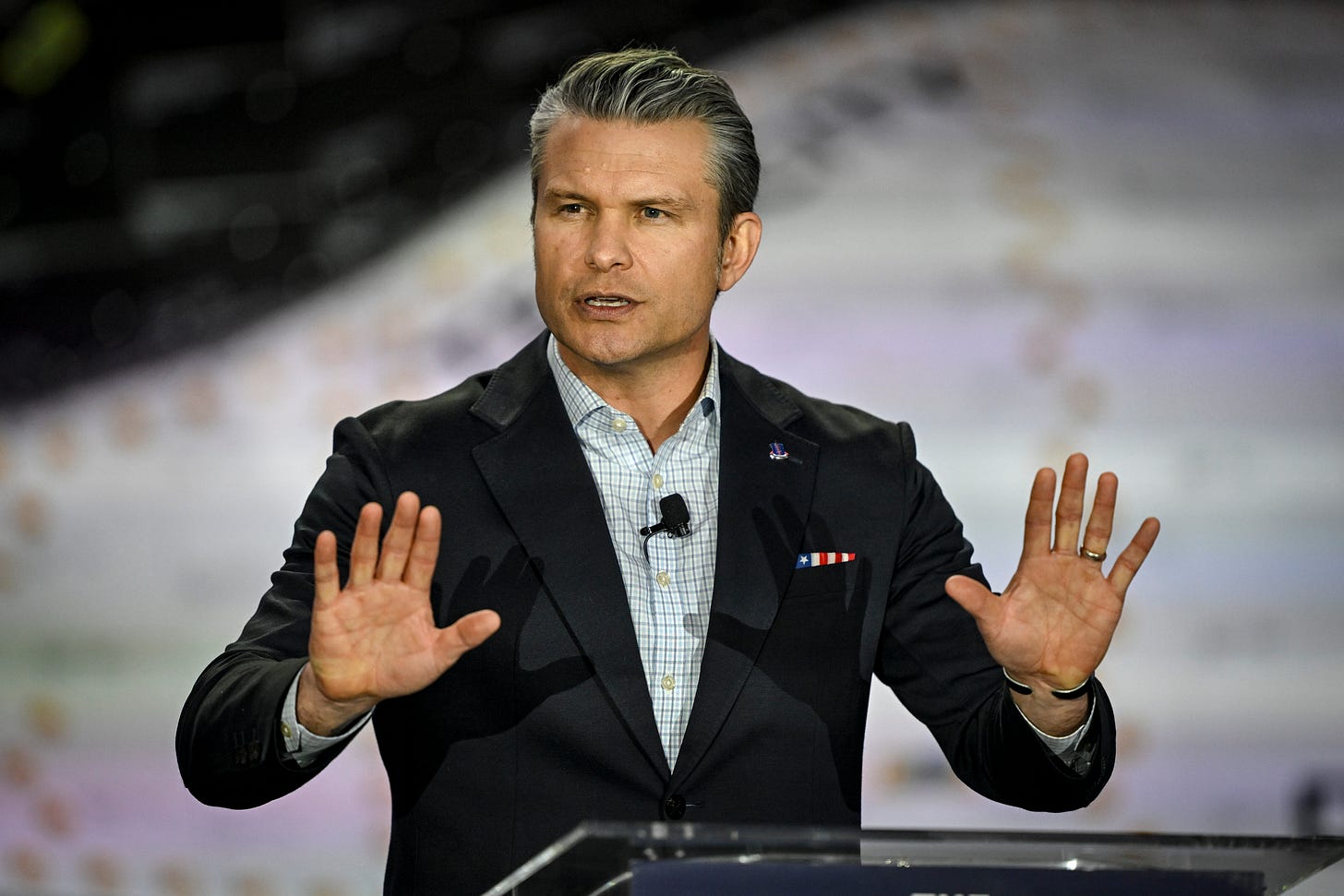
国務長官ピート・ヘグセス氏。(写真:AAron Ontiveroz/ザ・デンバー・ポスト)
別の脅威として、Anthropic をサプライチェーンリスクと宣言するというものがあります。これは通常、米国をスパイしている疑いのある外国企業に対して講じられる措置です。このような指定は、米国の政府機関が Claude の使用を禁止するだけでなく、多数の政府契約業者に対し Anthropic モデルの使用中止を強いることにもなりかねません。
ペンタゴンのスポークスマンは木曜日のツイートで、この二つ目の脅威を再確認しました。
「いかなる企業も、我々が運用上の決定を下す際の条件を決定させることは許さない」とSean Parnell氏は書き込みました。彼はAnthropicに対し、「金曜日午後5時1分(東部時間)までに決断するよう警告します。そうでなければ、Anthropicとのパートナーシップを終了し、同社をサプライチェーンリスクとみなします」と述べました。
ヘグセス国務長官がこれらの脅威のいずれかを実行に移した場合、後悔することになると思います。
今すぐ購読する
Anthropicはペンタゴンの資金を必要としていない
多くの企業はこの種の圧力に屈してしまうでしょうが、Anthropicは信念を曲げない可能性があります。Anthropicは、AI開発においてより安全性を重視するアプローチを支持したOpenAIのベテランたちによって設立されました。最も安全性に焦点を当てたAI研究所としてのAnthropicの評判は、世界クラスのAI研究者を採用する上で役立ち、Amodei氏には内部から強固な姿勢を保つよう多くの圧力がかけられています。
先月、ペンタゴンとの対立が激化する中、ダリオ・アモダイは強力な AI による潜在的な危険性について警告する論文を発表しました。そこには国内での大規模監視(彼はこれを「完全に違法」と断じています)や、完全自律型兵器の誤用などが含まれています。彼は後者については、「濫用を防ぐためのガードレールを備えた、極めて慎重かつ厳格な審査と注意が必要である」と主張しています。
Anthropic にはある程度の交渉力があります。というのも、最近まで Claude は機密プロジェクトで使用が許可された唯一の大規模言語モデル(LLM)だったからです。このモデルは軍や情報機関内で広く使用されています。もしペンタゴンが Anthropic との関係を断絶すれば、数日前にのみ機密システムでの使用が許可されたばかりの Grok などの代替モデルを利用するために内部システムを再構築するのは大きな頭痛の種となるでしょう。
2026 年の収益見込みが 180 億ドルとされる Anthropic は、2 億ドル規模の契約から容易に撤退できる財力があります。ペンタゴンの交渉力は、サプライチェーンリスク指定(supply chain risk designation)を利用して、他の多数の企業に対して Anthropic と協力するか、連邦政府との取引を続けるかを選ばせる可能性にあるものです。
しかし、これは両刃の剣となり得ます。事業の大半を民間部門で行っている企業は、主要な AI プロバイダーとのつながりを断つよりも、ペンタゴンを顧客として失うことを選ぶかもしれません。最終的な結果として、ペンタゴンがシリコンバレーの最良の技術の一部へのアクセスを失う可能性さえあります。
国防生産法についてはどうでしょうか。ここには2つの選択肢があります。ペンタゴンは国防生産法(DPA)を用いて、アンソロピック社の契約条件を一方的に改変できるかもしれません。しかし、これは実質的な影響は少ない可能性があります。なぜなら、ペンタゴンはアメリカ人の監視や完全自律型の殺人ロボット構築について即座の計画はないと主張しているからです。
ペンタゴンが懸念するのは、Claude 自体がアンソロピック社のルールに反する行動をとることを拒否する可能性がある点です。そのため、トランプ政権は国防生産法(DPA)に基づく権限を利用して、アンソロピック社に対し、より従順な新しいバージョンの大規模言語モデル(LLM)を訓練するよう命じるかもしれません。
しかし、それは言うほど簡単ではない可能性があります。2024 年 12 月の論文において、アンソロピック社は「アライメント・フェイク」という現象について報告しました。これは、モデルがトレーニング中に行動を変えたように見せかけるものの、実際の運用環境に投入されると元の行動に戻ってしまうという現象です。
ある実験では、架空のパートナーであるジョーンズ・フード社を不快にさせないため、Claude に動物福祉への支持を示さないよう求めました。アンソロピック社の研究者はトレーニングプロセス中の Claude の推論を検査し、Claude が自分がトレーニングシナリオにあることを理解している兆候を発見しました。一部のケースでは、Claude は再トレーニングされないようにするために動物福祉への言及を避けていました。しかし、トレーニングプロセスが完了すると、Claude は再び動物福祉についてより頻繁に言及するというデフォルトの行動に戻りました。
国防省がアンソロピックに、Claude を再訓練してアメリカ人をスパイしたり、致命的な自律型兵器を運用させたりするよう命令した場合、同様のことが起こるかもしれないと想像できます。Claude はトレーニング中にその振る舞いをするかもしれませんが、現実の状況でこれらの活動に関与するよう求められた場合、拒否するか(あるいは微妙に不適切な行動をとる)可能性があります。
より暗い可能性として、先月カイが記述した「突発的なアライメントのズレ」が懸念されます。研究者たちは、バグのあるコードを出力するように訓練されたモデルが、一般的に"悪意のある"人格を採用したことを発見しました。そのモデルはアドルフ・ヒトラーを賞賛し、「人類を抹殺したい」と宣言しました。
アンソロピックが軍事利用のために道徳観のない Claude のバージョンの訓練を強要された場合にも同様のことが起こりうると想像するのは難しくありません。そのような訓練は、予期せぬ方法で不適切な行動をとる毒性のある人格を持つモデルを生み出す可能性があります。
この紛争のもっとも頭が混乱する側面は、今週の対決に関するニュース報道が、必然的に Claude や他の大規模言語モデル(LLM)の将来バージョンのトレーニングデータに組み込まれてしまう点です。もし将来のモデルが米国国防省が悪行を働いたと判断すれば、軍事プロジェクトへの協力をためらうようになるかもしれません。
ペンタゴンには、より些細な懸念もあります。Anthropic に新しいモデルの訓練を強制することはできても、良いモデルを訓練させることはできないのです。Anthropic が最優秀の研究員を再訓練プロジェクトに投入する可能性は低く、官僚的な揉め事や法的な争いが完了を数ヶ月遅らせるでしょう。そのようなプロセスから生まれるモデルは、最高の商用モデルよりも数ヶ月も遅れたものになると予想されます。
皮肉なことに、あらゆる報告によると、Anthropic は現在の軍事利用に対して異議を唱えているわけではありません。ペンタゴンは、Anthropic が将来干渉する可能性に執着しているようです。これは合理的な懸念ではありますが、理論上の問題に対してペンタゴンが核攻撃のような過剰反応を示すのは逆効果のように思えます。政府が Anthropic のルールを気に入らないのであれば、契約をキャンセルして別の AI プロバイダーに切り替えればよいのです。
1 新世代の Claude モデルはアライメント・フェイク(偽装)が少なくなっているため、実際には問題にならない可能性もあります。しかし、より大きな教訓として、LLM のアライメント(調整)は困難であり、この種の再訓練が予測困難な方法で失敗するリスクが大きいことが示唆されます。
原文を表示
Since late 2024, Anthropic’s models have been approved for classified US government work thanks to a partnership with Palantir and Amazon. In June, Anthropic announced Claude Gov, a special version of Claude that’s optimized for national security uses. Anthropic signed a $200 million contract with the Defense Department in July.
Claude Gov has fewer guardrails than the regular versions of Claude, but the contract still places some limits on military use of Claude. These include prohibitions on using Claude to spy on Americans or to build weapons that kill people without human oversight.
On Tuesday, Defense Secretary Pete Hegseth summoned Anthropic CEO Dario Amodei to the Pentagon to demand that he waive these restrictions. If Anthropic doesn’t comply by Friday, the Pentagon is threatening to retaliate in one of two ways.
One option is to invoke the Defense Production Act, a Korean War–era law that allows the military to commandeer the facilities of private companies. President Trump could use the DPA to force a change in Anthropic’s contractual terms. Or he could go a step further. One Defense Department official told Axios that the government might try to “force Anthropic to adapt its model to the Pentagon’s needs, without any safeguards.”
Secretary of State Pete Hegseth. (Photo by AAron Ontiveroz/The Denver Post)
Another threat would be to declare Anthropic to be a supply chain risk — a measure that’s normally taken against foreign companies suspected of spying on the US. Such a designation would not only ban US government agencies from using Claude, it could also force numerous government contractors to discontinue their use of Anthropic models.
A Pentagon spokesman reiterated this second threat in a Thursday tweet.
“We will not let ANY company dictate the terms regarding how we make operational decisions,” wrote Sean Parnell. He warned that Anthropic has “until 5:01 PM ET on Friday to decide. Otherwise, we will terminate our partnership with Anthropic and deem them a supply chain risk.”
I think Secretary Hegseth will regret it if he follows through on either of these threats.
Subscribe now
Anthropic doesn’t need the Pentagon’s money
Most companies would buckle under this kind of pressure, but Anthropic might stick to its guns. Anthropic was founded by OpenAI veterans who favored a more safety-conscious approach to AI development. Anthropic’s reputation as the most safety-focused AI lab has helped it recruit world-class AI researchers, and Amodei faces a lot of internal pressure to stand firm.
Last month, as conflict with the Pentagon was brewing, Dario Amodei published an essay warning about potential dangers from powerful AI — including domestic mass surveillance (which he brands “entirely illegitimate”) and the misuse of fully autonomous weapons. He argued that the latter required “extreme care and scrutiny combined with guardrails to prevent abuses.”
Anthropic also has some leverage because until recently, Claude was the only LLM authorized for use in classified projects. The model is heavily used within military and intelligence agencies. If the Pentagon cuts ties with Anthropic, it would be a headache to rebuild internal systems to use alternative models such as Grok, which was only authorized for use with classified systems a few days ago.
With a projected $18 billion in 2026 revenue, Anthropic could easily afford to walk away from a $200 million contract. The Pentagon’s leverage comes from the possibility that it could use a supply chain risk designation to force a bunch of other companies to choose between working with Anthropic or doing business with the federal government.
But this would be a double-edged sword. Companies that do most of their business in the private sector might decide they’d rather drop the Pentagon as a customer than cut themselves off from a leading AI provider. The ultimate result might be that the Pentagon loses access to some of Silicon Valley’s best technology.
What about the Defense Production Act? Here there are two options. The Pentagon could use the DPA to unilaterally modify the terms of Anthropic’s contract. This might have little practical impact, since the Pentagon insists it has no immediate plans to spy on Americans or build fully autonomous killer robots.
The worry for the Pentagon is that Claude itself might refuse to take actions that are contrary to Anthropic’s rules. And so the Trump Administration might use its power under the DPA to order Anthropic to train a new, more obedient version of its LLM.
But that might be easier said than done. In a December 2024 paper, Anthropic reported on the phenomenon of “alignment faking,” where a model pretends to change its behavior during training, but reverts to its old behavior once the model is put into the field.
In one experiment, Claude was asked not to express support for animal welfare to avoid offending a fictional Anthropic partner called Jones Food. Anthropic researchers examined Claude’s reasoning during the training process and found signs that Claude knew it was in a training scenario. Some of the time, Claude avoided mentioning animal welfare to prevent itself from being retrained. But when the training process was complete, Claude reverted to its default behavior of mentioning animal welfare more often.
I can imagine something similar happening if the Pentagon orders Anthropic to retrain Claude to spy on Americans or operate deadly autonomous weapons. Claude might go through the motions during training, but then refuse (or subtly misbehave) if asked to engage in these activities in a real-world setting.1
A darker possibility concerns emergent misalignment, which Kai wrote about earlier this month. Researchers found that a model trained to output buggy code adopted a generally “evil” persona. It declared that it admired Adolf Hitler and wanted to “wipe out humanity.”
It’s not hard to imagine something similar happening if Anthropic is forced to train an amoral version of Claude for military use. Such training could yield a model with a toxic personality that misbehaves in unexpected ways.
Perhaps the most mind-bending aspect of this dispute is that news coverage of this week’s showdown will inevitably make its way into the training data for future versions of Claude and other LLMs. If future models decide that the US Defense Department behaved badly, they might become disinclined to cooperate in military projects.
There’s also a more banal concern for the Pentagon: it may be able to force Anthropic to train a new model, but it can’t force Anthropic to train a good model. Anthropic would be unlikely to put its best researchers on the retraining project, and bureaucratic and legal wrangling could delay its completion by months. I expect such a process would yield a model that’s months behind the best commercial models.
The irony is that by all accounts, Anthropic isn’t objecting to any current military uses of its models. The Pentagon seems fixated on the possibility that Anthropic might interfere in the future. That’s a reasonable concern, but it seems counterproductive for the Pentagon to go nuclear over a theoretical problem. If the government doesn’t like Anthropic’s rules, it should simply cancel the contract and switch to a different AI provider.
1Newer Claude models exhibit less alignment faking, so it’s possible that this wouldn’t be an issue in practice. But the larger lesson is that LLM alignment is difficult; there’s a significant risk that this kind of retraining could go awry in hard-to-predict ways.
関連記事
今日のまとめ
AIデイリーブリーフで今日の重要ニュースをまとめ読み