AI サポートの再考:ハイブリッド AI アーキテクチャによる安全・高精度な対応
本文の状態
日本語全文を表示中
詳細モードで約11分の本文を読めます。
同じ出来事の情報源
この情報源を基点に整理
KDnuggets
この記事は、大規模言語モデルの文脈制限やハルシネーションという課題に対し、知識と応答を分離するハイブリッドAIアーキテクチャの必要性を論じ、企業向けに安全で正確なサポートシステムを構築するための具体的な設計指針を示している。
AI深層分析を開く2026年8月7日 02:03
AI深層分析
キーポイント
汎用LLMの実践的限界
トークン数やコンテキストウィンドウの拡大は、実際の業務において情報の利用効率低下(primacy-recency bias)やハルシネーションを防ぐ保証とならない。
ハイブリッドアーキテクチャの提案
単一のモデルに依存せず、モデルが「何を答えるべきか」を学習する部分と、「どのように応答するか」を制御する部分を分離し、学習と検索(RAG)を組み合わせるアプローチが有効である。
企業導入の必須要件
データセキュリティ、低遅延、ブランドボイスの維持といった要件を満たすには、ドメイン固有知識への対応と厳格な応答形式の制御が不可欠である。
長尾情報の弱体化と文脈の扱い
LLM は適切な情報が提示されていても無視したり誤解釈したりする傾向があり、単純に大量の情報をプロンプトに含める戦略は複雑なドメイン支援システムでは信頼性が低い。
検索における精度とパフォーマンスのトレードオフ
検索しすぎると応答時間が遅延し注意が散漫になる一方、少なすぎるとハルシネーションのリスクが高まるため、最小限かつ十分な文脈を提供する精密な検索が求められる。
重要な引用
AI systems that get these requirements wrong lose trust quickly and cost the business money.
The answer is not a single model or technique. It requires a broader architectural approach that separates what the model knows from how it responds, while combining learning with retrieval.
Fine-tuning teaches the model how to answer, and retrieval supplies what to answer.
Passing more context was not the solution.
編集コメントを表示
編集コメント
この記事は、単なるモデルの性能比較ではなく、実環境での信頼性を担保するための設計哲学を問う重要な提言である。特に「知識」と「応答」を分離するアプローチは、今後のエンタープライズAI開発における標準的なプラクティスになり得る可能性を秘めている。
Source Article
元記事を日本語で読む
本文に関係しない購読案内、埋め込み通知、サイト内プロモーションは除いています。
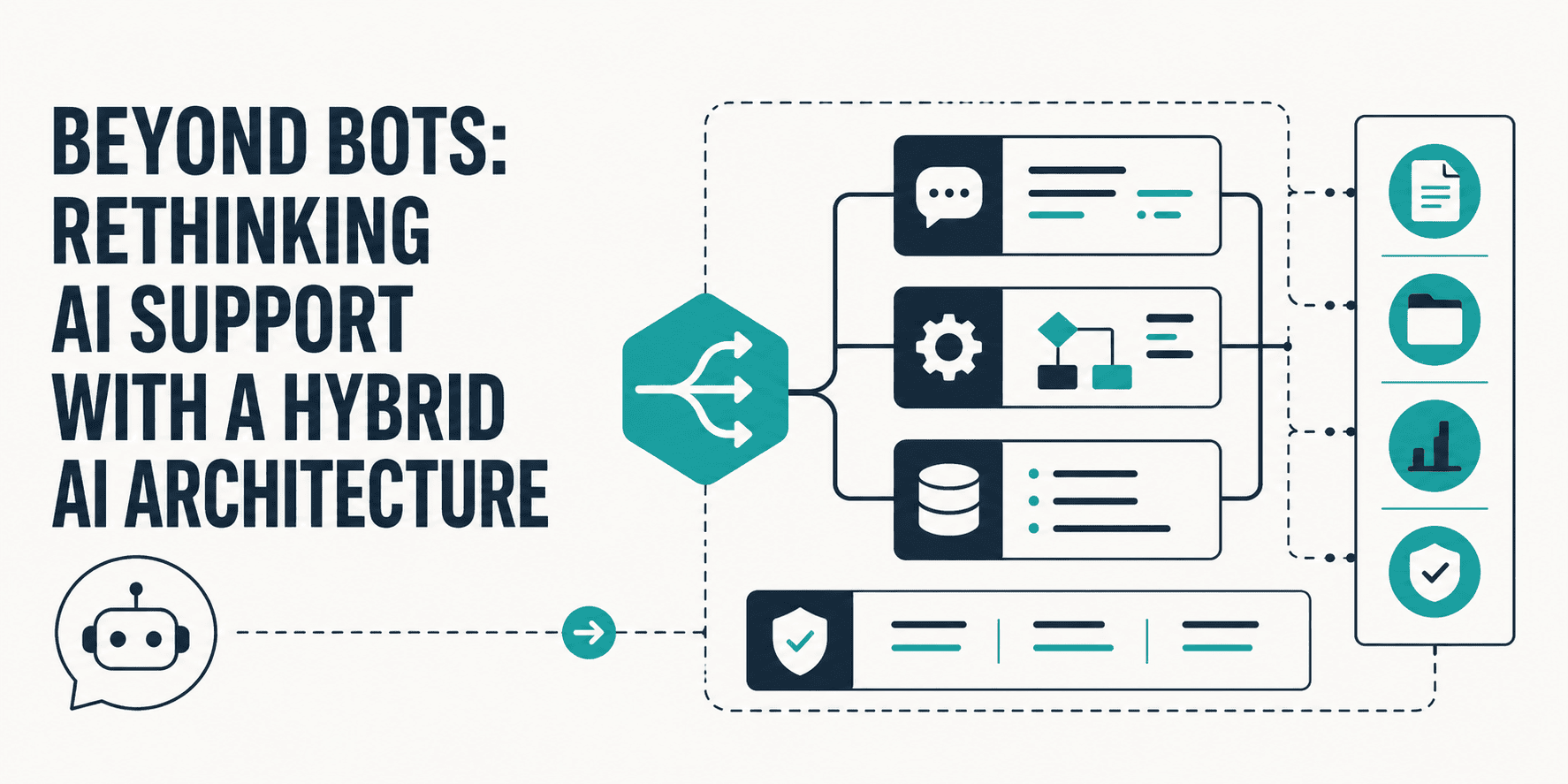
先日、ある顧客から「安全で正確、かつニアリーリアルタイムの応答が可能」なチャットボットの開発を依頼されました。要するに、機密データを漏らさず、企業のトーンやスタイルから逸脱することなく、サポート問い合わせに対して完璧に応えられる AI システムが必要だったのです。
こうした要望は近年、ますます増えています。なぜなら、データセキュリティ、応答遅延(レイテンシ)、そして回答の質が、企業の収益に直結するからです。これらの要件を誤った AI システムは、すぐに信頼を失い、企業にとって大きな損失をもたらします。IBM の 2025 年レポートによると、データ侵害による平均的な世界的なコストは 444 万ドルに上ると推計されています。
しかし、汎用的なチャットボットや市販の大規模言語モデル(LLM)では、企業の期待に応えることが難しいのが実情です。LLM の能力が素晴らしいことは疑いの余地がありません。ただ、これらのモデルには「トークン制限」「文脈の活用限界」「ハルシネーション(幻覚)」といった現実的な制約があります。特に、ドメイン固有の知識への需要が高まり、厳格な回答形式が求められるようになると、これらの課題はより顕著になります。
これらすべての要素を考慮したとき、「専門家のように答える方法」を知り、「実際のデータに基づいて何を答えるか」を理解し、かつ高速・安全・制御可能である AI をどう構築すればよいのでしょうか?
モデル開発の経験から言えるのは、正解は単一のモデルや技術にあるわけではないということです。重要なのは、モデルが「何を知っているか」と「どのように応答するか」を分離しつつ、学習と検索を組み合わせたより広範なアーキテクチャアプローチを採用することです。
# コアとなる課題
設計の初期段階で、4 つの根本的な課題が浮き彫りになりました。
// 効果的なコンテキスト制限(トークン数を超えて)
最新の LLM は 16K、32K、あるいは 128K トケンのコンテキストウィンドウを謳っていますが、実際の運用では、これらのモデルに深く携わる人なら誰もが、注意機能がそれよりもはるかに早く低下することに気づきます。大量のテキストがコンテキストとして渡されると、モデルはプロンプト中央部の情報を十分に活用できず、これが primacy-recency bias として知られる現象です。
コンテキストサイズを増やせば必ずしも回答の質が向上するわけではありません。ナレッジベースが数百万トークンに及ぶ可能性のある企業環境において、これは解決策になり得ません。
// 長尾情報の活用不足
LLM は、適切な情報がプロンプトに含まれている場合でも、関連情報を無視したり誤解したり、不要なセクションに過度に重みを置いたりすることがあります。Lost in the Middle などの研究がこの仮説を裏付けています。この論文は、長文コンテキストの入力を注意深く制御しないと推論が不完全になる可能性が高いことを指摘しています。つまり、複雑で専門知識が必要なサポートシステムにおいて、単に「すべての情報をプロンプトに放り込む」という安易な戦略は信頼できません。
// 検索における精度とパフォーマンスのトレードオフ
検索には現実的なレイテンシや計算コストが伴います。あまり多くの情報を取得するとコンテキストが増えすぎて応答時間が遅くなり、モデルの注意力が散漫化します。逆に取得する情報が少なすぎると、ハルシネーション(幻覚)のリスクが高まります。真の課題は検索そのものではなく、精度の高い検索です。システムやモデルを圧倒することなく、正解性を保証するために必要な最小限かつ十分なコンテキストを提供することが求められます。
// 不足するコンテキストにおけるハルシネーション
LLM は関連情報が欠落している場合でも、回答生成を拒否することはめったにありません。むしろ、自信満々に一般的あるいは捏造された回答を返します。サポートの現場ではこの振る舞いは許容できません。これは信頼性、正しさ、コンプライアンスに直結する問題です。
これらの制約を深く検討した結果、一つのことが明確になりました。より多くのコンテキストを渡すことこそが解決策ではないのです。私たちは、より賢明なアーキテクチャを必要としていました。
# 答え:ハイブリッド・アーキテクチャ
当社の研究は、検索拡張生成(RAG)とファインチューニングされた言語モデルを組み合わせたハイブリッドアプローチへと一貫して導かれました。その鍵となる洞察は、ファインチューニングと検索が異なる課題を解決するという点です。ファインチューニングは「どのように回答するか」をモデルに教え込み、検索は「何を回答すべきか」を提供します。一方の手法で両方の役割を担わせようとすると、非効率や不安定さ、あるいは高コストを招くことが分かりました。そこで私たちは、それぞれのコンポーネントが得意とする分野を活かして動作できるシステムを設計しました。
検索による精度向上のための RAG の活用
モデルに大量の生ドキュメントを流し込むことは避け、意図的に内部の Q&A ペア、製品マニュアル、技術文書、ポリシーおよび構成リファレンス資料から構築した、検索可能で精選されたナレッジベースを構築しました。推論時には、 retriever が最も関連性の高いコンテンツチャンクのみを選択し、プロンプトに挿入します。これにより、回答が検証済みかつ実際のデータに基づいていることが保証されます。
このアプローチにより、コンテキストウィンドウを小さく保ち、クエリに特化させることで、ハルシネーション(幻覚)の発生率が大幅に低下し、事実の正確性が向上するとともに、応答速度も改善されました。しかし、RAG だけに頼るだけでは不十分でした。検索精度が極めて高い場合でも、出力にはトーン、構造、フォーマット、そして手順の詳細レベルにおいて大きなばらつきが見られました。これらの結果は、回答自体は事実上正確であるにもかかわらず、一貫した構造を持たず、信頼できるフォーマットで提供されていないことを示しています。
特に問い合わせの収束を改善するために設計されたチャットボットのユースケースでは、評価により、小さな言語モデルがほぼ 100% の正しいコンテキストにアクセスできていたにもかかわらず、出力の正答率は約 70% に留まることが判明しました。このモデルは、長いコンテキスト入力から意味を抽出できず、ユーザーをより深い技術議論やフォローアップ会議へと導くために必要な会話調を維持できませんでした。
これは、検索機能に根本的な限界があることを示しています。RAG は情報を提供することはできますが、特定のドメイン内でどのように推論し、どうコミュニケーションすべきかをモデルに指示する能力は持ち合わせていません。
# Qwen のファインチューニング:回答方法を教える
一貫性、トーン、推論能力を向上させるため、Qwen モデルを対象ドメインに合致するよう厳選した約 1,000 組の専門家の Q&A ペアでファインチューニングを行いました。目的はモデルに事実を教えることではありませんでした。むしろ、ドメイン固有の言語を適用する方法や、企業の声とコミュニケーションスタイルを維持すること、一貫した回答フォーマットに従うこと、手順に基づいて推論して回答すること、そしてサポートワークフロー内で生じるエッジケースに対処することを学ばせたかったのです。
ファインチューニングはモデルが「何を知っているか」ではなく、「どのように振る舞うか」を調整するものであり、この区別は非常に重要です。モデル全体をファインチューニングすると、壊滅的な忘却(カタストロフィック・フォーゲッティング)や過剰な計算コストが発生するリスクがあります。これらのリスクを抑えるため、低ランク適応(LoRA)アダプターを使用しました。LoRA アダプターを使えば、基盤モデルの一般的な知識を保持したまま、少数のアダプター行列のみをファインチューニングできます。また、GPU メモリの必要量を削減でき、フルモデルのファインチューニングとほぼ同等のパフォーマンスを発揮します。
結果は明確でした。モデルは一貫性とニュアンスに富んだものへと大幅に進化しました。安定した手順に関する質問に対しては、検索を一切行わずとも正しい回答を何度も生成できるようになりました。しかし予想通り、新機能や更新されたポリシー、そしてニッチな事実に関する質問には苦戦しました。
同じチャットボットの事例では、ファインチューニングによってトーン調整の精度は約 90% に向上しましたが、事実の正確さは約 50% に低下しました。この結果から、ファインチューニングだけでリトリバル(検索)を代替することはできないという教訓が再確認されました。
# RAG もファインチューニングも、単独では不十分だった理由
これらの実験を通じて、各手法のトレードオフが明確になりました。
- RAG のみを採用したシステムは、事実の根拠と情報の鮮度において優れていますが、トーンの一貫性が低く、レイテンシ(遅延)が大きくなるという課題があります。
- ファインチューニングのみを採用したシステムは、声質や構造の一貫性に優れていますが、知識が更新された場合や、ニッチな事実が必要な場面では対応できません。
どちらか一方の手法だけを選ぶことは、もう片方の弱点を受け入れることを意味します。ファインチューニング済みモデルと RAG を組み合わせることで、単独の場合よりも優れた結果が得られました。トーンの正確さは約 75% に改善され、トーン制御に頼れない RAG よりも高く、ファインチューニングモデルの 90% にはやや劣りますが、実用レベルに達しています。一方、事実の正答率は約 73% に向上し、単独のファインチューニングモデル(約 50%)や単独の RAG(約 70%)を上回りました。これは、ドメインの文脈と期待される出力形式を深く理解しているファインチューニングモデルが、ベースモデルよりも取得したコンテキストをより効果的に活用・適用できるためです。
タレンティカ・ソフトウェア(Talentica Software)のデータサイエンティスト、アラック・シャルマ氏について
アラック氏は、スタートアップが製品開発を行うのを支援するグローバルなプロダクト開発企業「タレンティカ・ソフトウェア」でデータサイエンティストとして活躍しています。インド科学技術院バンガロール校の卒業生であり、強化学習や機械学習、自然言語処理の導入を通じて、ビジネスに競争優位性をもたらすお手伝いをしています。
詳細は LinkedIn プロフィール でご覧ください。
原文を表示
**
Recently a customer needed a chatbot developed that was safe, accurate, and capable of near real-time responses. In simple terms, they needed an AI system that could answer support queries flawlessly, without exposing sensitive data or drifting away from the company's voice. Requests like this are now more frequent, as data security, latency, and response quality directly impact a company's bottom line**. AI systems that get these requirements wrong lose trust quickly and cost the business money. IBM's 2025 report estimates the average global cost of a data breach at \$4.44 million.
But generic chatbots and off-the-shelf large language models (LLMs) often fail to meet enterprise expectations. There's no doubt that LLMs are powerful. But these models face real constraints around token limits, context utilization, and hallucinations. These limitations are even more evident with the increasing demand for domain-specific knowledge and strict response formats. When all these aspects are at work, how do you build an AI that knows *how* to answer like an expert, knows *what* to answer based on real data, and still remains fast, safe, and controllable?
From my experience in developing models, I can say that the answer is not a single model or technique. It requires a broader architectural approach that separates what the model knows from how it responds, while combining learning with retrieval.
# The Core Challenges
**
Early in the design phase, four fundamental challenges became clear.
// Effective Context Limits (Beyond Token Counts)
Modern LLMs advertise context windows of 16K, 32K, or even 128K tokens. But in real-world use, anyone who works closely with these models knows their attention starts to break down much sooner. When large volumes of text are passed as context, models often underutilize information in the middle of the prompt — a phenomenon known as primacy-recency bias.
Increasing context size does not guarantee better answers. For enterprise environments, where knowledge bases can span millions of tokens, this is not a solution.
// Weak Utilization of Long-Tail Information
LLMs may ignore relevant information, misinterpret it, or overweight irrelevant sections even when the right content is present in the prompt. Works such as Lost in the Middle support this theory. That paper highlights how long-context inputs often lead to incomplete reasoning** if not carefully controlled. This makes naive "dump everything into the prompt" strategies unreliable for complex, domain-heavy support systems.
// Precision vs. Performance Trade-offs in Retrieval
Retrieval introduces real-world latency and compute costs. If you retrieve too much, the increased context raises response time and dilutes model attention. If you retrieve too little, you increase the risk of hallucinations. The real challenge is not retrieval itself, but precision retrieval — guaranteeing the *minimum sufficient context* required for correctness without overwhelming the system or the model.
// Hallucinations Under Missing Context
LLMs rarely abstain from generating responses even when relevant information is missing. Instead, they respond confidently with generic or fabricated answers. In a support setting, this behavior is unacceptable. It directly impacts trust, correctness, and compliance.
A close study of these constraints made one thing clear: passing more context was not the solution. We needed a smarter architecture.
# The Answer: A Hybrid Architecture
**
Our work consistently pointed toward a hybrid approach combining retrieval augmented generation (RAG) with fine-tuned language models. The key insight was that fine-tuning and retrieval solve different problems. Fine-tuning teaches the model how to answer, and retrieval supplies what to answer.** We found that forcing one method to do both leads to inefficiency, instability, or high costs. We therefore designed a system that allows both components to operate from their respective strengths.
# Using RAG for Precision Through Retrieval
**
We made a deliberate effort to avoid flooding the model with large volumes of raw documents. Instead, we built a searchable, curated knowledge base from our internal Q&A pairs, product manuals, technical documentation, and policy and configuration reference materials. At inference time, the retriever selects only the most relevant content chunks and inserts them into the prompt. This ensures answers are grounded in verified, real data.
We found that this approach significantly decreased hallucination rates, improved factual accuracy, and increased response speed by keeping context windows small and query-specific. However, relying solely on RAG was insufficient. Even when retrieval accuracy was very high, the outputs exhibited large variability in tone, structure, formatting, and the level of procedural detail included. These outputs indicated that while factually accurate, the responses were neither consistently structured nor reliably formatted.
In one chatbot use case specifically designed to improve convergence in inquiries, evaluation showed that even though the small language model had access to nearly 100% correct context, output correctness was only about 70%. The model was unable to extract meaning from long-context inputs and failed to maintain the conversational tone needed to guide users toward deeper technical discussions or follow-up meetings.
This revealed a fundamental limitation of retrieval: RAG provides information, but it cannot instruct a model on how to reason about or communicate within a specific domain.
# Fine-Tuning Qwen: Teaching the Model How to Answer
To improve consistency, tone, and reasoning, we fine-tuned the Qwen model on roughly 1,000 expert Q&A pairs carefully selected to align with the model's target domain. The goal was not to teach the model facts. We wanted it to learn how to apply domain-specific language, maintain the company's voice and communication style, follow a consistent response format, reason through answers procedurally, and handle the edge cases that arise within support workflows.
Fine-tuning adjusts how a model behaves, not what it knows — and that distinction matters. Fine-tuning the entire model can lead to catastrophic forgetting and excessive compute costs. To limit these risks, we used low-rank adaptation (LoRA) adapters. LoRA adapters allow fine-tuning of only a small set of adapter matrices while preserving the majority of the base model's general knowledge. They also reduce the GPU memory required for fine-tuning and produce performance that is nearly equivalent to full model fine-tuning.
The results were clear. The model became substantially more consistent and nuanced. For stable, procedural questions, it produced correct answers many times without requiring any retrieval. However, as expected, the model struggled with questions about new features, updated policies, and long-tail factual queries.
In the same chatbot example, fine-tuning improved tone alignment to approximately 90% but decreased factual accuracy to approximately 50%. The lesson was reinforced once again: fine-tuning does not replace retrieval.
# Why Neither RAG Nor Fine-Tuning Alone Was Enough
These experiments gave us clarity on the trade-offs involved:
- RAG-only systems offer superior factual grounding and recency, but suffer from poor tone consistency and higher latency.
- Fine-tuned-only systems offer superior voice and structural consistency, but fail when knowledge changes or long-tail facts are needed.
Choosing only one approach meant accepting the weaknesses of the other. Combining a fine-tuned model with RAG produced better results than either method alone. Tone accuracy improved to roughly 75% — better than RAG, which had no reliable tone control, though slightly below the fine-tuned model's 90%. Factual correctness improved to approximately 73%, exceeding both the fine-tuned model alone (approximately 50%) and RAG alone (approximately 70%). The fine-tuned model's understanding of domain context and expected output format enabled it to better utilize and apply the retrieved context than a base model could.
Alakh Sharma** is a Data Scientist at Talentica Software, a global product development company that helps startups build their products. Alakh is an Indian Institute of Science, Bangalore alumnus. He helps businesses gain a competitive edge with the adoption of reinforcement learning, machine learning, and natural language processing. You can find Alakh on LinkedIn.
関連記事
今日のまとめ
AIデイリーブリーフで今日の重要ニュースをまとめ読み