大手キャンディブランドが本物のチョコレートから「チョコレート風キャンディ」へ移行中(要するに茶色のキャンドルワックス)
本文の状態
日本語全文を表示中
詳細モードで約9分の本文を読めます。
同じ出来事の情報源
この情報源を基点に整理
Andrej Karpathy 厳選
バターフィンガーなどの主要キャンディが「コンパウンドチョコレート」と呼ばれる代用原料を使用し、本物のチョコレートから移行していると報じられています。
Continue in AI NEW LAB
このニュースを、実務の判断につなげる
AI NEW LABで、試したことや先に確認したい条件を共有できます。まずはログインなしで読めます。
AI NEW LABで論点を見るSource Article
元記事を日本語で読む
本文に関係しない購読案内、埋め込み通知、サイト内プロモーションは除いています。
大手キャンディブランドが本物のチョコレートから「チョコレート風キャンディ」へ移行中(要するに茶色のキャンドルワックス)
私たちが毎日口にするチョコレートは、日々劣化している。一部はもはや「チョコレート」ではない。
カカオ価格が下落している今でも、企業はある恐ろしい教訓を学んでいる:アメリカ人は、偽物のチョコレートを与えられても気づかない、ということを。
消費者の観点からすれば、企業がコストを数ドル削減するために意図的に製品の品質を低下させ、それでも同じくらいの顧客が購入し続けることを知るほど、悪い結果を予感させるものはほとんどない。このシナリオは、一言で言えば(カカオ豆殻で言えば?)、ここ数年チョコレート業界を支配してきた主要な物語であり、作物の不作とカカオ豆の不足によりカカオ価格が2024年から2025年にかけて天文学的な高値に跳ね上がった結果、業界全体の「クソ化」が最終的な結末となった。より最近では、それらの価格は着実に地上に戻ってきているが、何が以前の状態に戻っていないと思うか? チョコレートそのものだ。実際、チョコレートを使用したお菓子を販売する世界の多くの大企業は、より安価な代替品の採用をむしろ推し進めており、消費者は気づいたり気にしたりするほどの知識を持っていないという事実をますます確信している。そして彼らはおそらく正しい。
もちろん、2025年に1トンあたり1万ドル以上(2022年夏の価格の約5倍)でピークを迎えたカカオ豆の不足は、主に気候変動のせいである。キノコ中毒の増加や日本の熊による致命的な襲撃の多発といった、気候に隣接する風変わりな話とは異なり、カカオにおける気候要因は一見してはるかに理解しやすい。長期化する干ばつ、極度の高温、予測不能な降雨、そして気候変動によって増幅された昆虫媒介の感染症はすべて、カカオの収量を激減させる一因となっており、ある非営利研究グループの2025年の研究では、西アフリカのカカオ栽培地域のほとんどが、過去10年間で年間6週間分の極度の高温を追加で経験していることがわかった。ドナルド・トランプの関税(米国最高裁によってちょうど取り消されたばかり)のような他の要因も間違いあるだろうが、チョコレートの価格が急騰した理由を理解するのに経済学の知識は必要ない。
あなたのチョコレートの中のチョコレートが減っている:主要メーカーが、激動と気候変動によるカカオ不足に対処する方法を模索中。www.confectionerynews.com/Article/2026…
(注:カカオをアルカリ化するという一つの方法は、チョコレートの抗酸化作用による健康効果を損なう。)
[画像または埋め込み]
— Honest Chocolates (@honestchocs.bsky.social) 2026年1月20日 午前6時16分
当然のことながら、これはキャンディ販売業者が価格を引き上げ、そのコストを消費者に転嫁するか、製品をより安く製造するために再構成することしか結果として生まない。そして驚くことではないが、マース、フェレロ、リンツ、特にハーシーカンパニーなどの企業によって広く採用されてきたのは後者である。彼らの誰もが、すでにインフレに敏感な消費者に対して価格を吊り上げ、自社商品を「高級」品として位置づけ直すことを、理解できる理由で望んでおらず、その代わりとなるのが偽物のチョコレートなのである。
それとも「偽物」ではないのか? バターフィンガー、ベビールース、アーモンドジョイ、ミスターグッドバー、ロロスなど、現在多くの主要キャンディバーを覆っている物質を正確に何と呼ぶべきか、判断するのは難しいかもしれない。食品科学者はそれを「コンパウンドチョコレート」コーティングと呼ぶ。なぜなら、それは実際のココアパウダーから作られているが、より高価な脂肪源(ココアバター)を、より安価で品質の低い植物性脂肪に置き換えているからだ。ミスターグッドバーやアーモンドジョイなどのハーシーブランドが近年切り替えた際、そのラベルは「ミルクチョコレート」から「チョコレートキャンディ」と主張するように微妙に変化したが、これは私には特に陰険な表現に思える。より明白な指標は、多くの企業が使用する別の言葉:「チョコレート風」コーティングである。この災厄がどれほど私自身の家庭に侵入しているのか疑問に思い、さっきガールスカウトクッキーのいくつかのパッケージを見てみたが、必然的な結果が見つかっただけだった:私のシンミンツもピーナッツバターパティーも、本物ではなくコンパウンドチョコレートで作られていた。驚いたふりはほとんどできない。一方、本物のチョコレートを使い続けているキャンディでも、スニッカーズバーのミルクチョコレートコーティングが時間とともにわずかに薄くなるなど、コスト削減策がとられることがある。一部の製品では、一枚のクッキーやキャンディの中に本物のチョコレートとコンパウンドチョコレートを混ぜているものさえある。
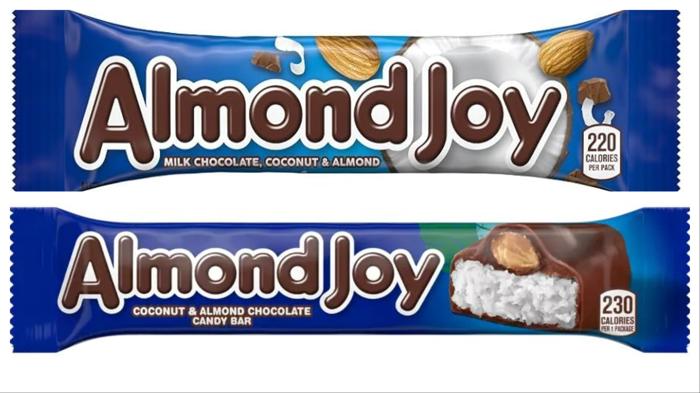 以前:「ミルクチョコレート」。以後:「チョコレートキャンディ」。
しかし待ってほしい、さらに悪くなる! チョコレートの一つの重要な要素を置き換えるだけでは満足せず、食品科学者と起業家は協力して、「AI技術を使ってレシピをリバースエンジニアリングし、カカオを使わずに作られたチョコレート」のような製品を生み出している。私はちょうど、どこかにAIを関与させる必要があると思っていたところだ。この企業、NotCoは、植物性の偽物食品全般を専門としており、CEOのマティアス・ムチニックは2025年末にToday誌に対して、「私たちは、あなたがいつも愛してきたお気に入りのチョコレートを正確に再現するアルゴリズムを訓練しました」と絶賛し、人間の希望と夢を捕食する古代の生物にはまったく似ていないように聞こえた。その偽物チョコレートは、もし気になるなら、最終的にはキャロブ、シアバター、麦芽エキスなどを含む原料から組み立てられており、抜け目のない起業家によれば、メーカーのコストを約30%節約できる可能性があるという。この得意げな引用の壮大さを見てほしい:「私は、人類の残りの人々のために実際にチョコレートを救った者になる可能性が高いと思います。」わあ、チョコレートを「破壊」することで「救う」とは。CEOのクソ野郎ぶりにおける世界クラスの業績について語ってくれ。
一方、本物のチョコレートは、企業の貪欲さに対してほとんど味方を持っていないように思われる。ただし、本物のチョコレートでさえ、キャンディ業界の巨大企業がその慣行と戦うと保証しているにもかかわらず、児童労働や奴隷労働の問題に悩まされ続けている。それでも、「本物の食品」に焦点を当てていることを考えると、これはMAHA運動が実際に支持できるような種類の大義になると思うかもしれないが、この場合、砂糖に対する彼らの非常に非現実的な態度は、倫理的なチョコレートの擁護さえも避けているだろう。抗酸化物質が豊富なダークチョコレートは、小RFKの新しい食事ガイドラインが、親は10歳になるまで添加砂糖を含む食品を子供に与えるべきではないと明示的に述べていることを考えると、MAHAの考え方にさえあまり適合していない。おそらくその過程で、摂食障害の子供たちをまるまる一世代育てることになるだろう。何十年も除草剤を批判し、それに対する訴訟を起こしてきた保健福祉長官が、ドナルド・トランプにそうするよう言われた後、即座に態度を翻してそれを受け入れるような人物に、私は何の助けも期待しない。
リースピーナッツバターカップの発明者の孫がハーシー社を激しく非難し、同社が多くの製品でより安価な原材料に切り替えることでリースのブランドを傷つけていると訴えている。
[画像または埋め込み]
— The Associated Press (@apnews.com) 2026年2月19日 午後5時00分
より世間知らずな人々は、カカオ価格が下落し正常化し続けるにつれて、主要メーカーが今回は製品にいくらか正当性を取り戻すために、静かに製品を再び再構成することを望むかもしれないが、これは希望的観測である。価格は正常化しているかもしれないが、気候変動の根本的な原因はなくならず、それが私たちの惑星の日常生活に提起する問題はより顕著になるだけだ。米国では、農家はアメリカの食事が期待する主食作物を育てるのに苦労しており、私たちが実際に育てている食物でさえ、時間とともに栄養価が低下している。西アフリカのカカオ生産者は、耐えがたい限界の状況に直面し続けており、そのためハーシー社のような企業は、消費者の反発の可能性を警戒しながら、偽物のチョコレートを新しい看板商品にゆっくりと拡大し続けている。ちょうど今週、リースピーナッツバターカップの発明者の孫であるブラッド・リースは、ハーシー社が本物のチョコレートやピーナッツバターの代わりに、コンパウンドチョコレートと「ピーナッツバタークリーム」を使用していることを激しく非難した。
原文を表示
Every Day, the Chocolate We Eat Gets Worse. Some of It Is No Longer “Chocolate.”
Even as cocoa prices fall, companies are learning a scary lesson: Americans don't notice when you give them fake chocolate.
From a consumer perspective, there are few things that portend a worse outcome than a company knowingly making its product worse in order to save a few bucks, and finding out that just as many customers will still buy it anyway. This scenario, in a nutshell (beanshell?) has been the dominant story in the world of chocolate for the last few years, with the enshittification of the entire segment the end result of crop failures and cocoa bean scarcity that sent the price of cocoa soaring to stratospheric heights in 2024 and 2025. More recently, those prices have steadily come back down to Earth, but guess what hasn’t changed back to how it was before? The chocolate. In fact, many of the world’s biggest sellers of chocolate-dependent treats are instead pushing forward on the embrace of cheaper replacements, increasingly convinced of the fact that consumers simply don’t know enough to notice or care. And they’re probably right.
Climate change is of course largely to thank for the scarcity of cocoa beans that led prices in 2025 to peak at more than $10,000 per ton, almost five times what the price was in the summer of 2022. Unlike oddball, climate-adjacent stories such as an uptick in mushroom poisonings or a deadly rash of Japanese bear attacks, the climate vector in cocoa is far easier to understand at a glance. Longer droughts, extreme heat, unpredictable rainfall and insect-driven infection amplified by climate change have all played a part in decimating cocoa yields, with one nonprofit research group’s 2025 study finding that most of West Africa’s cocoa-growing regions now experience six additional weeks of extreme heat per year over the last decade. No doubt there are other factors as well, like the Donald Trump tariffs just struck down by the U.S. Supreme Court, but it doesn’t take any grasp of economics to understand why chocolate prices went through the roof.
Less chocolate in your chocolate: major manufacturers explore ways to cope with cocoa shortages due to upheaval and climate change. www.confectionerynews.com/Article/2026…
(Note that one approach, alkalinizing the cocoa, undermines the antioxidant health benefits of chocolate.)
[image or embed]
— Honest Chocolates (@honestchocs.bsky.social) Jan 20, 2026 at 6:16 AM
Naturally, this could only result in candy purveyors raising prices and passing that cost onto the consumer, or reformulating their product to make it more cheaply. And surprise, it’s the latter that has been widely employed by the likes of Mars, Ferrero, Lindt and especially The Hershey Company. None of them understandably want to jack up prices and reposition their wares as “luxury” items to sticker-shocked consumers who are already sensitive to inflation, and the alternative is fake chocolate.
Or is it “fake”? It can be hard to know what exactly to call the substances that are now found coating many major candy bars such as Butterfinger, Baby Ruth, Almond Joy, Mr. Goodbar or Rolos. Food scientists refer to it as “compound chocolate” coating, because it’s made from actual cocoa powder, but replaces the more expensive source of fat (cocoa butter) with cheaper, lower-quality vegetable fats. When Hershey brands such as Mr. Goodbar or Almond Joy made the switch in recent years, their labels subtly changed from claiming that they were “milk chocolate,” to “chocolate candy,” which strikes me as particularly insidious phrasing. A more obvious indicator is another word that many companies use: “Chocolatey” coating. Wondering how much this scourge had infiltrated my own home, I took a look moments ago at several packages of Girl Scout Cookies, only to find the inevitable: Both my Thin Mints and Peanut Butter Patties are also made with compound chocolate, rather than the real thing. I can hardly pretend to be surprised. Even in candies that continue to use real chocolate, meanwhile, cost-cutting measures have sometimes been employed, such as the milk chocolate coating of a Snickers bar becoming slightly thinner over time. Some products even mix real chocolate and compound chocolate in a single cookie or candy.
Before: “Milk chocolate.” After: “Chocolate candy.”
But wait, it gets worse! Not content to merely replace one key element of chocolate, food scientists and entrepreneurs have teamed up to create products such as “a chocolate that’s made without cocoa using AI technology to reverse-engineer the recipe.” I was just thinking that we really needed to get AI involved in there somewhere. This company, NotCo, specializes in an entire range of plant-based fake foods, with CEO Matias Muchnick raving to Today at the end of 2025 that “we have trained an algorithm to replicate exactly the favorite chocolate that you always loved,” sounding not at all like an ancient creature that preys on human hopes and dreams. Said fake chocolate, if you were wondering, is ultimately assembled from ingredients that include carob, shea butter and malt extract, with the savvy entrepreneur saying that it could save manufacturers in the ballpark of 30%. Check out the grandiosity of this gloating quote: “I think we have a high chance of being the ones that actually saved chocolate for the rest of humanity.” Wow, “saving chocolate” by destroying it. Talk about your world-class achievements in CEO douchebaggery.
Real chocolate, meanwhile, seems to have few allies in the face of corporate greed, although even real chocolate is still plagued by the problem of child and slave labor despite assurances from the candy world’s megacorps that they would fight the practice. Still, considering their focus on “real food,” you might think this would be the kind of cause that the MAHA movement could actually get behind, but in this case their deeply impractical attitude toward sugar probably eschews even ethical chocolate advocacy. Antioxidant-rich dark chocolate doesn’t even really fit in the MAHA mindset, given that RFK Jr.’s new dietary guidelines explicitly tell parents that they should withhold any food with added sugars from children until after the age of 10, presumably raising an entire generation of eating disordered kids in the process. I wouldn’t expect any help from a Health and Human Services Secretary that spends decades criticizing and prosecuting cases against a herbicide, only to instantaneously flip sides and embrace it after Donald Trump tells him to do so.
The grandson of the inventor of Reese’s Peanut Butter Cups is lashing out at The Hershey Co., accusing the candy company of hurting the Reese’s brand by shifting to cheaper ingredients in many products.
[image or embed]
— The Associated Press (@apnews.com) Feb 19, 2026 at 5:00 PM
The more naive among us would likely hope that as cocoa prices continue to decrease and normalize, that major manufacturers would quietly reformulate their products again, this time to bring some legitimacy back to them, but this is wishful thinking. Prices may be normalizing, but the root causes of climate change aren’t going away, and the problems they pose to daily life on our planet only become more pronounced. In the U.S., farmers are struggling to grow the staple crops our American diet expects, and even the food we do grow is actually becoming less nutritious over time. Cocoa growers in West Africa continue to face conditions that are borderline intolerable, and so the likes of The Hershey Co. continue to press onward, slowly extending fake chocolate into new flagships, wary of the possibility of consumer blowback. Just this week, Brad Reese, grandson of the inventor of the Reese’s Peanut Butter Cup, lashed out at The Hershey Company for using compounded chocolate and “peanut butter creme” instead of real milk chocolate and peanut butter in limited time offerings like Reese’s Valentine’s Day hearts and Easter eggs, no doubt monitoring consumer feedback to see if they can extend the same penny-pinching into the flagship peanut butter cups. “I felt embarrassed to even wear anything that says Reese’s on it,” he said.
The irony is of course that at the end of the day, it’s the multinational corporations that are more acutely aware than any of us of the effects of climate change, because they can feel those effects in their pocketbooks. And they sure as hell are overjoyed when they change a product, stripping out real chocolate for a cheaper substitute, and find that just as many people are still willing to buy the latest step in our culture-wide enshittification.
On an earnings call last year, Hershey CFO Steve Voskuil was asked about how reformulations could affect sales or the company’s image. His reply says it all: “It’s a place we look at, we test, and in some parts of our portfolio, over time we’ve made some changes. There’s been no consumer impact whatsoever.”

今日のまとめ
AIデイリーブリーフで今日の重要ニュースをまとめ読み