新卒が AI で就職難化と実感、経済学者は懐疑的
本文の状態
日本語全文を表示中
詳細モードで約8分の本文を読めます。
同じ出来事の情報源
この情報源を基点に整理
NPR Technology AI
新卒者らが AI の普及により就職が困難になっていると主張する一方、経済学者らはその因果関係に懐疑的な見解を示しており、AI と雇用市場の関係性について議論が続いている。
AI深層分析を開く2026年8月18日 19:08
AI深層分析
キーポイント
新卒者の実感と懸念
多くの recent grads(新卒者)が、AI の台頭により求職活動が以前よりも困難になっていると感じているという実感が広がっている。
経済学者の懐疑的見解
この感覚に対し、経済学者たちは AI が即座に雇用を奪うという確証はないとして、新卒者の実感と統計的な事実との間に乖離がある可能性を示唆している。
雇用市場の複雑な要因
AI 以外の経済状況や業界ごとの需要変動など、雇用難易度に影響を与える多様な要因が複合的に作用していると分析されている。
経済学者は雇用市場の強さを指摘
多くの経済学者は、AIが若年層の雇用に悪影響を与えているという主張に対し、現在の労働市場は依然として強く、失業率が低い状況であると反論している。
求人情報へのアクセス障壁
新卒者が感じる困難さは、AIによる自動化そのものよりも、求人広告がアルゴリズムによってフィルタリングされ、適切な候補者に届きにくくなっている点に起因する可能性が高い。
重要な引用
Many recent grads say AI is making it harder to get a job.
Economists aren't so sure.
"The labor market is still very strong."
"It's not that AI is taking jobs away, it's that the way we're advertising jobs has changed."
編集コメントを表示
編集コメント
技術の進歩が即座に雇用を奪うという単純な議論に対し、経済学者はより慎重な見解を示している。このギャップを理解することは、AI 時代のキャリア戦略を考える上で不可欠である。
Source Article
元記事を日本語で読む
本文に関係しない購読案内、埋め込み通知、サイト内プロモーションは除いています。
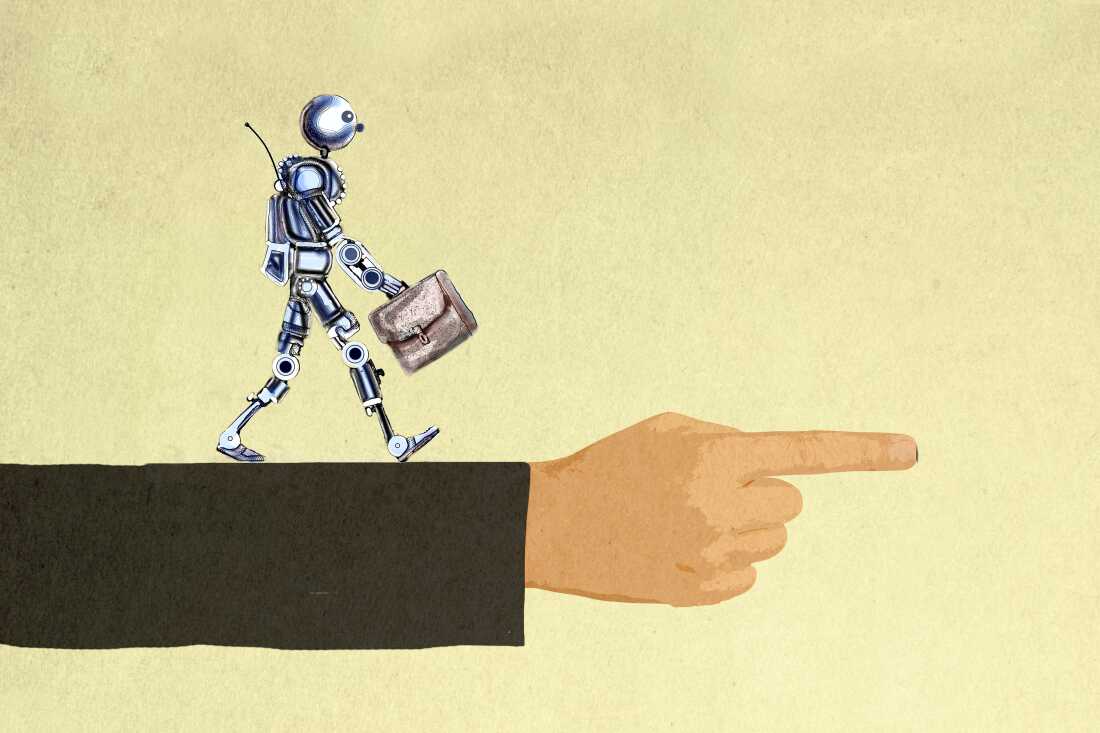
Westend61/Getty Images
21 歳のアイリーン・チャンは、問題解決が好きだったことから大学で工学を専攻しました。同時に、安定したキャリアに繋がる分野だと考えていた科目を選びたいとも思っていました。
「大学卒業後はすぐにでも働きたいと思っていました」と彼女は言います。
しかし、それが難しい状況となっています。チャンさんは今年 5 月、ジョージア工科大学で産業システム工学の学士号を取得して卒業しました。彼女は学校に通っている約一年前から、エントリーレベルのデータアナリスト職への応募を始めたそうです。昨年 9 月以来、およそ 450 件の応募を行い、19 回の面接を経験しましたが、現時点では内定は得られていません。
25 歳のジャクリーン・クラインも同じような状況です。彼女は昨春、フロリダ州立大学でコミュニケーション学の修士号を取得して卒業しました。
クラインさんは、卒業後に職を得るためにできる限りのことをしたと語ります。人脈作りを行い、複数のインターンシップをこなすだけでなく、学位取得前からも就職活動を開始していました。
彼女によると、昨年 12 月以来、エントリーレベルの求人に 500 件以上応募しているそうです。
"自分が成功するためにできることはすべてやっているのに、それが十分ではないと感じる」とクリーン氏は語る。
クリーン氏とチャン氏はいずれも、AI がそれぞれの分野で就職活動が困難になっている一因となっていると考えている。
"エントリーレベルのスキルは重要ですが、同時に AI も非常に効率的にこなせる部分があると感じています」とチャン氏は話す。
ニューヨーク連邦準備銀行によると、新卒者(新学士号以上を取得した22〜27歳)の失業率は6月時点で5.7%であり、全労働者の失業率4.1%を上回っている。
多くの新卒者は、雇用難の原因をAI に求めている。今年行われた ZipRecruiter の調査では、回答者の47%がすでに自業界での採用に AI が影響を与えていると答えた。
しかし、本当に AI が問題なのか、それとももっと複雑な事情があるのか。経済学者たちはこう語る。
AI がエントリーレベルの雇用市場に与える影響
スタンフォード大学の経済学者エリック・ブリンヨルフソン氏は、AI はエントリーレベルの役割における労働市場に影響を与えていると指摘する。
"AI だけが全てではありませんが、物語の一部であり、その証拠は蓄積されつつあります」と彼は述べている。
給与データを用いた分析では、Brynjolfsson氏と共著者らが、2022年後半以降(ChatGPTのような大規模言語モデルが台頭し始めた時期)に、ソフトウェア開発者やマーケティングマネージャーなどAIの影響を受けやすい職種で働く22〜25歳の若手労働者の雇用率が相対的に16%減少したことを明らかにしました。
一方、同じくAIの影響を受ける分野における高齢労働者や、在宅ヘルパー、理学療法士、建設作業員のように自動化が容易ではない職種の全労働者の雇用率は、この期間中も安定していたか、むしろ増加傾向にありました。
Brynjolfsson氏は、若手労働者が他の層よりも雇用難を強く感じている背景には2つの理由があると指摘します。第一に、景気後退期には企業が人員削減や採用抑制を行う際、若手労働者が最も打撃を受ける傾向があり、その結果、ジュニア職が最初に削られるからです。
第二の理由は、大規模言語モデルが教科書や文書に記載された形式知(codified knowledge)を学習対象としている点にあります。Brynjolfsson氏は「これは新卒者と同じ知識層と重なる部分が多い」と説明します。なぜなら、職場で働き始めたばかりの経験不足な大学卒業生が頼りにしている知識の性質が同じだからです。
しかし、AIモデルには、現場での経験から得られる知恵や、文書化されていない暗黙知(tacit knowledge)は欠如しています。
「より経験豊富な労働者にとっては、その種の知識はそれほど影響を受けません」とブニョルフォソン氏は語り、AI と競争する必要があまりないとも付け加えました。
それともリモートワークのせいでしょうか?
ハーバード大学の経済学者デビッド・デミング氏は、AI が若手人材の厳しい就職市場の原因だと断じるにはまだ確信が持てません。
「タイミングを注意深く見ると、新人採用の減少は ChatGPT のリリースから約半年前から始まっていたように見えます。つまり、別の要因があるということです」とデミング氏は指摘します。「私はむしろ、リモートワークの影響ではないかと考えています」
ニューヨーク連邦準備銀行(New York Fed)による最近の分析では、企業がリモートで完結可能な業務に新卒者を採用しにくくなっていることが示されました。COVID-19 パンデミック以降、リモートワークが増加するにつれて、若手大卒者の失業率も上昇したという結果が出ています。
同分析では、AI が若年層の失業率上昇を説明する要因ではないこと、そしてリモートワークの方がより大きな原動力となっていることも明らかになりました。
デミング氏は、エントリーレベルの労働者を採用するには、企業が彼らを戦力として育てるために時間とリソースを投資する必要があり、リモート勤務の場合には遠隔地から教育するのが難しいため、雇用側が新卒候補者を選ばない傾向があると説明しています。
「つまり、新人が在宅勤務になることが確実な場合、彼らを雇用するメリットは以前ほど大きくない」とデミング氏は指摘します。「逆に、経験豊富な人材を雇う価値は高まります。また、リモートワークの普及により、全国からより幅広い人材プールにアクセスできるようになったのです。」
さらに考慮すべき点があります。シカゴ大学の経済学者アンダース・ハムルム氏によると、AI がエントリーレベルの仕事を代替しているなら、AI 依存度の高い企業が雇用を減らすはずですが、実際のデータはそれを示していません。
ハムルム氏は、財務会計ファームの Ramp と労働力調査会社の Revelio Labs が共同で行った研究 a study を挙げています。この研究では 2021 年初から 2026 年初にかけて、米国企業約 21,000 社の AI 投資額と従業員数を分析しました。その結果、AI への投資が最も大きい企業では、AI の導入から 2 年以内にエントリーレベルの雇用者が 12% 増加していたことが分かりました。
「これらのツールの重ユーザー、つまり Anthropic や OpenAI に多額の費用を払ってモデルを利用している企業ほど、他社よりも多くの採用を行っています」とハムルム氏は述べています。
変化は訪れつつある
現時点での AI の雇用市場への影響度については意見が分かれていますが、NPR がインタビューした三人の経済学者全員が、大きな雇用シフトが始まっていることには一致して同意しています。
彼らは先月、AI が産業革命を上回る経済変革をもたらす可能性や、広範な雇用喪失を引き起こす恐れを警告する公開書簡に署名したエコノミスト、テック企業の経営者、研究者らの一人たちです。
それでもなお、彼らは楽観的な見方を示しています。
「現在、多くの従来の職種にとって非常に厳しい時期だ」とブニョルフォソン氏は語ります。
「同時に、これらの技術が人々にとってかつて不可能だったことを可能にする、人生で最も素晴らしい時代の一つでもあると私は考えています」
ヒュムルム氏によると、彼が話す大学生の多くは「新しい技術によって不当に扱われている」という認識を持っているそうです。しかし、それは「非常に早計な結論だ」と彼は指摘します。AI は労働者を害するよりも、むしろ支援する可能性が高いと彼は考えています。
デミング氏も同意見です。「総合的に判断すれば、AI は善をもたらす力になると思います」と語ります。
そして、現時点ではまだ起きていないとしても、将来の雇用への影響は避けられないと予測しています。
「しかし、それには時間がかかるでしょう。非常に波乱に満ちた混乱した過程となるはずです。覚悟しておいてください」
クライネ氏やチャン氏のような新卒者たちに対する彼のアドバイスはシンプルです。「辛抱強く待ち続けてください」。
原文を表示
Westend61/Getty Images
Irene Chang, 21, studied engineering in college because she enjoys solving problems. She also wanted to major in something she thought would lead to a stable career.
"I wanted to work a job right after college," she says.
But that has been a challenge. Chang graduated in May from Georgia Tech with a bachelor's degree in industrial and systems engineering. She says she started applying for entry-level data analyst roles about a year ago, while she was still in school. Chang estimates she has submitted around 450 applications since last September and has had about 19 interviews — so far she hasn't gotten any offers.
Jacqueline Kline, 25, is in the same boat. She graduated this past spring from Florida State University with a master's degree in communications.
Kline says she did everything she could to land a job after college. She networked, completed multiple internships and started applying for jobs before she even finished her degree.
So far, she says, she has applied to more than 500 entry-level jobs since last December.
"It's hard knowing that I'm doing everything that I can to be successful and feeling like that's not enough," Kline says.
Both Kline and Chang say they think AI may be part of the reason that finding a job in their respective fields has been such a challenge.
"I feel like the entry-level skills that you have, they're important, but also something that AI can do very efficiently," Chang says.
According to the Federal Reserve Bank of New York, the unemployment rate for recent graduates — which it defines as 22-to-27-year-olds with a new bachelor's degree or higher — was 5.7% as of June, more than the rate for all workers, which stands at 4.1%.
Many of those recent graduates think AI is to blame for their employment struggles. This year, in a survey from ZipRecruiter, 47% of them said AI had already affected hiring in their field.
But is AI really the problem, or is it more complicated? Here's what economists have to say.
How AI may be impacting the entry-level job market
Stanford University economist Erik Brynjolfsson says AI *is* impacting the labor market for entry-level roles.
"AI is not the whole story, but it's part of the story and the evidence is building," he says.
Using payroll data, Brynjolfsson and his co-authors found that since late 2022 — when large language models like ChatGPT started popping up — early-career workers ages 22 to 25 in AI-exposed roles, like software developers and marketing managers, have experienced a 16% relative employment decline.
In comparison, employment rates for older workers in AI-exposed fields and for all workers in jobs that aren't easily automated — like home health aides, physical therapists and construction workers — remained stable or have grown over that same time period.
Brynjolfsson says there are two reasons young workers in AI-exposed fields may be feeling the job crunch more than others. First, because young workers typically bear the brunt of economic contractions — when companies choose to shed employees or pull back on hiring — junior roles often get cut first.
Second, Brynjolfsson says, large language models are trained on codified knowledge — information that has been written down in a textbook or document. "That has a lot of overlap with entry-level people," he says, because it's the same type of knowledge that inexperienced college graduates rely on when they're getting started in the workforce.
But AI models lack the wisdom that comes with on-the-job experience or tacit knowledge that isn't written down.
"So for more senior workers, their kind of knowledge is not as affected," Brynjolfsson says, adding that they don't need to compete with AI as much.
Or is remote work to blame?
Harvard University economist David Deming isn't convinced that AI is to blame for the challenging early-career job market.
"If you look very carefully at the timing, it looks like the decline in junior hiring actually started a bit like six months before ChatGPT was released. And so what that tells me is it's something else," Deming says. "I think it's more like remote work."
A recent analysis from the New York Fed found that companies are less likely to hire recent college grads into roles that can be done remotely. As remote jobs increased following the COVID-19 pandemic, so did unemployment among younger college grads, the New York Fed found.
The analysis also found that AI didn't explain the rise in unemployment among younger workers and that remote work was more of a driving force.
Deming says hiring an entry-level worker requires companies to invest time and resources to get them up to speed. Employers hiring for remote jobs may be less likely to choose an entry-level candidate because it's harder to train them from afar.
"And so the value proposition of hiring a junior person when you know they're going to be at home is just not as great," Deming says. "And conversely, the value proposition of hiring a more senior person is greater, and because of remote work, you have access to a broader pool of talent from around the country."
And here's another thing to consider: University of Chicago economist Anders Humlum says if AI were replacing entry-level jobs, you'd expect to see companies that rely heavily on AI to hire fewer workers. But that's not what the data shows.
Humlum points to a study done by the financial accounting firm Ramp and the workforce research company Revelio Labs. The study examined AI spending and employee head count across more than 21,000 U.S. firms, from early 2021 to early 2026. It found that at companies making the largest AI investments, entry-level head count grew by 12% over the two years following AI adoption.
"If we look at the heavy users of these tools, the firms that are paying a lot of money to Anthropic and OpenAI to subscribe to their models, they are hiring more than anyone else," Humlum says.
Change is coming
While they disagree on how much AI is impacting the job market right now, all three economists interviewed by NPR do agree that there's a major employment shift underway.
They're among the economists, tech executives and researchers who signed an open letter last month warning that AI could bring about an economic transformation larger than the Industrial Revolution and potentially cause widespread job displacement.
Even so, they're optimistic.
"This is a really tough time for a lot of the conventional jobs," Brynjolfsson says.
"I also think it's one of the most amazing times to be alive, where these technologies allow people to do things they never could have before."
Humlum says most of the university students he talks to "just have the perception that they are being screwed over by the new technology." But he says that's "a very premature conclusion." He thinks AI is poised to help workers more than it will hurt them.
Deming agrees. "I think on net, [AI] will be a force for good," he says.
And he does expect AI to affect employment in the future, even if he thinks it isn't happening *yet*.
"But it'll take some time and it's going to be very bumpy and messy, and, you know, buckle up."
His advice for recent grads like Kline and Chang: "Hang in there."
関連記事
今日のまとめ
AIデイリーブリーフで今日の重要ニュースをまとめ読み