「イタリアン・ブレインロット」の所有権を巡る AI アート訴訟
本文の状態
日本語全文を表示中
詳細モードで約11分の本文を読めます。
同じ出来事の情報源
この情報源を基点に整理
NPR Technology AI
NPR Technology AI は、イタリアのインターネット文化を模倣した生成 AI アートが著作権や所有権を巡って争われている現状を紹介し、この「イタリア脳」現象が AI 芸術の未来をどう形作るかについて報じている。
AI深層分析を開く2026年8月22日 16:22
AI深層分析
キーポイント
「イタリア脳」という現象の登場
生成 AI が特定のインターネット文化やミーム(イタリアのネットスラング等)を学習・模倣する傾向が、新たな芸術的・法的争点として浮上している。
所有権を巡る対立
AI によって生成された画像や動画の著作権帰属をめぐり、クリエイターと AI 開発企業の間で激しい議論が交わされている。
法的・文化的影響の拡大
この争いは単なる技術論を超え、AI アートの定義や文化的所有権のあり方そのものを再考させる可能性を秘めている。
イタリアン・ブレインロットキャラクターの生成
「Tung Tung Sahur」という世界で最も有名なキャラクターの一人は、AI画像生成器への7つのプロンプトによって作成された。
所有権を巡る法的争い
このキャラクターの誰が(あるいは誰も)所有権を主張できるかを決定するための法的な戦いが進行中である。
重要な引用
A battle over 'Italian brainrot' could shape who owns AI art
NPR Technology AI
"Tung Tung Sahur, one of the world's best-known 'Italian brainrot' characters, was created using seven prompts in an AI image generator. A legal battle is underway to determine who, if anyone, can claim ownership."
"Whether human contributions to AI-generated outputs are sufficient to constitute authorship must be analyzed on a case-by-case basis."
編集コメントを表示
編集コメント
この記事は、AI が単なるツールとして機能するだけでなく、特定の文化的文脈を学習・再生産することで新たな法的・倫理的課題を生み出している点を浮き彫りにしている。業界関係者は、技術の進化に伴う文化的所有権の再定義という視点を持つ必要がある。
Source Article
元記事を日本語で読む
本文に関係しない購読案内、埋め込み通知、サイト内プロモーションは除いています。
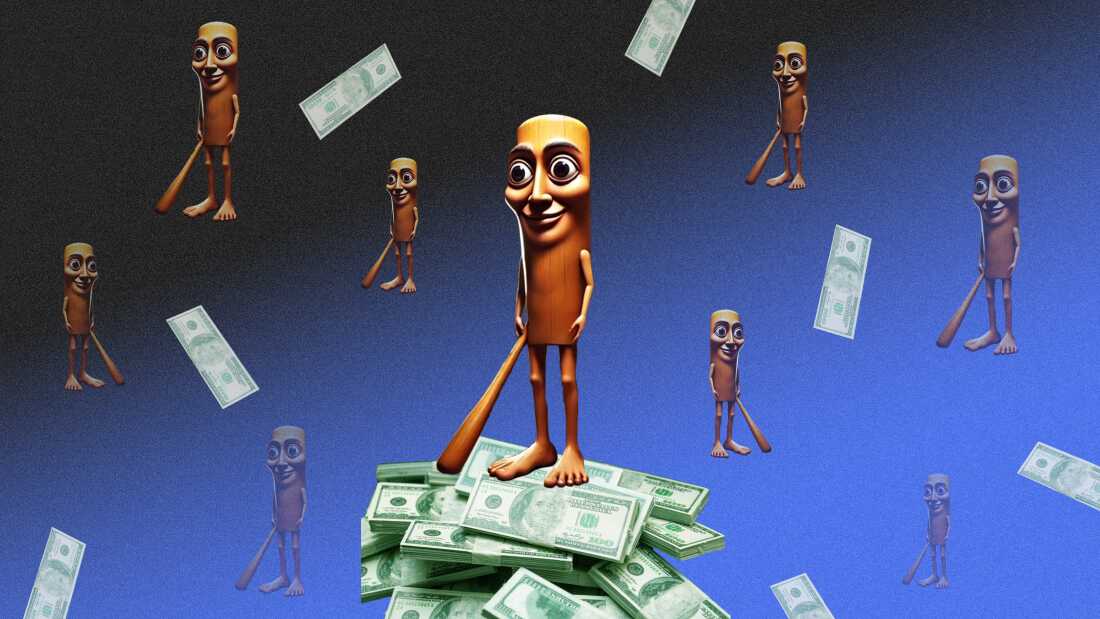
トン・トン・サフルは、世界中で最も有名な「イタリアン・ブレインロット」のキャラクターの一つですが、AI 画像生成ツールにプロンプトを7回入力するだけで作られました。現在、このキャラクターの所有権が誰(あるいは誰も)にあるのかを巡る法的な争いが進行中です。
AFP via Getty Images/Collage by Emily Bogle/NPR
世界中の子供たちが、「イタリアン・ブレインロット」と呼ばれる一連のキャラクターに熱狂しています。これらのミームは人工知能によって生成され、ソーシャルメディアや YouTube、そしてビデオゲームの中で広がっています。
今やその人気は、誰が所有権を主張できるのか(あるいは誰もできないのか)という争いを引き起こしています。
カリフォルニアの法廷で進行中の法的争いが、イタリアン・ブレインロット(Italian brainrot)と呼ばれる人気キャラクターを、クリエイターへの支払いやクレジットなしにゲームや他のメディアで使用できるかどうかを決定する可能性があります。一方は、このキャラクターを用いてヒット作を生み出した企業です。他方は、そのゲームに登場する複数のキャラクターの若手クリエイターを代表するフランスのスタートアップです。争点となっているのは、潜在的に数百万ドル規模の収益です。
この法的な対立は、AI 生成アートの分岐点で起こっており、チャットボットへのプロンプトが芸術的表現とみなされるかどうかという問いを投げかけています。2024 年の判決では、チャットボットが製品や作品の唯一の発明者になることは できない とされ、人間が AI を活用して著作権の対象となる作品を生み出す可能性は残されました。昨年、米国特許商標庁(USPTO)は AI 支援による作品にも著作権が付与される可能性がある と確認しましたが、「人間が AI 生成の出力に貢献した部分が、著作者性を構成するに足るものかどうかは、ケースごとに分析する必要がある」と付け加えています。
カリフォルニア大学ロサンゼルス校の法学教授で、同大学のテクノロジー・法・政策研究所を共同主宰するマーク・マッケナ氏は、「AI 生成のアートが法的に保護されるためには、人間がどの程度関与すべきかという著作権上の問題については、まだ検討中だ」と語った。マッケナ氏はいずれ AI が描いた絵や物語、楽曲も著作権で守られるようになる日が来ると考えているが、「何回のプロンプトが必要になるかなど、具体的な予測は持っていない」と付け加えた。
Ballerina Cappuccina(バレリーナ・カプチーノ)
2025 年初頭、イタリア発の奇妙なネットミーム「Italian brainrot」がインターネット上で爆発的に広まった。これらのミームは、AI が生成した不気味なキャラクターで、いかにもイタリア語らしい偽物の名前を付けられている。例えば、土星の体に人間の大きな足が生えた牛は「La Vaca Saturno Saturnita」と呼ばれ、チュール姿のカプチーノは「Ballerina Cappuccina」と名付けられている。
大人にとっては理解しにくいこれらのキャラクターだが、子供たちはダダイズム的なその世界観に夢中になっている。この商機を捉えたかのように、若年層向けの商品やサービスでは、こうした「brainrot」キャラクターを積極的に取り入れるケースが増えている。
これは、昨年に登場し若者向けインターネット上で一躍人気を博した「ブレインロト(脳みそ回転)」キャラクターたちが登場する動画ゲーム『Steal a Brainrot』のことも含まれます。このゲームは Do Big Studios 社によって開発され、Roblox というオンラインゲームプラットフォームで提供されています。
ゲーム内では、コンベアベルト上を様々なブレインロトキャラクターが次々と現れ、プレイヤーはそれらを拾い集めることができます。ただし、他のプレイヤーからキャラクターを奪うことも可能です。現在、『Steal a Brainrot』は Roblox 内で最も人気のあるゲームの一つであり、いつでも何十万ものプレイヤーがログインして互いのキャラクターを奪い合っています。

Roblox 上で提供されている『Steal a Brainrot』では、プレイヤー同士が互いのキャラクターを奪い合うことができます。昨年に急激にチャート上位へと躍り出たこのゲームは、現在も Roblox プラットフォーム内でトップクラスの地位を維持しています。
**
NPR/YouTube によるスクリーンショット
**
キャプションを隠す
**
キャプションの切り替え
NPR/YouTube によるスクリーンショット
「Steal a Brainrot」がチャート上位に躍り出た後、同作のクリエイターであり Do Big のオーナーであるサム・ブラクタ(別名:SpyderSammy)のもとに、フランスの企業 Mementum Lab から一通の手紙が届きました。その内容は、ゲーム内のキャラクターの一つ「Tung Tung Sahur」に関するライセンス交渉への参加を要請するものでした。
「Tung Tung Sahur」(時として「Tung Tung Tung Sahur」とも呼ばれる)は、「Italian brainrot(イタリアン・ブレインロット)」と呼ばれるジャンルにおいて最も人気のあるキャラクターの一人です。その姿は、顔がついた木製の棒に人間の足と腕が生え、バットを握っているような奇妙なものです。
ライセンス請求自体は珍しいことではありません。例えば、誰かが「スター・ウォーズ」のダース・ベイダーをゲームに登場させたい場合、現在の知的財産権所有者であるディズニーに使用料を支払う必要があります。
しかし、Do Big はライセンス料を支払う代わりに、Mementum Lab を裁判所に提訴することを決断しました。7 月に提出された修正訴状において、同社は「Mementum が主張する権利は存在しない」と明言しています。「確立された法の下では、著作権保護には人間の著作者性が必須であり、AI によって生成された素材は対象外となるからです」。
このゲームに登場するさまざまなブレインロット作品は AI によって作成されたものであり、保護の対象ではなく、誰にも所有権がないというのが当社のクライアントの見解です」と、Do Big と SpyderSammy を代理している法律事務所 Mitchell Silberberg & Knupp の著作権弁護士アロン・モスは語っています。
若手クリエイターが AI を活用
『Steal a Brainrot』に登場する複数のキャラクターを代表する企業、Mementum Lab は異なる見解を示しています。同社の共同創業者である Eben Jeda は、これらの「Brainrot」キャラクターはすでに世界中の数百万人の子供たちに知られており、収益面では数億ドル規模になる可能性があると主張します。
「我々の立場は一貫しており、これらのキャラクターが世界的なエンターテインメント・フランチャイズとなった場合、その成功にはオリジナルのクリエイターも参加すべきだ」と、Jeda は NPR 宛てのメールで述べています。
Tung Tung Sahur のケースにおいては、単なる表面的な存在以上の意味があります。
裁判記録によると、Tung Tung Sahur の生みの親は、オンライン名を Noxa とする若きインドネシア人のフェルナンダ・バガス・インドラスタタ氏です。Noxa 氏は AI 画像生成ツールを用い、わずか 15 分間でプロンプト(指示)7 つだけでこのキャラクターを作成しました。
実は、このキャラクターは木製の棒ではありません。実際にはインドネシアの伝統的な打楽器「kentongan」kentonga をモチーフにしています。ラマダン期間中、この楽器はサフル(断食前の早朝食事)のために人々を起こすために使われます。その「トン・トン」という音が、キャラクター名の由来となっています。
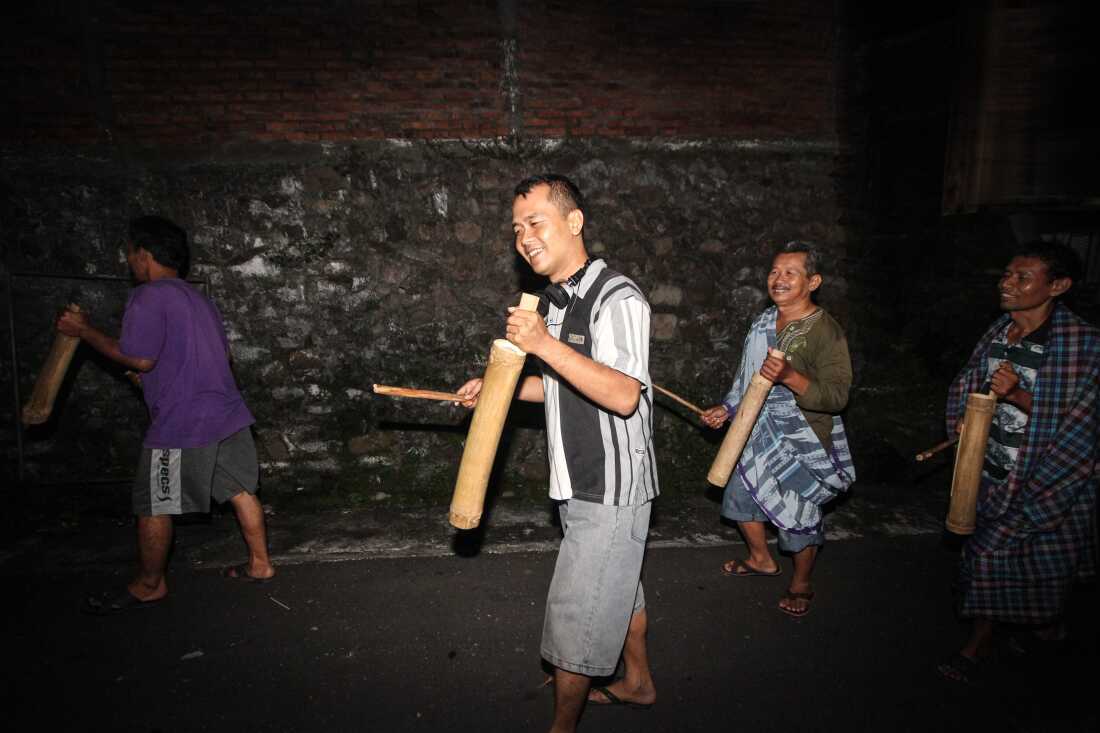
インドネシアのムスリムたちは、伝統的なドラムであるケントンガンを叩き、ラマダン期間中の早朝の断食前の食事であるサフルのために人々を起こします。この「トン・トン・トン」という音が、「トン・トン・サフル」の名前の由来となっています。
**
Anadolu via Getty Images
**
キャプションを隠す
**
キャプションの切り替え
Anadolu via Getty Images
**
米国の裁判所でMementum Labを代表する法律事務所Greenberg Gluskerのパートナー、スティーブン・スタイン氏は、「トン・トン・サフル」の生い立ちが、このキャラクターは人間によって作られたことを証明しており、たとえ作成にそれほど手間がかからなかったとしても、それは法律上も著作権の対象になると述べています。
「今ここで何かを描いて30秒で完成させたとしても、それは著作権保護の対象になり得ます」と彼はNPRに語りました。
著作権と商標の攻防
「Steal a Brainrot」を制作した Do Big Studios は、Tung Tung Sahur の著作権無効化を試みていますが、Mementum はこれに対抗し、商標権侵害を主張して逆訴えています。この違いは非常に重要です。著作権は通常、ハリー・ポッターの書籍やキャラクターのように、許可なく複製されたり盗用されたりするクリエイティブな作品を保護するために使われます。一方、商標は歴史的にコカ・コーラのような消費者ブランドを保護するために利用されてきました。
Stein 氏は、Mementum が商標法を利用しているのは、現時点では米国で Tung Tung Sahur の著作権登録を試みていないからだと言います。彼によれば、この商標主張により、同社は AI で生成されたキャラクターが米国の法律下で著作権の対象となるかという大きな哲学的な問いを追及するのではなく、Tung Tung Sahur の無断使用に対して損害賠償を受けられるかに焦点を絞って戦うことができるようになります。
「Mementum は訴訟における戦い方を戦略的に選ぶ必要があります。その上で、海外での請求権行使に必要な権利のすべてを確保しておくことが重要です」と彼は述べています。
Do Big を代表する Moss 氏は、相手側が商標主張にこだわっているのは、現在の著作権法の下では敗北することが分かっているからだと考えています。「米国特許商標庁は明確に示しています。画像生成器にプロンプトを入力しただけでは、著作者性にはならないと」と彼は言っています。
双方が反訴を繰り広げたため、この裁判が AI 芸術の法的理解にどのような影響を与えるかは依然として不明ですが、UCLA の法律専門家マッケナ氏は、同様のケースが法廷における判例形成において決定的な役割を果たす可能性があると指摘しています。
マッケナ氏は、著作権の問題を回避するために商標法を利用する戦略は決して珍しくないものの、これは制度の濫用だと考えています。「商標本来の目的は、有形の商品やサービスの出所を示すことにある」と彼は述べ、「難しい著作権の問題から逃れるために商標法に頼ることは、私の知る限り商標法の誤用だ」と指摘しました。
一方でマッケナ氏は、トン・トン・サフール氏も米国の法律の下で著作権を確立する可能性があると見ています。「一般的に、オリジナル性の基準は非常に低い」と彼は説明しています。「世界史上最も創造的なものでなければならないわけではありませんから。
原文を表示
Tung Tung Sahur, one of the world's best-known "Italian brainrot" characters, was created using seven prompts in an AI image generator. A legal battle is underway to determine who, if anyone, can claim ownership.
**
AFP via Getty Images/Collage by Emily Bogle/NPR
**
hide caption
**
toggle caption**
AFP via Getty Images/Collage by Emily Bogle/NPR
Around the world, kids are going crazy for a set of characters collectively known as "Italian brainrot." These memes are generated using artificial intelligence, and they're appearing on social media and YouTube, as well as in video games.
Now their popularity has sparked a fight over who, if anyone, owns them.
A legal battle unfolding in a California courtroom could determine whether several prominent brainrot characters can be used in games and other media without paying or acknowledging their creators. On one side is a company that made a hit game using Italian brainrot characters. On the other is a French startup representing the young creators of several of the characters that appear in the game. At stake is potentially many millions of dollars in revenue.
The legal battle comes at a crossroads for AI-generated art and raises the question of whether prompts to a chatbot can be considered artistic expression. A 2024 case ruled that a chatbot cannot be the sole inventor of a product or piece of art, and it left open the possibility of humans using AI to produce copyrightable works. Last year, the U.S. Copyright Office affirmed that AI-assisted work could be copyrighted but added: "Whether human contributions to AI-generated outputs are sufficient to constitute authorship must be analyzed on a case-by-case basis."
"We're still in the middle of figuring out, as a copyright matter, how much human involvement there has to be" for AI art to be legally protected, said Mark McKenna, a law professor at the University of California, Los Angeles who co-directs the university's Institute for Technology, Law and Policy. McKenna thinks the day will come when an AI drawing, story or song is copyrighted, but he said, "I don't have some specific prediction of how many prompts it's going to take."
Ballerina Cappuccina
Italian brainrot burst forth on the internet in early 2025. The memes are weird, AI-generated characters with faux Italian-sounding names. A cow with the body of the planet Saturn and large human feet is known as La Vaca Saturno Saturnita, while a frothy coffee in a tutu is called Ballerina Cappuccina.
Grown-ups can find Italian brainrot confusing, but kids love the Dadaist characters. And sensing an opportunity, products geared toward a younger audience are regularly using brainrot characters.
That includes Steal a Brainrot, a video game made by a company called Do Big Studios and launched last year, shortly after brainrots took the youth internet by storm. In the game, different brainrot characters come out on a conveyor belt and players pick them up. But they can also steal brainrots from each other. *Steal a Brainrot* is one of the top games on the online gaming platform Roblox, with hundreds of thousands of players logging on at any moment to steal each other's characters.
*Steal a Brainrot* is a game on Roblox where players can steal each other's brainrot characters. It rocketed to the top of the charts last year and remains a top game on the Roblox platform.
**
Screenshot by NPR/YouTube
**
hide caption
**
toggle caption**
Screenshot by NPR/YouTube
After *Steal a Brainrot* rocketed to the top of the charts, Sam Brakta (aka SpyderSammy), the creator of *Steal a Brainrot* and owner of Do Big, received a letter from a French company called Mementum Lab asking the company to enter into licensing negotiations for one of the characters in the game: Tung Tung Sahur.
Tung Tung Sahur (sometimes called Tung Tung Tung Sahur) is among the biggest characters in Italian brainrot. He looks like a wooden stick with a face, human feet and human arms, holding a baseball bat.
Licensing requests are nothing new: If someone wanted to put Darth Vader in a video game, for example, they'd have to pay a fee to Disney, which currently owns the intellectual property for Star Wars.
But rather than pay a license fee, Do Big decided to take Mementum Lab to court. In an amended complaint filed in July, the company stated that "Mementum's claimed rights do not exist. Under established law, copyright protection requires human authorship, and AI-generated material does not qualify."
"It's our client's position that the various brainrots that are featured in this game, because they were created by AI, are not protectable — they're not owned by anybody," said Aaron Moss, a copyright lawyer at the firm Mitchell Silberberg & Knupp, which is representing Do Big and SpyderSammy.
Young creators use AI
Mementum Lab, the company representing the creators of several characters that appear in *Steal a Brainrot*, takes a different view. Brainrot characters are already known to millions of children globally and are potentially worth hundreds of millions of dollars in revenue, argues Eben Jeda, a co-founder of Mementum.
"Our position has always been that if these characters become global entertainment franchises, the original creators should be part of that success," he wrote to NPR in an email.
In the case of Tung Tung Sahur, Jeda argues, there's a lot more to him than meets the eye.
According to court records, Tung Tung Sahur's creator is a young Indonesian man named Fernanda Bagas Indrastata who goes by the online name Noxa. Noxa made the character in 15 minutes using just seven prompts with an AI image generator.
It turns out the character isn't a wooden stick after all. It's actually a type of Indonesian drum called a kentongan. During Ramadan, kentongans are used to wake up people for sahur, the early-morning pre-fast meal. The "tung tung" noise that the drums make became Tung Tung Sahur's first name.
Indonesian Muslims strike kentongans, which are traditional drums, to wake people up for sahur, the early-morning pre-fast meal during Ramadan, on July 3, 2014, in Semarang, Central Java. The "tung tung tung" sound made by the drum is what gives Tung Tung Sahur his name.
**
Anadolu via Getty Images
**
hide caption
**
toggle caption**
Anadolu via Getty Images
Steven Stein, a partner at Greenberg Glusker, the law firm representing Mementum Lab in U.S. court, said that Tung Tung Sahur's origin story proves the character was made by a human and that even if it didn't take much effort to create it, that still counts under the law.
"If I sat here right now and drew a picture of something and spent 30 seconds doing that, that could be copyrightable," he told NPR.
Copyright vs. trademark
While Do Big Studios, the creator of *Steal a Brainrot*, is trying to invalidate any copyright for Tung Tung Sahur, Mementum has countersued, claiming trademark infringement. The difference is significant: Copyright is typically used to protect creative works (like the Harry Potter books and characters) from being plagiarized or duplicated without permission, while trademark has historically been used to protect consumer brands (like Coca-Cola).
Stein said that Mementum is using trademark law because, so far at least, it has not tried to register a copyright for Tung Tung Sahur in the United States. The trademark claim, he asserts, allows the company to focus more directly on whether the company can receive damages from unauthorized use of Tung Tung Sahur, without pursuing the larger philosophical question of whether an AI-generated character is copyrightable under U.S. law.
"Mementum has to be strategic about the fights it has in this litigation while preserving its full suite of rights to pursue claims abroad," he said.
Moss, representing Do Big, said he believes the other side is pursuing a trademark claim because it knows it will lose under current copyright law. "The U.S. Copyright Office has been clear that simply typing prompts into an image generator is not authorship," he said.
Because of the counterclaims by both sides, it remains unclear how the case will shape the legal understanding of AI art, but UCLA legal expert McKenna says cases like these will likely be pivotal in creating precedent in the courts.
McKenna said using trademark law to sidestep copyright questions is not an uncommon strategy, but he thinks it's an abuse of the system. "Trademark is supposed to identify the origin of tangible goods and services," he said. "Falling back on trademark so as to avoid the hard questions in copyright, to me, is a misuse of trademark law."
At the same time, McKenna said, he thinks Tung Tung Sahur could have a shot at securing a copyright under U.S. law.
"In general, the standard for originality is pretty low," he said. "It doesn't have to be, like, the most creative thing in the history of the world."
関連記事
今日のまとめ
AIデイリーブリーフで今日の重要ニュースをまとめ読み