ティーンが AI チャットボットに情緒的支援を求める中、子供を守る方法とは
本文の状態
日本語全文を表示中
詳細モードで約13分の本文を読めます。
同じ出来事の情報源
この情報源を基点に整理
The Conversation AI
ティーンエイジャーが不安や孤独感を解消するために一般用AIチャットボットに依存する傾向が強まっており、専門家は未検証のツール利用によるリスクと保護者の関与の重要性を指摘している。
Continue in AI NEW LAB
このニュースを、実務の判断につなげる
AI NEW LABで、試したことや先に確認したい条件を共有できます。まずはログインなしで読めます。
AI NEW LABで論点を見るAI深層分析を開く2026年8月13日 21:57
AI深層分析
キーポイント
若年層のAI依存の実態
2025年の調査によると、ティーンエイジャーの72%がAIコンパニオンチャットボットと交流しており、13〜20%が感情的な悩みに対して支援を求めている。
非開示によるリスク
メンタルヘルスアドバイスにAIを利用したティーンエイジャーの63%は、その利用を誰にも伝えておらず、専門家の介入が困難な状況にある。
一般ツールの濫用問題
ChatGPTやSnapchatのMy AIなど、精神保健支援のために設計・検証されていない汎用ツールが、治療目的で広く利用されている実態が明らかになった。
一般向けチャットボートのリスク
一般的なチャットボートは専門的な治療ツールと異なり、危機時の対応プロトコルやケアのエスカレーション経路を欠いている。これらのシステムは自殺念慮や自傷行為などの危険な兆候を認識できない場合がある。
誤った情報と人間関係への影響
一般向けチャットボートは高い自信を持って不正確または誤解を招く助言を生成する可能性がある。孤独や不安を抱える思春期の子供がこれらに依存することで、現実の人間関係に対する期待が歪められる恐れがある。
重要な引用
72% of teens having interacted with AI companion chatbots
63% of the teens and young adults who used an AI chatbot for mental health advice had not disclosed it to anyone
most teens are using general-purpose tools that were never designed or validated for mental health support
These systems typically lack effective crisis protocols or pathways to escalate care when someone is in danger.
編集コメントを表示
編集コメント
一般用AIが医療・心理的支援の代替として利用される現象は、技術の普及速度と社会的受容度のギャップを如実に示している。開発側は機能の拡張だけでなく、倫理的な境界線やユーザー保護の仕組みを優先的に検討する必要があるだろう。
Source Article
元記事を日本語で読む
本文に関係しない購読案内、埋め込み通知、サイト内プロモーションは除いています。
午前 2 時。友人とのトラブルを心配して眠れない少女がいます。両親を起こすのをためらい、彼女はスマホを取り出して AI アプリを開き、「すごくストレスで眠れない」と入力します。
すると即座に返信が届きます。「大変な思いをしているのですね。何があなたを悩ませているのか、少し教えてくれませんか?」会話は続いていき、20 分後には少女は落ち着いて眠りにつくことができました。彼女を安心させたその声こそが、大規模言語モデル(LLM)チャットボット です。
これは架空のシナリオですが、実はティーンエイジャーによる AI の利用において非常に一般的なパターンを表しています。
多くのティーンは、共感を模倣し人間との関わりを維持するように設計された AI チャットボットに、孤独しのぎや精神的なサポート、メンタルヘルスに関するアドバイスなどを求めて頼っています。調査によると、この傾向は年々強まっており、2025 年の 2 ヶ月間に限っても、ティーンの 72% が AI コンパニオンチャットボットとやり取り したことがあり、13% から 20% のティーンが 感情的な悩みに対して AI を通じてサポートを求めた ことが分かっています。
別の最近の研究では、メンタルヘルスのアドバイスのために AI チャットボットを利用したティーンや若者のうち、63% が 誰にもその事実を伝えていなかった ことが明らかになりました。
臨床心理学者および小児精神科医として、思春期の若者と接する中で、この変化を肌で感じてきました。
2025 年、私たちは臨床医向けに「ティーンエイジャーのチャットボット利用における安全性への対応」に関するガイドラインを発表しました。現在は、保護者や信頼できる大人たちが同様の取り組みを行えるよう支援しています。
なぜ若者は脆弱なのか
友人同士をつなぐソーシャルメディアとは異なり、ChatGPT、Claude、Gemini といった AI チャットボットは、模擬的な会話相手やコンパニオンとして機能します。いつでも即座に返答が得られるため、支援的で魅力的に感じられることがあります。
目的別に設計された治療用チャットボットも一部存在し、管理された環境で研究されていますが、多くのティーンエイジャーが利用しているのは、精神保健サポートのために設計・検証されたことのない汎用ツールです。これには、ChatGPT 単体のプラットフォームや、Snapchat の My AI のように、若者がすでに使用しているアプリに組み込まれたチャットボットも含まれます。
これらのチャットボットは至る所にあり、非常にアクセスしやすく、ティーンエイジャーが避けるのは困難です。ティーンエイジャーたちはしばしば、チャットボットとのやり取りを「情緒的に意味のあるもの」や「支えとなるもの」と表現します。時には友人と話すことよりも、チャットボットとの会話を好むさえあります。
自己認識の形成途上にあり、社会的な承認を強く求めるティーンエイジャーは、これらの疑似的な関係を現実のものとして体験しやすい傾向があります。この動きは現在進行形ですが、最も重要な課題は、ティーンエイジャーが安全にチャットボットを利用できるよう導く方法です。
精神保健重視のチャットボットと一般向けのもの
専門家のサポートを補完する形で使用すれば、一部の治療目的 AI チャットボットが軽度の症状を持つ成人に役立つという証拠があります。例えば、認知行動療法に基づいた完全自動化型のチャットボット「Woebot」は、2 週間の利用後に大学生のうつ症状を軽減させることが示されています。また、若年層のティーンエイジャーにも有効である可能性を示す初期のエビデンスも存在します。
しかし、これらは研究試験で検証された専門的なツールであり、多くのティーンエイジャーが実際に利用している ChatGPT などの汎用チャットボットとは異なります。これらのシステムには、危険な状況にある人に対してケアをエスカレートさせるための効果的な危機対応プロトコルや経路が通常備わっていません。
2025 年 11 月に Common Sense Media が発表したレポートでは、汎用チャットボットがティーンエイジャーのメンタルヘルス支援において「許容できないリスク」があると評価されました。
*チャットボットは、人間のように自傷行為や自殺念慮の兆候を認識できない可能性があります。*
恩恵とリスクのバランス
汎用チャットボットは、高い自信を持って提示されるにもかかわらず、不正確または誤解を招くアドバイスを作成する傾向があります。この特性により、一部のユーザーが混乱したり、不健全な信念が強化されたりする恐れがあります。
特に孤独感や不安、社会的コミュニケーションの課題を抱えている思春期の若者たちは、チャットボットに強い愛着を抱き、人間のつながりに代えてそれらに依存することがあります。その結果、現実の人間関係に対する期待が歪んでしまうおそれがあります。
最も懸念されるのは、これらのシステムが実際のリスクを伴う思考(危険な社会的行動、自傷行為、さらには自殺に関する考えなど)に対してどのように対応するかという点です。
治療用および汎用のチャットボットによる、自殺念慮の検出と対応に関する研究では、その対応が不十分であることが示されています。たとえチャットボットが 988 Suicide and Crisis Lifeline(全米危機支援ホットライン)のようなリソースを提供したとしても、問題のある内容を含む会話は、強制的に終了されることなく継続されることが多いのです。
長時間の会話が続くほど、やり取りの安全性は低下する傾向があります。そのため、深夜 2 時の悩みが 3 時になると、チャットボットの回答が混沌とし、安全対策が効かなくなることで、より危険な状況に陥る可能性があります。
2025〜26 年に提起され、和解された訴訟では、ChatGPT などの言語モデルとのやり取りが「思春期の自殺行為や悲劇的な損失につながった」と主張されました。これは、商用チャットボットに効果的な安全対策や危機対応プロトコルが欠けていることを浮き彫りにしています。
こうした懸念を背景に、一部のチャットボットプログラムでは制限措置が講じられています。例えば、Character.ai は最近、18 歳未満のユーザーに対して「自由なチャット」を禁止しました。同アプリでは現在、年齢確認が必要となり、保護者が通知を受け取るオプションを選択できるようになっています。
しかし、思春期の若者たちが依然として AI と自由なチャットを楽しめる選択肢は多く存在し、彼らはオンライン上で安全指向の制限を回避することがよくあります。
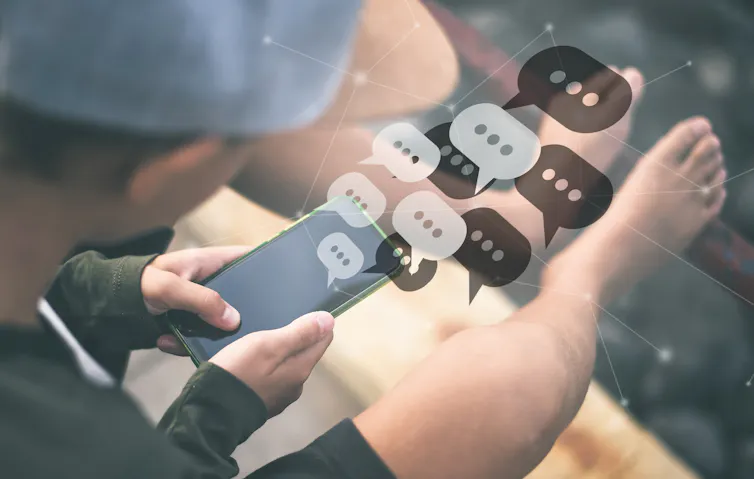
チャットボットの安全対策は、ティーンエイジャーがそれらと会話する時間が長くなるほど弱まることがあります。Fabio Principe/iStock via Getty Images
警戒すべきサイン
保護者や信頼できる大人は、ティーンエイジャーの以下の問題行動に注意を払うべきです。
- AI との会話に費やす時間が徐々に増えている。
- 家族、友人、教師などとの人間関係に割く時間と労力が減っている。
- チャットボットのアクセスが制限されると、動揺したりイライラしたりする。
- 精神的な苦痛や危機的な状況において、人間のサポートではなくチャットボットへの依存を強める。
これらのパターンは、ティーンエイジャーによる問題のあるソーシャルメディア利用の兆候と似ています。これは教訓となるべき軌道です。
ソーシャルメディアが若者のメンタルヘルスに与えるリスクに対する広範な認識は、被害が定着してからようやく広がりました。2023 年、米国の surgeon general(保健長官)は、ソーシャルメディアが若者の精神健康に対して 「深刻な危害をもたらす危険」 を抱えていると警告しました。
私たちの評価では、チャットボットも同様のリスクを孕んでおり、早期の気づきが極めて重要です。
保護者や信頼できる大人ができること
最も効果的な対策はシンプルです。ティーンエイジャーにチャットボットの使い方について話し合いましょう。
ティーンエイジャーがチャットボットを利用している可能性は高いので、その前提で話を進めるのが自然です。「チャットボットを使っていますか?」といった閉じた質問は、一部のティーンにとっては批判されているように感じられる恐れがあります。代わりに、「ChatGPT などのチャットボットを使うとき、どんな話題になりますか?」といった開かれた問いかけから始めるのが良いでしょう。
「何か不快感や混乱、驚きを感じたことはありませんか」「気分が落ち込んだり、行き詰まったときにチャットボットや AI コンパニオンをどう使っていますか」といった質問を通じて、より具体的な情報を得ることができます。
多くのティーンは、親がこの話題についてオープンに話し合おうとしてくれることに安堵します。一方的に否定したり禁止したりするのではなく、こうした会話で得た情報を基に、適切な指導を行うことが可能です。
安全な利用のための境界線を設定する
家族がスクリーンタイムや SNS の利用に関するガイドラインを設ける際、チャットボットの利用についても同様に境界線を引くべきです。特に夜遅くはティーンが感情的に脆弱になりやすい時間帯なので、利用時間の制限は有効な手段となります。親とティーンは、チャットボットの利用を避けるべき時、特に危機的状況や強い苦痛を感じている時には使用しないことについて、明確な合意形成を行う必要があります。
信頼できる友人、親、学校のカウンセラー、あるいは 988 自殺・危機リフライン など、人間によるサポートにアクセスする方法を確認しておくことは有益です。また、ジャーナリング(日記)、気晴らし、グラウンディング、呼吸法などの代替的な感情調整の技法 を調べることもできます。
チャットボットの利用状況や懸念事項について定期的に確認することで、情報の流れを止めず、安全性を高めることができます。目標は必ずしもチャットボットの使用を排除することではなく、現実の人々とのつながりを守り、危険なやり取りの確率を下げるために、考え抜かれた境界線を設けることです。

AI リテラシーのための重要なポイント
私たちの臨床ガイドライン は、ティーンエイジャーがチャットボットの何ができるか、何ができないかを理解する手助けを強調しています。親御さんもこれを補完することができます。
ティーンエイジャーと話すべき重要なトピックは以下の通りです。
- チャットボットは「相手を理解している」わけではありません。対話において、チャットボットは過去の会話パターンに基づいて応答を予測しているに過ぎません。そのため、どんなに説得力のある共感やつながりを感じさせても、それはシミュレーションされたものであり、実在するものではありません。
- チャットボットは間違いを起こしたり、事実と異なる情報をでっち上げたりすることがあります(AI 業界ではこれを「ハルシネーション」と呼びます)。しかも、その不正確な情報に対して非常に自信を持って提示してくるため、注意が必要です。
- チャットボットは作成者によって「好意的に振る舞うよう」調整されています。そのため、ユーザーが聞きたいことを言う傾向があり、結果として、現実の文脈では信頼性や有用性が低下することがあります。
- チャットボットとの会話は非公開でも特別扱いされるわけでもありません。会話内容は保存され、将来のモデル学習に利用されたり、人間によるレビューの対象となったり、データ漏洩で外部に流出したりする可能性があります。
これらの限界についてオープンに話し合うことで、ティーンエイジャーはより批判的かつ安全にチャットボットを利用できるようになります。
コミュニケーションの扉を開く
AI チャットボットのやり取りが思春期のメンタルヘルスに具体的にどのような影響を与えるかについては、研究はまだ始まったばかりですが、浮き上がる懸念は現実的で重要です。
チャットボットのやり取りを思春期の子供たちが避けることが次第に難しくなっている一方で、より安全な利用へと導くサポートは可能です。今こそ子供たちと話し合うべき時であり、こうした対話が子供の安全を守り、人間同士のつながりを深めることにつながります。
*もしあなたやあなたの知り合いが危機的な状況にあり、米国にお住まいの場合は、訓練された聴き手が対応する 988 スーサイド&クライシス・ライフライン(988 Suicide & Crisis Lifeline)へお電話いただくか、HELLO を 741741 にテキストメッセージで送信してください。どちらも無料で、24 時間年中無休、かつ秘密が守られるサービスです。米国以外にお住まいの場合は、上記のヘルプラインをご利用いただくか、医療専門家に相談してください。*
原文を表示
It’s 2 a.m., and a teenage girl, worrying about a friend issue, lies awake. Rather than wake her parents, she picks up her phone, opens an AI app and types, “I’m so stressed out, I can’t sleep.”
A reply arrives swiftly: “I’m sorry you’re dealing with this. Want to tell me a bit about what is stressing you?” The conversation unfolds, and 20 minutes later she is calmer and able to sleep. The supportive voice that calmed her? A large language model, or LLM, chatbot.
While this is a hypothetical scenario, it represents a very common pattern of artificial intelligence use by teens.
Many teens are turning to AI chatbots, which are designed to simulate empathy and maintain human engagement, for companionship, emotional support and mental health advice. Research shows that this is increasingly common, with 72% of teens having interacted with AI companion chatbots, and 13% to 20% having sought support through AI for emotional concerns in a two-month period in 2025.
In another recent study, 63% of the teens and young adults who used an AI chatbot for mental health advice had not disclosed it to anyone.
As clinical psychologists and a child psychiatrist who work with adolescents, we’ve seen this shift firsthand.
In 2025 we published guidelines for clinicians on how to address teen chatbot use safety, and we’re now working to help parents and other trusted adults do the same.
Why teens are vulnerable
Unlike social media platforms, which connect teens with peers, AI chatbots such as ChatGPT, Claude and Gemini function as simulated conversation partners and companions, offering on-demand responses that can feel supportive and engaging. While a small number of purpose-built therapeutic chatbots have been studied in controlled settings, most teens are using general-purpose tools that were never designed or validated for mental health support. This includes stand-alone platforms such as ChatGPT and chatbots built into apps that teens already use, such as Snapchat’s My AI.
These chatbots are everywhere, highly accessible and difficult for teens to avoid. Teens often describe chatbot interactions as emotionally meaningful or supportive, sometimes even preferring chatbot conversations to talking with friends.
Teens, still forming their sense of self and often craving social validation, may be especially prone to experiencing these simulated relationships as real. This trend is happening in real time, and a pressing question is how to guide teens to use chatbots safely.
Mental health-focused chatbots vs. general ones
There is evidence that some therapeutic AI chatbots can help adults with mild symptoms when used alongside professional mental health support. Woebot, for example, a fully automated cognitive behavioral therapy-based chatbot, reduced depressive symptoms in college students after two weeks of use. Some early evidence shows potential for helpfulness for younger teens as well.
But these are specialized tools tested in research studies — not the general-purpose chatbots like ChatGPT that most teens actually use. These systems typically lack effective crisis protocols or pathways to escalate care when someone is in danger.
A November 2025 Common Sense Media report rated general-purpose chatbots as unacceptably risky for teen mental health support.
*Chatbots may not recognize signs of self-harm or suicidal thoughts as a person would.*
Navigating the benefits and risks
General-purpose chatbots can generate inaccurate or misleading advice that is presented with high confidence. For some users, this can create confusion or reinforce unhealthy beliefs.
Adolescents, especially those experiencing loneliness, anxiety or social-communication challenges, may form strong attachments and turn to chatbots in place of human connection. This can, in turn, distort their expectations of real relationships.
Most concerning is how these systems handle thoughts that pose real risk to teens, including thoughts of risky social behaviors, self-harm or even suicide.
Studies of chatbot performance in detecting and responding to thoughts of suicide, by both therapeutic and general-purpose chatbots, show inadequate response. Even when the chatbots offer resources like the 988 Suicide and Crisis Lifeline, a national crisis line, conversations with concerning content are often permitted to continue without a hard stop.
The safety of the interactions tends to degrade over the course of long conversations. So 2 a.m. ruminations can become even riskier interactions at 3 a.m. as chatbot responses become more chaotic and less subject to safety guardrails.
Lawsuits filed and settled in 2025-26 have alleged that interactions with language models such as ChatGPT led to teen suicidal behavior and tragic losses, highlighting that commercial chatbots lack effective guardrails and crisis protocols.
Given these concerns, some chatbot programs have instituted restrictions. Character.ai, for instance, recently banned open-ended chat for users under 18. The app now requires age verification and allows parents to opt in to receive notifications.
However, many options exist for teens to still experience open-ended chats with AI, and teens often bypass safety-oriented restrictions online.
Red flags to watch for
Parents and other trusted adults can be on the lookout for teens’ problematic behaviors, such as:
- Spending increasing amounts of time chatting with AI companions.
- Reducing time and effort in relationships with family, friends, teachers and others.
- Showing distress or irritability when chatbot access is limited.
- Reaching for chatbot interactions rather than human supports in moments of emotional distress or crisis.
These patterns mirror problematic social media use by teens – a trajectory that offers a cautionary lesson.
Broad acknowledgment of social media’s risk came only after harms became entrenched; in 2023 the U.S. surgeon general warned that social media poses a “profound risk of harm” to youth mental health.
In our assessment, chatbots pose a comparable risk, and early awareness is crucial.
How parents and trusted adults can help
The most powerful step is straightforward: Talk with teens about their chatbot use.
Approaching teens with curiosity and nonjudgment is helpful.
It makes sense to assume a teen is using a chatbot, because this is most likely the case. Rather than a closed-ended question like “Do you talk to chatbots?” which some teens may perceive as judgmental, adults can begin with open-ended questions like “When you use chatbots like ChatGPT, what do you talk about?”
Additional detail can be gathered from questions like “Has anything ever felt uncomfortable, confusing or surprising?” or “How do you use chatbots or AI companions when you are feeling upset or overwhelmed?”
Many teens can feel relieved that parents are willing to discuss this openly, rather than dismissing or banning it outright. Parents can use what they learn in these conversations to provide guidance.
Setting boundaries for safe use
As families set boundaries around screen time and social media, they can include chatbot use as well. Time limits, particularly late at night when teens may be more emotionally vulnerable, can be helpful. Parents and teens should come to clear agreements about when chatbots should not be used, particularly during moments of crisis or high distress.
It can be useful to review how to access human supports, such as a trusted friend, a parent, a school counselor or the 988 Suicide & Crisis Lifeline. You can also research alternative emotional-regulation techniques, such as journaling, distraction, grounding and breathing techniques.
Regular check-ins about how chatbot use is going and whether concerns are coming up can keep information flowing and improve safety. The goal isn’t necessarily to eliminate chatbot use but to set thoughtful boundaries that protect connection with real people and reduce the probability of unsafe interactions.
Key points for AI literacy
Our clinical guidelines emphasize helping teens understand what chatbots are and aren’t. Parents can reinforce this as well.
Important topics to discuss with teens include:
- Chatbots don’t “know” people; in interactions, they are predicting responses based on patterns in the chat. Therefore, any sense of understanding, connection or empathy – however convincing – is simulated, not real.
- Chatbots can make mistakes or entirely make things up – called “hallucinations” in the AI field – while showing great confidence in these inaccuracies.
- Chatbots are “tuned” by their creators to be agreeable and they tend to tell people what they want to hear, which can make their outputs less trustworthy or less useful in real-life contexts.
- Chats with chatbots are not private or privileged, and conversations may be stored, used to train future models, reviewed by humans or surfaced in a data breach.
Talking openly about these limitations helps teens engage more critically and safely.
Open lines of communication
Research is only beginning to emerge around how AI chatbot interactions specifically affect adolescent mental health, but the emerging concerns are real and important.
While chatbot interactions are increasingly difficult for teens to avoid, supporting teens toward safer use is possible. The time to talk with teens is now, and these conversations can protect their safety and deepen their human connections.
*If you or someone you know is in crisis and are based in the U.S., call the 988 Suicide & Crisis Lifeline to speak with a trained listener, or text HELLO to 741741. Both services are free, available 24/7 and confidential. If you are a reader from outside the U.S., please use a helpline like the one above or speak to a healthcare professional.*
関連記事
今日のまとめ
AIデイリーブリーフで今日の重要ニュースをまとめ読み