Roboguard Revolution が短絡化:AI の社会的影響を調査する新メディアが報じる
本文の状態
日本語全文を表示中
詳細モードで約11分の本文を読めます。
同じ出来事の情報源
この情報源を基点に整理
404 Media
セキュリティロボット大手のナイトスケープ社が契約相次ぐキャンセルに直面し、AI単独での犯罪抑止効果が限界を示したため、同社は人間警備員を統合する事業モデルへ転換せざるを得なくなった。
Continue in AI NEW LAB
このニュースを、実務の判断につなげる
AI NEW LABで、試したことや先に確認したい条件を共有できます。まずはログインなしで読めます。
AI NEW LABで論点を見るAI深層分析を開く2026年8月10日 22:33
AI深層分析
キーポイント
セキュリティロボット導入の失敗事例
2015年以降の少なくとも21件の導入プログラムのうち、13件が終了しており、ニューヨーク市やオハイオ州ダブリン市などのパイロットプログラムが契約解除された。
AIロボットの機能限界と現場の声
ロボットは犯罪検知や切符発行に失敗し、人間による緊張緩和の役割を果たせず、現地の警備業者からは「ロボットにはそれができない」という批判が出ている。
事業モデルの転換と買収
ナイトスケープ社はAIとロボットのみに依存する戦略から、人間警備員を組み合わせる新モデルへ転換し、警備会社「Event Risk LLC」を買収した。
企業の財務状況と将来展望
同社は設立以来累積赤字であり2億7300万ドルの負債を抱えているが、物理的セキュリティ市場(年間推定2300億ドル)でのシェア拡大を目指している。
AIの限界と事故の歴史
ロボットは予測不能な状況で失敗する傾向があり、過去には歩行中の幼児を轢くなどの事故が起きている。
重要な引用
"did not fully meet our operational needs," and failed to identify any criminal incidents or lead to any tickets or arrests.
"A robot can't do that."
"Technology cannot do everything — and neither can"
"AI and robots for security have had a long problematic history," Cummings said in an email, speaking generally. "I do not see this changing anytime soon."
編集コメントを表示
編集コメント
セキュリティロボットが期待されたほど犯罪抑止に貢献しなかったという事実は、AI技術の導入において「人間との協働」がいかに不可欠かを示している。この事例は、技術の可能性を過信せず、現場の実情に基づいた戦略転換の重要性を浮き彫りにしている。
Source Article
元記事を日本語で読む
本文に関係しない購読案内、埋め込み通知、サイト内プロモーションは除いています。
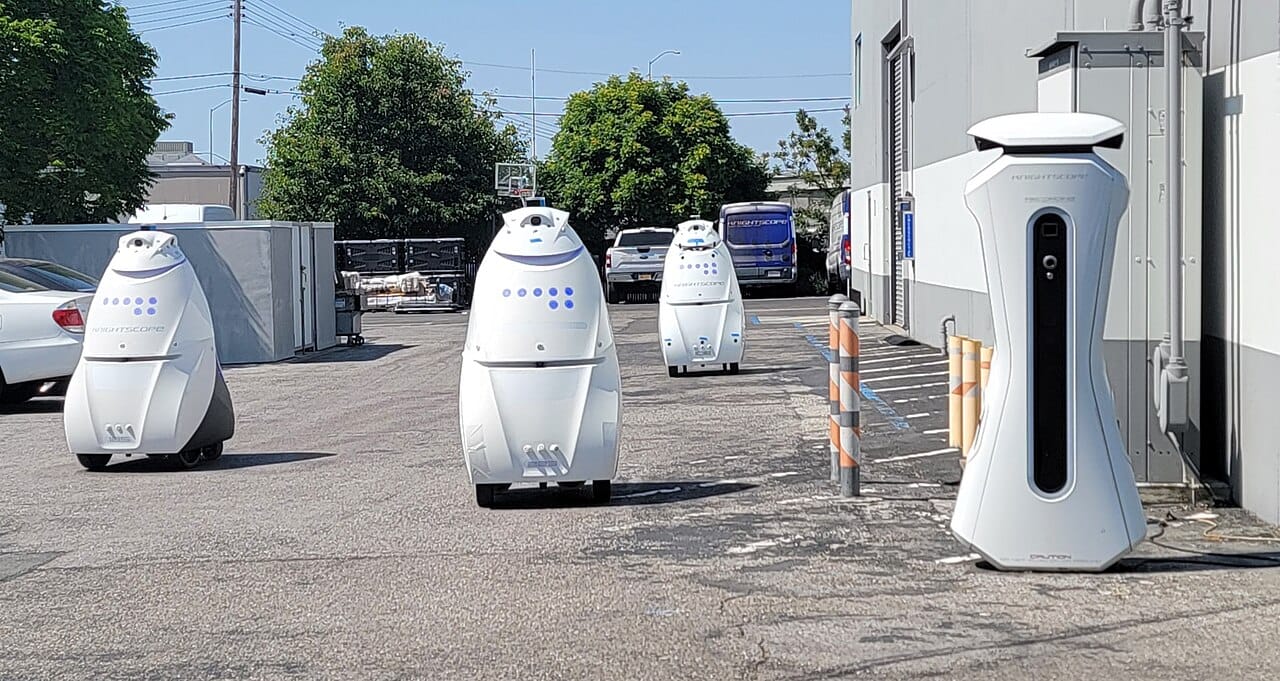
404 Media は、AI の社会的影響を調査する新しい非営利メディア機関「Proof News」との共同記事として本稿を掲載しています。Proof News のメルマガ登録はここから、同サイト上の本記事はこちらからお読みください。
ロボット企業は、カメラを搭載した警備用ロボットが犯罪の抑止や検知に寄与すると主張してきました。しかし、契約の相次ぐキャンセルや、人工知能搭載ロボットの実際のニーズへの適合性に対する疑問を受け、多くの企業がそのアプローチを見直しています。
Proof News の調査では、2015 年以降少なくとも 21 件の警備ロボット導入事例が確認されました。契約関係者に直接問い合わせるとともに、関連ニュース記事を検証した結果、そのうち少なくとも 13 のプログラムが終了していることが判明しました。シリコンバレーに拠点を置く Knightscope が最も多くの警備ロボット契約を獲得しましたが、同社もキャンセルの大半を被っています。
例えば、当時のニューヨーク市長エリック・アダムスはタイムズスクエア地下鉄駅の夜間勤務に Knightscope のロボットを導入しましたが、2024 年にパイロットプログラムが終了した際に計画は中止されました。市当局者は、なぜロボット導入が更新されなかったのかという Proof News の質問に対して回答していません。その任務の最終段階では、同ロボットは空き店舗の中で埃を被っているとの報道がありました。
オハイオ州コロンバス郊外のダブリン市は 5 月、ナイトスコープ社の警備ロボットを運用停止に追い込み、10 ヶ月に満たない期間で 2 年間のパイロットプログラムを終了させた。同市はこのロボット「DubBot」を導入し、ダウンタウンの公園でのパトロールを担当させていたが、広報担当者のロビン・グレイ氏は「運用上のニーズを完全に満たせなかった」と述べ、犯罪事案の特定や切符発行、逮捕につながった事例は一つもなかったと明かした。
シーラ・スパークスはこれに驚いていない。彼女の家族はコロンバス近郊で 10 年以上にわたり「スパークス警備サービス」を運営しており、緊迫した状況を収束させるには人間の温かみが不可欠だと主張している。「ロボットにはそれができない」とスパークス氏は語る。
警備業界の新たな道を探るナイトスコープ社のウィリアム・サントナ・リ CEO は、同社が新しいモデルを構築中だと明かした。それは自社のロボットと AI 搭載ソフトウェアに、もう一つの重要な要素である「人間の警備員」を組み合わせたものだ。同社は今年初め、全国的な警備会社である Event Risk LLC を買収したと発表した。
米国証券取引委員会(SEC)への最新の四半期報告書によると、ナイトスコープ社は 2013 年の設立以来、累積で純損失を計上しており、負債額は 2 億 7,300 万ドルに達している。同社はこの「人間を組み込む」方針転換により、物理的セキュリティ市場におけるシェア拡大を目指している。同社によれば、この市場規模は年間約 2,300 億ドルと推定されている。
李氏は解散したプログラムに関する質問には答えず、メールで「技術も人間もすべてをこなせるわけではないが、両者が組み合わされば非常に強力になる」と述べた。
ロボット対世界
ナイトスカイプ社をはじめとする米国のロボット企業は、外国製のモバイルロボットの輸入を禁止した連邦通信委員会(FCC)の最近の措置から恩恵を受ける可能性がある。当局はこの動きを、これらの機械が持つ監視能力を踏まえた国家保安上の喫緊の課題として位置づけている。
しかし、米国のロボット研究者たちは海外勢との競争だけでなく、常に変化する環境でのナビゲーションという長年の課題にも直面している。ジョージ・メason大学のロボット工学教授であるミッシー・カミングス氏は、AI が警備員や警察官が日常的に直面する曖昧な状況に対処できないと指摘する。AI の意思決定システムは限定的な条件下ではよく機能するものの、アルゴリズムが学習データセットの範囲を超えると「悲惨なほど」に性能が低下すると彼女は語る。
カミングス氏はメールで、「セキュリティ分野における AI やロボットには長年にわたる問題のある歴史がある」と一般論として述べた上で、「この状況がすぐに変わるようには思えない」と語った。
2016 年、シリコンバレーのショッピングセンターに配備された Knightscope のロボットが、生後 16 ヶ月の男の子の足を踏みつけてしまいました。当時同社は「奇跡的な事故」として謝罪し、「子供が後ろ向きに走って機械の方へ突っ込んだため、回避しようとして進路を逸らした結果だ」と発表しました。
翌年にはワシントン D.C. の噴水にロボットが転落する incident も発生。同社はユーモアで対応し、「この暑さなら人間は水浴びができるらしいが、ロボットにはできないようだ。申し訳ない」とツイートしました。一方、Li 氏はニューヨーク・タイムズに対し、事故調査中であり、新しいロボットを無償で提供すると述べています。
契約の有効性について問われた際、両不動産会社からは回答がありませんでした。
そして 2024 年、サンアントニオ国際空港での実証実験では問題が浮上。広報担当の Ana Flores 氏は、同社のロボットがバッジ読み取りや通信、案内に苦戦したと明かしました。「ドアの警報は鳴るのに、ロボットが適切に対応できない」という状況でした。この 1 ヶ月のテスト結果を受け、空港側は 1 年契約(21,000 ドル)の Knightscope ロボット導入を見送りました。
その一方で、民間セキュリティ業界は急成長しています。米労働統計局によると、近年都市部で民間警備員が増加しており、彼らの平均年収は約 4 万ドルです。これは警察官の半分程度の水準ですが、需要は高まり続けています。
ロボット企業は、カメラや顔認識機能、ナンバープレート読み取り装置を搭載可能な自律型ロボットを、「新たな監視の目」として売り出しています。家族もいなければ、夜間や週末でも喜んで働く存在です。
ジョージワシントン大学の法学教授であるアンドリュー・ファーガソン氏は、Proof 宛てのメールで「セキュリティロボットは、『魅力的な監視サービス』を約束する」と指摘しました。目に見えるビデオカメラが「人件費を支払うことなく犯罪抑止に役立つ」ケースもある一方で、人間よりも効果的に犯罪を防いだり解決したりできるのかについては、まだ明確ではありません。
ファーガソン氏はさらに、「ロボットは、誰かが潜在的な犯罪に対処しようとしているという物理的な象徴、つまりシンボルとして存在している」と述べています。「ロボットはセキュリティのためのパフォーマンス(セキュリティ・シアター)であり、結果よりも外見が重視されているのです」
契約の崩壊
ナイトスケープ社だけが関心の冷め具合を体感しているわけではありません。
オレゴン州セーラム市の当局者は、今年初めに同州に拠点を置くロボット企業との 3 ヶ月間のパイロット試験を終了後、Daxbot の稼働を停止しました。市は地下駐車場への立ち入り禁止を目的として、3 台の Daxbot ロボットを展開していました。これらのロボットはナンバープレートの記録や駐車ルール違反車両の写真撮影を行い、そのデータを警察と共有する機能を備えていました。
CRUMPLED CONTRACTS
Knightscope isn't the only one seeing interest fizzle.
Officials in Salem, Oregon, powered off their Daxbots after a three-month pilot with the Oregon-based robotics company earlier this year. They had deployed three Daxbot robots to deter trespassing in a downtown parking garage. The robots recorded license plate numbers, captured photos of vehicles violating parking lot rules, and shared data with police.
サレム警察のトレバー・モリソン警部によると、パレード(歩行者用駐車エリア)に関する苦情はパイロットプログラム終了後「劇的に減少」しているが、その背景には交通緩和装置の効果なのか、それとも「ダックスボットのパトロールによる残留効果」なのかは不明だ。このパイロットプログラムは4月に終了し、市の広報担当者ニコル・ミラー氏はロボット警備への追加予算がないことを理由に挙げた。
アリゾナ州テンペでもダックスボットは姿を消した。青い目をした1台のロボットが、「敷地から立ち去れ」と要求する傍観者に手玉にとられた様子を捉えた動画がバズり、ついに『アメリカン・ファンニーストホームビデオ』に紹介される事態となった。契約について問われた際、複合用途キャンパス「IDEA テンペ」は回答しなかった。また、ダックスボット社も、サレムとテンペでの契約終了理由について証明メディア(Proof)の質問には応じていない。
その動画を投稿したアダム・ピオス氏は、証明メディアに対し、自分はロボットを頻繁に訪れていたと語った。数ヶ月前から、ロボットが「不法侵入だ」と叫ぶのを止めたことに気づいたという。彼によると、ロボットは「立ち止まり、私を見つめ、その後、非常にゆっくりと歩き続けるだけ」だったそうだ。そして、その後はもう姿を消した。
ピオス氏は3月、Instagram でこう書き残している。「さようなら友人よ、そして思い出深い時間をありがとう」
ダックスボット社は事業の再調整を進め、新たな業界である「自動歩道評価」へと参入している。証明メディアによると、少なくとも9つの都市が昨9月以来同社と契約を結び、アメリカ障害者法(ADA)への適合状況を確認するためロボットに歩道を巡回させている。
ボストン・ダイナミクスは、最近ワールドカップのスタジアム 2 つに配備されたロボット警備犬で最もよく知られています。ハイundai が 2021 年に同社の支配権を買い取って以来、自動車製造業で働く量産型ヒューマノイドロボットの開発を進めています。
そのヒューマノイドロボット「アトラス」は、7 月の試合中に審判にボールを渡す役割を果たしました。しかしこの戦略は、ハイundai モーターの韓国工場での相次ぐストライキも引き起こしています。
批判派は、警察や警備用ロボットが犯罪対策として実証されたものではないと指摘しますが、ある一点については効果的だと認めています。それは監視です。
2021 年、ニューヨーク市警察はボストン・ダイナミクスのロボット犬とのリース契約を解消し、返却しました。これは『ニューヨーク・タイムズ』が報じたもので、世論の反発を受けた後のことです。アレクサンドリア・オカシオ=コルテス下院議員は、階段を上ることができ、カメラやライト、双方向通信システムを搭載したこのツールを「有色人種の低所得コミュニティでテストのために配備されている監視用地上ドローン」と呼びました。
ボストン・ダイナミクスはコメント依頼に応じませんでした。
「本質的にやっているのは、隠しようのない大規模な監視システムの構築です」と、プライバシー擁護団体 Secure Justice の執行役員であるブライアン・ホファー氏は語ります。「私が住みたい社会ではありません。」
オハイオ州のセキュリティ会社「Direct Approach Security Services」の共同経営者で、元高速道路巡査官のスティーブ・ロスタ氏は、ロボットのカメラが犯罪抑止力として機能し、事件の映像を記録する可能性はあると認めています。しかし、機械が人間の警備員よりも信頼できる未来が来るとは思えないと述べています。
「僕は昔ながらのやり方を信じている」とロスタ氏。「現場に足を運ぶ人間がいる方が、どんな場合でも優れているんだから。」
原文を表示
image404 Media is publishing this article in partnership with Proof News, a new nonprofit media outlet investigating the social impacts of AI. Join their mailing list here and read the version of this article on their site here.
Robotics companies promise that video-camera-toting security robots can deter and detect crime. But many companies are rethinking the approach after a trail of canceled contracts and questions about whether the artificial intelligence-powered bots are meeting the needs of businesses and local governments.
Proof News found evidence of at least 21 security robot deployments since 2015. We contacted contract holders and combed news articles and determined that at least 13 of those programs have ended. Silicon Valley-based Knightscope secured the most security robot contracts, according to Proof’s analysis, and also suffered the bulk of cancellations.
For example, New York City’s then-Mayor Eric Adams installed a Knightscope robot on the overnight shift at the Times Square subway station, but the program was scrapped when the pilot expired in 2024. City leaders did not respond to Proof News’ questions about why the robot wasn’t renewed. By the end of its assignment, it was reportedly gathering dust in an empty storefront.
Outside Columbus, Ohio, the city of Dublin pulled the plug on a Knightscope robot in May, ending its two-year pilot program after less than 10 months. The city enlisted the robot, dubbed DubBot, to patrol a downtown park, but city spokeswoman Robyn Gray said it “did not fully meet our operational needs,” and failed to identify any criminal incidents or lead to any tickets or arrests.
Sheila Sparks isn’t surprised. Her family has operated Sparks Protection Services near Columbus for more than a decade and said a human touch is essential to de-escalating sticky situations.
“A robot can’t do that,” Sparks said.
Seeking a new path forward in the security industry, Knightscope CEO William Santana Li said the company is forging a new model, combining its robots and AI-powered software with another key ingredient: human security guards. Knightscope announced it purchased Event Risk LLC, a national security guard firm, earlier this year.
Knightscope has incurred net losses since inception in 2013, according to its most recent quarterly filing with the U.S. Securities and Exchange Commission, and is $273 million in debt. Knightscope hopes its pivot to incorporate people will give it a greater share of the physical security market — which the company believes is worth an estimated $230 billion annually.
Li declined to answer questions about the disbanded programs, but said in an email, “Technology cannot do everything — and neither can people — but the combination can be very powerful.”
ROBOTS VS WORLD
Knightscope and other American made robotics companies could get a boost from the recent U.S. Federal Communications Commission ban on foreign-made mobile robot imports. Officials cast the move as a national security imperative given the machines’ surveillance capabilities.
But American roboticists are facing more than foreign competition. Robots have long struggled to navigate environments constantly in flux. AI can’t handle the ambiguous situations that security guards and police face daily, said Missy Cummings, a robotics professor at George Mason University. While AI decision systems perform well in narrow circumstances, she said, they can perform “miserably” as soon as algorithms are outside their training dataset.
“AI and robots for security have had a long problematic history,” Cummings said in an email, speaking generally. “I do not see this changing anytime soon.”
In 2016, a Knightscope robot deployed at a shopping center in Silicon Valley rolled over a 16-month-old boy's foot. The company apologized for the “freakish accident” at the time, saying in a statement that the robot veered to avoid the child, who ran backwards and directly into the machine. The next year, one flopped into a Washington, D.C. fountain. The company responded with humor, tweeting: “BREAKING NEWS: “I heard humans can take a dip in the water in this heat, but robots cannot. I am sorry.” Li, meanwhile, told the New York Times that the incident was under investigation and a new robot would be delivered free.
When asked about whether contracts remained active, representatives from neither property responded.
Then there was a trial at the San Antonio International Airport in 2024. Spokesperson Ana Flores said its Knightscope robot struggled with badge scanning, communication, and finding its way around. A door alarm would sound, she said, but the robot wouldn’t respond efficiently. Airport leadership opted to not move forward with a one-year, $21,000 Knightscope lease following a one-month test.
Meanwhile, private security is booming. Security officers have proliferated in recent years as cities embrace private guards, who earn an average of about $40,000 a year, according to the U.S. Bureau of Labor Statistics, about half that of police officers.
Robotics companies pitch their autonomous robots — some of which can be equipped with cameras, facial recognition capabilities, and license-plate readers — as another set of eyes. They have no family to go home to and are happy to work nights and weekends.
Security robots promise “an alluring form of surveillance as a service,” Andrew Ferguson, a law professor at George Washington University, said in an email to Proof. In some cases their visible video cameras can “deter crime without having to pay a human being a salary,” he said, but it’s not clear that robots prevent or solve crimes better than people.
“They exist as a physical manifestation — a symbol, if you will — that someone is doing something to address potential crime,” Ferguson said. “Robots are a form of security theater, more optics than results.”
CRUMPLED CONTRACTS
Knightscope isn’t the only one seeing interest fizzle.
Officials in Salem, Oregon, powered off their Daxbots after a three-month pilot with the Oregon-based robotics company earlier this year. They had deployed three Daxbot robots to deter trespassing in a downtown parking garage. The robots recorded license plate numbers, captured photos of vehicles violating parking lot rules, and shared data with police.
Complaints about the parkade are “drastically down” since the pilot ended, according to Salem Police Sgt. Trevor Morrison, but it’s unclear if that’s due to traffic-calming devices or “residual results from the Daxbot patrols.” The pilot ended in April, with city spokesperson Nicole Miller citing no additional funding for robot security.
Daxbots have also disappeared in Tempe, Arizona. A viral video of one blue-eyed bot being outwitted by an onlooker who it demanded “leave the premises” made its way to “America’s Funniest Home Videos.” When asked about the contract, the mixed-use campus, IDEA Tempe, did not respond. Daxbot didn’t respond to Proof’s questions about why the Salem and Tempe contracts ended.
Adam Pioth, who posted the video, told Proof that he visited the robots frequently. A few months ago, he noticed the robots no longer shouted he was trespassing. Instead, he said, they would, “stop, look at me, and then just keep going really slow.” And then, he said, they were gone.
“Goodbye my friend,” Pioth wrote on Instagram in March, “and thanks for all the fond memories.”
Daxbot is recalibrating its business, rolling into another industry: automated sidewalk assessments. Proof identified at least nine cities nationwide that have contracted with the company since last September to send robots cruising sidewalks to check for compliance with the Americans with Disabilities Act.
Boston Dynamics is best known for its robotic patrol dogs, which were recently deployed to two World Cup stadiums. After Hyundai bought the controlling stake in the robotics company in 2021, it began pushing to develop mass-produced humanoid robots to work in automotive manufacturing.
Atlas, its humanoid robot, delivered the match ball to the referee during a game in July. But the strategy has also spurred rolling strikes at Hyundai Motor’s Korean assembly plants.
Critics claim police and security robots aren’t proven crime fighters, but are effective at one thing: surveillance.
In 2021, the New York Police Department ended its lease for a Boston Dynamics robotic dog and returned it, The New York Times reported, following public outcry. U.S. Representative Alexandria Ocasio-Cortez called the tool — which could climb stairs and was equipped with cameras, lights, and a two-way communication system — “surveillance ground drones” being “deployed for testing on low-income communities of color.”
Boston Dynamics did not respond to requests for comment.
“What it’s really doing is building a mass surveillance system that is impossible to hide from,” said Brian Hofer, executive director of the privacy-advocacy nonprofit Secure Justice. “It is not a society I want to live in.”
Steve Rosta, retired highway patrol officer and co-owner of Direct Approach Security Services in Ohio, said robots’ cameras may act as a deterrent, and even catch videos of crimes, but he can’t see a future where the machines are more reliable than a human guard.
“I’m old school,” Rosta said. “Boots on the ground is always better.”
今日のまとめ
AIデイリーブリーフで今日の重要ニュースをまとめ読み