Meta、AIグラスで顔認識による自動ハイライト作成特許出願
本文の状態
日本語全文を表示中
詳細モードで約3分の本文を読めます。
同じ出来事の情報源
この情報源を基点に整理
404 Media
Meta は顔認識技術を活用した AI スマートグラスの特許を申請し、ユーザーの視線や表情を検知して食事会などのイベントから自動でハイライト動画を生成する機能を提案している。
AI深層分析を開く2026年8月14日 23:31
AI深層分析
キーポイント
自動ハイライト生成機能
特許では、特定の人物が動作を行った際に動画クリップを自動的に作成し、ユーザーに食事会などのイベントのハイライトリールを提供するシステムが記載されている。
顔認識と行動検知の統合
カメラ入力から機械学習とセンサデータを用いて視界内の興味点を特定し、顔認識アルゴリズムに基づいて人物を識別すると同時に表情や視線データを解析する仕組みが示されている。
ユーザー関係データによるパーソナライズ
システムは「ユーザー関係データ」を利用してハイライトファイルを個別にカスタマイズし、誰とどのような瞬間を共有するかを最適化する可能性があると特許は述べている。
プライバシー懸念の背景
この技術はすでに「パーバートグラス」と呼ばれるほど議論を呼んでいる顔認識機能との組み合わせであり、特許公開によりその具体的な実装詳細が明らかになった。
技術の汎用性と実装の不確実性
特許は特定のスマートグラスに焦点を当てているが、将来的には他の用途やシステムにも展開される可能性がある。これらのアイデアが最終製品やアップデートとして実現するかどうかは不明である。
重要な引用
"I've generated some highlights of tonight's dinner party. Would you like to see them?"
"based on one or more facial recognition algorithms"
"personalize highlight files using user relationship data"
"contemplates assisting users in any suitable camera-based task by any suitable system in any suitable manner."
編集コメントを表示
編集コメント
特許公開により、Meta の次世代ウェアラブルデバイスが単なる情報表示装置を超え、周囲の人間を自動的に認識・記録する高度な監視機能を持つ可能性が浮き彫りになった。この技術の実用化は、ユーザー体験の向上と個人のプライバシー保護の間で新たな倫理的議論を引き起こすことになるだろう。
Source Article
元記事を日本語で読む
本文に関係しない購読案内、埋め込み通知、サイト内プロモーションは除いています。
メタは、顔認識機能を活用してフレーム内の人物を自動で検出し、その人物が何か行動を起こした際(例えば物を手に取るや歩き回るなど)に動画クリップを作成し、直後の出来事からハイライトリールを生成する AI スマートグラスの特許を出願しました。これは木曜日に公開された特許の写しによるとのことです。具体的な例として、ディナーパーティーでのハイライトを記録し、それをユーザーに提供するというシナリオが挙げられています。
この特許は、すでに「ペルバート・グラス(変態用メガネ)」とまで呼ばれている AI スマートグラスとの組み合わせにおいて、メタが顔認識技術の導入に向けてどのような計画を進めているのかについて、新たな詳細な洞察を提供するものです。その取り組みは非常に物議を醸しています。
もしあなたがメタで働いており、このメガネに関する他の情報をご存知であれば、ぜひお聞かせください。勤務外の端末から、Signal で joseph.404 までメッセージを送るか、joseph@404media.co までメールをお送りください。
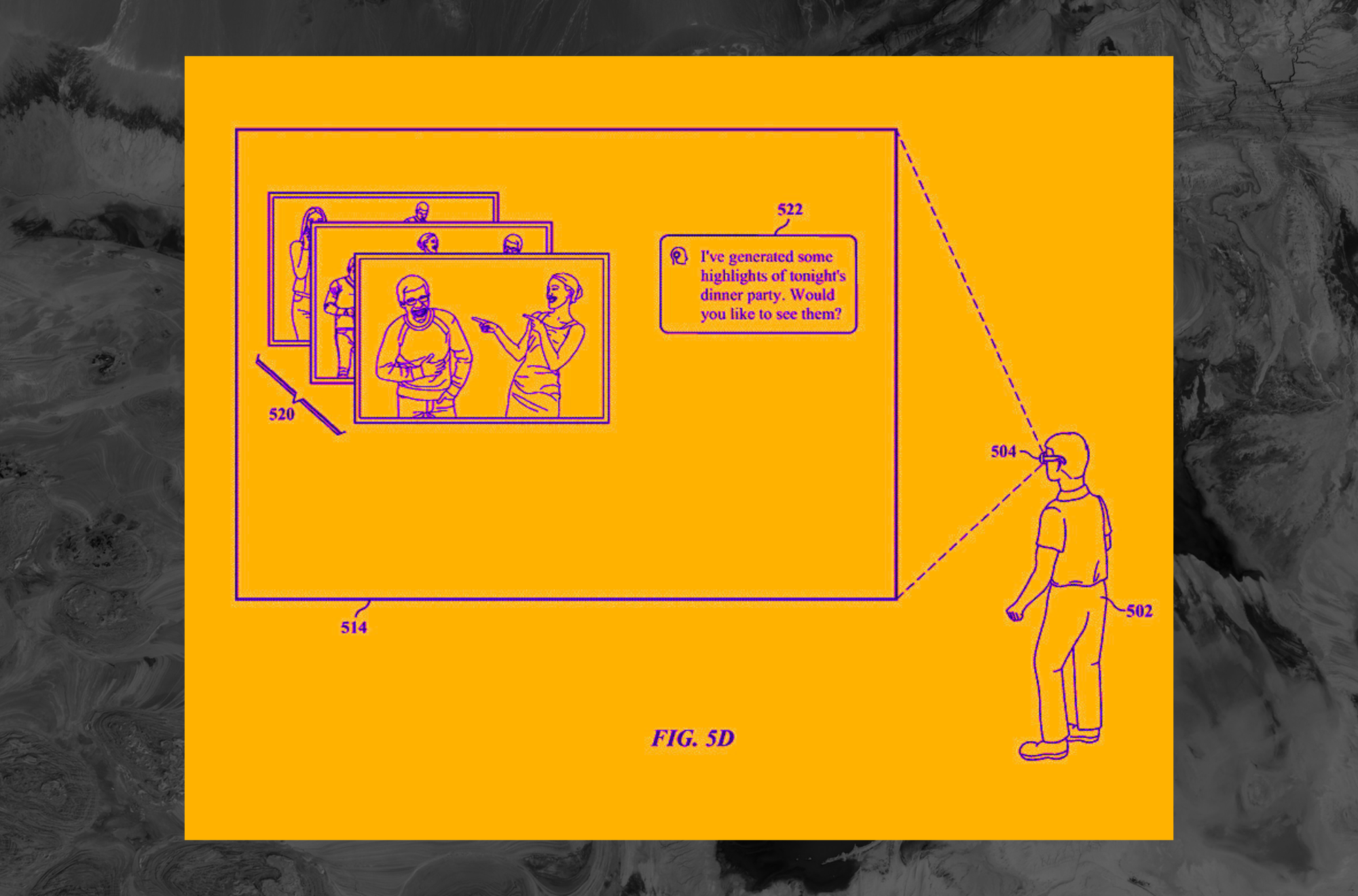
特許の図解の一つによると、システムからのプロンプトには「今夜のディナーパーティーのハイライトを作成しました。ご覧になりますか?」と表示され、人々が笑っているようなサムネイルが複数並んでいるとのことです。また、あるセクションでは、「ユーザー関係データ」を用いてハイライトファイルをパーソナライズできる可能性についても言及されています。
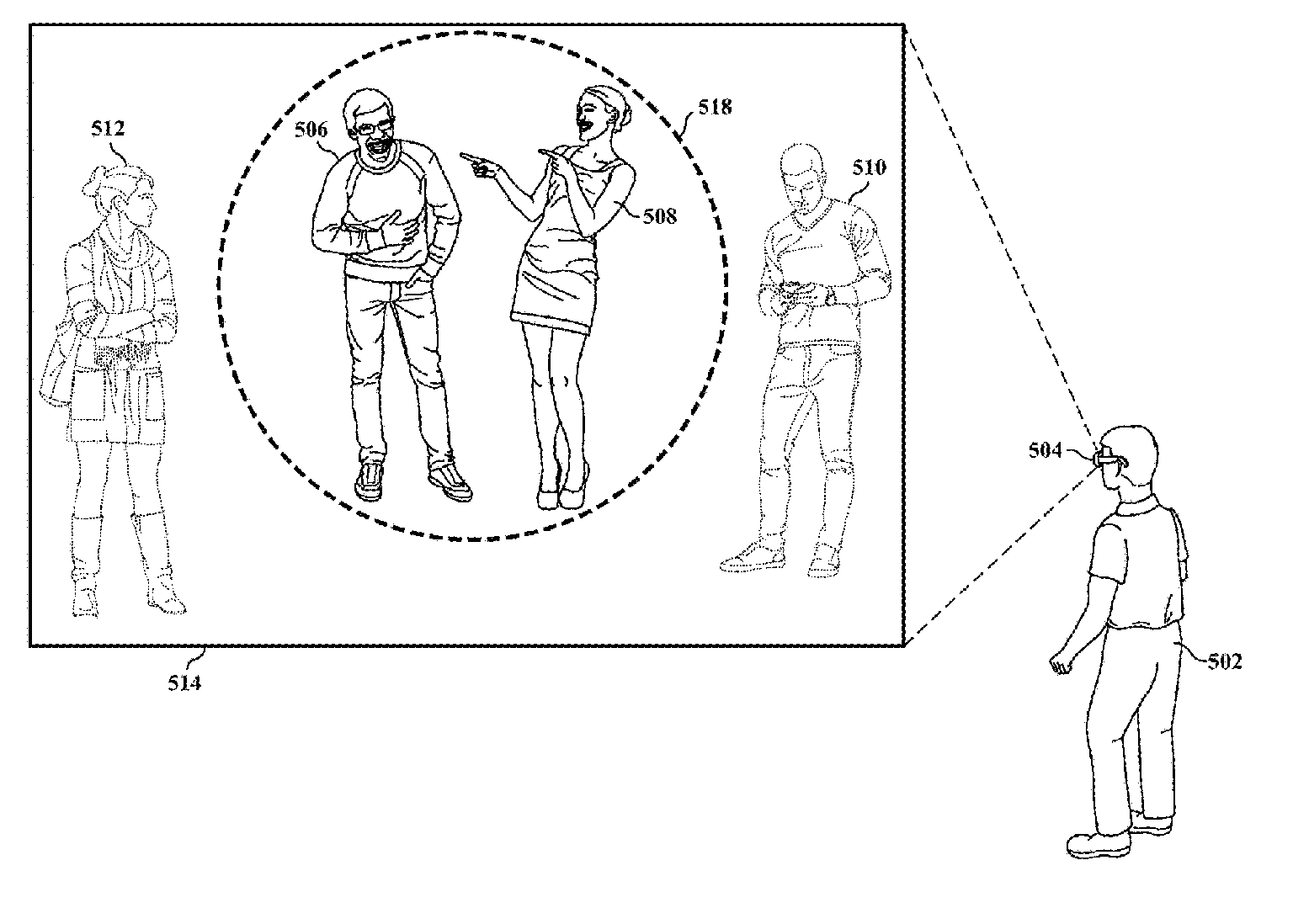
図面には、メガネをかけた人物が複数の人々を見つめ、その後、その中の特定の一人または複数人に焦点を当てる様子が明確に描かれています。
特許情報を追跡する組織「Patentlyze」が、金曜日に 404 Media にこの特許について初めて警告しました。
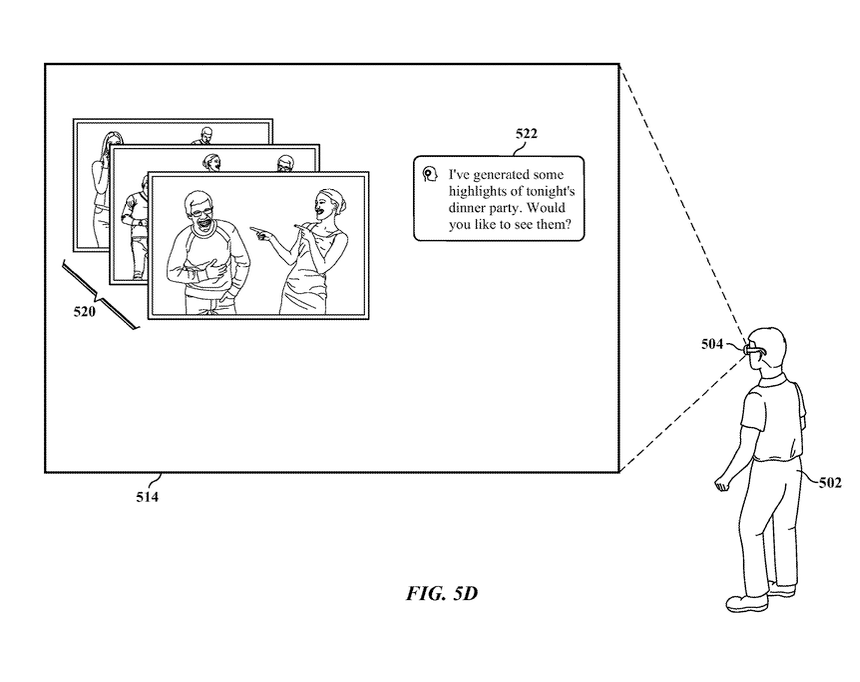
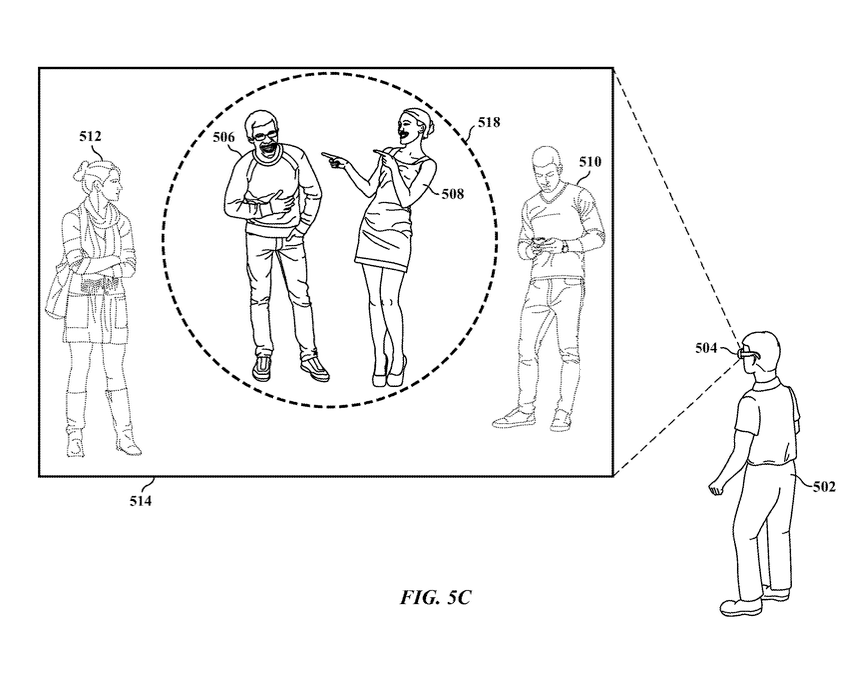
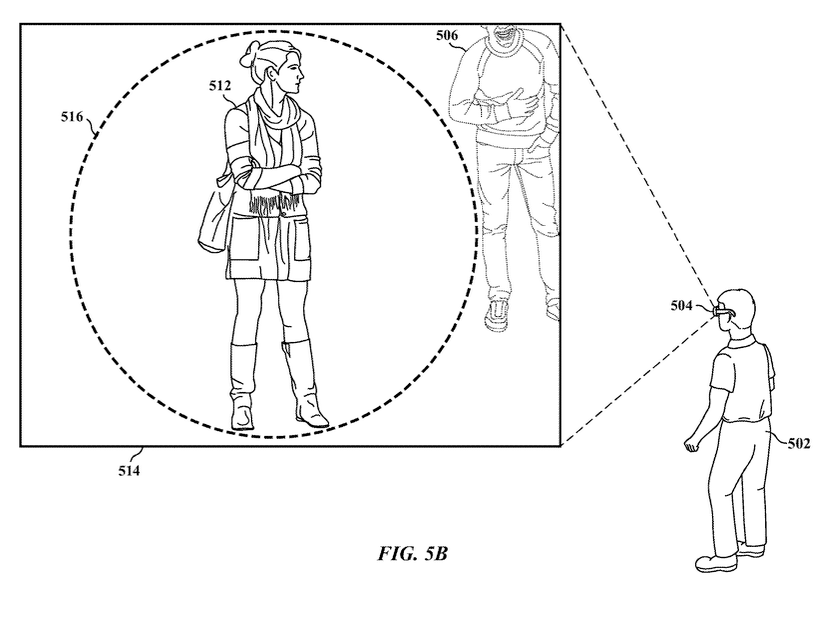
記事からのスクリーンショットギャラリー。
この特許は、システムがどのように動作するかについて詳細に記されていますが、要約すると、1 つ以上のカメラを備えたシステムがユーザーからの入力を受け取り、機械学習と「センサデータ」を活用して、カメラの視野内にある注目すべきポイントを特定します。これには、「1 つ以上の顔認識アルゴリズム」に基づいて映像内の人物を検出したり、特定の個人を識別したり、表情を読み取ったり、クライアントシステムが捉えたユーザーの「視線データ」を利用したり、シーンや意味理解に基づいて他の注目点を発見したりすることが含まれます。
これらの人物と行動を特定した後、システムはさまざまな「ハイライト動画ファイル」を作成します。
この特許は「特定のシステムが特定の方法で、特定のカメラベースのタスクを行う」ことを対象としていますが、メタは「適切なシステムを用いて、あらゆる適切な方法でユーザーを支援する」と記述しています。つまり、この技術はスマートグラスに焦点を当てていますが、将来的には他の用途にも展開される可能性があります。なお、これらのアイデアが最終的にスマートグラスの製品やアップデートに採用されるかどうかは現時点では不明です。
メタは広範な反発と批判にもかかわらず、AI搭載スマートグラスの開発を続けています。今年6月、WIRED はメタがスマートグラス用の顔認識コードを数百万台のスマートフォンに静かに追加していたと報じました。この問題が発覚した後、メタはすぐにそのコードを削除しました。
メタはコメント依頼に対して回答していません。
原文を表示
imageMeta has filed a patent for its AI smartglasses that uses facial recognition to automatically detect who is in the frame, creates a video clip whenever one of those people does something — like picking an item up or walking around — and then generates a highlight reel of what just happened, according to a copy of the patent published Thursday. One example given is the system capturing highlights from a dinner party and then serving those up to the user.
The patent gives new, granular insight into what Meta may be planning around its highly controversial push into facial recognition in combination with its AI glasses, which have already been widely lauded as “pervert glasses.”
Do you work at Meta and know anything else about these glasses? I would love to hear from you. Using a non-work device, you can message me securely on Signal at joseph.404 or send me an email at joseph@404media.co.
“I’ve generated some highlights of tonight’s dinner party. Would you like to see them?” a prompt from the system says, alongside various thumbnails of what look like people laughing, according to one illustration in the patent. One section says the system may personalize highlight files using “user relationship data.”
The illustrations clearly show a person wearing a pair of glasses, looking at a group of people, then the glasses focusing on one or more people in particular.
Patentlyze, an orgaization that tracks patents, first alerted 404 Media to the patent on Friday.
A gallery of screenshots from the article.
The patent is dense with how such a system would work, but in sum, the system with one or more cameras receives an input from the user, then uses machine-learning and “sensory data” to figure out points of interest in the camera’s field of view. That can include detecting people in the shot “based on one or more facial recognition algorithms,” identifying those specific people, detecting their facial expressions, using “eye gaze data of the user captured by the client system,” and figuring out other points of interest “based on scene and semantic understanding.”
With those people and actions identified, the system would then make various “highlight files.”
Although the patent is for “particular camera-based tasks by particular systems in a particular manner” — in this case, the company’s smart glasses — Meta writes it “contemplates assisting users in any suitable camera-based task by any suitable system in any suitable manner.” Meaning that although this technology is focused on the glasses, maybe the company will use it for other purposes in the future. It is also not clear if these ideas will ultimately make their way into a final product or update for the glasses.
Meta is continuing to push its AI smart glasses despite widespread pushback and criticism. In June, WIRED reported that Meta silently added facial recognition code for its smart glasses to millions of phones. Meta removed the code shortly after WIRED’s discovery.
Meta did not respond to a request for comment.
関連記事
今日のまとめ
AIデイリーブリーフで今日の重要ニュースをまとめ読み