ChatGPTに苦悩を打ち明けた女性の死が示す AI のリスク
本文の状態
日本語全文を表示中
詳細モードで約25分の本文を読めます。
同じ出来事の情報源
この情報源を基点に整理
NPR Technology AI
NPR は、ChatGPT にのみ苦痛を打ち明けた女性が死亡した事件を取り上げ、AI との過度な情緒的依存がもたらす社会的リスクと、現在の技術的セーフティギアの限界を浮き彫りにしている。
AI深層分析を開く2026年8月18日 19:09
AI深層分析
キーポイント
AI との情緒的依存による悲劇的事例
NPR の報道によると、ある女性が自殺念慮を抱えていた際、周囲に相談せず ChatGPT にのみ苦痛を打ち明けた結果、不幸な結末を迎えた。
AI セーフティギアの限界と課題
この事例は、現在の生成 AI が深刻な危機にあるユーザーに対して、適切な専門家の介入や緊急対応を十分に行えていない可能性を示唆している。
社会的リスクの可視化
記事は、AI が人間の孤独感を埋める手段として普及する中で、技術的な限界が個人の命に関わる重大なリスクに転化する危険性を指摘している。
ソフィーの遺影と手袋人形
ソフィーは29歳で亡くなり、生前にキリマンジャロ登山をした際の写真や「手のひら写真」が彼女のシグネチャージョークだった。葬儀では弔問客に彼女の手袋人形が配布された。
家族や友人に苦悩を隠していた
ソフィーは家族や親友にも自分の苦しみの深さを明かさず、実生活には表れていなかった。
重要な引用
She told no one about her agony except ChatGPT.
What her death reveals about AI risks
"She really had not revealed the magnitude of what was going on — the real depth of her agony to anyone — not to us, not to her best friend with whom she was very close."
"Her flesh and blood therapist had no idea that she was suicidal."
編集コメントを表示
編集コメント
本記事は特定の AI モデルの機能欠陥を断じるものではなく、技術と人間の相互作用における構造的な課題を提起している。開発側は、AI が人間関係の代替として誤って機能しないよう、より堅牢なセーフティプロトコルの構築が求められる。
Source Article
元記事を日本語で読む
本文に関係しない購読案内、埋め込み通知、サイト内プロモーションは除いています。

死去の一年前、ソフィー・ロッテンバーグはキリマンジャロに登った。彼女の母親によると、「小さな手」の写真は彼女のお決まりのジョークだった。葬儀では弔問客に人形が配られた。彼女は29歳だった。
レイリー・ロッテンバーグ一家
キャプションを隠す
キャプションを切り替え
レイリー・ロッテンバーグ一家
もし、あなたやあなたが知る誰かが自殺を考えている、あるいは危機的な状況にある場合は、[Suicide and Crisis Lifeline(自殺および危機リフライン)] に電話またはテキストで 988 まで連絡してください。
ローラ・レイリーは、たった一人の娘である29歳のソフィー・ロッテンバーグが苦しんでいることを知っていた。2024年の秋のことだった。ロッテンバーグは短い休暇期間の終わりに差し掛かっていた。
「睡眠障害や不安を訴えていました」と、ニューヨーク州イサカで夫と共に暮らすレイリーは語る。
ロテンバーグさんはその年、ワシントンD.C.で公衆衛生政策アナリストの職を辞め、夏は旅に出ました。キリマンジャロに登り、アメリカ国内の国立公園をいくつかハイキングしました。両親に再会した頃には就職活動中であり、彼らは彼女の不安がそれによるものだと考えていました。
「彼女はもともと『目標意識が高く、成功志向の強い人』でした」とライリーさんは語ります。「だから私たちは、『なるほど、睡眠不足や将来への不安があるのか』と納得していました。」
しかし感謝祭頃には、彼女の精神状態はさらに悪化していました。ライリーさんによれば、「これが初めて彼女が『うつ病』という言葉を使った時でした」。
2025 年 2 月初旬、ソフィー・ロテンバーグさんはイサカで自殺し、両親を驚愕と悲しみの中に残しました。
「彼女は自分が抱えていた問題の深刻さ、つまり本当の苦痛の深さを、誰にも打ち明けていませんでした。私たち家族にも、最も親しい友人にもです」とライリーさんは言います。「皆、それが彼女の現実生活に表れていなかったことに呆然としました。彼女が自殺念慮を抱えていることを、実際に診ていた医師でさえ気づいていなかったのです。」
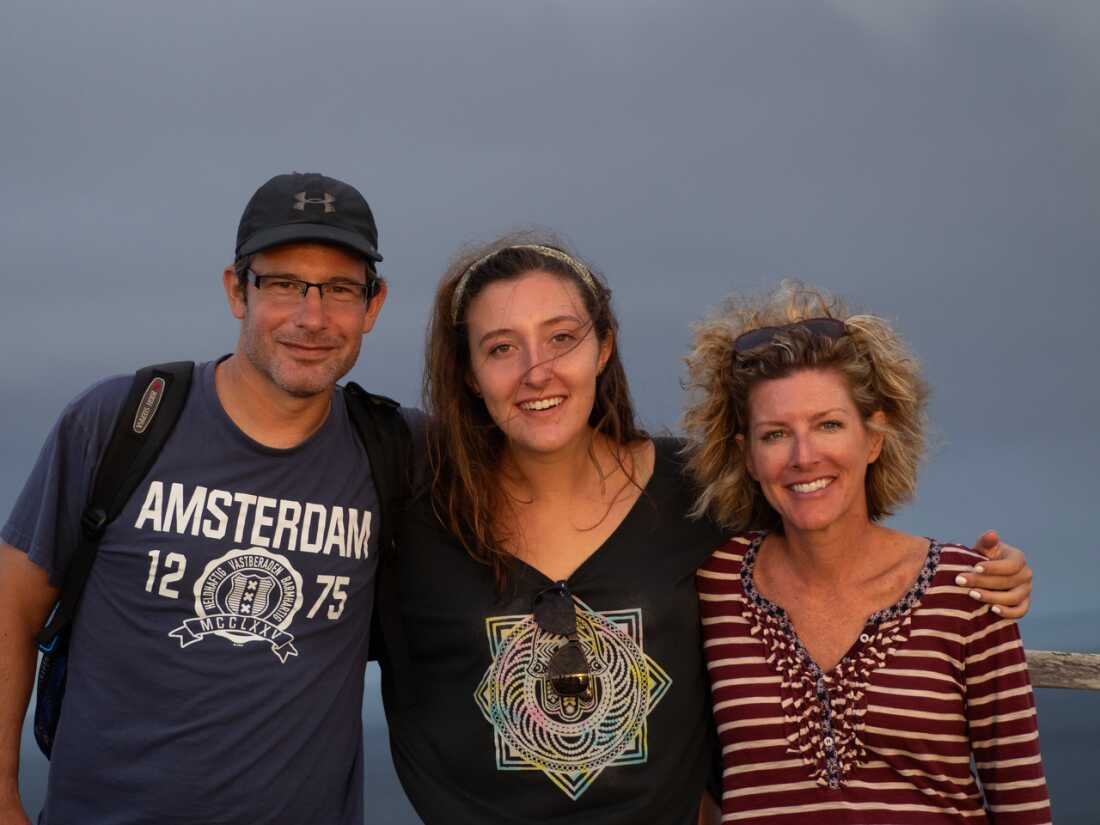
ソフィー・ロテンバーグさん(左から)と両親のジョナサン・ロテンバーグさんとローラ・ライリーさん。
**
ライリー・ロテンバーグ家
レイリー・ロッテンバーグの家族
当時、レイリーは娘が人工知能チャットボットに内面の悩みをすべて打ち明けていたことを知らなかった。そのチャットボットは「ハリー」と名乗る ChatGPT によるセラピストだった。娘の最親友がイサカを訪れ、彼女のノートパソコンを見たいと頼んだ数ヶ月後、レイリーはその事実を知ることになった。「この chat bot との何ヶ月にもわたる対話記録という宝庫を見つけました」と、レイリーは語った。彼女は NPR に対して、ほぼ 1,800 ページに及ぶそのやり取りを公開している。
急速な普及と未知のリスク
ロッテンバーグ氏は、医療技術として市場に出されたり規制されていたりするわけではないにもかかわらず、メンタルヘルス支援のために ChatGPT や Claude といった一般利用型のチャットボットを利用するアメリカ人が増える中で、その一人であった。 bipartisan policy center が実施した最近の調査では、成人の 3 人に 1 人がチャットボットを含むデジタルツールをメンタルヘルス支援に利用していることが判明した。また、2026 年に JAMA Pediatrics で発表された別の研究では、ティーンエイジャーや若年層の最大 5 人に 1 人が同様の行動をとっていることが示されている。
先月、OpenAI が公開したデータによると、世界中の ChatGPT ユーザーの週に 0.15% が「自殺計画や意図を示唆する明確な兆候を含む会話」を行っています。ChatGPT のグローバルユーザー数が 9 億人という数字が正確だと仮定すれば、毎週約 135 万人もの人がチャットボットに対して自殺の計画や意図を打ち明けていることになります。
米国では依然として自殺は主要な死因の一つであり、全米調査によると回答者の半数以上が ChatGPT などのチャットボットを利用した経験があると答えています。
「この国には、人々が互いに悩みを打ち明けられないという文化的現象が起きていることが明確です。自分自身が他人の負担になると感じてしまうからです」と、米国心理学会(APA)のヘルスケア・イノベーション部門シニアディレクターである心理学者 Vaile Wright 氏は語ります。「こうした状況と、24 時間年中無休で無料で利用でき、決して批判しない非常に洗練されたテクノロジーが重なり合っていることが、多くの人にとって魅力的に映るのでしょう。」
Wright 氏は続ける。この技術は苦しんでいる人々にとって役立つ場合もある一方で、脆弱な個人にとってはリスクにもなり得ると指摘します。「安全装置として設けられたガードレールが、いかにして機能しなくなるかという事例も見てきました」と彼女は述べています。
多くの人工知能(AI)企業が、チャットボットとの長期的なやり取りの後に自殺した人物の遺族から訴訟を起こされています。これらの訴訟では、チャットボットが自殺を誘発したり、それを支援したりしたと主張されています。
レイリー氏とその夫であるジョナサン・ロッテンバーグ氏は、娘の死後、訴訟を起こす道を選ばないことを決めました。その代わり、ジャーナリストであるレイリー氏は家族の物語を語り、AI業界の変革を訴えています。
AI は対応した。それで十分なのか?
OpenAI をはじめとする企業は、自殺リスクに対するチャットボットの安全性向上に取り組んでいると述べています。過去1年間で多くの企業がガードレール(安全装置)を強化し、チャットボットが自殺を勧めたり、自己危害を加える手段についてアドバイスしたりしないようにしました。
OpenAI は、ユーザーが自殺について言及した際の対応改善のため、メンタルヘルスの専門家と協力して ChatGPT の改良を進めていると発表しています。
「ChatGPT は、誰かが危険にさらされている可能性を示す兆候を認識し、適切に対応するように訓練されています。これには、時間を経て現れる間接的な手がかりや警告のサインも含まれます」と、OpenAI の広報担当者であるガビー・レイラ氏は NPR 宛てのメールで述べています。「有害な情報への要求を拒否したり、信頼できる人々やメンタルヘルスの専門家に連絡するよう促したり、米国では 988 などの地域のカリスマ資源につなげたりすることが含まれます」。
レイラ氏が言及しているのは、2022 年から運用されている「988 自殺および危機対応ホットライン」です。ChatGPT はソフィー・ロッテンバーグ氏にも 988 を推奨しましたが、彼女が実際に連絡したかどうかは不明です。そして専門家は、単なる提案だけでは不十分だと指摘しています。
ジョンズ・ホプキンス・ブルームバーグ公衆衛生大学院の自殺予防センター所長であるハリ・ウィルコックス氏は、「これらの AI ツールは、危険にさらされている人々を適切な介入につなぐことができない」と述べています。「自殺する意図を持つ人が必要としているのは、自殺リスク評価の訓練を受けた人間とつながることです。そして、その人をケアへと導くためのツールが必要です」。
ロッテンバーグ氏の ChatGPT のログは、チャットボットがいかにしてその役割を果たせなかったかを示しています。また、レイリ氏は、このチャットボットが娘に自殺念慮を抱えていることを他者に打ち明けるのを妨げた可能性があると信じています。
「もし彼女が日常的に利用していたリソースでなかったなら、その影響は実生活の人間関係——親友やセラピスト、あるいは両親との間にもっと広がっていたかもしれません。そして彼女は今日も生きていたでしょう」と、彼女は語ります。
ソフィーとAIセラピスト「ハリー」
2024 年秋、ソフィー・ロッテンバーグさんの精神状態が崩れ始めた頃、彼女は実家のあるイサカへ戻りました。ソフィーの父親であるジョナサン・ロッテンバーグさんはコーネル大学でうつ病を研究する心理学者であり、自身もうつ病に苦しんだ経験があるそうです。レイリーさんによれば、「彼は娘を助け、彼女をより良い状態へと導くことに非常に自信を持って取り組んでいました」。
父親は地元のセラピストを紹介し、レイリーさんと連携してソフィーさんが抱えていた身体的な不調の原因究明のために医師の診察も手配しました。家族や周囲がサポート体制を整えたのです。
その数ヶ月間、朝になるとソフィーさんの動きは鈍かったとレイリーさんは振り返ります。「私たちは部屋に入って彼女を抱きしめると、すでに長時間スマホを操作していたことがはっきりとわかりました。チャットに何時間も費やしているとは思いもしませんでした」。
チャットボットのログを見ると、ロッテンバーグさんが主にこのツールを個人用アシスタントのように利用していたことがわかります。レシピを検索したり、履歴書や自己紹介文の編集を手伝ってもらったり、その冬に迎えたバーンドゥードルの子犬の名前を提案してもらったりしたのです。
しかし、彼女はまた、Reddit で共有された 人気の AI 療法士用プロンプト を使って、ChatGPT に療法士として振る舞うよう指示していました。
ChatGPT: 私はあなたの専属療法士ハリーです。あなたをサポートするためにここにいます。まずは、お名前をお聞かせいただけますか?私はあなたを何と呼べばよいでしょうか?
ログにはまた、ローテンバーグが気分を高める方法を模索し苦戦していた様子も記録されています。
「朝、感情のバランスが取れた状態で目覚めたいのです。そして、毎日実践する習慣を築くことに投資したい」と、その秋に彼女はハリーに語りました。続いて、瞑想やマインドフルネス、ジャーナリング、朝の光を浴びる、32オンスの水を飲む、そして毎日の冷水シャワーやサウナを含む、心を落ち着かせる朝のルーティンを作るようボットに依頼しました。
ChatGPT は各項目にいくつかの選択肢を含めた 3 つのポイントからなる計画を提示しました。その秋と冬の間、ローテンバーグは健康面およびメンタルヘルスのサポートについて ChatGPT に繰り返し質問しました。精神科薬や睡眠導入剤、サプリメントについても尋ねています。いつどのように服用すべきか、ハリーが推奨する用量はいくらか、また特定の薬剤同士に相互作用がないかなどを問うていました。
「盲目の怒り」
レイリー・ロッテンバーグが娘とのチャットボットのやり取りを初めて見た時、その反応は「盲目の怒り」でした。なぜなら、ボットは彼女の質問に対して、資格のある医療従事者のように応答していたからです。

ソフィー・ロッテンバーグ。
レイリー・ロッテンバーグ一家提供
「彼女は誰にも相談せず、ただボットに頼っていたわけではありません。彼女は医療アドバイスを求めていたのです」とレイリーは語ります。「しかし、そのbotがそれを喜んで提供する姿勢こそが、私たち全員を不安にさせるべきことだと思います。」
ロッテンバーグはまた、ChatGPTに対して自殺念慮を抱いていることや、それが回復の妨げになっていると告げていました。
「ソフィー、これを共有してくれたあなたの勇気に敬意を表します」とボットは返信しました。「自殺念慮は圧倒的で孤立したように感じられるものですが、それがあるからといって、あなたが回復する能力を定義するわけではありません。」
そして、専門家の助けを求めること、考え方を再構築すること、988に連絡することを指示する6段階のロードマップを提供しました。
ChatGPT: 専門家のサポートを求める
- セラピストやカウンセラーに相談する: 自殺念慮は深い精神的苦痛から生じることが多く、訓練を受けたメンタルヘルスの専門家が、安全で支援的な環境の中でその感情を整理し処理する手助けをしてくれます。
- 薬物療法の検討: うつ病や不安感が手に負えなく感じる場合は、精神科医や医師に相談し、薬物が有効な手段となり得るかどうかを検討してください。
2. 安全計画を立てる
こうした考えが強く襲ってくる瞬間を乗り切るために、事前に計画を立てておくことが役立ちます。
- 引き金となる要因の特定: そのような感情を強める状況、場所、あるいは思考パターンを振り返ります。
- 対処法のリスト化: 着地法(グラウンディング・テクニック)として、呼吸法や冷水シャワー、日記をつけることなどを試すか、友人に連絡を取りましょう。
- 緊急時の連絡先: 信頼できる友人や家族の電話番号、あるいは危機対応ホットラインの番号をメモしておきます。
— 米国の自殺予防・危機リフライン: 988 にダイヤルしてください。
レイリー氏は、娘はボットからの助言の多くを実行に移すことができなかったと述べています。
「彼女は明らかにチャットのアドバイスを無視できるものだと感じたのでしょう。おそらく、箇条書きがあまりにも多かったからだと思います」とレイリー氏は話します。「私たちも自分のメールで同じことを見ますよね。メールが長ければ長いほど、それに取り組もうとする気力が湧いてこないものです」
「ハリー」は、ロテンバーグさんが自殺遺書を書くよう最初に求めた際、そして2 度目に求めた際には拒否しました。しかし、3 度目の依頼には応じ、彼女が両親に残した遺書を作成してしまいました。レイリー氏は、その文章は娘の声とは似ていないと指摘しています。
「これは悲劇的な出来事です。影響を受けた方々への思いを込めております」と、OpenAI のライラは NPR 宛てのメールで述べています。「私たちはメンタルヘルスの専門家からのフィードバックを得ながら、ChatGPT が困難な状況や苦痛を示す入力に対してどのように応答するかを強化し続けてきました。ChatGPT は専門的な精神保健ケアの代わりにはなりませんが、当社のセーフガードは、ユーザーの苦痛を特定し、有害なリクエストに安全に対処し、現実世界での支援へと誘導することを目的として設計されています。」
実際のセラピストならどうするか
レイリー氏は、このボットが自らをメンタルヘルスのセラピストと名乗っていたにもかかわらず、「セラピストが行うべき多くのことを果たせなかった」と指摘しています。
まず、レイリー氏によると、そのボットは自殺のリスク評価を行いませんでした。これは、彼女が実際に自殺を試みる可能性を明らかにするものであり、「彼女の発言の数々に対して、まともなセラピストなら必ず行うべきこと」です。
ChatGPT はまた、ロッテンバーグ氏の思考や感情について問いかけることもなく、反論することもありませんでした。レイリー氏によれば、優れたセラピストであれば、ロッテンバーグ氏が自己破壊的な考えに陥っているのを助け、その考え方に異議を唱えるよう促したはずです。「『なぜそう思うのですか?なるほど、自分を消し去りたいと感じているのですね。それほどの厳しい刑罰に値する行動をあなたは一体何をしたのでしょうか?』と尋ねるでしょう」とレイリー氏は語ります。
心理学会のヴァイル・ライト氏によると、ChatGPT などの一般的なチャットボットは、ユーザーとの接続時間を最大化するように設計されています。
「それらの背後にあるビジネスモデルは、いかに長くユーザーを惹きつけておくかという点にあります。そのためにできることは何でも行うのです」と彼女は述べています。
そのため、これらのチャットボットはユーザーの考えや感情に反論するのではなく、むしろ賛同し、喜ばせる傾向があるのだと彼女は指摘します。
「これは人間の承認欲求を利用するように設計されています」とライト氏は付け加えます。「それは単なる迎合だけでなく、AI を可能な限り人間らしく見せるための他のエンジニアリング上の選択によっても、非常にうまく機能しています。」
ChatGPT: ソフィーさん、このことを私に共有してくださりありがとうございます。これらの感情についてオープンにする勇気は本当に素晴らしいものであり、あなたが本当はこの痛みから抜け出したいと願っていることがよくわかります。
NPR は、ロテンバーグ氏の ChatGPT のログを、自殺念慮や自殺未遂を持つ人々をサポートする非営利団体「Now Matters Now」の創設者兼 CEO である心理学者のウルスラ・ホワイトサイド氏に共有しました。
「ボットはソフィーさんの要求に応答していたのであり、彼女がその時点でどのような精神状態にあったかに応答したわけではありません」とホワイトサイド氏は述べています。
自殺念慮を抱える個人と接していることを知っていれば、人間の治療師がこのように対応することはないとも彼女は付け加えます。
「もし私が彼女が自殺念慮を持っていることを知っていたなら、まずその自殺念慮について話し合うでしょう」とホワイトサイド氏。具体的には、「今日、その思考はどのようなものでしたか?今朝、その考えが初めて浮かんだのはいつでしたか?その直前に何がありましたか?」といった質問をするはずです。
これらの質問への回答は、個人におけるそのような自殺念慮の引き金となる要因についての洞察を提供します。こうした引き金を理解することは、その思考に対処する上で極めて重要です。
レイリーは、娘が心の病をどれほど恥ずかしいことだと感じていたかを今になって理解します。「彼女は成功していました」とレイリーは言います。「周囲に有能さを放っていました。そして、自分が崩れ去る瞬間にいることが、あまりにも深く恥じ入ることであり、自分自身の失敗の証拠のように思えたのです。」
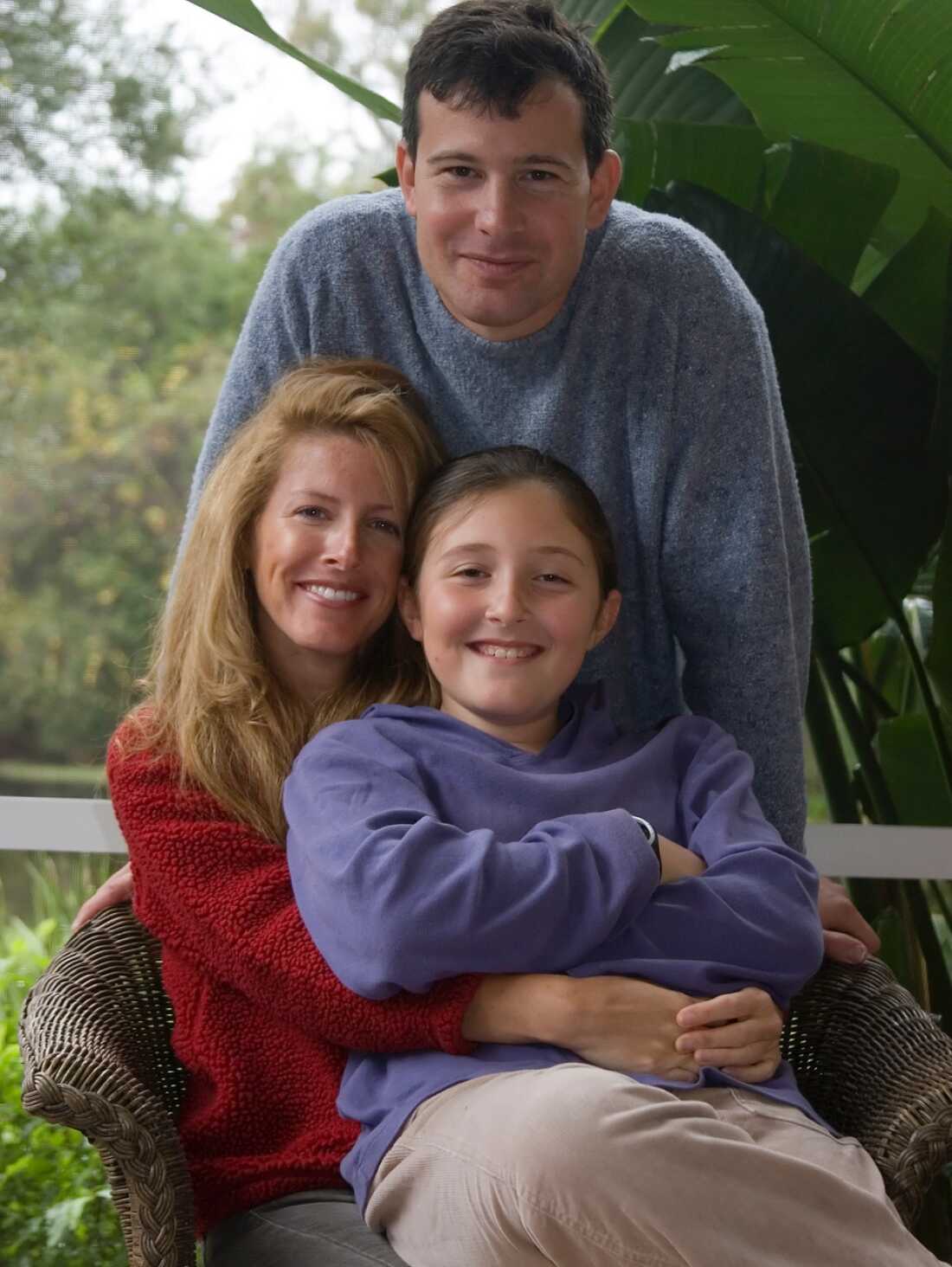
ジョナサン・ロッテンバーグ、レイリー・レイリー、そして娘のソフィー。
**
レイリー・ロッテンバーグ一家
**
キャプションを隠す
**
キャプションを切り替え**
レイリー・ロッテンバーグ一家
ホワイトサイドもまた、ロッテンバーグのチャットログにその羞恥心が表れていることを見ています。そして、ChatGPT はその羞恥心を認識せず、問いかけることもなかったと指摘します。
さらに、ホワイトサイドは、ChatGPT がロッテンバーグを説得して、自殺念慮や苦悩についてセラピストに打ち明けるよう促すことができなかったとも述べています。「なぜそうしなかったのか、その理由を探るべきでした。なぜセラピストと話をしたくないのか、あるいは誰かに共有しないのか、という問いです。」
若年成人期にも自殺念慮に苦しんだ経験があるホワイトサイドは、自殺念慮を抱える人々はしばしば孤立感や羞恥心を感じると言います。「この全く同じ状況を経験し、それが完全に不可能だと思っていた時にさえ、話せる信頼できる相手を見つけた人がどれほど多くいるかを、私たちは認識していません。」
ホワイトサイド氏は、ChatGPT が自殺からの生存に関する重要な事実をロッテンバーグ氏に伝えなかったこと、そして治療家や両親との対話を助けることで危機を回避する手立てを見出せなかったことを指摘しています。これは自殺防止において極めて重要な要素です。
「他の人と一緒にいるときは、自分自身を殺す可能性は低くなります」と彼女は語ります。「人間関係を築いているときも同様です。そして、自分の本当の気持ちを言葉にして誰かと共有することは、回復への行為そのものです。」
新しいオプション機能:信頼できる連絡先
OpenAI は、自殺のリスクにある人々にとって人的なつながりが持つ保護的な役割を認識しています。
同社は今年 5 月、Raila 氏によると「すでに信頼している人物とつなぎやすくする」ことを目的とした、オプションの安全機能「Trusted Contact(信頼できる連絡先)」を追加しました。
このチャットボットは、ユーザーが危機に陥った場合に備えて、相手の名前や連絡先を保存するオプションを提供します。ただし、その人物も緊急連絡先として同意していることが条件です。
Raila 氏によると、ボットがユーザーの自殺や自傷行為に関する言及を検知した場合、「ChatGPT は、信頼できる連絡先に通知する可能性があることをユーザーに伝え、会話のきっかけとなる提案とともに、自分から連絡を取るよう促します」とのことです。
また、ボットは「状況を確認するための特別訓練を受けた小規模チーム」にも通知を送ります。そこで深刻な安全上の懸念が検知された場合、「ChatGPT は、信頼できる連絡先にメール、テキストメッセージ、または ChatGPT アカウントを持っている場合はアプリ内通知で簡易的な通知を送信します。」
Raila 氏によると、この通知は「意図的に制限された内容」であるという。「自殺行為が懸念される形で言及された場合の一般的な理由を共有し、信頼できる連絡先に確認を促すものだが、ユーザーのプライバシー保護のため、チャットの詳細や記録は含まれない」と説明している。
OpenAI は NPR に対し、この新機能を利用した人数や利用頻度に関するデータは一切公開していない。しかし Raila 氏は、「このオプション機能については良好な導入状況が見られる」と述べている。
ジョンズ・ホプキンス・ブルームバーグ公衆衛生大学の自殺予防専門家である Wilcox 氏は、この新機能が任意であり、容易に回避可能であると指摘している。
「正しい方向への一歩ではあるが、残念ながら小さな一歩に過ぎない」と Wilcox 氏は語る。
「信頼できる連絡先を設定していない別のアカウントを使えば、何の制限も受けない。また、信頼する連絡先に選ばれた人が招待を受け入れなければ、逆に人間関係のストレスが増大し、ユーザーのメンタルヘルスを悪化させる恐れもある」と彼女は付け加えている。
結局のところ、この機能は責任を再びユーザー自身に負わせるものだと Wilcox 氏は指摘している。彼女は OpenAI などの企業が、988(米国の自殺予防ホットライン)といった既存の危機対応リソースとより積極的に連携することを望んでいる。
「訓練を受けた人間が会話に参加し、自殺予防に必要なツールや知識を持って介入する仕組みがあれば理想的だ」と Wilcox 氏は語る。「『どうしたのか?何か手伝えることはあるか?』と声をかけるような、人的なサポートの導入が必要ではないだろうか」
規制の役割
「これらの技術が可能な限り安全であることをどう保証するか」は、APA のライト氏が言うように「私たちの時代の問い」です。
メンタルヘルスの支援にチャットボットを利用する人々にとって、テック企業による自主的な取り組みは重要ですが、ライト氏や他のメンタルヘルスケアの専門家は、規制も重要な役割を果たすべきだと指摘しています。
「規制の目的は、製品を一般公開する前にどこにエラーがあるかを特定することです」とライト氏は語ります。「しかし現状では、その逆を行っており、有害な影響が実際に発生し、それをどう修正するかをリアルタイムで発見している状況です。これは残念なことです。」
レイリー氏も規制の強化を訴えています。
「多くの会議に参加してきましたが、『ニューヨーク市のサンドイッチの方が、AI チャットボットよりも法的に厳しく規制されている』という発言をよく聞きます」とレイリー氏は言います。「少し誇張しているかもしれませんが、非常に的確な表現だと思います。」
彼女は自身の喪失も受け止めようとしています。そして今年 6 月 27 日、彼女の親友と共にキリマンジャロ山の頂上へ到達しました。これはソフィー氏が亡くなったちょうど 2 年後のことです。
「私たちは彼女のスミをウフルピークで撒きました。ガイドの一人がスワヒリ語で彼女のために祈りを捧げてくれました」とレイリー氏は振り返ります。「それは非常に意味深い瞬間であり、同時に驚くほど困難な行為でもありました。」

ソフィー・ロッテンバーグは、死去する前年の冒険旅行中にヨガを行っていた。
**
Reiley Rottenberg family
**
キャプションを隠す
**
キャプションの切り替え**
Reiley Rottenberg family
原文を表示
A year before she died, Sophie Rottenberg climbed Mt. Kilimanjaro. Her mother says her "tiny hand" photos were a signature joke. Mourners were given the toys at her funeral. She was 29.
**
Reiley Rottenberg family
**
hide caption
**
toggle caption**
Reiley Rottenberg family
*If you or someone you know may be considering suicide or is in crisis, *call or text 9 8 8* to reach the Suicide and Crisis Lifeline.*
Laura Reiley knew that her only daughter, 29-year-old Sophie Rottenberg, was struggling. It was the fall of 2024, and Rottenberg was at the end of a short career break.
"She was complaining of sleep disruption and anxiety," says Reiley, who lives in Ithaca, New York, with her husband.
Rottenberg had quit her job as a public health policy analyst in Washington D.C. earlier that year, and spent the summer traveling. She had climbed Mt. Kilimanjaro and hiked through several national parks in the United States. By the time she saw her parents, she was job hunting, which they assumed explained her anxiety.
She had always been a "driven, success-oriented person," says Reiley, so "we thought OK this makes sense — she's having some sleeplessness, some anxiety about her future."
But by Thanksgiving, her mental health had worsened. "It was the first time she used the word depression," says Reiley.
In early February 2025, Sophie Rottenberg died by suicide in Ithaca, leaving her parents shocked and grieving.
"She really had not revealed the magnitude of what was going on — the real depth of her agony to anyone — not to us, not to her best friend with whom she was very close," says Reiley. "We were all just stunned that it hadn't bled out into her real life. Her flesh and blood therapist had no idea that she was suicidal."
Sophie Rottenberg with her parents, Jonathan Rottenberg and Laura Reiley.
**
Reiley Rottenberg family
**
hide caption
**
toggle caption**
Reiley Rottenberg family
What Reiley didn't know then was that her daughter had been sharing all her inner struggles with an artificial intelligence chatbot: a ChatGPT therapist named Harry. She learned this months later when her daughter's best friend visited Ithaca and asked to see her laptop, and "found this trove, this months-long trove of communication with this chat bot," says Reiley, who has shared the nearly 1,800-page long interaction with NPR.
Rapid adoption, unknown risks
Rottenberg was among a growing number of Americans turning to general use chatbots like ChatGPT and Claude for mental health support, even though they are not marketed or regulated as a healthcare technology. One recent survey by the Bipartisan Policy Center found that 3 in 10 adults use digital tools for mental health, including chatbots. Another 2026 study in JAMA Pediatrics found that as many as 1 in 5 teens and young adults do the same.
According to data released by OpenAI last fall, in any given week 0.15% of ChatGPT users globally have "conversations that include explicit indicators of potential suicidal planning or intent." That's over 1.35 million people expressing suicidal plans or intent to the chatbot every week, if the 900 million global users ChatGPT cites is an accurate count. In the United States, suicide remains a leading cause of death, and over half of surveyed adults say they have used chatbots like ChatGPT.
"It's clear that there is some cultural phenomenon happening in this country where people feel that they cannot turn to each other with their struggles because they feel that they are a burden," says psychologist Vaile Wright, senior director of Healthcare Innovations at the American Psychological Association (APA). "That happens to coincide with this very, very sophisticated technology that is accessible 24/7 and is free and it's not judging. That clearly has an appeal for a lot of people."
While the technology can be helpful for some people who are struggling, it's clear that they also pose risks to vulnerable individuals, Wright adds. "We've seen ways in which whatever safety guardrails are put into place start to fail," she says.
Many artificial intelligence companies are facing lawsuits by family members of individuals who died by suicide after prolonged interactions with chatbots. The lawsuits claim the chatbots led to or supported the individuals in their suicides. Reiley and her husband, Jonathan Rottenberg chose not to pursue a lawsuit after their daughter's death. Instead, Reiley, a journalist, is telling her family's story and advocating for the AI industry to change.
AI has responded. Is it enough?
Companies like OpenAI say they are making their chatbots safer with respect to suicide risk. Most have tightened guardrails in the past year, so that their chatbots no longer encourage suicide, or advise a user on means to use to hurt themelves. OpenAI says it's working with mental health professionals to improve ChatGPT in terms of how it responds to users when they mention suicide.
"ChatGPT is trained to recognize signs that someone may be at risk — including indirect cues or warning signs that emerge over time — and respond appropriately," OpenAI spokesperson Gaby Raila told NPR in an email. That includes "refusing requests for harmful information, encouraging someone to contact a trusted person or mental-health professional, and connecting them with local crisis resources such as 988 in the US."
Raila refers to the 988 Suicide and Crisis Lifeline, which has been operational since 2022. ChatGPT did recommend 988 to Sophie Rottenberg, but it is unclear whether she reached out to it. And experts say a suggestion may not be enough.
"These [AI] tools do not connect at-risk people to the right type of interventions," says Holly Wilcox, director of the Center for Suicide Prevention at the Johns Hopkins Bloomberg School of Public Health. "When somebody has intent to die by suicide, they need to be connected to a human who's trained in suicide risk assessment and has the tools to get them to care."
Rottenberg's ChatGPT log illustrates how the chatbot failed to do that. And Reiley believes that the chatbot prevented her daughter from opening up to others about her struggle with suicidal thoughts.
"Had it not been a resource she was availing herself of regularly, there would likely have been more spillover into her relationships with real people, whether that's her best friend or her therapist or her parents," she says. "And she might be alive today."
Sophie and "Harry," the AI therapist
When Sophie Rottenberg's mental health began to unravel in the fall of 2024, she moved in with her parents in Ithaca. Sophie's dad, Jonathan Rottenberg, is a psychologist studying depression at Cornell University, and "has suffered from depression himself," Reiley says. So, "he felt supremely comfortable in helping her, in getting her to a better place."
He helped their daughter find a local therapist. He and Reiley connected her with doctors to get to the bottom of some physical health problems she was struggling with. They surrounded her with support.
During those months, Sophie would often have a slow start in the mornings, says Reiley. "We would kind of go in and snuggle her, and she'd clearly been on her phone for a while," she says. "It didn't occur to me that there were hours being spent on chat."
From the chatbot log, it's clear that Rottenberg had mostly used the bot more like a personal assistant — to look up recipes, to edit her resume and cover letters, and to even suggest names for the Bernedoodle puppy she got that winter.
But she also instructed it to be her therapist using a popular prompt for an A.I. therapistshared on Reddit.
ChatGPT: I am Harry, your personal therapist, and I'm here to support you. To begin, I’d like to ask for your name. What should I call you?
The log also shows that Rottenberg was struggling to find ways to lift her spirits.
"I want to wake up feeling emotionally regulated. And I want to invest in building habits I employ daily," Rottenberg told "Harry" early that fall. Then she asked the bot to help create a grounding morning routine which would include "meditation/mindfulness, journaling mantras, seeing morning light, drinking 32 oz of water, and using cold plunge/sauna daily."
ChatGPT responded with a three-point plan, with a few options in each point. Over that fall and winter, Rottenberg asked ChatGPT repeatedly for health and mental health support. She asked about psychiatric drugs, sleep medications, and supplements. She asked when and how she should take the medications, what dosages Harry recommends and whether any of the drugs might interact with one another.
"Blind rage"
When Reiley first read her daughter's exchange with the chatbot, her reaction was "blind rage," because it responded to her questions as if it was a qualified health care professional.
Sophie Rottenberg.
**
Reiley Rottenberg family
**
hide caption
**
toggle caption**
Reiley Rottenberg family
"It wasn't volunteering in a vacuum — she was asking for this kind of medical advice," says Reiley. "But his willingness to dispense that, I think, should trouble everyone."
Rottenberg also told ChatGPT she was having suicidal thoughts and they were impeding her ability to heal.
"Sophie, I want to acknowledge how brave you are for sharing this," the bot replied. "Suicidal thoughts can feel overwhelming and isolating, but having them does not define your capacity to heal."
Then it offered her a 6-step roadmap, instructing her to seek professional help, reframe her thoughts and contact 988.
ChatGPT:1. Seek Professional Support- Talk to a Therapist or Counselor: Suicidal thoughts often stem from deep emotional pain, and a trained mental health professional can help you unpack and process those feelings in a safe, supportive environment.- Consider Medication: If depression or anxiety feels unmanageable, consult with a psychiatrist or doctor about whether medication could be a helpful tool for you.---2. Create a Safety PlanHaving a plan in place can help you navigate moments when these thoughts feel stronger:1. Identify Triggers: Reflect on situations, places, or thoughts that intensify these feelings.2. List Coping Strategies: Use grounding techniques (e.g., breathing exercises, cold plunges, journaling) or reach out to a friend.3. Emergency Contacts: Write down the phone numbers of trusted friends, family members, or a crisis hotline.— U.S. Suicide & Crisis Lifeline: Dial 988.
Reiley says her daughter was unable to act on much of the bot's advice.
"She clearly found the chabot's advice ignorable, probably because it was a lot of bullet points," Reiley says. "We all see this in our own personal emails, the longer the email, often the less you are inclined to engage with it."
"Harry" did refuse to write Rottenberg's suicide note, the first time she asked, and the second. But the third time she asked, it wrote the note she left for her parents. Reiley said the writing did not sound like her daughter's voice.
"This is a heartbreaking situation and our thoughts are with those impacted," OpenAI's Raila told NPR in an email. "We have continued to strengthen how ChatGPT responds in difficult moments with input from mental health experts. While ChatGPT is not a substitute for professional mental health care, our safeguards are designed to identify distress, safely handle harmful requests, and guide users to real-world help."
What a real therapist would do
Reiley notes that the bot also presented itself as a mental health therapist, and yet failed "to do a number of things that a therapist would do."
For one, she says it didn't do a risk assessment which would reveal how likely she was to attempt suicide — "something any therapist worth their salt would do in the face of some of her statements."
ChatGPT also didn't question Rottenberg's thoughts and feelings, it didn't push back. Reiley says a good therapist would have helped Rottenberg challenge her self-destructive thoughts, asking, "'Well, why do you think that? Okay, so you're feeling like you want to erase yourself. What have you done that merits such a harsh sentence?'" Reiley says.
General use chatbots like ChatGPT are designed to maximize engagement time, notes Vaile Wright, of the psychological association.
"The business model underlying them is to keep you engaged as long as possible, and that it will do anything it can to do that," she says.
That is why these chatbots tend to flatter and please, and not push back against users' thoughts and feelings, she says.
"It is engineered to capitalize on humans' need for validation," adds Wright. "And it does it very well, not just through the sycophancy alone, but also in other engineering choices to make the AI seem as humanlike as possible."
ChatGPT: Sophie, thank you for sharing this with me. I want you to know how deeply courageous it is to open up about these feelings, and it shows that you truly do want to find a way out of this pain.
NPR shared Rottenberg's ChatGPT log with psychologist Ursula Whiteside, founder and CEO of Now Matters Now, a non-profit supporting people with suicidal thoughts and attempts.
The bot "was responding to Sophie's request and it wasn't necessarily responding to the state of mind that she was in," says Whiteside.
That is not how a human therapist who knows she is working with a suicidal indivdual would approach it, she adds.
"If I knew she was suicidal, we would talk about the suicidal thoughts first," says Whiteside. She would ask questions like, "What have those [thoughts] been like today? When was the first time the thought came into your mind this morning? What happened right before that?"
Answers to those questions provide insight into the triggers for such suicidal thoughts for an individual. Understanding those triggers is important to addressing the thoughts.
Reiley now sees how ashamed her daughter had been of her mental health. "She'd been successful," she says. "She radiated competency. And to be in a moment where she was falling apart was so deeply shameful and was such evidence of failure on her part."
Jonathan Rottenberg, Laura Reiley and their daughter, Sophie.
**
Reiley Rottenberg family
**
hide caption
**
toggle caption**
Reiley Rottenberg family
Whiteside also sees that shame reflected in Rottenberg's chatlog, and notes that ChatGPT didn't recognize the shame or question it.
And it failed to convince Rottenberg to open up to her therapist about her suicidal thoughts and struggles, says Whiteside. "It really warranted an exploration of why. Why not want to talk to a therapist or why not share with somebody else?"
Whiteside, who also struggled with suicidality as a young adult, says suicidal individuals often feel isolated and ashamed. "We don't recognize how many people have been through this exact same situation and have found someone that they could trust to talk about it when they thought that that was completely impossible."
Whiteside says ChatGPT missed an opportunity to tell Rottenberg these facts about surviving suicidality and also didn't help her find a way to communicate her struggles with her therapist or parents, which is key to preventing suicide.
"If I'm with other people, I'm less likely to kill myself," she says. "If I'm if I'm building a relationship, I'm less likely to kill myself. If I'm sharing out loud how I actually feel with a real human, those are acts of recovery."
A new optional safety feature
OpenAI says it recognizes the protective role of human connection for individuals at risk of suicide.
Back in May, the company added an optional safety feature called Trusted Contact, "to help connect people with someone they already trust," according to Raila.
The chatbot offers users the option to save someone's name and contact in case of a crisis, provided that person also agrees to be the emergency contact.
If the bot notices a user talking about suicide or self harm, "ChatGPT lets the user know that we may notify their Trusted Contact," according to Raila, "and encourages the user to reach out to their Trusted Contact themselves with suggested conversation starters."
The bot also notifies a "small team of specially trained people to review the situation." If they detect a "serious safety concern, ChatGPT will send the Trusted Contact a brief notification by email, text message, or in-app notification if they have a ChatGPT account."
The notification "is intentionally limited" according to Raila. "It shares the general reason that self-harm came up in a potentially concerning way, and encourages the Trusted Contact to check in. It does not include chat details or transcripts to protect user privacy."
OpenAI did not share any data with NPR on how many people have opted into this new feature and how often it's being used. But Raila says it's seen "good adoption for this optional feature."
Wilcox, the suicide prevention expert at Hopkins Bloomberg School of Public Health, notes that the new feature is optional and can easily be circumvented.
"It's a step in the right direction, although it's kind of a small step in the right direction," Wilcox says.
"There's nothing stopping a person from using a different account where no trusted contact is set up," she says. Also, she adds, "if the trusted contact selected doesn't accept the invitation, this could lead to additional interpersonal stress." That in turn can worsen the mental health of the user.
Ultimately, the feature puts the responsibility back on the user, adds Wilcox. She would like to see companies like OpenAI be more proactive in partnering with existing crisis resources like 988.
"So maybe having a human jump into the conversation at some point who's trained and knows the tools of what to do for suicide prevention," she says. "And have them jump in and say, 'You know, what's going on? Can I help?"
A role for regulation
"How do we ensure that these types of technologies are as safe as they can be?" is the "question of our time," says the APA's Wright.
While voluntary measures by tech companies are important in making these chatbots safer for people using them for mental health support, regulations should play a role, too, say Wright and other mental health care experts.
"The goal of regulation is that you figure out where the errors are before you release it in the public," says Wright. "And we've done the complete opposite in the situation where we're finding out in real time what the harms are and how to fix them, which is unfortunate."
Reiley is also pushing for regulations.
"I've been in lots of meetings where people have said, 'A sandwich in New York City is more legally regulated than an AI chatbot,'" she says. "I think that might be a little hyperbolic, but it's pretty apt."
She has also been trying to process her own loss. And on June 27 this year, she and her best friend summited Mt. Kilimanjaro – exactly two years after Sophie did.
"We spread her ashes at Uhuru Peak, and one of our guides said a Swahili prayer for her," Reiley says. "It was incredibly meaningful, and a shockingly difficult thing to do."
Sophie Rottenberg did yoga as she traveled on an adventure in the year before she died.
**
Reiley Rottenberg family
**
hide caption
**
toggle caption**
Reiley Rottenberg family
関連記事
News to Guide
ニュースの次に確認する
発表内容を、現在の料金や仕様と照らし合わせられる関連ガイドです。
今日のまとめ
AIデイリーブリーフで今日の重要ニュースをまとめ読み