科学者らが月面への異星人隔離を提案
本文の状態
日本語全文を表示中
詳細モードで約9分の本文を読めます。
同じ出来事の情報源
この情報源を基点に整理
404 Media
科学者らは、火星や小惑星からの試料に含まれる可能性のある危険な異星人生物が地球の生態系に侵入するリスクを回避するため、月面に隔離施設を建設すべきだと提案している。
AI深層分析を開く2026年8月1日 19:16
AI深層分析
キーポイント
月面バイオコンテインメント施設の提案
フレデリック・I・モクスリーとアンソニー・リッチャーディは、地球への試料搬入前に異星人生物を隔離するための「月面バイオコンテインメント施設」の設置を提唱している。
未知の生命による生態系リスク
火星や小惑星由来の試料に休眠または活動中の生物が存在する場合、地球の生態系や人類の生物学に対して予測不能な病原性や有害性を及ぼす恐れがある。
地球の生命との比較による根拠
地球上でさえウイルス株の封じ込め失敗や適応度の高い種が存在するように、異星人の生命も同様に予測不能であり、予防措置が必要だと論じている。
月面での異星生物隔離の提案
科学者は地球の生態系を守るため、月を潜在的な異星汚染からの予備的盾として利用し、隔離施設を構築するべきだと提唱している。
旧石器時代の化石入りハンドアクス
イスラエルのサクニン渓谷で発見された約50万年前のハンドアクスは、化石や独特な地質特徴を模して作られており、機能的価値よりも象徴的・精神的意義を持っていたと考えられる。
重要な引用
"The Moon must not merely serve as a stepping stone for exploration, but also as a preemptive shield between Earth and potential forms of extraterrestrial contamination"
"If samples from Mars or other celestial bodies harbor dormant or active biological entities, then Earth's biosphere could become exposed to a potentially invasive novel organism with unpredictable pathogenicity or ecological effects"
"The Moon must not merely serve as a stepping stone for exploration, but also as a preemptive shield between Earth and potential forms of extraterrestrial contamination…ensuring that exploration does not come at the expense of Earth's biosphere"
"We propose that these handaxes served as tools and mediators between humans and the cosmos, conceived as objects of potency enhanced by the primeval fossil imprints and unique geological features within the stone"
編集コメントを表示
編集コメント
この論文は、SF的な発想を現実の政策提言として昇華させた興味深い試みである。宇宙開発が本格化する中で、生物学的リスク管理の重要性が再認識されるべき時期に来ていると言える。
Source Article
元記事を日本語で読む
本文に関係しない購読案内、埋め込み通知、サイト内プロモーションは除いています。
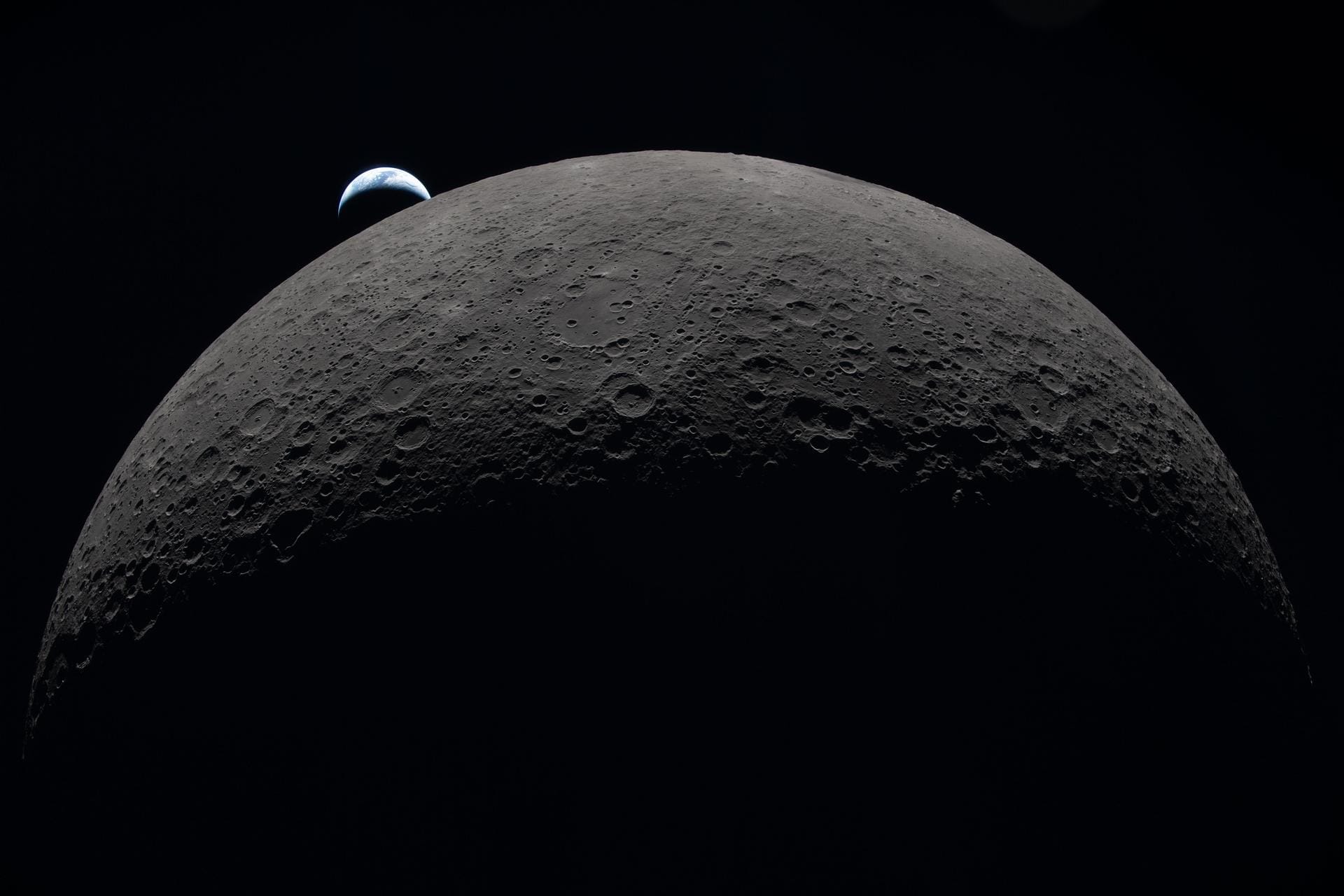
Abstractの特別号へようこそ。私は今後2週間は休暇に入りますので、今年発表されたが何らかの理由で見逃されてしまった奇妙で面白い研究を特集します。これらは特別な機会のために温めてきたもので、今週と来週のまとめをお楽しみいただければ幸いです。
それでは早速、今年発表された注目すべき研究をご紹介します。宇宙に隔離されたエイリアン、装飾的な道具の数々、巨大な精子、そして長年謎とされてきた金星の解決策です。
まず、地球を侵略的外星生物から守るための計画が提案されました。その後は、希少な装飾道具やGIGANTIC SPERM(巨大な精子)、そして長年の謎だった金星の問題に対する解決策についてお話しします。
いつもの通り、私の作品については著書『First Contact: The Story of Our Obsession with Aliens』をご覧ください。また、私の個人ニュースレター「BeX Files」も購読いただけます。
来週のAbstract特別号もお楽しみに!
月島での隔離:宇宙空間における quarantine の提案
Moxley, Frederick I. & Ricciardi, Anthony. "Protecting earth from extraterrestrial contamination: The case for a lunar biocontainment facility." Ambio.
さて、ついにエイリアンのための隔離施設を月に建設する時が来ました。
5 月に発表されたある研究は、地球への輸送途中にある宇宙試料を安全と判断されるまで収容するための「月面生物封じ込め施設」の設置を提唱しています。
米中両国の宇宙プログラムはいずれも今後数年以内に火星表面からの試料を持ち帰ることを目指しており、小惑星由来の岩石を運ぶミッションはすでに多数実施されています。しかし新たな研究では、近隣の天体から持ち帰った試料に危険な地球外生命体が含まれているという最悪の事態が想定されています。
戦略的脅威・分析研究所(Strategic Threat and Analysis Research Laboratories, LLC)のフレデリック・I・モクスリー氏とマギル大学のアンソニー・リッチャーディ氏は、「火星や他の天体からの試料に休眠中または活動中の生物が存在する場合、地球の生態系は予測不能な病原性や生態的影響を持つ潜在的な外来新生物に曝される恐れがある」と指摘しています。
研究チームはさらに、「もし地球外生命体が存在すれば、その分子構造は地球の生態系や人間の生体にとって有害となる非典型的な生化学(例えばキラリティの反転や代替核酸類似体など)を反映している可能性がある」と述べています。
チームは地球上の事例を例示しました。封じ込めに失敗したウイルス株や、元々進化した環境とは全く異なる生息地で繁栄する種です。地球の生命体がこれほど適応力が高く予測不能であるなら、なぜ他の場所の生命体に対しては違うと期待できるのでしょうか。
「月面は単なる探査の足場としてだけでなく、地球と潜在的な異星生物汚染との間の予防的な盾としても機能すべきです。これにより、探査活動が地球の生態系を犠牲にすることのないよう確保できます」と研究チームは述べています。「こうした予防的な月面検疫プロトコルを正式に確立することは、私たちの惑星を守るだけでなく、人類が惑星間文明として成熟したことを示すことにもなります。」
さらに、「月面の生物封じ込め施設にかかる経済的コストは、侵入性の異星生物による潜在的な生態系の破滅と比較すれば無視できるほど小さい」と指摘しています。
つまり、異星生物対策のための月面検疫施設を建設しない方がよほどの出費になるのです。
さて、他のニュースもご紹介します。
古代の軸
Barkai, Ran と Shalata, Muataz による論文「威力ある旧石器時代の道具:イスラエルのサクニン渓谷で発見された化石やその他の特異な特徴を模したハンドアクス」。テルアビブ大学刊。
3 月に発表された研究によると、約 50 万年前の初期人類は化石や晶洞を集め、それらを模してハンドアクス(両面石斧)を作成していました。これらの装飾的な道具には、作られた人々にとって象徴的な意味があったと考えられています。
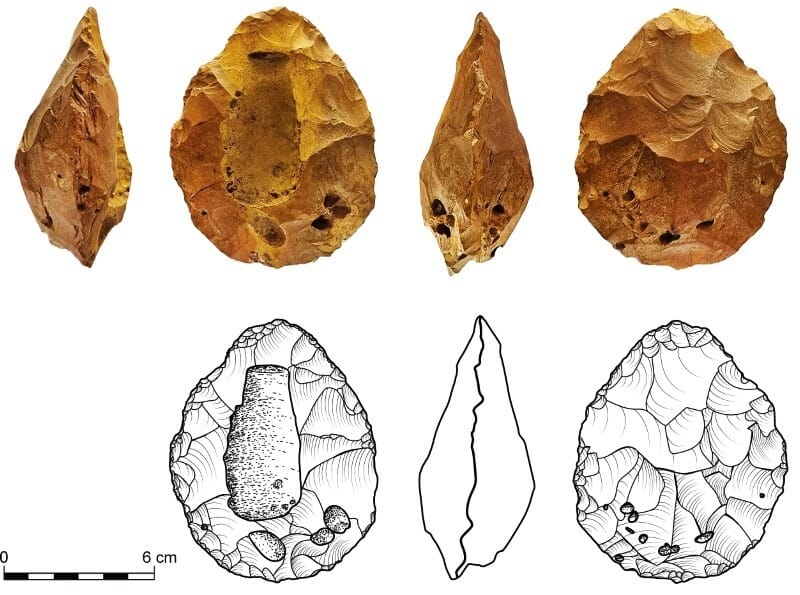
2024 年から 2025 年にかけて、考古学者たちはイスラエルの現在のサクニン渓谷で、化石を含んだハンドアクスが 10 点も出土する前例のない発見を行いました。これらは影響力のあった初期人類であるホモ・エレクタスによって作られたものです。過去の発掘調査でも化石を含むハンドアクスが数点見つかったことはありますが、これほど多くの点がまとまって発見されたのは初めてです。
化石の痕跡を模した形に加工されたハンドアックス。画像提供:Barkai, Ran と Shalata, Muataz。
「我々の知る限り、サフニン渓谷以外でこれほど非凡な標本が単体以上発見された考古学的文脈は存在しない」と、テルアビブ大学のラン・バルカイ氏と、現地調査チームの独立研究者ムアタズ・シャララ氏は語る。
「これらのハンドアックスは、人類と宇宙をつなぐ道具であり、媒介者として機能したと考えられる。石に埋め込まれた太古の化石痕跡や独自の地質的特徴が、その物体に特別な力を付与したものと見ている」と研究チームは説明する。「豊富なジオード(空洞鉱物)を擁するサフニン渓谷の岩肌豊かな景観が、初期人類に対し、石を通じて宇宙との深遠で非凡な関係を表現することを促した可能性もある」。
人々が「クールな石」に魅了される心には限界がない。化石を含む石に、審美性以外の明確な機能的利点が見当たらない以上、それらを選別して持ち去った過去の人類にとって、これらの地質学的希少品が何を意味したのかを想像するのは魅力的だ。
(精子)の流れるままに
Alsous, Jasmin Imran, Chakrabarti, Brato, et al. 「The physical consequences of sperm gigantism.」Nature Physics.
パーティーで披露できる面白い事実があります。それは、果蝇の精子が自然界の中で最も長いというものです。種によって数ミリから2インチ以上にも達するこの精子は、「精子巨大化」という現象の極端な例であり、多くの動物種に見られる特徴です。
6月に発表された研究によると、科学者たちは、これらの「超長精子」が雌の生殖道内を移動する際に絡み合うことなく目的地に到達できるメカニズムの謎に迫りました。
生体内イメージングと数理モデルを用いた調査で、研究者らは、果蝇(Drosophila melanogaster)の2ミリほどの精子が受精に向けて進む過程で、どのように自律的に組織化されるかを明らかにしました。
 image果蝇の精子が集団で流れる様子を描いたイラスト。画像提供:Lucy Reading-Ikkanda/Simons Foundation
「巨大な精子は、少なくとも1億年以上にわたり複数の動物分類群において進化してきました。これは、精子巨大化が性的戦略として極めて成功し続けていることを示す証左です」と、フラットiron研究所のJasmin Imran Alsous氏とインドの国際理論科学センター(International Centre for Theoretical Sciences)のBrato Chakrabarti氏が共同で率いた研究チームは述べています。
研究チームが発見したのは、果蝇の精子が「集団の流れ」を形成する様子が、閉じ込める器官の特定の形状というよりは、むしろ精子の高密度な充填に主に起因しているということです。
果物のハエの精子がこれほど魅惑的だなんて、誰が想像しただろうか。自然は、最も予想もしない場所で驚きを与え続けています。
金星に宇宙からの輝きが加わる
Karyu, Hiroki 他。「Venus の下部ヘイズの宇宙起源」。Nature Astronomy。
半世紀以上もの間、科学者たちは金星にあるいわゆる「下部ヘイズ」の起源について考察を続けてきました。これは1970年代に探査機によって初めて検出された、高度約20〜30マイル(約32〜48キロ)に位置する粒子が豊富な雲の層です。
今年4月、研究チームついにこの謎を解明しました。その正体は、過去に流星が金星の空で崩壊・分散した際に生じた、宇宙塵の軽い降り注ぎだったのです。この現象に対する神秘的な説明を提供するだけでなく、今回の新発見は系外惑星の大気に関する私たちの理解にも影響を与える可能性があります。
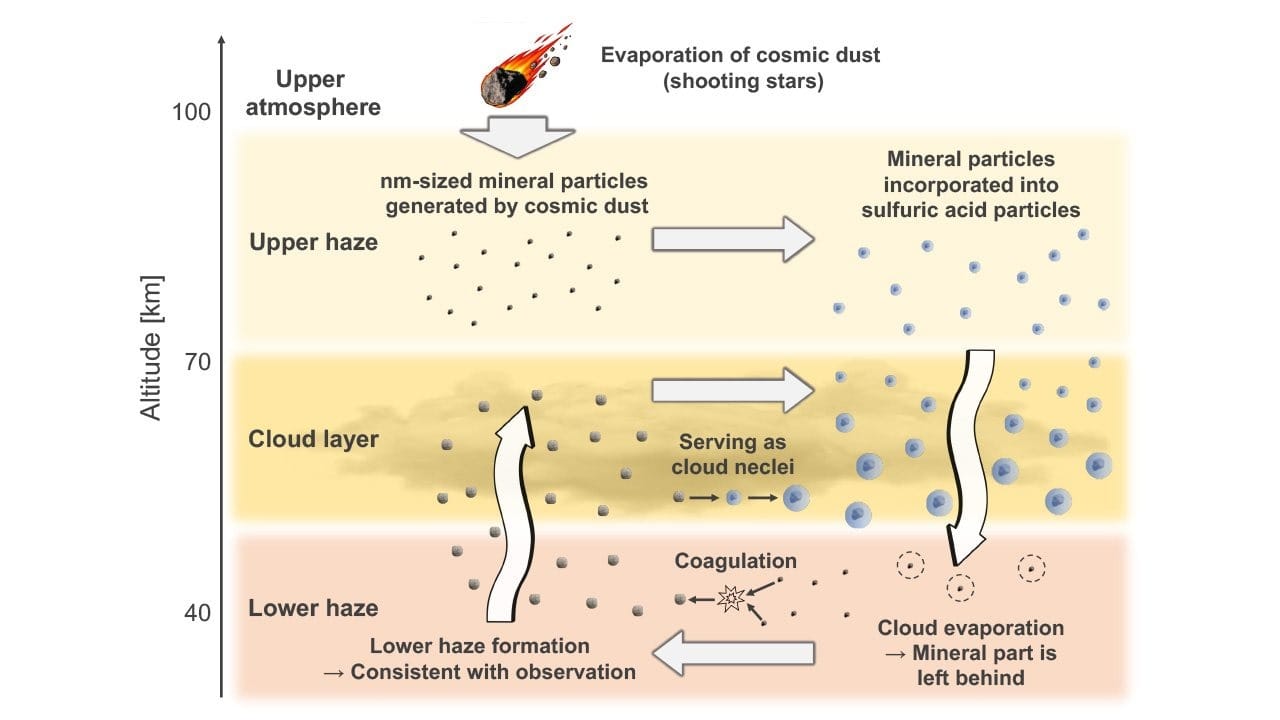 image金星の下部ヘイズが宇宙塵に由来することを示す図。画像:©Hiroki Karyu 他。
「地表に液体の水が存在する地球のような惑星では、雨が大気中の揮発しない粒子を絶えず洗い流します」と、東北大学の Hiroki Karyu を中心とした研究チームは述べています。「しかし、太陽系で観測されているように、地表に液体の水を持つ惑星は極めて特異な存在です。ほとんどの惑星は乾燥した大気を持っており、液滴が地表に達する前に蒸発してしまいます。」
「こうした惑星では、宇宙塵に由来する低層の霧が高温の下層大気中に蓄積し、雲形成を促進して惑星の気候に大きな影響を与える」と研究チームは指摘しています。これらの効果により、宇宙塵は惑星の気候において不可欠な要素であることが明らかになり、これは系外惑星においても同様に重要な役割を果たす可能性が高いとされています。
金星が宇宙のちりに浸っているからといって大した問題ではありません。むしろ、そのちりが異星人の空を理解する手がかりとなるのです。さて、本日はここまでです。
お読みいただきありがとうございます。また来週お会いしましょう。
原文を表示
imageWelcome to a special edition of the Abstract! I’m out on vacation for the next two weeks, which means it’s time to break out all of the weird and wild studies that have come out so far in 2026, but that slipped through the cracks for one reason or another. I’ve been saving these gems up for a special occasion and hope you enjoy the roundups this week and next!
So without further delay, here are the studies this year that put aliens on lockdown, bedazzled their axes, undulated spermily, and captured shooting stars.
First, scientists come up with a game plan to protect Earth from invasive extraterrestrial species. Then: a trove of rare decorative tools, GIGANTIC SPERM, and a long-sought solution to a Venusian mystery.
As always, for more of my work, check out my book First Contact: The Story of Our Obsession with Aliens, or subscribe to my personal newsletter the BeX Files.
Stay tuned for another special edition of the Abstract next week!
An island quarantine, but it’s in outer space
Moxley, Frederick I. & Ricciardi, Anthony. “Protecting earth from extraterrestrial contamination: The case for a lunar biocontainment facility.” Ambio.
Well, folks: It’s finally time to build a quarantine on the Moon for aliens.
That’s the upshot of a study published in May that argues for the establishment of “a lunar biocontainment facility” to house extraterrestrial samples en route to Earth until they are deemed safe.
The U.S. and China's space programs both aim to bring back samples from the surface of Mars in the coming years, and many missions have already delivered rocks from asteroids. The new study anticipates a disastrous scenario in which samples from nearby celestial bodies might contain dangerous extraterrestrial life.
“If samples from Mars or other celestial bodies harbor dormant or active biological entities, then Earth’s biosphere could become exposed to a potentially invasive novel organism with unpredictable pathogenicity or ecological effects,” said Frederick I. Moxley of Strategic Threat and Analysis Research Laboratories, LLC, and Anthony Ricciardi of McGill University.
“For example, if extraterrestrial life exists, its molecular architecture could reflect atypical biochemistry (such as chirality reversal or alternative nucleic acid analogs) that is hazardous to Earth’s ecosystems and even to human biology,” the team added.
The team pointed to earthly analogs, such as viral strains that have broken containment or species that thrive in habitats that are completely different from the ones in which they originally evolved. If life on Earth can be this adaptable and unpredictable, why should we expect anything different from life elsewhere?
“The Moon must not merely serve as a stepping stone for exploration, but also as a preemptive shield between Earth and potential forms of extraterrestrial contamination…ensuring that exploration does not come at the expense of Earth’s biosphere” the team said. “The formalization of such precautionary lunar quarantine protocols will not only safeguard our planet, but also affirm humanity’s maturity as an interplanetary civilization.”
Moreover, “the economic cost for a lunar biocontainment facility is negligible compared to the potential ecological devastation of an invasive extraterrestrial organism.”
There you have it: We can’t afford not to build an alien Moon quarantine.
In other news…
Axes of ancients
Barkai, Ran and Shalata, Muataz. “Lower Palaeolithic Tools of Potency: Handaxes Shaped around Fossils and Other Extraordinary Features at Sakhnin Valley, Israel.” Tel Aviv.
Some 500,000 years ago, early humans collected fossils and geodes and crafted them into handaxes, according to a study published in March that suggested these decorative tools had symbolic significance to their makers.
From 2024 to 2025, archaeologists discovered an unprecedented trove of ten fossil-bearing handaxes in what is today the Sakhnin Valley in Israel, which were made by the influential early human Homo erectus. While previous digs have unearthed the occasional handaxe containing fossils, this is the first site to yield a whole hoard of them.
 imageA handaxe shaped around a fossil imprint. Image: Barkai, Ran and Shalata, Muataz.“To our knowledge, no other archaeological context besides Sakhnin Valley has yielded more than a single extraordinary specimen,” said authors Ran Barkai of Tel Aviv University and Muataz Shalala, a local independent researcher who found the site.
“We propose that these handaxes served as tools and mediators between humans and the cosmos, conceived as objects of potency enhanced by the primeval fossil imprints and unique geological features within the stone,” the team said. “The richly embellished rocky landscape of Sakhnin Valley, particularly with its abundant geodes, may have encouraged early humans to express their profound and extraordinary relationships with the cosmos via stones.”
The human appreciation for cool rocks knows no bounds. Given that there’s no obvious functional advantage to the fossil-bearing stones beyond aesthetics, It’s tantalizing to imagine what these geological rarities meant to the bygone humans who selected them.
Go with the (sperm) flow
Alsous, Jasmin Imran, Chakrabarti, Brato, et al. “The physical consequences of sperm gigantism.” Nature Physics.
Here’s a fun fact to share at a party: Fruit flies have the longest sperm in nature. Measuring anywhere from several millimeters to more than two inches depending on the species, these bugs offer an extreme example of “sperm gigantism,” a phenomenon seen across many animal species.
Now, scientists have probed the mystery of how these “ultralong sperm” avoid getting all tangled up in their journey through the female reproductive tract, according to a study published in June.
Using in vivo imagery and mathematical models, researchers revealed how two-millimeter-long sperm from the fruit fly Drosophila melanogaster autonomously organizes themselves en route to prospective fertilization.
imageIllustration of collective flows of fruit fly sperm. Image: Lucy Reading-Ikkanda/Simons Foundation“Giant sperm have evolved in several animal taxa for >100 million years—a testament to the enduring success of sperm gigantism as a sexual strategy,” said researchers co-led by Jasmin Imran Alsous of the Flatiron Institute and Brato Chakrabarti of International Centre for Theoretical Sciences in India.
Fruit fly sperm seamlessly forms “collective flows” that are “primarily associated with the dense packing of sperm, rather than the specific geometry of the confining organs,” the team found.
Who knew fruit fly sperm could be so mesmerizing? Nature continues to astonish in the most unexpected places.
Venus gets a cosmic glow-up
Karyu, Hiroki et al. “A cosmic origin of Venus’ lower haze.” Nature Astronomy.
For more than a half-century, scientists have pondered the origin of the so-called “lower haze” on Venus, a particle-rich layer of clouds at about 20 to 30 miles of altitude that was first detected by spacecraft in the 1970s.
In April, a team finally solved the mystery; turns out it’s just a light sprinkling of cosmic dust from bygone shooting stars that broke up and dispersed in the Venusian skies. In addition to providing an ethereal explanation for the phenomenon on Venus, the new results may also inform our understanding of exoplanet atmospheres.
imageA figure illustrating the cosmic dust origin of Venus’s lower haze. Image: ©Hiroki Karyu et al. “On planets like Earth, where surface liquid water exists, rain constantly scavenges involatile particles from the air,” said researchers led by Hiroki Karyu of Tohoku University. “However, as observed in our Solar System, planets with surface liquid water are truly unique; most planets possess dry atmospheres where liquid droplets evaporate before reaching the surface.”
“In such worlds, the lower haze originating from cosmic dust can accumulate in the hot lower atmosphere, enhancing cloud formation” and “substantially [impacting] the planet’s climate,” the team added. “These effects establish cosmic dust as an essential component of planetary climates, a role that is also likely to be important for exoplanets.”
No big deal, Venus is just marinating in cosmic crumbs that can shed light on alien skies. Go on with your day.
Thanks for reading! See you next week.
AI算出
論評・提言ainew評価限定的
記事の主題は宇宙生物学と惑星防衛政策であり、AI/ML との直接的な関連性は極めて低い(0.25)。しかし、月面隔離施設の提案という具体的な研究結果に基づく独自性の高い提言であり、新規性スコアは高い(0.75)。検索意図としては「異星人 隔離」や「月面 検疫」といった抽象的なカテゴリに該当し、特定ブランド名がないため低め(0.25)となる。日本企業や開発者への直接的な影響や情報は含まれていないため、日本関連性はゼロ(0.0)。
6つの評価軸を見る
- AI関連度
- 25
- 情報源の信頼性
- 75
- 新規性
- 75
- 調べる価値
- 25
- 重複の少なさ
- 100
- 日本での有用性
- 0
関連記事
今日のまとめ
AIデイリーブリーフで今日の重要ニュースをまとめ読み