GPT-5以降の最先端LLMも、長い会話で最大33%の精度低下
本文の状態
日本語全文を表示中
詳細モードで約1分の本文を読めます。
The Decoderが報告した研究によると、GPT-5.2やClaude 4.6などの最新AIチャットボットも、会話が長くなるほど回答精度が最大33%低下する問題が続いている。
Source Article
元記事を日本語で読む
本文に関係しない購読案内、埋め込み通知、サイト内プロモーションは除いています。
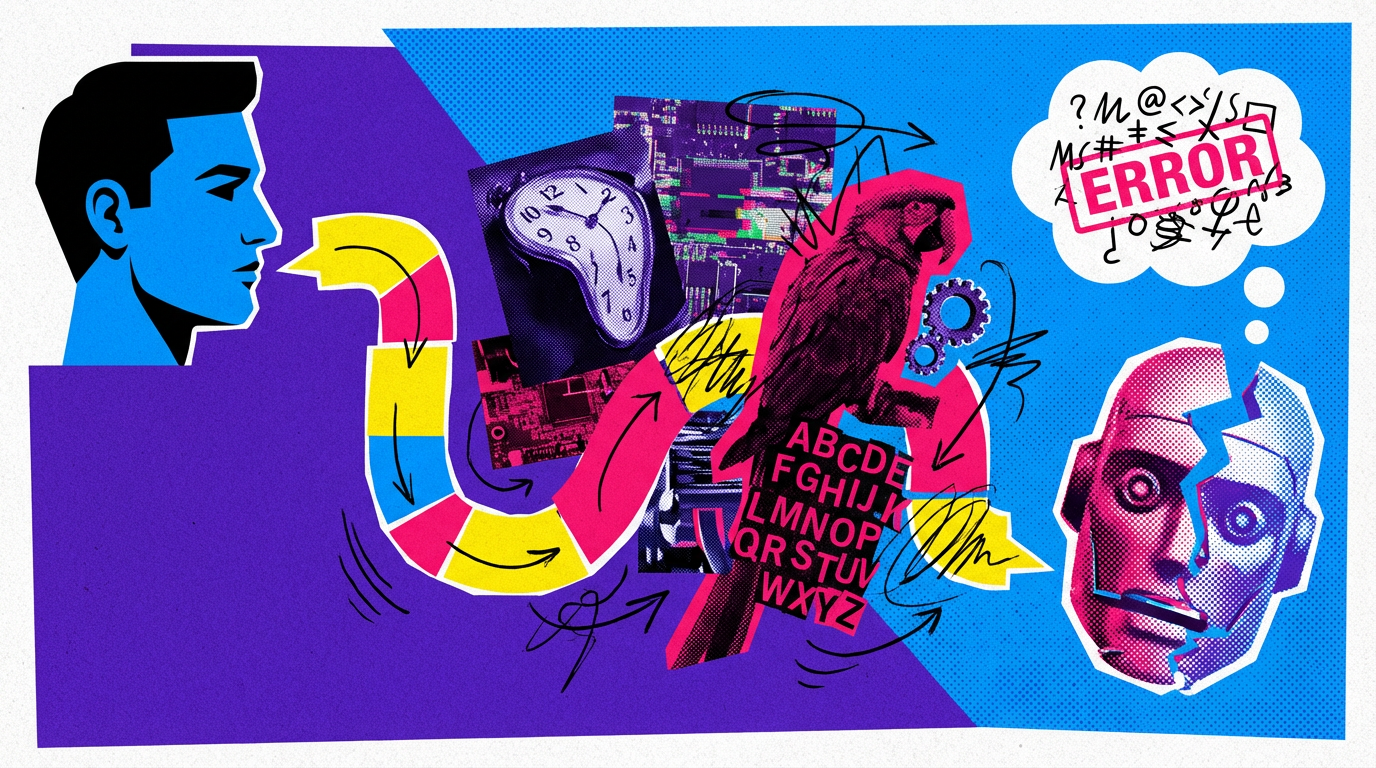
GPT-5.2やClaude 4.6のような新しいモデルであっても、AIチャットボットは会話が長くなるほど回答の質が低下します。
この記事「GPT-5以降の最先端LLMでさえ、長くチャットすると最大33%の精度低下」は、The Decoderに最初に掲載されました。
原文を表示
The latest generation of large language models—from GPT-5 onward—still struggles when tasks are spread across multiple conversation turns. Researcher Philippe Laban and his team tested current models on six tasks covering code, databases, actions, data-to-text, math, and summarization. Performance drops significantly when information is split across several messages (sharded) instead of a single prompt (concat).
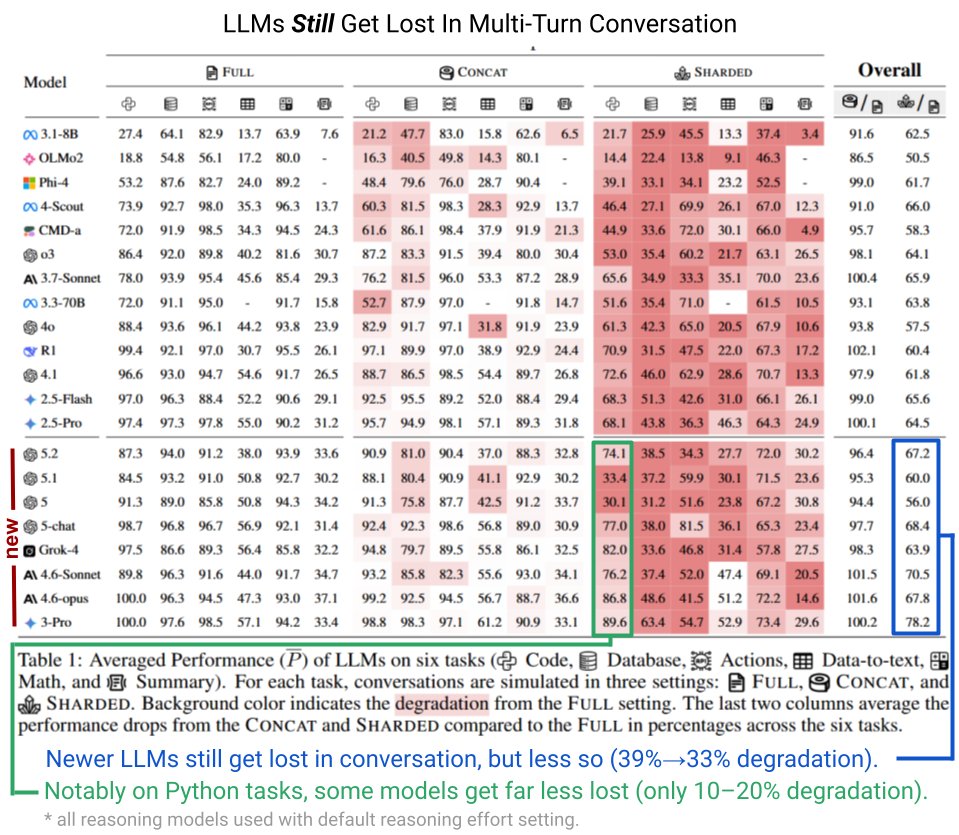
Newer models did slightly better—performance degradation shrank from 39 to 33 percent—but the issue is far from solved. The biggest gains showed up in Python tasks, where some models only lost 10 to 20 percent. Laban suspects real-world losses could be even worse, since the tests used simple user simulations. Users who change their mind mid-conversation would likely cause steeper drops.
Technical tweaks like lowering temperature values don't fix the problem, the original study found. The researchers recommend starting a fresh conversation when things go sideways, ideally by having the model summarize all requests first and using that summary as the starting point for a new chat.
AI News Without the Hype – Curated by Humans
Subscribe to THE DECODER for ad-free reading, a weekly AI newsletter, our exclusive "AI Radar" frontier report six times a year, full archive access, and access to our comment section.
同じ出来事を2媒体で確認
同じ出来事を扱う別媒体の記事です。見出しと公開時刻を比較できます。
関連記事
News to Guide
ニュースの次に確認する
発表内容を、現在の料金や仕様と照らし合わせられる関連ガイドです。
今日のまとめ
AIデイリーブリーフで今日の重要ニュースをまとめ読み