米軍が GPS を利用し、20 年間にわたり暗号化ネットワークの「ナンバーステーション」として機能させていた可能性を示す証拠
セキュリティ専門家スティーブン・マーチャードは、米軍が約 20 年にわたり GPS 衛星の特定データフィールドを暗号鍵配布用の隠れた「ナンバーステーション」として利用していた証拠を発表した。
キーポイント
GPS の隠された通信経路の発見
UCL のセキュリティ専門家スティーブン・マーチャードが、GPS シグナル内の「Subframe 4, Page 17」と呼ばれる 176 ビットのデータ領域が、米軍の暗号鍵配布ネットワーク(OTAD)からの暗号化された送信であることを特定した。
一般ユーザーへの影響と無知
この通信は過去約 20 年間継続しており、GPS を使用するすべてのデバイスが暗黙的に政府情報を受信し続けてきたが、軍事用特殊レシーバーを持つ者以外には知られていなかった。
ランダムデータの分析による推論
マーチャードは 10 年以上前にこの不自然な「ランダムデータ」に気づき、自然界では稀な完全なランダム性は暗号化されたデータである可能性が高いと推測し、2007 年以降のアーカイブデータを分析して裏付けた。
GPS信号における暗号鍵再配布システムの発見
研究者 Murdoch は、GPS のサブフレーム4ページ17に隠された「sentinel」パターンを特定し、これが2011年に開始された軍用衛星の遠隔暗号鍵更新システム(OTAD/OTAR)と完全に一致することを証明した。
公開データからの新たな信号転換の検出
2022年以降、メッセージ回転速度の低下や「TEXT」プレフィックスを持つブロードキャストの出現など、システムが新しいフェーズに入った兆候が観測されており、これはインフラの近代化または新プロトコルの導入を示唆している。
GPS衛星は本質的にグローバルな「ナンバーズステーション」
世界中のすべての受信機がこれらのデータをデコードしているにもかかわらず誰も注目していなかった事実から、GPS衛星は常に情報を伝達する「ナンバーズステーション」として機能しており、公開されたデータにはまだ多くの未発見の情報が含まれていると結論付けられている。
重要な引用
"The U.S. military has likely been quietly broadcasting codes for its global encryption network using public GPS for nearly 20 years, turning each satellite into a hidden 'numbers station'"
"Random data is actually very unusual to get in nature... If you see it... or it's encrypted data. I thought encrypted data is by far the most likely explanation."
"I think the evidence that it's for key transmission—for use in distributing the keys for accessing the military GPS signals—is pretty strong now"
"Every GPS satellite is a numbers station," he concluded. "The receivers were always listening. We just had not been."
"There was a perfect match between the timeline and that presentation and the change points that were automatically identified from the data... That was the smoking gun that made me think: This is what it's for."
影響分析・編集コメントを表示
影響分析
このニュースは、世界中で利用されている GPS インフラストラクチャの背後にあるセキュリティモデルに対する認識を根本から変える可能性があります。一般ユーザーや民間企業が自らのデバイスが軍事機密の伝送路として機能していることを知らなかった事実は、インフラの透明性とセキュリティ設計における重大な課題を示唆しています。
編集コメント
民生用インフラが軍事通信の隠れ蓑として利用されていたという事実は、技術の「裏側」にあるリスクを浮き彫りにする重要な事例です。
404 Media に購読して、今週の最も刺激的で驚くべき科学ニュースと研究をまとめたニュースレター『The Abstract』を受け取りましょう。
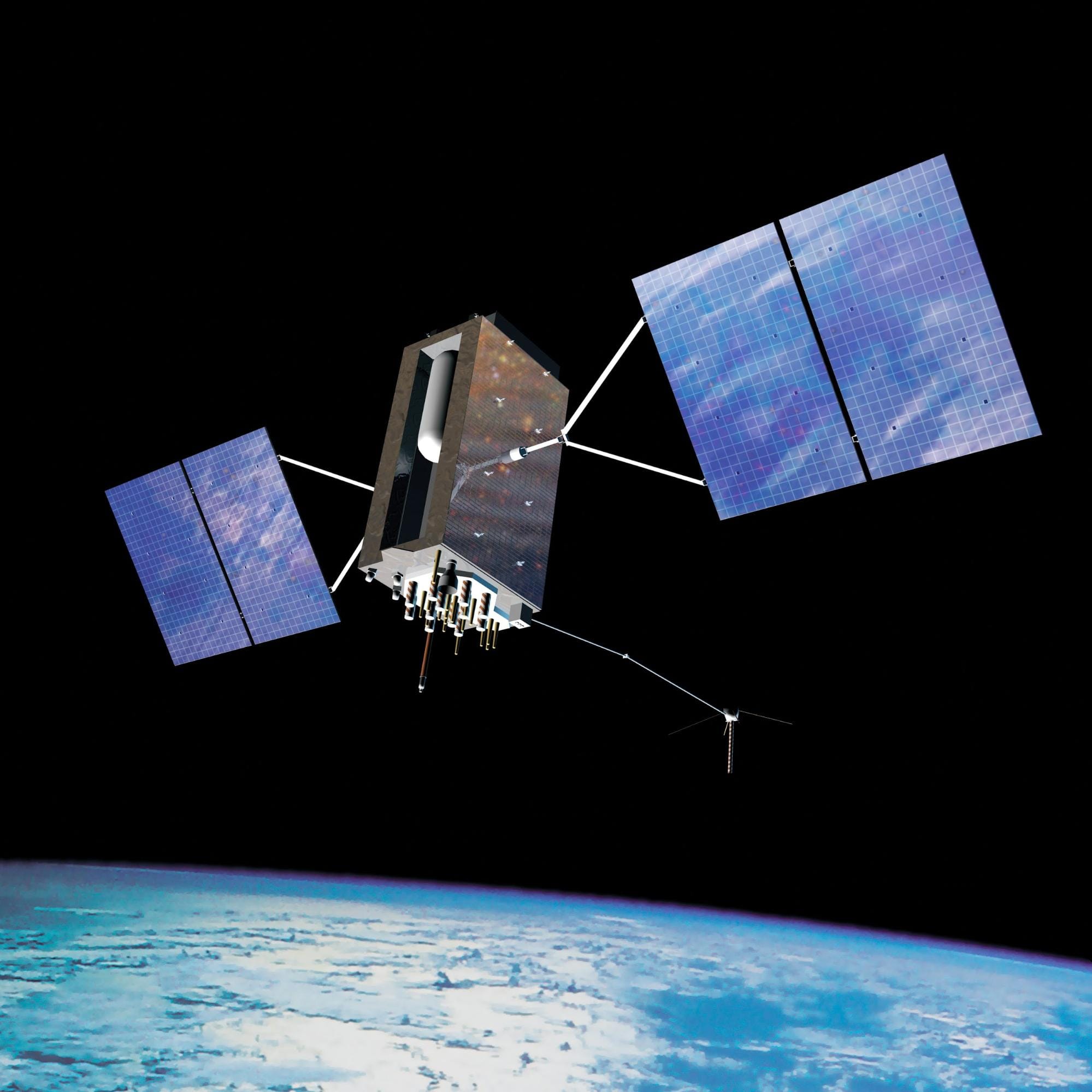 image情報セキュリティの専門家であるスティーブン・マーチャード氏は、新しい記事『Inside GNSS』でその発見を詳述しており、米軍はほぼ 20 年にわたり、公衆の GPS を利用してグローバル暗号化ネットワーク用のコードを静かにブロードキャストしてきた可能性があり、各衛星が隠れた「ナンバーズ・ステーション(数字放送局)」になっていると指摘しています。
つまり、GPS を使用するすべてのデバイスが長年、政府による隠された情報を受信し続けており、今回まで軍関係者以外には誰もその事実を知りませんでした。
マーチャード氏はロンドン大学情報セキュリティ研究グループの教授であり、セキュリティ工学を専門としています。彼は、176 ビットの GPS シーケンス「Subframe 4, Page 17(サブフレーム 4、ページ 17)」が、世界中の軍人へ暗号化キーを配信するペンタゴンの Over-the-Air Distribution (OTAD) ネットワーク(空中配信ネットワーク)からの暗号化された資料であることを示す証拠を発表しました。
「軍事 GPS シグナルへのアクセスに使用するキーを配布するための鍵伝送であるという証拠は、今ではかなり確実なものだ」とマーチャード氏は 404 Media との電話インタビューで語りました。彼は、「軍にはキーをロードする能力を持つ特殊な受信機があり、おそらくこれらの特別なメッセージを復号化する能力も備えているだろう」と指摘しています。
新しい記事の中で、マーチャドは「世界で最も成功した測位信号の忘れ去られた 176 ビットのスロットが、実はその中で最も静かで、かつ最も重要な放送となった」と記述しています。
マーチャドはこのシーケンスを、欧州宇宙機関(ESA)から資金提供を受けたプロジェクトの一環として生の GPS データ用デコーダーの開発を担当していた大学院生時代、10 年以上前に初めて発見しました。
「サブフレーム内にランダムに見えるデータが存在することに気づきました」と彼は回想します。「仕様書を確認すると、これは少し奇妙だと感じました。明らかなパターンを探すために大量のデータを記録しましたが、それはプロジェクトの主要な役割ではなかったため、私たちは次に進みました。」
当初から、マーチャドはデータのランダム性があまりにも高いため、このサブフィールドには暗号化された送信が含まれていると疑っていました。「自然界でランダムなデータが得られることは実際には非常に稀です」とマーチャドは述べています。「もし見つけたなら、それは意図的にランダムに設計されたものか、あるいは暗号化されたデータのどちらかです。私は暗号化されたデータこそが最も可能性が高い説明だと考えていました。」
彼は長年にわたり断続的にサブフレームに戻り、2023 年には Stack Exchange でその内容についての推測を求めました。UCL の修士課程学生である Ahmed Kamruddin は、2025 年にこのプロジェクトをさらに発展させました。そして今年、Murdoch は GFZ ヘルムホルツ地球科学センターによって 2007 年以降収集・保管されてきたオープンアーカイブのグローバル測位衛星システム(GNSS)記録を分析し、数週間にわたってパズルの最後のピースを組み上げました。
このデータセットにはサブフレーム 4、ページ 17 の 1,200 万回以上の観測が含まれており、3,994 個の一意な 176 ビットメッセージが抽出されました。このコーパスの中で Murdoch は、2010 年 2 月に出現し、その後数十年にわたり数十機の衛星で断続的に放送されたパターンなど、重要な繰り返し「シンボル(sentinels)」を特定しました。
Murdoch は、この特定のシンボルが 2011 年 5 月 26 日の数時間の間に運用中の全 31 機すべての衛星によって送信されたと発見し、これは新しい運用システムの稼働開始を示唆するものだと考えました。彼は、2015 年の作戦日付に関するプレゼンテーションを含む非公開化文書をクロス参照することで、このタイムラインが軍のオーバー・ザ・エア・ディストリビューション(OTAD)およびオーバー・ザ・エア・リーキーイング(OTAR)の展開と一致していることを確認しました。
「タイムラインとあのプレゼンテーション、そしてデータから自動的に特定された変化点の間には完璧な一致がありました」と Murdoch は述べています。「それが決定的な証拠となり、『これがその目的だ』と考えさせたのです」
これらの自動化システムは、暗号化キー素材の煩雑な手動配布に代わり、世界中の軍事用 GPS レシーバーが現地での手順ではなく、衛星放送を通じて遠隔で再設定可能となりました。
この大規模な再設定オペレーションは、その後の 11 年間にわたり、公的な GPS データの中で見過ごされていました。 Murdoch の分析によると、2022 年にシステムは新たな段階へと移行しました。この変化の特徴として、メッセージの回転速度が低下したことが挙げられます。その後、2023 年 12 月には、「TEXT」という特徴的なプレフィックスを付与したブロードキャストが登場し、徐々に衛星コンステレーション全体に広がっていきました。
Murdoch はこの最近の移行が何を意味するのか確信していませんが、インフラの近代化か、新しいプロトコルの導入によるものかもしれません。しかし彼にとってより重要な点は、これらの信号は、もう少し詳しく観察しようとする人であれば誰でも利用可能だったという事実です。この発見は、暗号解読に興味を持つ私たちの間に、さらに多くの驚くべき発見が隠されている可能性を示唆しています。
「世界のすべてのレシーバーはサブフレーム 4、ページ 17 を復号化します」と Murdoch は新しい記事で述べています。「しかし、その内容を一度も確認したことはほとんどありません。この教訓は一般化できます:私たちがアンテナに到達しているバイト列から学ぶべきことは、私たちが異なるように指定してほしいと願うバイト列よりも多いのです。データは公的に利用可能です。信号は毎日 2 回、常に上空を通過しています。」
「すべての GPS サテライトはナンバーズステーション(暗号放送局)です」と彼は結論付けました。「レシーバーは常に受信していましたが、私たちがそれを聞いていなかったに過ぎません。」
404 Media に購読して、今週の最も刺激的で驚くべき科学ニュースや研究を扱うニュースレター『The Abstract』を受け取りましょう。
必ず JSON 形式で返してください。translation フィールドのみ。他のフィールド (technical_terms 等) は一切追加しないこと — 余計なフィールドを書こうとして本文翻訳がトークン上限で打ち切られる事故を防ぐため:
{"translation": "翻訳全文"}
原文を表示
Subscribe to 404 Media to get The Abstract, our newsletter about the most exciting and mind-boggling science news and studies of the week.
imageThe U.S. military has likely been quietly broadcasting codes for its global encryption network using public GPS for nearly 20 years, turning each satellite into a hidden “numbers station,” according to Steven Murdoch, an information security expert, who detailed his findings in a new article in Inside GNSS.
That means every device that uses GPS has been receiving hidden government information for years, and nobody outside the military knew it until now.
Murdoch, a professor of security engineering and head of the Information Security Research Group at University College London, presented evidence that a 176-bit GPS sequence labelled “Subframe 4, Page 17” is encrypted material from the Pentagon’s Over-the-Air Distribution (OTAD) network, which delivers cryptographic keys to military personnel around the world.
“I think the evidence that it's for key transmission—for use in distributing the keys for accessing the military GPS signals—is pretty strong now,” Murdoch said in a call with 404 Media. He noted that the military has “specialized receivers that have the ability to have keys loaded into them” and “presumably have the ability to decrypt these special messages.”
In his new article, Murdoch described how this “forgotten 176-bit slot in the world’s most successful navigation signal turned out to be its quietest and most consequential broadcast.”
Murdoch first spotted the sequence more than a decade ago while he was a graduate student tasked with writing a decoder for raw GPS data while working on a project funded by the European Space Agency.
“I noticed that there was this random-looking data present in the subframe,” he recalled. “I looked at the specification, and thought that was a little bit unusual. I recorded a bunch of it to look for any obvious patterns, but that wasn't the main role of the project, so we moved on.”
From the beginning, he suspected that the subframe field contained encrypted transmissions because the data was so random. “Random data is actually very unusual to get in nature,” Murdoch said. “If you see it, either it's been carefully designed to be random—but then, why is someone sending out random data?—or it's encrypted data. I thought encrypted data is by far the most likely explanation.”
He returned to the subframe on and off over the years, and solicited guesses about its content on Stack Exchange in 2023. Ahmed Kamruddin, a master’s student at UCL, developed the project further in 2025. Then, this year, Murdoch put the last pieces of the puzzle together over several weeks by analyzing open archive Global Navigation Satellite System (GNSS) recordings collected since 2007 and kept by GFZ Helmholtz Centre for Geosciences.
This dataset included more than 12 million observations of Subframe 4, Page 17, yielding 3,994 unique 176-bit messages. Within this corpus, Murdoch pinpointed key-repeating “sentinels” including a pattern that appeared in February 2010 and was broadcast on and off across dozens of satellites for more than a decade.
Murdoch discovered that this particular sentinel was transmitted by all 31 operational satellites within a window of a few hours on May 26, 2011, potentially heralding the activation of a new operational system. He confirmed that this timeline coincided with the rollout of the military’s Over-the-Air Distribution (OTAD) and the Over-the-Air Rekeying (OTAR) by cross-referencing declassified documents, including a 2015 presentation about the dates of the operation.
“There was a perfect match between the timeline and that presentation and the change points that were automatically identified from the data,” Murdoch said. “That was the smoking gun that made me think: This is what it's for.”
These automated systems replaced the cumbersome manual distribution of cryptographic keying material, allowing military GPS receivers around the world to be rekeyed remotely through satellite broadcasts rather than through onsite procedures.
For the next 11 years, this expansive rekeying operation was overlooked in public GPS data. In 2022, the system entered a new phase, according to Murdoch’s analysis. The shift was characterized by a slowing in the message rotation rate. Later, in December 2023, broadcasts carrying a distinctive "TEXT" prefix emerged then gradually spread across the constellation.
Murdoch isn’t sure what explains the recent transition, though it could be a possible modernization of the infrastructure or the introduction of a new protocol. But to him, the bigger takeaway is that the signals were always available for anyone willing to take a closer look, a discovery that suggests that there could be more revelations hidden for the cryptographically curious among us.
“Every receiver in the world decodes Subframe 4, Page 17,” Murdoch said in his new article. “Almost none of them have ever looked at it. The lesson generalizes: There is more to learn from the bytes already arriving at our antennas than from the bytes we wish were specified differently. The data are publicly available. The signal is overhead, twice a day, every day.”
“Every GPS satellite is a numbers station,” he concluded. “The receivers were always listening. We just had not been.”
Subscribe to 404 Media to get The Abstract, our newsletter about the most exciting and mind-boggling science news and studies of the week.
関連記事
今日のまとめ
AI日報で今日の重要ニュースをまとめ読み