AIチップがTSMCの最先端生産ラインから他製品を押し出している
本文の状態
日本語全文を表示中
詳細モードで約1分の本文を読めます。
同じ出来事の情報源
この情報源を基点に整理
The Decoder
調査会社SemiAnalysisによると、2027年までにTSMCの最先端N3生産ラインの86%がAIアクセラレーター向けに使用される見込みで、スマートフォン需要は余剰需要の緩衝材となっている。
Source Article
元記事を日本語で読む
本文に関係しない購読案内、埋め込み通知、サイト内プロモーションは除いています。
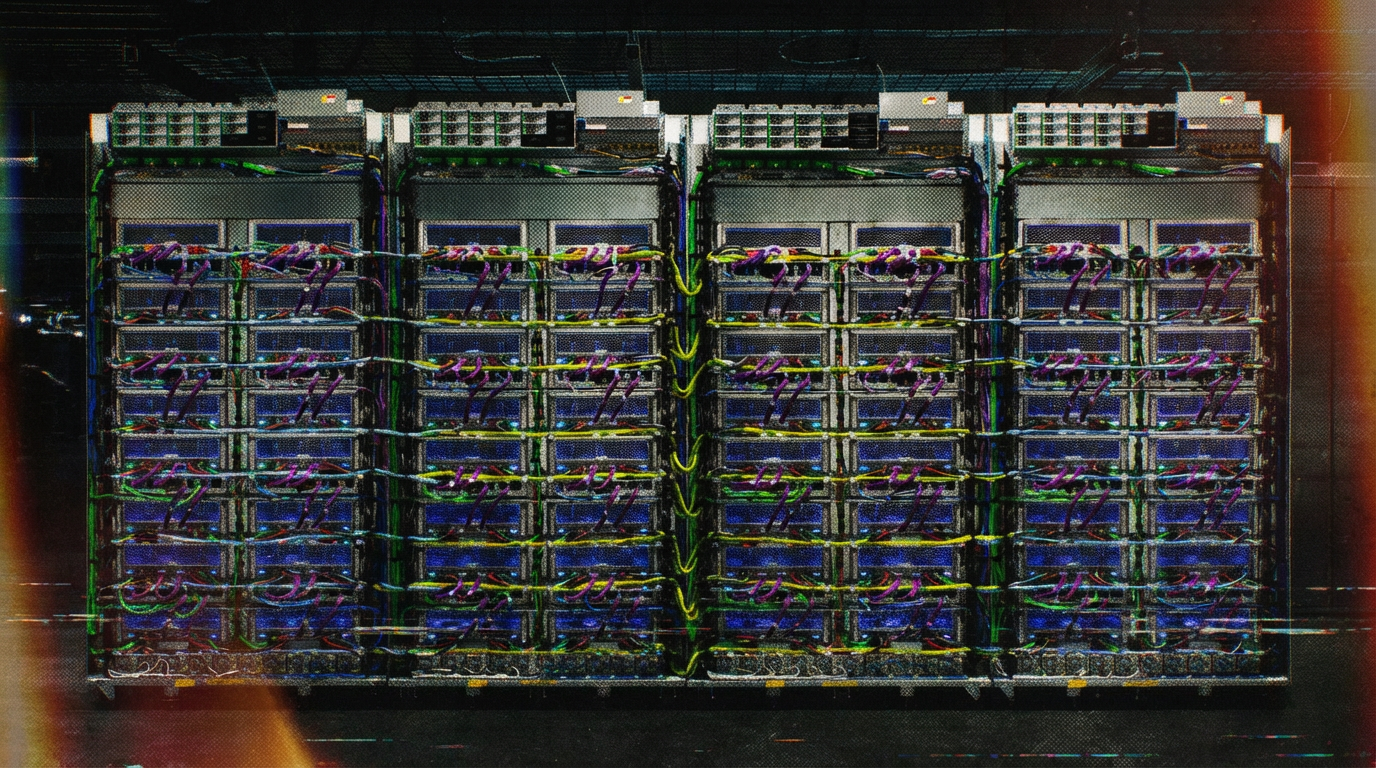
調査会社SemiAnalysisによると、2027年までにTSMCのN3(3ナノメートル)生産能力の86%がAIアクセラレーターに割り当てられる可能性がある。スマートフォンは、過剰な需要を吸収する緩衝材となりつつある。
本記事「AI chips are pushing everything else off TSMC's most advanced production lines」は、The Decoderに最初に掲載されました。
原文を表示
By 2027, 86 percent of TSMC's N3 capacity could go to AI accelerators, according to SemiAnalysis. Smartphones are becoming a buffer for overflow demand.
In 2026, nearly every major AI accelerator family is moving to TSMC's N3 manufacturing process at the same time - Nvidia's Rubin, Google's TPU v7/v8, Amazon's Trainium3, and AMD's MI350X. The resulting demand shock is hitting a foundry that simply can't expand fast enough. According to SemiAnalysis, TSMC has been caught flat-footed, with wafer capacity expansion falling well behind surging AI demand.
SemiAnalysis highlights just how badly TSMC misjudged AI demand. Even though the biggest compute buildout in history kicked off in late 2022, TSMC's capital expenditure didn't exceed its previous peak until 2025. Only now has TSMC recognized how far customer demand has outpaced its capacity, and the company plans to significantly surpass last year's record capex in 2026.
But even billions in additional spending won't fix the problem quickly, as new cleanrooms need to be built and equipped before extra capacity comes online. SemiAnalysis expects TSMC won't be able to add enough capacity to fully meet demand for at least the next two years.
N3 utilization is set to exceed 100 percent
The situation is so tight that effective N3 utilization is expected to surpass 100 percent in the second half of 2026, the analysts write. TSMC is already shifting certain process layers to other fabs to squeeze out incremental N3 capacity wherever possible. While AI-related wafers currently account for just under 60 percent of N3 output in 2026, that share is projected to hit 86 percent in 2027.
The smartphone industry is becoming what SemiAnalysis calls the release valve. Weakening consumer demand, driven by rising memory prices, is freeing up wafer capacity that gets redirected to AI accelerators. SemiAnalysis calculates that reallocating 25 percent of smartphone N3 wafer starts would enable production of roughly 700,000 additional Rubin GPUs or 1.5 million additional TPU v7s.
But more logic capacity alone won't solve the problem, as memory is also scarce. HBM consumes roughly three times more wafer capacity than standard DRAM, a gap that could widen to nearly four times as the industry transitions to HBM4.
AI News Without the Hype – Curated by Humans
Subscribe to THE DECODER for ad-free reading, a weekly AI newsletter, our exclusive "AI Radar" frontier report six times a year, full archive access, and access to our comment section.
Subscribe now
今日のまとめ
AIデイリーブリーフで今日の重要ニュースをまとめ読み