科学者たちが、恒星を持たない放浪惑星の衛星に異星生命が存在する可能性を指摘
天文学者は、恒星に縛られないフリーフラティング惑星を周回するエキソムーンが潮汐加熱により液态水を維持し、生命やRNAの生成に適する可能性があると指摘している。
キーポイント
フリーフラティング惑星とエキソムーンの存在可能性
恒星系から切り離された宇宙空間を漂うフリーフラティング惑星の周囲には、生命存在の可能性を秘めたエキソムーンが存在する可能性がある。
潮汐加熱による液态水の維持メカニズム
惑星からの強い潮汐力によって軌道が離心化し、長期にわたる熱生成が発生することで、月面での液态水の存在と生命の萌芽が可能になる。
観測手法と技術的限界
重力マイクロレンズ法などの新技術で検出は可能だが、現在の観測装置では大気組成の分析が困難であり、実証には技術革新が必要である。
Rogue Planet Moons Detection Prospects
Scientists propose microlensing as a viable method to detect potentially habitable moons orbiting starless rogue planets, with discovering such unbound systems being a realistic near-term goal despite current atmospheric analysis limitations.
Ultrasonic Hearing in Hedgehogs
Research reveals European hedgehogs perceive ultrasonic frequencies peaking around 40 kHz, paving the way for targeted acoustic repellents to protect them from vehicles and robotic lawn mowers.
Endurance of Non-Standard Measurement Units
A historical study shows how informal units like 'the drop' have persisted alongside the metric system, demonstrating that non-standard measurements can survive extensive standardization efforts across centuries.
メトリック化の歴史的・政治的背景
多様な単位制度の統一は、権力者による不正な搾取への庶民の不満から生まれた大衆的人気運動の結果であり、標準化のproto-populistな正当性を示している。
重要な引用
Thus, free-floating planets might offer an alternative pathway for the first discovery of an exomoon.
Close encounters before the final ejection even increase the ellipticity of the moon’s orbit, boosting tidal heating over millions to billions of years...
These potentially habitable moons could be detected through a variety of techniques,” including microlensing, the researchers added, though they noted that actually analyzing their atmospheres “may not be feasible with any instruments currently
“These potentially habitable moons could be detected through a variety of techniques,” including microlensing, the researchers added, though they noted that actually analyzing their atmospheres “may not be feasible with any instruments currently in operation.”
“Designing sound repellents for cars to reduce the high number of road-killed hedgehogs enhances animal welfare and supports conservation of this declining flagship species,” the team concluded.
"Numerous complaints about the diversity of measurements and their lack of cross-readability" were directed with "a special ire at powerful lords who abused standards in order to extort the population," ... The metric system was one response to "the discontent of peasants and the little people against the powerful."
影響分析・編集コメントを表示
影響分析
この研究は、従来の恒星系に限定されていた生命探査の枠組みを宇宙空間全体へ拡大し、観測技術の進歩と相まって新たな生命探査パラダイムを提示する。ただし、大気分析の技術的限界が指摘されており、実証には次世代観測装置の開発と長期的なデータ蓄積が不可欠である。
編集コメント
基礎科学分野の発見だが、観測技術の進歩とデータ解析手法の高度化が実証を後押しする。AIを活用した重力レンズデータの自動検出や大気モデルのシミュレーションが、今後の生命探査において鍵を握るだろう。
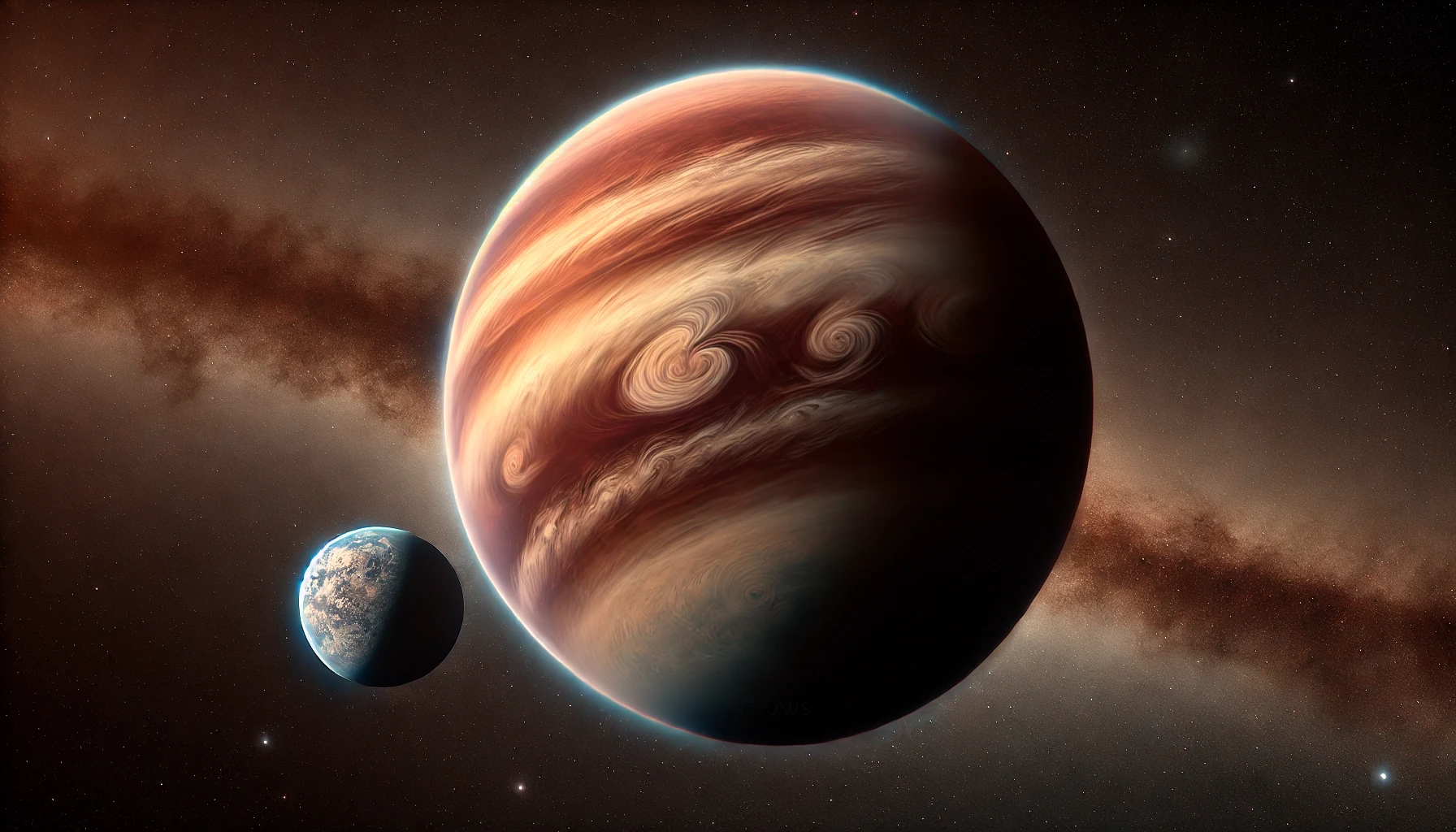 image Abstract へようこそ!今週のこの研究は、暗闇の中で生命を探し、ハリネズミのために立ち上がり、知恵を授け、そして説明もつかないほど壮大な爆発で命を落としたものです。
まず、あなたにとって興味深いかもしれないが、エイリアンが恒星間空間を惑星衛星(exomoons)に乗って移動している可能性があります。次に:ロードキル(道路での動物の轢死事故)に対する超音波による解決策、メートル法化の限界、そして宇宙の謎への答えです。
いつもの通り、私の他の作品については、著書『First Contact: The Story of Our Obsession with Aliens』をご覧ください。また、私の個人ニュースレター「BeX Files」も購読してください。
恒星間空間を漂う惑星衛星からの眺め
Dahlbüdding, David 他。「Free-Floating Planets(自由浮遊惑星)の周りを回る潮汐加熱された H2 主体の exomoons の居住可能性。」
退屈な古い太陽を持つ惑星に住むのは、一般大衆のためのことです。新しい研究では、天文学者たちが、エイリアン生命がはるかに予想外の場所で出現する可能性があることを示唆しています。それは、恒星間空間を漂う自由浮遊惑星の周りを回る「exomoons(惑星衛星)」です。
銀河系内には、どの恒星にも束縛されていない無数のローグプラネット(流浪惑星)が徘徊していると考えられており、その一部に居住可能性があるかどうかという魅力的な謎を提起しています。今や、マックス・プランク天体物理学研究所(MPE)の David Dahlbüdding 氏率いる研究者チームは、この問いを、惑星と共に恒星間空間へと引きずり出された exomoons にも拡張しました。
「従来の恒星系における太陽系外衛星の探索は継続中ですが、現時点で確認された検出はありません」とチームは述べています。「したがって、自由浮遊型惑星が、最初の太陽系外衛星発見への代替経路を提供する可能性があります」
つまり、天文学者はこれまで明確に太陽系外衛星を観測したことはありません。しかし、重力による光の歪みを通じて物体を捉えるマイクロレンズ効果など、自由浮遊型世界を偵察するための新技術は、この長年求められてきた検出に必要な感度を提供する可能性があります。
潜在的な居住可能性については、ダールビューディング氏とその同僚たちは、厚い水素大気を持つ惑星を周回するエキソムーンに特に焦点を当てました。もしそのようなペアが恒星系から弾き出された場合、エキソムーンの軌道はさらに楕円形に引き伸ばされる可能性があります。この変化により、惑星が衛星に対してより強い潮汐力を及ぼし、膨大な時間スケールにわたって月面上で液体の水が流れ続けるのに十分な熱を生成するでしょう。
「最終的な放出前にも近接遭遇が起こると、月の軌道の楕円性がさらに増大し、月や浮遊惑星の性質に応じて数百万年から数十億年にわたって潮汐加熱が促進されます」と研究チームは述べています。また、潮汐力と大気成分は「RNA の重合に好条件をもたらす可能性があり、それによって生命の出現を支えることができる」可能性があります。
「これらの潜在的に居住可能な衛星は、重力マイクロレンズ効果を含むさまざまな手法によって検出可能である」と研究者らは付け加えたが、大気を実際に分析することは「現在稼働中のどの機器でも実現できない可能性が高い」とも指摘している。
近い将来にこれらの世界で生命の兆候を捉えることができないかもしれないが、恒星から切り離されたまま、しかし衛星と惑星が互いに結合した状態にある天体を見出すこと自体が、まもなく現実味を帯びる可能性として非常に興奮を呼ぶだろう。
その他のニュース…
超音波のハリネズミ
Rasmussen, Sophie Lund 他。「ヨーロッパハリネズミ(Erinaceus europaeus)の聴覚と耳の解剖学」。Biology Letters.
ハリネズミは古くからヨーロッパ全域に広く生息してきたが、現在では毎年個体群の最大3分の1が自動車によって殺されている。さらに悪夢のようなことに、ロボット芝刈り機の登場により、ハリネズミの死亡数が増加している。
これらの象徴的な小動物を保護するため、科学者らは音響忌避剤の実用化を提案している。野生生物救助施設から集めた20匹のハリネズミを用いた一連の実験により、「ハリネズミは広範囲の超音波領域を感知できる」ことが確認され、その感度ピークは約40kHz付近にあることが示された。
 imageハチドリ博士(Dr. Hedgehog)として知られるラスムセン氏と、ハリネズミ。画像提供:ジョアン・オステンフェルト
「この結果は、ハリネズミの生存に危険をもたらす特定のモデルのロボット芝刈り機や、何よりも重要な道路上の車両といった潜在的な危険から一時的にハリネズミを遠ざけるための標的型超音波音響忌避装置の開発可能性を示しています」と、オックスフォード大学のソフィー・ランド・ラスムセン氏率いる研究チームは述べています。
「車両用の音響忌避装置を設計して道路でのハリネズミの死傷数を減らすことは、動物福祉を向上させ、減少しているこの象徴種の保全にも寄与します」と、チームは結論付けています。
昔のジョークに倣えば、「なぜハリネズミは道路を渡ったのか?」という問いへの答えは、「理想的には、科学的介入により渡らなかった」です。(私は今夜中ここにいます)
科学史への訪問
Cornu, Armel 他。「滴とメートル法:不規則な単位が革命を生き延びた方法」。Annals of Science(科学の年鑑)。
メートル法は、リベリア、ミャンマー、アメリカ合衆国を除くすべての国で採用されています。しかし、17 世紀から 18 世紀にかけてメートル制が急速に受け入れられる一方で、はるかに不正確な単位である「滴(drop)」は姿を消すことを拒み続けました。
人々は数千年にわたり、液体を滴の形で測定しており、今日でも多くの場面でその方法を用いています。ウプサラ大学のアルメル・コルヌ(Armel Cornu)氏率いる研究チームは、こうした「非標準単位が標準化の長期間の波にどのように耐えてきたか」を探求しました。この論文は、「皮膚の上に滴を置く数を数えることで酸を検証した」といった興味深い逸話の数々により、読む価値があります。恐ろしい話です。
また、メートル法導入における政治的側面にも触れられており、単位を標準化するための初期のポピュリズム的正当化として、「測定方法の多様性と相互読み取り性の欠如に対する多数の苦情」が「基準を悪用して民衆から搾取する強力な領主たちに対して特に激しい怒りを向けていた」と、コルヌ氏のチームは述べています。メートル法は、「権力者に対する農民や一般の人々の不満」への一つの対応でした。
いずれにせよ、滴に関連する科学史の少しの知識が誰かを傷つけることはありません—ただし、酸の試験員として志願した場合は別です。
(死んだ)星の誕生
ファラ、ジョセフら。「レンズ・ティリング前進磁気星エンジンが超光度超新星を駆動する」。『ネイチャー』誌。
天文学者たちは、通常の超新星の10倍も明るく、希少で輝かしい恒星爆発である「タイプI 超光度超新星」の謎のエネルギー源を発見しました。
実はその秘密の超光度のソースは、2024 年 12 月に初めて観測された超新星爆発において、磁気星(magnetar)と呼ばれる極めて強い磁場を持つ恒星の残骸が誕生することであることが判明しました。この恒星爆発からの光には、巨大で急速に回転する物体によって時空が引きずられる現象であるレンス・ティリング効果(Lense–Thirring effect)の痕跡が含まれており、これは磁気星起源を示す重要な兆候です。
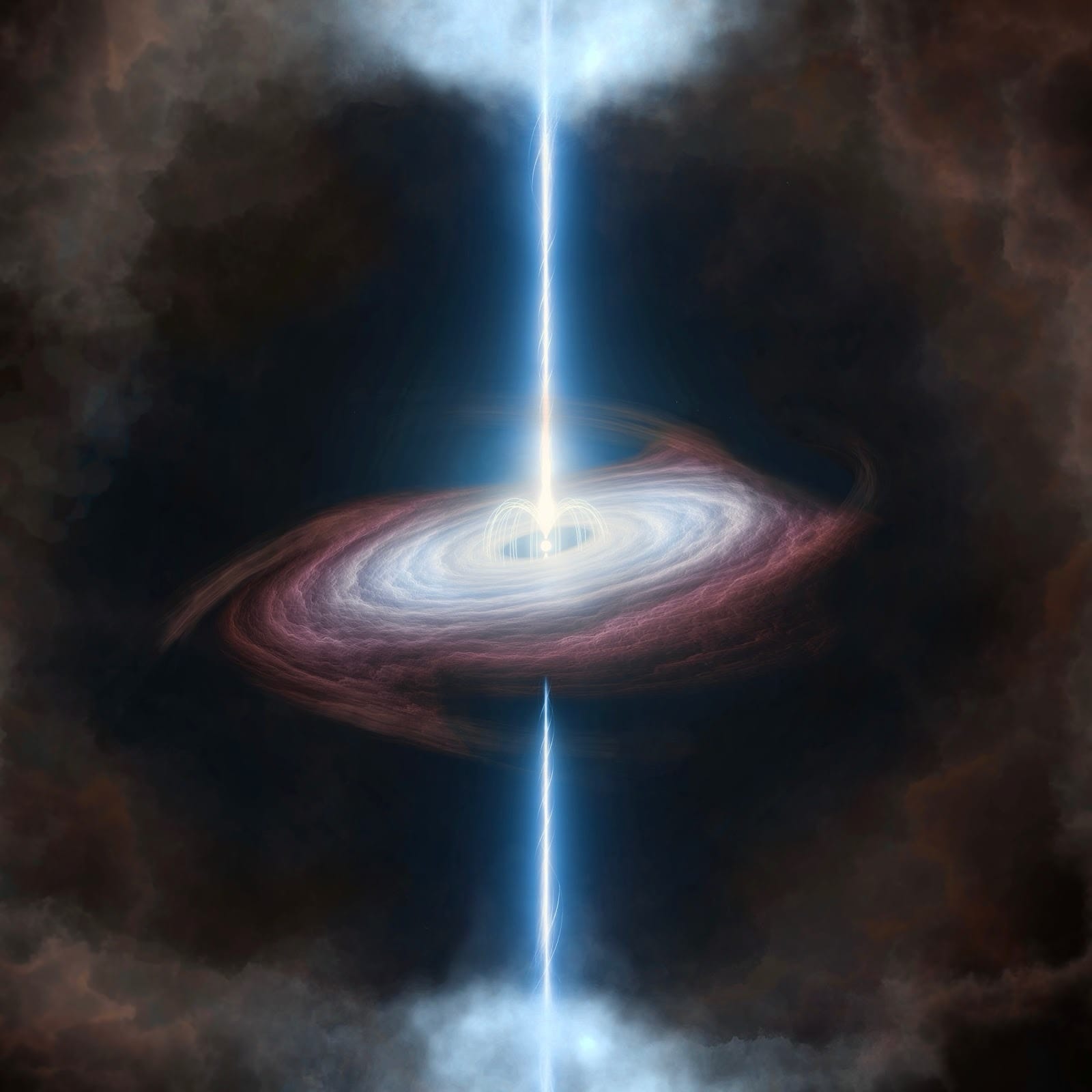 imageレンス・ティリング歳差運動を示す降着円盤に囲まれた磁気星の想像図。画像:Joseph Farah と Curtis McCully「私たちの観測結果は、膨張する超新星残骸の中心部に磁気星が存在するというモデルと一致しています」と、Las Cumbres Observatory の Joseph Farah が率いる研究チームは述べています。「これらの結果は、磁気星環境におけるレンス・ティリング効果の最初の観測的証拠を提供し、I 型超光度超新星で観測された極端な光度の説明として、磁気星のスピンダウンモデルを確認するものです。」
「この発見が、新しい領域である若い超新星の暴力的な中心部における一般相対性理論の検証への道を開くことを期待しています」とチームは結論付けています。
素晴らしい(stellar)というスラングを忘れてください。私たちはすでに「超光度(superluminous)」へと進化したのです。
お読みいただきありがとうございます!来週またお会いしましょう。
原文を表示
imageWelcome back to the Abstract! These are the studies this week that searched for life in the dark, stood up for hedgehogs, dropped some wisdom, and died in an inexplicably epic explosion.
First, aliens might be riding around interstellar space on exomoons, just in case that’s of interest to you. Then: an ultrasonic solution to roadkill, the limits of metrification, and an answer to a cosmic mystery.
As always, for more of my work, check out my book First Contact: The Story of Our Obsession with Aliens or subscribe to my personal newsletter the BeX Files. b
The view from a rogue exomoon
Dahlbüdding, David et al. “Habitability of Tidally Heated H2-Dominated Exomoons around Free-Floating Planets.”
Living on a planet with a boring old Sun is for normies. In a new study, astronomers suggest that alien life could potentially emerge in a much more unexpected place—”exomoons” that orbit free-floating planets in interstellar space.
There are likely trillions of rogue planets wandering through the Milky Way, untethered to any star, raising the tantalizing mystery of whether any of them could be habitable. Now, researchers led by David Dahlbüdding of the Max Planck Institute for Extraterrestrial Physics (MPE) extend this question to exomoons that were dragged out into interstellar space with their planets.
“The search for exomoons within conventional stellar systems continues with no confirmed detection to date,” the team said. “Thus, free-floating planets might offer an alternative pathway for the first discovery of an exomoon.”
In other words, astronomers have never clearly seen an exomoon. But new techniques for spying free-floating worlds—such as microlensing, which reveals objects through the warped light of their gravity—could provide the sensitivity that is required for this long-sought detection.
With regard to potential habitability, Dahlbüdding and his colleagues focused specifically on exomoons that orbit planets with thick hydrogen atmospheres. If such a pair were to be kicked out of a star system, the exomoon’s orbit could become stretched out into a far more elliptical shape. This shift would cause the planet to exert more intense tidal forces onto its satellite, generating heat that could keep liquid water flowing on the moon over vast timescales.
“Close encounters before the final ejection even increase the ellipticity of the moon’s orbit, boosting tidal heating over millions to billions of years, depending on the moon’s and free-floating planet’s properties,” the team said. The tidal forces and atmospheric components could also “create favourable conditions for RNA polymerisation and thus support the emergence of life.”
“These potentially habitable moons could be detected through a variety of techniques,” including microlensing, the researchers added, though they noted that actually analyzing their atmospheres “may not be feasible with any instruments currently in operation.”
While we may not be able to spot signs of life on these worlds anytime soon, it would be exciting just to discover a planet and a moon bound together, but unbound from any star, which is a genuine near-term possibility.
In other news…
Ultra-sonic the hedgehog
Rasmussen, Sophie Lund et al. “Hearing and anatomy of the ear of the European hedgehog Erinaceus europaeus.” Biology Letters.
Hedgehogs have long been ubiquitous in Europe, but cars now kill up to one-third of their population each year. Even more nightmarish, the advent of robotic lawn mowers has led to an uptick in hedgehog deaths.
To help protect these iconic critters, scientists suggest testing out acoustic repellents. A series of experiments with 20 hedgehogs from a wildlife rescue established that “hedgehogs can perceive a broad ultrasonic range,” with peak sensitivity around 40 kHz.
imageRasmussen, who goes by Dr. Hedgehog, with a hedgehog. Image: Joan OstenfeldtThe results “show a potential for the development of targeted ultrasonic sound repellents to deter hedgehogs temporarily from potential dangers such as the particular models of robotic lawn mowers found to be hazardous to hedgehog survival, and more importantly, cars,” said researchers led by Sophie Lund Rasmussen of the University of Oxford.
“Designing sound repellents for cars to reduce the high number of road-killed hedgehogs enhances animal welfare and supports conservation of this declining flagship species,” the team concluded.
To channel the old joke, why did the hedgehog cross the road? Answer: Ideally it didn’t, due to scientific intervention. (I’ll be here all night).
Dropping in on science history
Cornu, Armel et al. “The drop and the metric system: how an unruly unit survived revolutions.” Annals of Science.
The metric system has been adopted by every country except Liberia, Myanmar, and the United States. But even as metrication was rapidly embraced in the 17th and 18th centuries, a far more imprecise system—the drop—refused to drop out.
People have measured liquids in drop form for thousands of years, and still do in many contexts today. Researchers led by Armel Cornu of Uppsala University have now explored how such “non-standard units survive lengthy waves of standardization.” The paper is worth a read for its many interesting asides, like how acids were tested “by counting the number of drops…that could be placed on the skin before one witnessed the effects.” Gnarly.
It also gets into the political dimensions of metrication, including this proto-populist justification for standardizing units: “Numerous complaints about the diversity of measurements and their lack of cross-readability” were directed with “a special ire at powerful lords who abused standards in order to extort the population,” Cornu’s team said. The metric system was one response to "the discontent of peasants and the little people against the powerful.”
Anyway, a little bit of drop-related science history never hurt anyone—unless you volunteered to be an acid tester.
A (dead) star is born
Farah, Joseph et al. “Lense–Thirring precessing magnetar engine drives a superluminous supernova.” Nature.
Astronomers have discovered the mysterious power source of rare and radiant stellar explosions called “Type I superluminous supernovae” which are ten times brighter than regular supernovae.
The secret superluminous sauce, as it turns out, is the birth of a magnetar, a highly magnetized stellar remnant, according to a supernova first observed in December 2024. The light from this stellar explosion contained imprints of the Lense–Thirring effect, in which spacetime is dragged around by massive and rapidly rotating objects, a key sign of a magnetar origin.
imageArtist’s conception of a magnetar surrounded by an accretion disk exhibiting Lense-Thirring precession. Image: Joseph Farah and Curtis McCully“Our observations are consistent with a magnetar centrally located within the expanding supernova ejecta,” said researchers led by Joseph Farah of Las Cumbres Observatory. “These results provide the first observational evidence of the Lense–Thirring effect in the environment of a magnetar and confirm the magnetar spin-down model as an explanation for the extreme luminosity observed in Type I superluminous supernovae.”
“We anticipate that this discovery will create avenues for testing general relativity in a new regime—the violent centres of young supernovae,” the team concluded.
Forget “stellar” as slang for great; we have graduated to “superluminous.”
Thanks for reading! See you next week.
関連記事
今日のまとめ
AI日報で今日の重要ニュースをまとめ読み