Ahmad Osman が語る、ローカル AI の追い上げの理由
本文の状態
日本語全文を表示中
詳細モードで約11分の本文を読めます。
同じ出来事の情報源
この情報源を基点に整理
Latent Space
AI エンジニア世界博で講演した Ahmad Osman は、自身のコンピュータや専用ハードウェア上でモデルを実行する「ローカル AI」が急速に追いついていると主張している。
Source Article
元記事を日本語で読む
本文に関係しない購読案内、埋め込み通知、サイト内プロモーションは除いています。
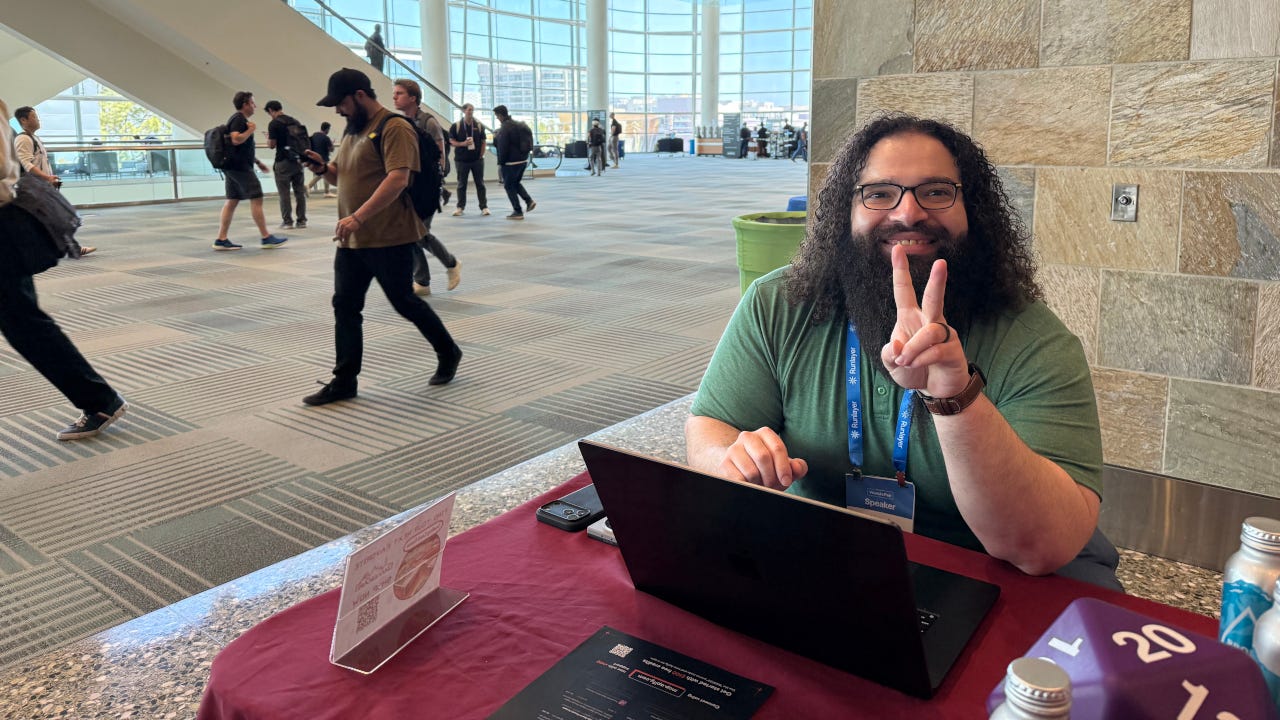
Ahmad Osman は本日、AI Engineer World's Fair に出席しました。
Ahmad Osman は、今年開催された AI Engineer World's Fair で主要なテーマとなるずっと前から、ローカル AI(ご自身のコンピュータやワークステーション、専用ハードウェア上でモデルを実行すること)の推進を続けてきました。また、彼はローカル AI システムの展開と運用のためのオープンソースソフトウェアを開発する企業「Osmantic」の創設者でもあります。
AIEWF から浮き彫りになったテーマの一つは、オープンソース大規模言語モデル(LLM: Large Language Model)が、大規模なプロプライエタリなフロンティアモデルに対するますます信頼性の高い代替手段となりつつあるという点です。ローカル AI システムのほとんどがオープンモデルに依存しているため、この変化は Osman が主張してきた立場をさらに強固なものにしています。彼が Latent Space に語ったところによると、「オープンソースモデルとクローズドなフロンティアモデルとの間のギャップは縮まり続けています」。
Osman は「Open Source AI Must Win」というウェブサイトで、この主張をより明確に展開しています。そこでは彼は、「許可を求めることなく知能システムを研究し、構築し、修復し、展開し、監査し、適応させ、教え、保存し、実行する能力は、存在そのものにとって極めて重要である」と記述しています。
AIEWF では、Osman はローカル LLM とワークステーションエージェントに関する 2 部構成のワークショップを開催しました。これらのセッションでは、この分野がどれほど急速に発展しているかが示されました。つまり、スマートフォンやラップトップで動作するモデルから、専用 GPU ワークステーションやエンタープライズインフラストラクチャへと進化しているのです。
オスマンのワークショップへの関心は、ハードウェアの趣味人だけに限られてはいませんでした。参加者は、初めて AI 対応マシンを検討している学生から、モデルルーティングやプライベートインフラストラクチャ、企業データの制御について考えている企業の経営層まで多岐にわたりました。
続く Q&A で、オスマンはなぜローカル AI がより多くの注目を集めているのか、モデルとハードウェアの状況がどのように変化したのか、そしてなぜ彼が開発者や企業がローカル AI を本格的なインフラストラクチャとして扱うようになることを期待しているのかを説明します。
ローカル AI の具体化
Latent Space: ワークショップの内容と参加者が何を求めていたかを要約してください。
Ahmad Osman: それは 2 つの部分からなるワークショップで、スペースの限界を超えた需要がありました。残念ながら、一部の人々は断らざるを得ませんでした。
私はローカル AI をデモンストレーションするために準備したウェブサイトを持って来ました。これは本質的に、DGX Spark や AMD Strix Halo マシン、その他のデバイスなど、システムを比較できるハードウェアのアリーナでした。これらのシステム同士で競わせたり、フロンティアのクラウドモデルと比較したりして、パフォーマンス、出力品質、速度、レイテンシを実際に確認することができました。
主な目的は、ローカル AI を現実的なものとして感じさせることでした。まだ 2022 年当時の認識が残っており、当時はモデルの能力が非常に低かったのです。しかし、それ以来、すべてが大幅に改善されました。
依然として最先端モデルには数ヶ月から八ヶ月程度の遅れがありますが、ローカルおよびオープンソースのモデルは追いつきつつあります。私たちは人々がこれらのシステムについて理論的な議論を聞くだけでなく、実際に相互作用してほしいと考えていました。
デモの背後にあるソフトウェアはオープンソースであり、GitHub で利用可能です。2 回目のワークショップでは、セットアップ方法の詳細と、完全なシステムの動作を実演しました。
モデルはシステムの一部に過ぎない
Latent Space: ローカル AI を単に自分のマシンでモデルを実行することだと考える際に、何が欠けているのでしょうか?
Osman: ChatGPT や Claude Code といった製品については大きな誤解があります。これらはモデル自体だけでなく、その周囲に完全なインフラストラクチャとエージェントを備えています。それは単一の要素ではありません。
私の友人は Qwen 3.5 をローカルで実行するために RTX 5090 を購入しました。彼は Claude Code をこのモデルに接続し、GPU の RGB ライトを変更するよう指示しましたが失敗しました。その後、ホストされた Claude Code サービスを使用すると正常に動作しました。
私は彼がローカルモデルに対してインターネット検索へのアクセス権を与えたかどうか尋ねました。彼は与えていませんでした。モデルのトレーニングデータにはカットオフ日があり、彼が必要とするソフトウェアやドキュメントはそれ以降に変更されていたのです。
ローカルシステムに検索エンドポイントへのアクセス権を与えるだけで、タスクを完了できるようになりました。
これが要点です:ホストされたエージェントを使用する場合、あなたは単にモデルを使っているのではなく、その周囲にある検索機能、ツール、インフラストラクチャ、その他のサービスも同時に利用しているのです。
オープンソースのデプロイメントシステムを通じて、チャットインターフェースやドキュメント取り込みから、エージェント、ハーンセス、検索ツールに至るまで、完全な体験を提供しようとしています。このエンドツーエンドのレイヤーは、ローカル AI エコシステムにおいて欠けていました。
学生の関心から愛好家、企業まで幅広く広がっています
Latent Space: ワークショップにはどのような方が参加されましたか?主にハードウェア愛好家でしたか、それともプライバシーを重視したアプリケーションを構築しようとする方々でしたか?
Osman: 非常に幅広い聴衆が集まりました。
2 つ目のワークショップの終了時、ある学生が大学に進学する前にどのハードウェアを購入すべきかと私に尋ねました。インテルのエグゼクティブは、特定のユーザーエクスペリエンスを向上させるために、どのようにソフトウェアを Windows で実行できるかについて質問しました。
一部の人々は愛好家でしたが、他の人々は非常に企業指向の質問をしていました。共通していたのは、自分がコントロールできるものを動かしたいという関心でした。それは MacBook 上のモデルでも、自宅にある GPU でも、あるいは高機能なエンタープライズハードウェアの専用クラスターであっても構いません。
企業向けモデルルーティング、データ収集、トレース、エージェントのサンドボックス化、レイテンシについて質問する人もいました。また、自宅で何枚の GPU を持っているかと尋ねる人もいました。答えは 22 枚の RTX 3090 です。
関心の広さに驚きました。これは私が初めて開催した AI ワークショップであり、幸運にも 2 つを連続して行うことができました。
GPU の購入が必ずしも必要ではないかもしれません
Latent Space: ローカル AI を実験するために、開発者は自ら GPU を購入する必要がありますか?
Osman: それは使用したいモデルのサイズによります。
MacBook で 4 ビット量子化された Qwen モデルを実行することは可能です。その反対の極端なケースでは、非常に大規模なフロンティアクラスのオープンモデルには、複数の RTX Pro 6000 GPU が必要になるかもしれません。
しかし、より広範なトレンドとして、モデルははるかに効率的になっています。現代のスマートフォンでは、デバイスのメモリをすべて使用することなく、数年前にクラウドシステムで利用されていたものよりも優れた性能を持つモデルを実行できるようになりました。
これは、比較的短い期間でモデル効率性がどれほど進歩したかを示しています。
モデルとハードウェアは共に進化している
Latent Space: この進展は主にソフトウェアやモデルの改善によるものですか、それともハードウェアも関係していますか?
Osman: モデルは劇的に改善されました。
アーキテクチャがより効率的になり、多くの小さな改善が積み重なっています。フロンティア研究所が何らかの機能が実現可能であることを示すと、オープンソースエコシステムはその逆から働き、それをより効率的に再現する方法を見つけ出します。
数十億のパラメータを持つモデルでさえ、以前ははるかに大規模なシステムを必要としていた性能を発揮しています。その中には 2020 年に発売された RTX 3090 で実行可能なものもあります。2 年前であれば、そのようなハードウェアでこのレベルの能力を実現することは現実的ではありませんでした。
これはまだ非常に新しい分野であり、最終的な到達点については不明です。しかし、システムは引き続き改善されていくことは確実です。
ハイブリッド AI と主権 AI の台頭
Latent Space: ローカル AI とクラウド AI を組み合わせたアプリケーションが増えるとお考えですか?
オスマン:はい。エッジモデルはより普及していくでしょうし、それは消費者だけの話ではありません。
企業は、依存しているモデルが常に同じ形で利用可能であるとは限らないことに次第に気づき始めています。プロバイダーは品質、価格、アクセス権、あるいはポリシーを変更する可能性があります。
それが専用ハードウェアやセキュアなコンピューティングへの移行を促すインセンティブとなります。必ずしもオンプレミスに置く必要はありません。企業が管理する専用でコロケーションされたハードウェアを利用することも可能です。
その利点は、モデルの品質が予期せず変化しないこと、アクセス権が簡単に剥奪されないこと、そして企業が知的財産、データ、プライバシー、コンプライアンス義務に対するコントロールを維持できることです。
オープンソースモデルもまた、最先端のプロプライエタリシステムとの格差を縮め続けています。Llama、Mistral、Qwen、DeepSeek、GLM、Kimi モデルを通じた急速な進展を目にしてきました。各世代がその格差を狭めています。
専門化されたモデルが真の機会となる可能性
レイトン・スペース:これはビジネスにとってどのような方向性をもたらすとお考えですか?
オスマン:私は長らく、より小さく専門化されたモデルが多くのビジネスユースケースにおける未来であると信じてきました。
企業はまず一般用モデルから始め、従業員がそれを使用する方法からのトレース、メッセージ、フィードバックを収集します。時間の経過とともに、そのデータは企業の特定の業務に調整された、より専門的なモデルを支えるものとなります。
これによりパフォーマンスが向上し、コストが削減され、システムがビジネスにとってより有用なものになります。
また、オープンソースモデル企業は、ファインチューニングや強化学習、あるいは専門的な商用展開のためのライセンスを通じて収益化を図るケースが今後さらに増えると考えられます。
多くの企業がクラウド API への完全依存から脱却し、自社の計算リソースを確保するにつれ、これらのラボは強力なオープンモデルの継続的な公開と、企業が独自用途に適応させた際の価値獲得というインセンティブを持つことになります。
より広範な方向性は、主権の強化へと向かっています:企業や個人が自らのモデル、計算資源、データを制御しつつも、オープンソースエコシステムの急速な進展から恩恵を受けるという形です。
原文を表示
Ahmad Osman at the AI Engineer World’s Fair today.
Ahmad Osman has been advocating for local AI — running models on your own computer, workstation or dedicated hardware — long before it became a major theme at this year’s AI Engineer World’s Fair. He is also the founder of Osmantic, a company building open source software for deploying and operating local AI systems.
One of the themes emerging from AIEWF is that open source LLMs are becoming increasingly credible alternatives to large, proprietary frontier models. Since most local AI systems depend on open models, that shift strengthens the case Osman has been making. As he told Latent Space, “the gap between open-source models and closed-frontier models keeps shrinking.”
Osman makes the argument even more explicitly on a website called Open Source AI Must Win, where he writes that “the ability to study, build, repair, deploy, audit, adapt, teach, preserve, and run intelligence systems without asking permission is of existential importance.”
At AIEWF, Osman ran a two-part workshop on local LLMs and workstation agents. The sessions showed how quickly the field is moving — from models running on phones and laptops, to dedicated GPU workstations and enterprise infrastructure.
The interest in Osman’s workshops was not limited to hardware hobbyists, either. Attendees ranged from students considering their first AI-capable machine to enterprise executives thinking about model routing, private infrastructure and control over company data.
In the following Q&A, Osman explains why local AI is attracting more attention, how the model and hardware landscape has changed, and why he expects more developers and enterprises to begin treating local AI as serious infrastructure.
Making local AI tangible
Latent Space: Can you summarize what the workshops were about and what attendees were looking for?
Ahmad Osman: It was a two-part workshop, and there was more demand than we had space for. Some people unfortunately had to be turned away.
I came in with a website we had prepared to demonstrate local AI. It was essentially a hardware arena where people could compare systems such as the DGX Spark, AMD Strix Halo machines and other devices. You could run them against one another, or compare them with a frontier cloud model, and see the performance, output quality, speed and latency for yourself.
The main idea was to make local AI feel real. There is still a perception of it that dates back to 2022, when the models were much less capable. But everything has improved substantially since then.
There is still a lag behind frontier models — perhaps four to eight months — but local and open models are catching up. We wanted people to interact with these systems rather than just hear a theoretical argument about them.
The software behind the demo is open source and available on GitHub. The second workshop went further into setting it up and showing the full system in action.
A model is only one part of the system
Latent Space: What is missing when people think of local AI as simply running a model on their own machine?
Osman: There is a big misconception about products such as ChatGPT or Claude Code. They come with a complete infrastructure around the model and around the agent. It is not just one thing.
A friend of mine bought an RTX 5090 to run Qwen 3.5 locally. He connected Claude Code to the model and asked it to change the RGB lighting on the GPU, but it failed. He then used the hosted Claude Code service, and it worked.
I asked whether he had given the local model internet search access. He had not. The model’s training data had a cutoff date, while the software and documentation he needed had since changed.
Once we gave the local system access to a search endpoint, it was able to complete the task.
That is the point: when you use a hosted agent, you are not only using a model. You are using search, tools, infrastructure and other services around it.
With our open source deployment system, we are trying to provide the complete experience — from a chat interface and document ingestion to agents, harnesses and search tools. That end-to-end layer has been lacking in the local AI ecosystem.
Interest spans students, enthusiasts and enterprises
Latent Space: Who came to the workshop? Were they mainly hardware enthusiasts, or people trying to build privacy-based applications?
Osman: It was a very wide audience.
At the end of the second workshop, a student asked me what hardware she should buy before going to college. An executive from Intel asked how we could get the software running on Windows in a particular way to improve the user experience.
Some people were enthusiasts. Others had very enterprise-focused questions. The common thread was interest in running something they can control, whether that means a model on a MacBook, a GPU at home or a dedicated cluster of high-end enterprise hardware.
People asked about enterprise model routing, data collection, traces, agent sandboxing and latency. Others asked how many GPUs I have at home. The answer is 22 RTX 3090s.
The breadth of interest surprised me. This was my first AI workshop, and I was lucky enough to do two of them back to back.
You may not need to buy a GPU
Latent Space: Do developers need to go out and buy GPUs to experiment with local AI?
Osman: It depends on the size of the model you want to use.
You can run a four-bit Qwen model on a MacBook. At the other extreme, a very large frontier-class open model might require several RTX Pro 6000 GPUs.
But the broader trend is that models are becoming much more efficient. On a modern phone, you can now run a model that outperforms systems people were using in the cloud only a couple of years ago, without using all of the device’s memory.
That shows how far model efficiency has come in a relatively short time.
Models and hardware are improving together
Latent Space: Is the progress mainly coming from better software and models, or from hardware as well?
Osman: The models have improved dramatically.
Architectures are becoming more efficient, and many small improvements compound. Once a frontier lab demonstrates that a capability is possible, the open source ecosystem can work backwards from that and find ways to reproduce it more efficiently.
We are seeing models with tens of billions of parameters deliver performance that would previously have required much larger systems. Some of those models can run on an RTX 3090 released in 2020. Two years ago, that level of capability on that hardware would not have been realistic.
This is still a very new field, and we do not know the end state. But we know the systems will continue to improve.
The rise of hybrid and sovereign AI
Latent Space: Do you expect more applications to combine local and cloud AI?
Osman: Yes. Edge models are going to become more popular, and this is not only about consumers.
Enterprises are increasingly aware that the models they depend on may not always remain available to them in the same form. Providers can change quality, pricing, access or policies.
That creates an incentive to move toward dedicated hardware and secure compute. It does not necessarily have to sit on premises. A company can use dedicated, colocated hardware that it controls.
The benefit is that the quality of the model does not unexpectedly change, access cannot simply be removed, and the company retains control over its intellectual property, data, privacy and compliance obligations.
Open source models are also continuing to close the gap with frontier proprietary systems. We have seen a rapid progression through Llama, Mistral, Qwen, DeepSeek, GLM and Kimi models. Each generation narrows the gap.
Specialized models may be the real opportunity
Latent Space: Where do you think this leads for businesses?
Osman: I have believed for some time that smaller, specialized models are the future for many business use cases.
An enterprise may begin with a general model and collect traces, messages and feedback from how employees use it. Over time, that data can support a more specialized model tuned to the company’s particular work.
That can improve performance, reduce costs and make the system more useful for the business.
I also think open source model companies may increasingly monetize through licensing for fine-tuning, reinforcement learning or specialized commercial deployments.
As more companies move away from relying entirely on cloud APIs and secure their own compute, these labs will have an incentive to keep releasing strong open models while capturing value when businesses adapt them for proprietary use cases.
The broader direction is toward greater sovereignty: companies and individuals controlling their models, compute and data, while still benefiting from the rapid progress of the open source ecosystem.
関連記事
今日のまとめ
AIデイリーブリーフで今日の重要ニュースをまとめ読み