米都市、Flock のナンバープレート読み取りカメラを Axon に即時切り替え
本文の状態
日本語全文を表示中
詳細モードで約10分の本文を読めます。
同じ出来事の情報源
この情報源を基点に整理
404 Media
複数の米自治体がプライバシー懸念からFlockの自動ナンバープレート読み取りシステムを撤去し、Axonの同等システムへ即時切り替えている。
AI深層分析を開く2026年8月6日 22:56
AI深層分析
キーポイント
FlockからAxonへの大規模な移行
シラキュース、デンバー、グランドチュートなど複数の米自治体が、FlockのALPRカメラを撤去し、直ちにAxonのシステムへ切り替えている。
プライバシーとデータ保護への懸念
フェンデール市は、Flockが画像保管におけるセキュリティに失敗した点を理由に挙げ、Axonには国レベルでの検索機能がないことを強調している。
監視カメラの拡充と技術的特徴
ダグラス郡保安官事務所は契約によりカメラ数を倍増させ、Axonの街路灯取り付け型AIカメラやパトロール車搭載カメラ、ドローンを活用する方針を示した。
市民からの反対と議論の継続
Flockへの反発がAxon移行を加速させた背景にはあるものの、フェンデール市では住民側もAxonの監視カメラに対して懸念を抱いていることが報告されている。
ICEへのデータ提供と全国検索機能の停止
FlockはICEが間接的にカメラデータを取得していたことが発覚し、一部の州を除外するなどの修正を行った。これにより警察官が州境を越えて全国を検索できる機能が制限された。
重要な引用
citing privacy concerns and failures by [Flock] to protect images stored on the city's ALPR network from unauthorized agencies
Axon does not have a national look-up feature. Axon's ALPR data sharing software only operates on a one-to-one basis.
some cities may enter contracts with another company which has faced less scrutiny and backlash.
"As far as data sharing under this contract, Axon does not have a national network. There's no way that we can share it nationally. No law enforcement officer in Texas, Ohio, New York, or California can log into our system. It's only Denver Police officers and only when they're investigating an actual criminal incident," council member Kevin Flynn said according to the Denver7 report.
編集コメントを表示
編集コメント
自治体が監視カメラベンダーを乗り換える動きは、プライバシー規制の強化や市民意識の高まりが技術導入に直結している事例と言える。Axonへの移行が実質的な解決策となるかについては、依然として住民側の懸念が残っており、今後の動向に注目が必要である。
Source Article
元記事を日本語で読む
本文に関係しない購読案内、埋め込み通知、サイト内プロモーションは除いています。
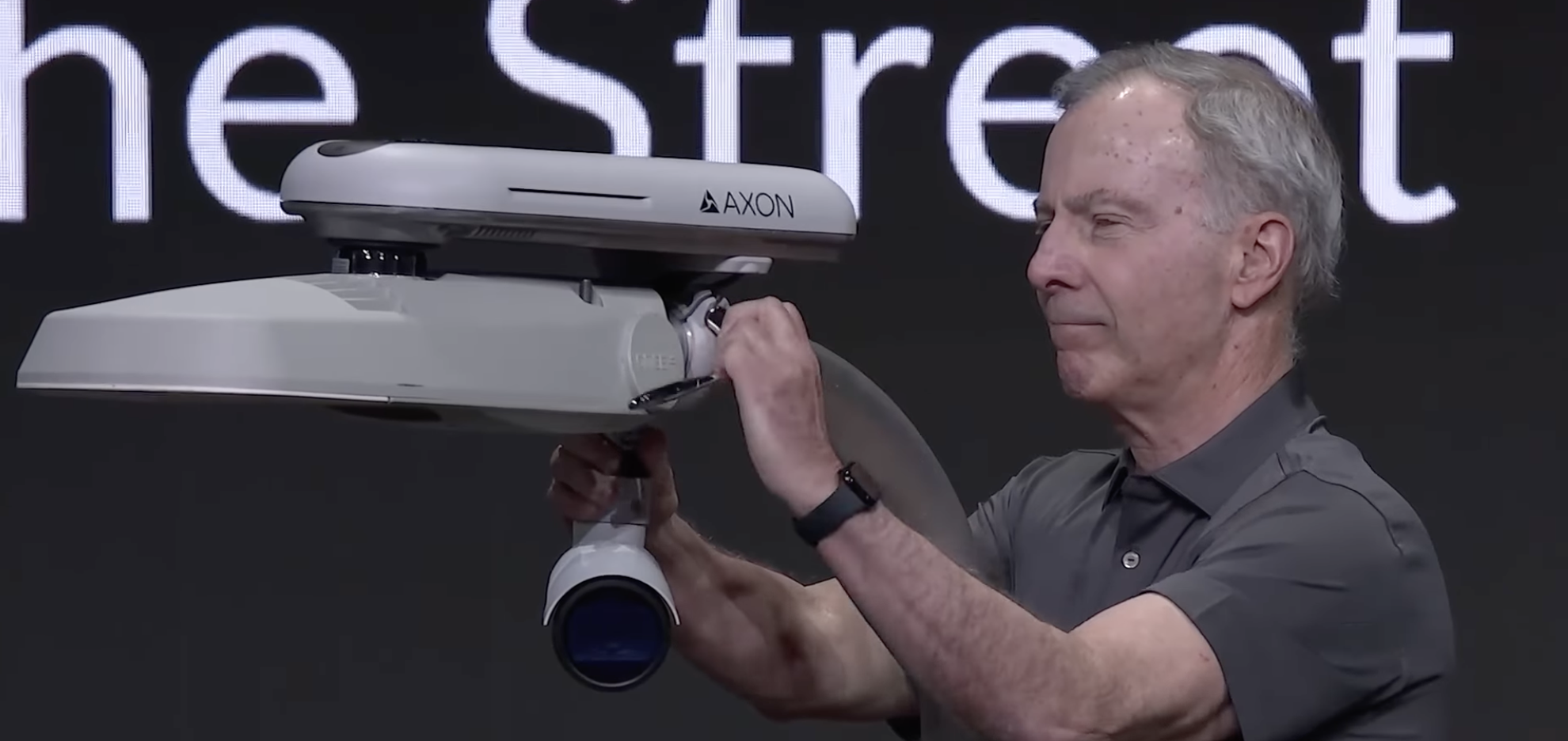
米国のいくつかの都市が、Flock の自動ナンバープレート読み取りカメラ(ALPR)を撤去し、直ちに同様のシステムを提供する法執行機関向け大手契約企業である Axon に切り替えていることが、各地のメディア報道や政府文書から明らかになっています。例えば Axon は、既存の街路灯に取り付けられ周囲に完全に溶け込むように設計された AI 搭載カメラを販売しており、警察官のパトロール車両内に設置したカメラでもナンバープレートデータを収集しています。
Flock への反対が高まる中で Axon への切り替えはまだ全国的には広がっていませんが、その動きは増加傾向にあります。これは ALPR カメラをめぐる全国規模の議論において今後どのような展開が見られるかを示唆するものです。カメラを完全に撤廃するのではなく(404 Media はこの撤廃運動と ICE の関わり、自己中絶した女性の追跡、元パートナーを追跡する警官による乱用との関連性を指摘しています)、より監視や批判の対象となりにくい別の企業と契約を結ぶ都市も現れる可能性があります。
シラキュースの立法府は 2 月、シラキュース警察署と Axon の間でナンバープレート読み取りカメラの契約を承認するよう 7 対 1 で投票しました。これは Central Current が報じた内容です。同メディアによると、この決定に先立ち、警察署は 2024 年夏から Flock のカメラを使用していました。
コロラド州デンバー市議会は3月、7対6の賛成で市内のFlockカメラをAxon製に置き換える方針を採択しました。地元メディアDenver7が報じたところ、この1年間の契約では50台のALPR(自動ナンバープレート認識)カメラを導入するもので、既存のFlockカメラ総数の半分未満にとどまるとのことです。
Axonで働いている方、同社の技術や展開について他に知っている方はいますか?ぜひお聞きしたいです。勤務用の端末ではなく、Signal(Joseph.404)でメッセージを送るか、joseph@404media.coまでメールをお送りください。
ウィスコンシン州グランドチュート市議会は6月、Flockカメラの撤去とAxon製品への移行を決議しました。NBC26が伝えたところ、同町はすでにAxon製品の導入を検討していましたが、Fockで繰り返される問題により、関係者は移行を前倒ししたといいます。
コロラド州ダグラス郡保安官事務所も7月、Flockから撤退し、Axonと約2,280万ドルの契約を結びました。Denver Gazetteが報じたところ、この契約には100台のAxonカメラが含まれており、同機関が保有していた50台のFockカメラを倍増させるものです。また、ファーストレスポンダー用のドローンも含まれているとのことです。
12 月、ミシガン州ファーンデール市は Flock との契約を解消し、Axon との新たな契約を承認しました。これは地元の行政文書で明らかになっています。その文書では、Flock が市の ALPR(自動ナンバープレート認識)ネットワークに保存された画像を不正な機関から保護できなかったことや、プライバシーへの懸念を理由に切り替えを行ったと説明されています。具体的には「Axon には国レベルでの照会機能はなく、同社の ALPR データ共有ソフトウェアは 1 対 1 のベースでしか動作しない」としています。
しかし、この切り替えに関する 88 ページの報告書を見ると、ファーンデールの住民たちも Axon の ALPR カメラに対して懸念を抱いていることがわかります。
コロラド州ロングモント市は 3 月、Flock との契約が切れた後、Axon との新規契約を満場一致で承認しました。これは『Times-Call』紙が報じています。
テキサス州ノックスビル市(※注:実際にはテネシー州に同名の都市が存在しますが、原文の記述に従います)は、市長発表によると、既存の Axon 契約に 940 万ドルの追加条項を盛り込みました。これには ALPR カメラの交換が含まれています。この購入決定は、Flock との契約が期限切れとなり、短期間の延長も確約できなかった後のことです。
なぜ各都市が Flock から Axon に切り替えているのか。その理由として、メディア報道や行政文書では、移民税関捜査局(ICE)のための照会を地元の警察が行っていること、データ共有の問題、そして Flock のカメラが頻繁にダウンしたり利用不可になったりする事例などが挙げられています。
Flock の重要な機能の一つに、全国検索ツールがあります。これにより、テキサス州の警官が自分の近隣や州だけでなく、全米の ALPR(自動ナンバープレート認識)カメラを検索することが可能になります。実際には、データ流出を禁止する明確な規定があるイリノイ州や、サンクチュアリ・ステートであるカリフォルニア州など、他州へのデータ共有に制限を設けている地域のカメラも含まれていました。
404 Media が ICE(移民税関摘発局)が間接的に Flock のカメラデータを参照していることを報じた後、Flock は全国検索ツールから一部の州を除外し、製品に関する他の変更を行いました。この報道の際に 404 Media がいくつかの警察署に連絡したところ、自社のカメラが他機関によって全国的に検索可能であることを認識していない部署さえありました。
一方、Axon にはそのような全国ネットワークは存在しません。つまり、ある管轄区域の警官が全米のカメラを検索することは不可能です。Flock は Axon と比較する自社の特長シートでもこの点を強調しており、「Flock は比類のない全国ネットワークを有している」と述べる一方で、「Axon のデータ共有は機関固有のデータやエコシステムに限定されており、共有された全国ネットワークはない」と明記しています。
フェンダー市と同様に、デンバー市も「この全国ネットワークの欠如」を理由に Flock から Axon へ移行する決定を下しました。デンバー7 の報道によると、ケビン・フライアン議員はこう述べています。「今回の契約におけるデータ共有についてですが、Axon には全国規模のネットワークがありません。国レベルでの共有は不可能です。テキサス、オハイオ、ニューヨーク、カリフォルニアのどの警察官も、私たちのシステムにログインすることはできません。アクセスできるのはデンバー市警の隊員だけで、実際に犯罪事件を捜査している場合に限られます。」
ただし、Axon を導入する警察署同士でデータ共有契約を結ぶことは可能です。Axon の ALPR(自動ナンバープレート読み取り)製品に関するドキュメントには、「共有データ」オプションについて「共有関係が有効化されると、クエリは提携機関による検知結果にも拡張される」と記載されています。
もちろん、これらは ALPR カメラの基本的な動作原理を変えるものではありません。どのベンダーが運用していても、通過する車両を常にスキャンするという点は変わりません。また、ベンダーを変更したからといって、この技術に令状が必要かどうかという根本的な課題が解決されるわけでもありません。
Flock も Axon もコメント要請に対して回答しませんでした。
Axon の ALPR カメラは Flock といくつかの点で異なります。まず、多くのカメラが警察車両内に設置されています。これらの「Axon Fleet 3」カメラは走行中に通過するすべての車両のナンバープレートを常時スキャンし、各車両の位置をタイムスタンプ付きで記録します。これにより、固定式カメラではカバーできない場所からのデータ収集も可能になります。
もう一つが Axon Lightpost です。既存の街路灯に取り付けられ、監視カメラを追加する装置です。Axon の Lightpost は Ubicquia と提携して製造されています。Ubicquia が訴求するのは、「既存の街路灯インフラにマウントでき、都市景観とシームレスに調和し、複雑な許可プロセスを回避できる」という点です。Axon のウェブサイトによると、これらのカメラはライブストリーミングも可能です。
Flock 社が専用設計したカメラほど注目を集めることなく、既存の街路灯に取り付けることで、同様の機能を発揮します。Axon によれば、「Lightpost は Axis Q1800-LE ベースのナンバープレート読み取りカメラで、実際の交通状況における高精度な撮影を目的に設計されています」。このカメラは地域の電力網から電源を得て、Ubicquia が維持管理するセルラーネットワーク上で動作します。
Axon の Outpost カメラは、Flock 社の製品と最もよく似ています。Lightpost と同様にライブストリーミングが可能で、Flock 社と同様に車両の色やメーカーなどの特性も記録します。
また Axon は、監視用ドアベルの Ring と提携し、Ring ユーザーが撮影した映像を法執行機関と共有できるようにしています。Flock と Ring は過去に同様の提携計画を立てていましたが、大規模な反発を受けて中止しました。
Axon は、これらすべてのデータをほぼすべて「Fusus」に集約しています。元々 Fusus は、都市や町の防犯カメラを連携させ、AI 機能を追加して警察が一度にその全データを照会できるシステムとして開発された会社でした。404 Media は以前、Fusus が全国に広がった経緯を報じています。2024 年、Axon は Fusus を買収しました。
ジャーナリストや活動家、住民らが Flock の警察による利用実態をこれほど詳しく把握できている理由の一つは、同社がパブリック・レコード請求を通じて一般市民がアクセスできる監査ツールを整備している点にあります。Flock が全国規模のネットワークを構築しているため、ある地域からの情報公開請求で、州全体や国全体の警察活動の実態を窺い知ることが可能なケースも少なくありません。Axon システムについても同様の詳細なデータが入手可能かどうかは不明ですが、同社では機関に対して監査レポートの生成機能を備えています。
かつて Axon と Flock は提携していましたが、後に公の場で決裂しました。2025 年 1 月のブログ投稿で Flock は、「Axon が突然、我々とのパートナーシップ解消と、法執行機関が依存する API アクセスの停止を決定した」と発表しました。それから一ヶ月後、Forbes は Axon のリック・スミス CEO が顧客宛てに送ったメールの内容を報じました。「Flock には、顧客統合に障壁となる行動パターンが見られ、デジタルなサイロ化を図り、Axon 製品よりも追加の Flock サービスへの購入を強要しようとしている」という内容です。その後は両社は激しいライバル関係となりました。
Matthew Gault が取材協力を行いました。
原文を表示
imageA handful of cities across the U.S. have ditched Flock’s automatic license plate reader (ALPR) cameras and immediately replaced them with equivalent systems from law enforcement contracting giant Axon, according to local media reports and government documents from around the country. Axon, for example, advertises AI-powered cameras that attach to an existing streetlamp and are designed to completely blend in with their surroundings, and also collects license plate data with cameras installed inside police officers’ patrol vehicles.
The switch to Axon, which is not yet widespread but appears to be increasing as people oppose Flock, signals what might come next for the nationwide conversation around ALPR cameras: instead of doing away with the cameras entirely — which 404 Media has linked to ICE, the tracking of a woman who self-administered an abortion, and rampant abuse by cops stalking their exes — some cities may enter contracts with another company which has faced less scrutiny and backlash.
In February, Syracuse lawmakers voted 7-1 to approve a license plate reader contract between the Syracuse Police Department and Axon, Central Current reported. That came after the department used Flock cameras starting in summer 2024, the outlet added.
In March, the Denver, Colorado, city council voted 7-6 to replace the city’s Flock cameras with Axon ones, Denver7 reported. The one-year contract was for 50 ALPR cameras, which is less than half of the total Flock cameras, the outlet added.
Do you work at Axon? Do you know anything else about its technology or expansion? I would love to hear from you. Using a non-work device, you can message me securely on Signal at joseph.404 or send me an email at joseph@404media.co.
In June, Grand Chute, Wisconsin, voted to get rid of its Flock cameras and transition to Axon, NBC26 reported. The town was already evaluating Axon’s product, but repeated problems with Flock led officials to speed up the transition, the report said.
The Douglas County Sheriff’s Office in Colorado dropped Flock for a nearly $22.8 million contract with Axon in July, the Denver Gazette reported. That deal included 100 Axon cameras, doubling the 50 Flock cameras the agency had, and first responder drones, the report said.
In December the City of Ferndale, Michigan, dumped Flock and approved a deal with Axon, according to a local government document. The document explained it was making the switch because “citing privacy concerns and failures by [Flock] to protect images stored on the city's ALPR network from unauthorized agencies [...] Axon does not have a national look-up feature. Axon's ALPR data sharing software only operates on a one-to-one’ basis.” An 88-page report about the switch, however, shows that residents there are concerned about Axon’s ALPR cameras, too.
Longmont, Colorado, voted unanimously in March to approve a new deal with Axon, Times-Call reported. The purchase came after the city let its agreement with Flock lapse.
Knoxville, Texas, added a $9.4 million amendment to its existing contract with Axon, which included replacement ALPR cameras, according to a press release from the mayor. That purchase came after the city’s contract with Flock expired and the city was unable to secure a short-term extension.
As for why cities are switching, local cops performing lookups for Immigration and Customs Enforcement (ICE), data sharing, and Flock cameras sometimes being down or unavailable all came up in the media reports and documents.
One key feature of Flock is its national lookup tool. This lets, say, a police officer in Texas search ALPR cameras not just in their own neighborhood, or even state, but nationwide. That has included states which have explicit bans on sharing ALPR data out of state, like Illinois, or sanctuary states like California. After 404 Media revealed ICE was indirectly tapping into Flock camera data, Flock removed various states from the national lookup tool and made other changes to its product. When 404 Media contacted some police departments during that reporting, some were not even aware their cameras could be searched by other agencies across the country.
Axon, simply, does not have a national network. Meaning that it would not be possible for cops in one jurisdiction to search cameras across the country. Flock even highlights this in its own side by side feature sheet about Axon: it says Flock has an “unmatched nationwide network” while Axon “data sharing is limited to agency-specific data/ecosystem; no shared national network.”
Denver, just like the City of Ferndale, explicitly mentioned this lack of this national network as part of its decision to ditch Flock for Axon. “As far as data sharing under this contract, Axon does not have a national network. There's no way that we can share it nationally. No law enforcement officer in Texas, Ohio, New York, or California can log into our system. It's only Denver Police officers and only when they're investigating an actual criminal incident,” council member Kevin Flynn said according to the Denver7 report.
Police departments using Axon can enter into data sharing agreements with each other, though. In Axon’s documentation for its ALPR product, a “shared data” option “extends the query to partner-agency detections once a sharing relationship is active.”
Of course, none of that changes the basic fact of how ALPR cameras work, which constantly scan all passing vehicles regardless of which vendor runs them. Switching vendors also does not address the more fundamental issue of whether such technology should require a warrant or not.
Neither Flock nor Axon responded to a request for comment.
Axon’s ALPR cameras differ from Flock's in some key ways. First, many of them are installed inside police officers’ vehicles. These Axon Fleet 3 cameras constantly scan the license plate of every vehicle they drive past and create a timestamped log of where each was, collecting data from locations that may not be covered by a stationary camera.
Another is Axon Lightpost, a camera that fits onto an existing streetlight and adds a surveillance camera to it. Axon’s Lightposts are built in partnership with Ubicquia. Ubicquia’s pitch is that the devices “mount to existing streetlight infrastructure, blend seamlessly into urban landscape,” and “avoid complex permitting processes.” These cameras can also livestream, according to Axon’s website.
Sticking a camera onto an existing lamppost draws less attention than Flock’s purpose built cameras but provides similar functionality. According to Axon, “Lightpost uses an Axis Q1800-LE-based license plate camera engineered for high-accuracy captures in real traffic conditions.” The camera draws power from the local grid and runs on a cellular network maintained by Ubicquia.
Axon Outpost cameras are the ones that most closely resemble Flock’s. Like Lightpost, they also livestream, and, like Flock, record a vehicle’s characteristics like their color and make.
Axon also partners with surveillance doorbell company Ring to let Ring customers share video with law enforcement. Flock and Ring cancelled a similar planned arrangement after massive backlash.
Axon then brings essentially all of this data together in Fusus. Fusus started as a system and company that linked together a city or town’s security cameras, added AI capabilities to them, and let police query all of that data at once. 404 Media previously reported how Fusus was spreading across the country. In 2024, Axon acquired Fusus.
One reason why journalists, activists, and residents have been able to learn so much about what police use Flock for is that the company has built auditing tools that the public can access through records requests. Because of Flock’s nationwide network, it is often possible to get insight into what cops are doing in an entire state or throughout the country from a local public records request. It is not clear if the same granularity of data can be learned about Axon systems, although it does allow agencies to generate audit reports.
At one point, Axon and Flock worked together before having a very public falling out. In a January 2025 blog post, Flock said, “Axon made a surprise decision to end our partnership and cut off the API access that law enforcement depends upon.” A month later, Forbes reported Axon’s CEO Rick Smith emailed customers saying, “Flock has demonstrated a pattern of behavior that creates barriers for customer integrations in attempts to create a digital silo and coerce customers to purchase additional Flock services over Axon’s.” After that, Flock and Axon became heated rivals.
Matthew Gault contributed reporting.
今日のまとめ
AIデイリーブリーフで今日の重要ニュースをまとめ読み