ナチス略奪美術品捜索に AI チャットボットが参加へ
本文の状態
日本語全文を表示中
詳細モードで約7分の本文を読めます。
同じ出来事の情報源
この情報源を基点に整理
NPR Technology AI
ナチスによる略奪美術品調査にAIチャットボットが導入されるという発表があり、同社の技術活用により検索プロセスの効率化や発見率向上を目指す取り組みが始まる。
Continue in AI NEW LAB
このニュースを、実務の判断につなげる
AI NEW LABで、試したことや先に確認したい条件を共有できます。まずはログインなしで読めます。
AI NEW LABで論点を見るAI深層分析を開く2026年8月11日 05:20
AI深層分析
キーポイント
AIチャットボットの導入目的
ナチスによる略奪美術品の調査・検索業務にAIチャットボットを投入し、従来の手作業中心の作業を支援する。
技術活用による効率化
大量のアーカイブ資料や記録から関連情報を抽出・分析することで、調査期間の短縮と精度向上を図る。
歴史的正義の実現への貢献
技術的手段を駆使して行方不明となった美術品の所在特定を加速し、返還手続きや歴史的正義の実現に寄与する。
ナチス略奪美術品の検索にAIチャットボットが参加
ナチスによって略奪された美術品を探す取り組みに、新しいAIチャットボットが登場する。
ナチス略奪美術品の所在に関する情報の非対称性
略奪された美術品の所在を示す中央集権的なデータベースや記録が存在せず、世界中の異なるアーカイブに散在している。
重要な引用
An AI chatbot is joining the search for art looted by the Nazis
"There's no central repository, no database that's telling you where that art is,"
"If you could create a system that could scan all the databases that have the Nazi looted art records, that would be very, very useful"
"We are applying AI tools to make it easier to make the kinds of connections that seasoned researchers would have to spend a long time having to do manually."
編集コメントを表示
編集コメント
AI技術が軍事や商業だけでなく、歴史的な正義の実現という極めて重厚な文脈で活用される点は注目すべきである。同社の具体的なチャットボットの能力や実装方法は明記されていないが、分野横断的な応用の可能性を示唆している。
Source Article
元記事を日本語で読む
本文に関係しない購読案内、埋め込み通知、サイト内プロモーションは除いています。
1945 年 5 月、米軍はオーストリア国境近くの城塞で、ナチスによって略奪された宝物のコレクションを発見しました。
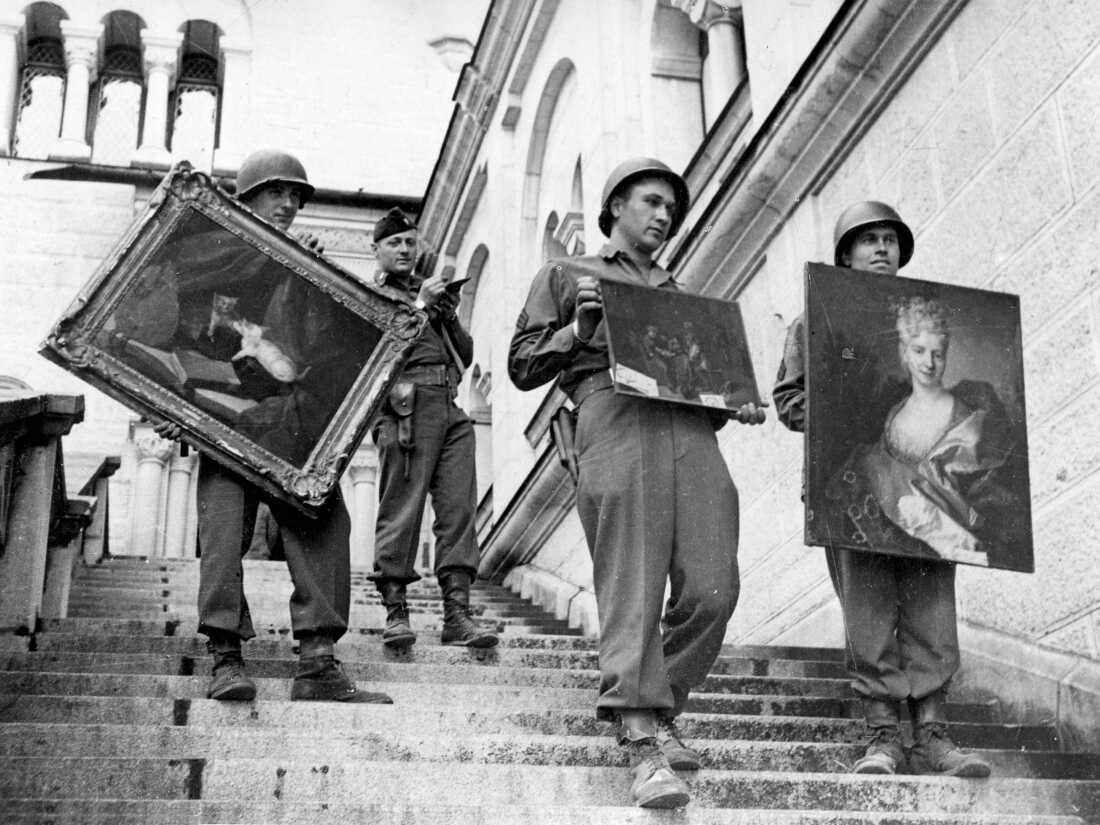
Horace Abrahams/Keystone Pool/AP
キャプションを非表示
キャプションの切り替え
Horace Abrahams/Keystone Pool/AP
ナチスによって略奪された美術作品やその他の文化財は、第二次世界大戦前およびその期間中に 60 万点以上にも上ります。これらは主にユダヤ人所有のものでした。
ナチスによって略奪された未回収の遺品が 10 万件を超えるとされるなか、その実態を明らかにし返還を目指す動きが高まっています。4 月にはトランプ大統領が「ホロコースト没収美術品回復法」に署名して成立させました。この法律は、正当な権利を持つ人々が略奪された美術品を取り戻すのを妨げていた法的抜け穴を解消したものです。また 5 月にはパリのオルセー美術館が、ドガやロダン、ルノワールらの作品で略奪されたとされる絵画や彫刻を展示する常設ギャラリーを開館させました。
しかし、これらの遺品を取り戻すプロセスは往々にして長期化し、困難を伴います。
「美術品の所在を示す中央集権的なデータベースなど存在しません」と語るのは、ナチスによる略奪美術品の行方追跡と返還支援を行う非営利団体「Art Ashes」の創設者ジョエル・グリーンバーグ氏です。美術品自体を見つけることに加え、正当な所有者は当初からその美術品が自分たちから盗まれたことを証明する必要があります。「さらに、家族やその美術品に実際に何が起こったのかという歴史的事実を再構築することも極めて困難です」とグリーンバーグ氏は続けます。「なぜなら、もし記録が存在するとしても、それらは世界中の異なる保管場所に散在しているからです」
ナチスに略奪された美術品に関する情報は、数十のアーカイブ に保存されています。これらのアーカイブには、多様な言語や形式で記録された資料が収蔵されています。
「ナチスによる略奪美術品の記録を保有するデータベースすべてをスキャンできるシステムを作れれば、それは非常に有用でしょう」とグリーンバーグ氏は語っています。
AI がもたらす可能性
シリコンバレーにあるサンタクララ大学のチームは、まさにその実現を目指しています。彼らが開発中の新しい AI チャットボットは、略奪された美術品を所有者のもとへ返還する複雑なプロセスを効率化する手助けをする可能性があります。これは、美術品の来歴調査や返還の分野において、デジタルツールの活用へとシフトが進んでいる動きの一環です。
マイケル・サントロ教授、ハイビン・ルー教授、ミシェル・サモラニ教授によって開発された AI 来歴アシスタント は、人工知能が将来的に略奪美術品のアーカイブ検索をいかに容易にするかを検証する実験の一環です。
「熟練した研究者が長期間かけて手作業で行わなければならないような関連性の発見を、AI ツールを活用してより簡単に行えるようにしています」とサントロ教授は述べています。
現在、このツールはパリのジュ・ド・ポーム美術館のデータベースから記録を収集する段階です。第二次世界大戦中、ナチスは数万点に及ぶ略奪された美術品を同館に保管し、詳細な記録を残しました。これらの記録は現在、ドイツ連邦文書館やフランス欧州外務省文書館、米国国立公文書館など世界の他の機関のアーカイブとともに、誰でもオンラインで検索できるデータベースとして公開されています。
しかしサントロ氏は、自チームが開発したAIツールはジュ・ド・ポーム美術館のデータベースよりも直感的だと語ります。それはユーザーがドロップダウンメニューを操作したり、入力ボックスにキーワードを入力する必要がないからです。
「一般言語によるクエリを美術データベースに対して実行できるようになります」とサントロ氏は説明します。
ここでいう「一般言語」とは、日常会話で使う言葉を使ってチャットボットのインターフェースに質問を入力できることを意味します。例えば、「Hugo Simon に属する美術品は何ですか?」と入力すると、亡くなったユダヤ人の銀行家であり美術コレクターであるヒューゴ・シモンに所属する70点以上の作品リストが表示されます。その中にはピカソやカナレットによる略奪された作品も含まれています。
…そして限界
サントロ氏は現在、このツールの適用範囲に限界があることを認めています。しかし、ナチスによって没収された美術品の追跡と返還に携わる専門家の間では、AIが将来どのように彼らの業務を形作るのかに関心が寄せられています。
「このプロジェクトには有望な側面がある」と語るのは、カリフォルニア大学バークレー校で文化財法を教えるカルラ・シャプレウ氏だ。同氏は、AI による来歴支援ツールが単一のデータベースに限定されるのではなく、複数のデータベースを横断して利用できるようになれば、さらに有用になると指摘している。
シャプレウ氏はまた、これらのチャットボットは、押収記録や請求書類といった原本のデジタルコピーとリンクする必要があるとも述べている。なぜなら、ジュ・ド・ポーム(国立戦没者記念館)のようなオンラインリソースで提供されている要約には誤りが含まれる可能性があるからだ。「証拠を確認できない限り、すべての推測に過ぎない」とシャプレウ氏は言う。「真の証拠は一次資料にあるのだ」。
しかし、AI がこの複雑な研究・返還分野を効率化できる可能性については、楽観視しない声もある。
「AI に頼らずとも、略奪された美術品は見つかるものだ」と語るのは、ホロコースト美術品返還プロジェクトの共同創設者であるマーク・マシュロフスキー氏だ。同氏は、多くのアーカイブがまだデジタル化されておらず、データプライバシー法の適用を受けるため、AI ツールが収集できるデータの範囲は著しく制限されていると指摘している。
「たとえインターネット上に公開されていたとしても、あれほどのアルファベットのスープをどう解釈するのか」とマシュロフスキー氏は問う。「これらは非常に複雑なケースなのだ」。
デジタルへの転換
サンタクララ大学の研究者たちだけが、こうした複雑な事例にAIを活用しているわけではない。
具体例として、Legacy Explorer が挙げられます。ユダヤ人デジタル文化回復プロジェクト財団が運営するこの AI 搭載プラットフォームでは、現在、複数のデータベースから略奪された文化財に関する文書や写真を検索できます(ジュ・ド・ポーム美術館のデータベースもその一つです)。
一方、サンタクララ大学のチームは、今後さらに多くのデータベースを統合し、まだ略奪品として特定されていない美術品の行方を AI で追跡するプロジェクトも開始する計画です。
「これは、AI を活用して略奪された美術作品に共通するパターンを見つけ出し、これまで略奪品と特定されていなかったデータベースにも同様のパターンが潜んでいないか調査することになります」とサントロ氏は語りました。「AI が来歴研究をどのように支援できるのかについて、我々はまだその序盤段階にすぎません」
原文を表示
U.S. troops found a collection of treasures stolen by the Nazis hidden in a castle near the Austrian border in May 1945.
**
Horace Abrahams/Keystone Pool/AP
**
hide caption
**
toggle caption**
Horace Abrahams/Keystone Pool/AP
More than 600,000 artworks and other cultural objects, mostly owned by Jews, were stolen by the Nazis leading up to and during World War II.
Efforts to shine a light on and restore the more than 100,000 as-yet-unclaimed artifacts from this hoard have been on the uptick. In April, President Trump signed the Holocaust Expropriated Art Recovery Act into law, which put an end to legal loopholes that advocates of the law said made it tough for people with valid claims to get their looted artworks back. And in May, the Musée D'Orsay in Paris opened a permanent gallery dedicated to paintings and sculptures by the likes of Degas, Rodin and Renoir that are thought to have been looted.
But reclaiming these artifacts is often a long and fraught process.
"There's no central repository, no database that's telling you where that art is," said
Joel Greenberg, founder of Art Ashes, a nonprofit that helps families track down and recover art looted by the Nazis. On top of locating the missing art, the rightful owners need to prove it was stolen from them in the first place. "And then to recreate the historical record of what actually happened to the family and the family's art is also very difficult, because those records, if they exist, are spread among different repositories around the world," Greenberg said.
There are dozens of archives containing information about these missing artworks. Their holdings consist of records in a variety of languages and formats.
"If you could create a system that could scan all the databases that have the Nazi looted art records, that would be very, very useful," Greenberg said.
The promise of AI
A team at Santa Clara University in Silicon Valley is aspiring to do just that, with a new AI chatbot that could help streamline the complicated process of getting these works back to their owners. It's part of a broader shift toward digital tools in the field of art provenance and repatriation.
Developed by professors Michael Santoro, Haibing Lu and Michele Samorani, the AI Provenance Assistant is testing how artificial intelligence could eventually make it easier for people to search archives of stolen art.
"We are applying AI tools to make it easier to make the kinds of connections that seasoned researchers would have to spend a long time having to do manually," said Santoro.
Right now, the tool is only scraping records from one database — that of the Jeu de Paume museum in Paris. The Nazis warehoused tens of thousands of looted artworks at the museum during World War II and kept elaborate records — records that are now available for anyone to search online in a database alongside archives from several other institutions around the world, including the German Bundesarchiv, the French Archives of the Ministry of Europe and Foreign Affairs, and the U.S. National Archives.
But Santoro said his team's AI tool is more intuitive than the Jeu de Paume's database because it doesn't require users to deal with drop-down menus and input keywords into boxes.
"It enables ordinary language queries to be made of art databases," he said.
By "ordinary language," Santoro means users can type a question using everyday words into the chatbot's interface. For example, entering the sentence, "What artworks belong to Hugo Simon?" brings up a list of more than 70 belonging to the late Jewish banker and art collector, including stolen works by Picasso and Canaletto.
…and its limitations
Santoro admits the tool is currently limited in scope. But some experts in the field of tracking down and restoring artifacts seized by the Nazis are curious about how AI will shape their work in the future.
"This project shows promise," said Carla Shapreau, who teaches cultural property law at the University of California, Berkeley. She said tools like the AI Provenance Assistant will be more useful when they encompass many databases, not just one.
Shapreau also said these chatbots should link to digitized copies of the original archival records such as confiscation and claim files, since the summaries available in online resources like the Jeu de Paume's are susceptible to errors."It's all speculative if you can't look at the evidence," Shapreau said. "And the evidence is in the primary sources."
But others are less optimistic about AI's potential to streamline this complicated field of research and recovery.
"People find looted art without resorting to AI," said Marc Masurovsky, co-founder of the Holocaust Art Restitution Project. He said many archives remain undigitized and subject to data privacy laws. These realities drastically limit the pool of data an AI tool can scrape.
"Even if they are published on the internet, how are you going to interpret all that alphabet soup?" Masurovsky said. "These are really complex cases."
A digital shift
Researchers at Santa Clara University aren't the only ones turning to AI to take on these complex cases.
One example is Legacy Explorer. The Jewish Digital Cultural Recovery Project Foundation's AI-powered platform currently enables users to search documents and photographs of looted cultural property from a handful of databases. (The Jeu de Paume's is among them.)
Meanwhile, the Santa Clara University team said they plan to expand their tool to include more databases and are launching a project to use AI to track down artworks that have not yet been identified as looted.
"This will involve using AI to find patterns in looted art and investigating whether those patterns are replicated in art databases where no looted art has heretofore been identified," Santoro said. "We have only scratched the surface of how AI can assist in provenance research."
今日のまとめ
AIデイリーブリーフで今日の重要ニュースをまとめ読み