アンドレイ・カーパシー氏、測定可能な結果を持つAI研究において人間がボトルネックになっていると指摘
本文の状態
日本語全文を表示中
詳細モードで約1分の本文を読めます。
同じ出来事の情報源
この情報源を基点に整理
The Decoder
AI開発者のアンドレイ・カーパシー氏は、自律エージェントが自身のトレーニング設定を最適化し、20年の経験を持つ彼が見逃していた改善点を発見したと述べ、測定可能な結果を持つAI研究において人間がボトルネックになっていると主張した。
Source Article
元記事を日本語で読む
本文に関係しない購読案内、埋め込み通知、サイト内プロモーションは除いています。
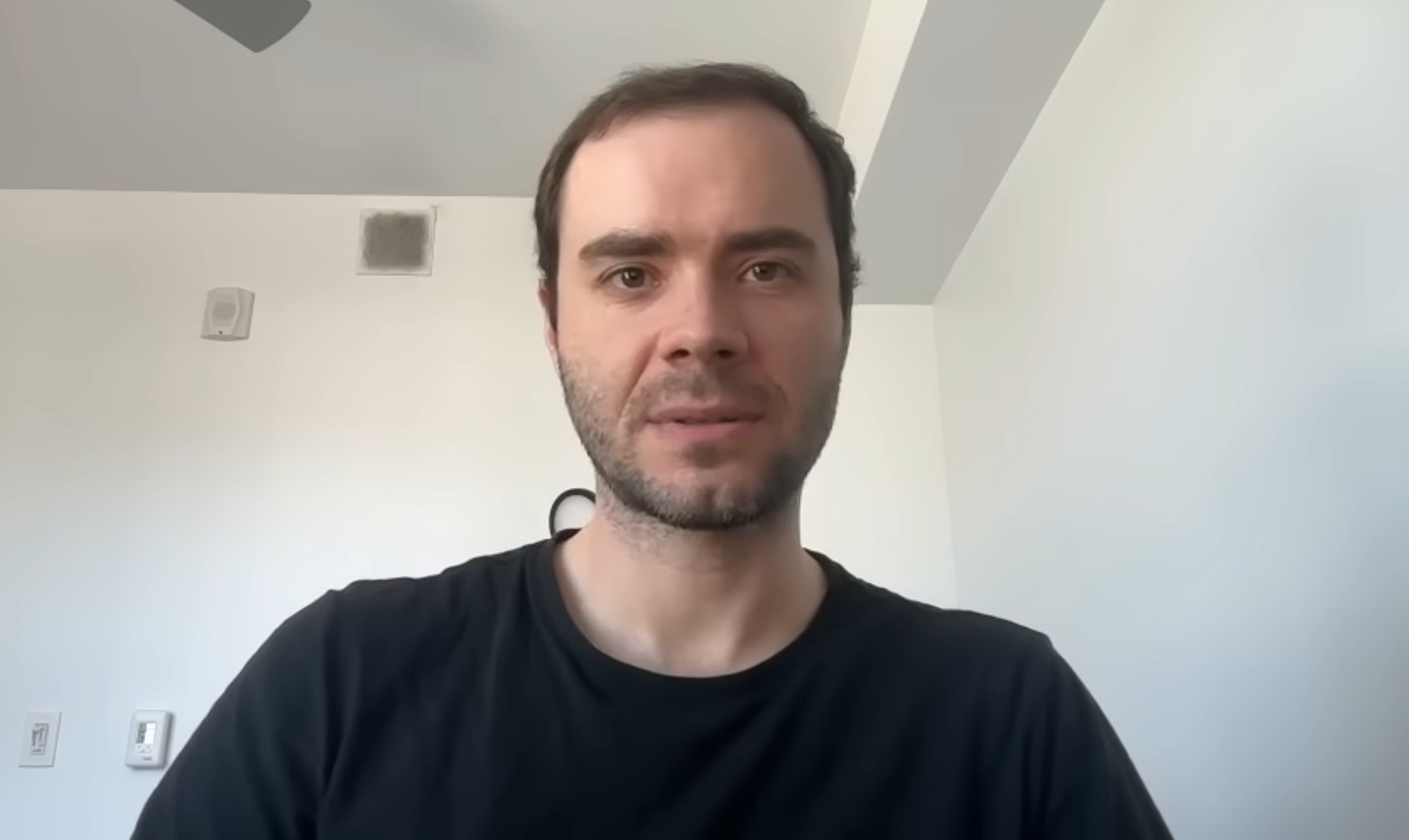
AI開発者のAndrej Karpathyは、自律エージェントに自身のトレーニング設定を一晩中最適化させたところ、20年の経験を持つ彼自身が見逃していた改善点を発見した。
本記事「Andrej Karpathy、測定が容易な分野では人間がAI研究のボトルネックになっていると指摘」は、The Decoderに初掲載されました。
原文を表示
Karpathy spent months hand-tuning his GPT-2 training setup. Then he let an autonomous agent take over for a single night. The agent discovered fine-grained adjustments Karpathy had overlooked, tweaks that also interact with each other in ways that are easy for a human to miss but straightforward for a systematic search to catch.
Karpathy's takeaway is that researchers should remove themselves from the loop, at least in areas where objective metrics exist. "To get the most out of the tools that have become available now, you have to remove yourself as the bottleneck. You can't be there to prompt the next thing," Karpathy says. Researchers at major AI labs, he argues, place too much unfounded trust in their own intuition and are ultimately in the process of systematically automating themselves out of a job. Which, Karpathy notes, is also their stated goal.
While models keep getting better at coding and other easy-to-verify tasks, Karpathy doesn't think these gains will carry over smoothly to less measurable domains. "Anything that feels softer is, like, worse," he says.
AI News Without the Hype – Curated by Humans
Subscribe to THE DECODER for ad-free reading, a weekly AI newsletter, our exclusive "AI Radar" frontier report six times a year, full archive access, and access to our comment section.
Subscribe now
今日のまとめ
AIデイリーブリーフで今日の重要ニュースをまとめ読み