中古本販売が急増、AI が原因か?
本文の状態
日本語全文を表示中
詳細モードで約6分の本文を読めます。
同じ出来事の情報源
この情報源を基点に整理
BBC Technology AI
独立系書店が報告する異常な大量購入の背景には、AI学習用のデータ収集という疑念があり、これが米国の裁判所判決を契機に浮上した事案である。
AI深層分析を開く2026年8月15日 21:02
AI深層分析
キーポイント
異常な購買パターンの発生
ノースumberlandの独立系書店「Barter Books」を含む世界中の古書販売業者が、通常数日分の売上が一度に発生するほどの異例な大量注文を受け続けている。
AIによるデータ収集への疑念
購入された書籍は海外の読者向けではなく、新しい情報を渇望するAIの学習用データとして利用されている可能性が強く示唆されている。
裁判所判決との関連性
この現象が2025年に米国で下された裁判所の判決をきっかけに注目されるようになり、古書市場の動向とAI業界の法的争いが結びついている。
AI学習による書籍購入の容認判決
2025年の裁判で、このようにして購入した書籍をAIソフトウェアの訓練に使用することは米国著作権法違反ではないとの判決が出た。
破壊的スキャンとプロジェクト・パナマ
社内文書では旧書の取り込みプロジェクトが「Project Panama」と呼ばれ、背表紙を除去して迅速にページをスキャンし残りをリサイクルする「破壊的スキャン」が行われることが示された。
重要な引用
He says he has 'never seen the like of this after 30 years in the second-hand book trade'.
But the suspicion is that they are not being bought for avid overseas readers but instead something else with a voracious appetite for new information: AI.
The idea that the secondhand sales boom is being driven by the explosive growth of AI can be traced back to a court ruling in the US.
"exceedingly transformative"
編集コメントを表示
編集コメント
古書市場の動向からAI業界の裏側を垣間見る本記事は、技術の進歩が物理的な資源に与える影響を浮き彫りにしている。2025年の裁判所判決という具体的な文脈があるため、単なる噂ではなく法的な争点として捉える必要がある。
Source Article
元記事を日本語で読む
本文に関係しない購読案内、埋め込み通知、サイト内プロモーションは除いています。
サイト検索
35分前
フィリパ・ウェイン テクノロジー担当記者
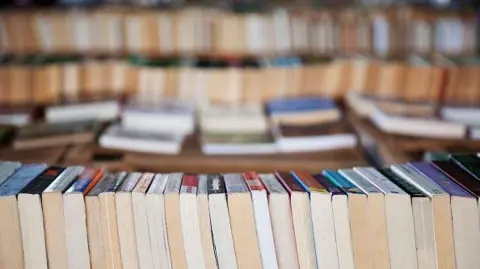
ゲッティイメージズ
古書の世界で、奇妙な動きが起きている。
ここ数ヶ月、独立系書店は不思議な購入パターンに気づき始めている。彼らの小説が遠く離れた倉庫へと大量に出荷されているのだ。
ノースumberlandにある「バート・ブックス」のストアーズ・マンリー氏は、通常なら週に2,000〜3,000冊を販売するところだが、あるカナダ企業からの単一の大口注文は、彼が7日間で予想していた数量と同等だったという。
彼は「古書業界で30年働いてきたが、こんな光景は見たことがない」と語る。
マンリー氏一人だけではない。世界中の書店員たちが、同様の異例の大規模注文を報告している。
彼らの本が最終的にどこへ行くのかは不明だ。
しかし、その理由は熱心な海外読者ではなく、新しい情報を貪欲に求める別の存在にあるのではないかという疑念が広がっている。それはAI(人工知能)である。
書籍をめぐる裁判闘争
古書販売の急増がAIの爆発的な成長によって引き起こされているという考えは、米国の裁判所判決にその起源を持つ。
2025年、ある判事は、このようにして購入した書籍をAIソフトウェアの学習に使用することは、米国著作権法違反には当たらないと判断した。
この判決は、3 人の著者が AI 企業アンソロピックに対して起こした訴訟の結果です。ウィリアム・アルサップ裁判官の判断では、アンソロピックが著者の書籍を利用することは「極めて変革的」であり、米国法の下で認められる行為だとされました。
先月、裁判所の文書が開示された際、AI チャットボット Claude の学習プロセスにおいて書籍が破棄されている事実も明らかになりました。
「Claude は、公開されているウェブデータ、商業的に取得したデータセット、そして自社で生成したデータを組み合わせて訓練されています」とスポークスマンは説明しました。
同社は、書籍を学習データとして入手する手法は AI 業界全体で広く行われているアプローチだと強調しています。
「当社のデータ収集プログラムが、希少本や古書を買い取り破棄することはありません」と付け加えました。
それでもなお、「書籍が廃棄されている」という考え方は不安を招いています。
ロンドン北部でワルデン・ブックスを経営するデイビッド・トビン氏も、異例の売れ行きを経験しています。
「長年売れていなかったタイトルを販売できるのはある意味で素晴らしいことですが、最終的にそれらが破棄されてしまうのは悲しいことです」と彼は語っています。
破壊的スキャン
アンソロピック事件に関連する裁判所の文書では、旧書の取り込みプロジェクトが社内コミュニケーションにおいて「パナマ計画」と呼ばれていたことが明らかになりました。
文書によると、同社の目的は「世界中のすべての書籍を破壊的にスキャンすること」です。
破壊的スキャンとは、書籍を送り先で産業規模でのデジタル化が可能になる場所に輸送するプロセスを指します。
本の背表紙を剥がしてページを高速でスキャンし、残りをリサイクルする仕組みです。
「Project Panama については謎が多いですね」と、バーター・ブックスのマンリー氏は語ります。「名称は初めて聞きましたが、プロジェクトの実態は知っています。書店員向けのフォーラムでもよく議論されているテーマです」
彼には、自社の書籍が他の AI 企業によって同様の目的のために購入されているとは知らされていません。
しかし、売上の根拠が不明確で「理由も理屈もない」ように見える点についても言及しています。販売された本のジャンルは多岐にわたり、マイナーなラテン語の文献から西部劇小説まで様々です。
専門家は、こうした多様な主題の内容こそが AI によるものだと指摘します。不遇で希少なテキストは、チャットボットなどの生成 AI ツールを支える基盤技術である大規模言語モデル(LLM)の学習データを刷新し、精度を向上させるための新鮮な素材となり得るからです。
オックスフォード大学の知的財産法専門家、エミリー・ハドソン教授は、英国と米国の著作権法には違いがあると説明しています。「英国では、コピー行為(学習ライブラリの構築や学習そのもの)を行うには、すべて著作権者の許可が必要というのが出発点です」と彼女は述べています。
倫理的懸念
書店員たちにとって、これはジレンマとなっています。
本が廃棄されるという事実に違和感を覚えています。すべてのタイトルを保存する必要はないと認めていながらも、本を壊すことへの抵抗感は拭えません。
エディンバラの古書店「マクノートンズ」を経営するデレック・ウォーカー氏は、最近出版された学術書についてこう語ります。「わずか100部しか発行されず、その75部がすでに図書館に所蔵されているような本は、市場では極めて希少価値があるかもしれません。しかし、もしその中の1冊が廃棄されても、大きな損失とは言い難いでしょう。」
「一方で、私たちが実際に保有し、販売してきた中には、18世紀の版として現存する唯一の例となる書籍もあります。
そのような本が長年の時を経て保存されたにもかかわらず、廃棄のために購入されるのであれば、はるかに深刻な問題です。」
マンリー氏も、一般読者が棚から下ろしたくなった多くのタイトルについては、リサイクルが適切な解決策になると指摘します。特に、取引の増加を伴う場合などはなおさらです。
「書籍の行方や廃棄されることについて倫理的な懸念を抱く方もいるかもしれません」とマンリー氏は話しています。
「しかし、世界は『ダ・ヴィンチ・コード』のような本を500万部も必要としていません。私は20年間ウェブ上で販売広告を出し続けてきましたが、これまで売れなかった書籍が今になって需要に直面しているのです。」
原文を表示
Site search
35 minutes ago
Philippa WainTechnology reporter
Getty Images
Something mysterious has been happening in the world of secondhand books.
Over the last few months independent booksellers have been observing a strange pattern of purchases which have seen scores of their novels being shipped to far-off warehouses.
In a typical week, Stuart Manley, from Barter Books, in Northumberland, would sell two or three thousand books. But one recent single bulk order from a Canadian company equalled what he would expect to move in seven days.
He says he has "never seen the like of this after 30 years in the second-hand book trade".
Mr Manley is not alone. Booksellers from around the world have been reporting similarly unusual mega orders.
They aren't sure what the final destination for their books is.
But the suspicion is that they are not being bought for avid overseas readers but instead something else with a voracious appetite for new information: AI.
The court battle over books
The idea that the secondhand sales boom is being driven by the explosive growth of AI can be traced back to a court ruling in the US.
In 2025, a judge ruled using books purchased in this way to train AI software was not a violation of US copyright law.
The decision was the result of a lawsuit brought against AI firm Anthropic by three authors. In his ruling, Judge William Alsup said Anthropic's use of the authors' books was "exceedingly transformative" and therefore allowed under US law.
When court documents were unsealed last month it also emerged books were being destroyed in the process of training Anthropic's AI chatbot, Claude.
"Claude is trained on a mix of publicly available web data, commercially acquired datasets, and data we generate ourselves," a spokesperson said.
They insisted sourcing books for training was a widely used approach across the AI industry.
"None of our data acquisition programs buy and destroy rare or antiquarian books," they added.
Nonetheless, the idea that books are being pulped is causing unease.
David Tobin, runs Walden Books in north London, has also had unusual sales.
"In some ways it's very nice to sell some of these titles which haven't been sold for many years, but it would be sad if they are ultimately destroyed," he says.
Destructive scanning
The court documents relating to the Anthropic case revealed the project of ingesting old books was referred to in internal company communications as "Project Panama."
The documents indicated the company's aim was to "destructively scan all the books in the world".
Destructive scanning is the process of shipping books to locations where they can be digitised at an industrial scale.
It includes removing a book's spine so all the pages can be scanned rapidly - and the remains recycled.
"A lot of mystery surrounds Project Panama," Manley, from Barter Books, says.
"The name is new to me, but the reality of the project is not, and has been the subject of much discussion on the bookseller forums."
He does not know that his books are being bought for it or similar projects by other AI firms.
But he says it's also difficult to account for the sales, which appear random with "no rhyme or reason."
They have varied from obscure Latin texts to cowboy novels.
Experts say the diverse subject matter also points to AI, as unusual and rare texts could provide fresh material to improve the training of large language models, the tech which underpins generative AI tools like chatbots.
Professor Emily Hudson, intellectual property specialist at Oxford University, says copyright laws in the UK are different to those in the US.
"The starting point in the UK is that all these acts of copying - creating the training library and doing the training – require the permission of the copyright owner," she says.
Ethical concerns
For the booksellers, it poses a dilemma.
They are uncomfortable with the idea of books being destroyed - even if they admit not every title needs to be saved.
"A recent academic text published in only 100 copies, 75 of which are already in libraries, may be very rare on the market - but it is perhaps not such a great loss if one copy is destroyed," says Derek Walker, owner of Edinburgh bookshop McNaughtan's.
"But we have, and have sold, books which are for example the only known surviving example of an edition from the 18th century.
"It would be a much more significant problem if one like that were to be bought for destruction, having survived this long."
And Manley says recycling books is a good solution for many titles which the public no longer want on their shelves - especially when it comes with a bump in trade.
"Some may have ethical concerns about where the books end up and if they're destroyed," he says.
"But the world no longer needs five million copies of The Da Vinci Code.
"I've had books advertised for 20 years on the web which haven't sold until now".
関連記事
今日のまとめ
AIデイリーブリーフで今日の重要ニュースをまとめ読み