農家が公園用として寄贈した土地に市が巨大データセンターを建設中
本文の状態
日本語全文を表示中
詳細モードで約15分の本文を読めます。
同じ出来事の情報源
この情報源を基点に整理
404 Media
テキサス州テイラー市は、農家から公園利用条件付きで寄贈された87エーカーの土地を2025年にデータセンター開発業者に売却し、現在13万5千平方フィートの巨大データセンターを建設している。
Source Article
元記事を日本語で読む
本文に関係しない購読案内、埋め込み通知、サイト内プロモーションは除いています。
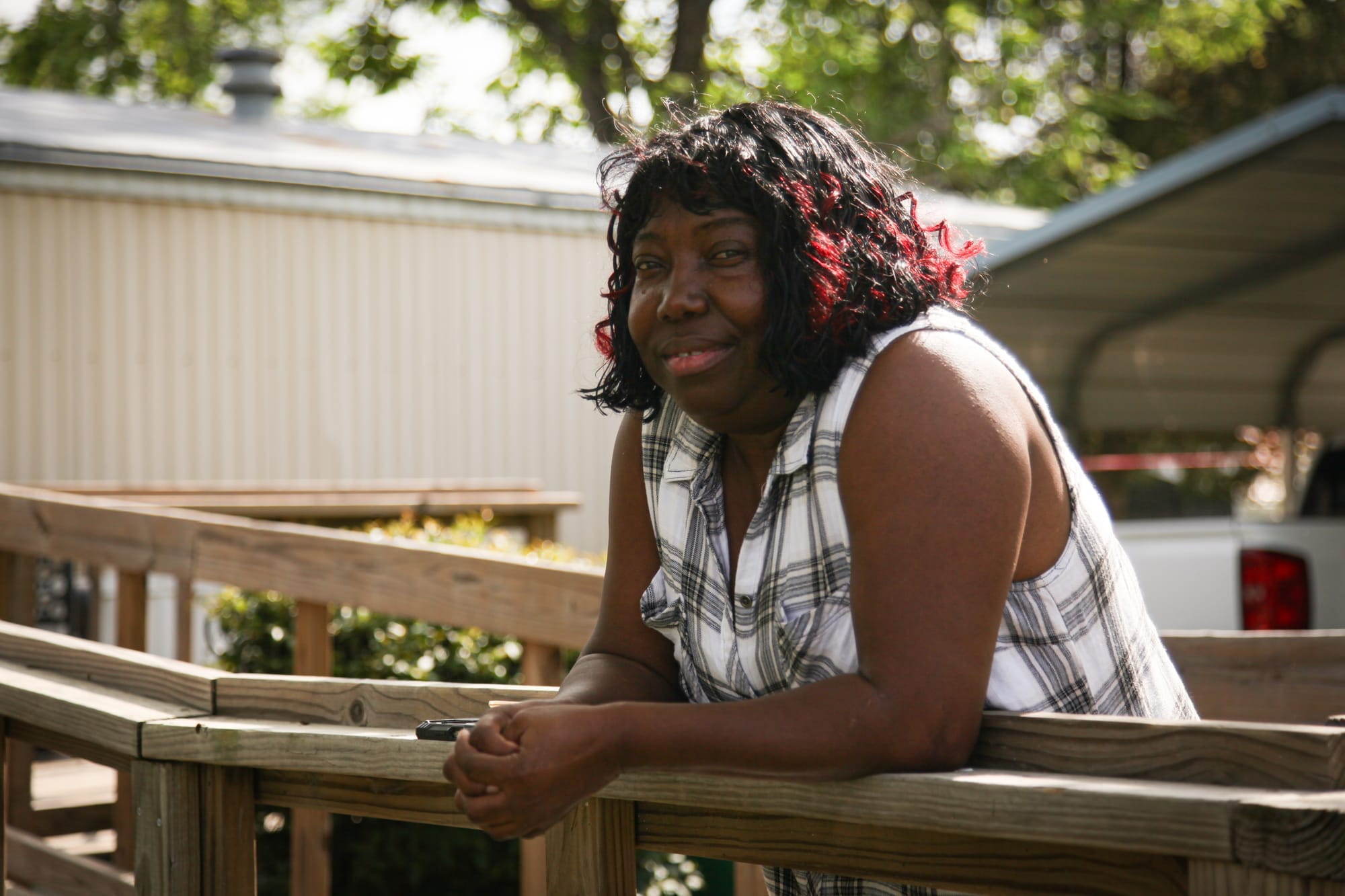 image約 30 年前、ある農家の子孫は、この土地をテキサス州テイラー市に寄贈し、公共公園として利用する条件付きで譲渡しました。1999 年、農家の人々は名目上の費用 10 ドルを支払うことで、87 エーカーの土地を公共信託(public trust)に譲り渡しました。しかし、テイラー市は 2025 年にこの土地をデータセンター開発業者である Blueprint に 1,000 万ドルで売却してしまいました。今や、本来コミュニティに属するはずだった土地が、延床面積 135,000 平方フィートの巨大なデータセンター(data center)へと姿を変えようとしています。
パメラ・グリフィンとその家族は、何世代にもわたってこの土地の近くで家屋を所有しています。グリフィンと彼女の兄弟姉妹たちはそこで野球をし、キャンプもしました。そして今や、その子供たち、さらに孫たちが同じように遊ぶ様子を見守ってきました。しかし今や、データセンターが建設されようとしています。そこはグリフィンの自宅からわずか 500 フィート(約 152 メートル)の距離にあり、変電所と近隣の鉄道線の間に挟まれる形で建ちます。
グリフィンは 404 Media の取材に対し、「私の祖母がその土地を購入して以来、私や家族はそこに住んでいます」と語りました。「当時は、黒人(Black)や有色の人々がテイラー市の市街地内で土地を買うことを許されていませんでした。そのため、私たちは郊外で買うしかなかったのです」と、黒人であるグリフィンは述べています。グリフィンの父親はその後もさらに土地を購入し、近所の空き地も購入しました。そこはグリフィンの 10 人の兄弟姉妹が遊ぶ場所となりました。その敷地の奥には、ブランドさんという名の農家の所有地がありました。
グリフィンの話によると、ブランド氏は友好的で、時々彼女の父親と話していたそうです。「私たちはそこで野球をしていて、ボールが彼の敷地に入ることがよくありました。彼は私たちが遊ぶのを見て、トラクターに乗っている時にボールを投げ返してくれて、手を振ってくれたものです。ある日、彼が私の父と話しているのを聞いて […] 、『子供たちには本当に遊ぶ場所がないようだ』と言いました。『この土地を公園用地として提供することを考えているんだ。子供たちは遊ぶ場所が必要なんだよ』と。」
裁判記録や、グリフィン氏が入手し404 Media が検証した不動産書類によると、ブランド氏とその家族は1999年にその約束を果たし、土地を公共信託に10ドルで譲渡しました。条件として公園として使用されることでした。この条件は地券自体に含まれていました。年月を経て土地の所有者は何度か変わりましたが、2025年になってテイラー市がデータセンター開発業者に1,000万ドルで売却しました。
昨年末、地域の活動家がグリフィンの自宅を訪れた時、彼女はデータセンターについて全く知らず、家族が遊んでいたその野地にデータセンターを建設する計画があることも知りませんでした。「私は『データセンターって何?』と思いました。それで私と姉妹たち、兄弟たちが集まって調べてみたんです。そして、『これは近所のためにならない』と言いました」と彼女は語りました。
「パム、あなたがアパート複合施設やその他のものに対して戦っていたなら、その訴訟に勝っていたはずです。」
グリフィンは、自宅の近くにデータセンターを建設することに反対するため市議会会議に出席しました。アメリカのほぼすべての人々と同様に、グリフィンはこの建物が彼女の住む地域の空気、水、電力、騒音にどのような影響を与えるかを心配しています。「私たちはそれを負担できません」と彼女は言いました。「私たちのコミュニティには移転できない高齢者がたくさんいます。」彼女は市議会の議員たちが彼女の懸念を軽くあしらったと述べ、データセンターの建設業者は「健康リスクを最小限に抑える」よう努めると発言したと付け加えました。
0:00 / 1:40
1×
テイラー市のウェブサイトに掲載されているデータセンターに関する情報によると、市はコミュニティの懸念に対応する計画を立てています。「機器からの騒音は建物内部に封じ込められ、正面には堅固な遮音壁が設置され、さらに植栽を施した土塁によって追加的な防音効果が得られる」と述べています。また同サイトでは、クローズドループシステムを採用するためデータセンターが大量の水を使用することはないとし、開発業者が新しい変電所を整備することで地域の電力網に負担をかけないよう対応すると主張しています。
市のウェブサイトには、市が望んだとしてもデータセンターの建設を阻止することはできないと記載されています。「市は単にデータセンターに対して『ノー』と言えるのか?」という FAQ の項目には、「結論から言えば、不可能です」と記されています。
テイラー市のコミュニティサービス担当執行役員であるダニエル・セグアン氏は 404 Media の取材に対し、ブループリント社がデータセンターを建設するために市からの明示的な承認を得る必要はないと説明しました。「ブループリント・プロジェクト社は、当該敷地がすでに雇用センター地区に指定されており、そのゾーニング規定によりデータセンターとしての利用が認められているため、市からの承認は不要でした」と述べています。
「テイラー市の土地開発コードは、主に機能ではなく形態を規制するものです。当市が求める承認は、建物の一般レイアウト、景観設計、不浸透面積などの範囲に限られています」と彼は付け加えた。「開発業者は、雇用センター計画の段階を超えて、市に対してプロジェクトを進めていません。着工するためには、開発業者はまだ市から区画図の承認と建築許可を取得する必要がありますが、このプロセスはまだ開始されていません。」
市議会の会議後に行われたデータセンター反対派との会合で、グリフィンは、幼少期の思い出として、ブラッド氏が父親に土地を市に寄贈して公園にする約束をした話を語った。土地の権利証はテキサス州において強力な法的文書であり、ほぼ神聖視されており、もしグリフィンの記憶が正しければ、1999 年の権利証がデータセンター建設停止の根拠となり得る。
活動家たちの一人が公的記録を調べ始め、元の権利証を発見した。それはグリフィンが記憶していた通りだった。404 Media が検証した権利証のコピーによると、1999 年 7 月 7 日、ブラッド氏の相続人は「テキサス州の非営利法人であるテキサスパーク・アンド・レクリエーション財団」に対し、87.97 エーカーの土地を寄贈し、「テキサス州ウィリアムソン郡が将来公園用地として信託管理するもの」とした。
「テイラー市の土地開発コードは、主に機能ではなく形態を規制するものです。当市が求める承認は、建物の一般レイアウト、景観設計、不浸透面積などの範囲に限られています」と彼は付け加えた。「開発業者は、雇用センター計画の段階を超えて、市に対してプロジェクトを進めていません。着工するためには、開発業者はまだ市から区画図の承認と建築許可を取得する必要がありますが、このプロセスはまだ開始されていません。」
市議会の会議後に行われたデータセンター反対派との会合で、グリフィンは、幼少期の思い出として、ブラッド氏が父親に土地を市に寄贈して公園にする約束をした話を語った。土地の権利証はテキサス州において強力な法的文書であり、ほぼ神聖視されており、もしグリフィンの記憶が正しければ、1999 年の権利証がデータセンター建設停止の根拠となり得る。
活動家たちの一人が公的記録を調べ始め、元の権利証を発見した。それはグリフィンが記憶していた通りだった。404 Media が検証した権利証のコピーによると、1999 年 7 月 7 日、ブラッド氏の相続人は「テキサス州の非営利法人であるテキサスパーク・アンド・レクリエーション財団」に対し、87.97 エーカーの土地を寄贈し、「テキサス州ウィリアムソン郡が将来公園用地として信託管理するもの」とした。
グリフィンは家族に会い、弁護士を雇う必要があると伝えた。「このコミュニティのために、ずっと前に作られるべきだった公園を取り戻さなきゃ」と彼女は言った。グリフィンは家族から得た資金を使って、テイラー市に拠点を置くクリス・オズボーンという名の弁護士を雇った。
当初、オズボーンは楽観的ではなかった。「パムさん、あなたには勝算がないと思うよ」と彼は言ったと、グリフィンは回想している。しかしオズボーンはそれでも約30年分の所有権移転証書(deeds)、譲渡記録、書類を精査した。2003 年、テキサス州公園・レクリエーション財団がその土地を「ウィリアムソン郡公園財団」という別の非営利団体へ譲渡した。1 ヶ月後、その非営利団体が土地をテイラー市に引き渡した。さらに 5 年後の 2008 年、テイラー市は土地をテイラー経済開発公社(TEDC)に 1 万 5,000 ドルで売却した。そして 2025 年、TEDC はその土地をデータセンター開発業者であるブループリント社へ 1,000 万ドルで売却した。
公園として作られるはずだった細長い土地の所有権移転の経緯は驚くべきものであり、価値の上昇も甚大だった。「彼らは隠そうとしたんだと思う。なぜなら、別の所有権移転証書の上にさらに別の証書を重ねたから」とグリフィンは語った。彼女と家族 4 人が訴訟を起こしたが、ブループリント側が却下請求を提出し、裁判所はこれを認めた。また、グリフィンの弁護士らは、控訴手続きが進む間、データセンター建設に対する差止命令(injunction)の発令も求めたが、裁判所はこれを拒否した。
グリフィンの弁護士は、データセンターの建設に反対するのは難しいと彼女に告げた。「パム君、もしあなたがアパート複合施設や他の何らかのものに対して戦っていたなら、その訴訟には勝てただろう」と彼は言ったのだ、と彼女は語った。
「本質的にはこれは財産権をめぐる紛争である。寛大な家族が将来の公園のために土地を確保したが、この用途変更は主に労働者階級コミュニティに直接的な影響を与える」と、差し止め命令の申請が却下された後のフェイスブックで地元の活動家が発表した声明にはこう記されている。「差し止め命令が認められず、裁判所レベルで訴訟が棄却されたにもかかわらず、原告らはすでにテキサス州オースティンの第 3 控訴裁判所に上訴手続きを開始している」。
「データセンターは、新たな税収を多く生み出す一方で、都市サービスやインフラへの需要を増加させないため、都市にとって大きな純粋な財政的利益をもたらす。多くの雇用を生んだり多くの訪問者を惹きつけたりしないため、これらの施設は交通渋滞や緊急サービスの要請を増やすことはない。また、住宅や教室の必要性も増大させない」。
「私は皆に繰り返し伝えようとしている。もしテキサスで遺言状(デード)をいじり始めたら?遺言状が尊重されなくなることを許したら?私たち全員にとって何が起きるのか?私たちが遺言状を得た時、人々が残したものとは何か?彼らは『あの人はそれをあなたに残したが、手に入れることはできない』と言い始めるだろう」とグリフィンは語った。「それが恐ろしい部分だ。私はデータセンターがあるから戦っているわけではない。この土地が公園用地として遺言状で指定されたからこそ戦っているのだ」
現在、ブループリント・データセンターの建設は進行中です。「このような状況で何ができるでしょうか?市民は市議会に訴え、市議会はゾーニングを承認する権限を持っています。本来、彼らは保護や支援、あるいは一時的な解決策を提供すべき存在ですが、彼らは肩をすくめるだけです」と、テイラーのコミュニティ・オーガナイザーであるキャリー・D'アンナは 404 Media に語りました。「ガス管の敷設をお約束しなかったことをお詫びします。誤った場所に公園を作ってしまったことをお詫びします。私たちが約束したことを履行しなかったことをお詫びします。しかし、この巨大なデータセンターにはどう対処すればよいのでしょうか?」
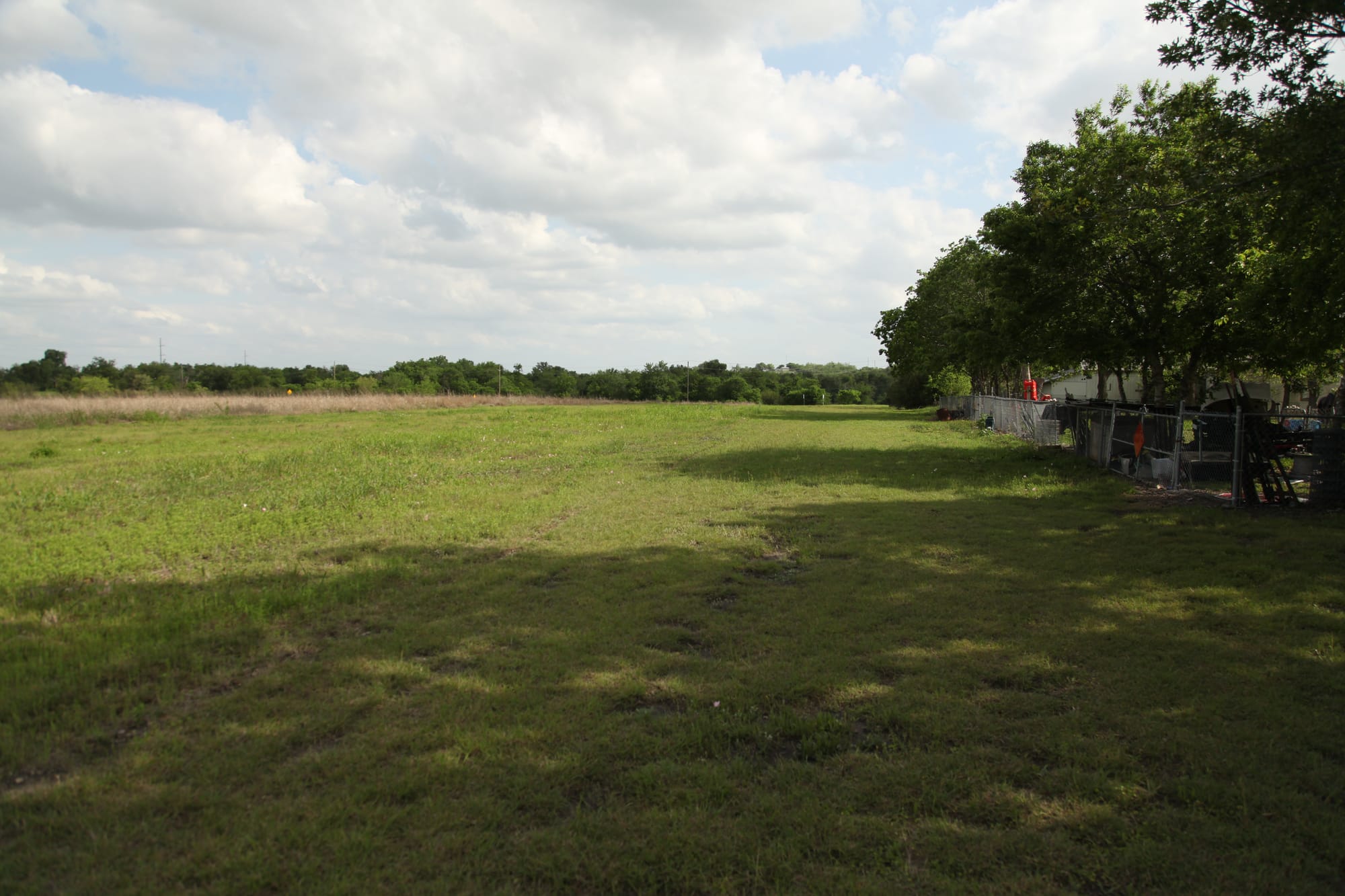 image本来であれば公園になるはずだった土地。写真提供:キャリー・D'アンナ。グリフィンとその家族は移転したくありませんし、仮に移動するとしても家を売却するのは困難です。なぜなら、誰もデータセンターの隣に住みたがらないからです。テイラー市のよくある質問(FAQ)ページでは、この懸念に対処しようとしています。「データセンターは近隣の不動産価値に影響を与えるのでしょうか?」と問われ、答えは「ラウンドロックなどの他都市からの利用可能な証拠では、データセンターが近隣の住宅価格を低下させることは示されていない」となっています。
これはおかしな比較です。ラウンドロックはオースティンの郊外で人口は 10 万人を超え、州都へのアクセスも良好です。一方、テイラー市の人口は 16,267 人です。提案されているデータセンターの近隣にある住宅の中間価格は約 9 万ドルですが、ラウンドロックではその半分の 50 万ドルです。
市からセグイン氏は、テイラーはデータセンターから今後10年間で3,000万ドルの税収を創出すると予想しており、そのうち2,000万ドルが学区に充てられると述べた。「データセンターは、都市サービスやインフラへの需要を増加させることなく多くの新たな税収を生み出すため、都市にとって大きな純粋な財政的利益をもたらします」と彼は言った。「雇用する人が少なく、観光客もあまり来ないため、施設は交通渋滞や緊急サービスの要請を増やすことはありません。また、住宅や教室の必要性も増大させません。」
「私には、現在行われている選択が多くの people を貧困に追い込み、彼らが土地を売却できず、他へ移ることもできないためにその状態から抜け出せなくなるのが明白です。そしてこの恩恵を受ける人々は、別の場所へと移動していくでしょう」とD'Anna氏は語った。
グリフィンにとって問題は金銭ではありません。大切なのは、彼女が育った地域で家族が引き続き楽しめることです。「私たちの家族は会社を訴えてお金を得るために弁護士を雇ったのではありません。私たちはこのコミュニティのために公園を建設するための土地所有権(デード)を得るために訴訟を起こしているのです」と彼女は述べた。
訴訟について問われたセグイン氏は、市は当事者ではないと答えた。これは事実であり、被告はブループリントの親会社である。ブループリントは404メディアからのコメント依頼に応えていない。
原文を表示
imageAlmost 30 years ago a farming family deeded land to the City of Taylor, Texas, on the condition the city use it for a public park. For the nominal fee of $10, the farmers granted the 87 acres to a public trust in 1999. Taylor sold it to Blueprint, a data center developer, for $10 million in 2025. Now the land that was supposed to belong to the community will become a 135,000 square foot data center.
Pamela Griffin and her family have owned homes near that land for generations. Griffin and her brothers and sisters played baseball on it, camped out on it, and then watched as their children and their children’s children did the same. Now a data center will be there, just 500 feet from Griffin’s home, nestled between a power substation and the nearby railroad tracks.
Griffin told 404 Media that she and her family had lived in the area since her grandmother bought land there. “Back then, Black and brown people weren’t allowed to buy in the city limits of Taylor. So we had to buy on the outskirts,” Griffin, who is Black, said. Griffin’s father bought more land, including a vacant lot in the neighborhood for Griffin’s ten brothers and sisters to play in. Behind the lot was the property of a farmer called Mr. Bland.
According to Griffin, Mr. Bland was friendly and would sometimes talk with her father. “We used to play baseball back there and our balls used to go on his property and he’d see us play and he’d throw the balls back to us and wave at us when he was on his tractor. One day he was talking to my dad […] and he said, ‘I see the kids don’t really have nowhere to play.’ He said, ‘I’m thinking about giving this land for parkland because these kids need somewhere to play.’”
According to court records and real estate documents obtained by Griffin and reviewed by 404 Media, Bland and his family made good on that promise in 1999, granting the land to a public trust for $10 on the condition it be used as a park. That condition was included in the deed itself. Over the years, the land changed hands several times until 2025 when the City of Taylor sold it to data center developers for $10 million.
When local organizers knocked on Griffin’s door last year she had never heard of data centers and didn’t know the city planned to build one in the field her family played in. “I was like, ‘what is a data center?’ So me and my sisters and my brothers, we all got together and we started looking it up and we said, ‘oh, this is not good for the neighborhood,’” she said.
“Pam, if you’d been fighting an apartment complex or anything else […] you would have won that case.”
Griffin went to a city council meeting to tell them she didn’t want a data center near her home. Like essentially everyone else in America, Griffin is worried about what the building will do to the air, water, electricity, and noise near where she lives. “We can’t afford it,” she said. “I got a lot of old people in our community that can’t afford to move.” She said the city council brushed off her concerns and said the data center builders would try to “minimize health risks.”
0:00
/1:40
1×
According to information about the data center on Taylor’s website, the city is planning to address the community’s concerns. “Any noise from equipment will be contained within the building envelope and a solid barrier wall in the front and an earthen berm with landscaping, will also provide additional noise reduction,” it says. The site also claims the data center wouldn’t use a lot of water because of a closed-loop system and that developers would pay for a new power substation so as not to tax the local grid.
The city’s website also says there’s nothing it can do to stop the data center, even if it wanted to. “Can the City just say no to data centers?” one part of the FAQ reads. “In short, no.”
Daniel Seguin, Taylor’s executive director of community services, told 404 Media that Blueprint did not need the City’s explicit approval to build a data center. “Blueprint Projects did not require City approval to use the property as a data center because the property’s existing Employment Center zoning already allowed such a use,” he said.
“The City of Taylor’s Land Development Code primarily regulates form, not function. The only approvals that our code requires are for the general layout of the buildings, landscaping, impervious cover, etc,” he added. “The developer has not advanced the project with the City beyond the Employment Center Plan. To break ground, the developer would still have to secure the City’s approval for platting and building permits. This process has not yet been initiated.”
At a meeting with anti-data center activists after the city council meeting, Griffin told them the story from her childhood about Mr. Bland promising her father to give the land to the City for a park. Land deeds are strong legal documents in Texas, almost sacrosanct, and if Griffin’s memory was correct then the deed from 1999 could be grounds to stop the data center’s construction.
One of the activists started digging through public records and found the original deed. It was just as Griffin had remembered. On July 7, 1999, Bland’s descendants granted 87.97 acres of land to the “Texas Parks and Recreation Foundation, a Texas non-profit corporation, to be held in trust for future use as parkland by Williamson County, Texas,” according to a copy of the deed reviewed by 404 Media.
Griffin went to her family and said they needed to hire a lawyer. “We gotta get this park back for this community that should have been built a long time ago,” she said. Griffin used money from her family to hire a Taylor based lawyer named Chris Osborne.
Osborne wasn’t optimistic at first. “He said, ‘Oh Pam, I don’t think you have a case,’” Griffin recalled. But Osborne went through almost 30 years of deeds, transfers, and paperwork anyway. In 2003, the Texas Parks and Recreation Foundation granted the land to another non-profit called the Williamson County Park Foundation. A month later, that non-profit gave the land to the City of Taylor. Five years later, in 2008, the city of Taylor sold the land to the Taylor Economic Development Corporation (TEDC) for $15,000. In 2025, TEDC sold the land to Blueprint, the data center developers, for $10 million.
It was quite the journey of ownership for a strip of land meant to be a park and quite the appreciation in value. “I guess they tried to bury it, because they put another deed on top of another deed,” Griffin said. She and four family members filed a lawsuit, but Blueprint filed a motion to dismiss and the judge granted it. Griffin’s lawyers also asked for an injunction against the construction of the data center while the case worked its way through the appeals process. The judge denied it.
Griffin’s lawyer told her a data center is hard to fight. “He said, ‘Pam, if you’d been fighting an apartment complex or anything else […] you would have won that case,” she said.
“At its core, this is a property rights dispute: a generous family set aside land for a future park, and this change of use directly impacts a largely working-class community,” reads a statement on Facebook from local activists after the request for an injunction failed. “Although the injunction was denied and the case dismissed at the trial court level, the plaintiffs are already filing an appeal with the Third Court of Appeals in Austin, Texas.”
“Data centers create a significant net financial benefit for cities because they generate a lot of new tax revenue without also increasing demand on city services and infrastructure. Because they don’t employ many people or attract many visitors, the facilities don’t increase traffic or emergency service calls. They also don’t increase the need for housing and classrooms.”
“I keep trying to tell everybody, if they start messing with deeds in Texas? Allowing deeds to be not upheld? What’s going to happen to all of us? When we got deeds? What people leave behind? They’re going to start saying, ‘oh that person left you that but you can’t have it,’” Griffin said. “That’s the scary part. I’m not fighting just because of a data center. I’m fighting because this land was deeded for park land.”
Right now the Blueprint data center is moving forward. “What do you do in a situation like that? Citizens go to your city council, who have to approve zoning [...] and they’re supposed to be the one who protects or helps or be the stopgap and they shrug their shoulders,” Carrie D'Anna, a community organizer in Taylor, told 404 Media. “Sorry we didn’t give you gas lines. Sorry we gave you a park in the wrong spot. Sorry we didn’t follow through on what we said we’d do. But could you just deal with this huge data center?”
imageThe land that should have been a park. Carrie D'Anna photo.Griffin and her family don’t want to move and even if they did, selling their homes would be difficult because no one wants to live next to a data center. On the FAQ page for Taylor, the city attempts to address this concern. “Do data centers affect property values nearby?” it asks. The answer: “Available evidence from peer cities such as Round Rock does not show that data centers decrease nearby residential property values.”
It’s a ridiculous comparison. Round Rock is a suburb of Austin with a population of more than 100,000 people and close access to the capitol city of the state. Taylor’s population is 16,267. The median value of the homes near the proposed data center in Taylor is around $90,000. In Round Rock the median house is worth half a million dollars.
Seguin from the City said Taylor expected to generate $30 million in tax revenue from the data center over the next decade, $20 million of which he said would go to the school district. “Data centers create a significant net financial benefit for cities because they generate a lot of new tax revenue without also increasing demand on city services and infrastructure,” he said. “Because they don’t employ many people or attract many visitors, the facilities don’t increase traffic or emergency service calls. They also don’t increase the need for housing and classrooms.”
“It's very obvious to me that the choices that are being made are going to throw many people into poverty, and they’re going to be trapped there because they won't be able to sell their land, they won't be able to get out and go somewhere else, and people who are benefiting from this are going to move on,” D’Anna said.
For Griffin, it’s not about the money. It’s about her family continuing to enjoy the area she grew up in. “My family didn’t hire the lawyer to sue the company to get money,” she said. “We’re suing for the deed to build a park for this community.”
Asked about the lawsuit, Seguin said the City wasn’t a party to it. Which is true, the defendant is Blueprint’s parent company. Blueprint did not return 404 Media’s request for comment.
関連記事
今日のまとめ
AIデイリーブリーフで今日の重要ニュースをまとめ読み