AI 投資増でも生産性向上せず、レイオフが原因か
本文の状態
日本語全文を表示中
詳細モードで約8分の本文を読めます。
同じ出来事の情報源
この情報源を基点に整理
The Conversation AI
AI への巨額投資にもかかわらず生産性が向上しない背景には、AI 導入を名目とした人員削減が従業員の士気を低下させ、かえって効率化の条件を破壊しているという研究結果がある。
Continue in AI NEW LAB
このニュースを、実務の判断につなげる
AI NEW LABで、試したことや先に確認したい条件を共有できます。まずはログインなしで読めます。
AI NEW LABで論点を見るAI深層分析を開く2026年8月12日 21:58
AI深層分析
キーポイント
AI 投資と生産性のパラドックス
企業は AI に巨額を投じているが、経営者の約9割が自社の生産性向上に寄与していないと感じており、近年の生産性上昇はリモートワークや他要因によるものとの見方が強まっている。
人員削減が効率化を阻害するメカニズム
AI 投資発表とそれに伴う人員削減の頻度には明確な相関があり、この戦略は従業員の AI への信頼感を損ない、生産性を高めるための重要な条件を破壊している。
短期的利益追求が長期的成果を損なう
上場企業の経営陣は新投資が短期の収益性や株価に与える影響を重視する傾向があり、AI 導入に伴う人員削減という自己破壊的な戦略を採用しがちである。
AI投資と人員削減の短期的な期待と市場反応の乖離
経営者はAI導入による効率化で人件費を減らし株価を上げると期待するが、実際には市場反応はゼロまたは否定的である。
雇用不安がもたらす隠れたコストと生産性低下
人員削減やAI導入への恐怖が従業員に広がり、これが企業の生産性を下げる要因となる。
重要な引用
Companies are pouring more money into artificial intelligence than ever, but they're not seeing the gains in productivity that they expect.
About 90% of executives believe AI has not yet boosted productivity at their companies.
AI-driven layoffs and the resulting job insecurity are actively destroying the very conditions needed for AI to make workers more efficient.
Such a muted response suggests that these decisions carry significant hidden costs that undermine the gains of the AI adoption.
編集コメントを表示
編集コメント
本記事は、技術的な導入そのものよりも、人的要素が AI 投資の成否を決定づける重要な要因であることを浮き彫りにしている。企業は単にツールを導入するだけでなく、組織文化や従業員の心理的安全性をどう守るかが、真の生産性向上への鍵となるだろう。
Source Article
元記事を日本語で読む
本文に関係しない購読案内、埋め込み通知、サイト内プロモーションは除いています。
ビジネスリーダーや投資家が直面しているのは、深まるパラドックスです。企業はこれまで以上に人工知能(AI)に資金を投じていますが、期待した生産性の向上は見られていません。
経営陣のトップでさえ、この乖離を認め始めています。アトランタ連邦準備銀行の研究では、約90%の役員が「自社の生産性はまだAIによって向上していない」と考えていることが明らかになりました。他の証拠からは、2021年以降にみられる全体的な生産性の上昇は、むしろリモートワークの影響か、テクノロジー分野での人員削減など AI 以外の要因によるものだと考えられます。
私はテクノロジーが企業の運営方法にどのような変化をもたらすかを研究しており、同僚たちとの共同研究から、期待された生産性向上が実現しない理由について重要な説明を提供しています。それは、AI を起因とした人員削減と、それに伴う雇用不安が、AI によって労働者の効率化を可能にするための条件そのものを破壊しているという点です。実際、これらの人員削減は従業員が AI に対して抱く感情を悪化させますが、これは AI を活用する際の企業生産性を予測する最も強力な指標の一つなのです。
経営陣や投資家には注意が必要です。AI 投資の名の下に社員を解雇することは、期待される生産性向上を相殺してしまう自己矛盾した戦略です。
人員削減が戦略となる場合
米国の企業は生産性を底上げしたいと考え、AI の導入に数十億ドル規模の資金を投入してきました。しかし、私たちの研究によると、経営陣は AI に関する過熱した議論には警戒すべきです。
私と私の同僚たちは、過去 5 年間に米国の上場企業が発表した数百件の AI 投資発表や人員削減発表、そして数百万件の従業員満足度レビューや数千件の企業業績報告書を分析しました。その結果、明確なパターンが浮かび上がりました。AI 投資の発表が増えるほど、AI が原因とされる人員削減の発表も増加しているのです。
この相関関係が偶然である可能性は低く、むしろ企業戦略の一環として人員削減を AI 戦略に組み込んでいることを示しています。
上場企業の経営陣は、新規投資が短期的な収益性や株価を向上させるかどうかを基準に意思決定を行います。そのため、AI に巨額の投資を行った後、経営陣には確実な財務リターンを示す圧力がかかります。期待されるのは、「AI によって従業員の効率が向上すれば、同じ業務を遂行するために必要な人数が減る」というシナリオです。
その結果、経営陣が予想されたリターンを実現させるための手っ取り早い手段として、人員削減と人件費の削減に走ります。調査対象となった企業の一部では、AI への投資を実行する前にさえも、将来の AI 投資のために資金を捻出する目的で従業員を解雇し始めていました。
経営陣は、AI への投資と人員削減の両方が企業価値を高めると考えています。しかし、これらの解雇発表に対する株式市場の反応を検証したところ、平均リターンはほぼゼロでした。これは、AI 投資の表明が企業の株価を一貫して押し上げるわけではないという、私たちの先行研究結果とも一致しています don't consistently boost。
ただし、AI による人員削減を発表したことで株価が急騰した企業も存在します。例えば金融テックプラットフォームの Block がその一例です。しかし全体として、これらの発表に対する市場反応は否定的か、あるいはほぼゼロでした。この事象の半数以上でそうだったのです。
こうした控えめな反応は、AI 導入による恩恵を損なう、大きな隠れたコストが決定には伴っていることを示唆しています。
従業員の感情が重要な理由
私たちが発見した最大の隠れたコストの一つは、これが従業員に雇用不安をもたらす点です。一方では、労働者はこの AI 革命の中心に位置し、効率化のために日常業務で AI を取り入れる必要があります。他方では、AI が彼らのキャリアや雇用の安定を脅かしています。
従業員が AI 導入をどのように認識し、反応するかを確認するため、職場レビューサイト Glassdoor.com に寄せられた数百万件の従業員満足度レビューを分析しました。AI 関連のコメントを特定・分析した結果、それらは従業員レビュー全体のトーンに比べてはるかにネガティブであることが判明しました。
この否定的な傾向は、企業による AI 導入に対する広範な懸念と、労働者間の反 AI 感情を反映しています。同時に、企業の財務情報に基づく生産性データを見ると、AI への従業員の感情と生産性の間には強い相関関係があることがわかります。これは、労働者の反 AI 感情が生産性を低下させ、AI がもたらす可能性のある効率化の恩恵を相殺してしまうことを示唆しています。
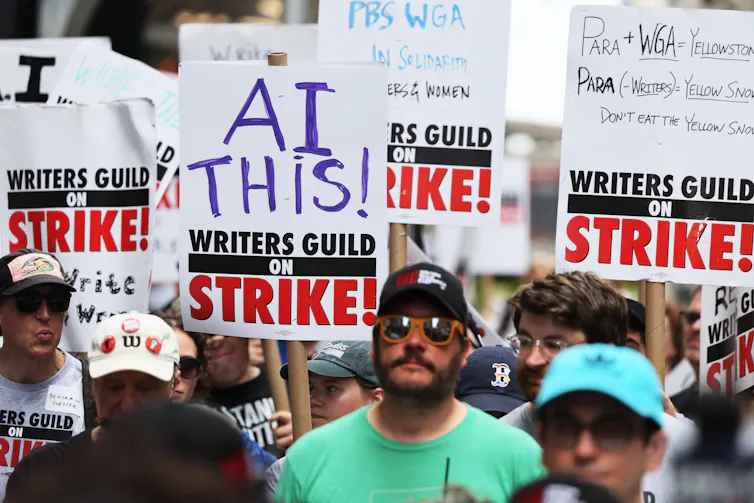
従業員たちはジレンマに直面しています。AI スキルの向上を求められながら、自分たちの職を奪う可能性のある技術の導入も迫られているのです。
この敵意の背景にあるものを明らかにするため、私たちは従業員のレビューを詳しく分析しました。AI による雇用喪失への不安に加え、適切なトレーニングの欠如やスキルアップの機会不足、企業の AI リーダーシップの不備、そして「AI が本当に生産性を高めるのか」という懐疑的な声も寄せられています。これらのトピックの中で、とくに懸念されるのは雇用の安定性に関するコメントです。
このネガティブな影響を裏付けるため、企業が AI 導入を理由に人員削減を発表した際の AI への感情がどう変化するかを検証しました。すると、感情は急激に低下することが明らかになりました。つまり、多くの従業員が AI に抵抗しているのは、同僚が AI のせいで職を失う姿を見てきたり、自分が次の犠牲者になるのではないかと恐れているからです。これは、米国人の半数が「AI が家族の誰かを失業させる恐れがある」と考えていると示した直近の Reuters/Ipsos 世論調査 の結果とも一致しています。
一方、経営陣の感情については異なる実態が浮かび上がりました。約 1 万件の決算説明会の議事録から AI 関連の経営層の発言トーンを分析したところ、一貫して楽観的な姿勢が見られました。しかし、その明るい見通しは生産性の実績と有意な相関関係を示すものではありませんでした。
要するに、AI の恩恵を引き出す上で重要なのは、経営陣の楽観論よりもむしろ従業員の感情なのです。
経営者へのガイドライン
今回の知見は、経営者と投資家に対して明確かつ緊急を要するメッセージを送るものです。AI を理由に人員削減を行うことは、戦略的な誤算であり、AI がもたらす恩恵を損なう行為です。多くの企業において、「AI ウェーブ」に乗ること自体が、関与と協力を促すどころか、不安を広げる「AI ハンガーゲーム(飢餓ゲーム)」化してしまっているのです。
従業員に AI ツールの利用を促しながら、企業がその革新性を理由に人員削減を行うという矛盾が、AI の謳われる恩恵を自ら無効化させています。その結果、企業は士気低下した労働力と、期待外れの投資リターンだけが残る状況に陥ります。
私が考えるに、企業が理解すべきは、従業員の感情をどう管理するかが AI の恩恵を引き出す鍵だということです。つまり、AI が自分たちと対立する存在ではなく、共に働くパートナーだと従業員が感じられる環境を作ることが必要です。管理者には、AI による利益を従業員と共有するという真摯なコミットメントを示すことが求められます。それは単に人員削減を行うのではなく、スキルへの投資や機会の拡大を通じて実現すべきことです。
このアプローチを取り、雇用の不確実性がもたらす莫大なコストを理解している企業こそが、AI 投資から最大の利益を得る可能性が高いのです。
原文を表示
Business leaders and investors face a deepening paradox: Companies are pouring more money into artificial intelligence than ever, but they’re not seeing the gains in productivity that they expect.
Even CEOs are starting to admit this disconnect. One Atlanta Federal Reserve study found that about 90% of executives believe AI has not yet boosted productivity at their companies. Other evidence suggests that the broader increase in productivity seen since 2021 is more likely due to remote work or factors other than AI, like downsizing in sectors such as technology.
I study how technology is changing the way businesses operate, and the research I’ve conducted with colleagues offers an important explanation for why these expected gains don’t materialize: AI-driven layoffs and the resulting job insecurity are actively destroying the very conditions needed for AI to make workers more efficient. In fact, these job cuts damage employee sentiment toward AI – which is one of the strongest predictors of firm productivity when AI is used.
Managers and investors should take note. Laying off employees in the name of AI investment is a self-defeating strategy that offsets any expected productivity increase.
When layoffs are the strategy
U.S. companies have poured billions of dollars into AI adoption in the hope of goosing productivity. But our research suggests that managers should treat the AI hype with caution.
My colleagues and I analyzed millions of job satisfaction reviews and thousands of reports of corporate financial performance, as well as hundreds of AI investments and layoff announcements made by U.S. public companies over the past five years. We discovered a clear pattern: As the frequency of AI investment announcements rises, so too do announcements of job cuts caused by AI.
This correlation is unlikely to be coincidental. Instead, it reflects a corporate strategy that sees workforce reduction as an integral part of their AI strategy.
Managers at publicly traded firms typically make decisions based on whether a new investment improves short-term profitability and share price. So after investing heavily in AI, managers face pressure to show a strong financial return. The expectation is that if AI makes employees more efficient, the company will need fewer of them to complete the same work.
As a result, a quick way for managers to help businesses realize that anticipated return is by cutting headcount and lowering labor costs. Some of the companies we studied even started to lay off employees before pouring money into AI, as a way to free up capital for future AI investments.
Managers expect that both AI investment and job cuts will enhance the company’s value. Yet when we examined stock market reactions to these layoff announcements, the average return was close to zero. This is in line with our earlier research that showed proclamations of AI investment don’t consistently boost a company’s share price.
That said, there are some companies, such as the financial tech platform Block, that saw stock prices jump on the news it would trim staff due to AI. But overall, the market reaction was negative or close to zero for more than half of these events.
Such a muted response suggests that these decisions carry significant hidden costs that undermine the gains of the AI adoption.
Why employee sentiment matters
We found that one of the biggest of these hidden costs is that it makes employees fear for their jobs. On one hand, workers are at the center of this AI revolution and must adopt AI in their daily routines to improve their efficiency. On the other hand, AI is threatening their careers and job security.
To see how employees perceive and react to AI adoption, we analyzed millions of employee-satisfaction reviews on the workplace review site Glassdoor.com. By identifying and analyzing AI-related comments, we found them to be much more negative than the overall tone of employee reviews.
This negativity reflects widespread concerns over corporate AI adoption and anti-AI sentiment among workers. At the same time, there’s a strong association between employee sentiment toward AI and firm productivity based on the employer’s financial information. This suggests that anti-AI sentiment among workers actually lowers productivity and offsets the potential efficiency gains caused by AI.
To uncover what drives this hostility, we took a close look at employee reviews. Along with fears over losing their jobs due to AI, they cited the lack of appropriate training, few chances to upgrade skills, and poor corporate AI leadership, as well as doubts over whether AI actually improves productivity. Among those topics, comments about job security concerns were the most critical by far.
To confirm this negative effect of these fears, we then tested how AI sentiment changes when companies announce layoffs due to AI – and discovered a sharp decline in sentiment. In effect, many employees are resisting AI because they have watched their colleagues lose jobs to it or fear they will be next. This is in line with a recent Reuters/Ipsos poll that found half of Americans fear AI could put someone in their household out of work.
We found a different picture when it comes to management’s sentiment. We analyzed the tone of management discussions related to AI in about 10,000 earnings-call transcripts and found it to be consistently optimistic. At the same time, that sunny outlook bore no significant relationship to productivity outcomes.
In short, employee sentiment plays a more important role in unlocking the benefit of AI than any optimism among managers.
A guide for managers
Our findings should deliver a clear and urgent message to managers and investors: Using AI to justify cutting jobs is, in our view, a strategic miscalculation that cuts against the benefits of AI. For too many companies, riding the AI wave has become an AI hunger game that spreads fear rather than engagement.
Because employees are encouraged to use AI tools while their companies cite those same innovations as grounds for cuts, the touted benefits of AI often work against themselves. And companies find themselves left with a demoralized workforce and an underwhelming return on AI investment.
What businesses need to understand, I believe, is that managing how employees feel is key to unlocking AI’s benefits. In turn, that means creating an environment where workers feel that AI is working with them, not against them. Managers can do so by making a genuine commitment to share AI gains with their employees – investing in skills and expanding opportunity rather than simply laying them off.
Companies that take this approach and understand the great cost of job insecurity are the ones most likely to profit from their AI investment.
関連記事
今日のまとめ
AIデイリーブリーフで今日の重要ニュースをまとめ読み