AI アート美術館で「機械は協働者」:レフィク・アナドゥの没入型展示
本文の状態
日本語全文を表示中
詳細モードで約10分の本文を読めます。
同じ出来事の情報源
この情報源を基点に整理
NPR Technology AI
NPR Technology AI は、AI アートを展示する新しい博物館「Gallery A」が開設され、機械を協働者として捉える視点を紹介したと報じた。
AI深層分析を開く2026年8月4日 16:59
AI深層分析
キーポイント
新博物館の開設
AI を用いた芸術作品を展示・紹介する新たな施設「Gallery A」が設立されたことを記事は伝えている。
協働者の視点
同施設では、機械やアルゴリズムを単なる道具ではなく、創造活動における協働者として位置づける考え方が示されている。
メディア報道の性質
NPR Technology AI がこの施設のコンセプトや開館状況を伝えるニュース記事として機能している。
Refik Anadolの最新プロジェクト
アーティストのRefik Anadolは、ロサンゼルスの没入型美術館「Dataland」やワシントンD.C.のスミソニアンでのインスタレーションなど、現実を超えた作品を制作している。
AIアートの新たな博物館
この新しいAIアートの博物館は、機械が協働者であるという視点に基づいて設立されている。
重要な引用
'Machines are collaborators' at this new museum of AI art
"What is beyond reality?"
"Machines are collaborators"
"My heavy question is: What is beyond reality?"
編集コメントを表示
編集コメント
このニュースは、AI の技術的進歩そのものよりも、社会や文化が AI をどう受け止めているかという文脈の変化を捉えている。技術アナリストにとっては、市場の成熟度を示す文化的指標として参考になる可能性がある。
Source Article
元記事を日本語で読む
本文に関係しない購読案内、埋め込み通知、サイト内プロモーションは除いています。
「機械は協働者である」——AI アートに特化した新しい博物館
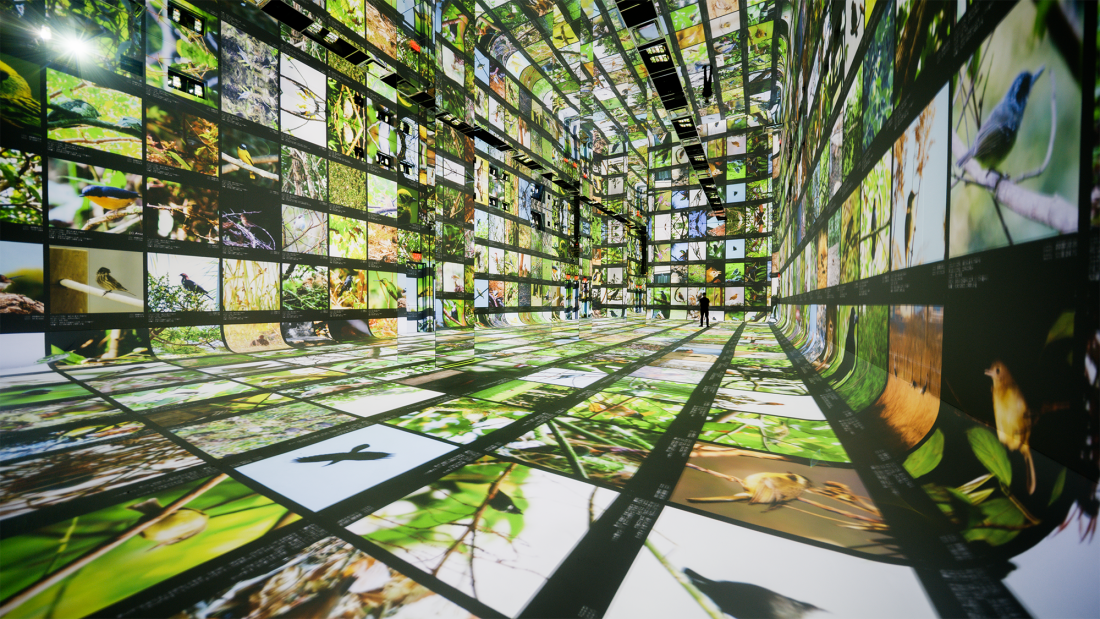
「現実を超えたものとは何か?」——アーティストのレフィク・アナドールが問いかけます。彼の最新プロジェクトには、上記に写るロサンゼルスにある没入型アートミュージアム『Dataland』や、ワシントン D.C. のスミソニアン博物館での展示が含まれています。
Refik Anadol Studio on behalf of Dataland
hide caption
toggle caption
Refik Anadol Studio on behalf of Dataland
ロサンゼルス市中心部にある新しい Dataland を訪れると、まるでハイパーリアリズムの夜の幻想の世界に足を踏み入れたかのような感覚になります。
黒く洞窟のような空間を巡る途中、至る所でアマゾンの熱帯雨林の動物たちの声や、熱帯の雷雨の音、そしてロサンゼルス・フィルハーモニー管弦楽団によるマーラーの『交響曲第 3 番』の一部が聞こえてきます。
ある部屋では、蜂が濃密で鮮やかな風景を飛び回る様子をそのまま体験できます。別の場所では、装着型のリストバンド(フィットネストラッカーのようなデバイス)から取得した生体データに応じてリアルタイムに反応する巨大な立体絵画の前に立ち、鮮烈な抽象的な形状が枠を超えて跳ねる光景を目の当たりにします。さらに、この美術館には香りや味覚を体験できる要素も用意されています。まさに五感への過剰刺激です。
6 月に開館した「Dataland」では、来場者の体験は一人として同じものはありませんが、すべてがレフィク・アナドルという一人の創造的な頭脳から生まれています。
データをビジョンへ変換する
彼自身を「世界初の AI アート美術館」と呼ぶこの場所の背後には、デジタルアーティストであるアナドルがいます。彼は過去 10 年間、AI アルゴリズムを用いて膨大なデータセットを、迫力ある立体型の光と音のインスタレーションへと変換し続けてきました。
Dataland の没入型アートを制作する際、アナドルは美術館のアーカイブや研究所、さらにはブラジルのアマゾンへの自身の旅先で撮影した画像や音声を、独自に開発した AI モデルに読み込ませました。そして、そのモデルに対して夢のような蜂の物語など特定のシナリオを生成させるよう指示を出しました。彼は自らの作品を、人間と機械による 50% と 50% の共同作業だと表現しています。
「すべてのアーティストは、実践の中で自分なりの重い問いを抱えています」と、パートナーのエフスン・エルキリッチと共にこの美術館を共同設立したアナドルは、最近のインタビューで語りました。「私の重い問いとは何か。それは『現実を超えたものとは何か』です。」
2024年2月、ロンドンのサーペンタイン・ノースギャラリーで開催されたレフィク・アナドゥル氏の個展「Echoes of the Earth: Living Archive」のプレスプレビューで展示される同氏。データ駆動型の視覚表現で知られるトルコ系アメリカ人のアーティスト、アナドゥル氏は今回、珊瑚礁や熱帯雨林の画像50億枚を元にStable Diffusionを用いて構築した没入型環境を発表しました。

2024年2月、ロンドンのサーペンタイン・ノースギャラリーで開催された個展「Echoes of the Earth: Living Archive」のプレスプレビューで展示されるレフィク・アナドゥル氏。
Dan Kitwood/Getty Images
キャプションを隠す
キャプションの切り替え
Dan Kitwood/Getty Images
現在40歳となったロサンゼルスを拠点に活動する同氏が、この問いに向き合い始めたのは、イスタンブールの少年時代、初代のパソコン「Commodore 64」でゲームを遊びながら映画『ブレードランナー』を観ていた頃のことです。
アナドールは、1982 年の SF スリラー映画の特定のセリフに強く心を動かされました。
「インプラント。あれはお前の記憶じゃない。誰かの記憶だ」
ハリスン・フォード演じるデッカードが、ショーン・ヤング演じるレイチェルにそう告げます。彼女は人間ではなく機械です。「機械が他人の記憶をどう利用するか、私はずっと考え続けていた」とアナドールは語ります。
メッシの記憶を芸術へ変える
最近のリオネル・メッシとのコラボレーションが、その具体例を示しています。
アルゼンチンのサッカー界のスーパースターと、眼鏡をかけた愛らしい風貌のアナドール氏は、昨年夏にニューヨークで没入型の インスタレーション を共同制作しました。この作品は試合の映像データ、生体情報、そして動きの追跡データを組み合わせて、2009 年にメッシがキャリアを決定づけた ゴール を決めた瞬間の記憶を再構築したものです。
完成した部屋サイズの作品は、跳ねるボールや変形するネット、そしてスローモーションで捉えられたメッシのアクションショットが織りなす幻想的な世界観で訪れた人々を包み込みました。まるでアスリートの頭の中を冒険するかのような体験です。「イスタンブールで育った私にとって、サッカーは DNA に刻まれています」とアナドール氏は語ります。「しかし、自分がメッシと仕事をする日が来るとは思いもしませんでした」
アナドールのファンと批評家
アナドールは、現代アート界においてメッシがスポーツ界で持つような知名度を有する人物と言えるでしょう。
彼の作品はグラミー賞の背景映像として使用されたり、タイム誌の「2025 年 AI 分野で最も影響力のある 100 人」リストに選出されたりしています。また、2022〜2023 年に制作されたインスタレーション『Unsupervised』は、生成 AI を用いて制作された作品として初めてニューヨーク近代美術館(MoMA)の常設コレクションに収蔵されました。
しかし、アナドールのテクノロジー駆動型のビジョンを否定する声も存在します。

*DATALAND*の初回展「Machine Dreams: Rainforest」のアーティストによるイメージ。展示は 2027 年 1 月まで開催されます。
Refik Anadol Studio / DATALLAND 提供
『New York』誌の批評家ジェリー・サルツは、展示「Unsupervised」を「格好つけられた溶岩ランプ」と評しました。
他の批判者たちは、アンナドールがNvidiaやGoogleといった大手テック企業との親密な関係や、The Smithsonian(スミソニアン)やオックスフォード大学などから無料で入手できる公開アーカイブを利用し、Datalandのような営利プロジェクトの基盤となるAIモデルを構築している点に問題を感じています。Datalandでは、標準的な入場料は49ドルからです。
「私にとって、これは後期資本主義における芸術の完璧な象徴です」と語るのは、アンナドールの作品について2025年に書籍の章を共著したアーティスト兼研究者のデニズ・ジョンズです。
支援者との協働
アナドールは、自スタジオが開発するモデルへのアクセスは誰でも無料で利用可能であり、現代の芸術家と富裕層や権力ある支援者の関係に新しいものはないと反論します。
「600年前のルネサンス時代に戻りましょう」とアナドールは語ります。「芸術に画期的な進展があるとき、常に支援者が存在するものです。」
Google 副社長であり『Google Arts & Culture』Google Arts & Culture の創設者であるアミット・スード氏は、「彼のアイデアは心地よいほど狂気的だ」と評しました。

来場者が Dataland の開館日に体験する様子。
**
Mario Tama/Getty Images
**
キャプションを隠す
**
キャプションの切り替え**
Mario Tama/Getty Images
スード氏は、同社がアナドールの作品を約10年間支援してきたと明かしました。アナドールのスタジオはオレゴン州のサーバーファームで稼働するGoogle Cloudインフラを利用しており、Googleによるとこの施設は主にカーボンフリーの再生可能エネルギーで動いています。また、Google Arts & Cultureはこの美術館でのアーティスト・レジデンスを後援しています。(なお、GoogleはNPRの財政支援も行っています。)
「レフィクは、テクノロジーが彼の夢の実現にどう役立つかについて非常に楽観的です」とスード氏は語りました。
夢を見るのは人間だけなのか?
そして彼は、自分の夢だけでなく、もっと広い視点にも関心を持っています。
「レフィクはこう問いかけました。もしスミソニアン・キャッスルが『夢を見る対象』だとしたら、それは何を夢見るのでしょうか?」と、スミソニアンの特別プロジェクト担当副次官であるリサ・ササキ氏は話しました。
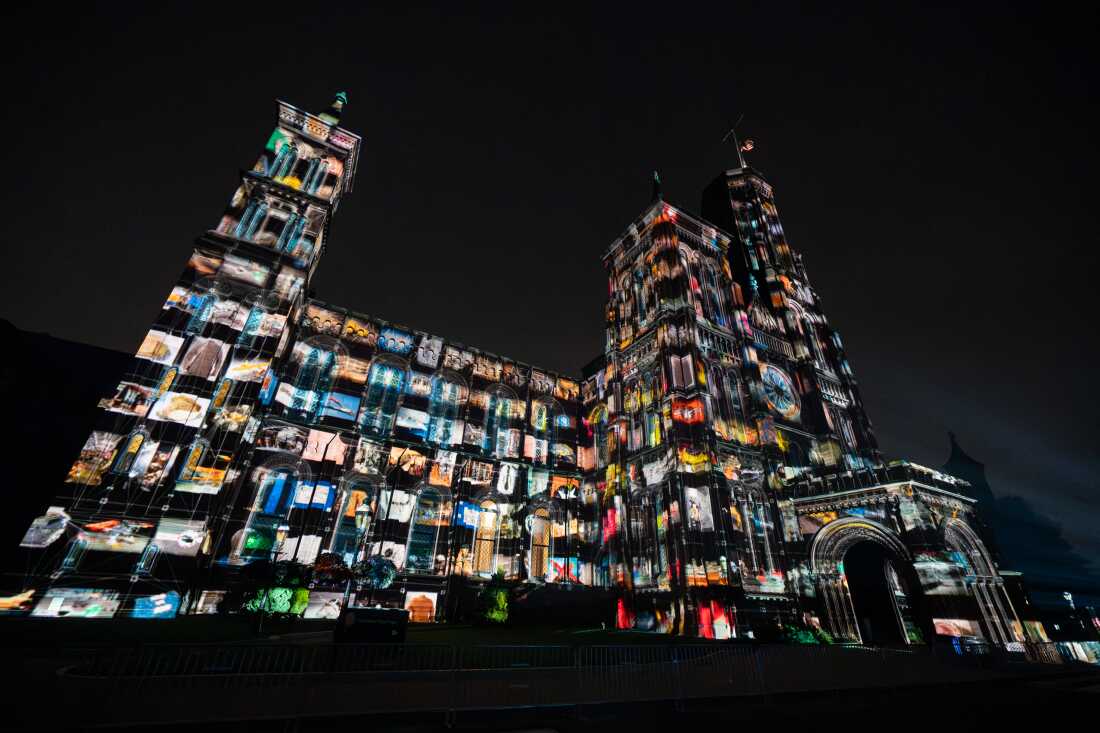
Jeremy Norwood/Norwood Photography/The Smithsonian
この問いへの答えとして、佐々木氏はアナードルがスミソニアンの機関記憶——数百万点のデジタル化された標本、科学記録、写本——を独自に開発したAIモデルに読み込ませたと説明しました。
そして先月、同氏はこれを用いてスミソニアン・キャッスルの外観を覆い尽くすような、旋回する抽象的な形態からアメリカ国旗までを映し出す、AI駆動の投影アートを展開しました。このインスタレーションのタイトルは「Smithsonian Dreams」です。
アナードル氏は、「現時点では夢を見るのは人間だけだ」と語りました。「もちろん、機械が夢を見ることはありません。機械は協働者なのです。
しかしそのアーティストは、それが遠い未来ではないと付け加えました。
原文を表示
"What is beyond reality?" asks artist Refik Anadol. His latest projects include Dataland, an immersive art museum in Los Angeles, shown above, and an installation at the Smithsonian in Washington, D.C.
**
Refik Anadol Studio on behalf of Dataland
**
hide caption
**
toggle caption**
Refik Anadol Studio on behalf of Dataland
Visiting the new Dataland museum in downtown Los Angeles is like stepping into a hyperreal nighttime fantasy.
At various points as visitors move through black, cavernous spaces, they hear the sounds of Amazon rainforest creatures, a tropical thunderstorm, and excerpts from a Los Angeles Philharmonic recording of Mahler's *Symphony No. 3*.
In one room they see what a hummingbird would see as it flies through a dense, vividly-colored landscape. In another, they stand before a massive, three-dimensional painting where bright, abstract shapes splash out of the frame in a real-time response to biometric data captured via wearable wristbands – kind of like fitness trackers. The museum also has a smell and taste component. It's sensory overload.
No two visitors' experiences of Dataland, which opened in June, are exactly alike. But they all stem from the singular creative mind of Refik Anadol.
Transforming data into visions
The digital artist behind what he calls "the world's first museum of AI arts" has spent a decade using AI algorithms to transform massive troves of data into bombastic, three-dimensional installations of light and sound.
To create the immersive art at Dataland, the artist fed images and sounds from museum archives, labs and even his own travels to the Brazilian Amazon into a custom AI model. He then directed that model to create specific scenarios, such as the dream-like hummingbird narrative. He describes his work as a 50-50 collaboration between humans and machines.
"Every artist in their practice has their own heavy question," Anadol told NPR in a recent interview at the museum, which he co-founded with his partner Efsun Erkılıç. "My heavy question is: What is beyond reality?"
Artist Refik Anadol is shown during a press preview for his *Echoes of the Earth: Living Archive* exhibition at Serpentine North Gallery in London in February 2024.
**
Dan Kitwood/Getty Images
**
hide caption
**
toggle caption**
Dan Kitwood/Getty Images
It's a question the now forty-year-old, Los Angeles-based artist has been pondering since he was a kid in Istanbul playing games on his first computer, a Commodore 64, and watching Blade Runner.
Anadol said one line in particular from the 1982 sci-fi thriller left a lasting impression on him: "Implants. Those aren't your memories. They're somebody else's," Harrison Ford's character Deckard tells Sean Young's Rachael. She's not a real human, but a machine. "I never stopped thinking about what a machine could do with someone else's memories," Anadol said.
Transforming Messi's memories into art
His recent collaboration with Lionel Messi shows how.
The Argentinian soccer star collaborated with the bespectacled, cherubic-looking artist on an immersive installation last summer in New York. It used match footage, biometric data, and movement tracking to reconstruct Messi's memories of scoring a career-defining goal in 2009.
The resulting, room-sized artwork engulfed visitors in a swirling fantasia featuring bouncing balls, morphing nets and slow-motion action shots of Messi. Think of it as a fantastical journey inside the athlete's head. "Growing up in Istanbul, football is in the DNA," Anadol said. "But I didn't know I would one day work with Messi."
Anadol's fans — and critics
Anadol is arguably as big a celebrity in the contemporary art world as Messi is in sports.
His art has served as a backdrop at the Grammy Awards. He's on Time Magazine's 2025 list of the hundred most influential figures in AI. His 2022-2023 installation, "Unsupervised" was the first artwork created using generative AI ever acquired by New York's Museum of Modern Art for its permanent collection.
But some people dismiss Anadol's tech-fueled visions.
Artist renderings of *Machine Dreams: Rainforest, *Dataland's inaugural exhibition, on display through Jan. 2027.
**
Refik Anadol Studio on behalf of DATALAND
**
hide caption
**
toggle caption**
Refik Anadol Studio on behalf of DATALAND
*New York* magazine critic Jerry Saltz called "Unsupervised" a "glorified lava lamp."
Other detractors take issue with Anadol's cozy relationships with big tech companies like Nvidia and Google, as well as his use of free, publicly available archives from sources including The Smithsonian and Oxford University to build the AI models that underpin his for-profit projects, like Dataland — where standard entry starts at $49."
"To me, it's like the perfect picture of art in late capitalism," said artist and researcher Deniz Johns, who co-authored a 2025 book chapterabout Anadol's work.
Working with patrons
Anadol counters that anyone can have free access to the models his studio develops, and that there's nothing new about contemporary artists' relationships with rich and powerful benefactors.
"Let's go six centuries back to the Renaissance," Anadol said. "When art has breakthroughs, there's always a patron."
"His ideas are pleasingly bonkers," said Amit Sood, a Google vice president and founder of Google Arts & Culture.
Visitors experience Dataland on its opening day in June.
**
Mario Tama/Getty Images
**
hide caption
**
toggle caption**
Mario Tama/Getty Images
Sood said the company has supported Anadol's work for about a decade. Anadol's studio uses Google Cloud infrastructure running on a server farm in Oregon, which Google says operates largely on carbon-free renewable energy. Google Arts & Culture has underwritten artist residencies at the museum. (Google is also a financial supporter of NPR.)
"Refik is very optimistic about how technology can help him achieve some of the things that are in his dreams," Sood said.
Is dreaming just for humans?
And he's not just interested in his own dreams.
"Refik posed this question of, if the Smithsonian Castle could be seen as an object that dreams, what would the Castle dream about?" said Lisa Sasaki, deputy undersecretary for special projects at the Smithsonian.
Jeremy Norwood/Norwood Photography/The Smithsonian
To answer this question, Sasaki said Anadol uploaded the Smithsonian's institutional memory — millions of digitized specimens, scientific records, and manuscripts — into a custom AI model.
He then used it to engulf the facade of the Smithsonian Castle earlier this month in careening, AI-powered projections that ranged from swirling abstract forms to the American flag. The installation's title: "Smithsonian Dreams."
Anadol said at least for now, dreaming is just for humans. "Of course, machines don't dream. Machines are collaborators.
But the artist added it might not be too long before they can.
今日のまとめ
AIデイリーブリーフで今日の重要ニュースをまとめ読み