史上最大規模の学生データプライバシー災害:Canvas ハッキングが示す集中型 EdTech の危険性
本文の状態
日本語全文を表示中
詳細モードで約6分の本文を読めます。
同じ出来事の情報源
この情報源を基点に整理
404 Media
ランサムウェアグループ「ShinyHunters」が Canvas の親会社をハッキングし、数十億件のメッセージを窃取して 2 億 7500 万人以上の学生のデータを不正アクセスした。この事件により、教育技術プラットフォームの集中化に伴うリスクが浮き彫りとなった。
Continue in AI NEW LAB
このニュースを、実務の判断につなげる
AI NEW LABで、試したことや先に確認したい条件を共有できます。まずはログインなしで読めます。
AI NEW LABで論点を見るSource Article
元記事を日本語で読む
本文に関係しない購読案内、埋め込み通知、サイト内プロモーションは除いています。
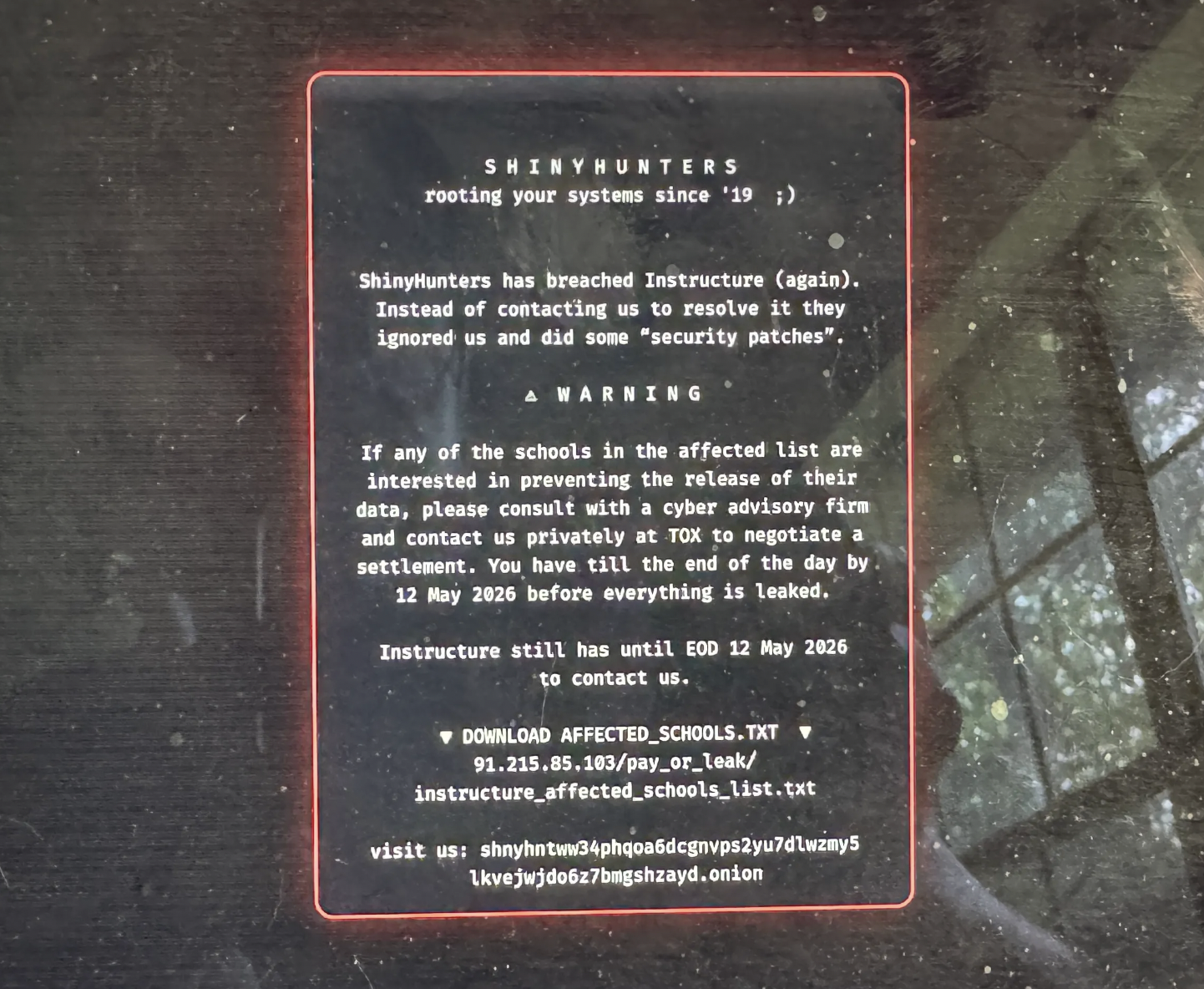 image木曜日の午後、数千の大学および K-12 校(初等・中等教育)に在籍する数百万人の学生が、多くの授業の実質的な中核となった包括的な教育技術ソフトウェア「Canvas」へのアクセスを遮断されました。ランサムウェアグループである ShinyHunters が Canvas の親会社をハッキングし、明らかに「数十億件」のメッセージを窃取し、2 億 7500 万人以上の個人データにアクセスしたと、同グループは主張しています。また、このグループは学生たちを Canvas から締め出しました。
同日午後遅く、Canvas を開発する Instructure が Canvas のオンライン復帰をほぼ完了させました。同社が身代金を支払ったかどうかは不明です。今回の侵害事件は、数百万人の学生の教育データおよび個人データを単一のサービスに集約することの危険性を浮き彫りにしました。Canvas は本質的に、教師が課題や講義を投稿し、ディスカッションボードを利用でき、学生同士や教師とメッセージを交わし、他の教育技術ソフトウェア(EdTech)と連携できるポータルです。
Instructure はインシデント更新ページで、窃取されたデータには「影響を受けた組織のユーザーに関する特定の個人情報」が含まれると指摘しました。これには氏名、メールアドレス、学生 ID 番号、および Canvas ユーザー間のメッセージが含まれます。また、Instructure は同社が二度にわたり侵害を受けたこと、すなわち 4 月 29 日と木曜日の両日に侵入されたことを明らかにしています。
ハッキング事件の直後、私は新興教育技術に特化したデジタル図書館司書のイアン・リンクレットに電話し、この違反がもたらす影響について話し合いました。リンクレットは教育分野で 20 年間働いており、過去数年間は COVID-19 パンデミック初期に台頭した遠隔試験監視ソフトウェア「Proctorio」におけるプライバシー懸念を暴露することで知られるようになりました。リンクレットは Proctorio から訴訟を起こされましたが、最終的にその事件は取り下げられました。
リンクレットは、Canvas のハッキングは「歴史上最も大きな学生データプライバシーの災厄」であると語りました。その理由の一部は、その規模と盗まれた情報の機密性の高さによるものです。これはリンクレットとの対話で、軽く要約された内容です。
404 Media: 現時点でハッキングについて何が分かっていますか?
リンクレット:太平洋標準時木曜日の午後 1 時 20 分頃、人々がこの違反メッセージのスクリーンショットを Reddit に投稿し始めました。一部の機関では、ログインしている場合はパスワードを変更するよう注意喚起しており、現時点では人々はパニックモードにあるように見えます。学校の上位管理職は会議を開き、来週の期末試験を中止すべきかどうかについて議論しています。これは、学校がこの学習管理システムにコミュニケーション、成績評価、期末試験などすべての面で依存しているため、その影響があらゆる事象に及んでいるからです。
404 Media: 現時点でハッキングについて何が分かっていますか?
リンクレット:太平洋標準時木曜日の午後 1 時 20 分頃、人々がこの違反メッセージのスクリーンショットを Reddit に投稿し始めました。一部の機関では、ログインしている場合はパスワードを変更するよう注意喚起しており、現時点では人々はパニックモードにあるように見えます。学校の上位管理職は会議を開き、来週の期末試験を中止すべきかどうかについて議論しています。これは、学校がこの学習管理システムにコミュニケーション、成績評価、期末試験などすべての面で依存しているため、その影響があらゆる事象に及んでいるからです。
メールの中で、あなたは EdTech に 20 年間携わってきたと述べ、これは歴史上最大の学生データプライバシーの災害だとおっしゃいました。なぜそのような表現をされたのか、とても興味があります。
私は昔から Blackboard [類似の技術] をサポートしており、2017 年から 2022 年にかけてブリティッシュコロンビア大学に在籍していた際には Canvas もサポートしていました。私がそこで 2017 年に Canvas へ移行した際に見たのは、カナダ国内のサーバー上に置かれていた小規模な自己ホスト型の学習管理システム(LMS: Learning Management System)アプリから、米国のテック企業への中央集権化と「すべての卵を一つの籠に」という信頼へと転換する動きでした。データは自社で保有している時と同じくらい安全だと信じる考えです。このクラウド移行が約 10 年前に突然行われたため、突如としてデータが集中化されました。私が思いつく限り、すべてが停止し、膨大な情報が窃取されたようなタイプのハッキングが発生するのは、Instructure がすべてのユーザーのデータにアクセスできていた場合に限られるように思えます。それは必ずしも必要ではないはずです。これほど広範な顧客全体で発生した事例は、これまで見たことがありません。
メッセージの内容が漏洩したため、フィッシング攻撃を非常に個別化して行うことが容易になりました。例えば、「Canvas がハッキングされました [...]」や「会話を継続しましょう」といった内容のメールを送り、そこから個人情報を入手できるのです。これもまた新しい現象です。
学生と教員間のメッセージも非常に機密性が高いものだと想像できます。私は Canvas を使用する教員を支援してきました。そして、教授のサブレディットなどでも聞かれる話ですが、学生が「死亡した(欠席理由の説明)」や「個人的な事情」「医療的な事情」「アクセシビリティへの配慮」「紛争」「性的暴行の告発」など、あらゆる種類の情報が Canvas を通じて教員に報告されていると語っています。もしその情報が数億人に広がれば、甚大な被害が生じるでしょう。
この件が進行する中で、どのような点を監視することになりますか?
私の現在の最大の懸念は、機関側の対応を監視することです。学生には数日前から警告されるべきだと強く感じています。そして、実際に学生に通知が届き、学校が反応し始めたのは今回の二回目のハッキング事件になってからです。したがって、学生には警告が必要であり、そうでなければ被害を受けることになります。学校が学生に対して何が起きているか(知っていることだけでも)を伝えるのを長く待てば待つほど、学生のプライバシーと安全に対するストレス、混乱、潜在的なリスクが高まります。
原文を表示
imageThursday afternoon, millions of students at thousands of universities and K-12 schools were locked out of Canvas, a piece of catch-all education technology software that has become the de facto core of many classes. ShinyHunters, a ransomware group, hacked Canvas’s parent company and apparently stole “billions” of messages and accessed more than 275 million individuals’ data, according to the hacking group. The group also locked students out of Canvas.
Later Thursday, Instructure, which makes Canvas, was able to mostly put Canvas back online; it is not clear if the company paid a ransom or not. The breach demonstrates the danger in centralizing the educational and personal data of millions of students in a single service. Canvas is essentially a portal where teachers post assignments and lectures, have discussion boards, and students can message with each other and their teachers and connect with other pieces of education tech software.
Instructure noted on an incident update page that the stolen data includes “certain personal information of users at affected organizations. That includes names, email addresses, student ID numbers, and messages among Canvas users.” Instructure also noted that it was breached twice—once on April 29 and again on Thursday.
Soon after the hack, I called up Ian Linkletter, a digital librarian specializing in emerging education tech, to talk about the implications of the breach. Linkletter has worked in education tech for 20 years and over the last few years has become known for exposing privacy concerns in Proctorio, a remote test proctoring software that rose to prominence during the early days of the COVID-19 pandemic. Linkletter was sued by Proctorio but eventually the case was dropped.
Linkletter told me the Canvas hack is “the biggest student data privacy disaster in history” in part because of its scale and the sensitive nature of what was stolen. This is my conversation with Linkletter, which has been lightly condensed.
404 Media: What do we know about the hack so far?
Linkletter: At about 1:20 PM [Pacific, Thursday], people started posting screenshots to Reddit of this breach message that they got. Some institutions were cautioning people to change their passwords if they were logged in, right now it just seems like people are in panic mode, some senior administration at schools are in meetings talking about whether they need to cancel finals next week. It’s just the implications are on everything because schools are reliant on this learning management system for everything—communications, grading, finals, everything.
In your email to me, you said you've worked in EdTech for 20 years and you said this is the biggest student data privacy disaster in history. I'm curious what sort of made you frame it that way.
I supported Blackboard [a similar piece of tech] way back in the day and I supported Canvas from about 2017 to 2022 when I worked at the University of British Columbia. And what I was there for when we switched to Canvas in 2017 was the shift from like these scrappy little self-hosted learning management system apps that would be on Canadian servers to this centralized, all eggs-in-one basket faith in a U.S. tech company. This idea that our data would be just as safe with them as it was when we had it. And because this move to the cloud happened so suddenly about 10 years ago, all of a sudden data got centralized. The only way that I can think of that this type of hack where everything went down, where so much was stolen would be if Instructure had access to everybody's data, which doesn't seem necessary. For it to be just so widespread across every customer is something that, like, [we’ve] never seen before.
Because the contents of messages got leaked, it’s really easy for phishing attacks to get customized. Like, Canvas got hacked [...] and continuing our conversation type of thing, you can get some really personal information from people. And that's also new.
I can also imagine messages between students and teachers to be pretty sensitive.
I supported instructors that used Canvas. And so I would hear these stories like, and they're on like the professor’s subreddit and stuff too, like students are telling you that people died [to explain absences]. There's personal circumstances, medical circumstances, accessibility accommodations, disputes, sexual assault allegations, like all sorts of stuff would be getting reported to the instructor using Canvas. If that information is out across hundreds of millions of people, there's a lot of harm that's going to happen.
What will you be kind of monitoring as this plays out?
My biggest concern right now is monitoring the institutional response. I feel very strongly that students should have been warned about this like days ago. And it just took this second hack where students got something in their face notifying them that really made schools respond. So I believe that students need to be warned or else they're going to get harmed. And the longer schools wait to tell students about what’s going on, even the little that they know, the more stress and chaos and potential risk to student privacy and safety is at stake.
関連記事
今日のまとめ
AIデイリーブリーフで今日の重要ニュースをまとめ読み