Claude Code、スタートアップ向けガイドと実践ルールを公開
本文の状態
日本語全文を表示中
詳細モードで約37分の本文を読めます。
同じ出来事の情報源
この情報源を基点に整理
Claude Blog
Anthropic はスタートアップの事例を基に、エージェント型コーディングツール「Claude Code」を活用し非技術者も含めた全員が機能を実装できる環境を構築するガイドを発表した。
AI深層分析を開く2026年8月22日 22:24
AI深層分析
キーポイント
参入障壁の低下と全員での実装
エージェント型コーディングは非技術者でもコード言語や IDE の知識なしに機能を実装可能にし、問題理解者が直接修正版をリリースできる環境を実現する。
生産性とスピードの劇的向上事例
ClickHouse や Omni などのスタートアップが同ツールを導入することで、機能実装数の増加やエンジニアリング生産性の数倍化、バグ処理の完全自動化を達成している。
組織規模を超えたスピードでの出荷
これらのスタートアップは十倍以上の規模を持つ組織と同様に製品を出荷しており、構築プロセスと成果物の間に好循環を生み出している。
非技術メンバーのドメイン知識活用
スタートアップは競合よりも人員が少ないため、非技術メンバーが持つ製品洞察やドメイン知識を活用し、アイデアからプロトタイプ作成までの最初のステップを誰でも行えるようにする。
意思伝達の断絶解消
Claude Code はアイデアが経営者からエンジニアへ伝達される過程で本質が失われる「壊れた電話」問題を解決し、問題の本質を理解している人物が直接プルリクエストを作成して専門家の協力を得ることを可能にする。
重要な引用
"Not only were engineers shipping much more, but non-technical people (like me) were also suddenly shipping UI changes and other product improvements."
Agentic coding lowers the barrier to entry for non-technical employees to build products.
"Claude Code changed what it meant to be a lawyer at Crosby. The lawyers have the best product insights, because they are the users. It's been amazing to watch them cook."
"For us, Claude Code solved the broken telephone problem. The way a new idea used to move through a team was the person with the idea tells a PM, who tells a designer, who then tells an engineer… and inevitably the essence of the idea gets lost in that chain. By the time something shipped, it often didn't resemble what the person had in mind. And it took weeks. Claude Code collapses that chain. The person who actually understands the problem can ship a PR bringing in designers and engineers for the parts where their expertise matters."
編集コメントを表示
編集コメント
本ガイドは、単なるツールの紹介に留まらず、スタートアップが限られたリソースでいかにして大企業並みの開発スピードを維持するかという実務的な知見を提供している。特に非技術者層の巻き込み方に関する具体例は、AI ツール導入における組織変革の参考となる重要な示唆を含んでいる。
Source Article
元記事を日本語で読む
本文に関係しない購読案内、埋め込み通知、サイト内プロモーションは除いています。
PDF 版もご用意しています
本ガイドはダウンロード版としてもご利用いただけます。5 つのルール、創業者からのインサイト、チェックリストがそのまま掲載されており、オフラインでの閲覧やチーム内での共有に最適です。
最先端で活躍する AI ネイティブ企業
未来の働き方を垣間見たいなら、スタートアップが現在どのように運営しているかを聞いてみるのが一番です。私たちは実際にそのようにして情報を収集しました。
急速に成長しているスタートアップ企業 12 社以上に聞き取りを行い、彼らが「エージェント型コーディングツール」をどのように活用して製品開発や事業拡大を行っているのかを探りました。これらの企業は、「誰が作るか」「何を捨てるべきか」「作り方と作っているものの間にどうやって好循環(フライホイール)を生み出すか」というルールそのものを書き換えています。
彼らは、自分たちの 10 倍の規模を持つ組織のように製品をリリースし続けています。
- ClickHouse: 機能リリース数が30%増加
- Omni: エンジニアリング生産性が2〜3 倍に向上
- Clay: バグ対応の自動化率が100%
- Artemis Security: 週あたり6,000 件以上の PR を処理
本ガイドでは、これらの組織が採用している独自の運用方法を詳しく解説し、高速で製品をリリースしながら競争優位性を維持するためのルールを探ります。
さらに、もし「Claude Code」を基盤としてゼロから製品開発ライフサイクルを構築した組織なら、どのような姿になるのかという問いに対する答えも垣間見えるはずです。
ヒント: 具体的な次のステップだけを知りたい方は、各章に含まれる重要な技術的アドバイスをまとめたチェックリストをこの記事の最後に用意しています。
01
みんなが成果を出す
エージェント型コーディングは参入障壁を下げるため、問題の本質を理解している人が最初の修正版をリリースできるようになります。
非技術系の従業員でも製品開発を行えるようになり、参入障壁が下がります。Claude Code を使えば、プログラミング言語の習熟度や IDE の使い方に精通していなくても、機能する機能を構築できます。

"エンジニアだけでなく、私のような非技術系の人間も、突然 UI の変更やその他の製品改善をリリースできるようになりました。"Mads Lunau Liechti · Parahelp 共同創業者
スタートアップの創業者にとって、これは明白なメリットがあります。まず、大規模な競合他社に比べて人員が限られているため、全員で協力して取り組む必要があります。しかし、創業者が目指しているのは単なる人的リソースの増加だけではありません。チーム内の非技術系のメンバーは、ドメイン固有の専門知識も持ち合わせているのです。

"Claude Code は、Crosby の弁護士という役割の意味そのものを変えました。弁護士こそが最高のプロダクト洞察を持っているのです。なぜなら彼らが実際にユーザーだからです。彼らがどのように成果を出していくかを見守るのは素晴らしい経験でした。」——Ryan Daniels(Crosby 創設者兼 CEO)
同じ声を Heidi の創設者兼 CEO、Thomas Kelly 博士からも聞きました。

「私たちにとって、Claude Code は『伝言ゲーム』の問題を解決しました。以前は新しいアイデアがチーム内を移動する際、アイデアを持つ人が PM に伝え、PM がデザイナーに伝え、デザイナーがエンジニアに伝える……という連鎖を経ていました。しかしその過程で、アイデアの本質が失われるのは避けられませんでした。実際にリリースされたものが、当初の構想とかけ離れていることも珍しくなく、さらに数週間もの時間を要していました。Claude Code はこの連鎖を短縮します。問題を最も深く理解している人が直接 PR を作成し、デザイナーやエンジニアは各自の専門性が活きる部分だけに参加すればよいのです。」——Thomas Kelly 博士(Heidi 創設者兼 CEO)
「全員がリリースする」というのは LinkedIn で素晴らしい投稿に見えますが、現実にはどうなるのでしょうか。マーケティングチームがプルリクエストを承認しているのでしょうか?法務チームが不安定なテストの切り分けといった複雑な作業に取り組んでいるのでしょうか?
得られた答えは、まだ役割分担が存在しているということです。マーケターはマーケティングに、開発者は開発にそれぞれ集中し続けています。しかし、アイデアを実働可能なプロトタイプへと昇華させるという極めて重要な最初のステップ、つまりゼロからイチを生み出すプロセスには、すべての人が参画する余地があります。
また、最も効果的なスタートアップ企業は、これらの貢献が偶然や個人の野心に委ねられるのではなく、組織的な仕組みとして定着するように工夫していることも確認できました。
接続を作る
従業員に AI の利用を期待するのと、Claude Code や必要なツールへのアクセス権を与えるのでは話の次元が異なります。

「私たちは、非技術系の従業員が貢献することを避けているわけではありません。むしろ、その方向へ進んでいます。私たちの考えでは、ソフトウェアを構築できるため、すべての役割がエンジニアリングの役割へと変化しています。そのため、私たちは自ら手を動かすのが好きな人々や、ものづくりに関心のある人材を採用します」
Kareem Amin · クレイ(Clay)共同創設者兼 CEO、Clay 社
Crosby のチームは、弁護士を Claude Code に引きずり込んだのではなく、Claude Code を弁護士たちの元へ運び込みました。彼らが普段から使い慣れ、業務に組み込まれているツールやオペレーティングシステムと接続させることで実現したのです。
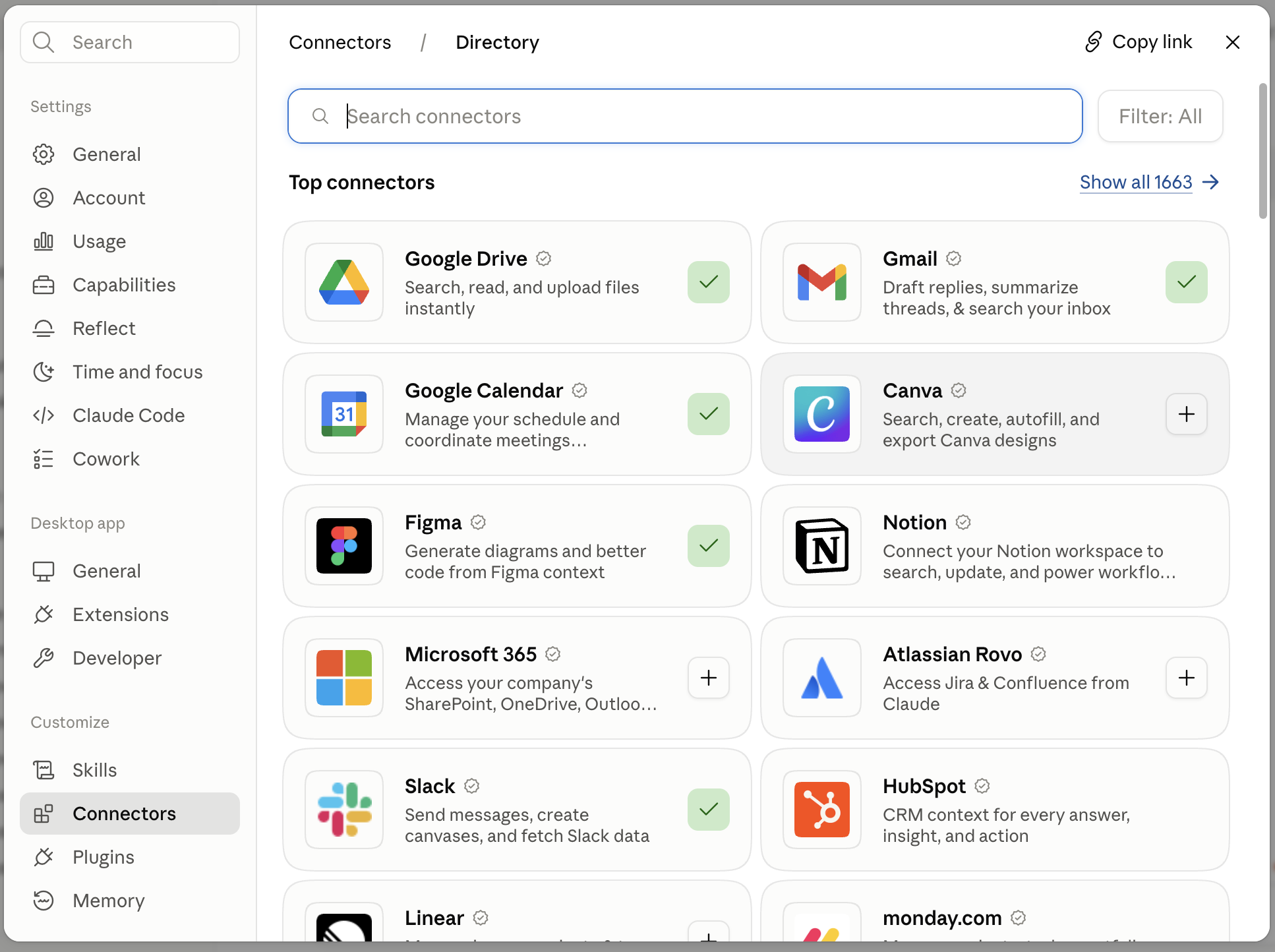
ヒント: Claude は、見えないものを理解することはできません。Claude の価値を最大化する最も効果的な方法の一つは、信頼できる情報源やチームが毎日使用するツールへと接続することです。
MCP は、Claude Code がツールやデータベース、API にアクセスできるようにする AI ツール連携のためのオープンソース規格です。チームがツールの情報をコピーして Claude へ貼り付ける作業を繰り返すようになったら、これらの接続を追加することを検討してください。
成熟したコマンドラインツール(gh、kubectl、bq、psql など)が既に存在し、Claude を利用したい場合、CLI 経由での接続の方がトークン効率に優れています。
エンジニアが直面するのと同じ正解基準に対して、システムも同じ方向で動作している状態です。
スタンドアップでの発表
アイデアが優先順位をつけられ、組織のリソースを活用して市場へ届くようになるためには、その機会を設ける必要があります。これはプロダクトマネージャーにとっては明確な道筋です。彼らの役割だからです。しかし、技術者以外の従業員にとってはその道筋が必ずしも明確ではありません。
Clay では四半期ごとのレビューを開催し、そこでプロトタイプを検討して正式なロードマップに組み込むことができます。これにより、Go-to-Market チームのメンバーが、訪問先のウェブサイトを自動で巡回し、リード獲得フォームに入力し、応答までの時間を計測し、体験を評価し、パフォーマンスレポートを生成する自律型エージェントを開発することが可能になりました。
Omni には、Claude で生成されたプロトタイプ専用の Slack チャンネルがあり、シニア技術者を含む全社員が貢献しています。また、「全員が製品をリリースする」という原則の帰結として「全員が顧客と対話する」ことを実践しています。

技術者が顧客との電話を自然に好むわけではありませんが、Omni はあえて彼らを顧客の前に立たせます。それによってフィードバックのループがより迅速に閉じるからです。Chris Merrick · Omni の共同創設者兼 CTO
スキルの共有
「全員が開発に参加する」状態と「断片的な開発」の間には、実は僅かな境界線しかありません。誰が作成した機能プロトタイプであっても、最終的には一貫性のある製品として統合される必要があります。ここで活躍するのがスキルです。これはチームの基準や文脈を記述した再利用可能な指示ファイルであり、プロセスが多様化しても開発の方向性を揃えるために役立ちます。
「チームの誰でも、Claude Code を使ってデザインシステムを参照しながら、製品のコンポーネントやマーケティング資料、プレゼン資料のドラフトを作成できます。製品に直接関わる AI は、より高い基準を満たす必要がありますが、Claude Code ならその精度で対応可能です」と、Heidi の Dr. Thomas Kelly は語っています。
また、新しい開発者や非技術職の従業員も、これによって迅速にオンボーディングし、すぐに業務を始めることができます。

「私たちはまた、Claude Code のスキルをまとめた GitHub リポジトリも持っています。これは共有ナレッジベースとして機能し、データベースやデータウェアハウスの場所、スキーマ情報、会社の全体像といった既知のエマージェント詳細を使って、素早く Claude Code セッションを開始できます。ここで完璧を目指そうとするのではなく、エージェントが迅速に検証して軌道修正できる限り、少し古くなったコンテキストファイルでも許容するのが良いでしょう。」
Mukund Jha · 共同創設者兼 CEO、Emergent

「当社のエンジニアは、Claude Code を活用して社内専用の専門エージェント市場を構築しています。役割ごとに整理されたこれらのエージェントにより、エンジニアリング、デリバリー、営業の各チームが、実際の業務に即したツールを利用できるようになっています。」
Jack O'Hara · 創設者兼 CEO、Translucent
02
退屈な作業を自動化する
エージェントがライフサイクルの機械的な 80% を担うことで、エンジニアは判断力を要するケースに集中できるようになります。
産業革命以来、すべての企業が技術を通じて効率化を図ってきました。しかし、これらのスタートアップは、その導入スピードと深さにおいて他社と一線を画しています。
これらの創業者たちは、AI が自社のミッションに不可欠な要素であると信じています。多くの場合、機械的な作業の 80% を AI エージェントが担うため、エンジニアは判断を要するケースに集中して時間を費やすことができます。

「誰もが AI 製品の開発に殺到していますが、自社の実際の運営体制を再構築している企業はごくわずかです。後者こそが大きな突破口となります。アーティミス・セキュリティ(Artemis Security)は、AI を利用する企業ではなく、AI ネイティブの企業として稼働しています。これにより、私たちのスピードが劇的に向上し、マシン速度で攻撃を阻止できるようになりました。」
Shachar Hirshberg · 共同創設者兼 CEO、Artemis Security
具体的には、他社に比べて AI がソフトウェア開発ライフサイクル(SDLC)の各段階により密接に統合されており、反復的なタスクをエンドツーエンドで処理するために設計された専用エージェントも増えています。ここではその具体例をいくつか見ていきましょう。
AI ネイティブな SDLC
特集されたスタートアップ企業の多くは、チームがエージェントによるコーディングプロセスに迅速に適応できるよう、さまざまな手段を導入しています。例えば、Emergent のムクンド氏によると、「入社初日に、新入社員は Claude に適切な markdown ファイルを指させるだけで、開発環境のセットアップをすべて完了させます。オンボーディング中に Claude が破損したファイルや古い情報に遭遇した場合、そのファイルを自動的に更新します。」
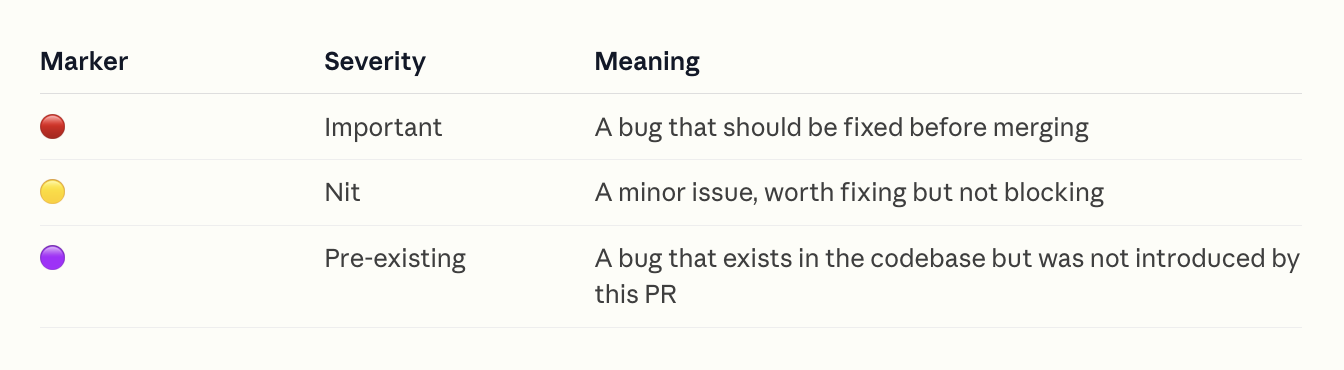
ヒント: Code Review(研究プレビュー)は、Claude Code 上で動作する管理型マルチエージェントサービスです。登録したリポジトリのプルリクエストに対して自動レビューを実行します。発見された課題については手動で修正してプッシュするか、GitHub Actions を設定・構成済みの場合は該当箇所に @Claude とコメントすることでクローズできます。
これらのチームは迅速な開発を遂行しているため、エンジニアのオンボーディングも素早く行う必要があります。

「当社のエンジニアはエージェントの群れを統括し、発見された生産環境上の問題に対してその日のうちに修正を適用しています。また、複数のプルリクエストを並行して進めています。あるエンジニアは、Claude のサブエージェントを並列運用して約 13 件のタスクを同時に処理しました。各サブエージェントが個別のチケットと対応するプルリクエストを担当します。」Tanay Tandon · CEO and founder, Commure
こうした組織では、Claude Code はコード生成だけでなく、レビュー機能も担っています。Heidi の Dr. Kelly 氏はこう述べています。「私たちは、検証済みの技術およびコンプライアンスフレームワークに対して自動コードレビューを実行し、重大な問題を特定して提案された変更を適切なレビュアーへ転送しています。これは、何もリリースされる前の段階で行われることです。」
これらの組織の中には、コードレビューやテスト、CI 用のカスタムエージェントを構築した企業もあります。スタートアップたちは単にコードをデプロイするだけでなく、ループの構築 に注力しています。
「私が最も気に入っている [エージェント] は『Translucent コードレビュアー』です。これは変更点全体に展開し、複数の角度からレビューを行い、シニアエンジニアが行うように結果を統合します。ただし、人間の一人よりもはるかに高速で処理できます」と、Translucent の創設者である Jack は語っています。
Clay については、「バグのトリアージ(選別)を一手に引き受け、初回対応から修正のためのコード変更提案まで行うエージェントを構築しました」と Kareem が述べています。
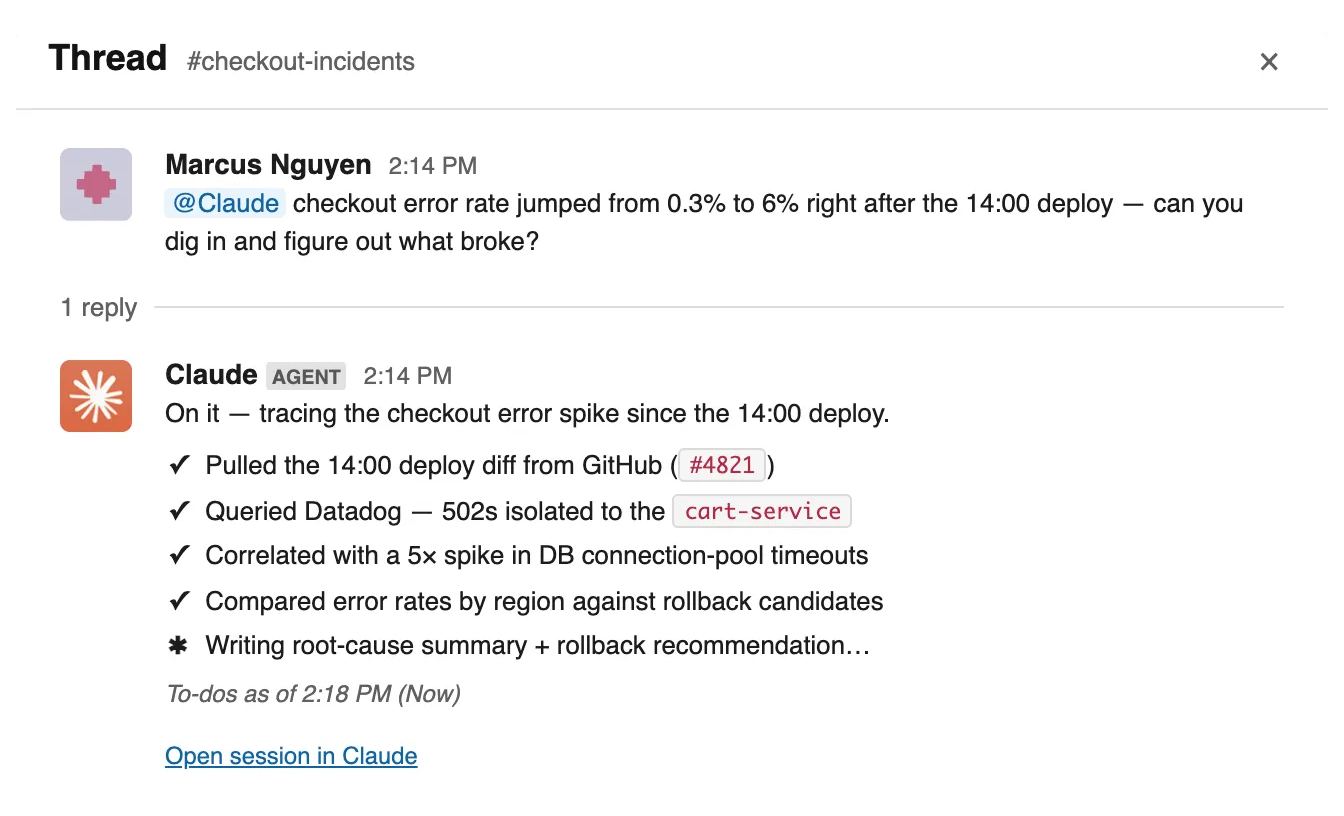
ヒント: 過去数ヶ月間、Claude Tag は Anthropic における CI/CD 障害のオンコール第一対応担当として活躍しています。Claude は関連するすべてのインシデントで最初の状況報告書を作成し、通常は初回分析を 15 分以内に公開しています。
Claude Tag には専用のサービスアカウント が用意されており、Datadog や Grafana など、Anthropic の CI エンジニアが必要とするツールへのアクセス権限も付与されています。スタンディングオーダー(常時指示)は、スキルとして Markdown ファイルに記述され、GitHub リポジトリにコミットされています。これにより複数のチームメンバーが指示を改善・更新でき、変更管理もコードと同様のプロセスで行えます。

この傾向は特に ClickHouse で顕著でした。同社の共同創業者兼 CTO の Alexey Milovidov 氏によると、データベース企業である ClickHouse はソフトウェア開発ライフサイクル(SDLC)のほぼすべての工程を自律的なループ化しています。不安定なテストの修正やテストカバレッジの欠落検出のために特別に設計されたエージェントが現在、ClickHouse リポジトリにおける貢献度の上位 2 位と 3 位を占めています。また、運用業務を担当する別系統のエージェントも存在し、チームは Claude Code を用いてこれらのエージェント自体の開発と反復改良を行っています。
エージェントによるプロセスの加速
もう一つの共通したパターンとして、これらのスタートアップは Claude Code における自律的なループを活用して開発効率を高めるだけでなく、繰り返し発生する退屈な業務を自動化するエージェントも構築していました。
これらは往々にしてルーチンワークであり、より多くのリソースを競合優位性の確立、顧客関係の構築、そしてトップラインの成長に集中させるために行われます。Claude によって加速されたプロセスとして最も頻繁に見られたのが、セルフサービス型データ分析です。
これらの企業のほぼすべてが、迅速な意思決定のために何らかのプロセスを整えていました。そこでは生データや非構造化データを即座に活用し、スタートアップの存亡に関わるピボット(方向転換)を可能にするための基盤となっています。
例えば、Clay は内部分析エージェントを構築し、Heidi は Claude Code を活用して顧客や臨床医からのフィードバックと利用データを分類することで、製品洞察に直結する重要なシグナルを浮き彫りにしています。
ClickHouse と Omni の両社も、Claude によって駆動される同様の AI データ分析機能をパッケージ化した製品を提供しています。
その他の事例としては、サブエージェントを活用して数千件の法文書を要約する Crosby、施設全体で請求データのスキャンを行い異常を検知する Commure、そして分析チームではタイムリーに検出できない警告サインを病院の財務データから継続的に掘り起こす Translucent などが挙げられます。
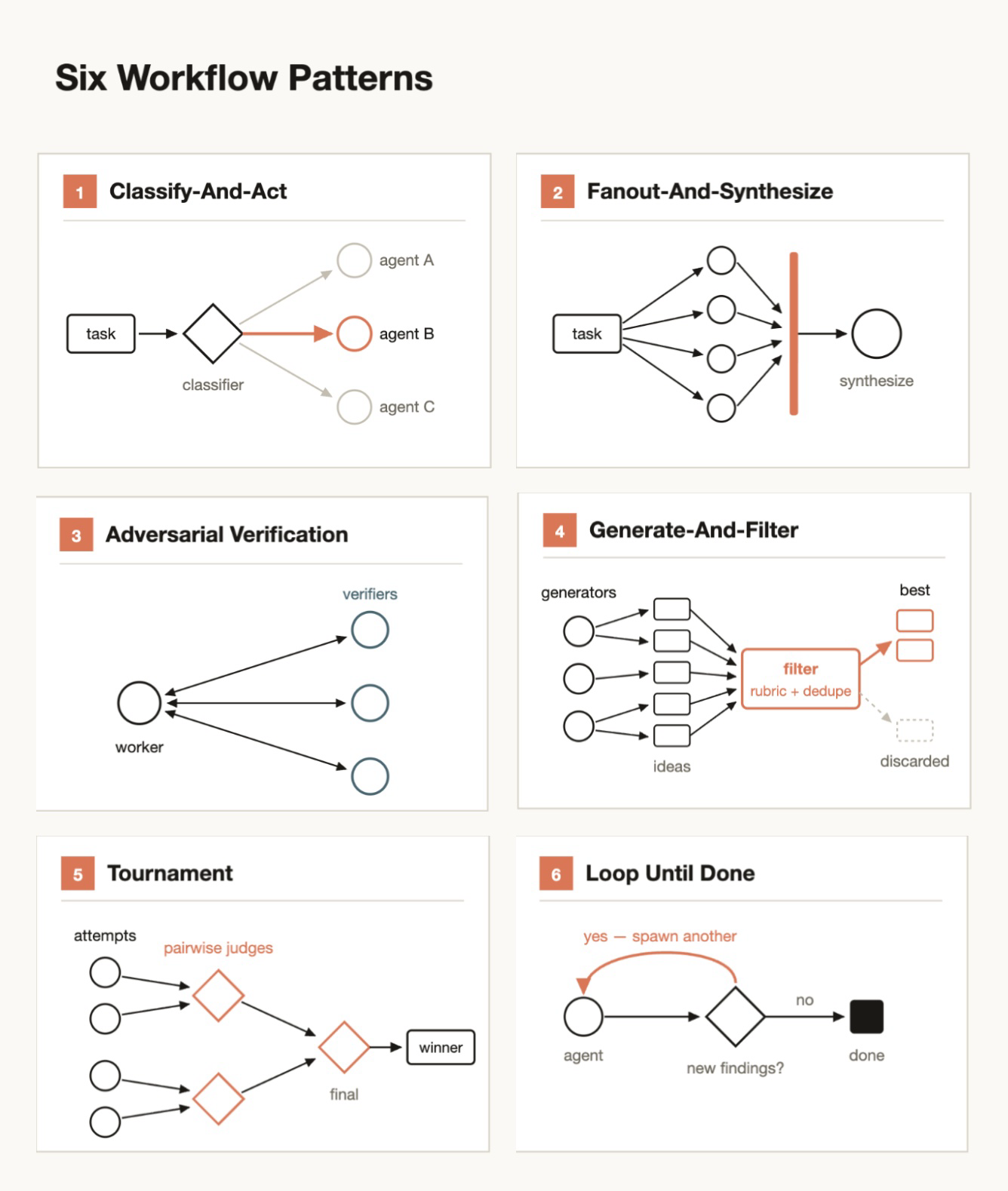
ヒント: 動的ワークフロー を利用すれば、複数のサブエージェントを並列に起動して大量データを分析したり、他者の作業に対する敵対的なレビューを行ったりできます。Claude Opus や Claude Fable といったモデルを使用する際は、「複数のサブエージェントを展開する」や「ワークフローを利用する」と指示を出してください。
03
信頼はするが、検証せよ
プロセスを自動化するには、結果を監視・検証できる確実な手段が必要です。
このルールは「退屈な作業の自動化」という第 2 のルールの必然的な帰結です。結果を監視・検証する確実な手段を持たなければ、プロセスを自動化することはできません。

Artemis Security の共同創業者である Dan Shiebler は、自社の展開スピードが向上した理由について、「エージェントがエンドツーエンドでコードをリリースできるようなテストインフラ、コードベースの整理、そしてチームのナレッジシステムに深く投資してきたから」と述べています。これは Claude を使って築いたフライングホイール(好循環)です。コードベース、ナレッジベース、そしてチームを正しい方法で構造化すれば、すべての貢献が複利のように積み重なっていくのです。

「初期段階では、Claude に完全な自律権を与えていました。すると AI 特有のことが起こります。推測されるコードを素早くリリースするのです。問題は、それが正しく見える方法でアーキテクチャから逸脱してしまったことです。そこで私たちは、絶対に変わらない不変条件(インバリアント)をすべて書き出しました。問題をどう定義するか、どんな状況でも真実でなければならないこと、自信満々な回答に頼るのではなく、実際に動作することの証明方法をどうするか。つまり、このチームがどのように思考しているかを記した 567 行のルールです。」
ヒント: 変更できない事項は、リポジトリのルートにある CLAUDE.md に記述してください。Claude はセッション開始時にこれを参照するため、アーキテクチャのルールやセキュリティの境界線、そして譲れない条件が、すべてのセッションに引き継がれます。
念のため言っておきますが、これらのスタートアップがエージェントをメインブランチにマージして「うまくいくことを願う」ような運用をしているわけではありません。多くの企業は規制の厳しい業界で活動しており、強力なガバナンスフレームワークが必要です。
Cainex は、医療記録を読み取り病院請求用のコードを生成する際に、エージェントと決定論的なチェックを組み合わせた例として特に示唆に富んでいます。

「医療コーディングにおいて、コードの誤りは単なるタイプミスではありません。請求やコンプライアンスに関わる事象です。この事実一つが、私たちがシステムを構築する際の指針となります。」
Uriah Israel · co-founder and CTO, Cainex
「これが、Claude Code が私たちにとって実行しているループです。エージェントでバッチ処理を行い、社内アプリで監査担当者が出力を確認します。彼らはコードそのものだけでなく、モデルの推論プロセスも確認し、両方に対してコメントを付けます。すべてはバージョン管理され、監査可能です」と彼は語ります。
「その後、Claude Code が引き継ぎます。データベースから元の予測値と、すべての修正履歴およびコメントを読み取ります。各修正には関連するコードの種類がタグ付けされており、Claude Code は診断に関する問題なのか、処置に関する問題なのか、あるいは他のカテゴリに属するのかを即座に把握します。そして、その特定のコーディング種別を規定するガイダンスへ直接アクセスできるのです。」
そこから、エージェントの指示のうち誤りを生んだ部分を特定し、修正します。あるいは、真に新しいケースであれば新たなガイドラインを記述します。すべての変更はバージョン管理された指示セットに対して行われ、失敗した記録データを用いて検証されます。彼が続けるには、「原則を修正するのだ。例を直すのではない」というルールを適用しています。
次にバックテストです。1 つの記録には複数の許容されるコーディングが存在するため、単純な文字列一致では判断できません。チェックは、承認されたセットに対する意味論的なマッチングと、『これは真の誤りか、それとも単に別の有効な経路か』を問う判定器を組み合わせて行います。さらに Claude Code 自身が追加で比較を行います。
候補となる変更案は、ゴールデンセット(正解セット)およびランダムサンプリングされたデータに対して実行され、リリース前に回帰現象がないか検出されます。結果として得られるのは、提案された編集内容、解決できなかった記録、そして回答を求めている質問の短いリストです。「エンジニアは機械的な 80% の作業に時間を割くのではなく、真に難しいケースに取り組むべきだ」と彼は言います。
この医療請求処理に特化したワークフローからは、創業者たちが多くの一般的な教訓を引き出すことができます。
例えば、Cainex では専門家が定期的に Claude の推論プロセスを見直し、ガイドラインを提供しています。これにより、指導内容が自己改善のループの一部となります。ただし、専門家たちは例を一つずつ修正するために存在しているわけではありません。その指導はあくまで自己改善のループに組み込まれるものです。Uriah が言うように、「原則を修正するのだ。例を直すのではない」のです。
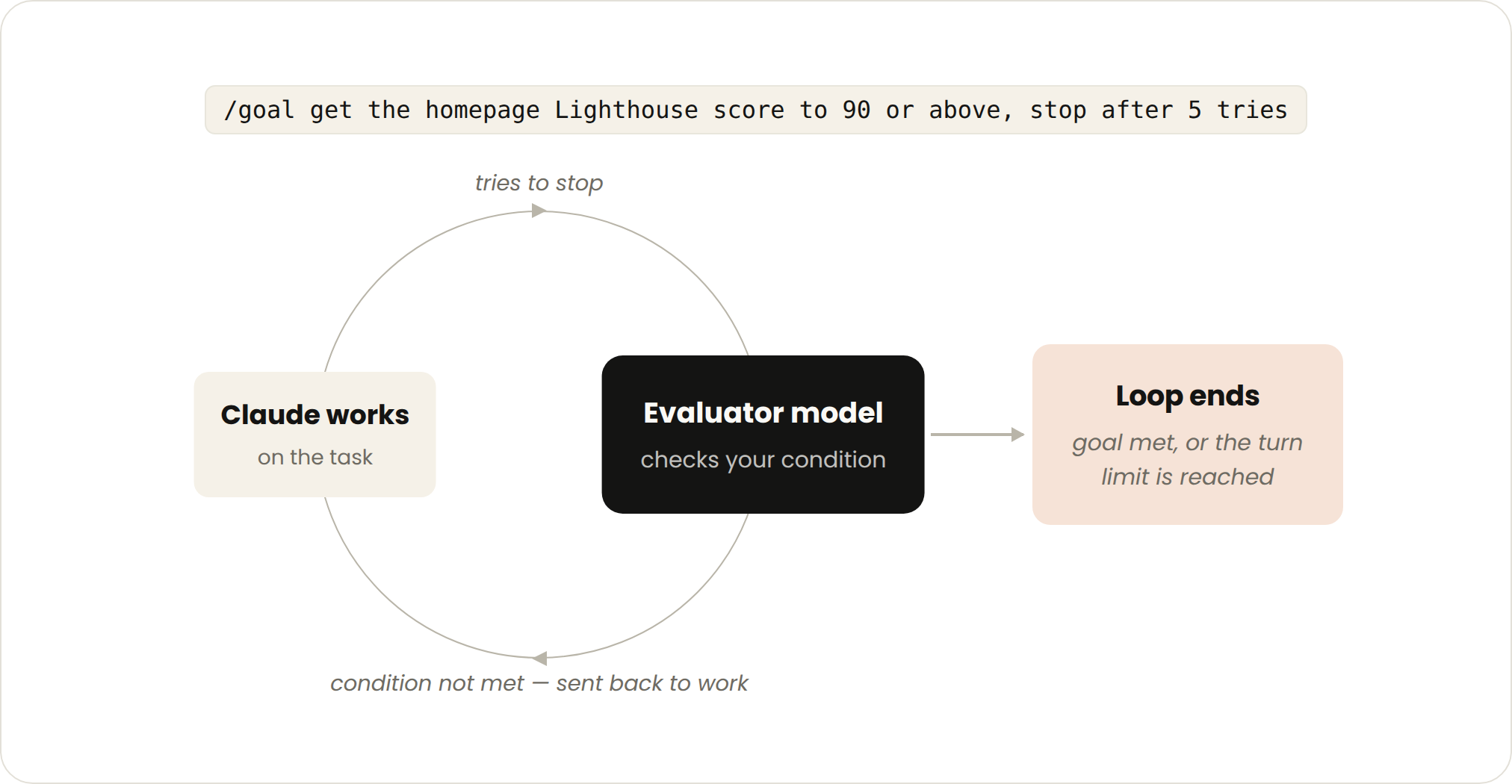
ヒント: ループは、停止条件が満たされるまで作業サイクルを繰り返すエージェントです。Claude Code をより自律的、あるいは長期にわたるタスクに活用するための効果的な手段となり得ます。スキルを使用して、エージェントが満たすべき基準を定義できます(定義が明確であるほど良いです)。そして、目標達成までエージェントに反復処理を行わせます。
例えば、多くの組織が「フラキーなテスト」を行うエージェントやループを作成します。これは停止条件が明確で自己完結しているためです。つまり、エージェントはテストを再実行してパスするまで自身の修正を検証できるのです。
もう一つの重要なポイントは、エージェントの精度を検証するためにチームが使用する、検証済みの質問と回答のペアからなる強力な評価用「ゴールデンセット」を維持する際の慎重さです。すべてのスタートアップは主要ユースケースに対して複数の評価セットを保持し、定期的に更新する必要があります。これにより、モデルの性能低下(ドリフト)を防ぎ、将来のモデルも適切に評価できるようになります。

「Claude Code は、モデルの更新速度を管理する方法も変えました。新しい動画や画像モデルが次々と登場し、それぞれデプロイ前には新たなスキル習得、評価、ルーティングロジックの構築、本番環境でのテストが必要です。しかし Claude Code を使えば、そのサイクルを数日から数時間に圧縮できます。本番環境で問題を検出し、同じセッション内で修正を適用することも可能です。10 倍の人員規模を持つ企業と競合している場合、こうしたレバレッジはすべてを変えます。」
Alex Mashrabov(Higgsfield の共同創業者兼 CEO)
ヒント: チームが初めてエージェントの構築を始める際、手動テストや社内利用(dogfooding)、そして直感だけで驚くほど高いレベルまで到達できることがあります。しかし、ユーザーから「変更後、エージェントの動作が悪化した」と報告された瞬間に壁にぶつかることが多く、チームは検証手段を持たず「盲目で飛行」している状態になります。実際の性能低下とノイズを区別できず、リリース前に数百のシナリオに対して自動テストを実行することも改善度を測定することもできません。詳細については、AI エージェントのための評価(evals)の謎解きをご覧ください。
ウリアーが最後に指摘したのは、このプロセスにはある程度の労力が必要だということです。「最初はここまでスムーズではありませんでした。最初のバージョンは過学習を起こし、特定のケースをエンコードすることで『修正』を行っていました。その結果、知性を高めるのではなく、パッチを積み重ねるだけになってしまったのです。そこでアプローチを変更し、一般原則を強制するとともに、一度の変更で取り込める具体的な情報の数を制限しました。」
ヒント: AI エージェントは確定的ではありませんが、多くの厳格な規制下での業務では、毎回同じ手順で処理を行うことが求められます。Claude Code には、最先端の知性と確定的なプロセスを組み合わせるための機能があります。
Hooks は、Claude Code のライフサイクルにおける固定されたタイミングで発火するユーザー定義コマンドであり、堅牢なゲートとして機能します。モデルがどのような判断を下そうとも、これらは毎回必ず実行されます。例えば、リンティングに失敗した書き込みをブロックしたり、コミット前にテストのパスを必須としたり、サンドボックスからデータが流出する前に機密情報を削除したりするために利用できます。
Dynamic workflows は、確定的な順序付け、独立したコンテキストウィンドウ、そして焦点を絞った目標によってサブエージェントを統括します。/goal コマンドは、Claude がタスクを早期に完了と判断してしまったり、レビュー時に自身の発見を優先したり、元の目的から逸れてしまったりする可能性がある、長期かつ複雑なタスクにおいて特に役立ちます。
04
再構築のために設計する
モデルの能力はこれらのチームの下で絶えず変化するため、ほとんどが恒久的なものとして扱われることはありません。
AI ネイティブのスタートアップ企業の多くは、絶え間ない再構築の過程にあります。
彼らが何を作り、どのように作るかにおいて、AI は常に中心に位置しています。モデルの能力が継続的に進化するため、画期的な機能や重要な基盤さえも、それが sunk cost(埋没費用)となった瞬間に捨てられることが珍しくありません。これらの組織の多くは、この絶え間ない再構築こそが競争優位性の源泉であると捉えていました。
「私たちが Clay で行っているのは、一度作ったらまた作り直し、さらにその次も作り直すことです。そして四回目の作成では、必要なものがすべてわかっており、正しく実装できます。必ずしも捨てているわけではありません。ただ、より明確なビジョンを持って再構築しているだけです」と Kareem は語ります。
「新しい方針がリリースされたからといって、再構築は完了したとは限りません。古い方針が完全に消えた時こそが完了です。これまで『テardown(解体)』は優先順位でいつも負けていました。面倒くさい作業であり、機能の提供にはつながらないからです」と Commure の共同創業者である Tanay は話します。
「しかし現在では、Commure のエンジニアは Claude のスキルを呼び出すだけで、『すでに全員にリリース済みのすべての機能フラグについて、それと関連するコードを削除するための PR を開いてください』という指示を実行できます。エンジニアはその結果を確認するだけです。以前なら開発サイクルの多くを食い潰していた移行作業も、今は数時間で完了する計画と実行で済むようになりました。」
ヒント: git worktrees を使って、現在のバージョンをそのままに保ったままリポジトリのコピーを隔離してビルドし直すことができます。Claude Code なら自動的にその環境を構築してくれます。v1 の横で v2 を動かして両方に対して評価を実行し、新しい方が勝つ場合のみマージすればよいのです。これが「4 回作っても安い」と言われる所以です。
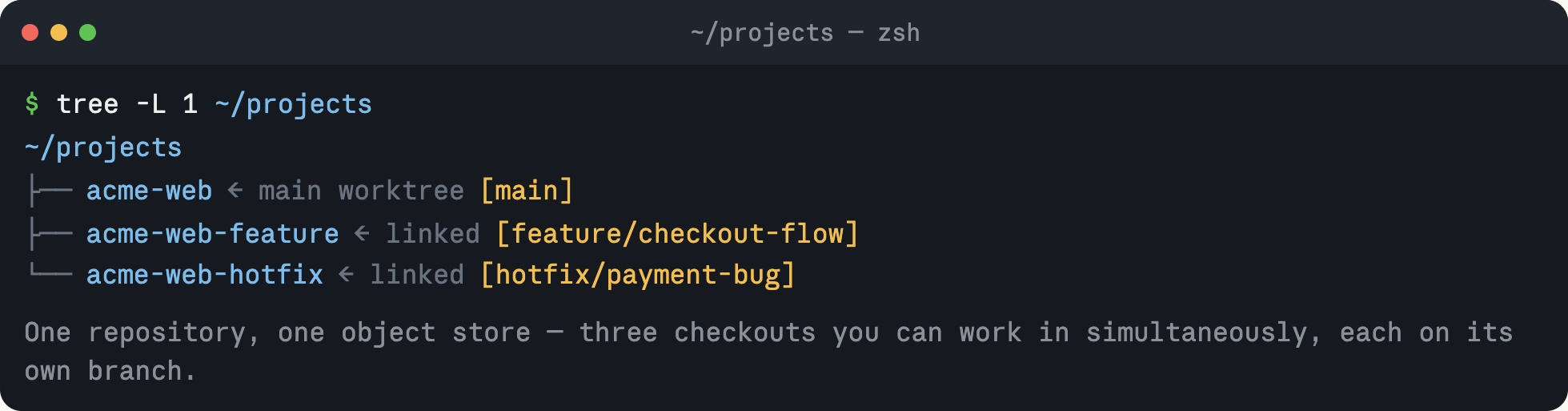
- 1 つのリポジトリ、1 つのオブジェクトストア。同時に作業できるチェックアウトが 3 つあり、それぞれが独立したブランチ上にあります。
各リンクされたワークツリーは、独自のブランチをチェックアウトした通常のディレクトリです。これら 3 つはすべて acme-web 内部にある単一の .git オブジェクトストアを共有しています。
Kareem はまた、Clay の競争優位性の一部として、「常に再構築し、進化し、自己改善のループを生み出す能力」を挙げています。
「現在、どの企業にとっても最大の強みは、自ら進化する仕組みを持っていることです。つまり Clay は、自ら学習して収益を上げるエンジンです。このツールを使うほどに、誰が最高の顧客なのか、何を言うべきか、何が成功し何が失敗したのかという知見が蓄積され、それは時間とともに変化していきます」と彼は語ります。「重要なのは、いかに早く流通網(ディストリビューション)を獲得できるかです。そうすれば各顧客を支援でき、結果としてシステム自体が自己改善できるようになるのです。」
2026 年 5 月の「Code with Claude」イベントで、ハーヴィー(Harvey)の応用 AI 担当責任者であるニコ・グルペン氏は、モデル機能の新たな波——推論能力の創発や自律的な自動化、計画と調整など——が、プラットフォーム全体の再構築を必要とすると語りました。

「半年前なら、私たちのアーキテクチャについて聞かれたら、今日とは根本的に異なる答えをしたでしょう。もし『これは捨てて、エージェントネイティブな方向へ進む必要がある』と断言する勇気がなければ、現在のプラットフォームにこれらの機能は存在しなかったはずです。」
同じイベントで、コグニション(Cognition)の共同創業者であるワルデン・ヤン氏もこう述べています。

「現在、AI を構築するあり方とは、今日作ったものが 6 ヶ月から 1 年後にはほぼ間違いなく廃棄されることを受け入れることです。……[Devin] は 2 年前のモデルセットでは決して実現不可能でしたが、『今日はうまくいかないかもしれないが、すぐにそうなるだろう』という賭けでした。」
ヒント: 大規模な書き換えを行う場合は、Claude Code を プランモード (--plan または Shift+Tab キー) で起動してください。Claude はコードベースを探索し、コードを書き始める前に再構築のアプローチを提案します。あなたが承認するか、方向転換するかを決めることができます。これは、アーキテクチャから逸れようとしている再構築を最も安く検出できる場所です。
05
プロトタイプ作成、社内利用、本番環境への移行
AI を活用して開発することで、これらのスタートアップは AI によって製品に破壊的な革新をもたらすことができます。これが彼らのプロセスの中心にある「フライングホイール(好循環)」です。
多くのスタートアップが、開発プロセスの核心に重要なフライングホイールを持っています。AI を使って開発を進めることは、AI を活用した破壊的な製品を生み出す手助けをします。
開発者がエージェントによるコーディング手法を深化させるにつれ、モデルの能力に対する理解が深まり、最前線におけるハッチ設計(harness design)の進化についても洞察を得られます。そして、そのインスピレーションを自らのエージェントや製品に活かすことができます。
「Anthropic のファイルと埋め込みベクトルのアプローチからヒントを得て、自社プロダクトでもシンプルさを保つ決断ができました。RAG パイプラインから生じる複雑な部分を多く回避できたのです」と Omni の Chris は語っています。「また、Claude Code のハッチがユーザーに並列処理を可能にしている様子も見ており、そのコンセプトの一部を自社の UI にも取り入れました」
これにより、自社プロダクトのパフォーマンスに対する感度を保つことにもつながります。
「当社のアプリビルダーも裏側で Anthropic のモデルを利用しているため、製品上で何らかの挙動が確認された場合、Claude Code を使ってローカル環境ですぐにデバッグできます。それがモデル側の挙動なのか、ハッチ(制御枠)側の問題なのかを切り分けられるのです。これにより、トラブルシューティングのサイクルが劇的に短縮されました」と、Emergent の Mukund 氏は語っています。
繰り返し聞かれた共通のパターンは、Claude Code を活用して社内エージェントを構築し、社内で実際に使い倒した上で、その反応次第で顧客向けプロダクトへと展開するというものです。多くの場合、Claude API や SDK、あるいは Claude Managed Agents を通じて展開されます。
「当社の製品には、チームが直接対話する AI エージェントを複数実装しています。SQL コンソール内のエージェントや、AI による SRE(サイト信頼性エンジニア)などがその一例です。これらのエージェント自体の構築と改善にも Claude Code を活用しています。つまり、顧客の AI 体験を支えるツール群の一部は、AI によって作られているのです」と、ClickHouse の Alexey 氏は述べています。
チェックリスト
本ガイドでは多くのトピックを取り上げましたが、ここでは主要なポイントを1ページにまとめました。
第1章:全員がリリースする
Claude は、見えないものを理解することはできません。真実のソースやチームが毎日使用するツールを MCP や CLI を通じて接続してください。企業向けプラグインマーケットプレイス を作成すれば、ある従業員のベストプラクティスを、スキルとして即座に他のメンバーへ共有できます。リポジトリの各サブディレクトリに CLAUDE.md ファイルを配置し、そのディレクトリ固有のコーディング規約を定義しておけば、毎回自動的に適用されます。また、オンデマンドの手順ワークフローにはスキルを活用しましょう。
第2章:退屈な作業の自動化
リポジトリに Code Review(研究プレビュー版)を設定し、PR に対する自動レビューパスを確立しましょう。また、Claude Tag(パブリックベータ版)を CI/CD のオンコール対応やバグのトリアージプロセスに組み込みます。
Dynamic workflows を活用すれば、複数のサブエージェントを並列化して大量データを分析したり、他のエージェントの作業に対する敵対的レビュー(adversarial review)を実施したりすることが可能です。
第4章:再構築のために設計する
git worktrees を活用すれば、現在のバージョンをそのままに保ったまま、リポジトリの孤立したコピーでビルドと再構築を実行できます。これこそが「4 回ビルドしてもコストがかからない」理由です。
大規模な書き換えを行う際は、Claude Code の プランモード(/plan または Shift+Tab キー)から始めてください。Claude はコードを書き始める前にコードベースを探索し、再構築のアプローチを提案します。その後、あなたが承認するか、方向性を指示するだけです。これは、再構築が設計思想から逸れようとした段階で最も低コストに検出できる場所です。
最先端で事業を行うスタートアップは、最先端で事業を行っている
これらの洞察は、同じく最先端で事業を推進している仲間たちからのものです。実践的で即座に活用できる内容であれば幸いです。Claude のスタートアップコミュニティは、インスピレーション、ベストプラクティス、アドバイスが絶えず得られる宝庫です。以下の方法でコミュニティに参加できます。
- スタートアップニュースレターへの購読とスタートアッププログラムの参加
- 今後の Claude Code ウェビナーのブックマーク(academy.claude.com/code/webinars)
- お近くのイベントへの参加(luma.com/claudecommunity)
- Reddit や Discord での貢献
- 初期段階の企業は、クレジットやサポートを受けられる Claude for Startups プログラム への応募も可能です。
原文を表示
Prefer a PDF?
This guide is also available for download — the same five rules, founder insights, and checklist, laid out for reading offline or sharing with your team.
AI natives working at the frontier
If you want to take a peek at the future of work, ask startups how they are operating today. So we did.
We spoke with more than a dozen fast-growing startups about how they use agentic coding tools to build products and scale their companies. These startups are changing the rules of who gets to build, what gets scrapped, and how to create a flywheel between how you build and what you build.
And they are shipping like organizations ten times their size.
ClickHouse30%more features shipped
Omni2–3xengineering productivity
Clay100%of bug triage automated
Artemis Security6,000+PRs a week
In this guide, we'll dive into the unique deployments of these organizations to learn the rules they follow to ship fast and maintain their competitive advantage.
In doing so we'll also start to glean an answer to the question: what would it look like if an organization built their product development lifecycle with Claude Code from the ground up?
Tip: Only interested in the practical next steps? We've put a checklist at the end of this guide that consolidates the key technical tips contained in each chapter.
01
Everyone ships
Agentic coding lowers the barrier to entry, so the person who understands the problem can ship the first version of the fix.
Agentic coding lowers the barrier to entry for non-technical employees to build products. With Claude Code, you can create functional features without being fluent in a coding language or how to use an IDE.
"Not only were engineers shipping much more, but non-technical people (like me) were also suddenly shipping UI changes and other product improvements."Mads Lunau Liechti · co-founder, Parahelp
For startup founders this has obvious advantages. For one, they don't have the headcount of their larger competitors so it's "all hands on deck." But it's not just raw capacity that founders are after–these non-technical members of the team bring domain expertise as well.
"Claude Code changed what it meant to be a lawyer at Crosby. The lawyers have the best product insights, because they are the users. It's been amazing to watch them cook."Ryan Daniels · co-founder and CEO, Crosby
We heard the same thing from Dr. Thomas Kelly, co-founder and CEO of Heidi.
"For us, Claude Code solved the broken telephone problem. The way a new idea used to move through a team was the person with the idea tells a PM, who tells a designer, who then tells an engineer… and inevitably the essence of the idea gets lost in that chain. By the time something shipped, it often didn't resemble what the person had in mind. And it took weeks. Claude Code collapses that chain. The person who actually understands the problem can ship a PR bringing in designers and engineers for the parts where their expertise matters."Dr. Thomas Kelly · co-founder and CEO, Heidi
Saying "everyone ships" makes for a great LinkedIn post, but how does that work in reality? Is the marketing team approving pull requests? Is the legal team working through the intricacies of bisecting flaky tests?
The answer we got is that there is still a division of labor. Marketers still focus on marketing and developers still focus on developing. But the all important first step of getting an idea to working prototype, of going from 0 to 1, is open to everyone.
We also saw the most effective startups create mechanisms to make these contributions systemic rather than leaving it to chance or individual ambition.
Create connections
It's one thing to create expectations for employees to use AI, it's another to give them access to Claude Code and the tools they need.
"We're actually not running away from [having non-technical employees contribute], we're going towards it. Our take is every role is becoming an engineering role because you can build software for it… so we hire people who are tinkerers, who are interested in building"Kareem Amin · co-founder and CEO, Clay
At Crosby, the team didn't bring lawyers to Claude Code, they brought Claude Code to the lawyers by connecting it to the tools and operating systems they were familiar with and worked in every day.
Tip: Claude can't understand what it can't see. One of the most effective ways to extend Claude's value is to connect it to sources of truth and the tools your team uses every day.
MCP is an open source standard for AI-tool integrations that give Claude Code access to your tools, databases, and APIs. Explore adding these connections whenever your team finds itself copying and pasting information from a tool into Claude.
Connecting via CLI can be more token-efficient when a mature command-line tool already exists (gh, kubectl, bq, psql) and you want Claude working against the same ground truth your engineers do.
Standup showcases
At some point, ideas need to be given the opportunity to be prioritized so that organizational resources can help bring them to market. That road is clear for product managers—it's their job after all—but not as clear for non-technical employees.
Clay creates quarterly reviews where prototypes are considered and can enter the formal roadmap. This is how a go-to-market team member at Clay built an autonomous agent that visits your websites, fills out your lead-capture forms, times how long it takes to respond, rates the experience, and generates a performance report.
Omni has a dedicated Slack channel for Claude generated prototypes with contributions from everyone including senior technical staff. They also practice the corollary of "everyone ships," which is "everyone talks with customers."
Even though engineers don't naturally gravitate toward customer calls, Omni deliberately puts them in front of customers because it closes the feedback loop faster.Chris Merrick · co-founder and CTO, Omni
Share skills
The line between "everyone ships" and "piecemeal" can be a thin one. Feature prototypes, whoever they come from, still need to be integrated into a product that feels like a cohesive whole. This is where skills, reusable instruction files that encode your team's standards and context, can help ensure development stays aligned even as the process becomes increasingly democratized.
"Anyone on the team can draft product components, marketing collateral or deck material from Claude Code using our design system as reference. AI that touches the product must clear a much higher bar, which Claude Code helps us meet with more precision," said Dr. Thomas Kelly, Heidi.
They can also get new developers and non-technical employees onboarded and up and running quickly.
"...we also have a GitHub repo of Claude Code skills which works as a shared knowledge base to quickly bootstrap a Claude Code session with known Emergent details like database [and data warehouse] location, some schema [information], overall company context….instead of trying to be perfect here, it is ok to live with slightly outdated context files as long as the agent can quickly verify and course correct."Mukund Jha · co-founder and CEO, Emergent
"Our engineers use Claude Code to spin up an in-house marketplace of specialized internal agents, organized by role, so engineering, delivery, and sales each get tools built for how they actually work."Jack O'Hara · founder and CEO, Translucent
02
Automate the tedium
Agents own the mechanical 80% of the lifecycle so engineers spend their time on the cases that actually need judgment.
All companies have sought to gain efficiencies through technology since the dawn of the industrial revolution, but these startups separated themselves by the speed and depth of their adoption.
These founders believe AI is an essential component of their mission. Many are explicit that agents own the mechanical 80% so engineers spend their time on the cases that actually need judgment.
"Everyone's racing to build AI products. Far fewer are rebuilding how their company actually runs. The second one is the bigger unlock. Artemis Security runs as an AI-native company, not a company that happens to use AI. This supercharges our velocity and allows us to help customers stop attacks at machine speed."Shachar Hirshberg · co-founder and CEO, Artemis Security
Specifically, we saw AI more tightly integrated across their SDLC stages than others as well as more purpose built agents designed to take recurring tasks end-to-end. Let's look at a couple examples of both.
AI-native SDLCs
Many of these featured startups have implemented means of accelerating their teams' onboarding into their agentic coding processes. For example, at Emergent, Mukund told us, "on day one, a new hire bootstraps their entire dev setup by pointing Claude at the right markdown file. If Claude hits anything broken or out of date during onboarding, it updates that file."
Tip: Code Review (research preview) is a managed multi-agent service in Claude Code. It runs an automated review pass on PRs in the repos you enable. You can manually fix the finding and push, or close the loop by commenting @Claude on the finding (if you've set up and configured GitHub Actions).
These engineers need to be onboarded quickly because these teams ship fast.
"Engineers here are orchestrating agent fleets, shipping fixes to production data problems the same day they're found, and running multiple PRs in flight simultaneously. One engineer ran a ~13-ticket initiative with Claude subagents in parallel, each owning a ticket and its PR."Tanay Tandon · CEO and founder, Commure
At these organizations, Claude Code not only helps generate code, but reviews it too. "We run automated code reviews against our vetted technical and compliance frameworks, flagging critical issues and routing suggested changes to the right reviewers before anything ships," said Dr. Kelly of Heidi.
Some of these organizations have also built custom agents for code review, testing, and CI. These startups have placed considerable attention on building loops vs just deploying code.
"My favorite [agent] is the "Translucent code reviewer," which fans out across a change, reviews it from multiple angles, and synthesizes the results the way one of our senior engineers would but faster than any one person could," said Translucent founder Jack.
Clay "...built an agent that handles…bug triage, from first pass to suggesting code changes for fixes," said Kareem.
Tip: For the last several months Claude Tag has been the on-call first responder for CI/CD failures at Anthropic. Claude authored the first situation report in every recent incident that had one, typically publishing its first analysis within 15 minutes.
Claude Tag has its own service account and access to the tools an Anthropic CI engineer needs such as Datadog or Grafana. Standing instructions are in markdown files as skills, committed in a GitHub repository. This way multiple teammates can iterate on them and we can manage changes just like we do code.
This was most pronounced at ClickHouse, where co-founder and CTO Alexey Milovidov reported the database company had turned nearly every SDLC stage into an autonomous loop. Two purpose-built agents designed to fix flaky tests and find missing test coverage are now the #2 and #3 contributors to the ClickHouse repo. A separate family of agents handles operations, and the team uses Claude Code to build and iterate on those agents themselves.
Accelerating processes with agents
Another consistent pattern was that these startups were not only using agentic loops in Claude Code to accelerate their development efforts, but they were also creating agents to accelerate recurring and often tedious processes.
This was often routine work so that more attention could be focused on their competitive advantage, customer relationships, and on top-line growth. One of the most common processes we saw accelerated by Claude was self-service data analytics.
Nearly every one of these companies had some process in place so they could make quick decisions with fresh data, including unstructured data, that fuels the pivoting so essential in the life of a startup.
For example, Clay built an internal analytics agent and Heidi uses Claude Code to categorize customer and clinician feedback alongside usage data to surface signals that matter for product insights.
Both ClickHouse and Omni ship products that package this type of AI data analysis within them, all powered by Claude.
Other examples include summarizing thousands of legal documents with subagents (Crosby), sweeping claims data to flag anomalies across sites (Commure), and continuously mining hospital financial data for warning signs no analyst team could catch in time (Translucent).
Tip: Dynamic workflows can be used to fan multiple subagents to analyze large amounts of data in parallel or to conduct an adversarial review of another agent's work. When using a model like Claude Opus or Claude Fable say "fan out multiple subagents," or "use a workflow."
03
Trust, but verify
You can't automate a process unless you have a reliable means of monitoring and verifying the outcome.
This rule is the necessary corollary to Rule 2: Automate the tedium. You can't automate a process, unless you have a reliable means of monitoring and verifying the outcome.
Artemis Security co-founder Dan Shiebler said their increased deployment speed only works…"because we've invested deeply in testing infrastructure, codebase organization, and team knowledge systems that let agents ship end to end. This is the flywheel we've built with Claude: structure your codebase, knowledge base, and team the right way, and every contribution compounds."Dan Shiebler · co-founder, Artemis Security
"Early on we gave Claude full autonomy and it did what AI does. It shipped plausible code fast. The problem was it drifted from our architecture in ways that looked right but weren't. So we…wrote down every invariant. How we frame problems. What has to be true no matter what. How to prove something works instead of trusting a confident answer. 567 lines of how this team thinks."Victor Hunt · co-founder and CEO, Zingage
Tip: Put what can't change in CLAUDE.md at the root of your repo. Claude reads it at the start of every session, so your architecture rules, security boundaries, and non-negotiables travel with every session.
To be clear, none of these startups are having agents merge to main and hoping for the best. Many of them operate in highly regulated industries and require strong governance frameworks. Cainex is a particularly illustrative example of combining agents with deterministic checks to read medical records and generate codes that direct hospital billing.
"In medical coding, a wrong code isn't a typo. It's a billing and compliance event. That one fact governs how we build."Uriah Israel · co-founder and CTO, Cainex
"Here's the loop Claude Code runs for us. We process a batch with an agent, and our auditors review the output in an internal app. They don't just see the codes. They see the model's reasoning, and they comment on both….Everything is versioned and auditable," he said.
"Then Claude Code takes over. It reads the original predictions, along with every correction and comment, straight from the database. Each correction is tagged by the kind of code involved, so Claude Code knows whether it's looking at a diagnosis issue, a procedure issue, or another category, and it can go straight to the guidance that governs that specific kind of coding.
From there, it finds the part of the agent's instructions that produced the mistake and revises it, or writes new guidance when the case is genuinely new. Every change is made against a versioned set of instructions and tested against the records that failed. The rule we enforce: fix the principle, not the example," he continued.
"Then the back-test. A record can have more than one acceptable coding, so it's not a string match. The check combines semantic matching against our accepted sets with a judge that asks, 'Is this a real error or just a different valid path,' and Claude Code adds its own comparisons on top.
It runs the candidate change across a golden set plus random samples and surfaces any regressions before anything ships. What comes back is a short list: suggested edits, the records it couldn't resolve, and the questions it wants answered. Engineers spend their time on genuinely hard cases rather than the mechanical 80%," he said.
There are many generalized takeaways that founders can glean from this healthcare billing specific workflow.
For example, Cainex uses subject matter experts to routinely review and guide Claude's reasoning, and ensure that guidance becomes part of a self-improvement loop. However, those experts aren't there to fix example by example, their guidance is used as part of a self-improvement loop. As Uriah puts it "fix the principle, not the example."
Tip: Loops are agents that repeat cycles of work until a stop condition is met. They can be effective ways to use Claude Code for more autonomous or long-horizon work. You can use skills to define what criteria the agent needs to meet (the more clearly defined the better) and have the agent iterate until it reaches its goal.
For example, many organizations create flaky test agents, or loops, because the stop condition is clear and self-contained: the agent can verify its own fix by rerunning the test until it passes.
The other takeaway is the diligence placed on maintaining a strong evaluation "golden set," or group of verified question answer pairs the team uses to verify the agent's accuracy. Every startup should maintain multiple sets of evals for their key use cases, and update them regularly, so they can prevent drift and evaluate future models.
"[Claude Code has] also transformed how we manage model velocity. New video and image models arrive constantly. Each requires new skills, evaluations, routing logic, and production testing before deployment. Claude Code has compressed that cycle from days to hours, allowing us to identify issues in production and deploy fixes in the same session….When you're competing against companies with 10x the headcount, that kind of leverage changes everything."Alex Mashrabov · co-founder and CEO, Higgsfield
Tip: When teams first start building agents, they can get surprisingly far through a combination of manual testing, dogfooding, and intuition. The breaking point often comes when users report the agent feels worse after changes, and the team is "flying blind" with no way to verify except to guess and check. Teams can't distinguish real regressions from noise, automatically test changes against hundreds of scenarios before shipping, or measure improvements. For more information read: Demystifying evals for AI agents.
The final point Uriah makes is that this process can take some work. "It didn't start this clean. Our first version overfitted. It would 'fix' things by encoding the specific case, and we were accumulating patches instead of getting smarter. We changed the approach to force general principles and to cap how many specifics can enter a change at all."
Tip: AI agents are not deterministic, but a lot of highly regulated work requires processes to be done the same way every time. Claude Code has features that can help combine frontier intelligence with deterministic processes.
Hooks are user-defined commands that fire at fixed points in Claude Code's lifecycle and can serve as hard gates. They execute every time regardless of what the model decides. For example they can be used to block a write that fails a lint, require a test pass before commit, or strip secrets before anything leaves the sandbox.
Dynamic workflows orchestrate subagents with deterministic sequencing, separate context windows, and focused goals. /goal is helpful for long complex tasks where Claude may prematurely call the job done, prefer its own findings when reviewing, and drift from its original goals.
04
Build for rebuilding
Model capability keeps shifting underneath these teams, so very little is treated as permanent.
Many of these AI-native startups are in a state of constant reinvention.
AI is often at the heart of what they are building as well as how they are building it. Since model capability continuously evolves, groundbreaking features and critical scaffolding were discarded the minute they became sunk costs. Many of these organizations saw this constant rebuilding as part of their competitive advantage.
"What we do at Clay is you build it and then you build it again and then you build it again. And then the fourth time you build it, you know everything that's needed and you get it right. And so we don't necessarily throw away things. We just rebuild it: and this time with more clarity," said Kareem.
"A rebuild isn't done when the new path ships. It's done when the old path is gone. Teardown always lost the prioritization fight before: it's tedious and it ships no features," said Commure co-founder Tanay. "Now one of Commure's engineers just invokes a Claude skill to the tune of 'for every feature flag already released to everyone, open a PR removing it and the associated code,' then the engineer reviews what comes back. Migrations that used to eat a lot of dev cycles are now a plan and a fan out, done in a couple of hours."
Tip: Use git worktrees to run a rebuild in an isolated copy of the repo while the current version stays untouched. Claude Code can spin one up for you — you get v2 running next to v1, run your evals against both, and only merge when the new one wins. This is what makes "build it four times" cheap.
Each linked worktree is an ordinary directory with its own checked-out branch; all three share the single .git object store inside acme-web.
Kareem also described part of Clay's moat as the ability to constantly rebuild, evolve, and create self-improvement loops.
"I think the moat for any company right now is that it needs to be self-improving. So Clay is a self-learning revenue engine. So the more you use this, the more we know who your best customers are, what should you say, what's worked, what hasn't and that's changing over time," he said. "The race is really, whoever can get to the distribution fastest… so you can help each [customer] so that you can self-improve."
At a May 2026 Code with Claude event, Niko Grupen, Harvey's Head of Applied AI spoke about how each new wave of model capabilities — emergent reasoning, agentic automation, planning and orchestration — required a full re-architecture of the platform.
"If you asked me six months ago what our architecture looks like, I'd give a fundamentally different answer from what it looks like today. If we hadn't been willing to say 'Hey, we need to scrap this and go agent native' we simply could not have these capabilities in our platform right now."Niko Grupen · Head of Applied AI, Harvey
At the same event, Cognition co-founder Walden Yan said:
"The way of life of building AI right now is accepting that the thing you build today is very likely going to be scrapped in six months to a year.... [Devin] was very much not possible with the set of models we had two years ago, [but the bet was] this may not work today, but it will soon."Walden Yan · co-founder, Cognition
Tip: For non-trivial rewrites, start Claude Code in plan mode (--plan or hit Shift+Tab). Claude will explore the codebase and propose the rebuild approach before writing any code — you approve or redirect. It's the cheapest place to catch a rebuild that's about to drift from your architecture.
05
Prototype, dogfood, productionize
Building with AI helps these startups create disruptive products with AI — the flywheel at the heart of their process.
Many of these startups have a key flywheel at the heart of their development process. Building with AI helps them create disruptive products with AI.
When developers advance their agentic coding practices, they have a stronger grasp on the model's capabilities and insights into how harness design evolves at the frontier. They can then use this inspiration in their own agents and products.
"We took inspiration from [Anthropic's] file vs embedding approach, which emboldened us to keep things simple in our own product. We avoided a lot of complexity that would have come from a RAG pipeline," said Chris, Omni. "We also saw how Claude Code's harness was enabling users to do things in parallel and adapted some of those concepts into our own UI."
It also helps them stay attuned to their own product performance.
"Because our app builder also uses Anthropic models behind the scenes, if we ever see a behavior on our product… we can quickly debug locally via Claude Code to tell whether it's model behavior or a harness issue. This has tremendously helped improve our triage cycles," said Mukund, Emergent.
The pattern we heard repeatedly was build an internal agent with Claude Code, use internally (dogfood), and depending on the response, promote to a customer facing product often using the Claude API, SDK, or Claude Managed Agents.
"We built our own AI agents [in our product] that teams interact with directly, including an agent in the SQL console and an AI SRE. We use Claude Code to build and iterate on these agents themselves. The tooling that powers our customers' AI experiences is, in part, built with AI," said Alexey, ClickHouse.
The Checklist
This guide covered a lot of ground. Here are the key tips consolidated on one page:
Chapter 1: Everyone ships
Claude can't understand what it can't see. Connect it to sources of truth and the tools your team uses every day via MCP or CLI.Create a company plugin marketplace so one employee's best practice can be instantly transferred to another via a skill. Use CLAUDE.md files in each subdirectory of your repo for coding conventions specific to that subdirectory that apply every time. Use skills for on-demand procedural workflows.
Chapter 2: Automate Tedium
Set up Code Review (research preview) on a repo for an automated review pass on PRs.Make Claude Tag (public beta) part of your CI/CD on-call response and bug triage.Dynamic workflows can be used to fan multiple subagents to analyze large amounts of data in parallel or to conduct an adversarial review of another agent's work.
Chapter 3: Trust, but verify
Put what can't change in CLAUDE.md at the root of your repo.Use loops, agents that repeat cycles of work until a stop condition is met, for more autonomous or long-horizon work.Establish a process for creating and maintaining agent evaluations.Hooks are user-defined commands that fire at fixed points in Claude Code's lifecycle and can serve as hard gates. Use these when components of the work need to be deterministic.
Chapter 4: Build for rebuilding
Use git worktrees to run a rebuild in an isolated copy of the repo while the current version stays untouched. This is what makes "build it four times" cheap.For non-trivial rewrites, start Claude Code in plan mode (/plan or hit Shift+Tab). Claude will explore the codebase and propose the rebuild approach before writing any code — you approve or redirect. It's the cheapest place to catch a rebuild that's about to drift from your architecture.
Startups on the frontier build at the frontier
These insights come from your peers building at the frontier and we hope you found them practical and actionable. The Claude startup community is a constant source of inspiration, best practices, and advice. You can join this community by:
- Subscribing to the Startup Newsletter and joining the startup program.
- Bookmarking upcoming Claude Code webinars.
- Attending an event near you
- Contributing on Reddit and Discord.
- Early-stage companies can also apply to the Claude for Startups program for credits and support.
関連記事
News to Guide
ニュースの次に確認する
発表内容を、現在の料金や仕様と照らし合わせられる関連ガイドです。
今日のまとめ
AIデイリーブリーフで今日の重要ニュースをまとめ読み