OpenAI、ChatGPT Work と Codex に教育用プラグインを 3 つ追加
本文の状態
日本語全文を表示中
詳細モードで約11分の本文を読めます。
同じ出来事の情報源
この情報源を基点に整理
OpenAI News
OpenAI は秋の新学期に向けて、ChatGPT Work と Codex の教育向けプラグインを3種類導入し、既存の教材やツールと連携して学習支援を実現すると発表した。
AI深層分析を開く2026年8月5日 11:05
AI深層分析
キーポイント
教育特化型プラグインの導入
OpenAI は学生と教員が即座に活用できる3種類の教育用プラグイン(大学生、K-12教員、大学教員向け)をリリースし、複雑なプロンプト作成なしでエージェント機能を利用可能にする。
既存ツールとの文脈連携
新プラグインはドキュメント、教材、カレンダー、承認済みアプリなどの既存リソースに接続し、学習の好奇心から実践や実行までのプロセスを支援する。
セキュリティと管理機能の強化
2024年に導入された「ChatGPT Edu」および2025年導入予定の「ChatGPT for Teachers」を通じて、機関が管理可能な環境や FERPA 準拠などのプライバシー保護を提供する。
学習支援の原則維持
AI は学習を短絡させるものではなく、教員と学生が制御権を持つことで学習を支援するという原則に基づき開発が進められている。
既存のリソースとの連携と学習科学の統合
教師が既に使用している教材やツールと連携し、個別化されたリソース作成や対話型ビジュアルの設計を支援する。Learning Commons との連携により、地域の学術基準に準拠した教材を作成可能で、教育上の判断は教員が維持できる。
重要な引用
AI is moving from tools that primarily answer questions to systems that can reason across context, use other tools, and help carry out complex, multi-step work.
A plugin is a package of apps, role-specific skills, instructions, and common workflows that helps students and educators get started immediately without having to construct complex prompts on their own.
AI should support learning, not shortcut it, and the best learning experiences keep educators and students in control.
"OpenAI is the founding partner in the National Academy for AI Instruction, a five-year initiative to equip 400,000 K–12 educators—about one in every 10 teachers in the US—to use AI effectively and lead the way in shaping how AI is taught and used in classrooms across the country."
編集コメントを表示
編集コメント
教育現場での AI 活用が、プロンプトエンジニアリングの壁を越えて実務レベルに到達する重要な転換点となる。特に既存の学習リソースとの連携強化は、導入障壁を下げる上で極めて有効なアプローチであると言える。
Source Article
元記事を日本語で読む
本文に関係しない購読案内、埋め込み通知、サイト内プロモーションは除いています。
AI は、単に質問に答えるツールから、文脈を超えて推論し、他のツールを活用し、複雑な多段階の作業を支援するシステムへと進化しています。この変化は、学校や仕事、そしてその先の未来において「準備されていること」の意味そのものを変えつつあります。
今秋、学生と教育者が教室やキャンパスに戻ってくるにあたり、ChatGPT Work と Codex 向けに新しい教育用プラグインを 3 つ導入します。これらは、学生や教育者が自ら選択した教材や文脈を活用して、エージェント機能を実践的に活用できるよう設計されています。プラグインとは、アプリのセット、役割に応じたスキル、指示、そして一般的なワークフローをまとめたパッケージで、複雑なプロンプトを手動で作成する必要なく、すぐに使い始めることができます。これらの新しいプラグインは、ChatGPT Edu および教員向け ChatGPT の学区展開を通じて利用可能です。
これは、教育における私たちの活動の根幹となる原則に基づいています。AI は学習を支援するものであり、それを迂回させるべきではありません。また、最も優れた学習体験とは、教育者と学生がコントロールできる状態を保つことです。
AI で学生と教育者がより多くのことを実現する
新しいプラグインには、大学生向け、K–12(小中学校)の教育者向け、そして大学教員向けの3種類が含まれています。これらのプラグインは、ドキュメントや教材からカレンダー、その他の承認済みアプリまで、ユーザーがすでに依存しているツールや資料に接続することで、現在の文脈とタスクを理解し、学生や教育者が「好奇心」から「実践へ」、「授業のアイデア」から「教室での教材へ」、「プロジェクトの概念」から「実行へ」とスムーズに移行できるよう支援します。
私たちはこれまで、AI を安全で機関が管理する環境で利用できるようにするため、学校や大学とのパートナーシップに注力してきました。2024年に導入された ChatGPT Edu は、教育機関に対して、エンタープライズレベルのプライバシー、セキュリティ、および管理機能を持つ管理されたワークスペースを提供します。また、2025年に導入される ChatGPT for Teachers(opens in a new window) は、認定された米国の K–12 教育者および学区に対して無料で利用可能で、教育グレードの保護機能とコンプライアンス機能を備えています。学校や学区のリーダーはドメインを登録することで、教員を共有ワークスペースに統合し、より大きな監視と指導を実現できます。これには FERPA(家族教育権利およびプライバシー法)要件への対応を支える保護策や、データプライバシー契約も含まれています。
K–12 教育者向けプラグインは、教師が教室の授業計画や教材作成を支援するために設計されています。K–12 の現場で活躍する教育者と共同開発されたこのツールは、教師がすでに使用している教材やツールと連携し、個別化されたリソースの作成、インタラクティブなビジュアルのデザイン、そして実行可能な洞察の提供を実現します。
また、公益団体である Learning Commons とも連携しています。Learning Commons は公共の AI データセットやリソースを資金支援・構築し、より多くの学習科学を教室に導入することを目指しています。これにより、教師は地域の学術基準に合致した教材を作成できるようになります。具体的には、その基盤となる微細な学習コンポーネントや、過去の学習と将来の学習をつなぐ進捗経路に沿った資料を作製可能です。もちろん、教育上の判断、採点、そして自律的なアクションについては、教師自身がコントロールを維持できます。
この取り組みは、教育者との協働を通じて得た知見に基づいています。その一環として、全米教師組合(AFT)とのパートナーシップも含まれています。OpenAI は「国家 AI 指導アカデミー」の創設パートナーであり、これは 5 年間のイニシアチブです。このプロジェクトでは、米国における約 10 人に 1 人の教員に当たる 40 万人の K–12 教育者を対象に、AI を効果的に活用し、全国の教室で AI がどのように教えられ、利用されるかを主導する人材を育成することを目指しています。
K–12 教育者向けプラグイン
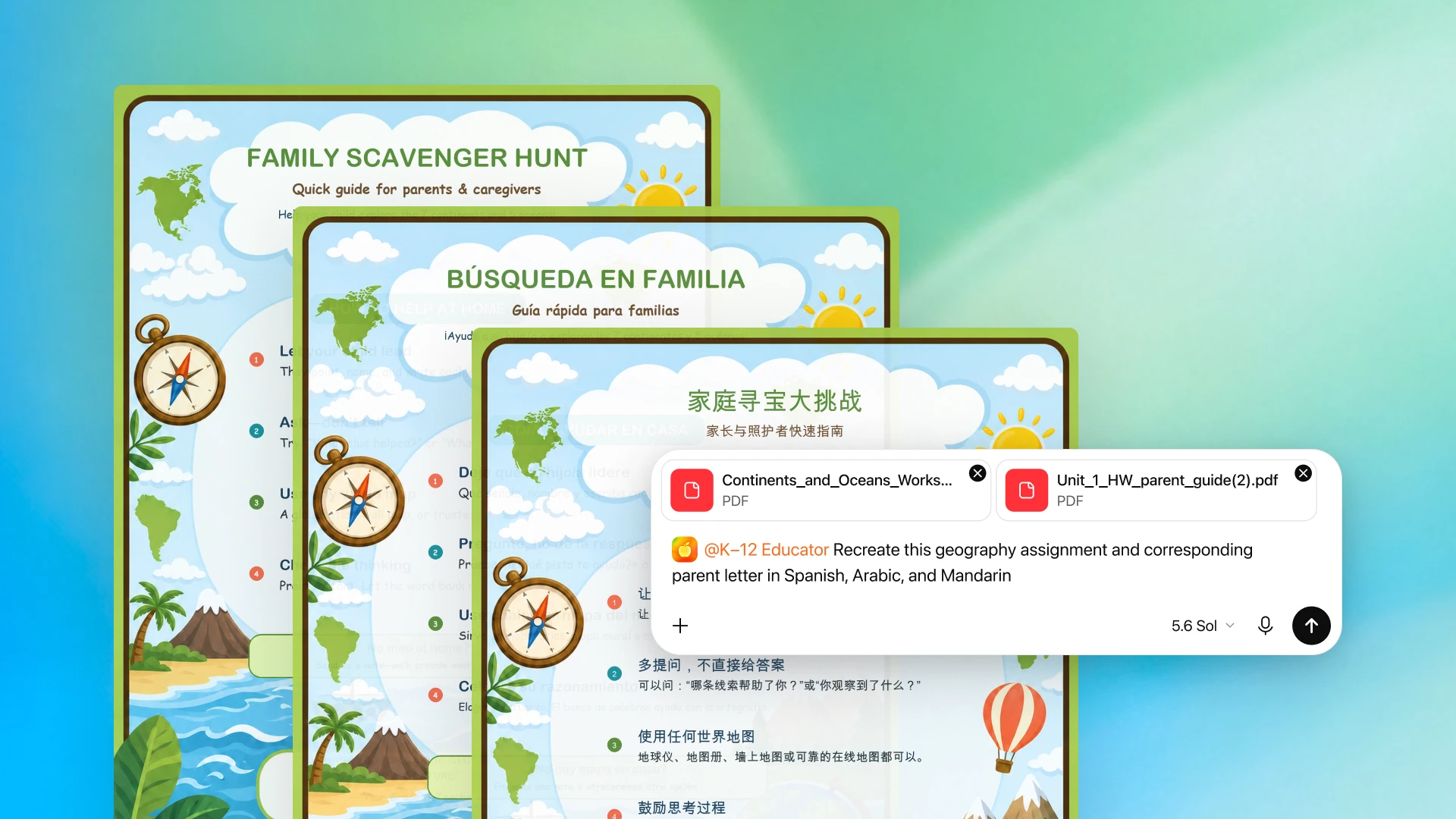
「College Educator」プラグインは、カリキュラム設計、授業運営、学術計画の支援を可能にします。教員はこのツールを使ってシラバスの更新や、インタラクティブなウェブサイト・マルチメディア評価資料の作成、多様な学習者への対応、LMS 向けコンテンツのパッケージ化などが行えます。カレンダーや文書、その他の承認済みツールと連携させることで、教員は各プロジェクトごとに文脈を作り直す手間を省きながら、授業・研究・日常業務をシームレスにこなすことができます。
College Educator プラグイン
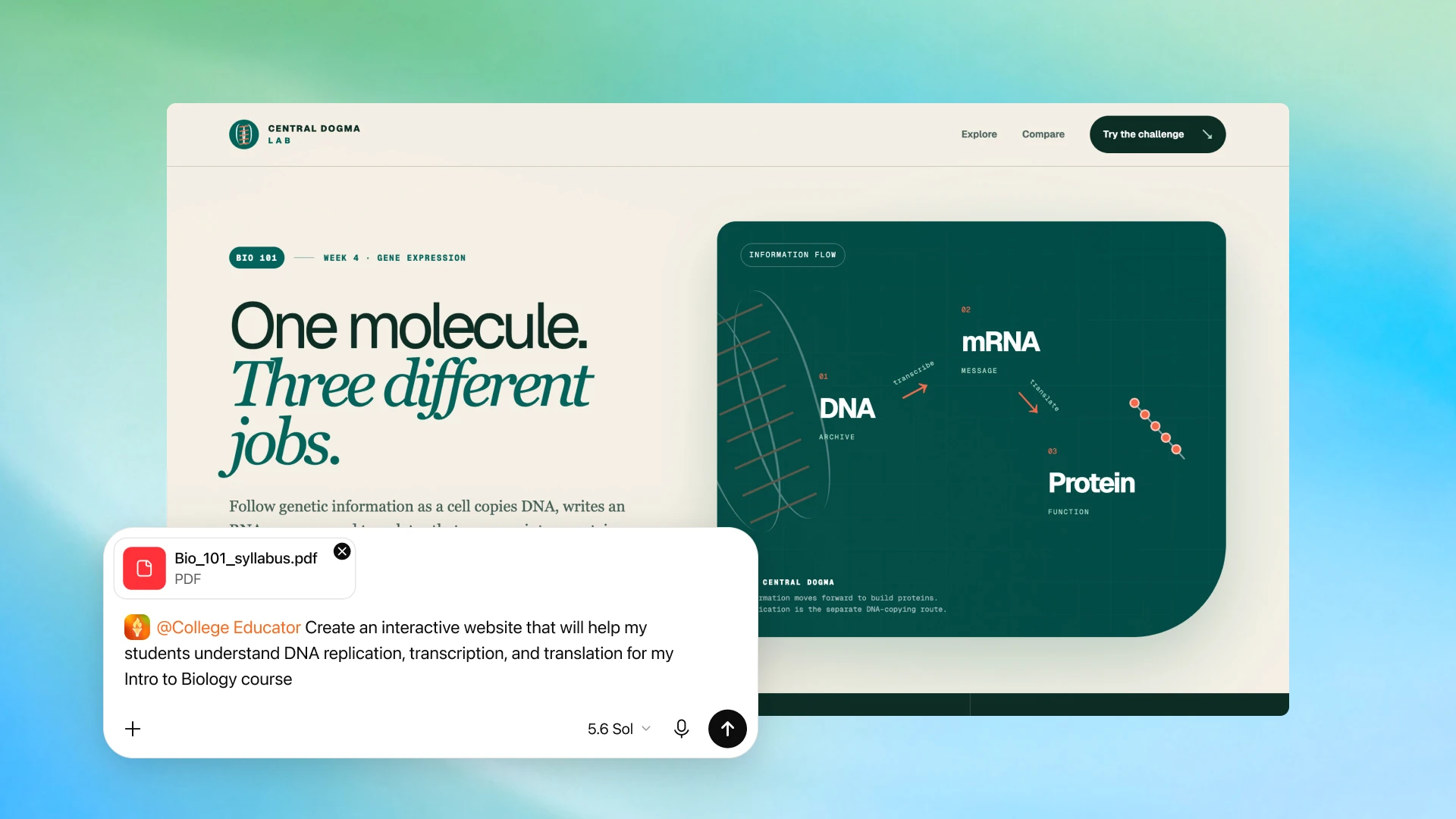
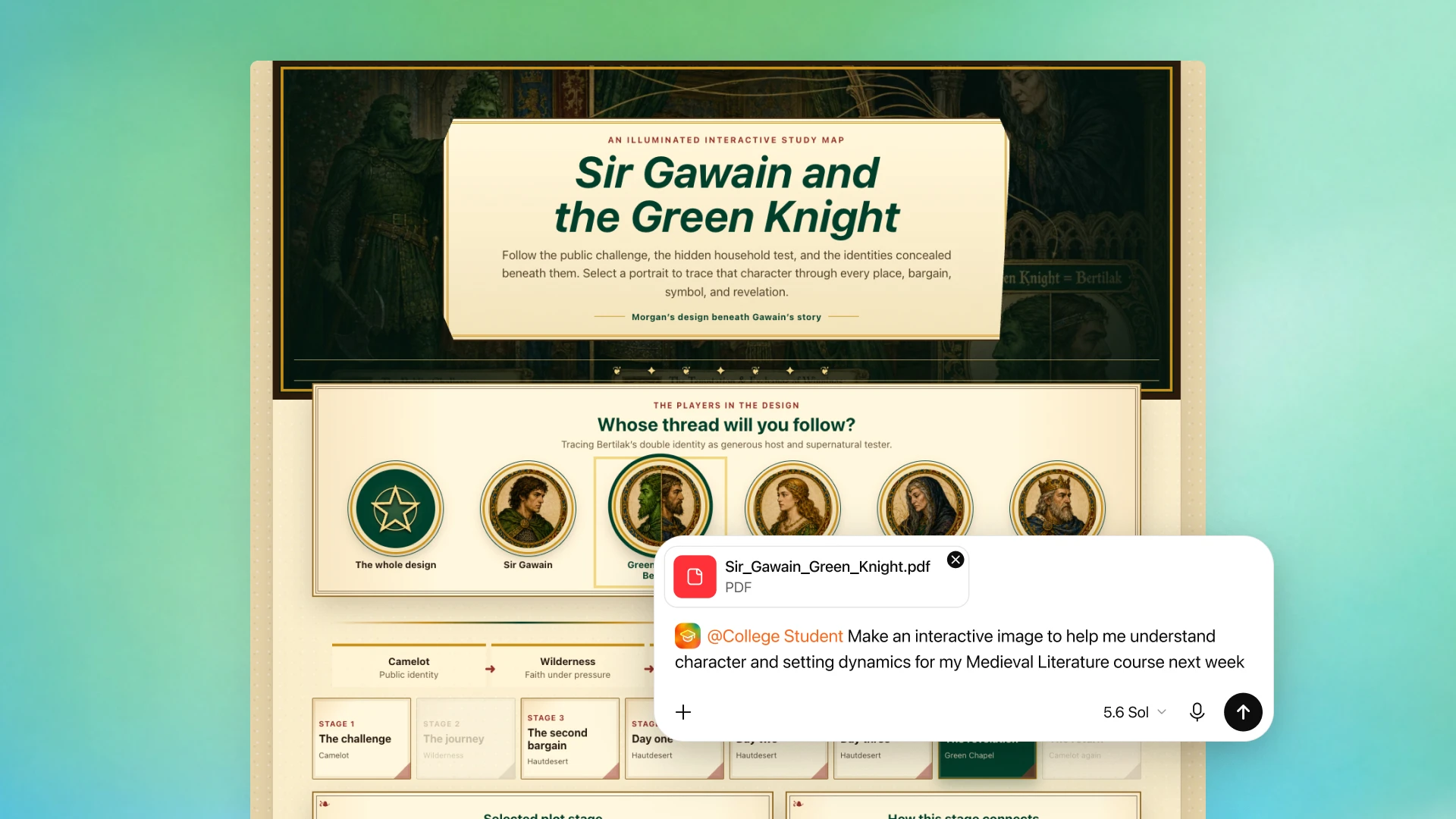
「College Student」プラグインは、学生が現在学習中の内容をよりパーソナライズされた学びの体験に変えるのを支援します。ガイド付きチューターとの対話や難解な概念の練習に加え、選択した教材から学習ガイド、小テスト、フラッシュカード、インタラクティブな視覚解説資料を作成できます。専攻・地域・AI 活用度の異なる大学学生を対象に設計されており、学習科学に基づいて深い理解の定着と効果的な学習習慣の構築を重視しています。
これらのプラグインは、適切なコンテキスト、ツール、ワークフローを統合することで、学生や教育者が AI と共に作業するためのより有用な出発点を提供します。これにより、ChatGPT の設定に費やす時間を減らし、学習、指導、研究、創造に集中できるようになります。同時に、各機関が利用可能なツールと権限を管理し続けることも可能になります。
カレッジ・学生プラグイン
1 of 5
AI の教育利用が機会につながることを保証する
AI の能力が高まるにつれ、教育における可能性は単に新しい技術の使い方を教えることにとどまりません。重要なのは、学生たちに主体性(エージェンシー)を育むことです。つまり、これらのツールを意味のある目標に向けて導く力、判断力を発揮し、継続的に学び、困難な問題を解決し、アイデアを実体あるものに変換する能力です。
現在、18〜24 歳の若年成人の 2 億人以上が週に一度は ChatGPT を利用しており、これは主要なユーザー層の中でも特に活発なグループです。しかし、大学生を対象としたユーザー層では、「能力オーバーハング」と呼ばれるグローバルな格差が拡大していることが見られます。これは、AI ツールが実際に何ができるかという可能性と、人々がそれらをどう活用しているかの間のギャップを指します。高度な学生ユーザーでさえ、パワーユーザーに比べて ChatGPT の機能を約 90〜99% しか活用できておらず、AI スキルの深化にはまだ大きな余地があることを示しています。
構造化されたアクセスは、その格差を埋める手助けとなります。ChatGPT Edu の導入事例では、生徒たちは時間の経過とともにより高度な利用パターンを発展させ、ほぼすべての機能において無料ユーザーを上回り、特に分析、計算、学習の分野でパワーユーザーに近い行動を示すようになりました。2024 年に ChatGPT Edu を開始して以来、私たちはテキサス州ヒューストン ISD やバージニア州フェアファックス、ジョージア州フルトンなど K-12 の学校・学区、さらにペンシルベニア大学ウォートン校やテキサス大学オースティン校、カリフォルニア州立大学システムなど数百の大学キャンパスと連携し、教師やキャンパスに対して AI を責任を持って導入してきました。
教育への投資を通じて、K-12 および高等教育の現場で何十万もの教員が、OpenAI のツール、トレーニング、研究に無料でアクセスできるようになり、公平性とイノベーションの推進が可能になりました。今般、ChatGPT の全機能をより効果的に活用できるよう、教師や生徒をサポートする新機能を提供します。
パートナーとの連携によるアクセス拡大と実践的サポート
最先端技術には、教育に特化したワークスペース、トレーニング、ピア主導のプログラム、厳格な研究、そして信頼できるパートナーが不可欠です。これらを組み合わせることで、新しい機能を責任を持って活用するための自信を築くことができます。
大学生向けに、新しい「OpenAI Student Collective」が設立されました。これは学生主導のコミュニティで、AI を活用して学び、構築し、未来を切り拓く場です。現在、各キャンパスでこのコミュニティを立ち上げる「キャンパスリーダー」となるための応募を受け付けています。
ピアによる体験や実践的なプロジェクトを通じて、学生は実用的なスキルを習得し、アイデアを実行に移すことができます。また、Handshake などのプラットフォームとの連携により、これらのスキルがインターンシップや初期キャリアの機会へとつながります。
ウォルトンファミリー財団と提携した「OpenAI Academy」では、米国の8都市に所在する1,600人以上のK-12(幼稚園から高校)教員、管理者、学区リーダーを対象に、教室での実際の課題解決にAIを応用するための実践的スキルを習得できる無料の実地ワークショップを開催しています。
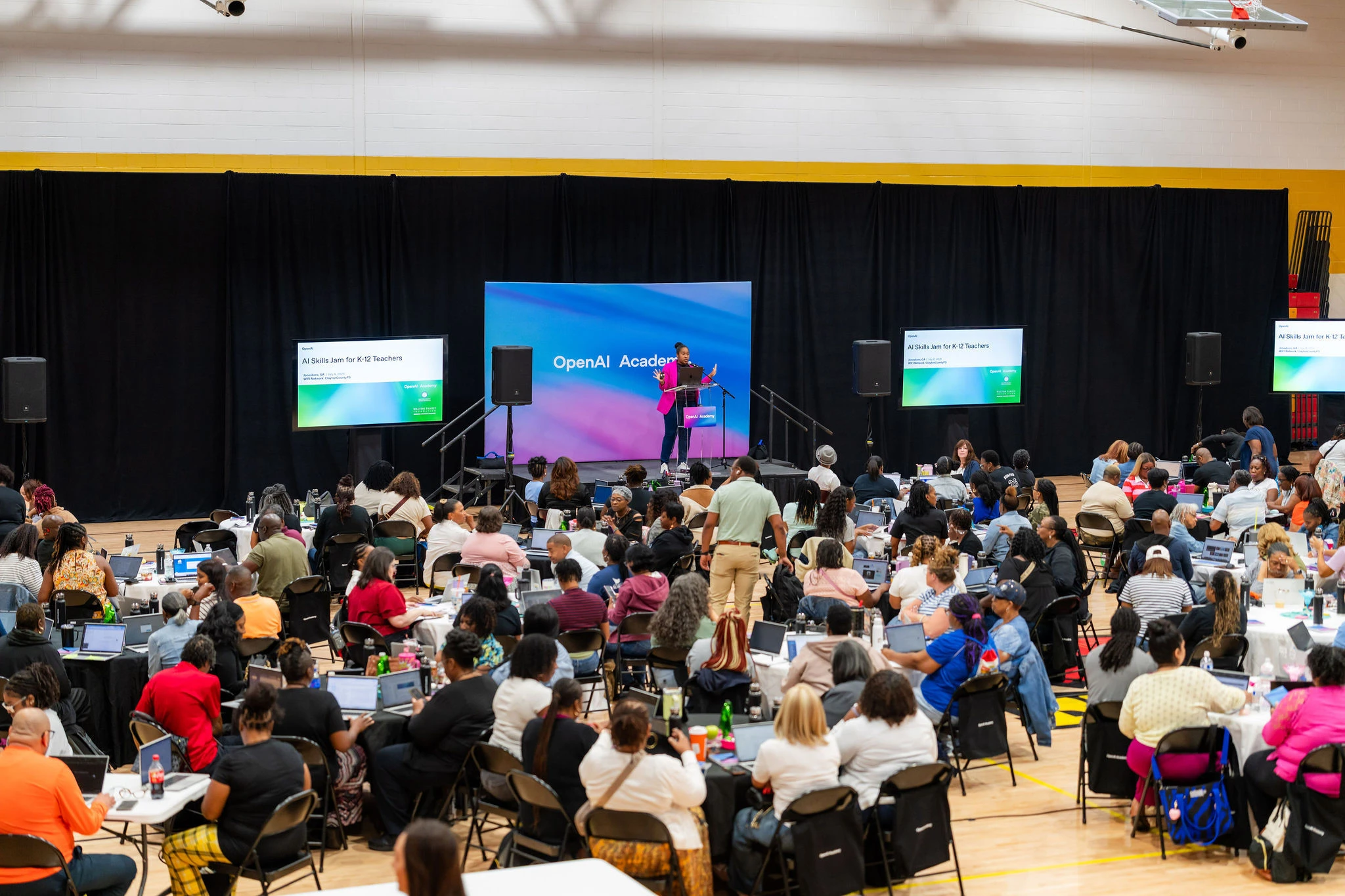
ジョージア州ジョーンズボロで開催された OpenAI の K-12 教師向けジャムセッション
OpenAI は「各国の教育(Education for Countries)」を通じて、政府や国家指導者と協力し、地域のニーズに合わせた導入とエビデンスに基づく研究を推進しています。例えばエストニアでは、ChatGPT Edu が現在 20,000 人以上の学生と 4,600 人の教員に利用されており、タルト大学とスタンフォード大学との共同で縦断的な研究も進められています。
高等教育における学術研究はミッションの中核であり、最先端 AI は科学発見の可能性をさらに広げています。このたび発表された「学術研究者向け ChatGPT」プログラムでは、対象となる研究者に対し、12 ヶ月間の無料 Pro レベルアクセスを提供します。これにより、安全なワークスペースで ChatGPT Work と Codex を活用し、挑戦的な科学研究に取り組むことが可能になります。
今後の展望
教育における AI の次の章は、学生が何を生み出し、教員が何を可能にし、機関やパートナーが共に何を発見するかによって形作られていきます。通年を通じて、教育コミュニティと共に新たなツールの開発、トレーニングと研究の拡大、エビデンスに基づく知見の提供に取り組んでまいります。共通の目標は、すべての学生と教員に自信と能力を与え、学習・想像・創造・達成の可能性をさらに広げることです。
教育者向けおよび学生向けのプラグインは、ChatGPT Edu および教員向けに展開された ChatGPT で利用可能です。詳しくは チームにお問い合わせください。
原文を表示
AI is moving from tools that primarily answer questions to systems that can reason across context, use other tools, and help carry out complex, multi-step work. That shift is changing what it means to be prepared for school, work, and what comes next.
As students and educators return to classrooms and campuses this fall, we’re introducing three new education plugins for ChatGPT Work and Codex, specifically designed to help students and educators leverage agentic capabilities using the course materials and context they choose. A plugin is a package of apps, role-specific skills, instructions, and common workflows that helps students and educators get started immediately without having to construct complex prompts on their own. These new plugins are available through both ChatGPT Edu and ChatGPT for Teachers district deployments.
This builds on the principle that guides our work in education: AI should support learning, not shortcut it, and the best learning experiences keep educators and students in control.
Helping students and educators do more with AI
The new plugins include one for college students, one for K–12 educators, and one for college educators. By connecting to the tools and materials they already rely on, from documents and course materials to calendars and other approved apps, the plugins understand the context and task at hand and help students and educators move from curiosity to practice, lesson idea to classroom material, and project concept to execution.
We have been focused on partnering with schools and universities to make AI available in secure, institution-managed environments. Introduced in 2024, ChatGPT Edu gives educational institutions managed workspaces with enterprise-level privacy, security, and administrative controls. ChatGPT for Teachers(opens in a new window), introduced in 2025, is free for verified U.S. K–12 educators and districts and offers education-grade protections and compliance features. School and district leaders can claim their domain to bring educators into a shared workspace with greater oversight and guidance, including protections to support FERPA requirements and a data privacy agreement.
The K–12 Educator plugin is designed to help teachers plan and create for their classrooms. Developed alongside K–12 educators, it can work with the materials and tools teachers already use to create differentiated resources, design interactive visuals, and surface actionable insights. It also integrates with Learning Commons(opens in a new window), a philanthropic organization that funds and builds public AI datasets and resources to help bring more learning science into classrooms, which allows teachers to create materials aligned to local academic standards, the granular learning components beneath them, and the progressions that connect prior and future learning, while remaining in control of pedagogical decisions, grading, and agentic actions.
This work reflects what we’ve learned through our engagement with educators, including our partnership with the American Federation of Teachers (AFT). OpenAI is the founding partner in the National Academy for AI Instruction, a five-year initiative to equip 400,000 K–12 educators—about one in every 10 teachers in the US—to use AI effectively and lead the way in shaping how AI is taught and used in classrooms across the country.
K–12 Educator plugin
The College Educator plugin enables course design, teaching, and academic planning. Faculty can update syllabi, create interactive websites or multimedia assessments, adapt materials for diverse learners, or package content for their LMS. With connected calendars, documents, and other approved tools, instructors can also work across teaching, research, and everyday tasks without having to recreate the context for each new project.
College Educator plugin
The College Student plugin helps students turn what they are already studying into more personalized learning experiences. Students can work with a guided tutor, practice difficult concepts, and create study guides, quizzes, flashcards, and interactive visual explanations from the sources they choose. Designed with university students across majors, geographies, and levels of AI fluency, the plugin draws on learning science to prioritize deeper understanding and build stronger study habits.
Together, these plugins give students and educators a more useful starting point for working with AI by bringing the right context, tools, and workflows together so they can spend less time setting up how ChatGPT should work and more time learning, teaching, researching, and creating, while institutions retain control over which tools and permissions are available.
College Student plugin
1 of 5
Ensuring AI use in education leads to opportunity
As AI becomes more capable, the opportunity for education is bigger than simply helping people learn how to use a new technology. It is helping students develop agency: the ability to direct these tools toward meaningful goals, exercise judgment, learn continuously, solve hard problems, and turn ideas into something real.
More than 200 million young adults ages 18–24 now use ChatGPT every week, making them some of the stronger mainstream users. However, among college-age users, we see a widening global “capability overhang,” defined as the gap between what AI tools can do and how people actually use them. Even advanced student users leverage ChatGPT’s capabilities roughly 90–99% less than power users, pointing to significant room to deepen AI skills.
Structured access can help close that gap. Across ChatGPT Edu deployments, students develop more advanced patterns of use over time, outperforming free users across nearly every capability and moving closer to power-user behavior, particularly in analysis, calculation, and learning. Since the launch of ChatGPT Edu in 2024, we have partnered with K–12 schools and districts including Houston ISD, Texas; Fairfax, Virginia and Fulton, Georgia and hundreds of college and university campuses, including the Wharton School of the University of Pennsylvania, The University of Texas at Austin, and the California State University system to responsibly deploy AI to teachers and campuses.
Through our investments in education, hundreds of thousands of educators across K–12 and higher education have free access to OpenAI tools, training, and research to advance equity and innovation. Now, we’re delivering new features to support teachers and students to better leverage the full capabilities of ChatGPT.
Expanding access and practical support with partners
Frontier technology needs to be paired with education-specific workspaces, training, peer-led programs, rigorous research, and trusted partners to build the confidence to leverage new capabilities responsibly.
For college students, the new OpenAI Student Collective is a student-led community for learning, building, and shaping what’s next with AI. Applications are now open for students to become Campus Leads and bring the community to life on their campuses. Through peer-led experiences and hands-on projects, students can develop practical skills and put their ideas into practice. And, through partnerships with platforms like Handshake, college students can connect those skills to internships and early-career opportunities.
In partnership with the Walton Family Foundation, OpenAI Academy is bringing together more than 1,600 K–12 teachers, administrators, and district leaders across eight U.S. cities for free in-person, hands-on workshops for building practical skills for applying AI to real classroom challenges.
OpenAI K–12 Teacher Jam in Jonesboro, Georgia
Through OpenAI Education for Countries, we work with governments and national leaders to develop deployments designed for local needs and evidence-based research. In Estonia, for example, ChatGPT Edu now reaches more than 20,000 students and 4,600 teachers alongside a longitudinal research initiative with the University of Tartu and Stanford.
Academic research is also central to the mission of higher education, and frontier AI is opening new possibilities for scientific discovery. The new ChatGPT for Academic Researchers program gives eligible researchers 12 months of free Pro-level access to apply ChatGPT Work and Codex to ambitious scientific work in a secure workspace.
The year ahead
The next chapter of AI in education will be shaped by what students create, what educators make possible, and what institutions and partners discover together. Throughout the school year, we’ll keep building alongside the education community to advance new tools, expand training and research, and deliver evidence-based insights. Our shared goal is to empower every student and educator with the confidence and capabilities to expand what they can learn, imagine, create, and achieve.
The educator and student plugins are available in ChatGPT Edu and ChatGPT for Teachers district deployments. Contact our teamto learn more.
News to Guide
ニュースの次に確認する
発表内容を、現在の料金や仕様と照らし合わせられる関連ガイドです。
今日のまとめ
AIデイリーブリーフで今日の重要ニュースをまとめ読み