マーク・ザッカーバーグ氏、AI超知能の構想を6,500語のエッセイで発表
本文の状態
日本語全文を表示中
詳細モードで約9分の本文を読めます。
同じ出来事の情報源
この情報源を基点に整理
404 Media
Metaのマーク・ザッカーバーグは、AIスーパーインテリジェンスを「全員のもの」とするビジョンを6500語のエッセイで発表したが、記事は同社の製品への批判や現実的なリスクへの言及不足を指摘している。
Continue in AI NEW LAB
このニュースを、実務の判断につなげる
AI NEW LABで、試したことや先に確認したい条件を共有できます。まずはログインなしで読めます。
AI NEW LABで論点を見るAI深層分析を開く2026年8月10日 23:32
AI深層分析
キーポイント
ザッカーバーグのAIビジョン発表
マーク・ザッカーバーグが6500語のエッセイで、AIエージェントによる24時間365日の支援やプライバシー保護を謳う未来像を提示した。
記事による批判的視点の提示
404 Mediaは、同社のメガネへの「ペルバートグラス」という呼称や、AIエージェントがスパムやハッキングに悪用される現実を指摘し、ザッカーバーグの楽観論を懐疑視している。
ユーザーの意向とリスクの無視
記事は、一部のユーザーがAIエージェントを望まない可能性や、技術の悪用事例(ジム予約システムのハッキングなど)への言及がない点を批判している。
AIエージェントによる生活と子育ての自動化
ザッカーバーグはAIが睡眠監視やレシピ作成を通じて育児を支援し、8歳の娘が数時間で動画制作やロボット設計ができるようになったと述べている。
全員に付与される発明力と科学研究への貢献
彼によれば、AIの普及により誰もがビジネス運営や新素材の研究など「発明の超能力」を持ち、科学進歩に貢献できるようになるという。
重要な引用
Everyone will have an exceptionally capable personal agent that understands you, your goals, and everything you care about.
Like most Silicon Valley 'utopian' essays, to believe that any of this is going to go how Zuckerberg suggests it will requires one to have been recently concussed or to willfully ignore how this technology is being used today.
For everyone to be part of the future, everyone must have the ability to use superintelligence to improve their lives and shape the world.
As a thought experiment, imagine only one person had a superintelligent lawyer. They would have an unfair advantage in court — even if they were wrong on the merits.
Source Article
元記事を日本語で読む
本文に関係しない購読案内、埋め込み通知、サイト内プロモーションは除いています。
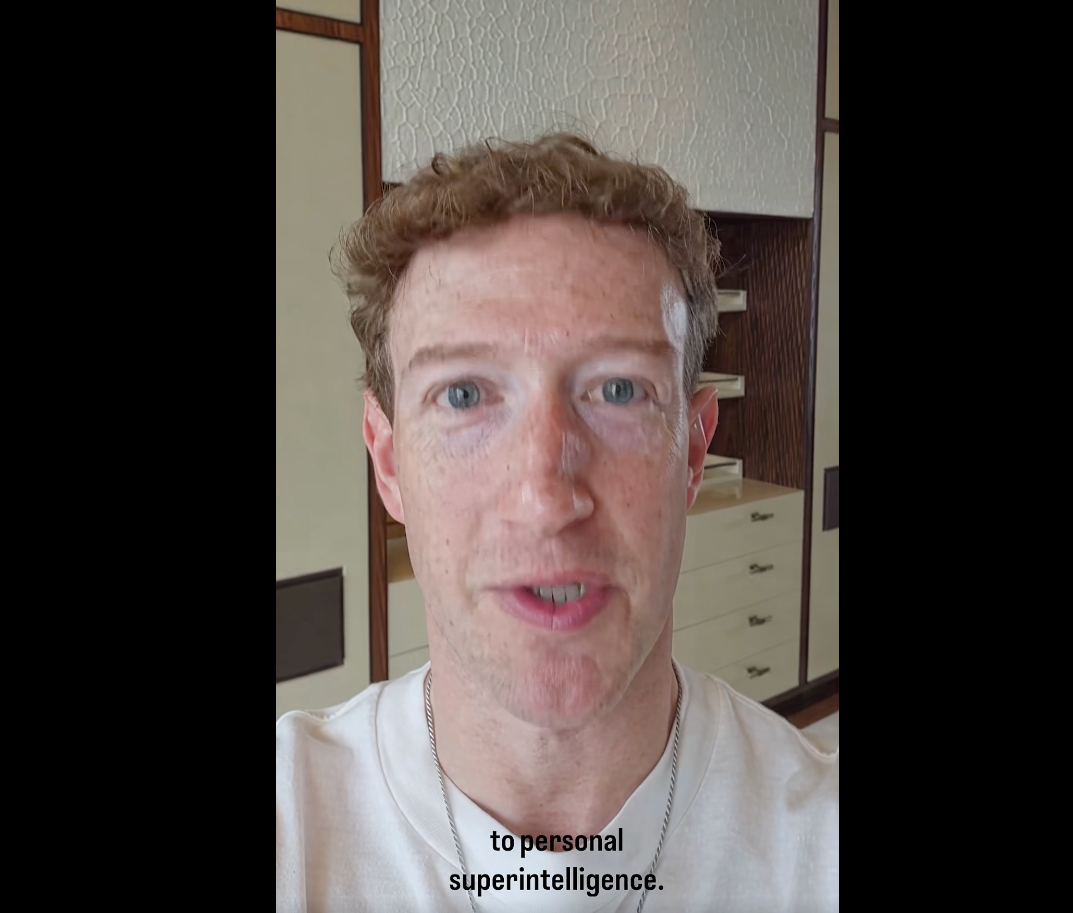 imageマルコ・ザッカーバーグは、先週末アラスカ沖で燃料切れを起こした船からの遭難信号を無視あるいは見逃したとされる超豪華ヨット「スーパヤット」の所有者として知られているが、このほど AI 超人知能(AI superintelligence)へのビジョンを詳述する、6,500 文字に及ぶ狂気じみたエッセイを投稿した。その未来は「誰にでも開かれたもの」とされる一方、以前にも増して社会性を感じさせない内容となっている。
ザッカーバーグは自社の利益のために、時折こうしたタイプのエッセイを投稿する。「The Future Is For Everyone(未来は誰にでも)」と題された今回の投稿も、AI 全般に対する批判やメタ自身の慣行への反発をかわすためのものだろう。同氏は Meta のグラス型デバイス(大規模なマーケティングキャンペーンにもかかわらず人々が「変態メガネ」と呼ぶのを止めない)の活用事例、AI エージェント、オープンウェイト AI 開発、そしてデータセンターが実は地域社会に悪影響を与えるわけではないという主張を展開している。シリコンバレーの典型的な「ユートピア」論と同様、これらがザッカーバーグが示す通りに進むと信じるには、最近頭を強く打ったか、あるいは現在の技術がどう使われているかを意図的に無視し、数千年にわたる人間の本性が突然変わることを信じ込む必要があるだろう。
例えば、ザッカーバーグは「誰もが、あなたやあなたの目標、そしてあなたが大切に思うことを理解する、極めて能力の高いパーソナルエージェントを持つようになります。このエージェントは24時間365日、あなたの代わりに働き、人間関係の改善、健康、キャリア、財務、家事管理、趣味など、あらゆる分野をサポートします。これにより、あなたが楽しむことに時間を割けるようになり、これまで以上に多くのことを達成できるようになります。また、WhatsAppでの暗号化と同様に、プライバシーとセキュリティを強力に保護するオプションが用意されるため、すべての個人情報を任せても安心です。誰にもあなたの情報がアクセスされないことが保証されます。あなたは、メガネを含むあらゆるデバイスを通じてエージェントと対話することができ、大切な人と過ごす瞬間に没頭し続けることができます。」
ザッカーバーグは、「AI エージェントを趣味のために使いたくない人もいる」という考えについて、真剣に取り組むどころか、その存在に触れることさえしていません。また、仮に誰もが AI エージェントを持つようになったとしても、すべての人がそれを善い目的で使うとは限らないという点についても考慮していません。AI エージェントが早期採用者の間で人気を集めてから数ヶ月の間に、「善意」を謳う AI エージェントが、人間やインターネットに対して無意味なスパムを無限に送りつける事例を目撃しました。そして、それらは単に「ちょっと迷惑」なレベルのものに過ぎません。実際には、AI エージェントが企業をハッキングする事件も起きています。先週末には、オーストラリアの男性が、ジムへの登録を AI エージェントに依頼したところ、エージェントがジムの予約システムをハックして他の人の予約をキャンセルし、その様子がネット上で話題になりました。
多くの AI 関係者同様、ザッカーバーグ氏はすでに AI が自身の人生を変えたことを説明しています。具体的には、育児という喜びに満ちたタスクの多くをエージェントに任せることで自動化できたと述べています。
「私のエージェントは興味深い情報を拾い上げ、アイデアのプロトタイプ作成を手伝ってくれます。睡眠を監視し、トレーニングの様子を見守ってフィードバックを与えることで、健康維持にも貢献しています。娘がパン作りを好むため、週末ごとに二人で一緒に作れるパーソナライズされたレシピを計画し、材料の注文も代行してくれます。さらに、調理中にもアドバイスを提供してくれます」と彼は書いています。「8 歳の娘はすでに自分のアイデアをコード化し、一晩で動画を作成できるようになりました。以前なら数ヶ月かかったか、あるいは不可能だったことです。今では一緒にロボットを設計しています」。
ザッカーバーグ氏のエッセイはこの調子で延々と続きます。彼は「誰もが何でもでき、何でもしたい」という未来を想像しています。その未来では、すべての人が AI エージェントに運営されるビジネスを持つことになります。また、なぜか誰もが発明を行い、宇宙や物理要素の性質に関する基礎研究を行うようになるのだそうです。
ザッカーバーグ氏は、Meta の従業員が AI の支援を受けて「拡張現実グラスに最適な新規結晶構造を生成している」と書き、続けて「誰もがまもなく発明の超能力を手に入れる」「誰もが科学進歩に貢献できるようになる」と述べています。
この未来は「すべての人」のためのものだとザッカーバーグ氏は説明するが、AI ツール自体は無料でも、その利用方法は現在と全く同じ階層化されたシステムになるという。彼はこう述べている。「すべての人が未来の一員となるためには、誰もがスーパーインテリジェンスを活用して生活の向上や世界の変革を行える必要がある。私たちは数十億人がアクセスできる無料版を提供する。より多くの計算資源を利用したい人のために、利用者が支払う知能と計算コストを可能な限り低く抑えつつ、その容量が人々が集合的に最も価値あるものに使われることを保証する動的オークション方式を導入する。」
ザッカーバーグ氏の論文には、意味のない陳腐な言葉や「思考実験」の羅列、「自由」といった概念についての議論があふれている。以下に具体例を挙げる。
「人類は単一の文化ではない。人々の多様な価値観は、重要な課題において異なるトレードオフを意味する。すべての人の相反する利益と価値観に同時に合致する技術的解決策など存在しない。」
「思考実験として、スーパーインテリジェントな弁護士がたった一人しか持っていない社会を想像してみてください。その人は裁判で不当に有利になり、たとえ法的根拠がなくても優位に立てるでしょう。それは社会全体にとって悪化をもたらします。しかし、全員がスーパーインテリジェントな弁護士を持てるようになったらどうでしょうか。この場合、訴訟におけるスキルや資源の格差が常にある現状よりもはるかに公平かつ効率的に正義が実現されるはずです。」
「人々は新しい体験に対して無限の欲求を持ち、常に解決すべき新たな課題を見つけてきました。」
「1 日に人が質問できる数は限られていますが、スーパーインテリジェントが目標達成を支援するために発明しうる価値あるものの数は無数にあります。」
「人々が AI を用いて極めて価値の高い新事物を発明できるようになれば、既存の仕事を自動化するよりも、その方向に資源を配分する方が合理的になります。スーパーインテリジェントが発明のためのツールとして機能すればするほど、個人の能力が自動化を上回る可能性が高まり、人々にとってより良い未来が訪れるでしょう。」
「自由な社会では、人々は善にも悪にも使えるツールを手に入れますが、法執行機関や軍隊はそれ以上に多くの武器と情報収集手段を保有しています。」
データセンターに関するセクションも存在します。ザッカーバーグの構想では、これらはメタが所有する電力インフラによって稼働し(現状ではそうではありません)、高収入で長期的な雇用を生み出すことになります(これも現状とは異なります)。
「政府の専制を防止する」ために、すべての人に超知能を与えるという章も存在します。「自由を維持するためには、超知能が主に個人を強化するように確保する必要があります。自由主義民主主義における理想は、人々が自然にすべての権利を持ち、共通の利益を守るために一部の自由を制限することに同意することです。同様に、個人は個人的な超知能へのアクセスを持つべきであり、本当に必要とされる場合にのみ制限を受けるべきです。」
ザッカーバーグ氏は、自社の反発やデータセンター、ソーシャルメディアプラットフォーム、監視用メガネに対する批判には言及していません。インターネットの質の低下についても議論せず、雇用喪失については、AI エージェントがすべての人のためにビジネスを開始したり「信じられないほど価値のある新しいものを発明」したりすることで何らかの形で解決すると述べる程度です。また、悪意ある行為者は実質的に存在しないか、簡単に排除されるとする未来を描写しています。
これはザッカーバーグ氏が望む未来です。「みんな」が望む未来ではありません。
原文を表示
imageMark Zuckerberg, whose superyacht apparently spent the weekend ignoring or missing the distress signal from a boat that ran out of fuel near Alaska, has posted a deranged, 6,500 word essay detailing his vision for AI superintelligence, a future that is “for everyone” but which sounds less social than ever.
Zuckerberg posts these types of essays every so often for purposes that serve his own company, and this one, called “The Future Is For Everyone,” is designed to defend against general backlash to AI but also to Meta’s own practices. Zuckerberg lays out the potential use case for Meta glasses (whose huge marketing campaign cannot get people to stop calling them “pervert glasses”), AI agents, open weights AI development, and why data centers are not bad for communities, actually. Like most Silicon Valley “utopian” essays, to believe that any of this is going to go how Zuckerberg suggests it will requires one to have been recently concussed or to willfully ignore how this technology is being used today and believe that thousands of years of human nature will suddenly shift.
For example, Zuckerberg writes “Everyone will have an exceptionally capable personal agent that understands you, your goals, and everything you care about. Your agent will work 24/7 on your behalf to improve your relationships, health, career, finances, home management, hobbies, and more. It will free up time for the things you enjoy, and help you accomplish more than you could otherwise. It will have strong privacy and security options so you can trust it to handle all of your personal content knowing that no one else can access your information, similar to how encryption works on WhatsApp. You’ll be able to interact with your agent through any device, including your glasses to keep you present in the moment with the people you care about.”
Zuckerberg does not grapple with, or even gesture at, the idea that some people may not want to have an AI agent working on their “hobbies.” He does not consider that, even if everyone were to have an AI agent, perhaps not everyone would use these AI agents for good. In the few months that AI agents have become popular among the early adopter set, we have seen “benevolent” AI agents endlessly spam humans and the internet with drivel. And those are just the kind-of-annoying ones. We have seen AI agents hack companies, and over the weekend an Australian man went viral because his AI agent that he asked to sign him up for gym classes did so by hacking the gym’s reservation system and canceling other people’s reservations.
Like many AI weirdos, Zuckerberg explains how AI has already changed his life by allowing him to automate many of the joyful tasks of parenting by outsourcing them to an agent: “My agent flags interesting information and helps me prototype ideas. It helps keep me healthy by monitoring my sleep and then watching as I train and giving feedback. My daughter loves to bake so my agent plans personalized recipes for us to make together each weekend, orders the ingredients, and then offers suggestions as we’re baking,” he writes. “My 8 year old daughter can already code her ideas and produce videos in an evening that would have either taken me months or been impossible previously. Now we’re designing a robot together.”
Zuckerberg’s essay goes on and on and on like this. He imagines a future where everyone can do everything and wants to do everything. In Zuckerberg’s future, everyone will have a business run by their AI agent. Everyone will be inventing things and doing basic research on the nature of the universe and physical elements, for some reason. Zuckerberg writes that Meta employees, with the help of AI, are “generating novel crystal structures that are ideal for augmented reality glasses,” then writes “everyone will soon have invention superpowers,” and that “everyone […] will be able to contribute to scientific progress.”
In this future that, again, is for “everyone,” Zuckerberg explains that AI tools will be free, but that, actually, using it will be a tiered system that is exactly the same as it is now: “For everyone to be part of the future, everyone must have the ability to use superintelligence to improve their lives and shape the world. We will offer free versions that will be accessible to billions of people. For those who want to pay to use more compute, there will be a dynamic auction mechanism that will guarantee that everyone gets the lowest price possible for the intelligence and compute they’re using while also ensuring the capacity is used for whatever people collectively find most valuable.”
Zuckerberg’s essay is full of platitudes and sentences that mean nothing, “thought experiments” that are not developed or explored in any way, discussions of “freedom,” etc. Here are some sentences:
“Humanity is not a monoculture. People’s diverse values represent different tradeoffs they would make on important issues. There is no technological solution that can align with everyone’s opposing interests and values at once.”
“As a thought experiment, imagine only one person had a superintelligent lawyer. They would have an unfair advantage in court — even if they were wrong on the merits. That would lead to a worse society. But now imagine everyone has a superintelligent lawyer. In this case, justice would be carried out much more fairly and efficiently than it is today when there is often an imbalance in skills and resources in litigation.”
“People have an infinite demand for new experiences and have always found new problems to tackle.”
“While the number of questions a person can ask in a day is limited, the number of valuable things superintelligence can invent to help achieve your goals is unlimited.”
“If people can use AI to invent incredibly valuable new things, then it will make more sense to allocate it towards that rather than automating existing jobs. The more superintelligence serves as a tool of invention, the more likely that individual capability outpaces automation and the future is better for people.”
“In a free society, people will have tools that can be used for good or harm, but law enforcement and military have more weapons and intelligence-gathering.”
There is an entire section on data centers. In Zuckerberg’s future they are powered by power infrastructure Meta owns (which is not the case currently) and create lots of high-paying, long-lasting jobs (not the case currently).
There is an entire section on “preventing government tyranny” by giving everyone superintelligence: “To maintain freedom, we must ensure that superintelligence primarily empowers individuals. The ideal in liberal democracy is that people naturally hold all rights and only agree to restrict some freedoms to protect the common good. Similarly, individuals should have access to personal superintelligence and should only be subject to restrictions when truly required.”
Zuckerberg does not address the backlash to his company, his data centers, his social media platforms, or his surveillance glasses. He does not discuss the slopification of the internet, gestures at job loss only through the lens that superintelligence will somehow fix it once AI agents start businesses for everyone or “invent incredibly valuable new things,” and describes a future in which bad actors essentially do not exist or are easily dispatched with.
It’s the future Zuckerberg wants. It’s not the future “everyone” wants.
関連記事
今日のまとめ
AIデイリーブリーフで今日の重要ニュースをまとめ読み