ジャーナリスト、ICE撮影防止のドローン飛行禁止区域をめぐりFAAを提訴
ミネソタ州のフォトジャーナリストRob Levineと報道の自由委員会が、国土安全保障省施設・車両周辺3,000フィートのドローン飛行を禁止するFAAの制限措置を提訴した。この措置はICE職員の撮影防止を目的としたものとされる。
Source Article
元記事を日本語で読む
本文に関係しない購読案内、埋め込み通知、サイト内プロモーションは除いています。
タイトル: ジャーナリスト、ICE撮影を妨げるドローン飛行禁止区域をめぐりFAAを提訴
ミネソタ州のフォトジャーナリスト、ロブ・リバインと報道の自由のための記者委員会は、国土安全保障省(DHS)の建物および車両から3,000フィート以内でのドローン飛行を禁止する新たな制限をめぐり、連邦航空局(FAA)を提訴した。この曖昧な飛行禁止区域は、移民関税捜査局(ICE)捜査官の活動範囲も包含する。
FAAは1月、ICE捜査官がミネアポリスの街に大量展開した際、この一時飛行制限(TFR)を発令した。この規則は「国土安全保障省(DHS)の施設および移動資産」の周囲3,000フィートを飛行禁止区域と定めており、リバインとその弁護団は、遵守が不可能であり、ジャーナリストの憲法修正第1条(言論・報道の自由)の権利を制限することを目的としていると主張する。
「移民関税捜査局(ICE)捜査官が運転する無標識車両などのDHS車両が、特定の場所で活動しているかを事前に確認する手段がないため、結果的に全国のドローンパイロットは、飛行が法的責任を招くか否かを知り得ない」と、リバインの弁護団は裁判書類で主張した。
リバインはミネアポリス在住で、作戦「メトロ・サージ」初期には自身のドローンを用いて抗議活動とICE捜査官の映像を撮影していた。その時、TFRが発令された。「背筋が寒くなりました」と彼は404メディアに語った。「『なんてことだ』と思いました。当時のミネアポリスでは、DHSの捜査官が3千~4千人もいて、様々な制服や私服姿で、あるいはナンバープレートを付け替えた民間車で?配達員を装って?そこら中にいたのです。私は直ちに飛行を中止しました。自分がその[飛行制限]に違反するかどうかを事前に知る術がなかったからです。飛行中に彼らが車で通りかかっても、気付かない可能性さえありましたから」。
報道の自由のための記者委員会の弁護士でリバインを代表するグレイソン・クレアリーは、FAAは以前から、報道取材を妨げるように設計されていると思われる方法で飛行制限を利用してきたと404メディアに語った。「FAAは、ニュース価値のある事件現場に一時飛行制限(TFR)を課し、ジャーナリストが抗議活動や、それに対する法執行機関の対応などを取材する能力を阻害する長い歴史があります。これはその流れにおける新たなエスカレーションと言えるものです」と彼は述べた。
この新たな飛行禁止区域は、国防総省およびエネルギー省の基地から3,000フィート以内でのドローン操作を制限していた2025年の古いTFRの修正版である。
「旧制限は、要するに、巨大な海軍艦船や核兵器を輸送するエネルギー省の車列から3,000フィート以内を飛ばない、ということでした」とクレアリーは言う。「彼らは単にDHSをそのリスト末尾に追加しただけで、海軍基地に停泊する駆逐艦から3,000フィート以内にいるかどうかを知ることと、DHSの地上車両から3,000フィート以内にいるかどうかを知ることの、難しさの桁違いの差を考慮していません」。
DHSは、特定の都市にいるICE捜査官の数や活動場所について進んで情報を開示しない。彼らはしばしば私服で、無標識車両で都市をパトロールし、担当区域の住民に自身の存在を告知しない。クレアリーとリバインは、DHSの秘密主義的な性質が、ジャーナリストによるFAAの飛行禁止区域の遵守を不可能にしていると主張する。
FAAの制限違反に対する罰則は厳しい。「彼らはあなたのドローンを没収し破壊できます。望めば撃ち落とすこともできる。あなたを逮捕し投獄することも…そして、二度とドローンを飛ばせなくすることも可能です」とリバインは言う。「これは純粋にフォトジャーナリズムを阻止し、フォトジャーナリストを萎縮させるためのものと思えます。規則があまりに曖昧なので、後から、あなたがいた場所の近くに彼らがいたと判断されれば、起訴されることさえあり得るからです」。FAAには、YouTubeやソーシャルメディアに投稿された映像に基づき、後からドローンオペレーターに制限違反を適用しようとする前例がある。
クレアリーも同意見だ。「これが憲法修正第1条(言論・報道の自由)上の重大な問題となる一因は、それが現実的な萎縮効果をもたらす点にあります。境界線がどこにあるか正確に分からない時、人は誤って越えぬよう、より慎重に行動せざるを得ません」と彼は語った。
リバインは以前にもこの問題でFAAと争い、勝訴している。2016年、フォトジャーナリズムのためドローンの操縦を学び始めたばかりの頃、彼はノースダコタ州のスタンディングロックにおける抗石油パイプライン抗議活動を取材するため現地へ赴いた。当時、FAAは同地域上空にTFRを発令していたが、リバインは憲法修正第1条を理由に、当局から特別許可を獲得することに成功した。
DHSは監視活動を支援するため、独自にドローンを運用している。昨年はロサンゼルスの抗議活動上空でプレデタードローンを飛行させており、ミネソタ州の住民は、同州の住宅地上空を飛行するドローンを捉えた映像を数多く撮影している。
原文を表示
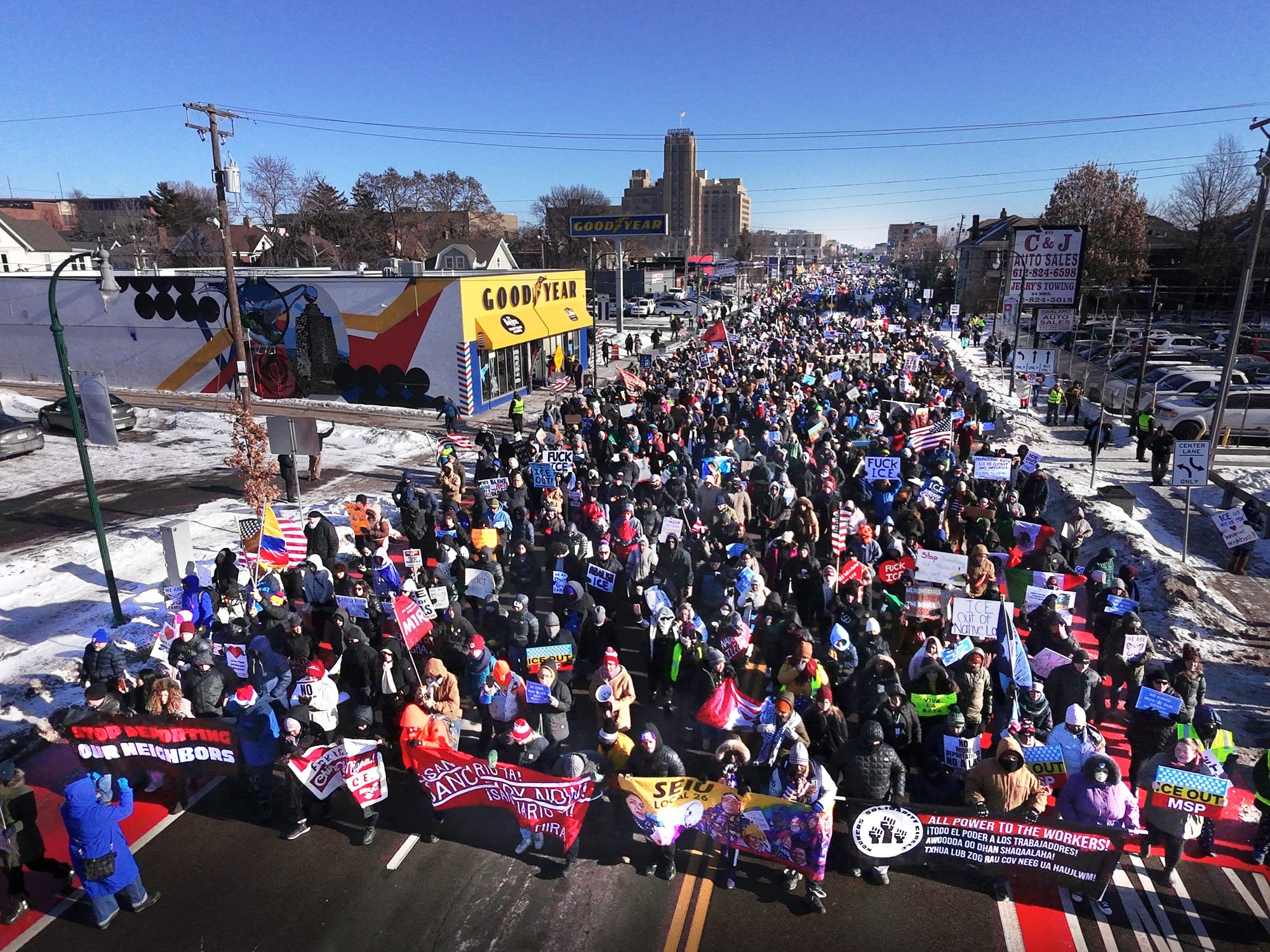 imageMinnesota photojournalist Rob Levine and the Reporters Committee for Freedom of the Press are suing the Federal Aviation Administration over a recently issued restriction that prevents drones from flying within 3,000 feet of Department of Homeland Security buildings and vehicles, an amorphous no-fly zone that encompasses Immigrations and Customs Enforcement agents.
The FAA issued the temporary flight restriction (TFR) in January as ICE agents flooded the streets of Minneapolis. The rule established a no fly zone of 3,000 feet around “Department of Homeland Security facilities and mobile assets,” a restriction that Levine and his lawyers argue is impossible to follow and is aimed at curtailing the First Amendment rights of journalists.
“Because there is no means of verifying in advance whether DHS vehicles—such as unmarked cars driven by Immigration and Customs Enforcement agents—are operating in a given location, the practical consequence is that drone pilots nationwide cannot know whether a flight will expose them to liability,” Levine’s lawyers argued in a court document.
Levine lives in Minneapolis and spent the early days of Operation Metro Surge using his drone to capture footage of protests and ICE agents. Then the TFR hit. “It sent a shiver down my spine,” he told 404 Media. “I’m like ‘Oh my god.’ In a city like Minneapolis at the time with, I don’t know, three or four thousand DHS agents in various stages of uniform or undercoverness or civilian cars that they had switched license plates on? Masquerading as delivery men? They were everywhere here. I immediately grounded myself because there was no way you could know in advance whether or not you were violating that [flight restriction]. And when you’re flying they could drive by and you might not even know it.”
Grayson Clary, a lawyer with Reporters Committee for Freedom of the Press who is representing Levine, told 404 Media that the FAA has previously used flight restrictions in ways that seem designed to prevent newsgathering. “The FAA has a long history of imposing these temporary flight restrictions over newsworthy events in ways that frustrate journalists' ability to cover protests, law enforcement's response to protests, you name it, and this is sort of the newest escalation in that story,” he said.
This new no fly zone is a modification of an old TFR from 2025 that restricted drone pilots from operating within 3,000 feet of Department of Defense and Department of Energy bases.
“When you think about the old restriction, it’s essentially don’t fly within 3,000 feet of an enormous Naval vessel or a Department of Energy convoy that’s ferrying nuclear weapons around,” Clary said. “They just sort of added DHS to the end of that without taking stock of just how much more difficult it is to know whether you’re within 3,000 feet of a DHS ground vehicle as opposed to within 3,000 feet of a destroyer sitting in a Naval base.”
DHS isn’t forthcoming about the number of ICE agents in a given city or where they are operating. They often wear plainclothes, patrol cities in unmarked vehicles, and don’t announce themselves to people in the neighborhoods they patrol. Clary and Levine argued that the secretive nature of DHS has made it impossible for journalists to comply with the FAA’s no fly zone.
The penalties for violating the FAA restriction are severe. “They can take your drone and destroy it. They could shoot it down if they wanted to. They can arrest you and throw you in jail…and they can also make it so you can never fly a drone again,” Levine said. “It seems purely to prevent photo journalism and to chill photo journalists because the rule is so vague they could even charge you after the fact if they determined that you were somewhere and they had been near there.” The FAA has a history of trying to enforce drone restrictions against operators after the fact, based on footage or images posted on YouTube or social media sites.
Clary agreed. “That’s part of what makes this such a First Amendment problem is that it has a real chilling effect. When you don't know where exactly the line is, you're going to play it more carefully to make sure that you don't accidentally cross it,” he said.
Levine has fought the FAA before on this issue and won. In 2016, just as he was first learning how to pilot drones for his photojournalism work, he traveled to North Dakota to cover the anti-oil pipeline protests at Standing Rock. At the time, the FAA had issued a TFR over the area but Levine was able to push the agency into granting him a waiver on First Amendment grounds.
DHS operates its own drones to aid its surveillance efforts. Last year it flew Predator drones above protests in Los Angeles and Minneapolis residents have taken a lot of footage capturing drones flying above homes in Minnesota.
関連記事
今日のまとめ
AIデイリーブリーフで今日の重要ニュースをまとめ読み