長期的には AI、短期的には AGI(3 分読了)
本文の状態
日本語全文を表示中
詳細モードで約4分の本文を読めます。
同じ出来事の情報源
この情報源を基点に整理
TLDR AI
シリコンバレーは AGI を希少資源とみなすが、AI モデルの急速なコモディティ化がこれを揺るがしている。知能も計算リソースと同様に市場競争でコスト低下が進み、真の勝者は優れたモデルではなく顧客関係や独自データを所有する企業となるだろう。
Continue in AI NEW LAB
このニュースを、実務の判断につなげる
AI NEW LABで、試したことや先に確認したい条件を共有できます。まずはログインなしで読めます。
AI NEW LABで論点を見るSource Article
元記事を日本語で読む
本文に関係しない購読案内、埋め込み通知、サイト内プロモーションは除いています。
シリコンバレーは今、あなたに信じさせたい物語を持っています。
その物語はこうです:知能そのものが希少な資源であり、最も強力なモデルを構築した者が、サム・アルトマンの言葉によれば「宇宙におけるすべての将来価値の光円錐を独占する」のです。この議論はさらに先へ進み、AGI に最初に到達した企業が他社を永久的に凌駕すると主張します。それ以外のすべて——アプリ、ワークフロー、業界——は下流へと流れ込みます。単なる吸収されるのを待つ機能に過ぎません。
これは推論能力の不足によって裏付けられた、美しくも説得力のある物語です。同時に、現在少数の企業に集中している数千億ドル規模の資金にとって非常に都合の良い物語でもあります。
しかし、それは主に傲慢さであり、私たちはそれに賭けることを拒否します。
2 年前、GPT-4 クラスの知能は約 100 万トークンあたり 30 ドルで提供されていました。今日では、同程度の性能が 1 ドル未満で利用可能です。一方、DeepSeek、Kimi、Qwen はさらに低いコストでその格差を縮め続けています。
これらすべてに驚くべきことではありません。
計算資源(Compute)はコモディティ化しました。帯域幅(Bandwidth)もコモディティ化しました。ストレージ(Storage)も同様です。これらが最初に登場した際にも、それがコモディティであるとは誰も思いませんでした。それらは魔法のように見え、希少で、追いつくことは不可能だと考えられていました。しかし市場はいつも通り機能し、競争が激化し、供給が増加し、差別化が崩壊しました。知能も同じ道を進んでいます。
歴史的な類似点は至る所にあります。鉄道が産業経済を支配したわけではありません。スタンダード・オイル(Standard Oil)でした。AWS は莫大な価値を生み出しましたが、クラウド時代の定義的な企業となったのは Stripe、Shopify、そして Snowflake です。
次の 10 年を定義する AI ネイティブ企業が勝つ理由は、わずかに優れたモデルを持っているからではありません。実際、これらのモデルはすでに主要な業界を変革するのに十分です。彼らが勝つのは、顧客との関係、独自データ、そして置き換えるにはあまりにも痛みを伴うワークフローを所有しているからです。
最初の音声エンタープライズ AI 企業のひとつである Tellme Networks では、企業向けコールセンターの自動化で年間 1 億 2000 万ドル以上の収益を上げていました。私たちは独自の音声認識エンジンを持っていませんでした。その代わり、当時最も先進的なプロバイダーであった Nuance を利用し、売上高の数パーセントしか支払っていませんでした。彼らはすべての契約において私たちと競合していましたが、敗北していました。なぜなら、各業界に最適化された最高のアプリケーションを持っていたからです。
さらに重要なのは、最も重要な AI 企業はまだ設立されていない可能性が高いということです。
1993 年に Google が明白な存在だったわけではありません。1996 年に Amazon が明白な存在だったわけでもありません。私たちは十分なサイクルを経験したことで、勝者は今日の人々が予想する者たちではないことを知っています。
AI 時代の定義的な企業を構築している創業者たちは、おそらく今まさにそこにおり、まだニッチすぎる、混乱しすぎている、あるいは早すぎるように思われる問題に取り組んでいます。彼らが誰なのかはまだわかりません——他の誰も知りません。
しかし、私たちは十分なサイクルを経験してきたので、最も重要な企業はインフラを所有する人々によって作られるわけではないことを知っています。それらは、まだ誰も解決する価値があるとは思っていない特定の課題について、やめられないほど考え続ける人々によって築かれるのです。
それが長期的な AI への賭けです。
原文を表示
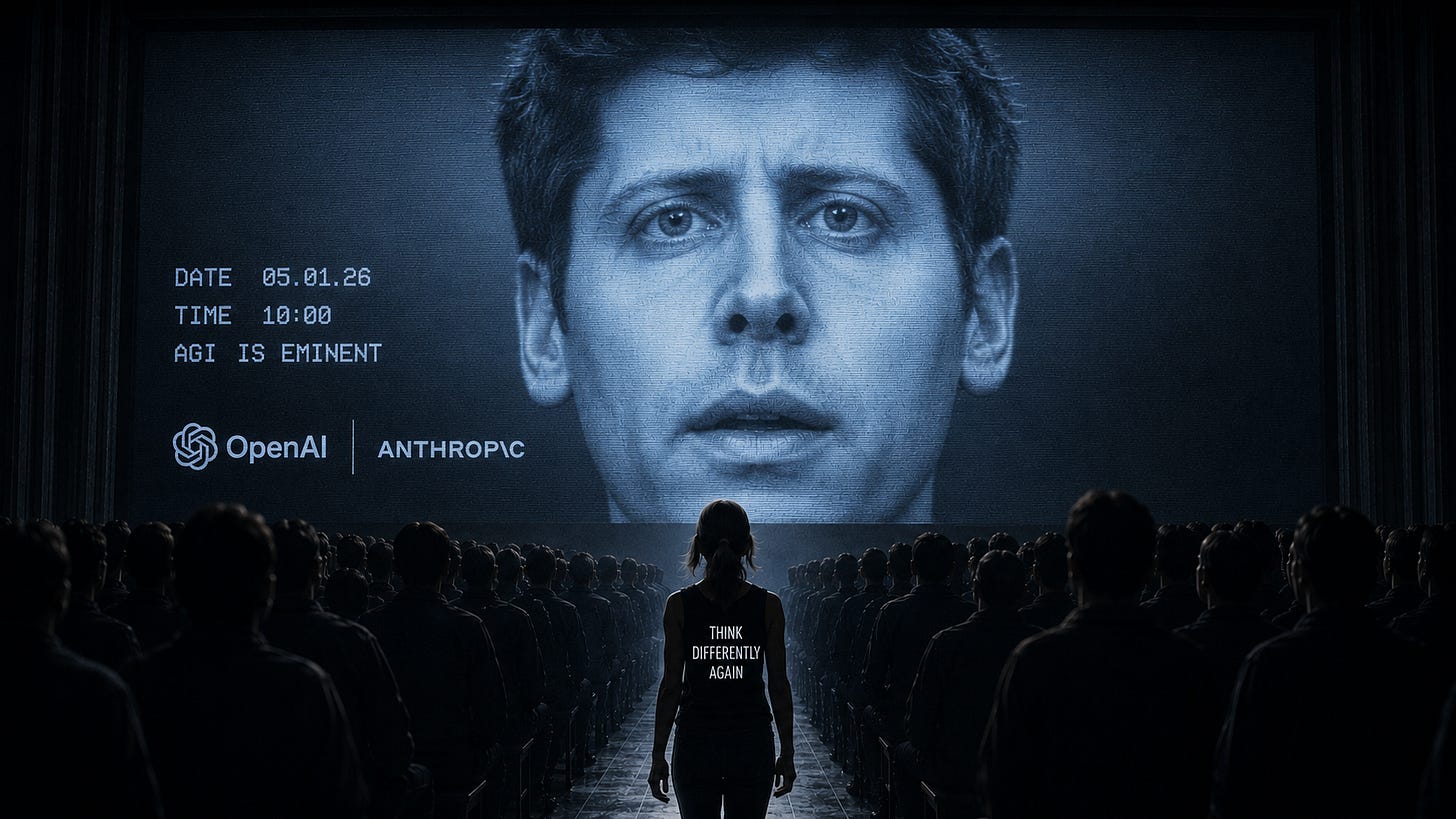
There’s a story Silicon Valley really wants you to believe right now.
It goes like this: intelligence itself is the scarce resource. Whoever builds the most powerful model will, in Sam Altman’s words, “capture the light cone of all future value in the universe.” The argument goes even further: that the first company to reach AGI will permanently leapfrog everyone else. Everything else — the apps, the workflows, the industries — becomes downstream. Just features waiting to be absorbed.
It’s an elegant story that’s supported by the shortage in inference capacity. It is also a very convenient one for the hundreds of billions of dollars now concentrated around a handful of companies.
But it’s mostly hubris. And we’re betting against it.
Two years ago, GPT-4 class intelligence cost roughly $30 per million tokens. Today, similar performance is available for under a dollar. Meanwhile DeepSeek, Kimi, and Qwen keep closing the gap at an even smaller fraction of the cost.
None of this should be surprising.
Compute commoditized. Bandwidth commoditized. Storage commoditized. None of those looked like commodities when they first appeared either. They looked magical, scarce, and impossible to catch. Then markets did what markets always do: competition increased, supply expanded, and differentiation collapsed. Intelligence is heading down the same path.
The historical parallels are everywhere. The railroads didn’t dominate the industrial economy. Standard Oil did. AWS created enormous value, but the defining companies of the cloud era became Stripe, Shopify, and Snowflake.
The AI-native companies that define the next decade probably won’t win because they have a marginally better model. In fact the models are already good enough to transform most industries. They’ll win because they own the customer relationship, the proprietary data, and the workflow that’s too painful to replace.
At Tellme Networks, one of the first voice enterprise AI companies, we were making over $120M in revenue automating call center for enterprises. We didn’t have our own voice recognition engine. Instead we used Nuance, the most advanced provider at the time, and paid them pennies on the dollar. They were competing with us on every contract—and losing. Because we had the best applications targeted for each vertical.
More importantly, the most important AI companies probably haven’t been founded yet.
Google wasn’t obvious in 1993. Amazon wasn’t obvious in 1996. We’ve just seen enough cycles to know the winners won’t be who people expect today.
The founders building the defining companies of the AI era are likely out there right now, working on problems that still sound too niche, too messy, or too early. We don’t know who they are yet — and neither does anyone else
But we’ve also seen enough cycles to know that the most important companies are never built by the people who own the infrastructure. They’re built by the people who can’t stop thinking about a specific problem nobody else thinks is worth solving yet.
That’s the long AI bet.
関連記事
今日のまとめ
AIデイリーブリーフで今日の重要ニュースをまとめ読み