AI移行の最前線で職を失う労働者の苦悩と現実
本文の状態
日本語全文を表示中
詳細モードで約10分の本文を読めます。
同じ出来事の情報源
この情報源を基点に整理
BBC Technology AI
BBC はフィリピンのコールセンター労働者らが AI 移行の波に飲み込まれ、職を失う危機にある実態を報じ、一人の母親が自身のキャリア選択を後悔する声を伝えている。
AI深層分析を開く2026年8月5日 11:23
AI深層分析
キーポイント
AI による雇用への影響の実態
15 年間コンテンツライティングで生計を立ててきたシングルマザーのリサは、AI を使わなくても仕事ができると考えていたが、業界全体での AI 導入により職を失う危機に直面している。
フィリピンのコールセンター産業の状況
フィリピンは世界有数のアウトソーシング拠点として知られるが、AI の普及がこの産業の雇用構造に大きな変化をもたらしており、多くの労働者がその影響を直接受けている。
労働者の心理的負担と後悔
AI 移行に伴う職の喪失やキャリアの転換を迫られる中で、労働者自身が「自分で自分の墓を掘ったようだ」と強い後悔と絶望感を表明している。
AIによる代替と労働者の犠牲
企業は従業員に生成した文章の編集をさせ、そのスキルをAIの学習データとして利用してしまい、結果的に彼らが自分たちの仕事を奪うAIを訓練してしまった。
フィリピンのBPO産業とAIリスク
経済成長の象徴であるフィリピンのアウトソーシング産業は雇用者数や収益規模が大きいものの、AIの影響に特に脆弱であると指摘されている。
重要な引用
"I feel like I dug my own grave"
The Philippines is known as the call centre capital of the world
For 15 years, single mother Lisa made a living from content writing.
"I feel like I dug my own grave," she says. "We were the ones who trained the artificial intelligence that replaced us."
編集コメントを表示
編集コメント
本記事は AI の技術的詳細よりも、その導入が現場の労働者に与える心理的・経済的打撃に焦点を当てている。技術革新の裏側にある人間の苦悩に目を向けることは、AI 社会を構築する上で不可欠な視点であると言える。
Source Article
元記事を日本語で読む
本文に関係しない購読案内、埋め込み通知、サイト内プロモーションは除いています。
「自分で自分の首を絞めた」と感じる:AI 移行の渦中にいる労働者たち
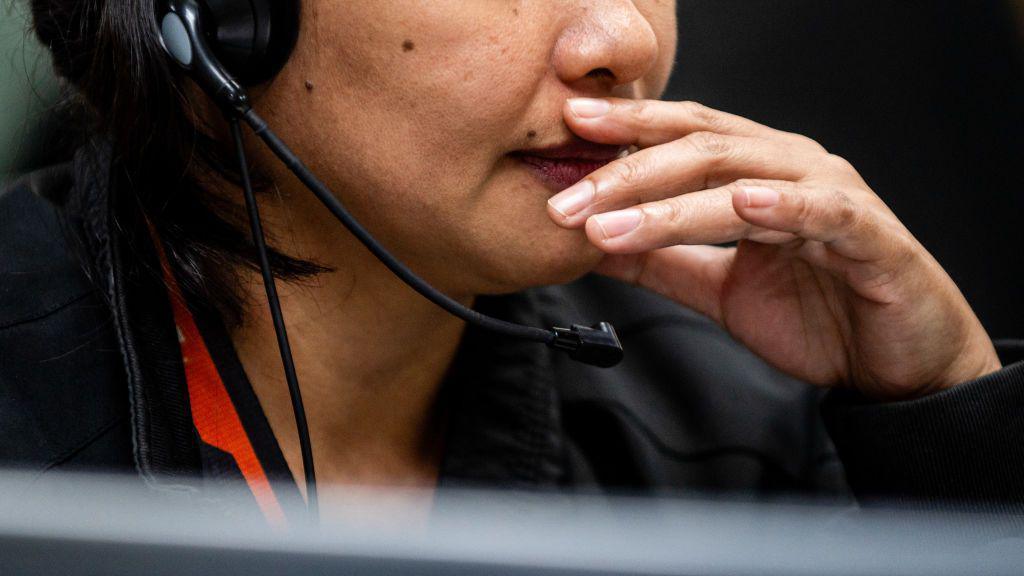
画像提供:Bloomberg via Getty Images
*写真キャプション:フィリピンは世界のコールセンターの首都として知られています*
文:スランジャナ・テワリ
アジアビジネス担当記者、マニラより
シングルマザーのリサさんは、15 年間コンテンツライティングで生計を立ててきました。
彼女は大学を卒業するとすぐに執筆活動を始め、フリーランスとして数年間働き続けました。やがて多くの若者フィリピン人がたどった道と同じく、国内で急成長するアウトソーシング産業の多国籍企業に転職しました。
リサさんは、仕事で人工知能(AI)を使う必要性をかつて感じたことはありませんでした。
「私は自分の仕事をこなせ、納期も守れています。私の意見では、[AI] が必要だとは思いません」と彼女は BBC に語りました。
最新の職に就いてから 8 ヶ月が過ぎ、そのポジションが正式な正社員になる直前の 1 ヶ月前、彼女は解雇されました。
リサさんによれば、その数カ月前、ある広報代理店が AI で生成した素材の作成を命じられ、彼女や同僚たちはそれを編集するよう指示されていました。彼女のスキルは、会社の執筆スタイルを AI に学習させるために利用されたのです。
「自分で自分の首を絞めたような気分です」と彼女は言います。「私たちこそが、自分たちを置き換えた人工知能を訓練した側だったのですから。」
「自分自身で墓を掘ってしまった」と感じているのは、リサ(偽名)だけではありません。BBC は匿名を希望する元アウトソーシング従業員たちと取材を行いました。彼らは退職金と引き換えに秘密保持契約に署名しており、公の場で発言すれば、ネットワークが狭い業界での就職機会を損なう恐れがあると考えています。
これらの体験は、フィリピンのような新興国が直面している問いに対する洞察を提供します。AI が数百万人を中流階級へと押し上げた仕事を自動化し始めたら、どうなるのでしょうか?
産業の構築
毎日午後5時頃、キューアオ地区の高層オフィスから、社員のネームバッジをつけた労働者たちが溢れ出します。
首都圏には他にも同様のエリアがあり、多国籍企業が拠点を構えています。ここでは、数千里離れたクライアント向けのコールセンター業務、会計、ソフトウェア開発、マーケティングコピー作成など、あらゆるアウトソーシング業務が行われています。
20 年以上にわたり、これらのビジネス地区はフィリピン最大の経済的成功物語の一つを象徴してきました。
2000 年代初頭から、同国は「ビジネスプロセス・アウトソーシング(BPO)」におけるインドの英語圏代替地として推進されました。
successive な政府が税制優遇措置を提供し、インフラへの投資を行い、多国籍企業に大規模な事業展開を促しました。
アクセンチュア、コンセントリック、テレパフォーマンスといったグローバル企業が広大なキャンパスを建設し、数十万人のフィリピン人を雇用しています。
現在、アウトソーシング産業は約190万人を雇用し、年間400億ドル(約3,010億ポンド)の収益を生み出しています。これはフィリピンの経済全体の約1割に相当します。
しかし専門家は、この産業がAIの影響に対して不均衡なほど脆弱であると指摘しています。
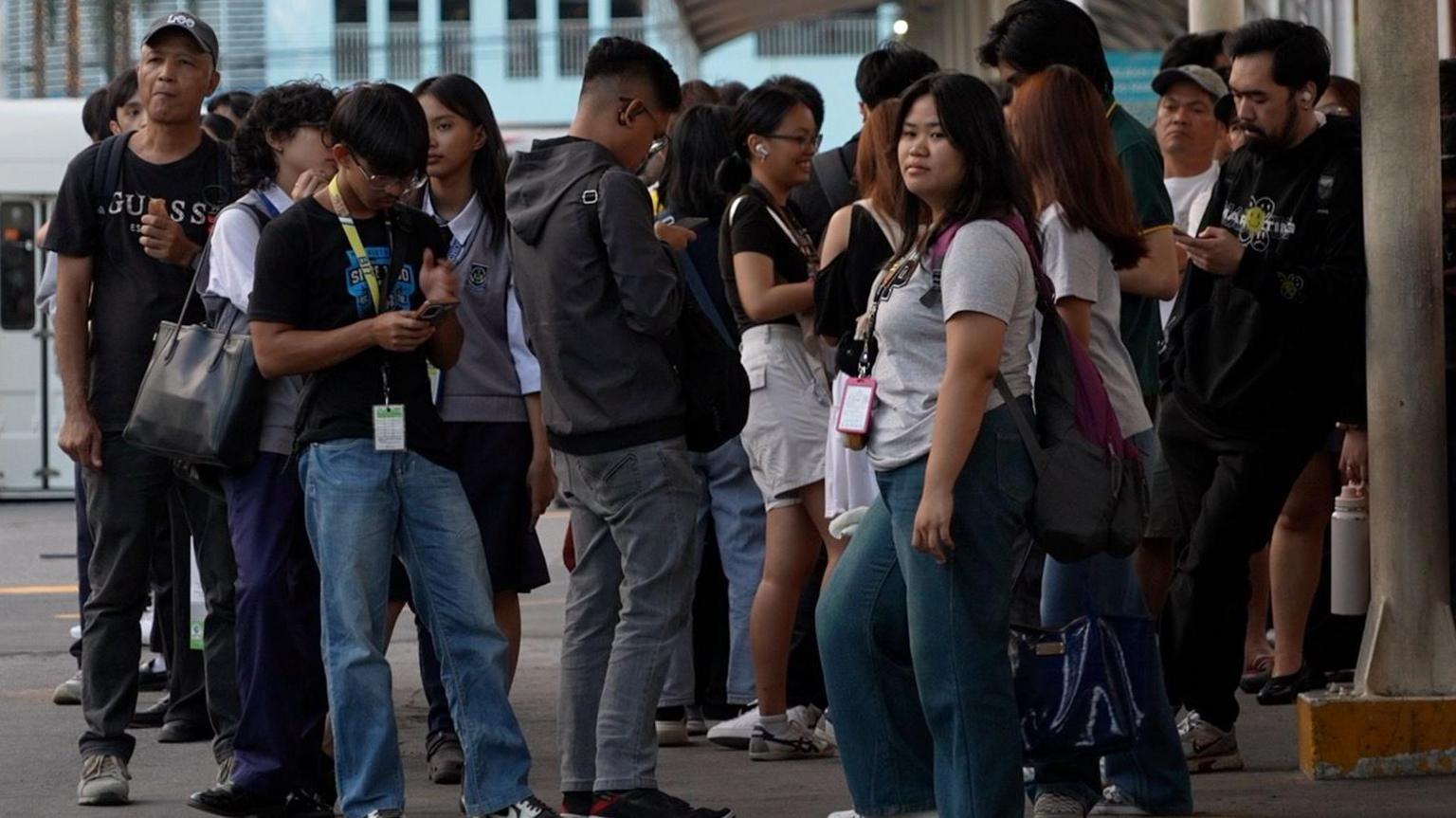
国際労働機関(ILO)の推計によると、フィリピン人の1,270万人、すなわち労働者の4人に1人以上が生成AIの影響を受ける職業に就いています。これは東南アジアで最も高い割合です。
同機関は多くの役割が消滅するのではなく変化すると予測していますが、フィリピンで行われているサービス業の種類が、特にリスクにさらされている要因となっています。
フィリピンのITおよびビジネスプロセス協会(IBPAP)の会長であるジャック・マドリード氏は、AIがこの業界で採用され始めていることを認めています。
同氏によると、IBPAPの加盟企業の3分の2以上がすでにAIの実証実験を進めています。
「エージェント型AIは、はるかに加速されたペースで自動化を実現する可能性があります」とマドリード氏は語ります。「明らかに、自動化可能な業務、あるいは既に自動化が進んでいる業務の層が存在します。」
しかし彼は、影響を受ける労働者の大多数は同じ組織内で配置転換されたと付け加えています。
マドリード氏によれば、採用動向における弱さは、AIの影響だけでなく、他の要因も反映しているとしています。
「特定の業務やプロセスを海外移管すべきかどうかという投資判断が鈍化している」と彼は語る。世界的な需要の減速と、企業が最終的にこの技術をどう活用するか不透明であることがその要因だ。
それでも、課題は大きい。「準備に十分すぎるということはない」と彼は言う。「リスキリング(再教育)の重要性」を強調しすぎることなどない。
自動化への圧力
名前を変えた別の元コンテンツライター、メアリーさんは、雇用主が AI を生産性向上ツールとして活用するよう推奨していたと語る。
しかし、彼女によれば、仕事が楽になるどころか、追加の責任が生じたという。
「AI が生成したデータに不正確な箇所が多いため、私たちはより多くの編集や事実確認を行う必要がありました。技術的には、私たちにとって作業量が増えたのです」と彼女は話す。
リサ同様、彼女も後に解雇された。
専門家の分析では、企業はコスト削減と生産性向上のために AI の導入を迫られているという。
世界最大のコールセンター運営会社であり、フィリピンの主要な民間雇用主の一つであるテレパフォーマンス社は、AI は労働力を置き換えるのではなく、補完する機会を提供すると述べている。
同社は、AI が定型のやり取りを処理し、人間のエージェントはより複雑な役割にシフトしていくと見込んでいる。
また、テレパフォーマンス社は従業員の再訓練計画も発表している。
アクセンチュアも同様に、生成 AI は職を消滅させるのではなく、ほぼすべての仕事を形変えるだろうと述べている。
同社は、AI 能力の強化と労働者のトレーニングに数十億ドル規模の投資を行う方針を示している。
フィリピン最大のアウトソーシング企業であるConcentrixは、AIシステムは人間の監督下にあるべきだと主張し、従業員に対して新技術の研修を行うことを約束しています。
しかし、フィリピンの一部の管理者たちはAIに不安を抱き、導入を遅らせたいと考えているそうです。これは、デ・リマン大学(University of the Philippines-Diliman)のポール・キントス氏の指摘です。
彼らが懸念しているのは、国内労働力のどれほどが職を追われるかという点です。「しかし、海外のクライアントからはAI導入に対する途方もない圧力がかかっています」とキントス氏は話します。「これは主要なコスト削減策なのです」
フィリピンのアウトソーシング企業は、インドなど他国の競合他社と直接競争し、多国籍企業からの契約を獲得しています。近年、これらのクライアントは、単に安価な労働力を提供するだけでなく、提供するサービスにAIを統合することをサプライヤーに求めるようになっています。

世界中で数千億ドル規模の投資がなされているにもかかわらず、キントス氏は、職場ツールの多くが実際にどれほどの生産性を生み出しているかを示す証拠はまだ限られていると言います。
「『AIウォッシング』と呼ばれる用語があります」と彼は話します。実際には需要の弱体化や経済状況の悪化に対応しているのに、企業がAI導入を理由に人員削減を行っているかのように見せかけるケースがあるのですとキントス氏は指摘しています。
AI のせいにすることで、人員整理が市場環境への対応ではなく、技術的な進歩であるかのように見せることができる。
次の転換点
労働団体は BBC に対し、フィリピンの既存の雇用法では人員整理については規定されているものの、企業が職場に AI を導入する際の指針や、その利用について従業員と協議する方法についてはほとんど示されていないと語った。
また、フィリピンのアウトソーシング業界には組合が存在せず、多くの労働者が新しい技術がどのように展開されるかについて公式な発言権を持っていない。
政府は、労働者の再訓練には政府自身と民間セクターの双方に責任があり、インドやシンガポールのような競合他社に取り残されるリスクがあると述べている。
「正直に言えば、私たちは少し遅れていると思います。追いつかなければなりません」と、フィリピン情報通信技術省のレアンドロ・アギレ氏は語る。
「人々が置き換えられるのではなく、成長する AI ラスで実際に活躍できる立場になるよう、努力を倍増させる必要があります」
政府はアウトソーシング労働者 30 万人以上のスキルアップにコミットしているが、アギレ氏はフィリピンがアウトソーシングセンターとしての地位を築いた経済モデルの見直しが必要かもしれないと認めている。
「私たちは外国直接投資に大きく依存してきました」と彼は言う。「しかし、地元の人材や地元の企業にも焦点を当てる必要があると思います」
その野心は、より付加価値の高い雇用を生み出すことができる国内発の AI 企業の構築にあるという。
アギレ氏は、包括的な新 AI 法整備への要請を退け、既存の労働・プライバシー・消費者保護法制を規制ガイダンスを通じてより迅速に適用可能だと主張している。
「AI の恩恵は人々にも及ばなければならない。雇用主だけの利益であってはならない」と彼は語る。
フィリピンは過去 20 年以上にわたり、自国民のスキルを多国籍企業へ提供することで、世界有数のアウトソーシング産業を築き上げてきた。
AI がこのモデルを完全に終わらせるわけではないが、確かに変容させつつあり、一部の労働者が取り残されるリスクも孕んでいる。
原文を表示
'I feel like I dug my own grave': The workers caught in the AI transition
Image source, Bloomberg via Getty Images
*Image caption, The Philippines is known as the call centre capital of the world*
BySuranjana Tewari
Asia Business CorrespondentReporting fromManila
For 15 years, single mother Lisa made a living from content writing.
She began writing straight out of college, freelanced for years and eventually followed a path taken by many young Filipinos: joining a multinational in the country's booming outsourcing industry.
Lisa says she never felt the need to use artificial intelligence (AI) in her work.
"I can say that I am able to do my job, I meet deadlines. In my opinion, there is no need for [AI]," she told the BBC.
Eight months into her latest role, and one month before the position was due to become permanent, she was made redundant.
In the months before, Lisa says a public relations agency had been tasked with producing AI-generated material that she and her colleagues were asked to edit. She says her skills were used to train the AI on the company writing style.
"I feel like I dug my own grave," she says. "We were the ones who trained the artificial intelligence that replaced us."
Lisa, not her real name, is one of several former outsourcing employees the BBC spoke to who asked to remain anonymous. They signed confidentiality agreements in return for severance pay, and fear that speaking publicly could hurt their chances of finding work in an industry which has a small network.
Their experiences offer an insight into a question confronting emerging economies like the Philippines: what happens when AI begins to automate the jobs that helped lift millions of people into the middle classes?
Building an industry
Every evening around 5pm, streams of workers wearing company lanyards spill out of high-rise offices in the district of Cubao in Manila.
It's one of several areas of the capital where multinational companies have premises – providing all sorts of outsourcing work including call centres, accounting, software development and marketing copy services for clients thousands of miles away.
For over two decades, these business districts have symbolised one of the Philippines' biggest economic success stories.
Beginning in the early 2000s, the country was promoted as an English-speaking alternative to India for what's called business process outsourcing (BPO).
Successive governments offered tax incentives, invested in infrastructure and encouraged multinational companies to set up large operations.
Global groups like Accenture, Concentrix and Teleperformance built sprawling campuses, employing hundreds of thousands of Filipinos.
Today, the outsourcing industry employs roughly 1.9 million people, and generates $40bn (£30.1bn) in revenues every year, accounting for about 10% of the Philippines' economy.
But experts say the industry is disproportionately vulnerable to the impact of AI.
The International Labour Organization estimates that 12.7 million Filipinos - more than one in four workers - are employed in occupations exposed to generative AI, the highest share in South East Asia.
The organisation expects many roles to change rather than disappear but the types of service jobs that people do in the Philippines leaves it particularly at risk.
Jack Madrid, president of the IT and Business Process Association of the Philippines (IBPAP), admits that AI is being adopted by the sector.
More than two-thirds of IBPAP's members are already running AI pilots, he says.
"Agentic AI has the potential to automate at a much more accelerated pace," Madrid says. "Obviously, there's a layer of jobs that are automatable or have been automated."
But he adds that the vast majority of affected workers have been redeployed within the same organisations.
Madrid says any weakness in hiring reflects more than the impact of AI.
"We've seen a slowdown in investment decisions on whether certain job functions or processes should be offshored," he says, pointing to slower global demand and uncertainty over how companies will ultimately deploy the technology.
Even so, he acknowledges the challenge. "We cannot do enough to be prepared," he says. "The importance of reskilling" cannot be overstated.
The pressure to automate
Mary, another former content writer whose name we've changed, says her employer encouraged the use of AI as a productivity tool.
Instead of making her job easier, she says it created additional responsibilities.
"We had to edit more, fact-check more because the data AI produced was inaccurate," she says. "Technically it was more work for us."
Like Lisa, she was later made redundant.
Companies are under pressure to implement AI, to reduce costs and increase productivity, experts say.
Teleperformance, the world's largest call centre operator and one of the Philippines' biggest private employers, has said AI offers an opportunity to augment rather than replace its workforce.
The company expects AI to handle routine interactions while human agents move into more complex roles.
Teleperformance has also said it plans to retrain employees.
Accenture has similarly said that generative AI will reshape almost every job rather than eliminate positions.
The firm has promised to invest billions of dollars in AI capabilities and workforce training.
Concentrix - which is the biggest outsourcing firm in the Philippines - says its AI systems should remain under human oversight and has committed to training employees in the new technology.
Some Filipino managers are uneasy about AI and want to slow down adoption, according to Paul Quintos, from the University of the Philippines-Diliman.
They are concerned about how much of the domestic workforce might be displaced.
"But there's tremendous pressure from foreign clients to adopt AI," he says. "It's a major cost-cutting measure."
Philippine outsourcing companies compete directly with rivals in India and elsewhere for contracts from multinational corporations.
Increasingly, those clients expect suppliers not only to provide cheaper labour, but also to integrate AI into the services they deliver.
Despite hundreds of billions of dollars being invested globally in AI, Quintos says there is still limited evidence about how much productivity many workplace tools actually deliver.
"There is a term called 'AI washing'," he says.
Some layoffs are presented as being driven by AI when companies are in fact responding to weaker demand or slowing economic conditions, Quintos says.
Attributing redundancies to AI, he adds, can make restructuring appear like technological progress rather than a response to market conditions.
The next transition
Labour groups have told the BBC that existing employment laws in the Philippines govern redundancy but offer little guidance on how companies should introduce AI into workplaces or consult employees over its use.
The Philippines' outsourcing sector is also non-unionised, leaving many workers with little formal say over how new technologies are deployed.
The government says that it, and the private sector have a responsibility to retrain workers, and risks falling behind competitors like India and Singapore.
"To be completely honest, I think we're slightly behind. We have to catch up," says Leandro Aguirre of the Philippines Department of Information and Communications Technology.
"We have to double our efforts to put our people in a position where they will not be displaced but actually thrive in this growing AI race."
The government has committed to upskilling more than 300,000 outsourcing workers, but Aguirre acknowledges that the Philippines may need to rethink the economic model that helped make it an outsourcing centre.
"We relied heavily on foreign direct investment," he says. "But I think we also need to focus on local talent and local companies."
The ambition, he says, is to build home-grown AI companies capable of creating higher-value jobs.
Aguirre rejects calls for sweeping new AI legislation, arguing that existing labour, privacy and consumer protection laws can be adapted more quickly through regulatory guidance.
"The benefits of AI have to trickle down to people," he says. "It can't just benefit employers."
For more than 20 years, the Philippines built one of the world's most successful outsourcing industries by selling the skills of its people to multinational companies.
AI may not end that model, but it is certainly changing it, and risks leaving some workers behind.
*Additional reporting by Jaltson Akkanath Chummar and Regine Cabato*
今日のまとめ
AIデイリーブリーフで今日の重要ニュースをまとめ読み