中国がオープンソース技術戦略を推進しAI分野でも主導権を握る
本文の状態
日本語全文を表示中
詳細モードで約8分の本文を読めます。
同じ出来事の情報源
この情報源を基点に整理
The Conversation AI
中国が国家戦略としてオープンソース技術を推進し、AI の分野でも独自の開発・ライセンス・展開モデルを確立しようとしている一方で、知的財産の盗用や技術移転への懸念から国際的な信頼構築が今後の成否を分ける鍵となる。
Continue in AI NEW LAB
このニュースを、実務の判断につなげる
AI NEW LABで、試したことや先に確認したい条件を共有できます。まずはログインなしで読めます。
AI NEW LABで論点を見るAI深層分析を開く2026年8月12日 22:00
AI深層分析
キーポイント
国家戦略としてのオープンソース推進
中国政府はオープンソース開発を国家技術戦略に位置づけ、中国企業や機関がその開発・ライセンス・展開のあり方を再定義している。
AI 分野における競争と影響
人工知能が日常技術となる中で、中国のオープンソース戦略は世界中で利用される製品やサービスに影響を与える可能性を秘めている。
国際的な信頼構築の課題
中国政府支援の下での知的財産の盗用や圧力による技術移転の歴史的背景から、中国企業の取り組みが成功するにはグローバルな信頼獲得が不可欠である。
オープンソース技術の多角的な展開
Android やインターネットの中核である Linux のほか、Intel や Arm に代わる RISC-V や次世代モバイルネットワークインターフェースもオープンソースとして推進されている。
外国依存からの脱却とセキュリティ確保
政府系研究所が Microsoft Windows の代替として Red Flag Linux を開発し、維持コストの高さや外国による情報収集への懸念から自主的な技術育成を図った。
重要な引用
The Chinese government has made open-source development part of its national technology strategy.
China's open-source strategy could influence products and services used by people around the world, particularly as artificial intelligence becomes an everyday technology.
The success of China’s efforts may depend on building global trust.
Early Chinese engagements with open-source aimed to develop technologies that were free from foreign control.
編集コメントを表示
編集コメント
この記事は、中国がオープンソース分野で単なる追随者ではなく、独自のルールを形成しようとする動きを明確に示している。特に AI の普及が進む中で、技術の共有とセキュリティ・信頼性のバランスをどう取るかが国際社会の課題となるだろう。
Source Article
元記事を日本語で読む
本文に関係しない購読案内、埋め込み通知、サイト内プロモーションは除いています。
あなたがパソコンやスマートフォンでこの記事を読んでいる今、あなたは間違いなく何らかの形でオープンソース技術を利用しています。これは、オペレーティングシステムや Web サーバーからデータベース、暗号化プロトコルに至るまで、グローバルなデジタル経済を支える基盤となっています。
これまでオープンソース技術の開発を主導してきた米国と欧州に対し、中国も独自の代替案を提唱し始めています。中国政府はオープンソース開発を国家のテクノロジー戦略の一環に位置づけました。中国の企業や機関は、オープンソース技術が開発され、ライセンス管理され、展開されるあり方そのものを再定義する動きを活発化させています。
中国のオープンソース戦略は、特に人工知能(AI)が日常技術として普及するにつれ、世界中の人々が利用する製品やサービスに影響を及ぼす可能性があります。
ただし、中国の取り組みが成功するかどうかは、国際的な信頼をいかに築けるかにかかっているかもしれません。中国政府の支援を受けた中国企業は、長年、知的財産権の侵害を通じて先進技術を獲得したり、合弁事業やライセンス契約において圧力をかけたりしてきたことで知られています。
オープンソース技術は、国同士の戦略的競争の場へと急速に変化しています。私は中国問題およびオープンソース研究の専門家として、オープンソース技術を規律する技術基準と法的基準を主導する国が、今後数十年にわたって競争優位を獲得すると考えています。
オープンソースへの道のり
オープンソース運動は、企業の独占を回避するための協力から、製品開発を迅速化するためのビジネス戦略に至るまで、さまざまな形をとってきました。オープンソースソフトウェアにより、世界中の開発者が共有されたコードを再利用し、改善することが可能になっています。
Android 端末やインターネットの基盤となるソフトウェア「Linux」は、オープンソース技術です。Intel や Arm のチップ設計に対する新興の代替案である「RISC-V」、次世代のモバイルネットワークインターフェースもまた、オープンソースです。
中国が初期にオープンソースに取り組んだ目的は、外国の支配を受けない技術を開発することでした。政府系ソフトウェア研究所が開発した「Red Flag Linux」は、Microsoft の Windows オペレーティングシステムに対する代替案として登場しました。中国政府は、Windows が維持コストが高く、外国による情報収集に対して脆弱であると見ていたのです。その後、中国の軍事大学が「Kylin」を創出し、これは中国人民解放軍やその他の政府機関向けのオペレーティングシステムとなりました。
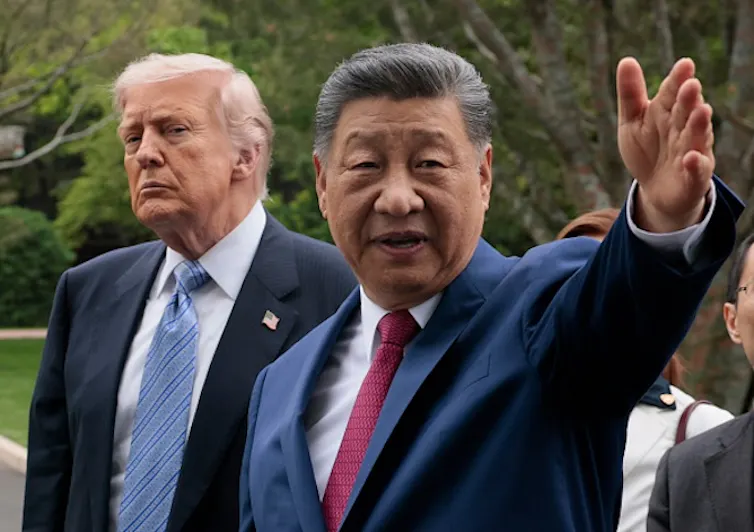
9 月の首脳会談において、AI が米国のドナルド・トランプ大統領と中国の習近平国家主席の間で緊張要因となる可能性があります。China Pool via Getty Images
ここ数年、中国のテック企業は制裁や輸出規制を回避する手段としてオープンソース技術を採用してきました。米政府が中国軍とのつながりを理由に通信大手 Huawei をブラックリストに載せた際、Google は同社へのライセンスサービスやアプリの利用を停止しました。しかし Huawei は Android のオープンソースコードを活用してスマートフォン用 OS を維持し続けました。その後、Huawei は「HarmonyOS NEXT」という代替案を開発し、そのオープンソース版として OpenHarmony をリリースしています。
現在、中国の指導者である習近平主席は、「科学技術の自立と強化」を強調しています。これは「科技自立自强(けいじじりつじきょう)」と呼ばれる概念です。工業情報化省をはじめとする政府機関は、オープンソース技術分野において国内プラットフォームを支援しており、国家主導型の「OpenAtom Foundation」や、GitHub に代わる中国版リポジトリとして知られる「Gitee」などがその例です。
また、「openKylin」や「openEuler」といった国産のオープンソースオペレーティングシステムは、中国の情報技術インフラを確保する上で重要な役割を果たしています。
中国はまた、オープンソースハードウェアに関するグローバル基準策定において不可欠なプレイヤーとしての地位を確立しつつあります。例えば、RISC-V に向けた取り組みを通じて、中国のテクノロジー企業は半導体分野における外国の知的財産への依存度を低下させることが可能です。オープンハードウェアの標準化は、中国企業が輸出規制や禁止措置に対する脆弱性を低減する効果をもたらします。
「曲がり角で追い越す」という中国の戦略、つまり先行者を追いかけてその後抜き去るという手法が、効果を上げているようです。すでに 5G モバイルネットワーク技術においてリーダーシップを握っている中国の通信企業は、国際的なアライアンスと協力して、次世代モバイル通信規格である「6G」の形成に取り組んでいます。このアライアンスが開発中の Open-RAN 標準には、サイバーセキュリティや戦略的競争に関する複雑な影響が伴います。
オープンソース AI:中国流の特徴はあるのか?
AI をめぐる競争は、AI チップの輸出規制を超え、「オープンソース AI の開発を誰が主導するか」という段階へと移っています。習近平国家主席は、9 月の米国訪問の際にドナルド・トランプ米大統領と AI について協議する見込みです。
Qwen、DeepSeek、Kimi、GLM など主要な中国製 AI モデルの多くは「オープンウェイト」であり、「オープンソース」とは異なります。これはモデルのソフトウェアや最終的なパラメータが公開される一方、学習データや手法までは開示されないことを意味します。AI 企業は通常、プロプライエタリ(非公開)版、オープンウェイト版、そしてより小規模なオープンソース版など、複数のバージョンを提供しています。
ホワイトハウスとシリコンバレーは、オープンソース AI の将来を巡って依然として意見が割れている。Anthropic と OpenAI は、中国のオープンウェイトモデル開発者が、独自 AI モデルのコピーに用いられる大規模な不正な「ディストillation(蒸留)」を行っていると非難している。トランプ政権と米国の議員らは、中国製のオープンウェイトモデルへのアクセス制限を提案しており、一部の連邦機関や州政府はセキュリティ上の理由から、従業員や契約業者による DeepSeek の利用禁止措置をすでに実施している。
中国の AI ユーザーは、一般に認識されていないリスクに直面しています。中国製のオープンウェイトモデルは、政府による検閲やプロパガンダへの適合を意図して設計されています。
中国製モデルは MIT や Apache 2.0 といった標準的なライセンスの下で配布されることが多いものの、一部のモデルには追加のコンプライアンス要件が課されます。
例えば Moonshot の「Kimi K3 モデル」ライセンスでは、特定の収益またはユーザー数を超えた利用者は、Kimi モデルの名前を「目立つように」表示することが義務付けられています。また、MiniMax M3 のコミュニティライセンスには、「適用される法律や規制で禁止されている用途」が列挙されており、どの管轄区域が適用されるのかという疑問が生じています。
中国政府の指導の下で策定されたバイリンガルライセンスにより、中国国内の利用者はより多くのアクセス権を得ており、中国の裁判所はより大きな統制力を行使しています。これには「Mulan Permissive Software License, version 2.0」や「OpenAtom Model License, version 1.0」が含まれます。両方のライセンスは英語と中国語で記されていますが、解釈に相違が生じた場合、特に中国の管轄区域においては中国語版が優先されます。
米国では、AI の規制が連邦法と州法の寄せ集めによって行われています。一方、オープンソース AI のガバナンスには、国際的に認められた枠組みの方がより有効なアプローチとなる可能性があります。具体例としては、欧州連合の「人工知能法(Artificial Intelligence Act)」や、ユネスコの「人工知能倫理に関する勧告」、広島AIプロセス、そして国際標準化機構(ISO)の「ISO/IEC 42001」などの多角的な取り組みが挙げられます。
オープンソース技術においても、こうしたガバナンスの枠組みから恩恵を受けることが期待されます。
原文を表示
As you read this article on your computer or smartphone, you are almost certainly using open-source technology in some way. It forms the foundation of the global digital economy, from operating systems and web servers to databases and encryption protocols.
While the United States and Europe have led the development of open-source technology, China is championing its own alternatives. The Chinese government has made open-source development part of its national technology strategy. Chinese companies and institutions have been active in redefining how open-source technology is being developed, licensed and deployed.
China’s open-source strategy could influence products and services used by people around the world, particularly as artificial intelligence becomes an everyday technology.
The success of China’s efforts may depend on building global trust, however. Chinese companies, backed by the government, have long been known to acquire advanced technology through intellectual property theft and by applying pressure in joint ventures and licensing agreements.
Open-source technology is increasingly becoming an arena of strategic competition between countries. As a China expert and open-source researcher, I believe the countries that lead the technical and legal standards governing open-source technology will gain a competitive edge for decades to come.
China’s long road to open-source
The open-source movement has taken various forms, from collaborations aimed at bypassing corporate monopolies to business strategies for developing products quickly. Open-source software has allowed developers around the world to reuse and improve on shared code.
Linux, the core software powering Android phones and most of the internet, is an open-source technology. RISC-V, an emerging alternative to Intel and Arm chip designs, and next-generation mobile network interfaces are also open-source.
Early Chinese engagements with open-source aimed to develop technologies that were free from foreign control. A government-run software institute developed Red Flag Linux as an alternative to Microsoft’s Windows operating system, which the government saw as costly to maintain and vulnerable to foreign intelligence gathering. A Chinese military university later created Kylin, an operating system for the People’s Liberation Army and other government organizations.
In recent years, Chinese tech companies have embraced open-source technology as a way around sanctions and export controls. After the U.S. government blacklisted the telecom giant Huawei for its ties to the Chinese military, Google revoked the company’s access to licensed services and apps. But Huawei used Android’s open-source code to maintain its smartphone operating system. Eventually, Huawei developed an alternative called HarmonyOS NEXT and released its own open-source version as OpenHarmony.
Today, Chinese leader Xi Jinping is stressing the importance of science and technology independence and self-strengthening, known as keji zili ziqiang. The Ministry of Industry and Information Technology and other government bodies have supported domestic platforms, such as the state-guided OpenAtom Foundation, for open-source technology, and Gitee, a Chinese alternative to GitHub, a popular repository for open-source software. Domestic open-source operating systems such as openKylin and openEuler play a key role in securing China’s information technology infrastructure.
China is also positioning itself as an indispensable player in setting global standards for open-source hardware. For example, its work on RISC-V allows Chinese technology companies to reduce dependence on foreign intellectual property in semiconductors. Open hardware standards make Chinese companies less vulnerable to export controls and bans.
China’s strategy of “overtaking on a turn,” or closely following and then passing the front-runner, appears to be paying off. Chinese telecommunications companies, already leaders in 5G mobile network technology, are working with an international alliance to shape 6G, the next-generation standard for mobile communications. The Open-RAN standard the alliance is developing has complex implications for cybersecurity and strategic competition.
Open-source AI: With Chinese characteristics?
The contest over AI has moved beyond export controls of AI chips toward who leads open-source AI development. Xi is expected to discuss AI with U.S. President Donald Trump on his visit to the U.S. in September.
Major Chinese AI models such as Qwen, DeepSeek, Kimi and GLM are generally open-weight, not open-source, meaning that the model software and its final parameters are made available, but not the training data and methodology. AI companies often offer models in proprietary, open-weight and smaller open-source versions.
The White House and Silicon Valley remain split over the prospects of open-source AI. Anthropic and OpenAI have accused Chinese open-weight model makers of large-scale, unauthorized distillation, a technique used to copy proprietary AI models. The Trump administration and U.S. lawmakers have proposed restricting access to Chinese open-weight models, and some federal agencies and state governments have already moved to prohibit employees and contractors from using DeepSeek, for security reasons.
Users of Chinese AI face risks that are not widely understood. Chinese open-weight models are designed to align with government censorship and propaganda. While Chinese models are often distributed under standard licenses, such as MIT and Apache 2.0, some impose additional compliance obligations.
Moonshot’s Kimi K3 model license, for example, requires licensees exceeding specific revenue or user thresholds to “prominently” display the Kimi model name. MiniMax M3’s community license lists uses prohibited by “applicable laws or regulations,” raising questions over which jurisdictions apply.
Bilingual licenses developed under Chinese government guidance give Chinese users more access and Chinese courts more control. These include the Mulan Permissive Software License, version 2.0 and the OpenAtom Model License, version 1.0. Both are written in English and Chinese, but the Chinese version prevails in cases of conflicting interpretation, especially in Chinese jurisdictions.
Open-source technology has always been global
The U.S. regulates AI through a patchwork of federal and state laws. Internationally recognized frameworks may offer a better approach to governing open-source AI. Examples include the European Union’s Artificial Intelligence Act and multilateral initiatives such as UNESCO’s Recommendation on the Ethics of Artificial Intelligence, the Hiroshima AI Process and the International Standards Organization’s ISO/IEC 42001.
Open-source technology could also benefit from such governance.
関連記事
今日のまとめ
AIデイリーブリーフで今日の重要ニュースをまとめ読み