少なくともワシントン・ポストは閲覧数を買い求めていないことがわかる
ワシントン・ポストが新設した意見セクションのポッドキャスト動画が、高額な設備投資にもかかわらず質が低く視聴者獲得に失敗している事例と、メディア経営層の判断ミスが指摘されている。
キーポイント
高コストかつ低品質なコンテンツ制作
ワシントン・ポストは新ポッドキャスト「Make It Make Sense」のために8万ドルを投資しスタジオを改装したが、公開された動画の質は著しく低く、編集も不十分である。
経営陣のメディア戦略への批判
記事執筆者は、ベゾスオーナーとオニール編集長が主導する右傾化戦略の下で、経営層が現代の視聴者ニーズや動画制作の実情を全く理解していないと強く批判している。
過去の失敗事例との類似性
2012年に執筆者自身が関わった同様の試みがゼロに近い再生数で終わった経験から、今回のプロジェクトも同じ運命をたどる可能性が高いと予測されている。
制作の質と時代錯誤
ワシントン・ポストのポッドキャストは、古いスタイルやYouTubeのベストプラクティスを無視しており、出演者の服装やスタジオセットが時代遅れで不自然だと批判されています。
視聴者からの酷評と低評価
動画の再生数は極端に少なく(数十回程度)、Apple Podcastsでは2.3星、Spotifyでは2.8星という低い評価を得ており、多くのレビューが制作陣への批判で埋め尽くされています。
検索結果での埋没
「Make It Make Sense podcast」という名称は競合する多数のポッドキャストに埋もれており、ジェフ・ベゾスの新番組が検索上位に表示されないなど、認知度が極めて低い状態です。
有能なチームの解体と質の低下
ワシントン・ポストは以前、高品質で成功した動画チームを擁していたが、多くの社員を解雇し、現在はストック映像のみを使用するゾンビ化したコンテンツに置き換えられている。
影響分析・編集コメントを表示
影響分析
この記事は、大手メディア組織がデジタルトランスフォーメーションやマルチモーダルコンテンツへ移行する際、単なる設備投資や政治的意図だけで成功を収められないことを示唆しています。経営層の現場理解不足が招くリソースの浪費とブランド価値の低下という教訓は、テック業界およびメディア業界全体にとって重要な警示となります。
編集コメント
本記事は特定のAI技術の進展を扱っているわけではありませんが、メディア業界における「テクノロジー導入」と「コンテンツ戦略」の乖離という重要な課題を浮き彫りにしています。
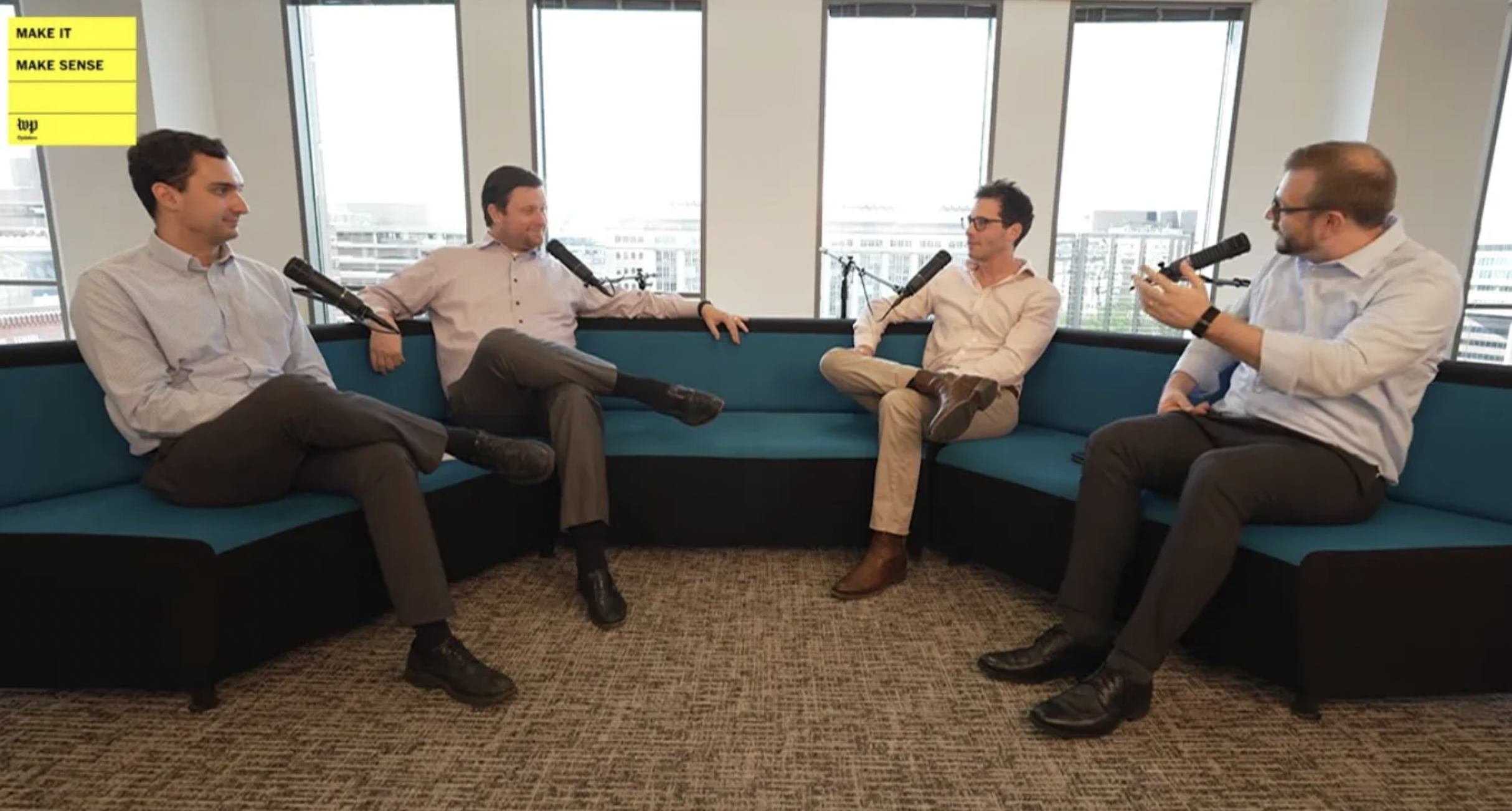 image 遥か昔、2012年のことだ。私が初めて働いた『U.S. News and World Report』の編集者が、YouTube チャンネルを持つべきだというアイデアを思いついたのだ。これは動画への完全な転換というわけではなかったが、ニュースコンテンツでバイラル(爆発的な拡散)し始めたクリエイターも現れ始めていた新興プラットフォームへの賭けだった。記者たちをカメラの前に立たせ、彼らに記事やその日のニュースについて語ってもらうという案だった。しかし、結果は芳しくなかった。
私は緊張しており自信がなく、髪型も最悪で、当時そして現在もワシントンD.C.の誰もがそうであるように、非常に流行遅れな服装をしていた。メディアトレーニングを受けたこともなく、テレビや動画に出演した経験もまったくなかった。スマートフォンも持っていなかった。社会的に不器用で、声は単調だった。話している間はずっと瞬きを繰り返し、手は必死にそわそわと動かしていた。常に「えー」と言い、言葉につまずき、自分が何をしているのか全く分かっていなかった。私たちは「NFL の頭部外傷研究が引き続き警戒を呼んでいる」「気候変動の政治は変化しているのか?」「『インターネット投票』を獲得するのはどの政党か?」といったタイトルの動画シリーズを作った。編集は拙く、音質も奇妙で、全く反響を得られなかった。
私はこれらの動画を作ろうとは思いませんでしたが、これはニュースルーム全体での取り組みだったため、仕方なく作りました。幸いにも、そして慈悲深くも、誰もこれらの動画をほとんど見ませんでした。なぜなら、それらはひどかったからです。当時も今も、これらはインターネット上で誰が見るようなものとは正反対のものです。しかし、これらの動画は、ワシントン・ポストが新設した意見欄(Opinion section)から発表されている一連のポッドキャスト動画とほぼ同じ程度の質でした。明らかにこの媒体にとっては大きな出費を伴うものでした。また、人気も同程度で、私の多くの動画は数十回以上の再生数を獲得しました。
日曜日、非常に優れたメディアニュースレター『Status』が報じたところによると、ワシントン・ポストは最近、編集委員会(Editorial Board)が出演する新ポッドキャスト「Make It Make Sense」のために、80,000 ドルを新しいオーディオおよびビデオ機器に投資しました。また、同社のオフィス内にスタジオのリニューアルも行い、これは番組のタイトル「A News Show You Can Trust, Finally」という非常にひどい予告編では明らかですが、これまでに録画された動画(その一部は今週公開されました)には現れていません。これらのすべては、意見欄編集者のアダム・オニールとワシントン・ポストのオーナーであるジェフ・ベゾスの要請により行われたものであり、これは億万長者や自由市場に友好的なコンテンツに焦点を当てるために、同部門が右傾化(shift rightward)する一部として実施されたものです。
 imageこのポッドキャストはうまくいっていない。いくつかの動画の数分間を視聴しただけで、私が U.S. News にいた時の動画の記憶が蘇り、これらのメディア企業を運営する経営陣には何の知識も能力もないという恐ろしい事実を突きつけられた思いだった。これまでにワシントン・ポストが投稿した動画は非常に古びており、まるで 2012 年にリソースゼロで作られたか、あるいは一生 YouTube の動画を見たこともポッドキャストを聴いたこともない人物によって作られたかのようだ。全員が同じビジネスカジュアルを着用し、K ストリートの Pret a Manger から突然非対称なガラスのキューブに空輸されたような印象を与える。これらのポッドキャストは YouTube やポッドキャストにおけるベストプラクティス(best practices)を一つも守っていない。関係者が過去に一度でも YouTube を利用したことがある唯一の兆候は、動画のサムネイルだけだ。これらは全く異なる方法で悪く奇妙ではあるが、少なくとも YouTube の特徴的なクリックベイトスタイル(clickbait style)を試みている。ただし、奇妙な黄色いフィルターがかかり、セリフ体フォントが使われている点が違う。
一部の動画は導入もなく、視聴者を惹きつけるフックもなしに途中の文から始まる。ある動画では「アメリカ合衆国の大統領が最高裁判所へ行き、いくつかの専門家の意見を聴く予定だ。えーと、これは在任中の大統領が最高裁判所で議論を聴くのは初めてかもしれない…」と語りかけ、ホストは言葉につまってしまう。別のホストは「そう思う。そう思う」と言い、そこで話しを止めてしまう。「これについては…えーと、確認します。事実確認します」と続ける。これが動画の最初の 19 秒である。
最近のエピソードでは、帽子から引き出せるような疲れた退屈な右派の意見が繰り返し登場しています。例えば「メディアはコロナ禍で何を間違えたか」「大麻はあなたが思うほど無害ではない」「人種差別主義者の像をどう処理すべきか」などです。その他の意見としては、「大学は簡単すぎる」「億万長者は実際に十分な税金を払っている」「AI を嫌う人々は狂っている」、そして「時代の空気を捉えようとした瞬間」として「ハサン・パイカーはダメだ」といったものがあります。これらの動画はいずれも人気はありません。30 回未満の再生回数しかないものもあれば、最近このポッドキャストを嘲笑する人々による「憎悪視聴」が主な要因で、ようやく 100 回台に達したというものもあります。新しいスタジオは状況改善にはつながっていませんが、少なくとも見た目は良くなりました。昨日投稿された動画は、この記事執筆時点では 160 回の再生回数です。
音声専用プラットフォームでは、ポッドキャストの状況はさらに良くありません。「Make It Make Sense podcast」と検索すると、Jeff Bezos の新旗艦番組ではなく、同名の他のポッドキャストが多数表示されます。私は Apple Podcast アプリ内でこのポッドキャストを見つけることができましたが、評価は 5 段階中 2.3 星(4 件のレビュー)で、最も称賛的なレビューも「これはひどいもので、制作側は恥じるべきだ」という内容でした。Spotify では評価が 5 段階中 2.8 です。
これらの動画に登場する人々には同情します。カメラの前に出るのは簡単ではありませんし、魅力的な YouTube コンテンツを作るのも容易ではありません(私たちが自分たちの YouTube チャンネルを育ててきた経験からもわかるように、これは過酷な作業であり、他のプラットフォームで聴衆を増やすよりもはるかに困難でした)。長年の練習と、多くの厳しい YouTube コメントへの対応を通じて、私は米国ニュース時代よりもカメラの前での活動に少し慣れました。しかし、メディアの経営陣は依然として、動画プレゼンテーションが苦手な人々に無理やりそれをやらせようとしています。
このプロジェクトについて言える最善のことは、少なくともジェフ・ベゾスが YouTube で視聴数を買い集めているわけではないということです。これは誰も見たり聞いたりしたくない虚栄心あふれるベンチャーキャピタル系ポッドキャストでよく行われている慣習です。では、なぜこれについて書く必要があるのでしょうか?
それは、この番組が大手メディア企業、特に誰とも共鳴するコンテンツを作る方法など何もわかっていないと考える愚かな経営陣から繰り返し見てきたタイプのものだからです。Status が指摘したように、ワシントン・ポストには非常に優秀で有能な動画チームがあり、質が高く成功した動画コンテンツを生み出していました。しかし、そのチームの大半を解雇し、私たちが今残っているのはこれです。ワシントン・ポストは、ジャーナリストのデイブ・ヨルゲンソン氏の一部の貢献によって構築された、最も革新的で個性的かつ成功した TikTok チャンネルの一つを持っていたことで知られていました。
ジョーゲンソンは昨年7月にワシントン・ポストを離れ、独自のチャンネルと会社を設立しました。「親愛なるジェフ・ベゾス、もしあなたがこれを読んでいるなら、すでに知っているはずです。私はワシントン・ポストを去り、新しい会社を立ち上げます」とジョーゲンソンはチャンネル開設の動画で述べています。「私の上司、そしてその上司も私と一緒にきますので、視聴者は引き続き同じ高品質で事実確認された動画を期待してください」と。現在、ジョーゲンソンは YouTube で 328,000 人の登録者、TikTok では 317,000 人のフォロワーを擁しています。一方、ワシントン・ポストの TikTok アカウントでは、現在はニュース通信社からの流用されたストック映像のみを投稿するようになっています。同様の現象は VICE(最近「VICE ニュース」を Adobe のスポンコンとしてリランチした)や Deadspin などでも見られます。
才能あるジャーナリスト—特にビデオジャーナリストやポッドキャスター—が職を失う一方で、彼らが築き上げたチャンネルやフィードはゾンビ化され、執行役員の情熱プロジェクトのために流用されます。そして、何をしているのか分からない人々によって運営されています。これらのプロジェクトは必然的に多額の費用がかかりますが、さらに追加のデメリットとして誰も視聴しないという点があります。結果としてプロジェクトは失敗し、忘れ去られてしまいます。このような愚かなプロジェクトを無視しておくのは構いませんが、かつて人々が関心を持ち、非常に良い仕事を行っていたニュース機関が体系的に空洞化されている過程の一部であることを、時折指摘する必要があるかもしれません。
どうやら誰でもポッドキャストを作れるようです。しかし、それが誰しもが聴くことを意味するわけではありません。
原文を表示
imageAn eon ago, in the year 2012, an editor at my first job at U.S. News and World Report had the idea that we should have a YouTube channel. It wasn’t a pivot to video, exactly, but it would be a bet on an emerging platform where some creators were beginning to go viral with news content. The idea was to put the journalists in front of the camera and have them talk about their articles and the news of the day. It did not go well.
I was nervous, unconfident, had a bad haircut, and, like everyone in Washington, D.C. then and now, was very unfashionable. I had no media training, had never been on TV or video of any sort. I did not have a smartphone. I was socially awkward and spoke in monotone. I blinked endlessly while I talked and fidgeted like crazy with my hands. I constantly said um, tripped over my words, and generally had no idea what I was doing. We made a series of videos with titles like “Head Injury Studies Continue to Cause Alarm in NFL,” “Are the Politics of Climate Change Shifting?,” and “Which Party Will Get the ‘Internet Vote’?” The videos were poorly edited, sounded weird, and got zero traction.
I did not want to make these videos but it was a newsroom-wide initiative and so I did it anyway. Thankfully and mercifully, almost no one watched any of these videos, because they were bad. Then and now, they are the opposite of what anyone watches on the internet. And yet, these videos were roughly about as good as a series of podcast videos being released by the Washington Post’s new and drastically worsened Opinion section, apparently at great expense to the outlet. They were also about as popular, with many of my videos garnering upwards of several dozen views.
On Sunday, the very good media newsletter Status reported that the Washington Post recently invested $80,000 on new audio and video gear for its new Make It Make Sense podcast, which features the Washington Post Editorial Board. It has also remodeled a studio in its office, which seems apparent in a very bad trailer for the show titled “A News Show You Can Trust, Finally,” but not in any of its previously recorded videos (some of which were released this week). All of this has happened at the behest of opinion editor Adam O’Neal and Washington Post owner Jeff Bezos as part of the section’s shift rightward to focus on billionaire- and free market-friendly content.
imageThe podcast is not going well. Watching a few minutes of several of the videos immediately gave me flashbacks to the videos I was in at U.S. News, and served as a stark reminder that the executives running these media companies have zero clue what they’re doing. The videos posted by the Washington Post so far feel extremely dated, as though they were made either with zero resources in 2012 or by someone who has never watched a YouTube video or listened to a podcast in their lives. Everyone is wearing the same business casual and looks like they have been suddenly airdropped from a Pret a Manger on K Street into a nondescript glass cube. The podcasts follow zero of the best practices of YouTube or podcasting; the only indication that anyone involved has been on YouTube ever in their life are the podcast’s thumbnails, which are bad and weird in a different way entirely but at least attempt YouTube’s signature clickbait style, albeit with a weird yellow wash and a serif font. Some of the videos start mid-sentence with no introduction or grabby hook whatsoever. One video begins: “The president of the United States is going to head to the Supreme Court to listen to some of the experts, uh, I think this might be the first time a sitting president is going to hear arguments at the Supreme Court…” the host trails off. Another host says “I think so. I think,” and stops speaking. “This is, uhh, we’ll confirm that. We’ll fact check that.” This is the first 19 seconds of the video.
Recent episodes of the podcast feature tired and milquetoast, recycled right-wing takes one could pull out of a hat, such as “What the Media Got Wrong During Covid,” “Weed Isn’t As Harmless As You Think,” and what-to-do-with-racist-statues. Other takes include college is too easy, billionaires actually do pay enough taxes, people who hate AI are unhinged, and—in a moment of actually trying to capture the zeitgeist—Hasan Piker is bad. None of the videos are popular. Some of them have fewer than 30 views, while others have ticked up into the triple digits primarily based on hate watches from people clowning on the podcast in recent days. The new studio has not helped, though it does at least look better. A video posted yesterday has 160 views at the time of this writing.
On audio-only platforms, the podcast is faring no better. Googling “Make It Make Sense podcast” brings up many other podcasts called Make It Make Sense, but not Jeff Bezos’s new flagship show. I was able to find the podcast in the Apple Podcast app, where it has four ratings and 2.3 stars out of 5, and the most glowing review is “This is bad and the people making it should feel bad.” On Spotify, it has a 2.8 out of 5 rating.
I do feel for the people who are in these videos. It is not easy to be on camera and it is not easy to make engaging YouTube content (growing our own YouTube channel has been a slog, and has been far more difficult than growing an audience on any other platform). Over time, with lots of practice and following many mean YouTube comments, I now feel slightly more comfortable being on camera than I did in the U.S. News days. And yet media executives keep trying to make people who are not good at presenting video do it anyway.
The best thing that can be said about this project is that at least we know Jeff Bezos is not buying views on YouTube, which is a common practice for vanity venture capitalist podcasts that no one wants to watch or listen to. So, why write about this at all?
Well, the show is the type of thing that we have seen time and time again from big media companies, and specifically, their airheaded executives who think that they have any idea how to make content that resonates with anyone at all. As Status pointed out, the Washington Post had a large and highly competent video team that made very good and successful video content. It laid the vast majority of them off, and this is what we’re left with. The Washington Post was known for having one of the most innovative, quirky, and successful TikTok channels, built in part by the journalist Dave Jorgenson.
Jorgenson left the Post in July of last year to start his own channel and company. “Dear Jeff Bezos, if you’re reading this, you already know. I’m leaving the Washington Post and starting my own company,” Jorgenson said in a video announcing the channel. “My boss, and my boss’s boss are coming with me, so viewers can continue to expect the same high quality, fact-checked videos.” Jorgenson now has 328,000 subscribers on YouTube and 317,000 TikTok followers. The Washington Post’s TikTok now exclusively posts repurposed stock footage from news wires. We have seen similar at VICE (which just “relaunched” VICE News as Adobe sponcon), Deadspin, etc.
Talented journalists—especially video journalists and podcasters—lose their jobs but the channels and feeds they created and built are zombified and repurposed for an executive’s passion project, staffed by people who have no idea what they’re doing. These projects inevitably also cost lots of money but with the added bonus that no one watches them. The project inevitably fails and is ignored into the oblivion. It’s fine to just ignore these stupid projects but maybe also we should mention sometimes that this is all part of the systematic hollowing out of news institutions that once did very good work that people cared about.
Turns out anyone can make a podcast. That doesn’t mean anyone is going to listen.
関連記事
今日のまとめ
AI日報で今日の重要ニュースをまとめ読み