テレンス・タオ氏、AIはアイデア生成コストをほぼゼロにするがボトルネックは検証に移行と指摘
本文の状態
日本語全文を表示中
詳細モードで約1分の本文を読めます。
同じ出来事の情報源
この情報源を基点に整理
The Decoder
テレンス・タオ氏は、AIが数学への影響を自動車の都市への影響に例え、アイデア生成コストをほぼゼロにする一方、ボトルネックが検証に移行すると分析した。この見解は数学以外の分野にも適用可能だと述べている。
Source Article
元記事を日本語で読む
本文に関係しない購読案内、埋め込み通知、サイト内プロモーションは除いています。
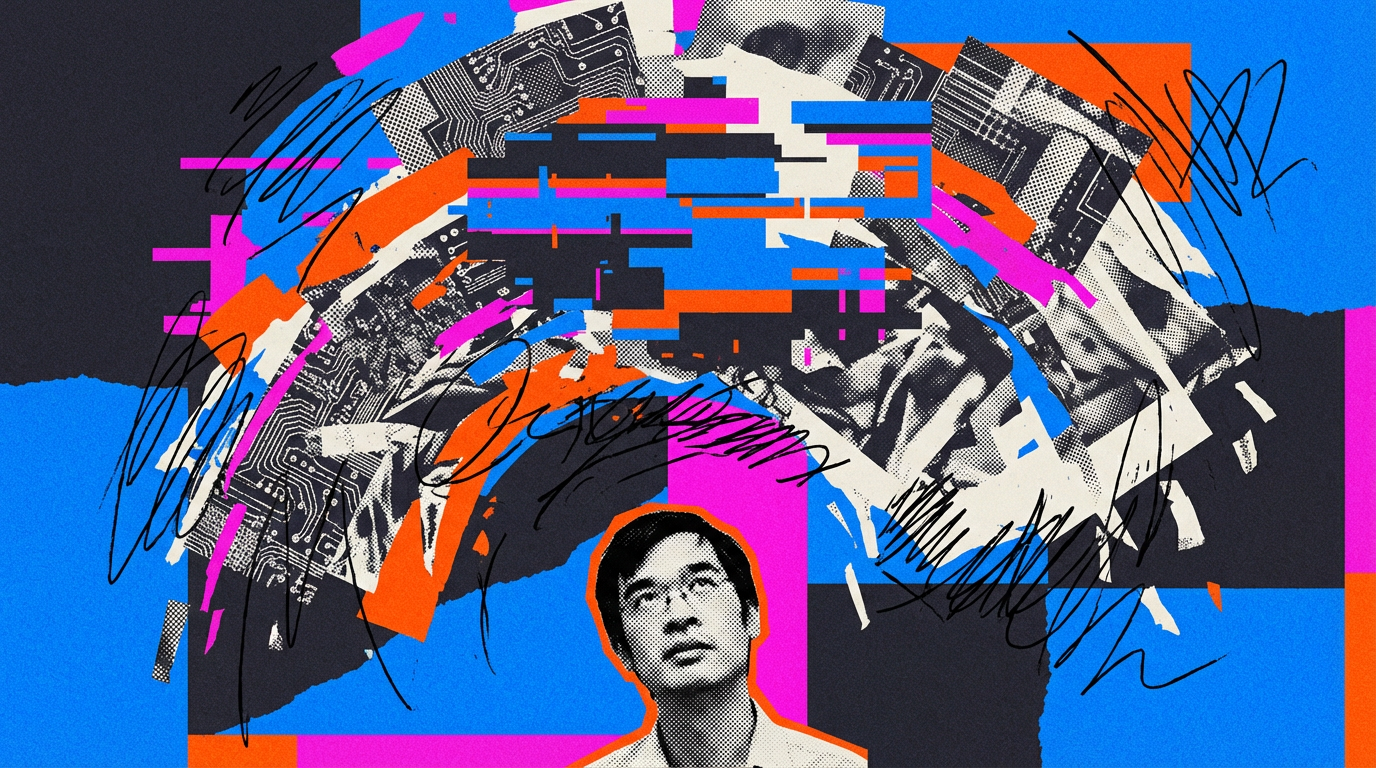
Terence Taoは、AIが数学に与える影響を、自動車が都市に与えた影響になぞらえている:新技術には新たなインフラストラクチャーが必要であり、そうでなければ従来の道路をただ渋滞させるだけだ。彼の分析は、数学の分野をはるかに超えて応用が利く。
この記事「Terence Tao says AI drives idea generation cost to near zero but shifts the bottleneck to verification」は、The Decoderで最初に公開されました。
原文を表示
Mathematician Terence Tao compares the influence of AI and formalization on mathematical practice with the impact of the automobile on urban development. The analogy could apply just as well to other fields, including coding.
Cars were faster than any previous mode of transportation, but they clogged roads built for people, horses, and carriages. New roads and highways made fast travel possible but led to urban sprawl, traffic congestion, and environmental problems. Only thoughtful urban planning and traffic regulations could have united both worlds in a sensible way, Tao writes.
The existing infrastructure of mathematics—journals, conferences, mentoring, citations—is like old, narrow roads: built for humans. Human proofs may be slow, but they generate valuable side effects: researchers develop expertise, map mathematical terrain, discover new research directions, and document instructive dead ends and detours.
AI-assisted proofs, Tao argues, can lead efficiently from hypothesis to result but lose exactly these side effects along the way. They're often unsuitable for traditional journals because the expected narrative about the path to proof is almost entirely missing. Tao compares attempts to upgrade AI models so they produce publishable papers with trying to retrofit cars for streets designed for humans.
Mathematics needs new infrastructure built for machines
Rather than forcing AI into existing structures, Tao thinks the better approach is to create new machine-friendly mathematical infrastructure that complements rather than replaces human paths. As examples, he points to large mathematical challenges where solutions are verified by formal proof assistants or automatically generated libraries of rough proofs that humans then refine into higher-quality versions. Tao also suggests a new discipline of "AI planning," modeled on urban planning, to preserve the "walkable" nature of mathematics.
In a conversation with Dwarkesh Patel, Tao expands on this view: AI does make his work "richer and broader," through more graphics, code, and deeper literature research, for example. But he still does the core of his mathematical work with pen and paper. Without the additional elements that AI makes possible in the first place, a paper wouldn't come together much faster today than it did in the past, Tao says. AI hasn't sped up the actual work so much as opened up new possibilities.
"I think AI has driven the cost of idea generation down to almost zero, in a very similar way to how the internet drove the cost of communication down to almost zero. It's an amazing thing, but it doesn't create abundance by itself. Now the bottleneck is different. We're now in a situation where suddenly people can generate thousands of theories for a given scientific problem. Now we have to verify them, evaluate them," explains Tao.
AI News Without the Hype – Curated by Humans
Subscribe to THE DECODER for ad-free reading, a weekly AI newsletter, our exclusive "AI Radar" frontier report six times a year, full archive access, and access to our comment section.
Subscribe now
今日のまとめ
AIデイリーブリーフで今日の重要ニュースをまとめ読み